Fresh oregano from your own garden beats store-bought herbs every single time. The flavor is stronger, the leaves stay fresh longer, and you save money on those tiny plastic containers.
Learning how to grow oregano is surprisingly simple, even if you’ve never grown herbs before. This plant forgives mistakes, thrives in pots or gardens, and keeps producing for years.
This guide covers everything from choosing the right oregano type to harvesting at peak flavor.
You’ll learn the best planting methods, daily care basics, and storage tricks that keep your harvest usable for months.
Ready to grow your own kitchen staple?
What Oregano Is and How It Grows?
Oregano is a hardy herb from the mint family that thrives in warm, sunny spots. This perennial plant comes back year after year, spreading through underground roots and above-ground stems.
The flavor intensity varies with soil quality, sunlight exposure, and water levels. Hot, dry conditions create stronger oils and better taste.
Growing oregano successfully means understanding that culinary types offer the best flavor for cooking, while ornamental varieties look pretty but taste bland.
Culinary vs. Ornamental Oregano
| Feature | Culinary Oregano | Ornamental Oregano |
|---|---|---|
| Flavor | Strong, spicy, aromatic | Mild or tasteless |
| Best Use | Cooking, drying, and seasoning | Garden decoration, landscaping |
| Common Types | Greek oregano, Italian oregano | Golden oregano, variegated oregano |
| Leaf Color | Green to gray-green | Often yellow, pink, or multicolored |
| Oil Content | High (strong flavor) | Low (weak flavor) |
| Growing Needs | Full sun, well-drained soil | Similar, but chosen for looks |
Key Tip: Always choose Greek or Italian oregano when learning how to grow oregano for kitchen use. These varieties pack the most flavor punch.
Types of Oregano
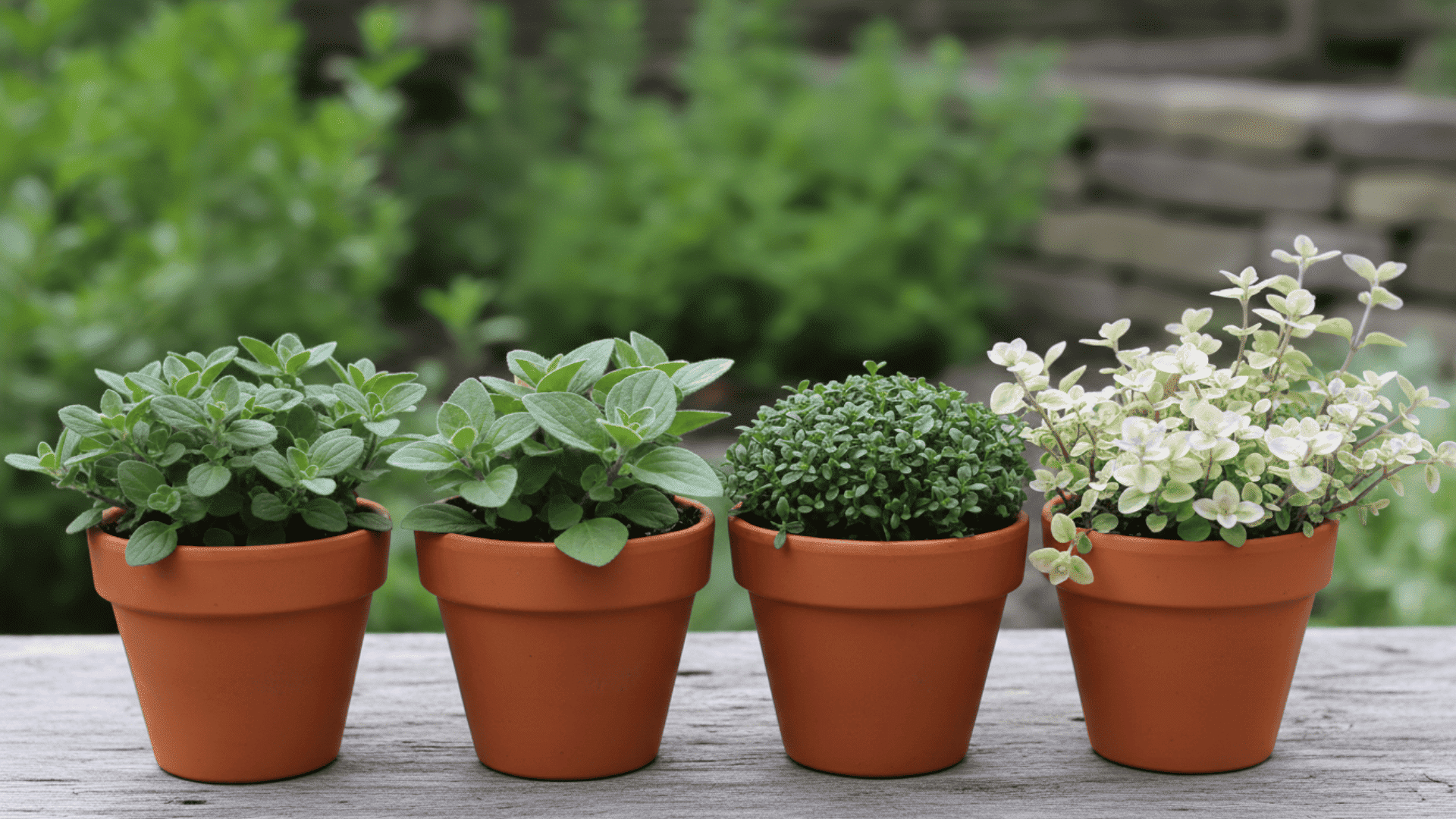
Not all oregano plants taste the same. Choosing the right type makes a big difference when you learn how to grow oregano for your kitchen.
- Greek Oregano – The Flavor Champion: Greek oregano (Origanum vulgare hirtum) has the strongest, most peppery taste and works best for Mediterranean dishes, pizza, and grilled meats.
- Common Oregano – The Milder Option: Common oregano (Origanum vulgare) grows easily but offers a gentler, less intense flavor compared to its Greek cousin.
- Compact Varieties – Perfect for Containers: Dwarf and compact oregano types fit well in small pots and windowsills while still giving you fresh herbs to snip throughout the season.
- Skip the Ornamental Types: Ornamental oregano looks beautiful with colorful leaves and flowers, but it lacks the strong taste you need for cooking and seasoning.
How to Grow Oregano in Pots
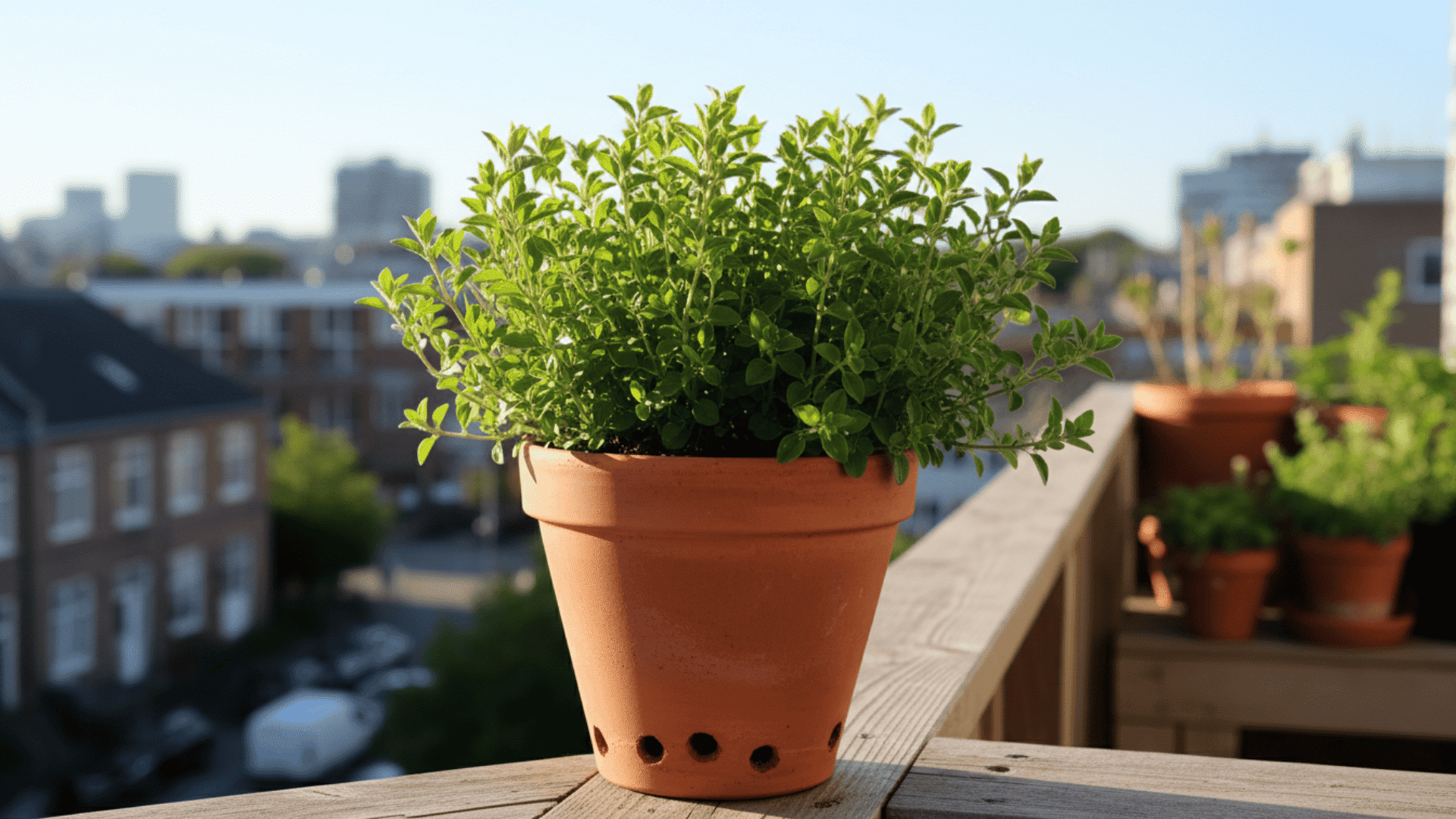
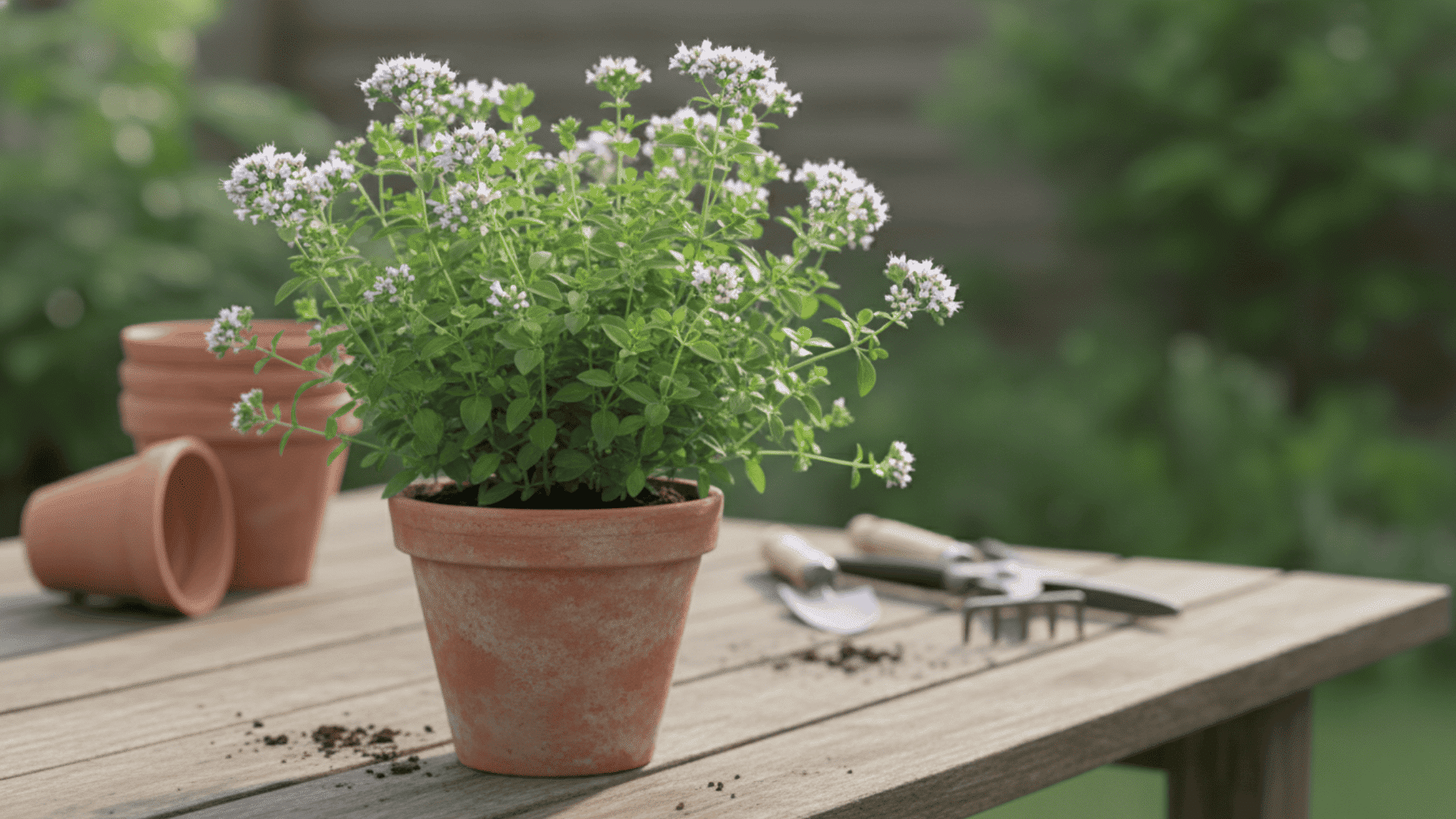
Growing oregano in pots is ideal for small spaces, balconies, and patios. Container growing gives you better control over soil quality and drainage. This method works perfectly for beginners learning how to grow oregano indoors or outdoors.
Steps to Grow Oregano in Pots
- Step 1. Select a Pot with Drainage Holes: Choose a container at least 8-10 inches wide with drainage holes at the bottom to prevent root rot.
- Step 2. Use a Light, Fast-Draining Soil Mix: Mix regular potting soil with perlite or coarse sand for better drainage and healthy roots.
- Step 3. Place the Pot in Full Sun: Oregano needs 6-8 hours of direct sunlight daily to develop strong flavor and bushy growth.
- Step 4. Water Only When the Top Soil Dries Out: Check soil moisture by sticking your finger 1-2 inches deep and water only when the top feels dry.
- Step 5. Trim Often to Prevent Legginess: Cut stems back by one-third every few weeks to encourage bushy growth and prevent tall, spindly plants.
How to Grow Oregano Outdoors
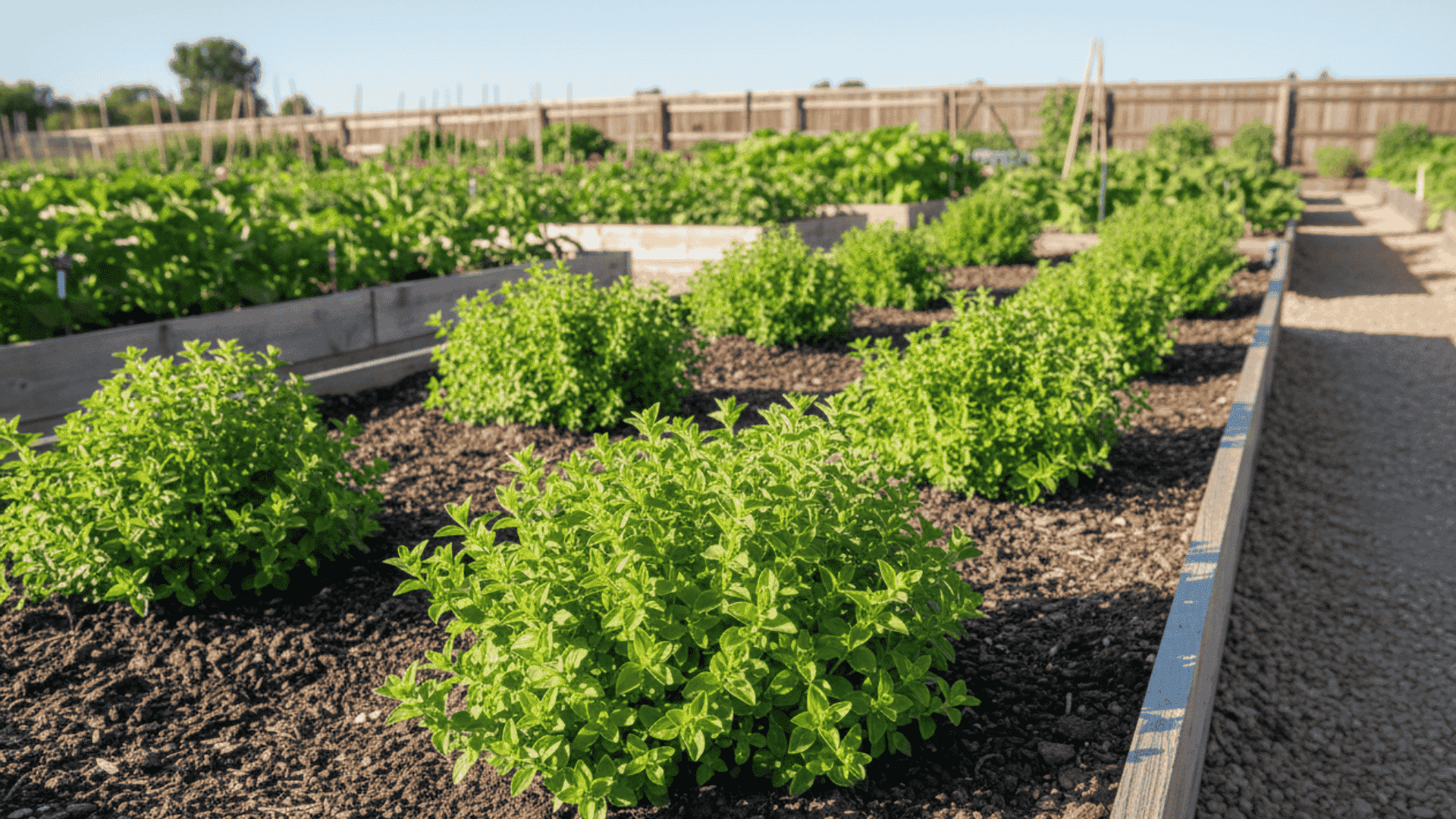
Outdoor growing produces the strongest flavor and requires very little maintenance once established. Plants grown in garden beds have more root space and access to natural sunlight. This is the easiest way to learn how to grow oregano with minimal effort.
Steps to Grow Oregano Outdoors
- Step 1. Choose a Sunny Location with Well-Draining Soil: Pick a spot that gets 6-8 hours of full sun daily and has soil that dries quickly after rain.
- Step 2. Space Plants to Allow Airflow: Plant oregano 8-12 inches apart to prevent moisture buildup and reduce disease problems between plants.
- Step 3. Water Deeply but Infrequently: Give plants a thorough soaking once a week rather than light daily watering for stronger, deeper roots.
- Step 4. Mulch Lightly to Suppress Weeds: Add a thin layer of organic mulch around plants to keep weeds down without trapping too much moisture.
- Step 5. Prune Regularly to Encourage Bushy Growth: Trim stems back by one-third every 3-4 weeks to keep plants compact, full, and producing fresh leaves.
How to Grow Oregano Indoors
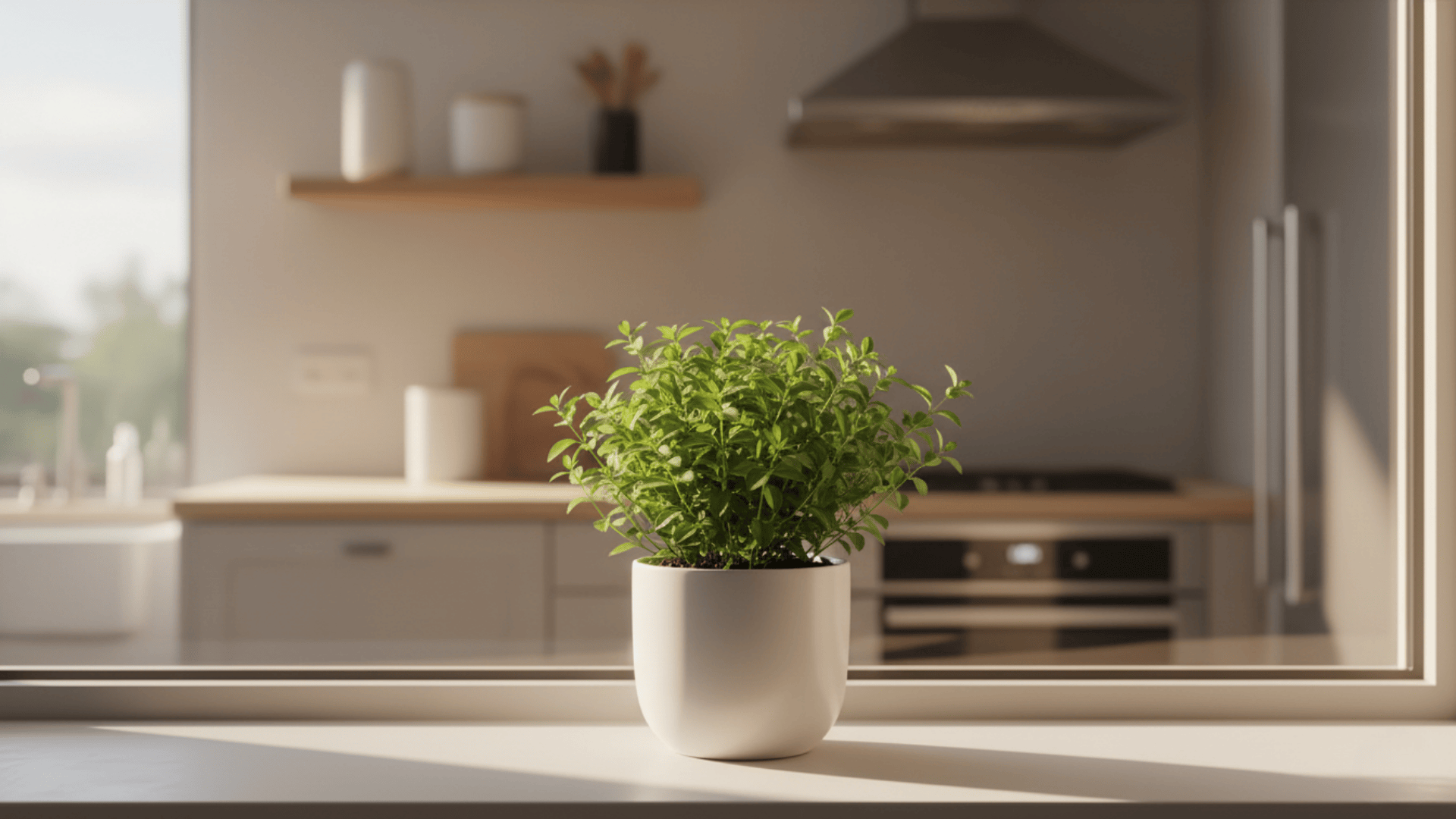
Indoor oregano performs best with strong light and proper airflow. This method suits kitchens and sunny windowsills perfectly. Learning how to grow oregano indoors means you get fresh herbs year-round.
Steps to Grow Oregano Indoors
- Step 1. Place Near a Bright South-Facing Window: South-facing windows provide 6-8 hours of direct sunlight that oregano needs for strong flavor and healthy growth.
- Step 2. Rotate the Pot Weekly for Even Growth: Turn your pot a quarter turn each week so all sides get equal light and the plant grows evenly.
- Step 3. Use Well-Draining Potting Mix: Choose a light potting mix with perlite or sand added to prevent water from sitting around roots.
- Step 4. Avoid Overwatering: Let the top 1-2 inches of soil dry out completely between waterings to prevent root rot and fungal issues.
- 5. Supplement Light if Natural Sunlight is Limited: Add a grow light for 12-14 hours daily if your windows don’t provide enough bright, direct sunlight.
When and How to Harvest Oregano
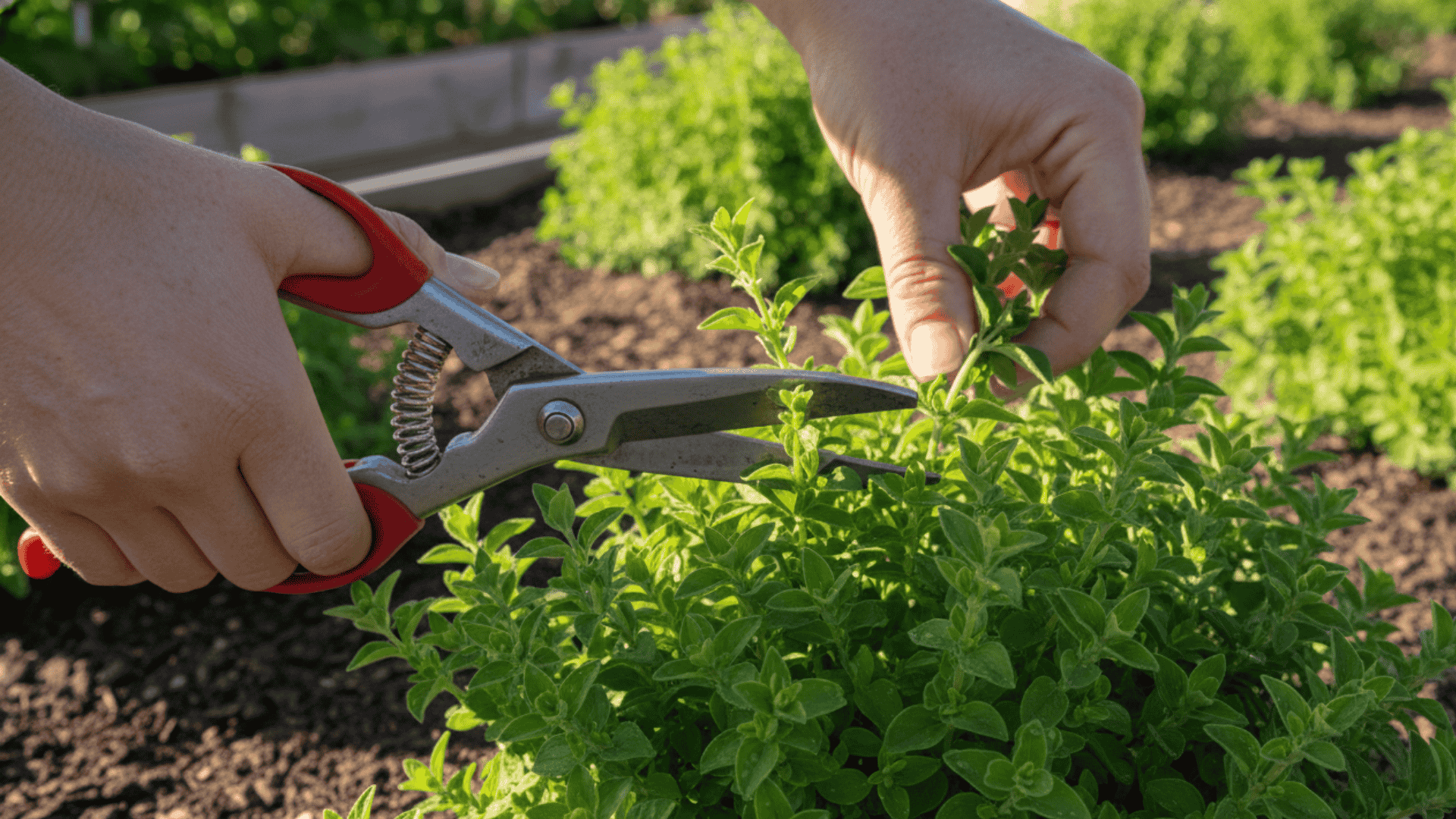
Proper harvesting keeps your oregano plant healthy and productive. Knowing when and how to cut makes all the difference.
1. When to Start Harvesting
Wait until your oregano plant reaches 4-6 inches tall before the first harvest. Young plants need time to build strong roots and stems. Once established, you can harvest every 2-3 weeks throughout the growing season for continuous fresh leaves.
2. How to Cut Properly
Use clean scissors or pruning shears to cut stems just above a leaf node. Cut no more than one-third of the plant at a time to avoid shocking it. Make cuts in the morning after the dew dries but before the heat of the day for the best flavor.
3. Best Time for Maximum Flavor
Harvest oregano just before flowers open for the strongest taste and highest oil content. The leaves contain more essential oils at this stage than at any other time. If flowers do appear, pinch them off to keep leaves producing.
4. Storing Fresh Oregano
Rinse cut stems gently and pat them dry with a paper towel. Wrap them loosely in damp paper towels and store in the refrigerator for up to one week. For longer storage, dry the leaves or freeze them in ice cube trays with olive oil.
How to Care for Oregano Plants
Caring for oregano is simple once you understand its basic needs. This hardy herb thrives with minimal attention when you get the fundamentals right.
| Care Aspect | What to Do |
|---|---|
| Sunlight | Provide 6-8 hours of direct sun daily |
| Watering | Water only when the top 1-2 inches of soil dry out |
| Soil Type | Use well-draining, slightly alkaline soil |
| Fertilizing | Feed lightly once in spring with compost |
| Pruning | Trim back one-third every 3-4 weeks |
| Winter Care | Mulch outdoor plants or bring pots inside |
Quick Tip: When learning to grow oregano successfully, remember that less water and fewer nutrients actually improve taste.
How to Store Oregano?
Air drying oregano is the most common method: bundle stems together and hang them upside down in a warm, dry spot for 1-2 weeks until the leaves crumble easily.
Freezing fresh leaves works well, too: place whole or chopped leaves in freezer bags or ice cube trays with olive oil.
Once dried, store oregano in airtight containers, away from light and heat, for up to 6 months to maintain flavor. Learning how to grow oregano includes knowing how to store it properly to enjoy your harvest longer.
Summing It Up
Growing oregano at home is one of the easiest ways to add fresh flavor to your cooking. This hardy herb needs minimal care, fits in small spaces, and produces leaves for years once established.
From choosing Greek oregano for the best taste to harvesting before flowers bloom, you now have all the basics covered.
Whether you plant in pots, gardens, or windowsills, success comes down to full sun, good drainage, and regular trimming.
Ready to start your herb garden? Pick up a small oregano plant this weekend and try these tips.
Have questions or tips of your own? Drop a comment below and share your oregano growing experience with us!