
Cabbage looks simple on the surface, but it confuses a lot of people once they actually try to grow it.
It’s a cool-season crop that reacts fast when conditions are off. Too much heat, uneven watering, or poor timing can quietly undo weeks of effort.
The good news is that cabbage is very beginner-friendly when you understand how it behaves and why.
In this guide, I’ll walk you through how to grow cabbage in a calm, practical way. You’ll learn when to plant, how to space it, what steady care really means, and how to avoid the problems that trip people up most often.
Let’s start by clearing up the most common question people have.
Is Cabbage Easy to Grow?
Cabbage is easy to grow once timing and consistency are handled. The plant itself isn’t fragile. It grows steadily, doesn’t need fancy care, and tolerates light frost.
Where beginners struggle is planting too late, letting soil dry out, or crowding plants too closely. Those mistakes don’t kill cabbage. They just stop it from forming proper heads.
Most issues come back to timing. Cabbage wants cool air while it’s growing and forming heads. When it matures during heat, it reacts by staying loose, bolting, or splitting later.
If you line up planting dates with cooler weather and keep growth steady, cabbage becomes predictable and forgiving.
When to Plant Cabbage
Cabbage planting is about working around temperature, not the calendar. It grows best when daytime weather stays cool and nights are mild.
You can grow cabbage in spring or fall. Both work, but they behave a little differently.
Spring Cabbage Planting
Spring cabbage is planted early so it can grow before heat arrives.
Start seeds indoors about six to eight weeks before your last expected frost. Seedlings grow slowly at first, so this early start matters. Transplant them outside two to three weeks before the last frost once they have several true leaves.
Young cabbage plants tolerate light frost without damage. Cold helps them stay compact. The real risk is letting them mature too late, when rising temperatures push them into stress.
Fall Cabbage Planting
Fall cabbage is often easier and more reliable. The goal is to have plants forming heads as temperatures cool, not warm.
Count backward from your first expected fall frost using the variety’s days to maturity. Then add a couple of extra weeks for slower late-season growth.
To avoid heat stress early on, start seeds indoors or in a shaded area. Transplant once the worst heat passes. Fall-grown cabbage usually forms tighter heads and has fewer pest problems.
Choosing Between Cabbage Seeds or Transplants
Both seeds and transplants work. The right choice depends on timing and space, not skill level. Seeds give more control. Transplants save time.
Growing Cabbage from Seeds
Seeds are useful if you want specific varieties or need to start early.
You control temperature, moisture, and timing indoors. This helps avoid poor germination during cold springs or hot summers. The tradeoff is extra time and space for seedlings.
Sow seeds shallow, keep soil lightly moist, and provide good light. Seedlings should grow slow and sturdy, not tall and thin.
If you prefer seeing the process instead of just reading it, the video below walks through growing cabbage from seed, from variety selection to transplanting. It’s especially useful if you’re starting indoors or planning a succession crop.
Growing Cabbage from Transplants
Transplants make sense when you’re short on time or growing space.
Look for short, thick stems and dark green leaves. Avoid plants that are yellowing or root-bound. Healthy transplants establish quickly and reduce early-season stress.
Transplants are especially helpful for fall planting, when outdoor heat makes direct seeding unreliable.
Best Soil and Sun Conditions for Cabbage
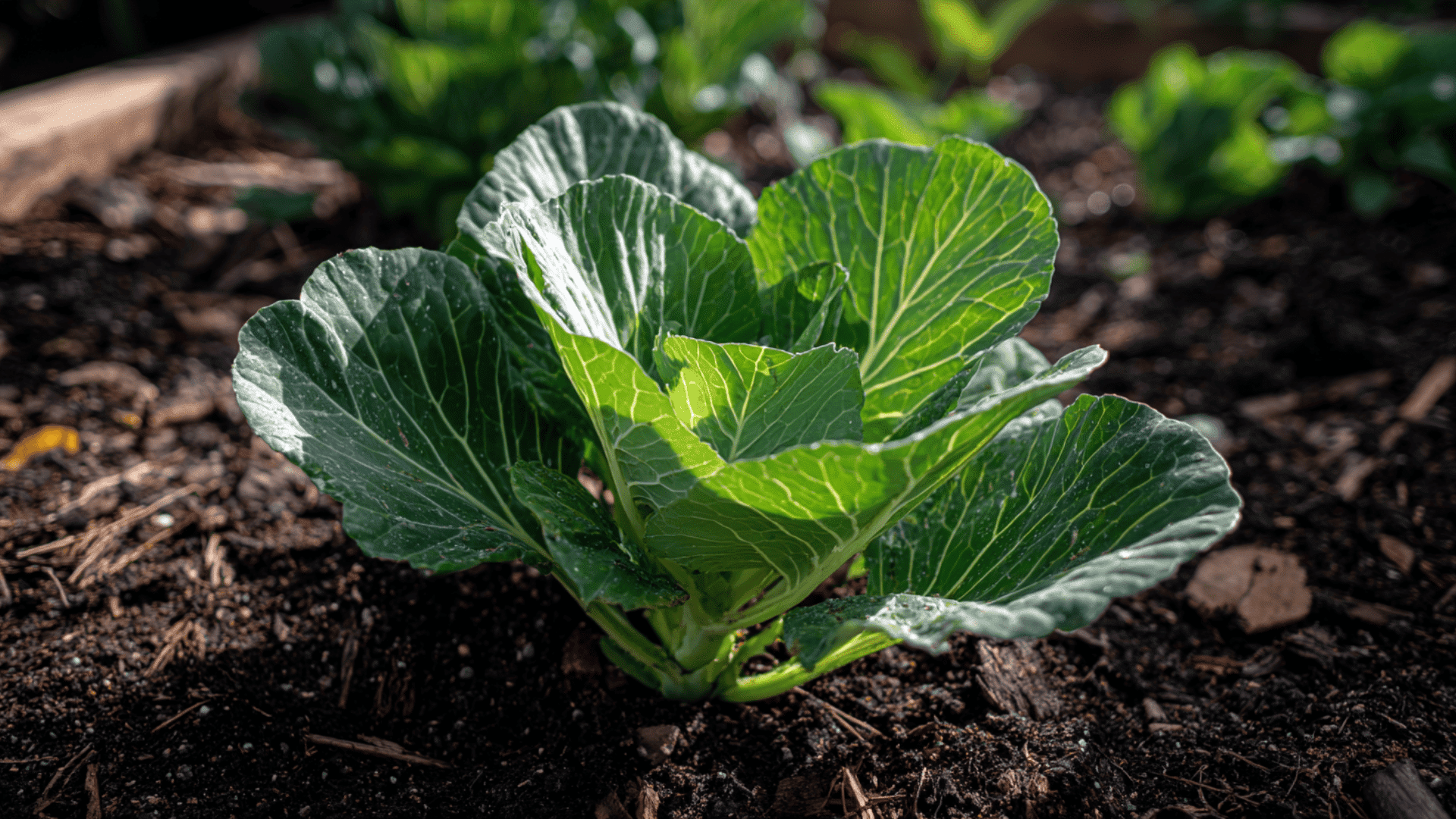
Cabbage responds strongly to its growing environment. When soil and sunlight are right, the plant grows steadily and stays predictable. When they’re off, problems tend to show up later, often during head formation.
Soil Type and Preparation
Cabbage prefers soil that drains well but still holds moisture.
Heavy clay soil stays wet too long, which slows root growth and limits oxygen. Sandy soil drains too fast, causing moisture and nutrients to disappear before the plant can use them. Both lead to stress, just in different ways.
Adding compost helps balance these extremes. It improves drainage in heavy soil and helps sandy soil retain water and nutrients. That steady access to moisture and nutrients supports the consistent growth cabbage needs.
Soil pH also plays a role. Cabbage grows best in a pH range of about 6.0 to 6.8. Outside that range, plants may look healthy but struggle to form tight heads because nutrients aren’t absorbed as efficiently.
Sun Requirements
Cabbage needs at least six hours of direct sun each day.
With less light, growth slows and heads tend to stay loose. The plant puts energy into stretching leaves instead of forming a solid center. Morning sun is especially helpful because it dries moisture from the leaves early, which reduces disease and pest pressure.
In warmer areas, a bit of afternoon shade can help limit heat stress, but too much shade almost always leads to weak growth. When light levels are steady and adequate, cabbage stays compact and develops more reliably.
How to Plant Cabbage Correctly
Planting depth and spacing have a long-term effect on how cabbage grows. Small mistakes here don’t show up right away, but they almost always show up later.
1. Set the Correct Planting Depth
Place transplants so the soil line matches the level they were growing at in the pot. The stem should sit right at the surface. Burying cabbage too deeply can slow growth and increase the risk of rot. Planting too shallow can expose roots and cause them to dry out.
2. Give Each Plant Enough Space
Think of a cabbage head as a solid ball that expands outward in every direction. It needs open space on all sides to form evenly. When plants are crowded, they compete for light, water, and nutrients, which leads to smaller or loose heads.
3. Choose Spacing Based on Head Size
Space plants about 12 inches apart if you want smaller heads. Use roughly 18 inches for full-sized heads. Tighter spacing limits head size no matter how well the plant is watered or fed.
4. Space Rows for Airflow
Keep rows about two to three feet apart. This improves air circulation, helps leaves dry faster after rain, and lowers disease pressure as plants mature.
5. Adjust Spacing for Containers
In containers, grow one cabbage per pot. Each plant needs enough root space to support steady growth.
Crowding multiple plants into one container almost always causes uneven growth and weak head development.
Getting planting depth and spacing right early prevents many problems later. Once cabbage is established, these are some of the hardest mistakes to correct.
Caring for Cabbage Plants
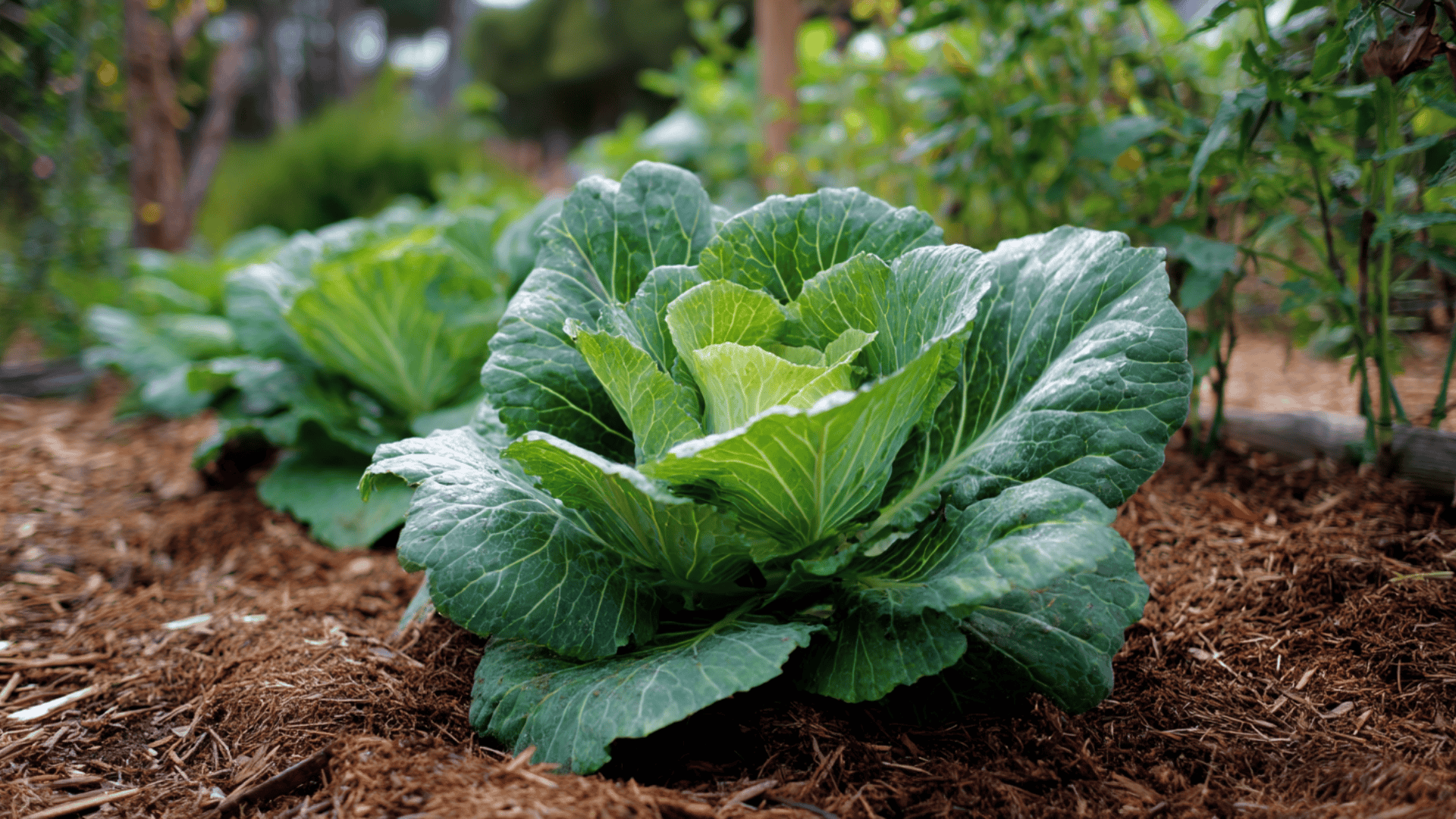
Cabbage doesn’t need constant attention, but it does need consistency. When water, nutrients, or soil conditions swing back and forth, the plant reacts later in ways that are hard to undo.
| Care Area | What Cabbage Needs | Why It Matters |
|---|---|---|
| Watering | About 1–2 inches of water per week, evenly applied | Inconsistent moisture stresses the plant and leads to small, loose, or split heads |
| Overwatering Signs | Yellowing lower leaves, slow growth | Roots stay shallow and weak when soil stays too wet |
| Underwatering Signs | Dull leaves, wilting in afternoon, slow recovery at night | Growth stalls and head formation is delayed or reduced |
| Fertilizing Timing | Nitrogen early in growth, stop once heads form | Early nitrogen supports leaf growth; late nitrogen prevents tight heads and increases splitting |
| Mulching | Organic mulch around the base of plants | Keeps moisture even, reduces weeds, and stabilizes soil temperature |
Cabbage grows best when nothing pulls it out of rhythm. Watering, feeding, and protecting the soil with mulch all work toward the same goal: uninterrupted growth.
When that stability is in place, cabbage does most of the work on its own.
Common Cabbage Problems and Fixes
- Cabbage not forming heads: Caused by heat, tight spacing, low nutrients, or uneven watering. Fix it by planting earlier or later, spacing wider, improving soil fertility, and keeping moisture steady from early growth onward.
- Small or loose heads: Usually the result of crowding, low sunlight, or slow growth. Fix this by increasing spacing, ensuring at least six hours of sun, and removing anything that interrupts steady development.
- Holes in leaves from caterpillars: Caterpillars feed from the underside of leaves and weaken plants over time. Prevent damage with lightweight mesh covers early, or hand-remove larvae before populations build.
- Yellowing lower leaves: Often caused by overwatering or compacted soil limiting oxygen to roots. Improve drainage, reduce watering frequency, and avoid walking or packing soil around growing plants.
- Split or cracked heads: Happens when dry soil is followed by heavy watering or rain. Prevent splitting by watering consistently and harvesting promptly once heads feel firm and fully formed.
Most fixes only work if applied early. Once cabbage passes its ideal growth window, recovery is limited. Consistent spacing, water, and timing prevent nearly all of these issues before they start
Growing Cabbage in Pots or Small Spaces
Cabbage can grow very well in containers, but it’s less forgiving than in the ground. Space, soil volume, and watering all matter more when roots are confined.
Use containers that are at least 12 inches deep and wide . Each cabbage plant needs its own pot to develop a full root system and form a proper head.
Crowding multiple plants into one container almost always leads to uneven growth and small heads.
Soil in pots dries out faster than garden beds, which means watering needs to be more regular. Letting containers swing between dry and soaked stresses the plant and interrupts head formation.
In warmer climates, light afternoon shade can help protect container-grown cabbage from heat stress. This is especially useful during head development, when high temperatures can stop growth or cause loose heads.
When and How to Harvest Cabbage
Cabbage is ready to harvest when the head feels firm and solid when gently squeezed. If it still feels soft or spongy, it needs more time.
Use a sharp knife to cut the head at the base of the plant. Leave the outer wrapper leaves and the root system in place.
In some cases, the plant may produce a few small side heads afterward, but these will be much smaller than the original and shouldn’t be relied on as a second full harvest.
Timing matters. Once heads are firm, harvesting sooner is better than later. Waiting too long increases the risk of splitting, pest damage, and declining quality, especially during warm or wet weather.
For a quick walkthrough of the process, check out this video below:
How Long Does Cabbage Take to Grow?
Most cabbage varieties take 70 to 100 days from transplant to harvest.
Early varieties mature faster but produce smaller heads. Late varieties take longer but store better and grow larger. Cool weather slows growth but improves quality.
Quick Cabbage Growing Tips for Success
- Plant cabbage early in spring or late in summer so head formation happens during cool weather, not during periods of heat stress.
- Give each plant enough space to spread so it can form a tight, full head without competing for light, water, or nutrients.
- Keep watering consistent throughout the season to avoid growth interruptions that lead to small, loose, or split heads.
- Feed cabbage early in its growth, then stop fertilizing once heads begin to form to prevent excessive leaf growth and splitting.
- Harvest cabbage as soon as heads feel firm to reduce the risk of cracking, pest damage, and declining quality.
Wrapping Up
Growing cabbage works best when you slow down and work with the plant instead of forcing it. It responds clearly to temperature, water, and spacing. When those stay steady, the plant does exactly what it’s supposed to do.
If things go wrong, the cause is usually easy to trace once you know what cabbage reacts to and why. By understanding timing and consistency, growing cabbage becomes far less stressful and far more reliable.
If you’re planting soon, start by checking your local frost dates and adjusting your plan before seeds ever go into soil.
If this helped, there are more step-by-step growing guides on the site that walk through other vegetables with the same clear, no-rush approach.