Growing an avocado plant from a seed is one of those slow, rewarding little rituals that turns your kitchen counter into something worth looking at.
Most people start with the classic toothpick-and-water method, and honestly, it never gets old watching those first roots curl out of a pit you almost threw away.
This guide walks you through everything, from prepping your seed to sprouting it, getting it into soil, and keeping it happy long after it outgrows its first pot.
Can You Grow an Avocado From a Seed?
Yes, and it’s more satisfying than you’d expect. When an avocado seed is exposed to moisture and warmth, it gradually cracks open at the base, pushing out roots downward and a shoot upward.
This works in both water and soil, though the process asks for patience.
As for fruit, it’s worth knowing upfront that seed-grown avocados rarely produce fruit, and when they do, it can take years.
Most people grow them purely as lush, leafy houseplants, which honestly might be the better reward anyway.
How to Grow an Avocado From a Seed Using the Water Method?
This is the part where the fun begins. Follow these steps closely, and you’ll have a sprouting seed before you know it.
Step 1: Remove and Clean the Seed
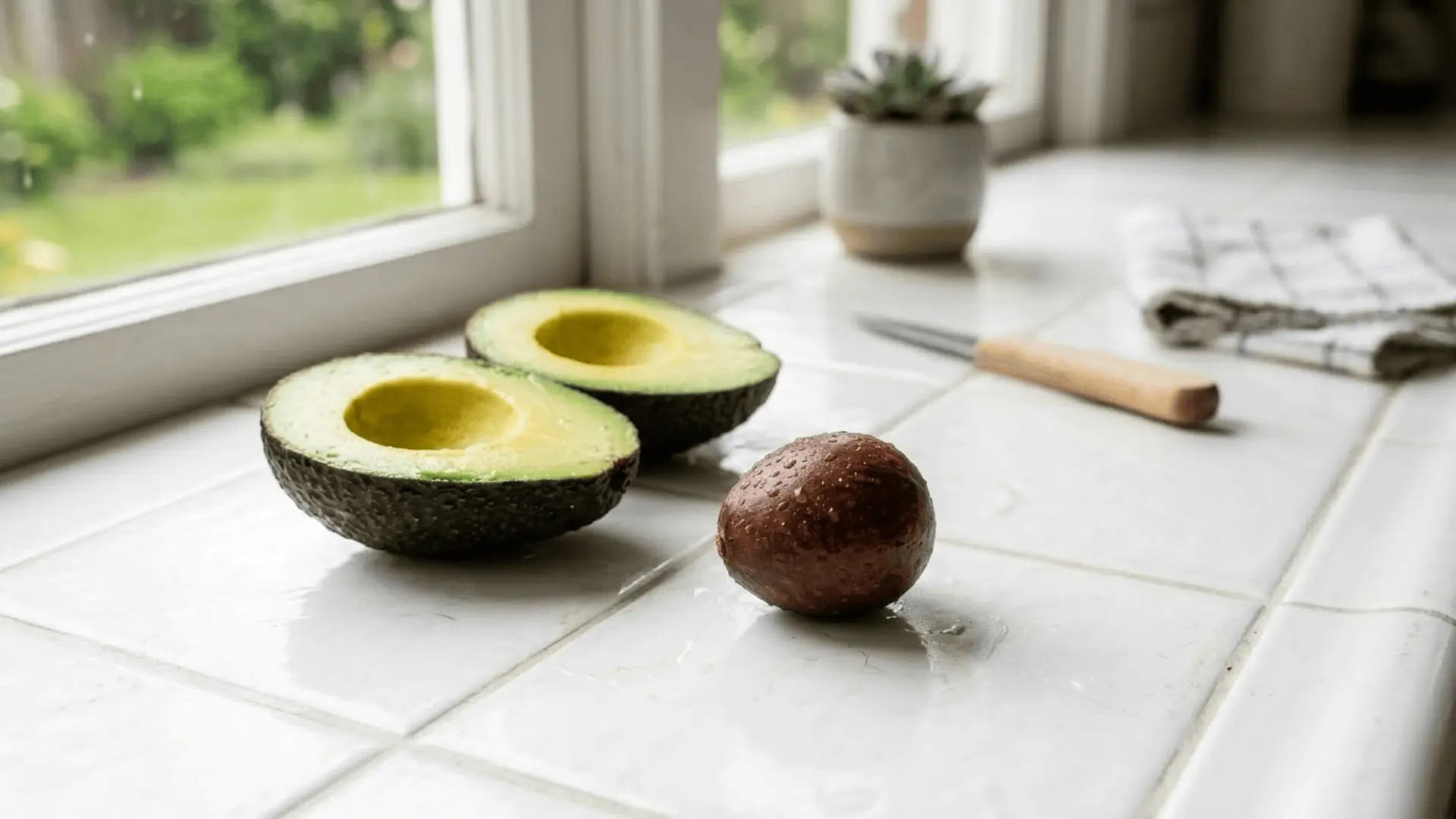
Slice your avocado lengthwise and twist the halves apart gently. Once the pit is out, rinse it under lukewarm water and rub off any green flesh still clinging to it using your fingers.
Some seeds come with a thin papery brown skin; leaving it on is fine. Let it air dry for a few hours before moving forward.
Step 2: Insert Toothpicks Around the Seed
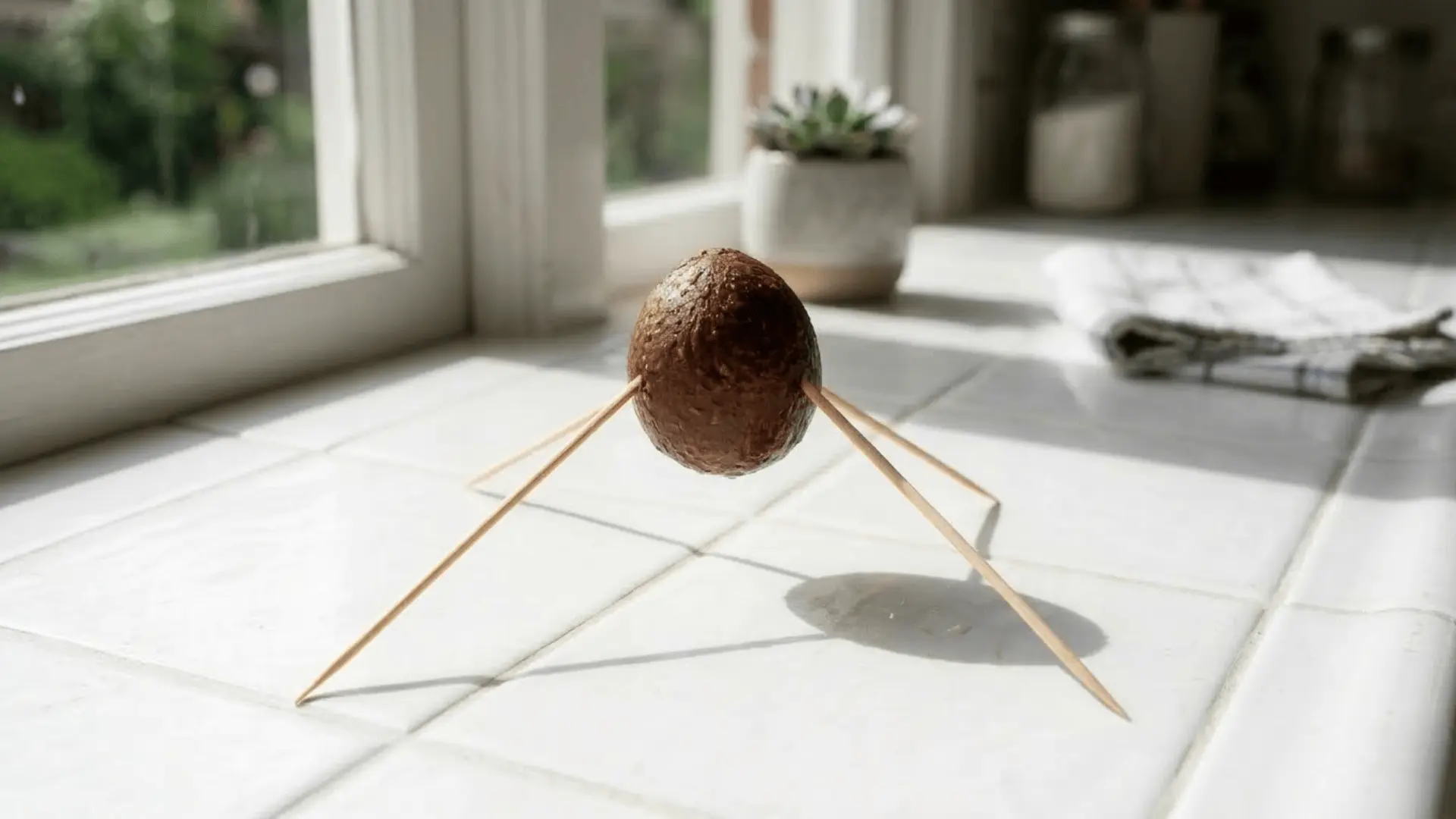
Push 3 to 4 toothpicks into the seed’s midsection at a slight downward angle, spacing them evenly so the weight is distributed.
These act as a scaffold, suspending the seed over the jar without letting it sink. Press them in firmly enough that they hold steady when you lower the seed into place.
Step 3: Place the Avocado Seed in Water
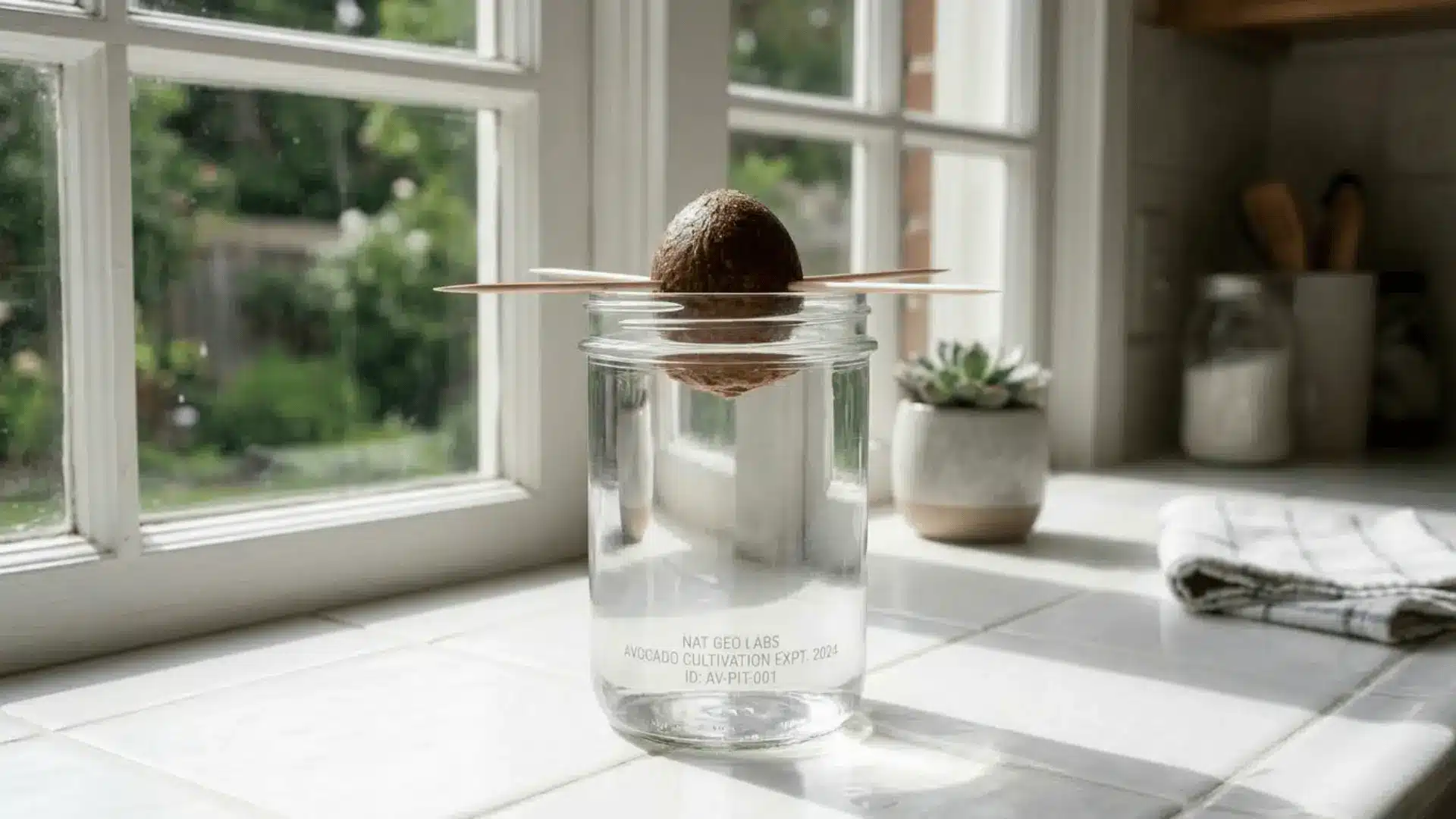
Rest the seed on the rim of your glass jar with the broader, flat end facing down into the water. That bottom half should stay submerged at all times since this is where roots emerge first.
A clear jar works best here, letting you monitor root growth and water levels without lifting the seed out.
Step 4: Position the Seed in a Bright Spot
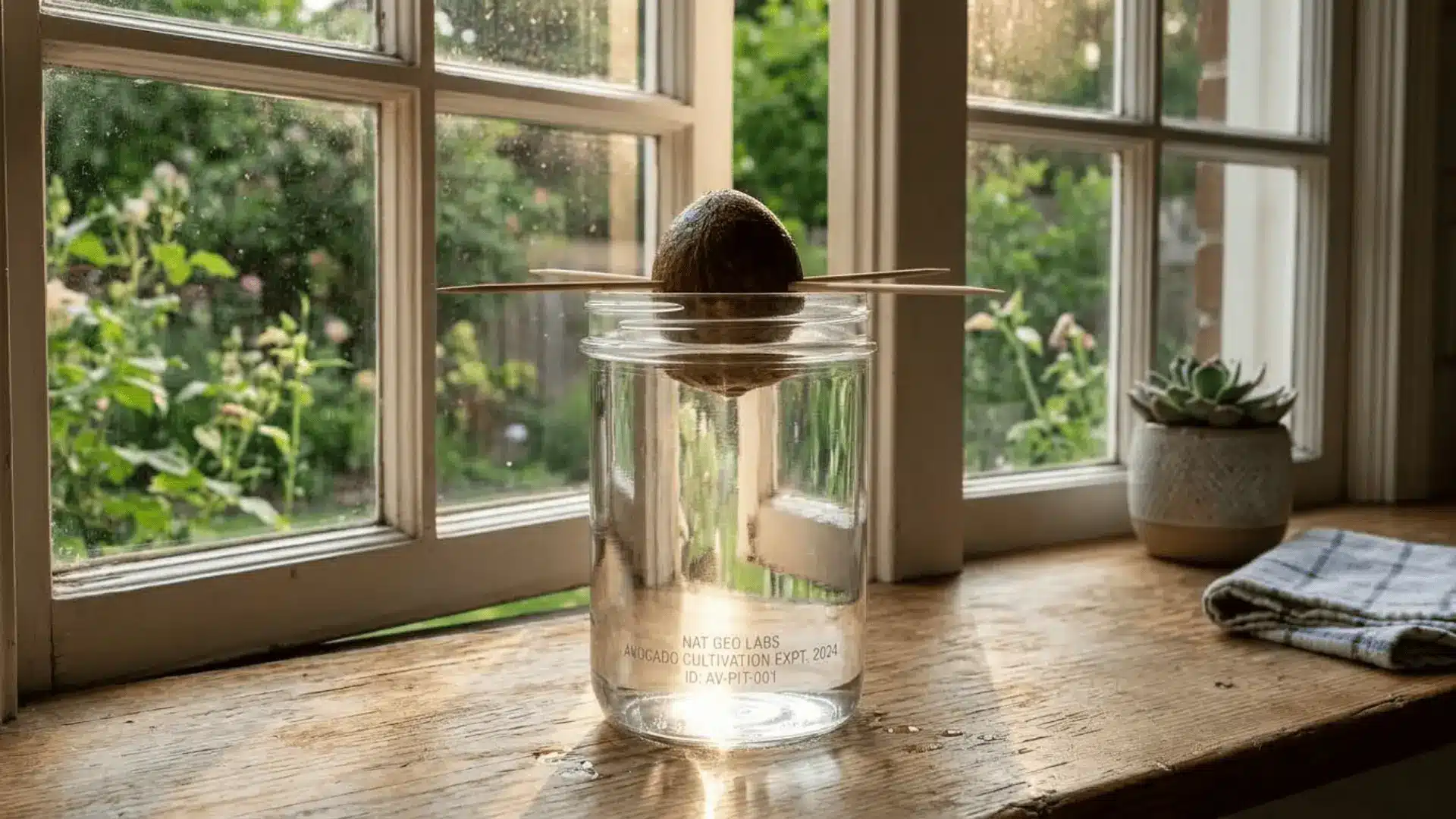
Set your jar somewhere that gets steady warmth and indirect sunlight, a windowsill with morning light is ideal.
Avoid cold drafts, direct harsh sun, or spots near air vents, as temperature swings slow things down. Swap out the water every few days to keep it clean and oxygen-rich for the developing roots.
Step 5: Wait for Roots and Sprout Growth
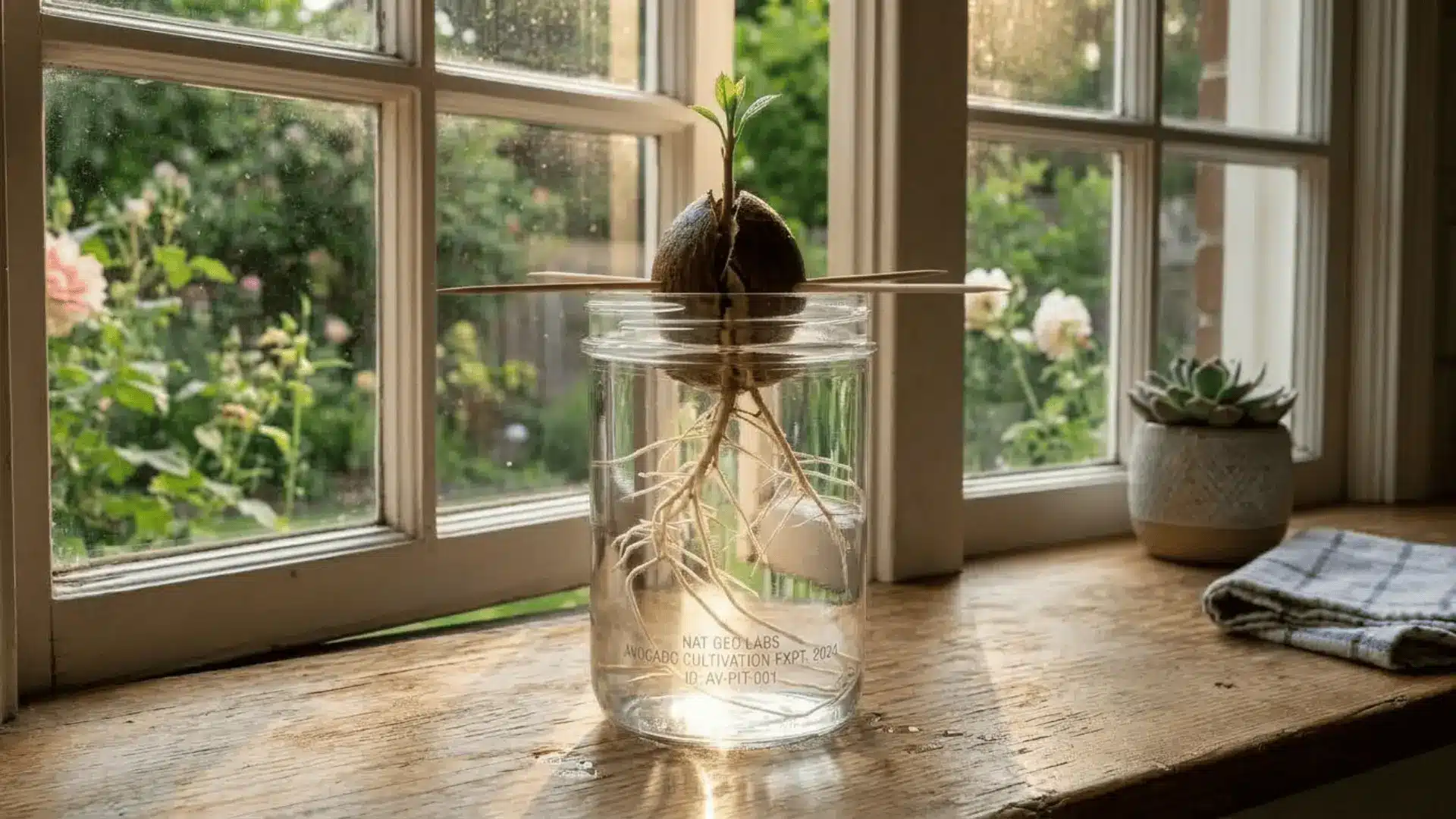
Germination takes time, so try not to move the seed around too much. Within 2 to 8 weeks, the base should crack open, sending roots downward while a shoot climbs up from the top.
Once the roots reach a few inches long and the sprout shows its first leaves, the seed is ready to move into the soil.
How Long Does an Avocado Seed Take to Sprout?
Germination is not a race, and every seed moves at its own pace. Most seeds begin showing signs of life within 2 to 8 weeks, depending on warmth, light, and water freshness.
Watch for these early signs that things are moving along:
- The seed cracks open at the base
- Roots start threading downward into the water
- A stem pushes upward from the top of the crack
Once all 3 are visible, germination is well underway, and soil is the next destination.
Transplanting the Avocado Seedling to Soil
Moving your seedling into soil is a big milestone. Get this step right, and your plant will have everything it needs to grow strong.
When to Move the Seed to Soil?
Timing matters here. Wait until the roots are at least 2 to 3 inches long and the stem has a few leaves before making the move.
Transplanting too early, before the root system is established, can stall growth. Once the seedling looks sturdy and the roots are visibly healthy, it’s ready for its new home in soil.
How to Plant the Sprouted Seed?
The right setup from the start saves a lot of trouble later. Here’s how to get your seedling settled in properly.
- Choose a pot with drainage holes, roughly 6 to 8 inches wide.
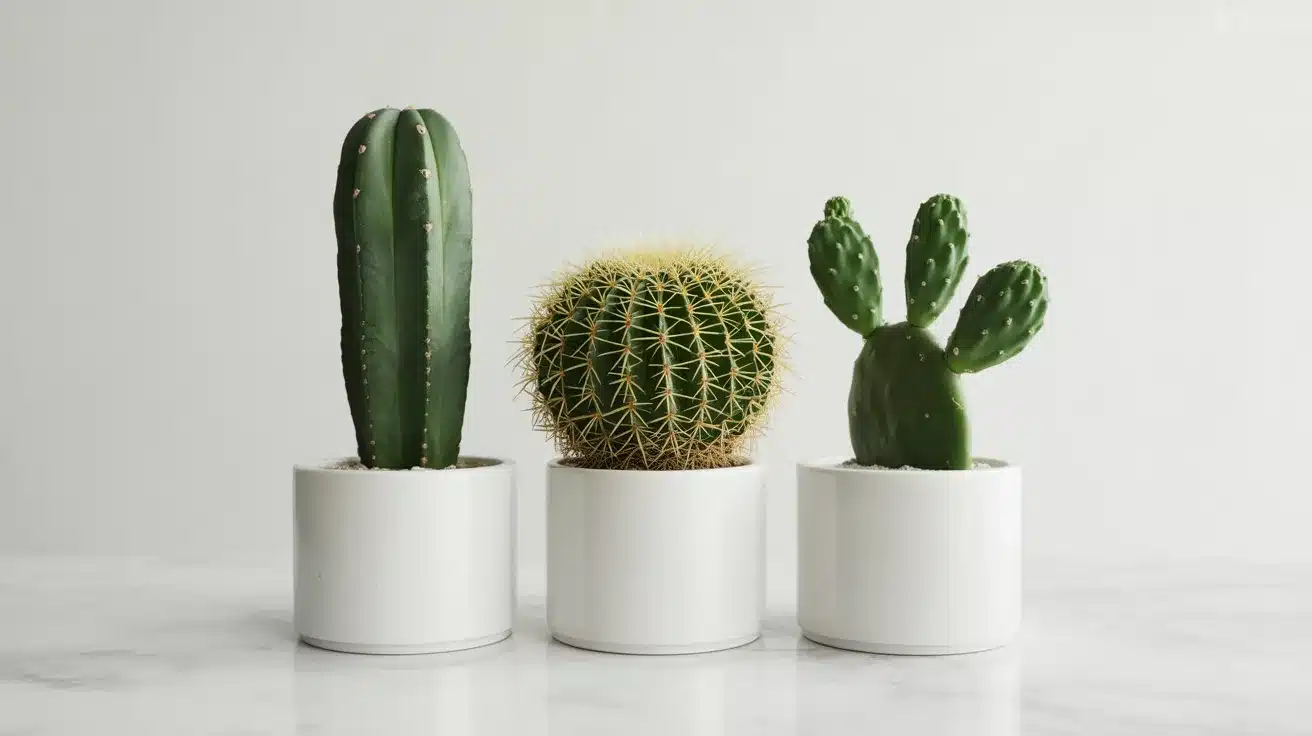
- Fill it with well-draining potting mix; a cactus blend works well.
- Place the seed halfway into the soil, leaving the top half exposed.
- Water thoroughly until it drains from the bottom, then let the topsoil dry before watering again.
- Set the pot in a warm spot with bright, indirect light.
Avocado Plant Care After Planting
Once your avocado is in soil, the real growing begins. A little consistent care goes a long way in keeping your plant healthy and thriving.
1. Sunlight Requirements
Avocado plants are sun lovers, needing at least 6 hours of bright light daily. A south or west-facing window is ideal indoors.
If natural light is limited, a grow light works as a solid substitute. Insufficient light leads to leggy, weak stems, so if your plant starts stretching dramatically in one direction, it’s time to reposition it.
2. Watering Needs
The goal is consistently moist but never waterlogged soil. Water thoroughly when the top inch of soil feels dry, then allow excess to drain freely.
Overwatering is one of the most common mistakes with avocado plants, and yellowing leaves are usually the first sign. A pot with good drainage holes makes managing moisture significantly easier.
3. Fertilizing Young Avocado Plants
Start fertilizing once your plant has settled in for about a month and shows active growth. A balanced, water-soluble fertilizer applied every 2 to 3 weeks during spring and summer gives it the nutrients it needs.
Cut back in fall and winter when growth naturally slows down. Avoid over-fertilizing as it can burn the roots and stunt development.
Growing an Avocado Tree Indoors
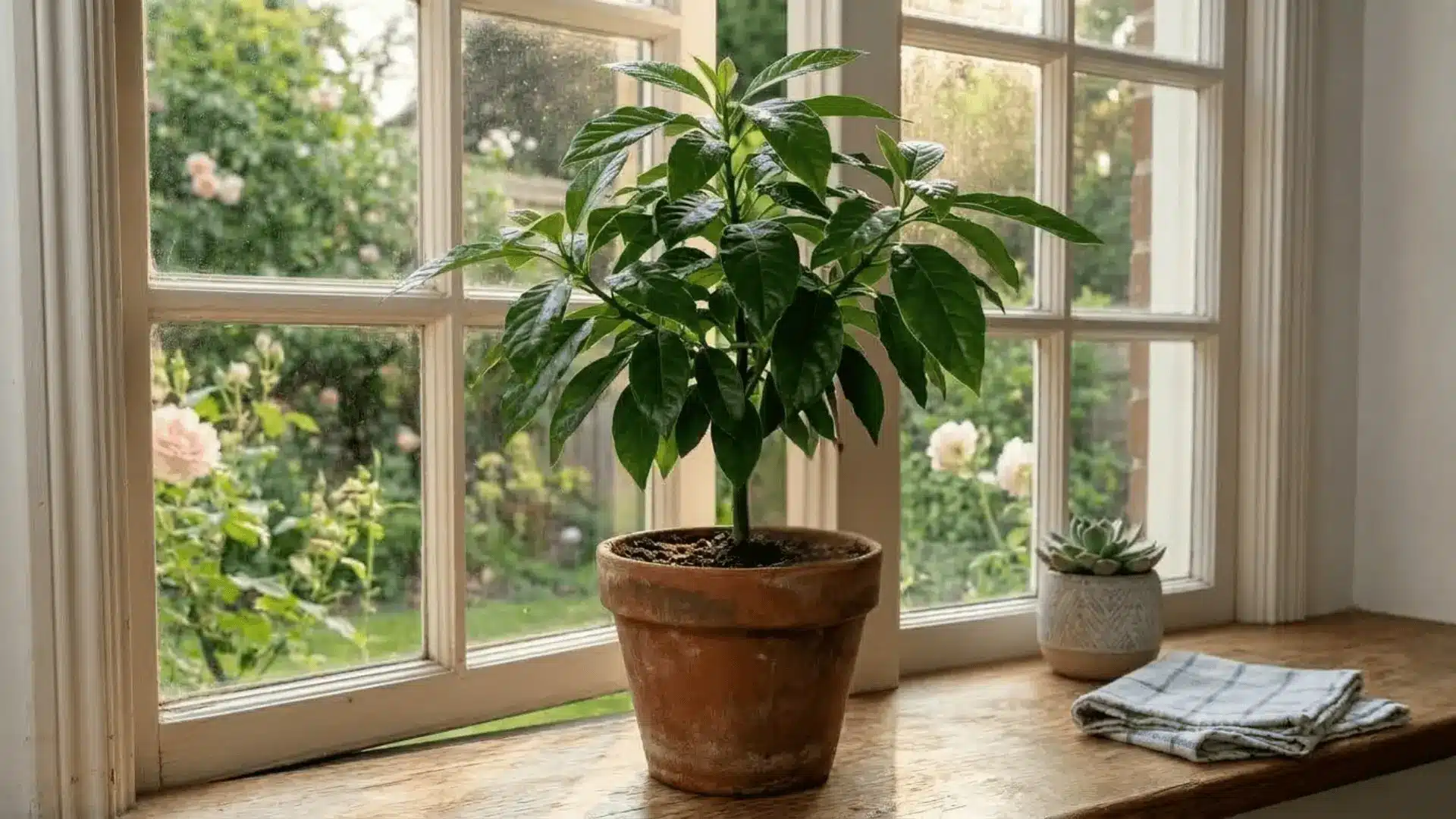
Avocados can thrive indoors with the right conditions.
Bright, indirect light and consistent warmth are non-negotiable, so a sunny windowsill is your best bet. Keep temperatures steady and away from cold drafts.
To encourage a fuller, bushier shape, pinch back the top leaves once the stem reaches about 6 inches. This redirects energy into side branches rather than upward growth.
For size management, container choice controls how large your plant gets. A smaller pot naturally limits root spread and keeps growth at a manageable pace indoors.
Common Problems When Growing Avocado From Seed
Even with the best intentions, a few hiccups along the way are completely normal. Here’s what might be going on and how to fix it.
Problem 1: My Avocado Seed Has Been in Water for Weeks and Still isn’t Sprouting.
Solution: Patience is key, but also check your setup. Move it to a warmer spot, refresh the water, and make sure the flat end is properly submerged.
Problem 2: There’s Mold or Slime Forming in My Avocado Water Jar.
Solution: This usually comes down to stagnant water. Change the water every 2 to 3 days and rinse the jar thoroughly each time to keep bacterial buildup at bay.
Problem 3: My Avocado Seedling Looks Tall and Spindly, Not Full and Healthy.
Solution: Legginess is almost always a light issue. Move your plant to a brighter location with more direct exposure and consider pinching the top to encourage side growth.
Problem 4: My Avocado Plant’s Leaves are Turning Yellow.
Solution: Yellowing usually points to overwatering or poor drainage. Let the soil dry out between waterings and ensure your pot has adequate drainage holes to prevent root rot.
Tips for Growing a Healthy Avocado Plant
Small habits make a big difference when it comes to long-term plant health. Keep these in mind as your avocado grows.
- Rotate your pot every few days to ensure all sides receive even light exposure.
- Use a well-draining soil mix to prevent moisture from sitting around the roots.
- Repot every 1 to 2 years or whenever roots start creeping out of the drainage holes.
- Pinch back new growth occasionally to encourage a fuller, bushier shape.
- Wipe leaves down with a damp cloth every so often to keep them dust-free and able to absorb light properly.
Stay consistent with these small steps and your avocado plant will reward you with steady, healthy growth over time.
Final Thoughts
Growing an avocado from seed is one of those simple joys that keeps giving, from the first root peeking out in a glass of water to a full, leafy plant sitting proudly on your windowsill.
It asks for very little, just some patience, decent light, and consistent care.
Some seeds take off quickly, others need a little more time, and that’s perfectly okay.
Every small sign of growth is worth celebrating!
Drop a comment below and share how your avocado plant is coming along, we’d love to hear about it!
Frequently Asked Questions (FAQs)
How Long Does It Take to Grow an Avocado From a Seed?
Most avocado seeds begin sprouting within 2 to 8 weeks under the right conditions. Warmth, fresh water, and a bright spot can help move things along if germination feels slow.
Can You Grow an Avocado From a Seed in Soil Instead of Water?
Yes, planting directly in moist, well-draining soil is a completely viable method. It skips the water stage altogether, and some gardeners actually find it more reliable for long-term root development.
How Tall Can an Avocado Plant Grow Indoors?
An indoor avocado plant can reach anywhere from 5 to 10 feet tall over time. Regular pruning and container size are the 2 most effective ways to keep height manageable indoors.