Chances are, if you’ve spotted a thick, creeping grass quietly taking over your lawn, torpedo grass is already working against you.
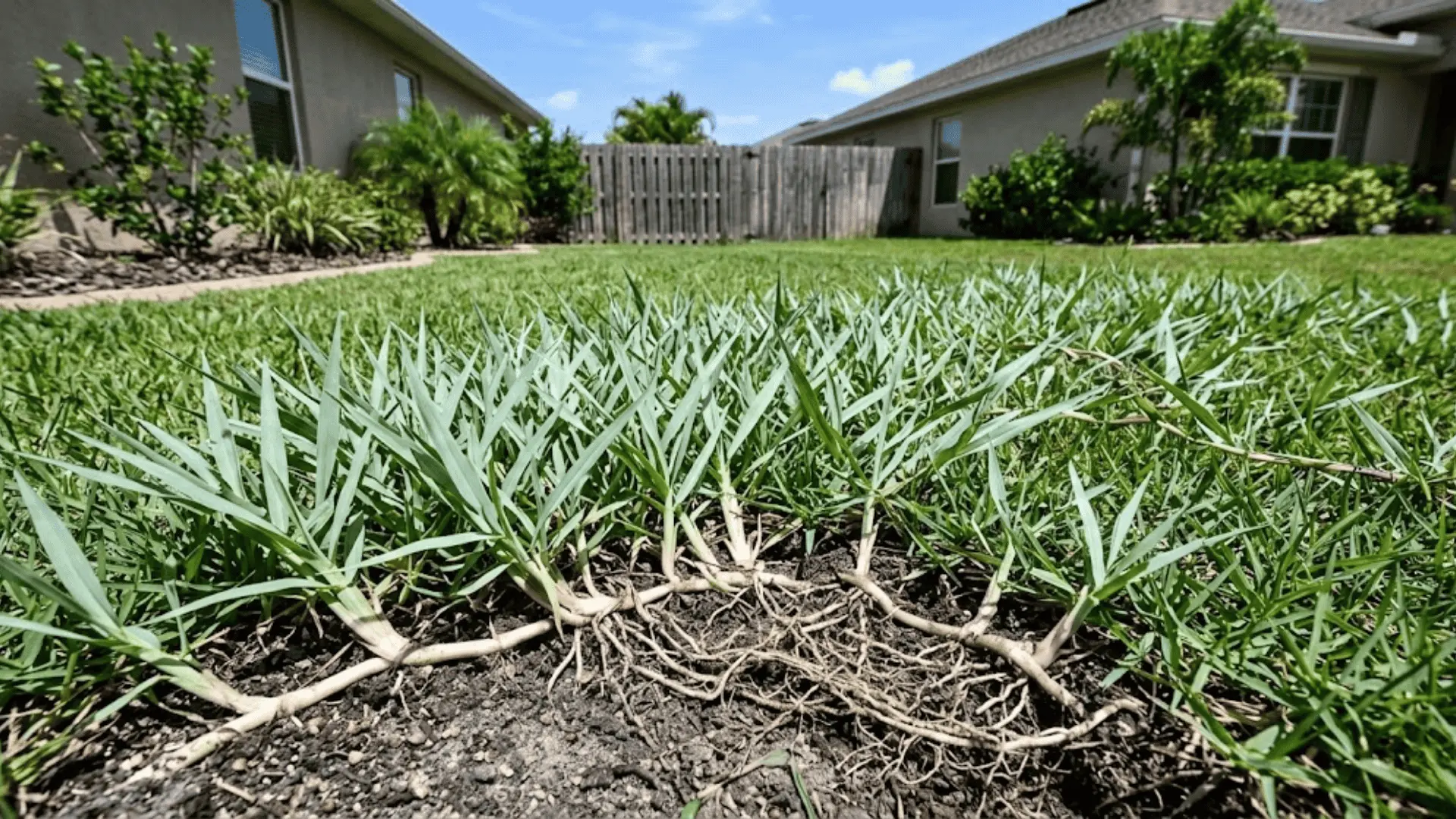
It spreads silently underground through a dense rhizome network, rooting itself so stubbornly that pulling it out barely makes a dent.
What makes it so relentless is exactly what’s happening beneath the surface, where you can’t see it, it’s already claiming new ground.
Getting ahead of it takes patience and the right strategy, and that’s exactly what this guide walks you through.
What is Torpedo Grass?
Torpedo grass (Panicum repens) is a warm-season perennial weed originally from Africa and Asia, now widespread across the southeastern United States.
Its name comes from the sharp, pointed tips of its rhizomes, which drive through soil like a torpedo, making it nearly impossible to fully remove by hand.
It thrives in lawns, gardens, roadsides, and wetland edges, adapting easily to both wet and dry conditions.
What makes it so difficult to control is its deeply embedded root system, where even a small fragment left behind can regenerate into a full, spreading plant all over again.
How to Identify Torpedo Grass in Your Lawn?
Catching torpedo grass early makes a real difference.
Here’s what to look for:
- Blades are light green to gray-green with distinctly pointed, stiff tips.
- Grows in dense, spreading patches rather than blending into your lawn evenly.
- Rhizomes are thick, pale, and sharp-tipped, noticeably chunkier than Bermuda grass runners.
- Unlike crabgrass, it doesn’t die off seasonally and keeps spreading year-round.
- The overall texture feels coarser and stiffer compared to most common lawn grasses.
Once you know what you’re looking at, spotting new growth becomes a lot easier to catch before it spreads further.
Why Torpedo Grass is so Difficult to Remove?
Torpedo grass doesn’t go down without a fight. Its rhizomes grow deep into the soil, spreading aggressively in every direction and anchoring themselves well beyond what’s visible on the surface.
Even when you pull it out, the tiniest root fragment left behind is enough to regrow an entirely new plant.
It adapts easily to both waterlogged and drought-like conditions, which means environmental stress barely slows it down.
In warm climates, the growing season is long, giving it plenty of time to quietly reclaim any ground you’ve already cleared.
How to Get Rid of Torpedo Grass?
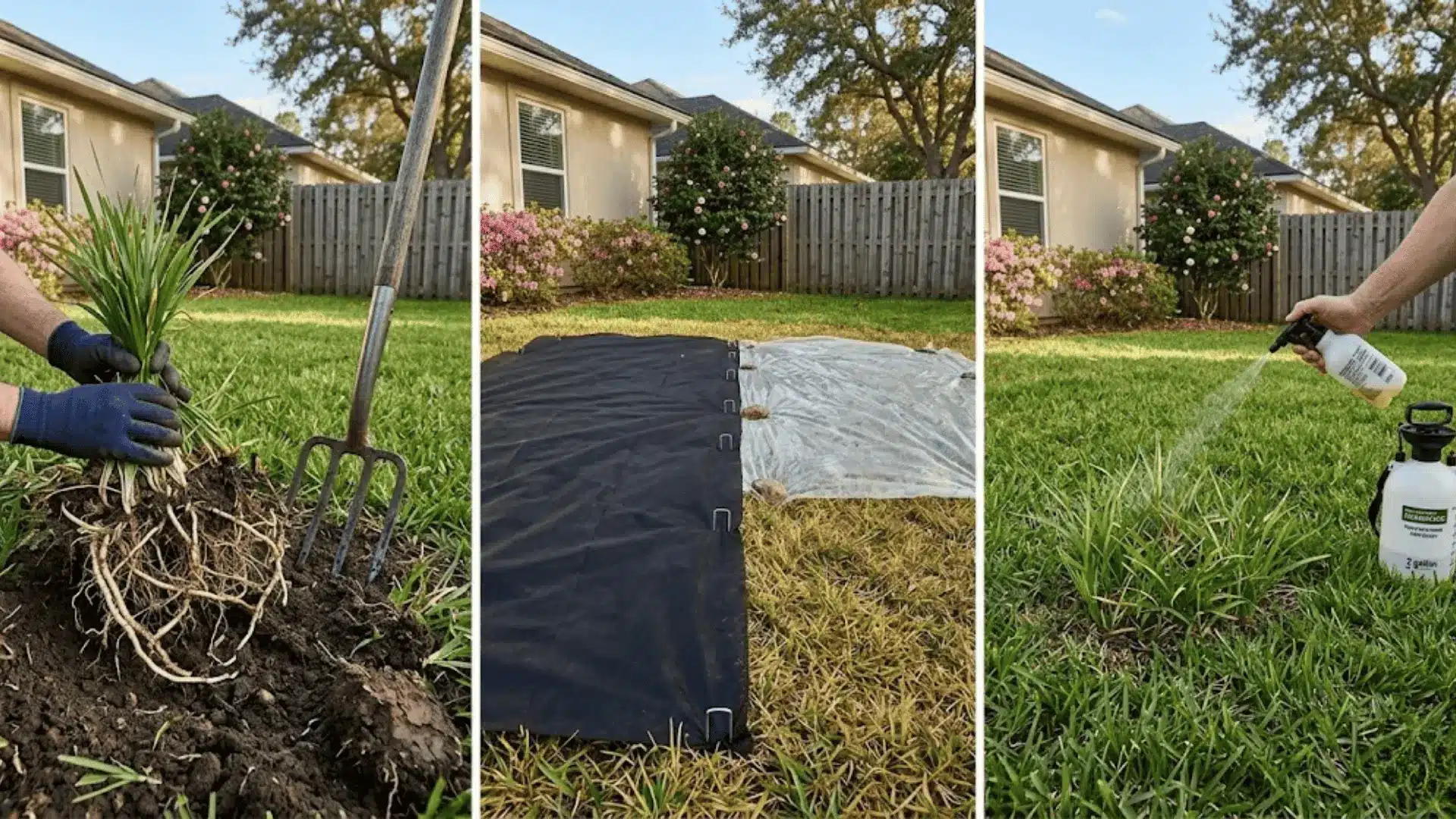
Getting rid of torpedo grass is rarely a one-and-done situation. Depending on how far it has spread, you may need to combine more than one of these methods to actually see lasting results.
Manual Removal
Manual removal works best when you are dealing with a small, isolated patch that hasn’t spread too far yet. The key is digging deep enough to pull out the entire rhizome system rather than just the surface growth.
Missing even a small fragment means the cycle starts over, so take your time and work through the soil thoroughly.
Smothering Method
If digging isn’t practical, smothering the grass by cutting off its access to sunlight is a reliable alternative.
Here is how the two main approaches compare:
| Method | How It Works | Time Required |
|---|---|---|
| Landscape fabric or tarp | Blocks sunlight completely, cutting off the plant’s ability to photosynthesize | Several months |
| Solarization | Clear plastic sheet traps heat, essentially cooking the roots underneath | Six to eight weeks in peak summer |
Chemical Control Options
Choosing the right chemical approach depends on where the grass has spread and how close it is to plants you actually want to keep. Here is what your options look like:
- Selective herbicides target torpedo grass without harming surrounding turf, making them the safer choice for established lawns.
- Non-selective herbicides like glyphosate kill everything they touch, so spot treatment with careful application is a must.
- Repeat applications are almost always necessary since a single treatment rarely eliminates the full root system.
When to Apply Herbicide for Torpedo Grass?
Timing matters more than most people realize.
Apply herbicide during active growth when the plant is actually absorbing nutrients, as this is when it takes up chemicals most effectively.
Treating during dormancy wastes product and delivers little to no results.
Also factor in the weather, as rain shortly after application washes the herbicide away before it has any chance to work.
Best Herbicides for Torpedo Grass Control
Not every herbicide works the same way on torpedo grass, and picking the wrong one can damage the lawn you are trying to protect.
Here is a breakdown of the most commonly used options:
| Herbicide | Type | Best Used For | Effectiveness | Caution |
|---|---|---|---|---|
| Glyphosate | Non-selective | Spot treatment on isolated patches | High, but kills the surrounding grass too | Avoid contact with desirable turf and garden plants |
| Quinclorac | Selective | Turf areas with mixed weed problems | Limited to torpedo grass specifically | May require multiple applications with little result |
| Imazapyr | Non-selective | Landscape beds, non-turf areas | High in appropriate settings | Not safe for use in active lawn areas, can persist in soil |
A few things worth keeping in mind before you apply anything. Always read the label in full, as directions vary by product concentration and turf type. Some of these herbicides are restricted or regulated differently depending on your state, so checking with your local cooperative extension office before purchasing is always a smart move.
How to Prevent Torpedo Grass from Returning?
Keeping torpedo grass out for good comes down to making your lawn an environment where it simply cannot get a foothold.
A thick, healthy turf is your best defense, so mow at the correct height for your grass type and stick to a consistent fertilization schedule that keeps your lawn dense and competitive.
In areas that stay wet, improving drainage goes a long way since torpedo grass loves waterlogged soil.
Also, be mindful about moving soil around your yard, as contaminated soil is one of the most common ways it quietly spreads to new areas.
Repairing Lawn After Torpedo Grass Removal
Once the torpedo grass is gone, the bare patches it leaves behind need some attention before your lawn can fully bounce back.
Here’s where to start:
- Prepare the soil by loosening and amending it before laying new seed or sod.
- Reseed or resod the cleared areas, matching the grass variety already in your lawn.
- Water consistently in the weeks following treatment to support new root establishment.
- Monitor the area regularly for any signs of regrowth and address them early.
Staying on top of those first few weeks after removal makes a bigger difference than most people expect, and it sets your lawn up for a much smoother recovery overall.
Torpedo Grass in Garden Beds and Landscapes
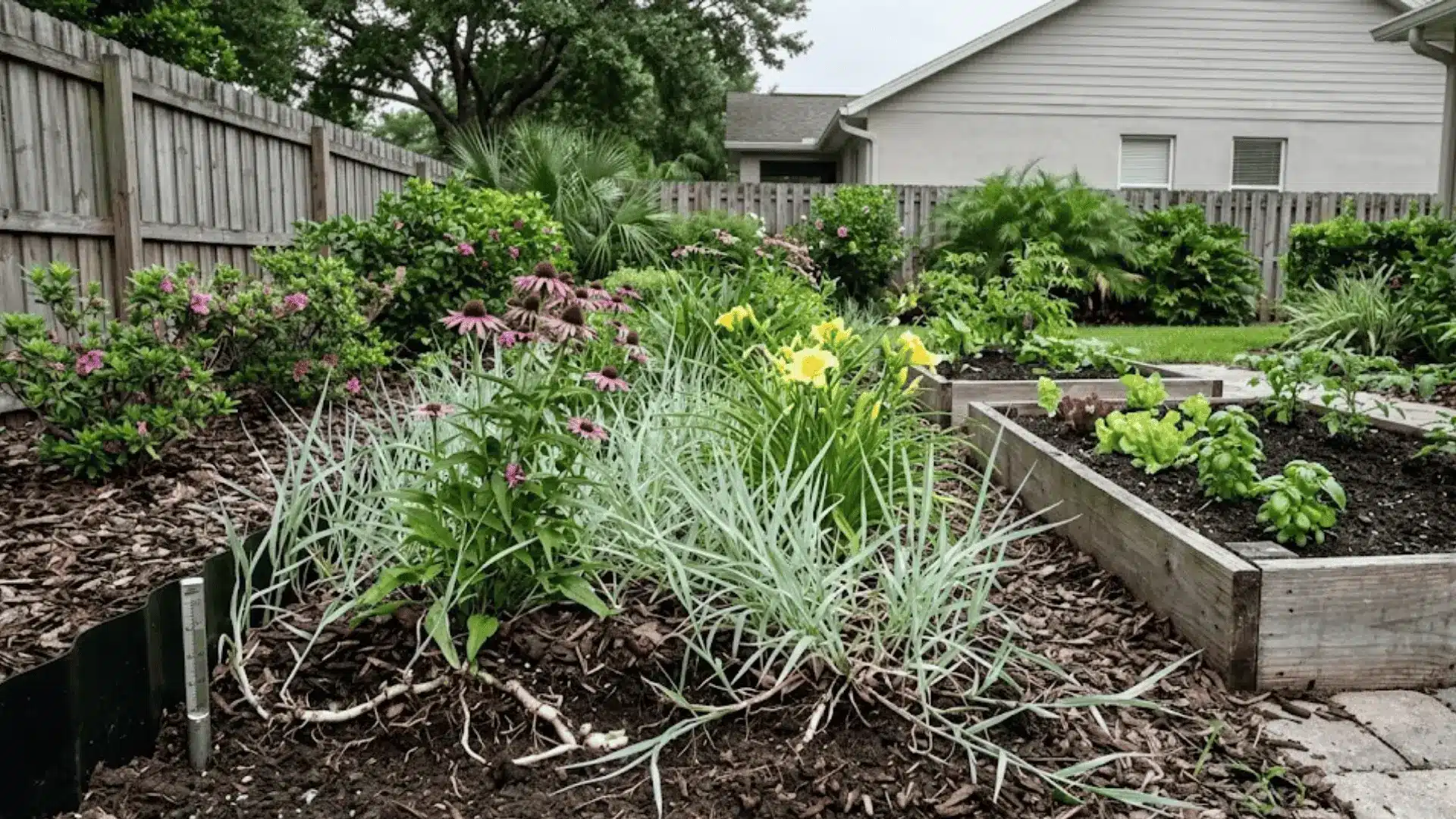
Garden beds are particularly vulnerable because the soil is often loose, well-watered, and easy for rhizomes to push through.
Once torpedo grass finds its way in, it weaves itself around plant roots, making removal much trickier without disturbing what you’ve already grown.
Physical barrier edging installed at least 6 inches deep can block rhizome spread from surrounding turf. A thick layer of mulch adds another line of defense by suppressing surface growth.
For raised beds, starting with clean, uncontaminated soil is the single most important step you can take from the beginning.
Regional Considerations
Torpedo grass doesn’t affect every region equally, and knowing where it tends to thrive the most can help you stay ahead of it before it becomes a serious problem.
- Most widespread across the southern United States, from Florida to Texas and up through the Carolinas.
- Thrives in warm, humid climates where the growing season stretches long, and conditions rarely slow it down.
- Particularly aggressive in coastal and wetland areas, where moist soil and water movement help it spread rapidly.
- Even inland gardens in warm regions are at risk if drainage is poor or irrigation is heavy.
If you’re gardening or maintaining a lawn in any of these areas, treating torpedo grass as a year-round concern rather than a seasonal one is really the smarter approach.
Common Mistakes When Treating Torpedo Grass
Even with the best intentions, a few missteps can undo a lot of hard work.
These are the most common ones to watch out for:
- Mowing too short stresses your lawn and creates open space that torpedo grass is quick to exploit.
- Pulling without digging deep leaves rhizome fragments behind, and even a small piece is enough to start over.
- Skipping repeat herbicide applications gives the root system enough time to recover and push back through.
- Treating during dormancy wastes product entirely since the plant isn’t actively absorbing anything.
- Overlooking wet or low-lying areas where rhizomes spread fastest and go unnoticed the longest.
Getting the approach right matters just as much as staying consistent, and avoiding these mistakes can save you several frustrating rounds of retreatment down the line.
Final Thoughts
Managing torpedo grass is a commitment, but it’s one that absolutely pays off over time.
The more consistent you are with prevention, early identification, and the right treatment approach, the less of a battle it becomes season after season.
A lawn that’s well-fed, properly mowed, and regularly monitored leaves very little room for torpedo grass to creep back in. Think of it less as a one-time fix and more as part of your regular lawn care rhythm.
Have questions or tried a method that worked well for you? Drop a comment below and share what made the difference.