Last summer, a single mosquito kept me up for three hours straight. Three. Hours. That tiny buzzing sound at 2 AM is enough to make anyone lose their mind. And the worst part?
Most of the things people try just do not work. Citronella candles smell nice, but do very little. Wristbands? Forget them.
If you are tired of slapping your arms every five minutes and waking up covered in bites, this guide has real answers.
We cover every tested method to get rid of mosquitoes inside and outside your home, from removing breeding spots to repellents that actually hold up, so you can stop fighting and start relaxing.
Why Mosquitoes Are More Than Just Annoying
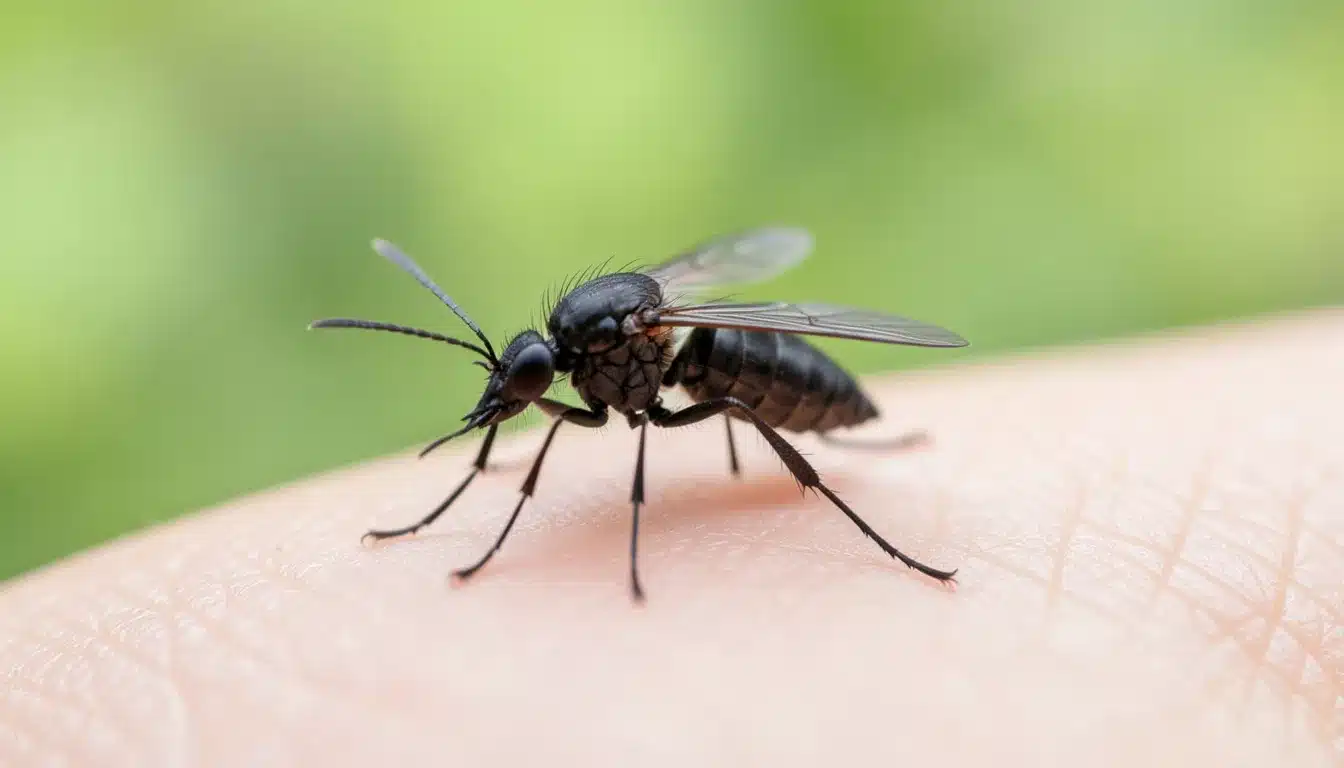
Mosquitoes are responsible for more human deaths each year than any other animal on earth. They carry and spread diseases like malaria, dengue fever, West Nile virus, and Zika virus.
Only female mosquitoes bite, and they do it to get the protein in blood before they lay their eggs. So every bite is not just an itch; it is a real health risk for you and your family.
What Attracts Mosquitoes to Your Home
Most people focus on getting rid of mosquitoes without asking why they showed up in the first place. Once you know what pulls them in, fixing the problem becomes a lot easier.
- Standing water: Even a bottle cap of water is enough for mosquito larvae to grow and develop.
- Tall grass and shade: Mosquitoes rest in cool, shaded spots during the hottest parts of the day.
- Carbon dioxide: They can detect the CO2 you breathe out from up to 100 feet away.
- Body heat and sweat: Warm skin and perspiration make you easier for mosquitoes to locate.
- Yard clutter: Old tires, clogged gutters, and piled leaves all hold moisture that mosquitoes love.
- Dawn and dusk timing: Most mosquito species are most active at these two specific times each day.
How to Get Rid of Mosquitoes Outside
Your yard is where mosquitoes breed, rest, and feed. Tackling the problem outside first gives you the biggest results in the least amount of time. Here is what works.
1. Remove Standing Water
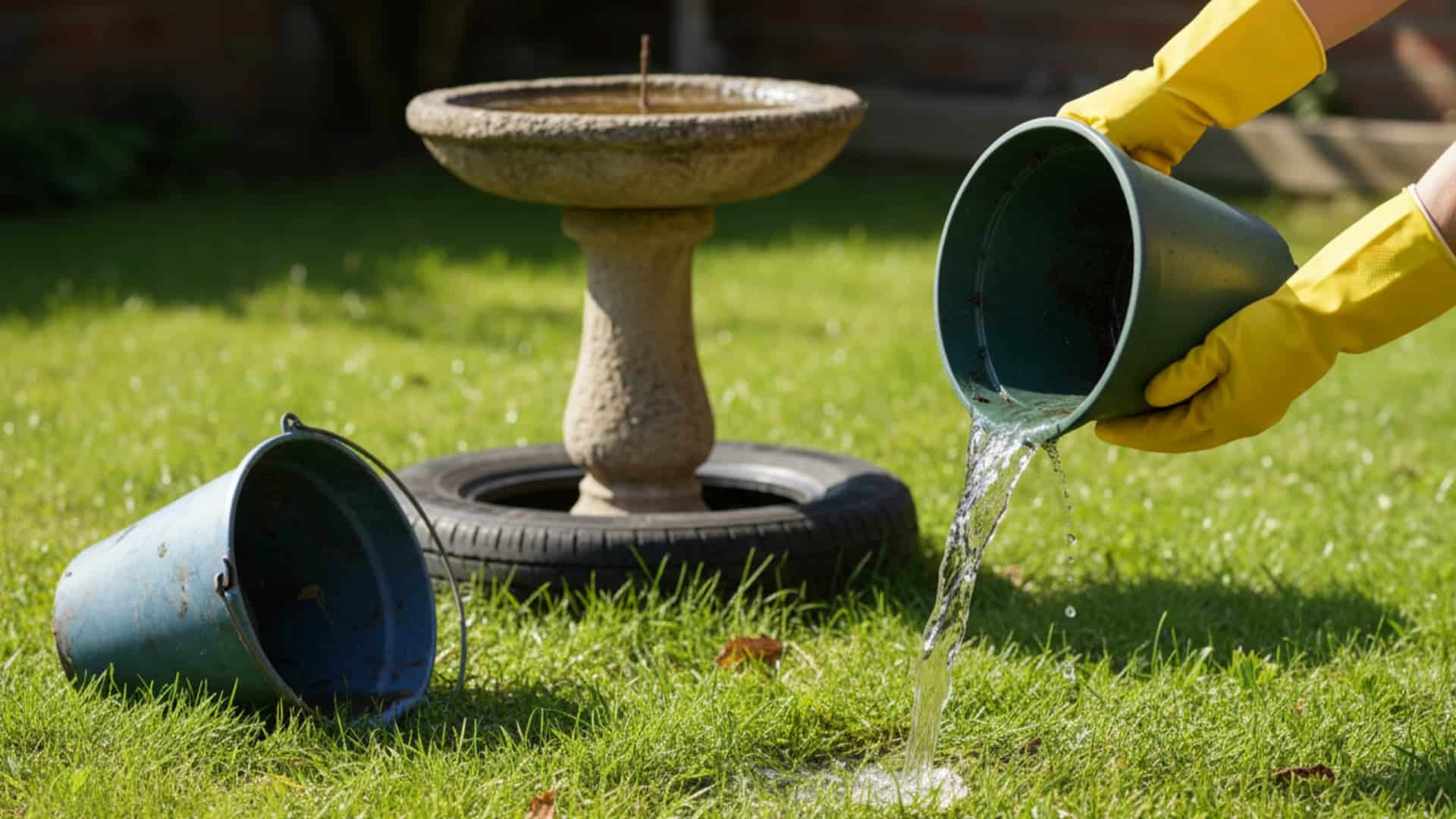
This one step does more than anything else combined. Female mosquitoes lay up to 100 eggs at a time in still water, and larvae develop fast. The CDC recommends clearing all outdoor water containers at least once a week.
Tools and Materials Needed:
| Item | Purpose |
|---|---|
| Scrub brush | Clean birdbaths and containers |
| Gloves | Hand protection during cleanup |
| EPA-approved mosquito dunks | Treat ponds and water features |
| Trash bags | Remove and dispose of debris |
Steps:
- Empty birdbaths, flower pots, buckets, and kiddie pools.
- Scrub the inside of containers to remove any eggs on the surface.
- Fill in low areas in your yard where rainwater collects.
- Drop a mosquito dunk into ponds or water features you cannot drain.
- Clear and clean gutters so water flows out freely.
2. Keep Your Lawn and Yard Clean
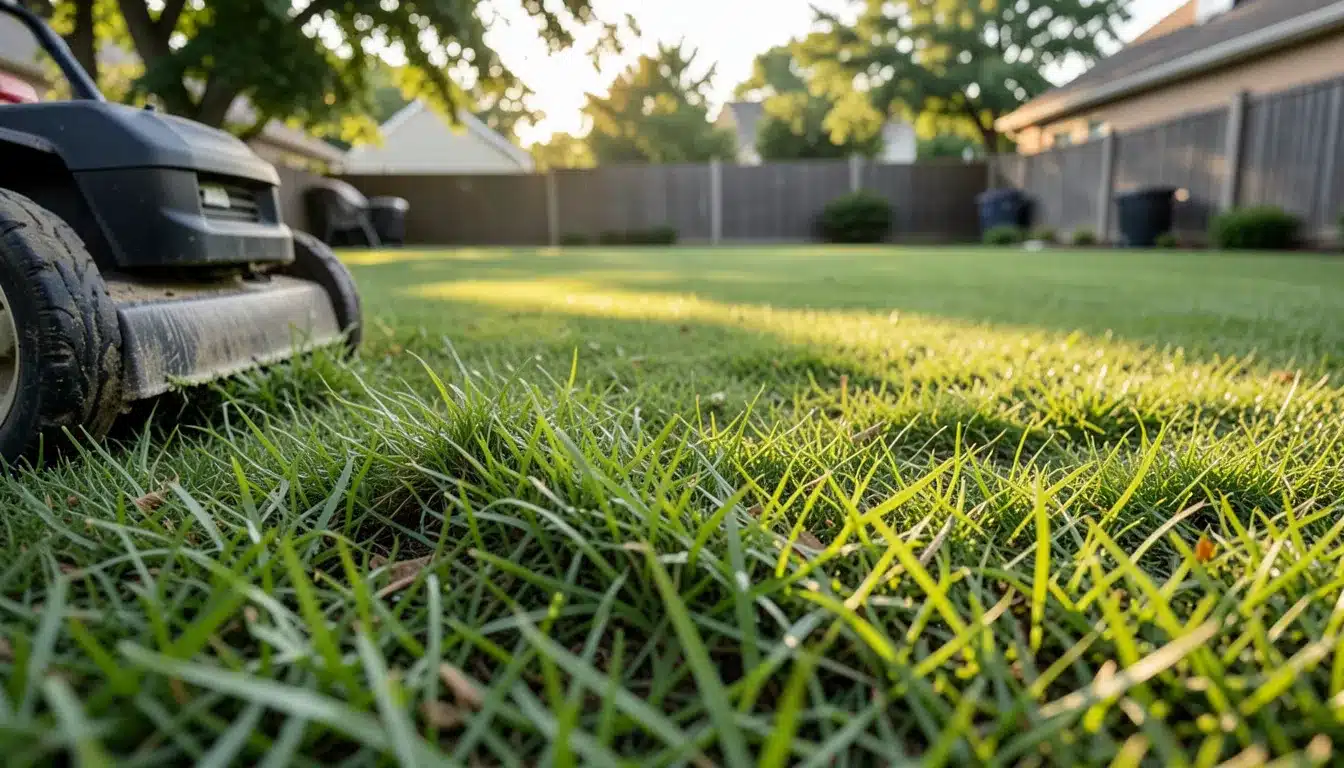
Mosquitoes rest in tall grass, thick bushes, and shaded corners during the day. A clean, well-trimmed yard gives them far fewer places to hide and settle in.
Piles of leaves, wood stacks, and unused outdoor furniture create cool, moist spots where mosquitoes gather. Clearing clutter is just as important as mowing the lawn.
Tools and Materials Needed:
| Item | Purpose |
|---|---|
| Lawn mower | Keep grass short and tidy |
| Pruning shears | Trim overgrown bushes |
| Rake | Clear leaf piles |
| Trash bags | Remove yard waste |
Steps:
- Mow your lawn regularly and keep the grass short.
- Trim back overhanging branches and thick shrubs near the house.
- Rake and bag leaves and other organic debris.
- Move or cover unused outdoor furniture and equipment.
- Let more sunlight reach wet and shaded spots so they dry out faster.
3. Use an Outdoor Fan
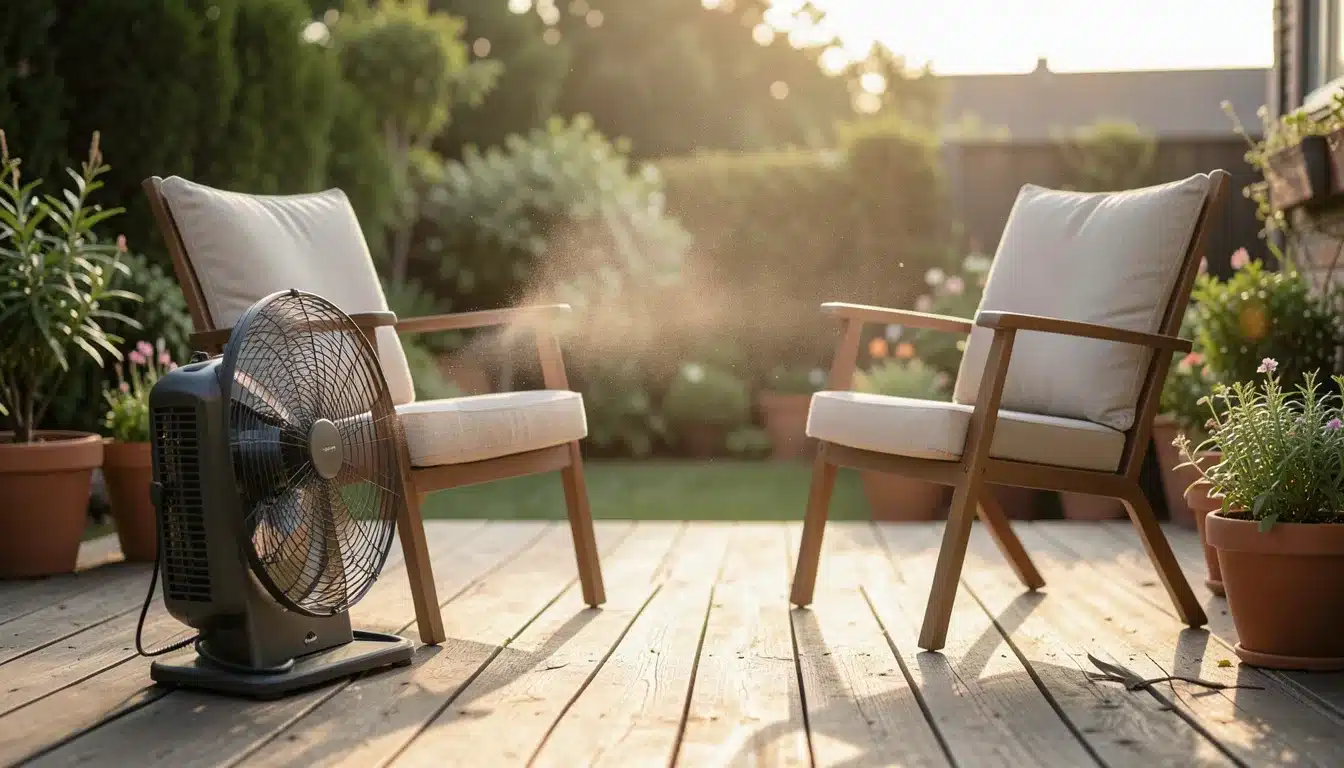
Mosquitoes are weak fliers. A simple fan is one of the most effective tools you have for outdoor use. A Consumer Reports study found that a fan reduced mosquito landings by 45-65% among people sitting nearby. That is a bigger improvement than citronella candles or geraniol diffusers achieved in the same tests.
Place a box or oscillating fan near your patio or seating area, and keep it running during dawn and dusk, when mosquitoes are most active.
Tools and Materials Needed:
| Item | Purpose |
|---|---|
| Box fan or oscillating fan | Disrupt mosquito flight near seating |
| Outdoor-rated extension cord | Power the fan safely outside |
Steps:
- Place the fan close to where people are sitting outdoors.
- Point it to blow air directly across the seating area.
- Run it during peak mosquito hours, especially at dawn and dusk.
4. Set Up Mosquito Traps
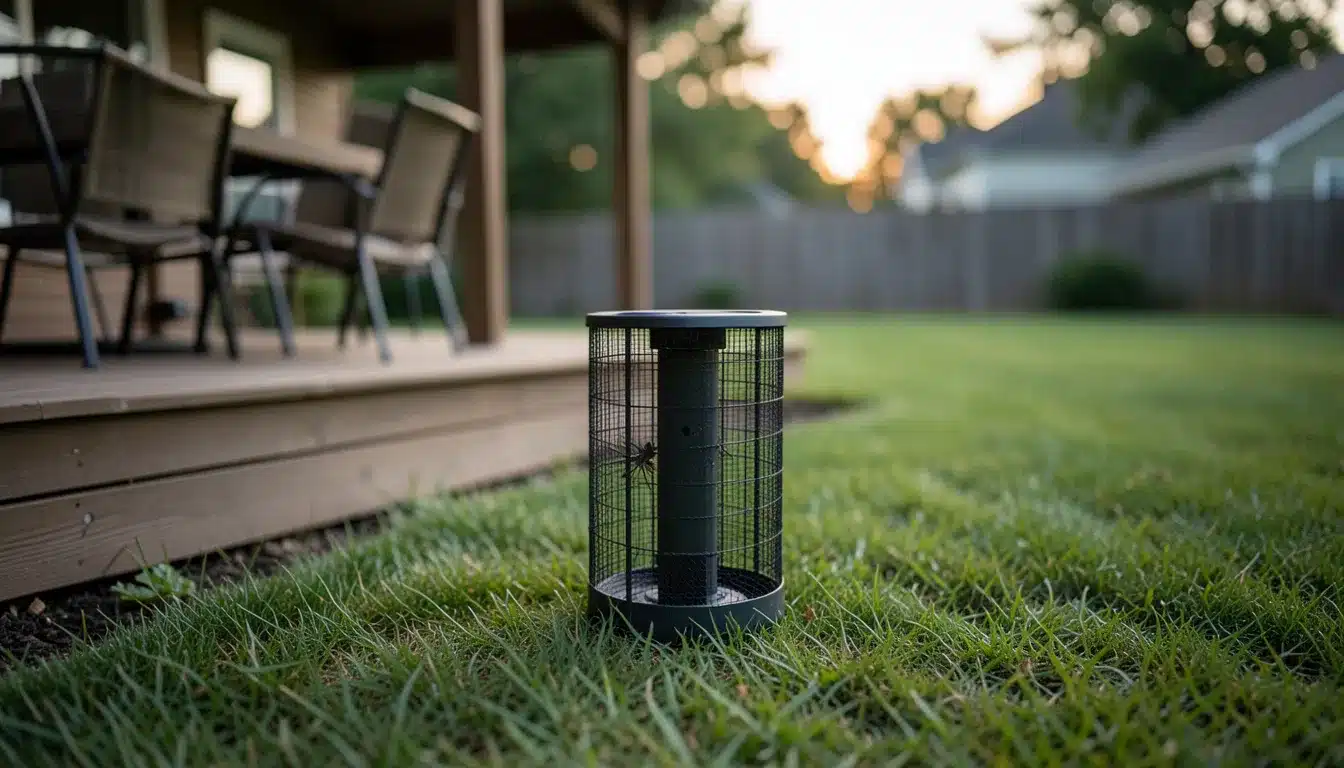
Traps work by mimicking the signals mosquitoes follow, mainly carbon dioxide. Devices like Mosquito Magnet release CO2 to draw mosquitoes in and capture them. A DIY version using sugar, yeast, and water can also yield results.
Place traps away from where people sit so they pull mosquitoes toward the trap and away from you.
Tools and Materials Needed:
| Item | Purpose |
|---|---|
| Mosquito trap device | Attract and capture mosquitoes |
| Sugar, yeast, and warm water | Create CO2 for a DIY trap |
| Dark bottle or container | House the DIY trap mixture |
Steps:
- Set up the trap at least 6 to 10 feet away from seating areas.
- Set up the CO2 cartridge or prepare the DIY yeast-and-sugar mix.
- Empty and clean the trap every few days to keep it working.
5. Use Repellent Sprays and Foggers
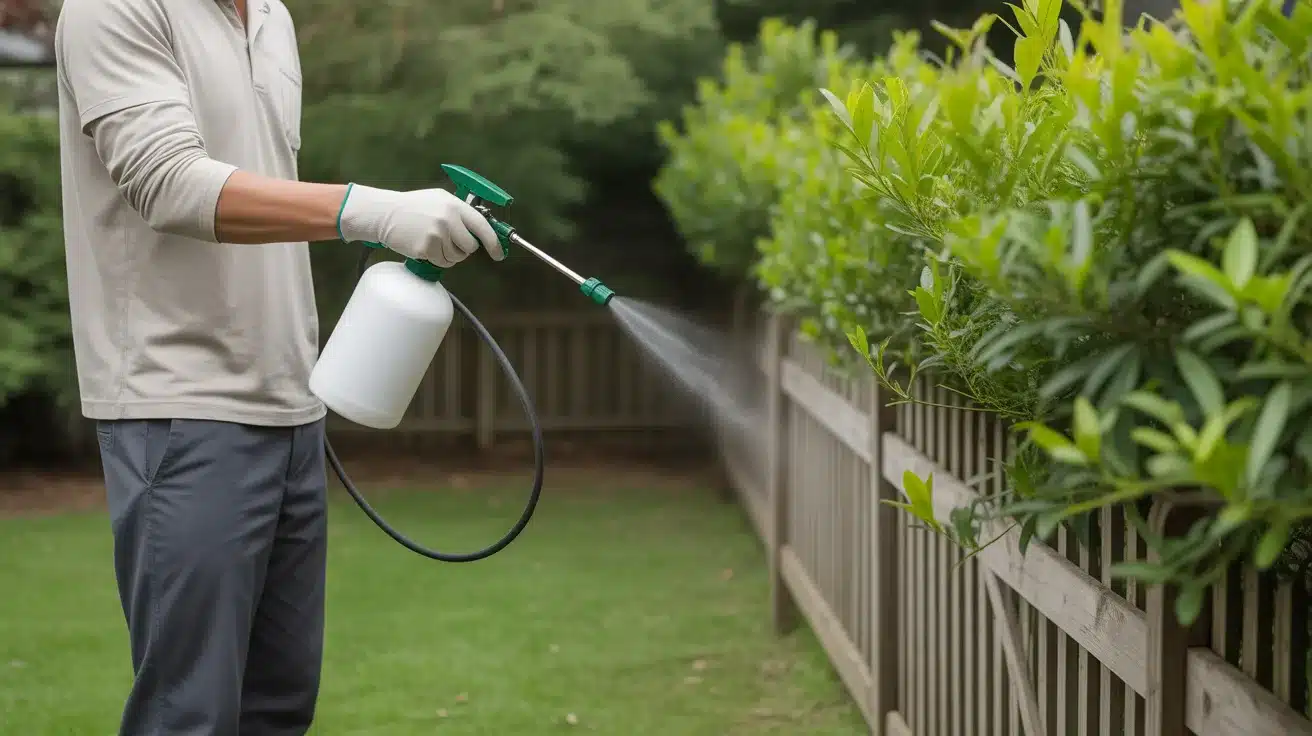
Yard sprays, foggers, and hose-end treatments create a barrier across your lawn that kills or repels mosquitoes. Some products are contact killers while others leave a residue that keeps working for days.
Wind reduces the effectiveness of airborne products, so apply sprays on calm days and always follow the manufacturer’s safety instructions.
Tools and Materials Needed:
| Item | Purpose |
|---|---|
| Hose-end sprayer | Apply lawn treatment evenly |
| Mosquito fogger | Cover large outdoor areas fast |
| Pump sprayer | Target specific shaded spots |
| Gloves and eye protection | Stay safe during application |
Steps:
- Choose an EPA-registered outdoor mosquito spray.
- Apply in the early morning or evening when mosquitoes are active.
- Focus on shaded areas, under patio furniture, and along the yard’s edges.
- Keep children and pets away until the product has dried fully.
- Reapply according to the product label.
6. Add Mosquito-Repelling Plants

Certain plants push mosquitoes away through their strong natural scents. They work best near doorways, windows, and outdoor seating areas. Note that lavender, mint, and garlic can be toxic to pets, so check before planting.
| Plant | Notes |
|---|---|
| Citronella | Strong scent, works well in pots near seating |
| Lavender | Effective repellent but toxic to cats and dogs |
| Marigold | Easy to grow, great near doorways |
| Lemongrass | Contains natural citronella oil |
| Mint | Keep it in pots to stop it from spreading |
| Rosemary | Works well in warm, dry climates |
| Catnip | Research shows it repels mosquitoes effectively |
How to Get Rid of Mosquitoes Inside Your Home
Getting your yard under control is a strong first step, but mosquitoes can still get inside. Here is how to stop them at entry points and clear out any that have already made it through.
1. Install and Repair Window Screens
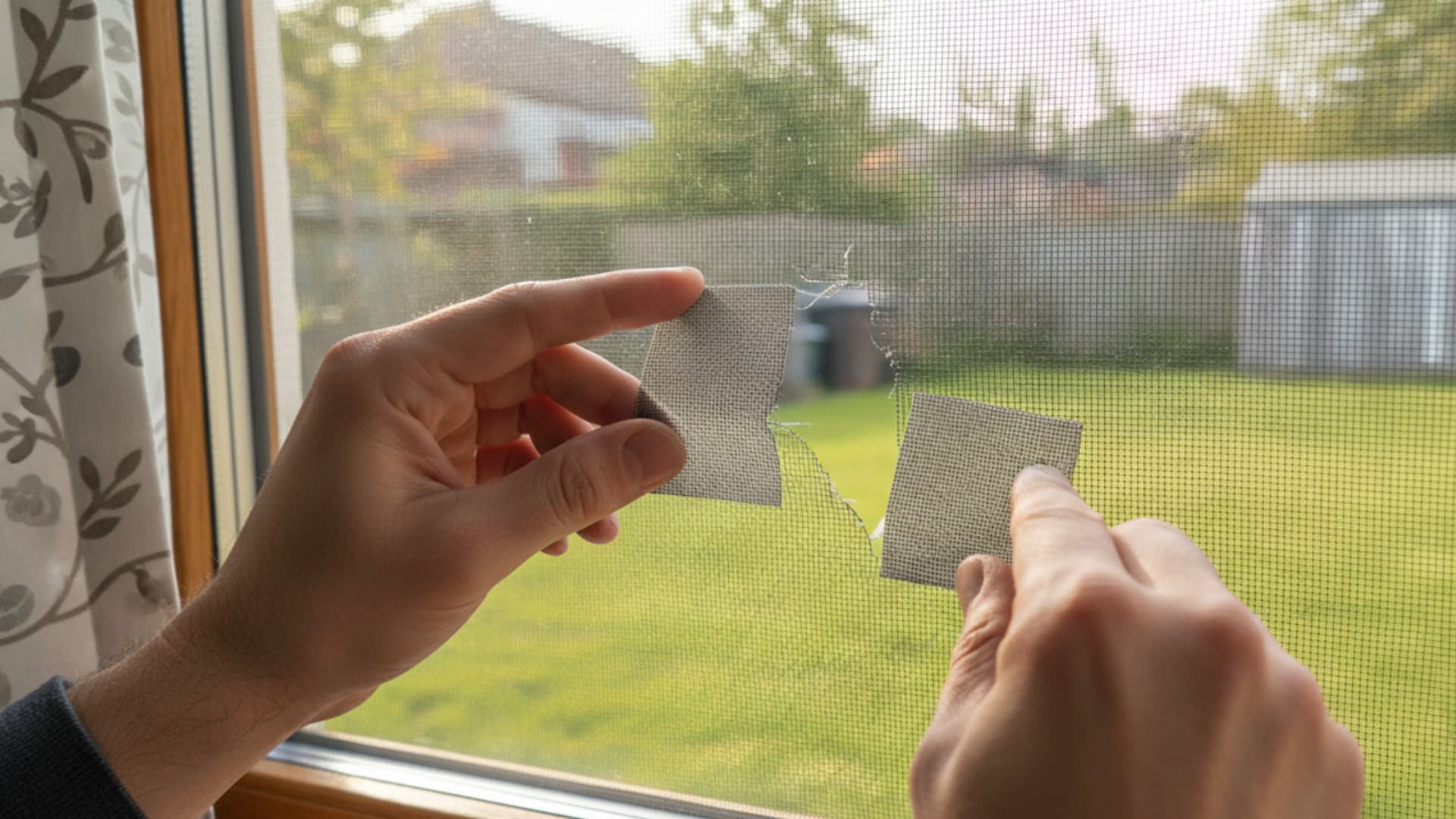
Fine-mesh screens are among the oldest and most reliable tools for keeping mosquitoes out of your home.
An entomologist at Cornell University called them “the best mosquito-control device you can find.” The mesh openings are too small for mosquitoes to pass through while still allowing airflow to pass freely.
Check the edges and seals of existing screens for tears or gaps. A screen patching kit costs very little and quickly fixes most small holes.
Tools and Materials Needed:
| Item | Purpose |
|---|---|
| Fine mesh window screen | Block mosquito entry points |
| Screen patching kit | Repair tears and holes |
| Screen door kit | Cover frequently used exterior doors |
| Measuring tape | Size replacement screens correctly |
Steps:
- Check every window and door screen for tears or loose edges.
- Patch small holes using a screen repair kit.
- Replace any screen that is too damaged to patch properly.
- Add a screen door to all exterior doorways that are regularly opened.
- Consider screening on your porch or deck if indoor mosquitoes are a repeated problem.
2. Use Mosquito Nets Indoors
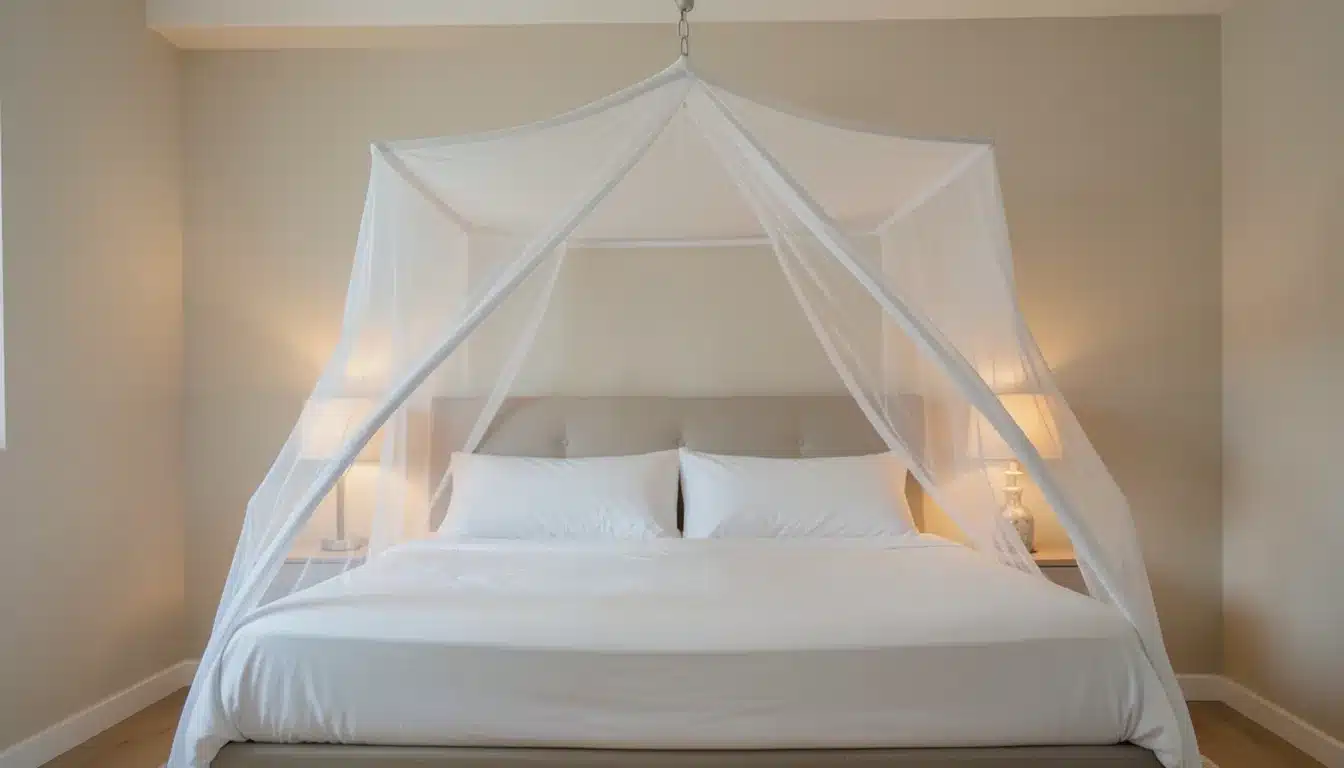
Mosquito nets work especially well in warm, humid climates where indoor mosquitoes are a regular issue. They are also important for protecting young children and babies during sleep.
Bed nets, door nets, and window nets are all widely available. If you have a sliding glass door without a screen, a door net is a quick fix that lets in fresh air without letting mosquitoes in.
Tools and Materials Needed:
| Item | Purpose |
|---|---|
| Bed mosquito net | Protect sleeping areas at night |
| Door net | Cover doors that do not have screens |
| Patio canopy net | Shield outdoor seating areas |
| Stroller mosquito net | Protect infants outdoors |
Steps:
- Hang a bed net over sleeping areas in rooms where mosquitoes are present.
- Fit a door net over any exterior door without a screen.
- Cover a baby’s stroller or carrier with a net when going outside.
3. Use Indoor Repellent Sprays or Plug-In Diffusers
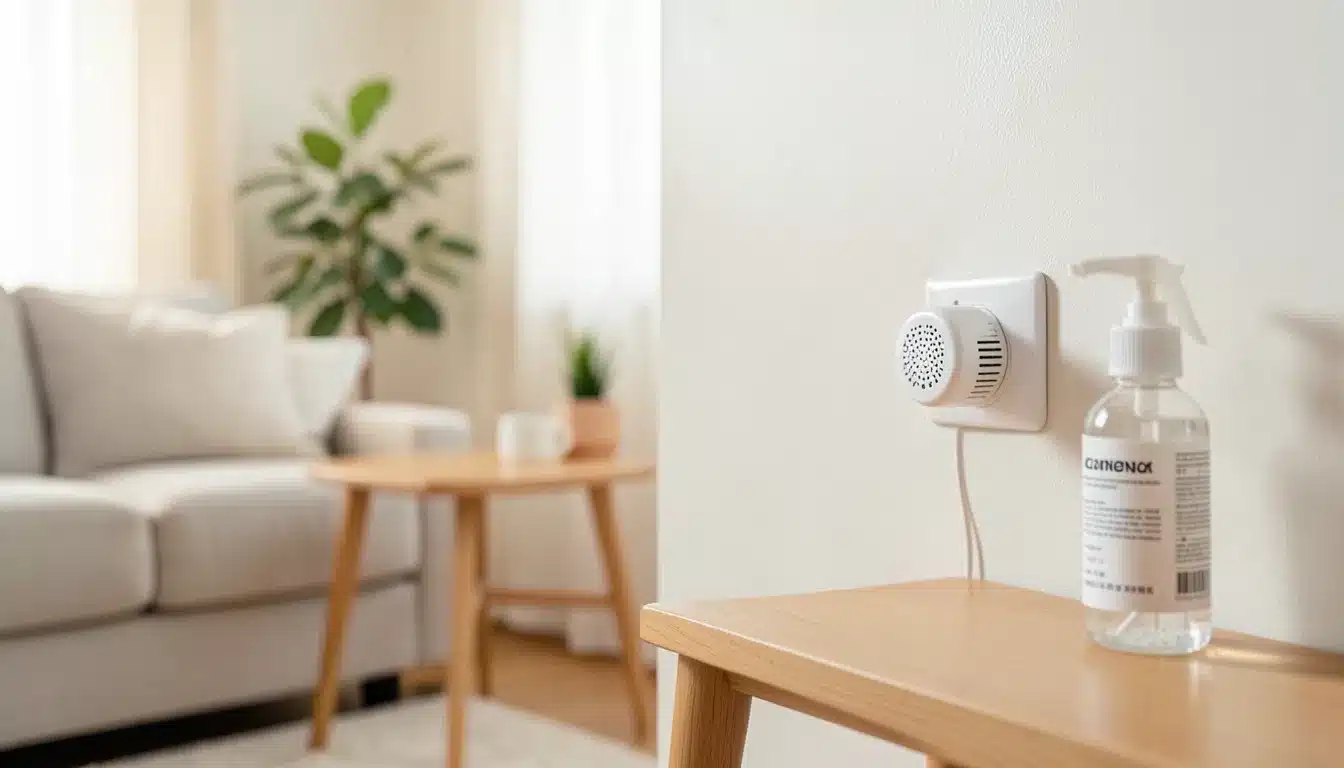
EPA-registered indoor mosquito sprays, available in aerosol or pump form, are easy to use and effective. Plug-in diffusers with plant-based active ingredients offer a lower-chemical option that works around the clock.
Foggers work well for larger rooms but require you to leave the space for a while. Always follow the label instructions carefully.
Tools and Materials Needed:
| Item | Purpose |
|---|---|
| EPA-registered aerosol spray | Kill mosquitoes quickly indoors |
| Plug-in mosquito diffuser | Provide ongoing indoor protection |
| Indoor fogger | Treat larger infested spaces at once |
Steps:
- Choose a product that is rated specifically for indoor use.
- Close all windows and doors before spraying.
- Target corners, under furniture, and near entry points.
- Wait the recommended time on the label before re-entering the room.
- Open windows after the waiting period to air out the space.
4. Check Dark and Humid Indoor Spots
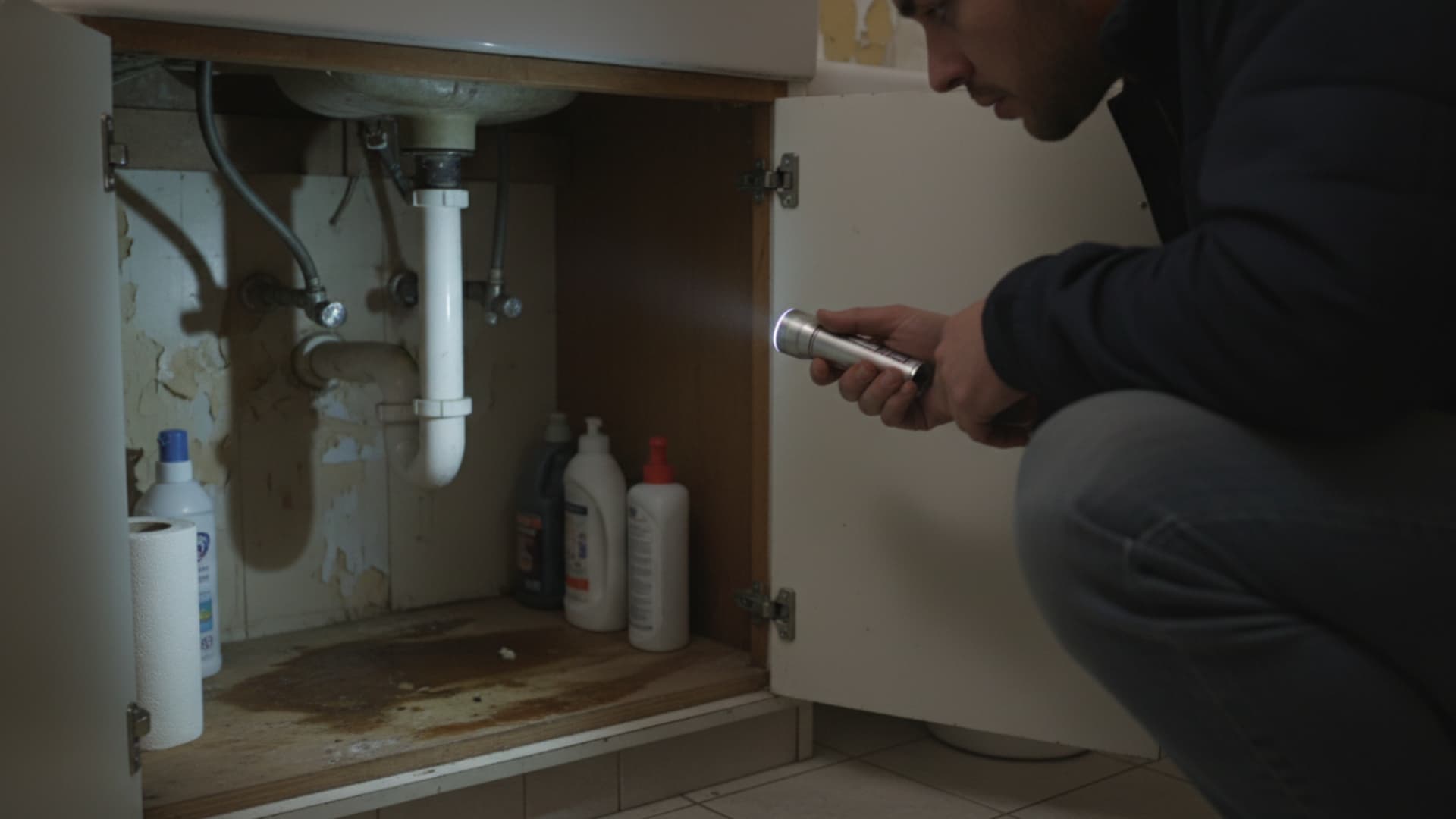
Mosquitoes that get inside do not fly around all day. They rest in quiet, dark, humid corners and come out when you are still or asleep.
Check under sinks, in closets, behind curtains, in laundry rooms, and under furniture. Once you find them, an indoor spray or an electric mosquito swatter handles them fast.
Steps:
- Look under sinks, in closets, and behind curtains.
- Check your laundry room and any rooms that stay humid.
- Use an indoor spray or electric swatter to remove mosquitoes on the spot.
Natural Ways to Kill Mosquitoes Without Chemicals
Not everyone wants to use chemical sprays, especially in homes with young kids or pets.
These natural options help reduce mosquitoes without relying on pesticides. Use them as extra layers of protection alongside your main control methods.
One important note: the CDC states that the effectiveness of non-EPA-registered natural repellents has not been confirmed. Use these to support your efforts, not as a replacement for removing standing water and sealing your home.
- Citronella candles: Burn near outdoor seating to add a light layer of repellent to the air.
- Lavender essential oil: Apply diluted on skin as a light, pleasant-smelling repellent.
- Eucalyptus oil: Mix a few drops with coconut oil for a body-safe, natural repellent spray.
- Peppermint oil: Dilute in water and spray around entry points to deter mosquitoes.
- Lemon and cloves: Press cloves into lemon slices and place near windows and doors.
- Camphor tablets: Crush and mix with turpentine oil, then burn in a lamp to clear indoor mosquitoes.
- Rosemary stalks: Burn dry rosemary near outdoor seating to repel mosquitoes without chemicals.
- Tulsi (Holy Basil): Place near windows as a natural indoor repellent plant.
Common Mistakes People Make With Mosquito Control
A lot of people put in real effort and still end up frustrated because mosquitoes keep coming back. In most cases, a small mistake quietly undoes all the good work.
Here are the most common ones, and exactly what to do differently.
| Mistake | Why It Fails | What to Do Instead |
|---|---|---|
| Spraying without removing standing water | New mosquitoes keep hatching nearby | Remove all water sources first, then spray |
| Relying only on citronella candles | Tests show far less effective than fans | Use a fan and treat breeding sites directly |
| Ignoring small water sources | A bottle cap of water is enough for larvae | Check saucers, gutters, bottle caps, and toys weekly |
| Skipping yard edges and borders | Tall weeds near fences are resting spots | Trim and clear all borders of your yard regularly |
| Applying repellent under clothing | Repellent only protects exposed skin | Apply only to bare skin that is not covered |
| Using broad pesticides near birds and bats | These animals eat mosquitoes and can be harmed | Use targeted, EPA-approved treatments only |
When to Call a Professional for Mosquito Control?
If you have removed standing water, trimmed your yard, and used sprays, and mosquitoes are still a serious problem, a professional pest control service is worth the call.
Experts can locate hidden breeding sites that are easy to miss, particularly on larger properties or near bodies of water.
They treat both larvae and adult mosquitoes at the same time, which is far more effective than targeting only one stage.
Professional help also makes sense if you live in an area where mosquito-borne illnesses are a real local risk.
It is also worth knowing that mosquitoes can develop resistance to over-the-counter pesticides over time, which is one reason ongoing DIY-only spray routines often stop delivering results.
Summing It Up
Getting rid of mosquitoes does not have to feel like a full-time job. Start with what matters most: remove standing water, fix your screens, and add a fan to your outdoor seating area.
From there, layer in natural or chemical repellents based on what works best for your home and yard. The key is not to rely on a single fix. Mosquitoes breed fast and find gaps quickly.
But with a few consistent habits, you can keep their numbers low and take back your outdoor space.
Got a tip that worked for you? Or something we missed? Drop it in the comments below. We would love to hear from you.