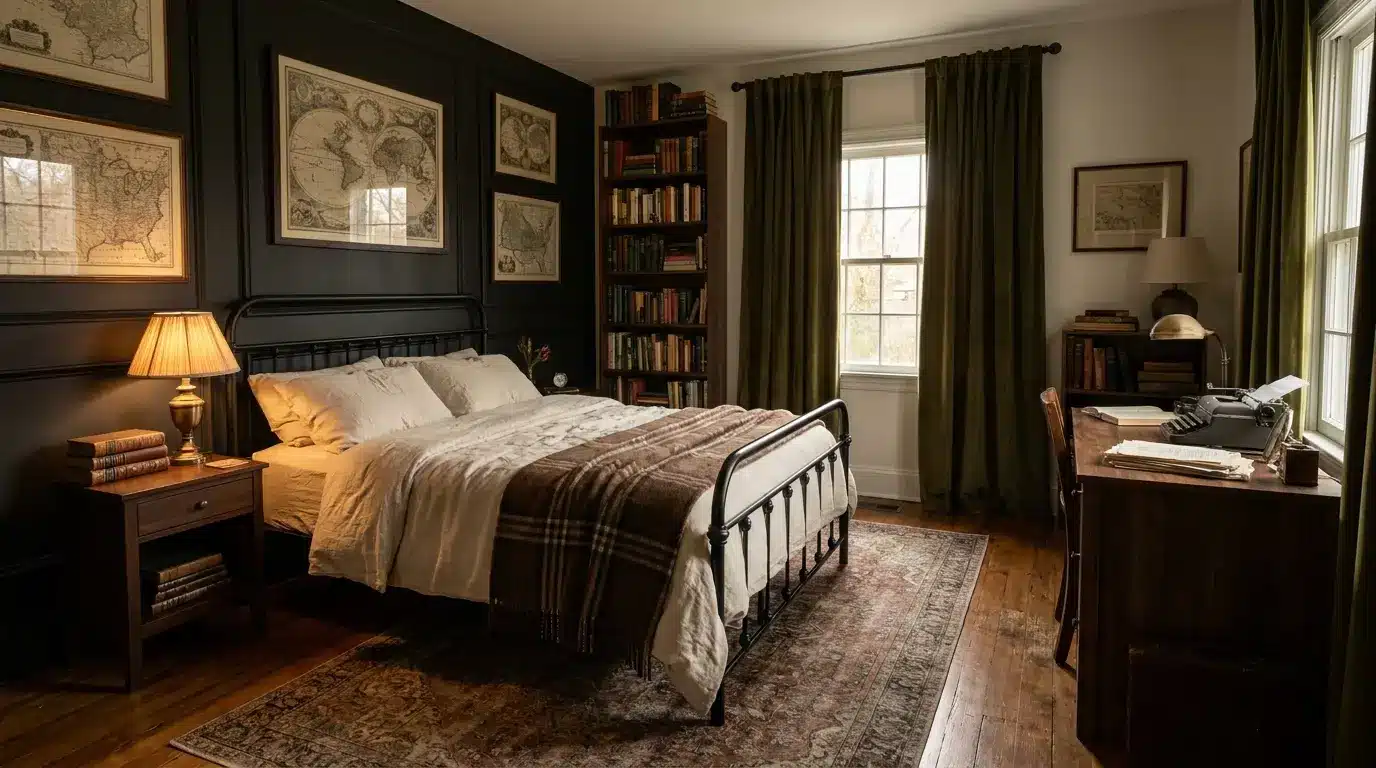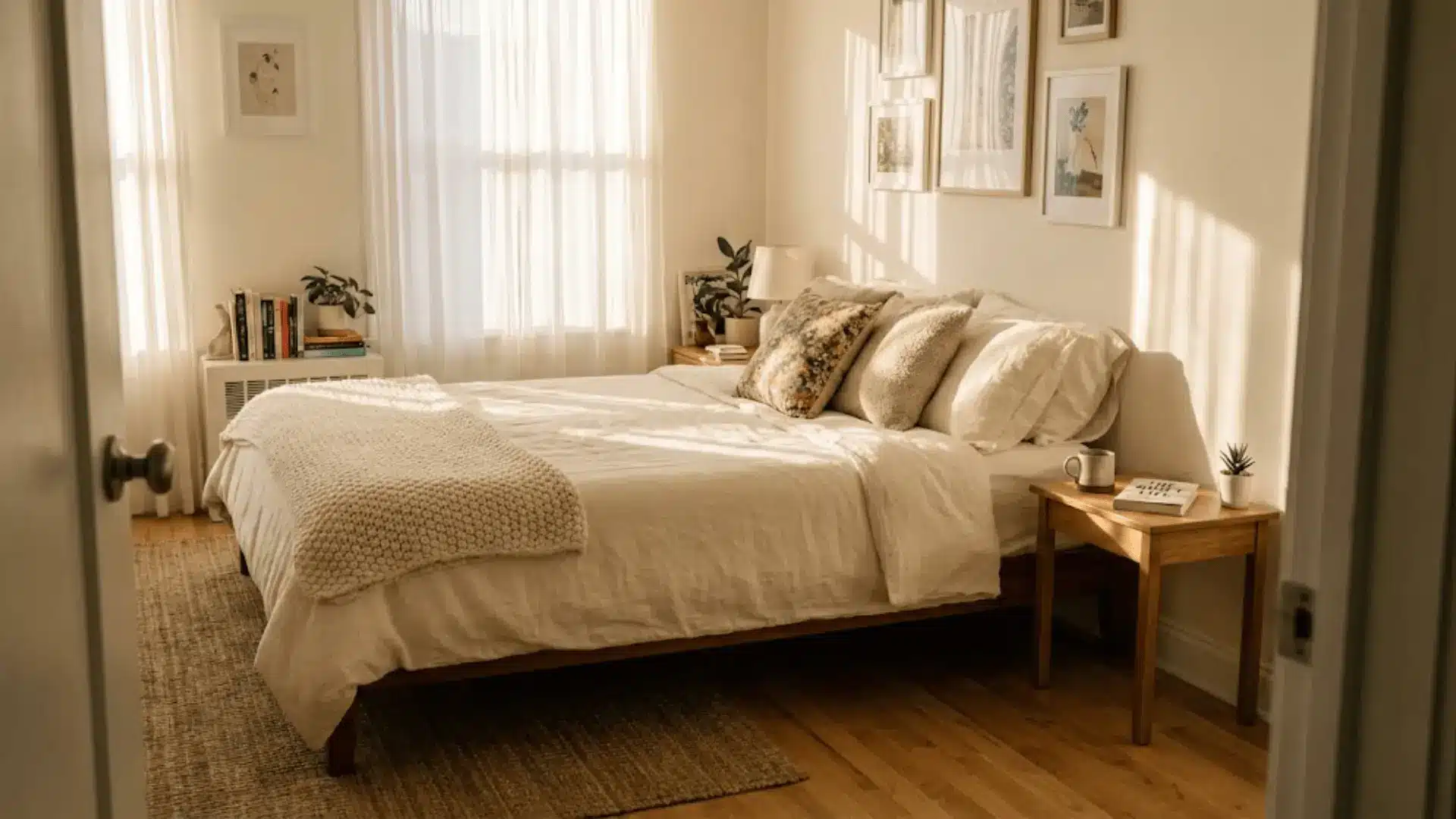
You know that feeling when you walk into your room and just… stare?
Like something is off, but you can’t quite put your finger on it. Maybe it feels too empty, too cluttered, or just not you anymore.
Decorating your room doesn’t have to mean calling in a designer or blowing your entire paycheck. With a little creativity and some thoughtful choices, you can give your space a whole new personality on your own terms.
We’re talking budget-friendly ideas, layout tips, and style inspiration that actually makes sense for real people.
Let’s make your room feel like the place you genuinely want to come home to.
Start with a Vision (Before Buying Anything)
Start with a vision before you spend a single rupee. Scroll through Pinterest, save what catches your eye, and you’ll start noticing a pattern.
Maybe you’re drawn to minimalist clean lines, dreamy boho textures, cozy cottagecore warmth, or sleek modern setups.
Once your style clicks, pick a color palette of two to three shades that feel right together, with one accent color to tie everything in.
Then get honest about your budget. Are you doing a quick refresh or going all in?
Knowing this upfront helps you prioritize changes that make the biggest visual difference without second-guessing every purchase.
How to Decorate Your Room Step-by-Step?
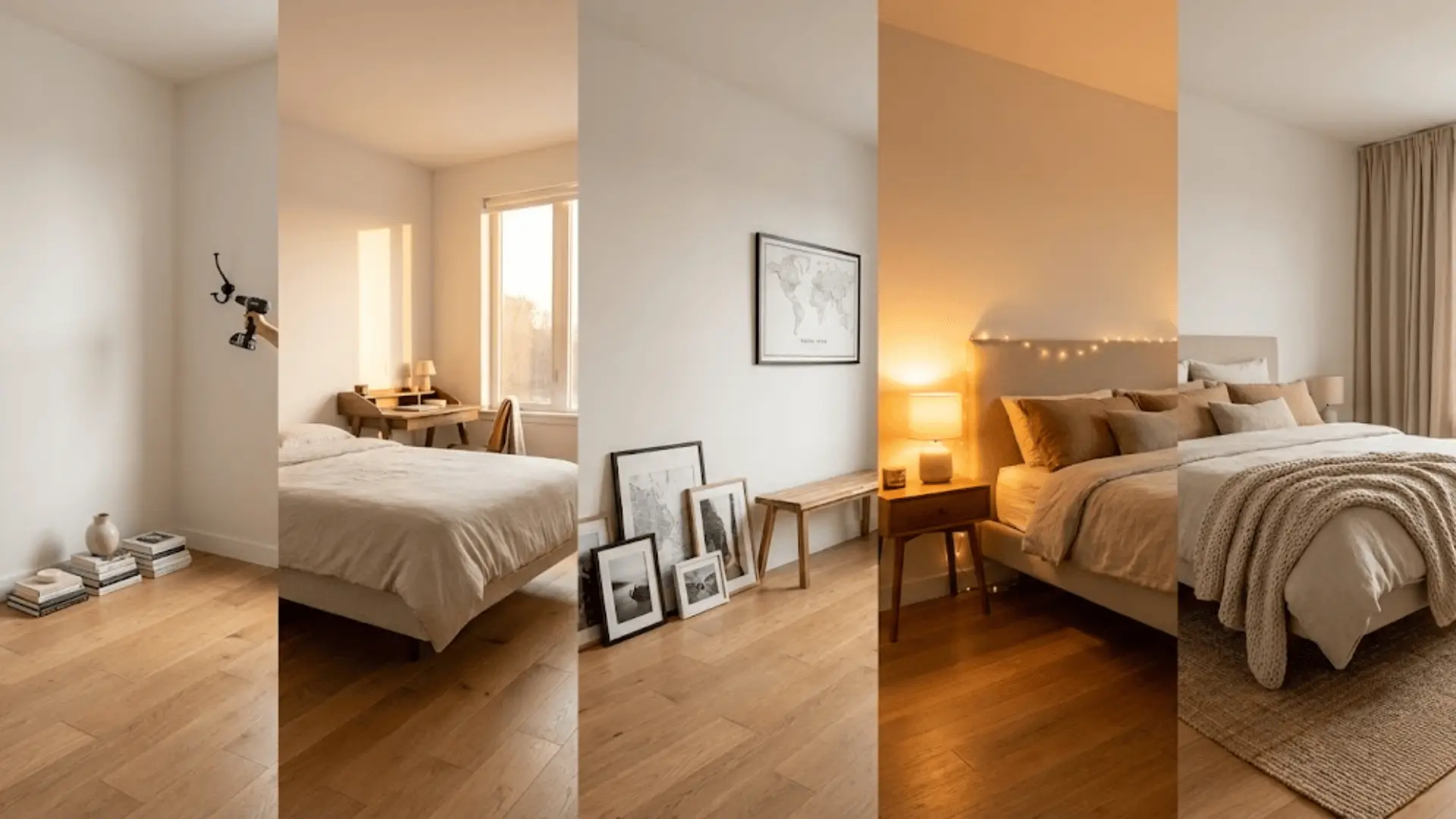
Decorating without a plan is just rearranging chaos.
Follow these steps in order and you’ll notice how every small decision starts building on the last, making the whole process feel surprisingly intuitive.
Step 1: Declutter First
Start by pulling everything out and sorting into three piles: keep, donate, and toss.
A good rule of thumb is if it hasn’t felt useful or meaningful in the last six months, it probably doesn’t belong in your refreshed space.
Vertical storage like wall hooks and over-door organizers free up floor space dramatically, making even a small room feel more open and intentional.
Step 2: Rearrange Furniture
The biggest mistake people make is pushing all furniture against the walls.
Floating your bed or desk slightly inward actually creates a more curated, designer-looking layout. Place your desk or reading chair facing a window to maximize natural light and reduce eye strain.
For better traffic flow, make sure there’s at least two to three feet of walking space between major pieces.
Step 3: Upgrade Your Walls
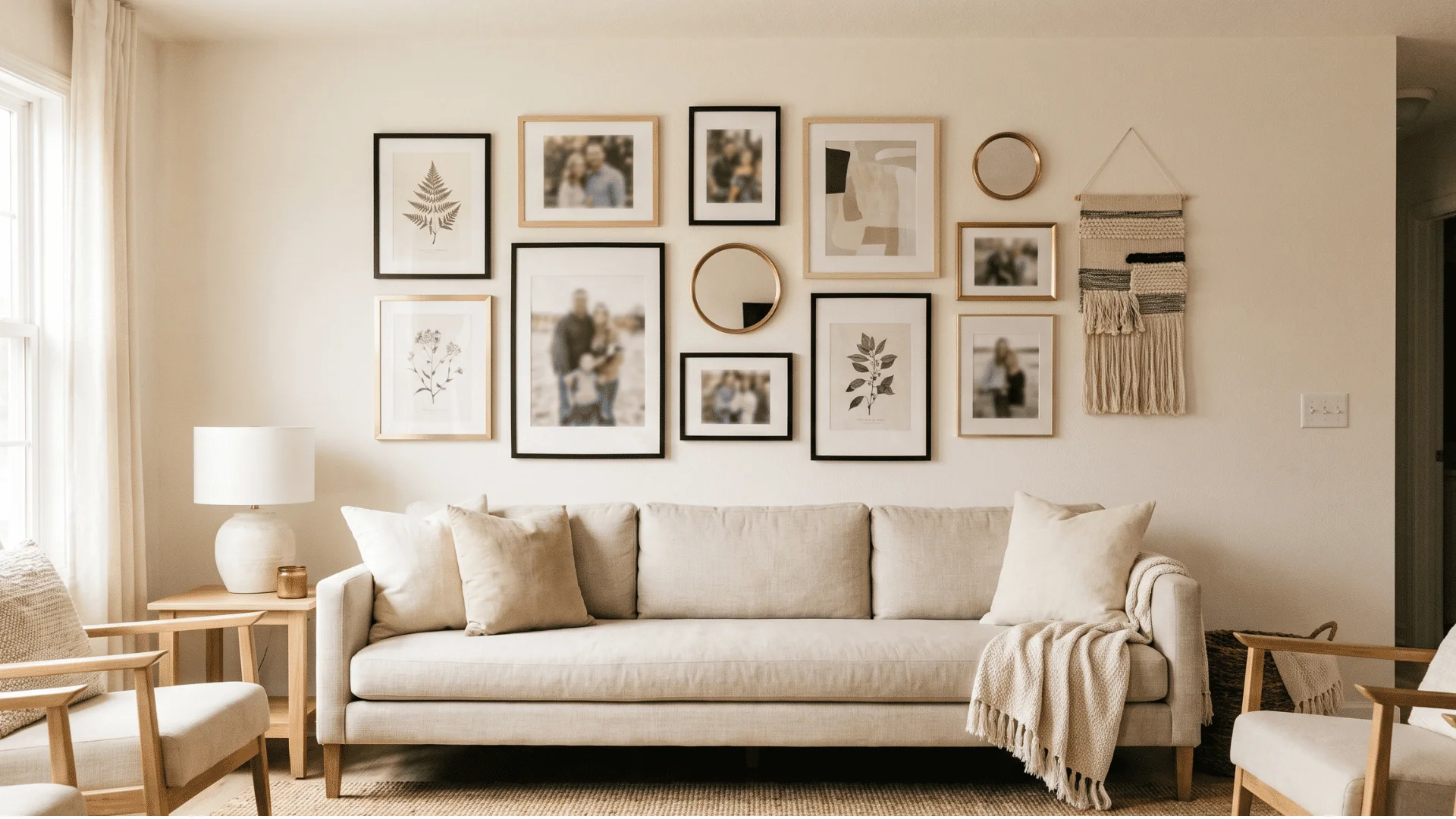
For a gallery wall, lay your frames out on the floor first and photograph the arrangement before hammering anything.
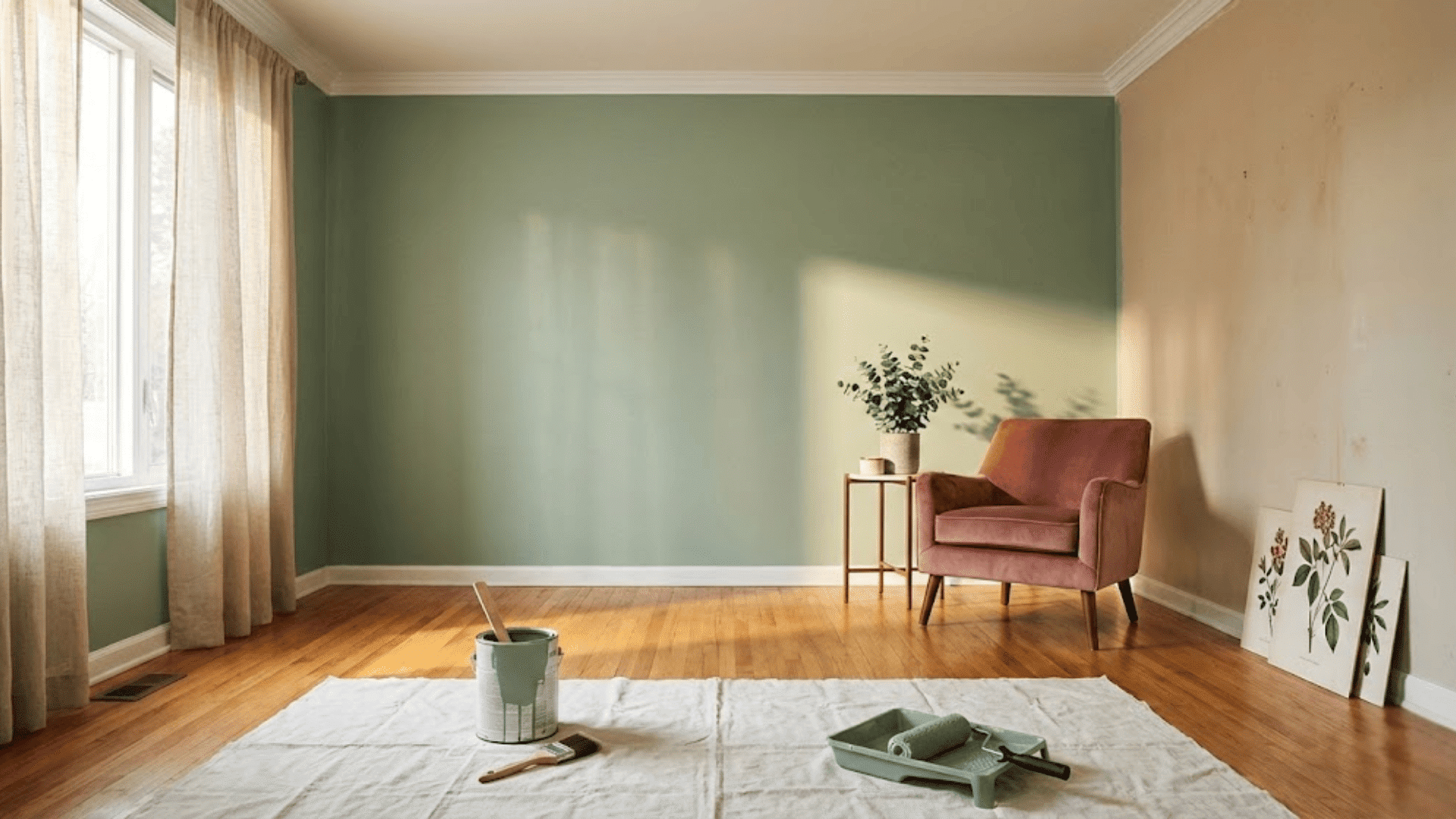
Start with a large anchor piece at eye level and build outward. Peel-and-stick wallpaper works best on a single accent wall behind your bed or desk.
Mirrors placed opposite a window bounce light around the room and visually double the space.
Step 4: Improve Lighting
Most rooms rely on a single overhead light, which flattens everything and kills ambiance. The three-layer rule covers ambient, task, and accent lighting.
Ambient is your ceiling light, task is your desk or bedside lamp, and accent is where fairy lights, LED strips behind your headboard, or a small neon sign come in.
Warm white bulbs in the 2700K to 3000K range create a cozy, flattering glow compared to harsh cool-toned ones.
Step 5: Add Textures and Soft Furnishings
Layering textures is what separates a flat-looking room from one that feels intentional.
Mix at least three different textures and here’s exactly how to do each one right:
- Throw pillows: Odd numbers in varying sizes always look more styled than a matching pair.
- Rugs: Front legs of your furniture should sit on it, otherwise the space feels smaller and disconnected.
- Blankets and throws: Drape over a corner rather than folding for that effortless, lived-in look.
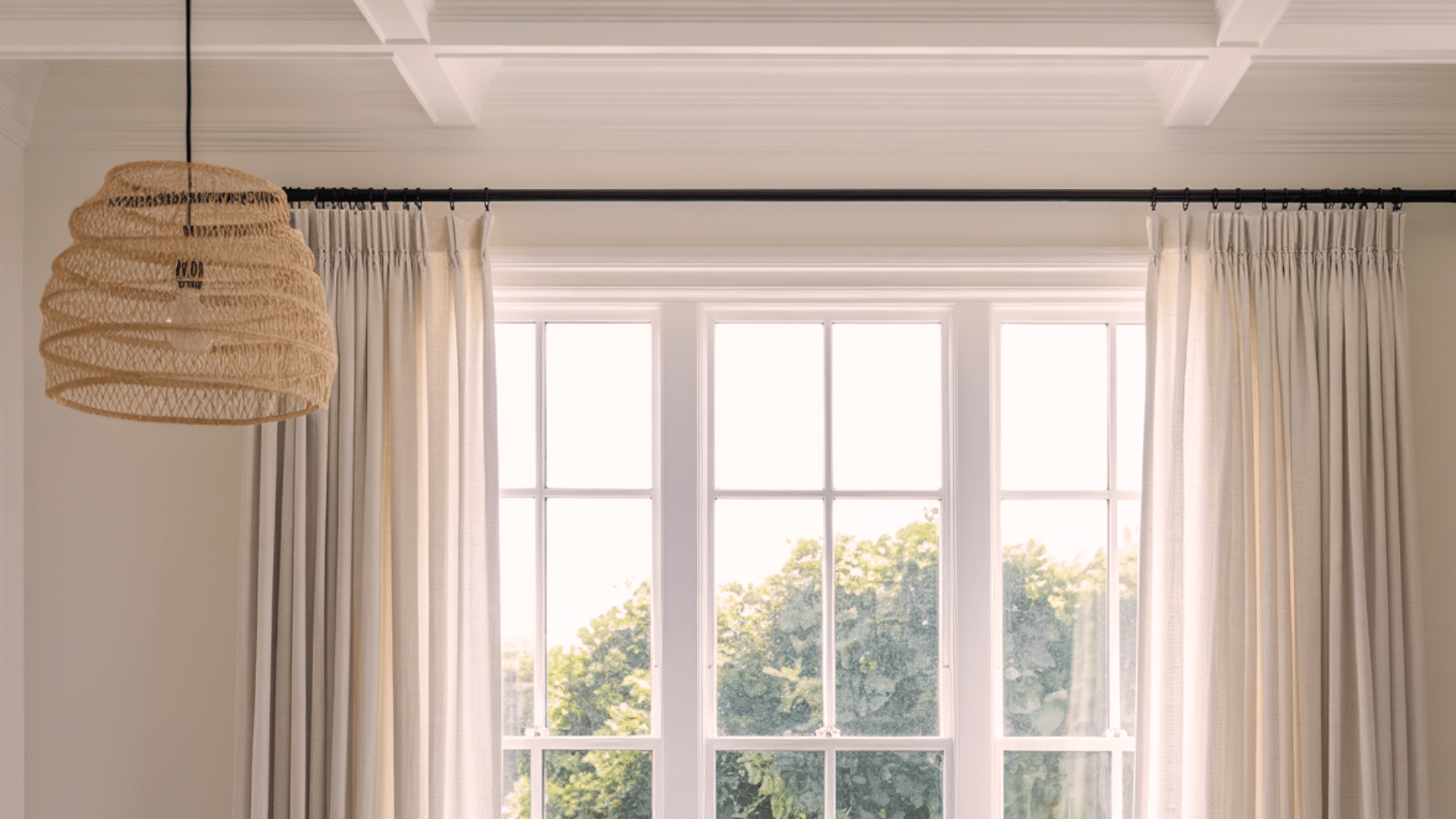
- Curtains: Hang the rod close to the ceiling, not above the window, to make the room feel taller instantly.
Budget-Friendly Ways to Decorate Your Room
Looking good doesn’t have to cost much. These ideas prove that the most personalized rooms are often the ones built on creativity, not a big budget.
| Idea | How | Approx. Cost |
|---|---|---|
| DIY Wall Art | Download free prints from Unsplash or Canva, frame them | $5 to $15 per frame |
| Thrift Store Finds | Mirrors, vases, side tables from Goodwill or Facebook Marketplace | $5 to $30 per piece |
| Repurpose Old Furniture | Repaint, sand, or swap knobs on an existing unit | $10 to $25 for paint and supplies |
| Removable Decor for Renters | Peel-and-stick wallpaper, Command strips, removable hooks | $15 to $40 for a single accent wall |
| Lighting Upgrade | Swap to warm-toned bulbs or add a fairy light strand | $8 to $20 |
Decorating Based on Room Type
Not every room starts from the same place, and a strategy that works for a spacious bedroom can completely fall flat in a dorm.
Here’s how to work with what you actually have.
1. Small Bedroom Ideas
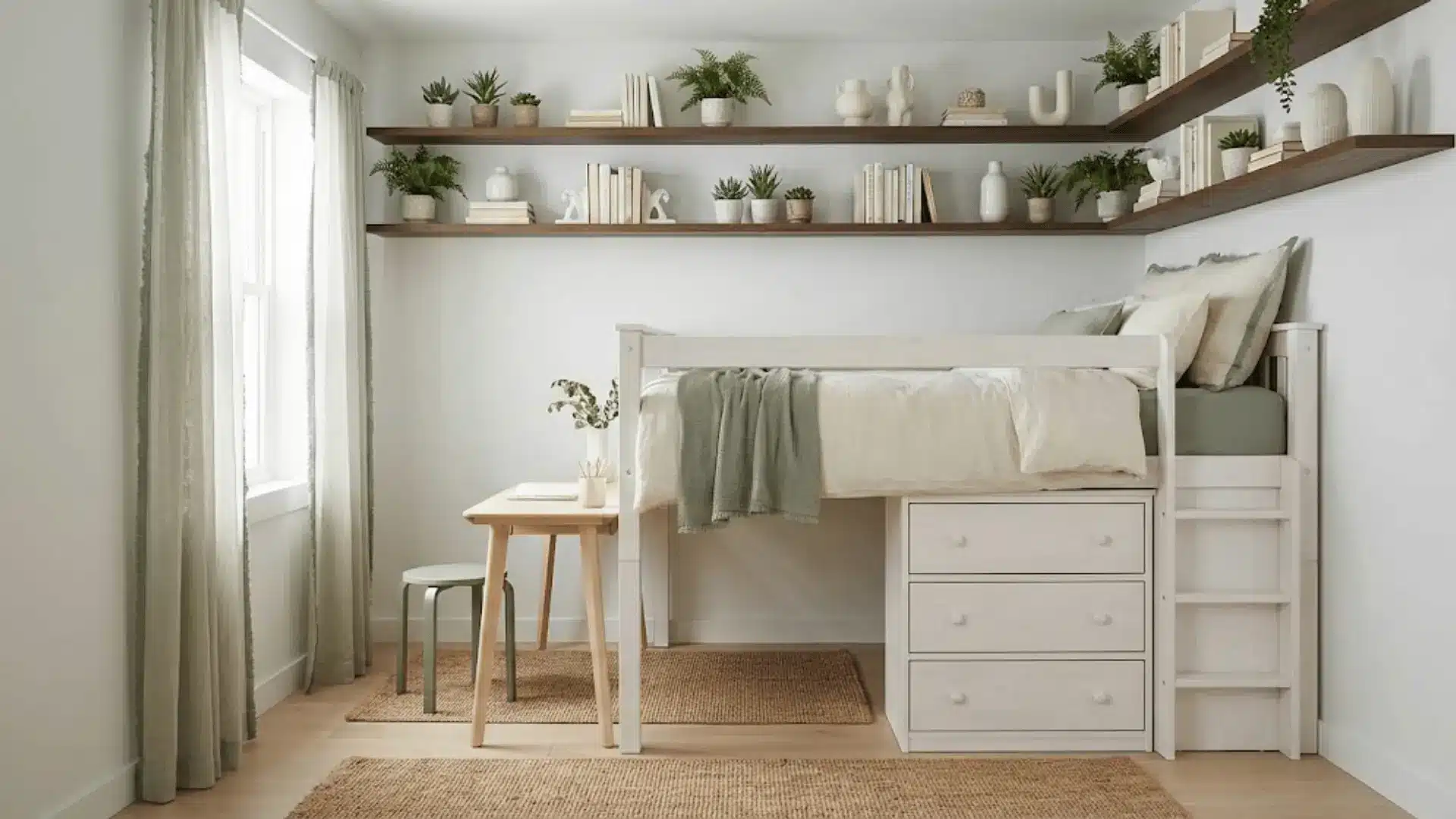
Loft beds or beds with built-in drawers underneath free up significant floor space without sacrificing storage.
Stick to light colors like ivory, soft white, or pale sage on walls and bedding to reflect light and make the room feel more open.
Use vertical wall space with floating shelves stacked high; most people stop at eye level, but your wall has another two to three feet above that going unused.
2. Teen Room Decor
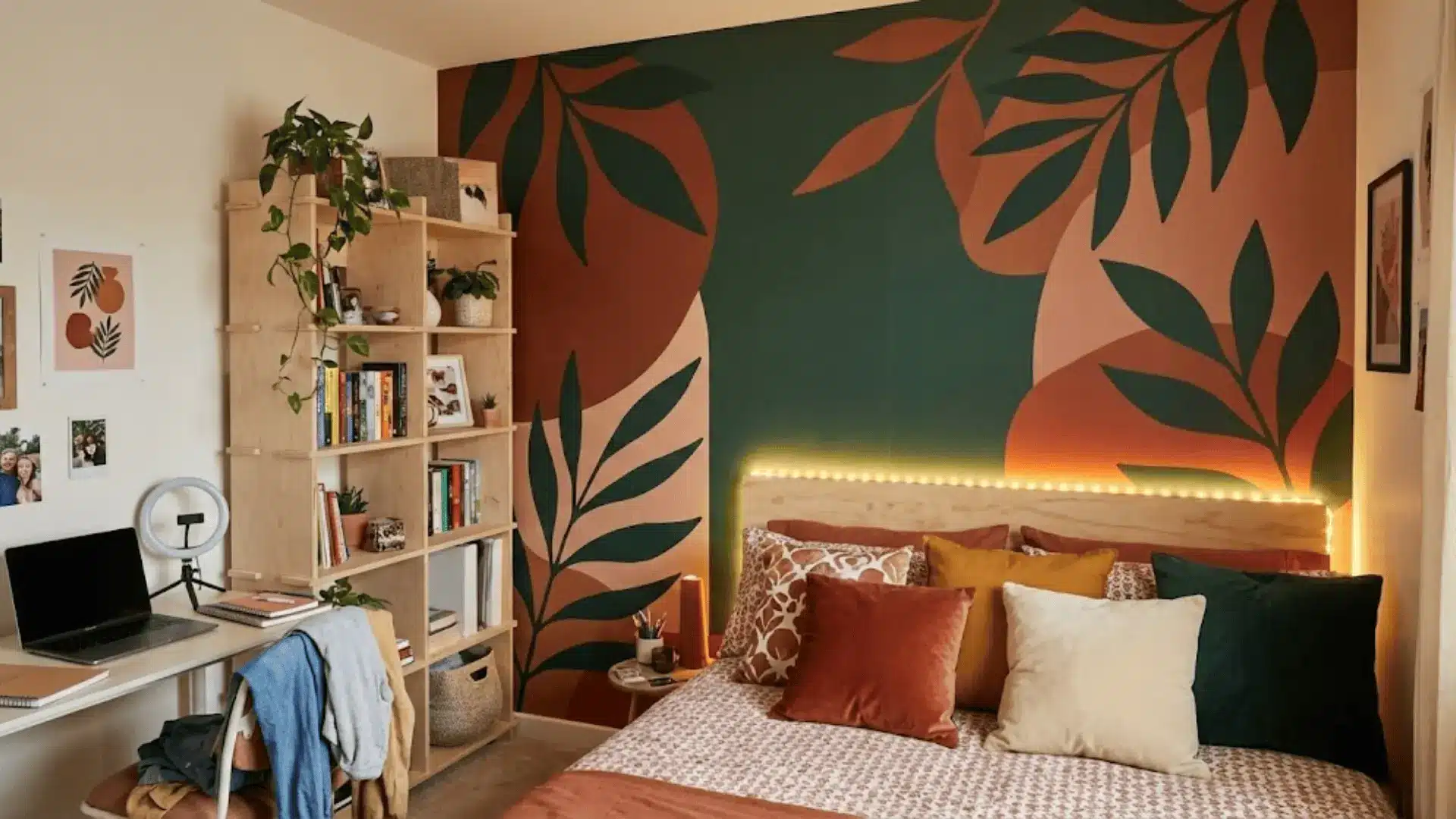
This is the one room where personality should take the lead over Pinterest-perfect aesthetics.
A single statement wall in a bold color or peel-and-stick mural costs under $50 and makes the whole room feel intentional. Keep furniture modular and lightweight so the layout can shift as interests change.
LED strip lights behind a desk or headboard are a cheap, easy win that teens consistently love.
3. College Dorm Room
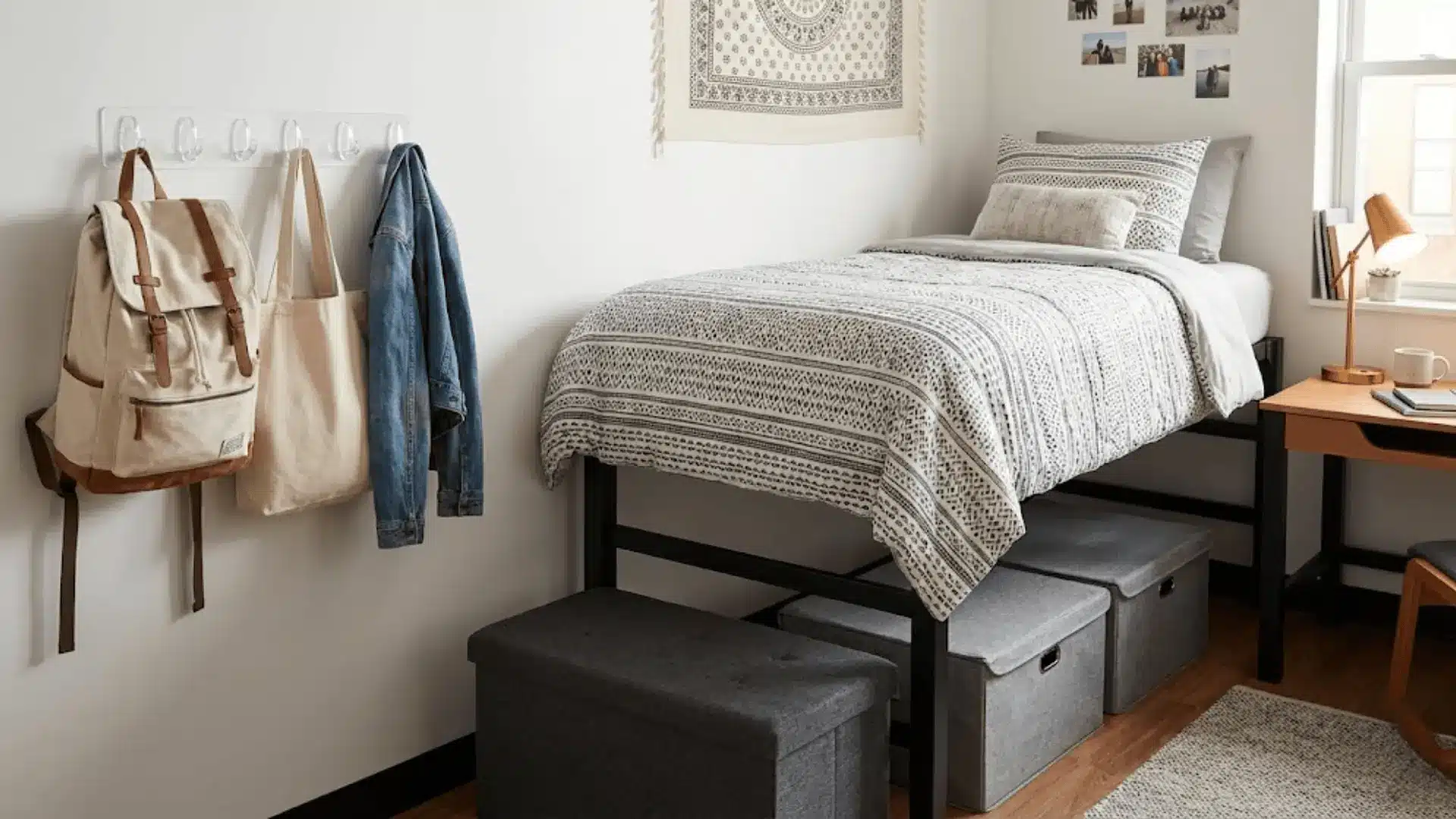
Work entirely within the no-nails, no-paint rulebook. Command hooks hold up to 7.5 lbs and come off cleanly, making them the single most useful dorm tool.
Bed risers add up to six inches of under-bed clearance for bins and suitcases.
A small fabric storage ottoman doubles as seating, a footrest, and hidden storage, which is exactly the kind of multi-purpose thinking a dorm demands.
How to Make Your Room Look Aesthetic?
Aesthetics aren’t about having expensive things; it’s about how intentionally everything works together.
- Matching Textures and Tones: Stick to a cohesive material story; wood, linen, and ceramic tend to complement each other naturally across almost every style.
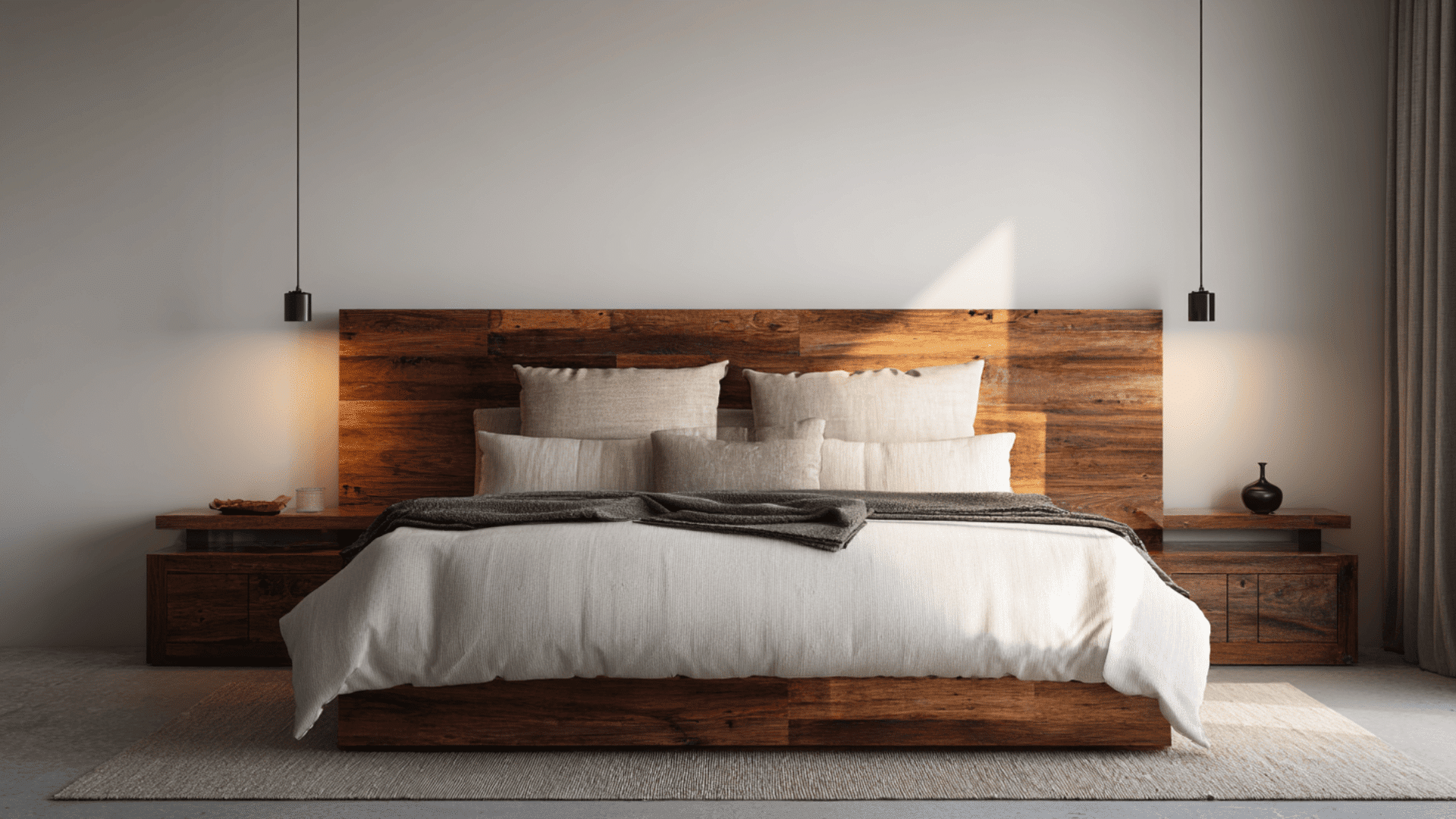
- Balance and Symmetry: Matching bedside lamps or a centered piece of wall art above your bed instantly makes a room look more composed and deliberate.
- Plants for Freshness: A pothos or snake plant on a shelf adds life, color, and texture without needing much maintenance or natural light.
- Create a Focal Point: Every room needs one thing the eye goes to first, a gallery wall, a statement headboard, or even a boldly colored door does the job well.
Every choice you make should feel like it belongs. When everything has a reason for being there, the room stops looking decorated and starts looking designed.
Seasonal Room Refresh Ideas
Your room doesn’t have to look the same all year round. Small, intentional swaps with each season can make your space feel constantly fresh without a full redo.
| Season | Colors | Textures | Accents |
|---|---|---|---|
| Spring | Pastels, soft white | Sheer linen, light cotton | Fresh flowers, budding branches |
| Fall | Rust, terracotta, deep green | Chunky knit, wool throws | Pumpkins, dried botanicals |
| Holiday | Gold, deep red, ivory | Velvet, layered blankets | String lights, seasonal candles |
That’s a Wrap
Your room is an extension of who you are, and it deserves to feel that way.
Decorating it doesn’t require a big budget or a professional eye, just a clear vision, a little patience, and the willingness to experiment.
Starting with a cluttered corner or a blank wall, every small change adds up to a space that genuinely feels like home.
Hopefully, this guide on how to decorate your room gave you the confidence to just start. Now drop a comment below and share which step you’re trying first!