Think about the last time you walked into a room and instantly felt comfortable. A fireplace probably had something to do with it. The soft glow and steady warmth can turn any space into a true retreat. But if your fireplace looks plain or outdated, a wooden surround can completely transform it. It adds depth, character, and that welcoming touch every living room needs.
Whether you are framing modern wood-burning stoves or refreshing a traditional hearth, the right surround elevates a simple heat source into a standout design feature. Still, choosing one takes more than picking a style you like. You need to balance appearance with safety and durability.
The type of wood, how it handles heat, and how it complements your home’s architecture all matter. When you choose wisely, your fireplace becomes more than functional. It becomes the warm, beautiful focal point your home deserves.
Understanding the Appeal of Wood Surrounds
Wood has been a staple in interior design for centuries because of its versatility. Unlike stone or marble, which can sometimes feel cold or overly formal, wood brings an organic texture and warmth to a room. It is also incredibly adaptable. A solid oak beam can look just as at home in a rustic farmhouse as a sleek, painted pine surround looks in a modern townhouse.
Beyond aesthetics, wood is relatively easy to customize. If you decide to change your color scheme five years down the line, a wooden surround can be sanded and refinished or painted to match your new decor. This longevity makes it a smart investment for homeowners who enjoy evolving their interior style.
Matching Your Surroundings to Your Interior Style
Before you look at wood samples, take a step back and look at your room. The goal is for the fireplace to complement the space, not clash with it.
Traditional and Period Homes
If you live in a Victorian or Edwardian-style home, you might opt for intricate carvings and tiered moldings. Darker woods like mahogany or walnut can add a sense of history and grandeur. These styles often feature “legs” that reach the floor and a generous mantel shelf for displaying family photos or antiques.
Modern and Minimalist
For a contemporary vibe, less is usually more. Look for clean lines and a lack of ornate detailing. Floating mantels, which consist of a single thick beam of wood without side supports, are incredibly popular right now. Light woods like ash, maple, or even a whitewashed oak can keep the room feeling airy and bright.
Rustic and Industrial
The rustic look is all about celebrating the natural imperfections of the timber. Reclaimed wood is a fantastic choice here. Surrounds that feature knots, cracks, and raw edges provide a sense of “brought from nature” charm. This style pairs exceptionally well with the rugged look of cast iron heating appliances.
Choosing the Right Type of Wood
Not all wood is created equal when it comes to the heat of a fireplace. You generally have two paths: solid hardwood or veneered MDF.
- Oak:
This is the gold standard for fireplace surrounds. It is a dense hardwood, meaning it is resistant to warping and can handle the temperature fluctuations near a hearth. Its grain pattern is timeless and stains beautifully. - Pine:
A more budget-friendly option, pine is a softwood that offers a lighter, more casual look. Because it is softer, it can be prone to nicks and dents, but many people feel this adds to its character over time. - Walnut:
If you want luxury, walnut is the way to go. Its deep, rich brown tones and fine grain create a sophisticated finish that rarely needs much more than a clear coat of wax. - MDF (Medium Density Fibreboard):
While not “real” wood in the traditional sense, high-quality MDF surrounds are excellent for painted finishes. They are stable and won’t expand or contract as much as solid wood, making them a practical choice for modern homes.
Safety First: Clearances and Regulations
When you are working with combustible materials like wood near a heat source, safety is the most important factor. This is especially true if you are using high-efficiency wood-burning stoves. These units can produce intense heat, and if your wooden surround is too close, it can lead to scorching or, in a worst-case scenario, a fire hazard.
Most local building codes and stove manufacturers provide specific “clearance to combustibles” guidelines. As a general rule of thumb, there should be a significant gap between the stovepipe and the wooden mantel. If your space is tight, you might consider installing a heat shield or choosing a noncombustible “wood effect” beam made from concrete or resin. These look remarkably like the real thing but offer total peace of mind.
Maintenance and Longevity
To keep your wooden surround looking its best, a little bit of upkeep goes a long way. Heat can dry out natural timber, so it is a good idea to treat solid wood mantles with high-quality furniture oil or wax once a year. This keeps the wood supple and prevents the grain from cracking.
For painted surrounds, a simple wipe down with a damp cloth is usually enough. Avoid using harsh chemical cleaners, as these can strip the finish or cause discoloration. If you notice any small scratches, a touch-up pen or a bit of matching wax can usually hide the damage easily.
The Perfect Pairing: Surrounds and Stoves
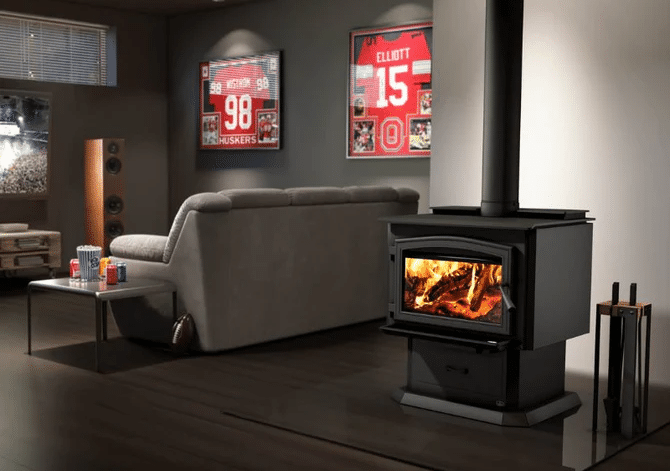
While the surround provides the frame, the “art” inside the frame is often the stove itself. Many homeowners are moving away from open fires in favor of more efficient heating. When you pair a classic wooden mantel with a modern stove, you get the best of both worlds: traditional beauty and contemporary performance.
The contrast between a natural oak surround and a matte black stove creates a stunning visual. The wood softens the industrial feel of the metal, making the entire setup feel integrated into the living room. It creates a “nook” that invites people to sit down and stay a while.
Conclusion
Choosing the perfect wooden fireplace surround is about more than just following trends. It is about finding a piece that reflects your personality and respects the architecture of your home. By considering the wood species, the style of your decor, and the necessary safety requirements, you can create a feature that remains the heart of your home for decades.
A fireplace is an investment in your comfort. Whether you go for a rugged reclaimed beam or a polished mahogany mantel, the warmth it brings to your home is unmatched.