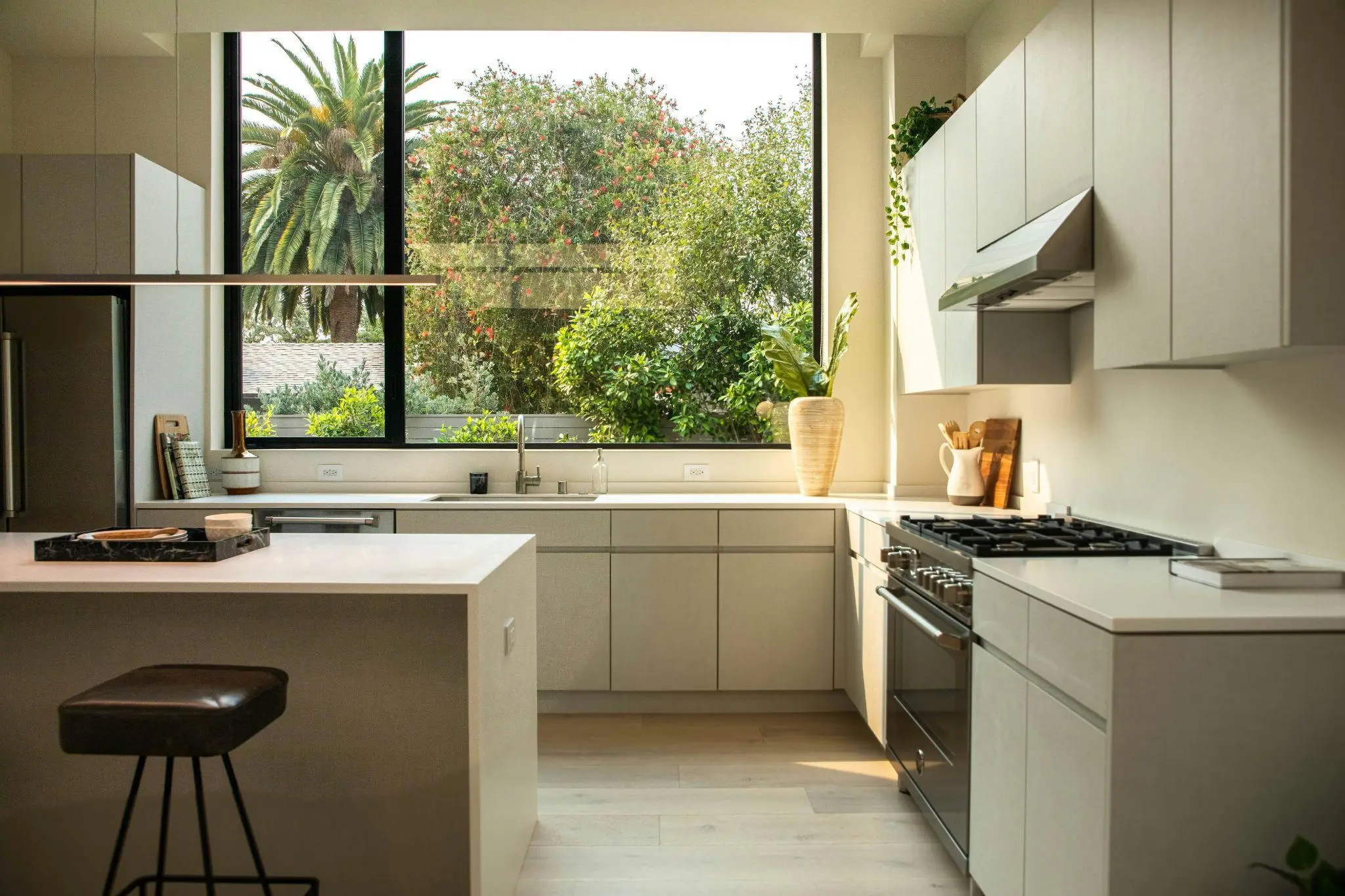
Upgrading your kitchen is one of the most rewarding improvements you can make in your home. A well-planned kitchen upgrade can enhance daily functionality, increase comfort, and even boost your property’s value. However, many homeowners start their renovation with excitement, only to find themselves going over the budget halfway through the project.
The key to avoiding financial stress during a kitchen upgrade is planning carefully before the work begins. By understanding where your money will go and making smart decisions along the way, you can achieve a beautiful and practical kitchen without overspending.
Start With a Clear Plan
Before you purchase materials or hire contractors, take time to outline exactly what you want to change in your kitchen. Some homeowners are aiming for a full renovation, while others only want to update certain features, such as cabinets, lighting, or appliances.
Create a list of priorities and separate them into two categories: essential upgrades and optional investments. Essential upgrades might include replacing worn cabinets or outdated appliances, while optional improvements could involve decorative elements like new backsplashes or upgraded hardware. Having this list helps prevent impulse decisions later in the process, which is one of the biggest reasons renovation budgets spiral out of control.
Set a Realistic Budget
Once you know what to accomplish, the next step is setting a realistic budget. Research the average costs of materials and labor in your area so you have a rough idea of how much each part of the project will cost.
It’s also wise to include a contingency fund. Renovations often reveal hidden issues, such as plumbing problems, electrical upgrades, or structural repairs that weren’t visible at first. A detailed budget should break down your expenses into categories, such as cabinetry, appliances, flooring, lighting, labor, and finishing details.
Understand the Major Cost Drivers
In most kitchen renovations, a few elements account for the majority of the total expense. Cabinets are often the largest investment, especially if you choose custom designs or high-end materials. Appliances can also take up a significant portion of the budget, particularly if you’re upgrading to professional-grade models.
Another aspect that homeowners often underestimate is the kitchen countertop cost, which can vary widely depending on the material you select. Engineered quartz, laminate, natural stone, and butcher block all come with different price points and installation requirements. The size of your kitchen and the complexity of the design can also influence the overall expense. Understanding these major cost drivers early in the planning stage allows you to allocate your budget wisely and decide where to invest and where you might prefer to save.
Look for Cost-Saving Opportunities
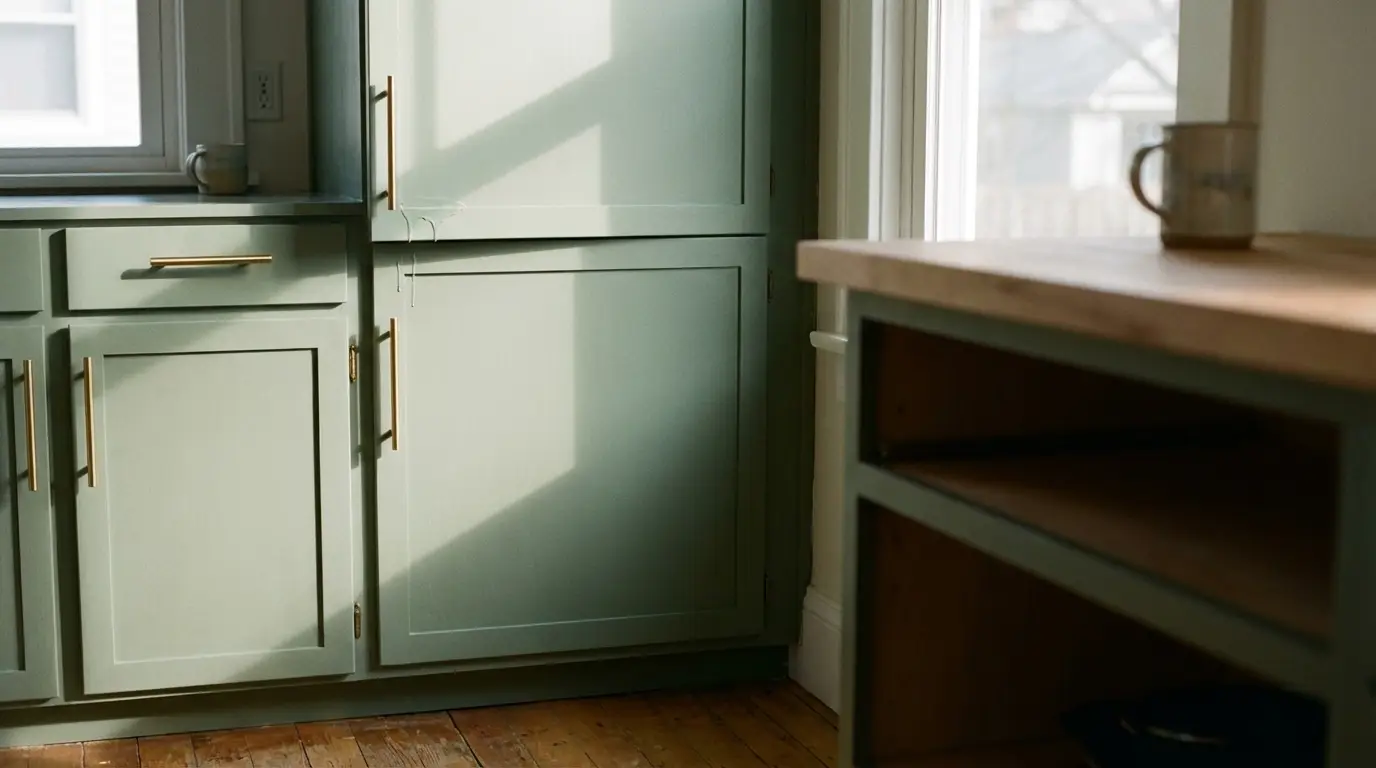
Upgrading your kitchen doesn’t always mean replacing everything. In many cases, small changes can create a dramatic improvement without requiring a full renovation.
For example, repainting cabinets instead of replacing them can significantly reduce costs while still giving your kitchen a fresh new look. Installing modern island lighting fixtures or adding a unique backsplash are relatively affordable upgrades that can make a significant difference.
You can also save money by comparing quotes from multiple contractors and suppliers. Prices can vary widely, and taking the time to gather several estimates ensures you’re getting fair pricing for both materials and labor.
Prioritize Functionality Over Trends
While trendy design features can be appealing, they may not always provide long-term value. When budgeting for a kitchen upgrade, it’s important to focus on functionality first. Consider how you use your kitchen daily. Do you want more storage or better lighting? Do you want to improve the workflow between cooking, cleaning, and food preparation areas?
Investing in solutions that improve how your kitchen works often delivers more value than purely aesthetic upgrades. A functional layout, durable materials, and efficient appliances will continue to benefit your household long after design trends change.
Track Expenses Throughout the Project
Even with a detailed budget, it’s important to monitor spending as the renovation progresses. Keep a record of every purchase and contractor payment so you always know where your budget stands.
Small purchases, such as fixtures, decor, or additional materials, can add up quickly if they aren’t tracked carefully. Reviewing your spending regularly helps you stay within the budget and make adjustments if necessary. If costs start to arise in one area, you may be able to offset them by simplifying another part of the project.
Endnote
A kitchen upgrade doesn’t have to become a financial burden. With thoughtful planning, realistic budgeting, and a clear understanding of where your money will go, you can efficiently transform your kitchen while staying within your means.