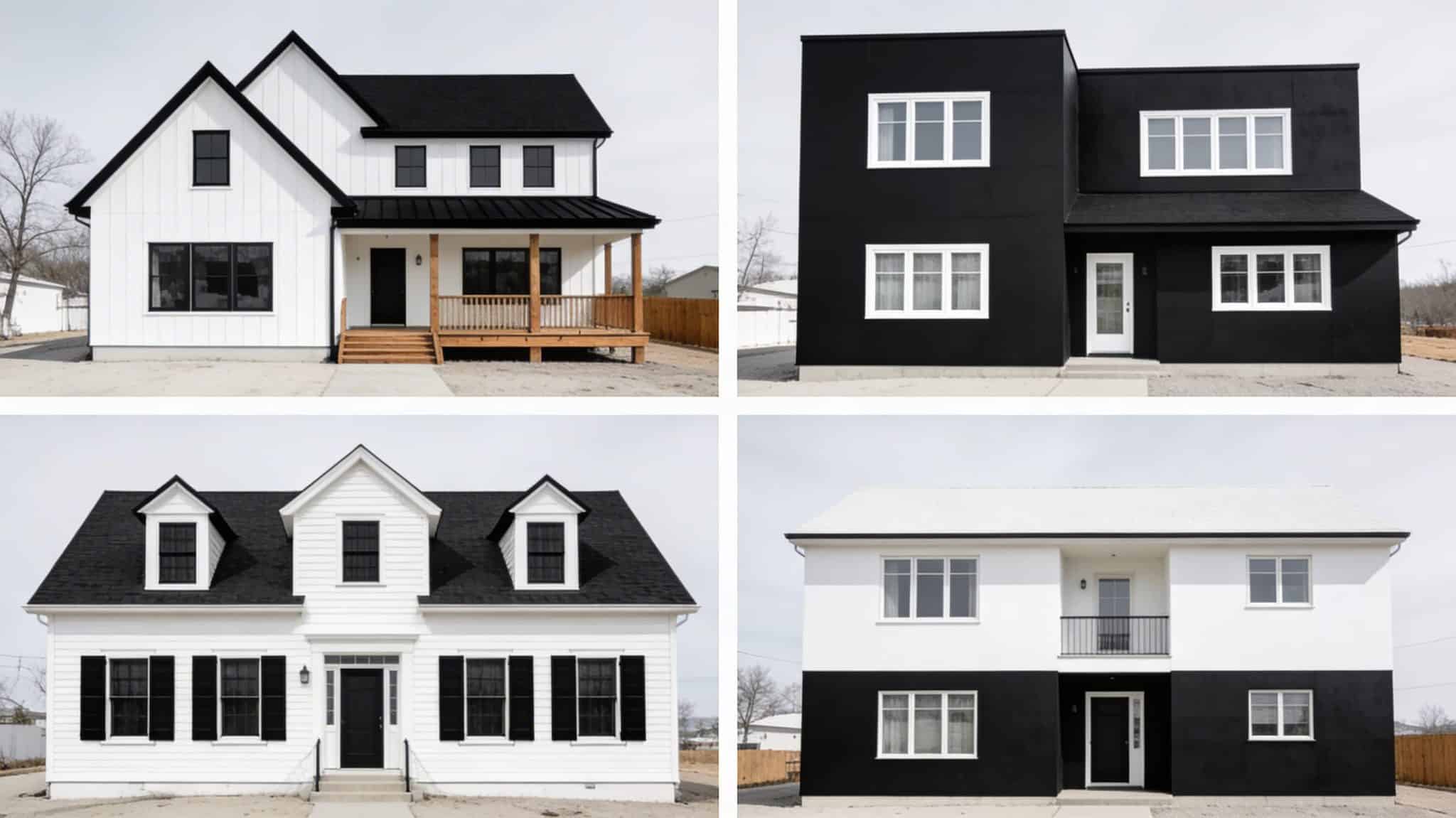
Steel homes—especially modern barndominiums and residential metal buildings—are gaining popularity not only for their strength and design flexibility but also for their impressive energy performance. Homeowners are discovering that a steel-framed house can be just as comfortable as a traditional home while offering lower utility bills, fewer maintenance expenses, and long-term savings that continue well beyond construction.
Manufacturers like US Patriot Steel design steel homes with energy efficiency in mind, ensuring the structure works with the environment rather than against it.
Efficient home construction is no longer just a trend; it’s a necessity. Rising utility costs, unpredictable weather patterns, and growing interest in sustainable living have led many families to reconsider what materials provide the best long-term value. Steel homes have emerged as one of the most cost-effective solutions because they combine strong thermal performance with reduced operating costs over decades of use.
A Tighter Building Envelope for Better Temperature Control
One of the core energy advantages of a steel home is its ability to support a tighter building envelope. Steel framing allows for straight, precise construction that reduces gaps and air leaks. Air leakage is one of the biggest energy losses in traditional wood homes, where warped boards and shifting frames create openings for drafts.
Because steel does not expand, contract, or warp with humidity, the seal around doors, windows, and walls remains more consistent over time. This stability helps heating and cooling systems operate more efficiently, maintaining a comfortable indoor environment with less energy demand.
Superior Insulation Options and Performance
Many people assume steel buildings are harder to insulate than wood homes, but the opposite is often true. Steel homes can accommodate advanced insulation systems—spray foam, rigid board insulation, fiberglass batts—which create high R-value walls capable of outperforming traditional construction.
Spray foam, in particular, bonds directly to steel panels and framing, eliminating gaps and creating a continuous barrier that controls moisture, air movement, and heat transfer. This not only improves energy efficiency but also reduces the risk of mold growth by preventing condensation inside the walls.
With proper insulation, steel homes stay cooler in the summer, warmer in the winter, and far more stable throughout seasonal changes.
Reflective Roofing for Lower Cooling Costs
One of the most overlooked benefits of steel homes is the reflective nature of metal roofing. Light-colored or specially coated metal panels reflect a significant portion of solar heat, preventing it from being absorbed into the home. This dramatically reduces attic temperatures, reduces strain on air conditioning systems, and lowers cooling bills—particularly in southern states and desert climates.
Traditional asphalt roofs absorb heat, making homes hotter and forcing HVAC systems to work harder. Steel roofing flips this dynamic, helping homes remain naturally cooler during peak heat.
Reduced Maintenance Leads to Lower Lifetime Costs
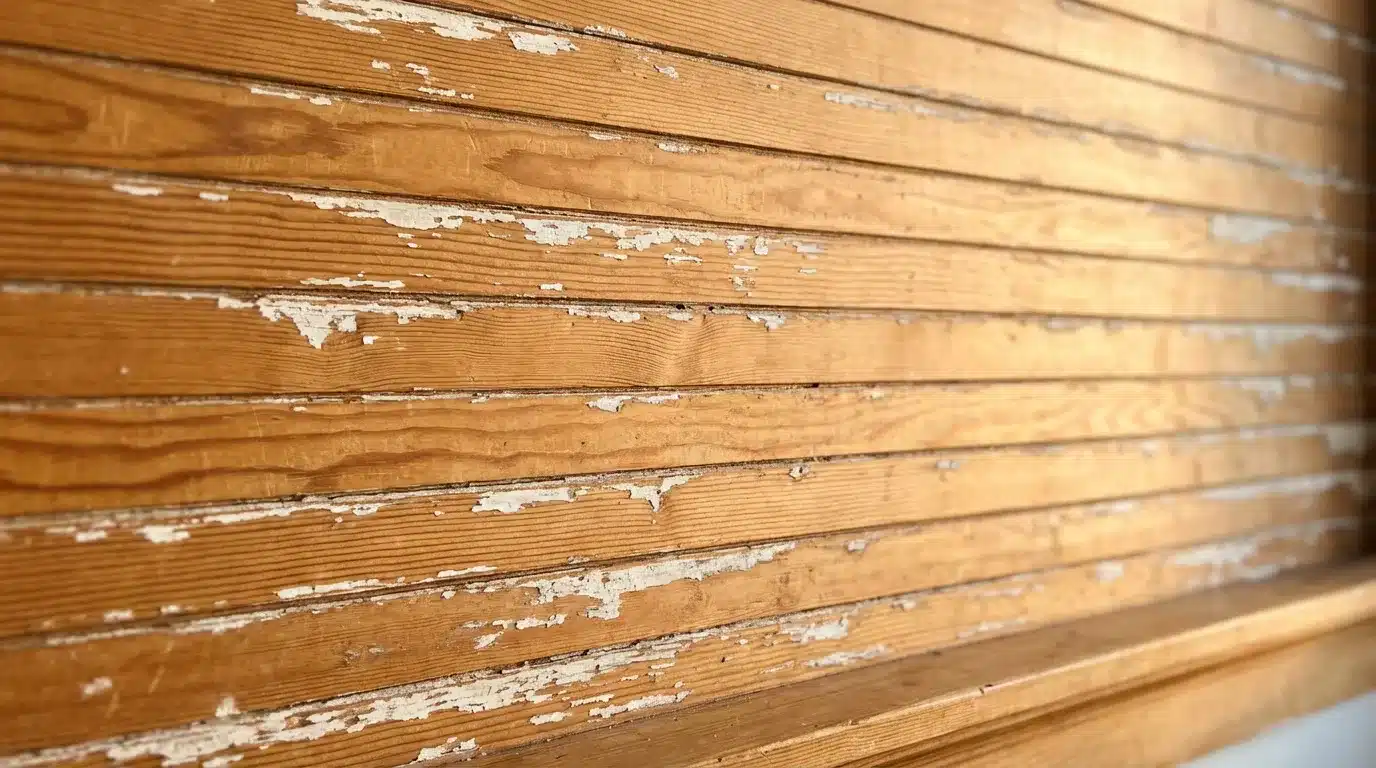
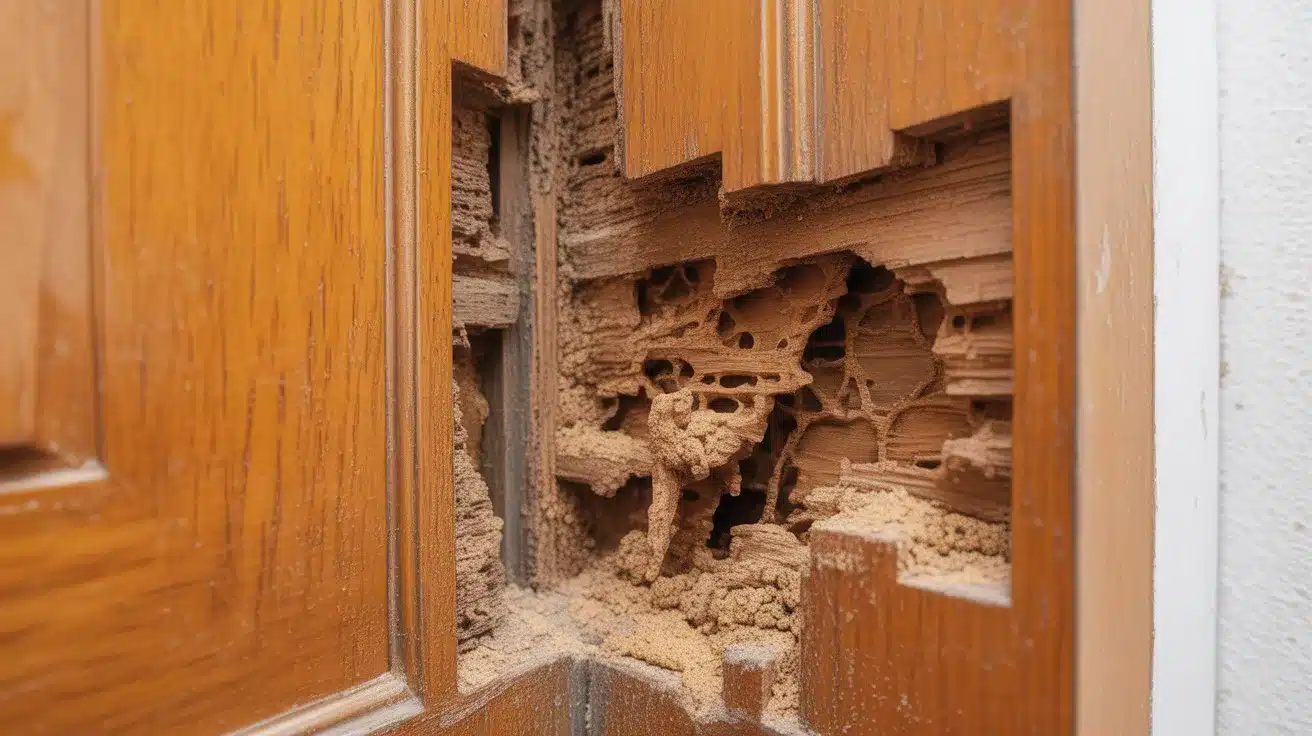
Energy efficiency is only part of the financial equation; steel homes also reduce lifetime costs through minimal maintenance. Wood-framed homes require ongoing upkeep to address warping, moisture damage, pests, and structural settling. These issues not only affect longevity—they also impact energy performance as gaps form and insulation degrades.
Steel homes eliminate many of these concerns. Steel does not rot, attract pests, or degrade due to moisture exposure. This means insulation stays effective, walls remain stable, and HVAC systems don’t have to compensate for structural deterioration. Over 20–30 years, the savings from reduced repairs, fewer replacements, and better energy retention can be substantial.
Better HVAC Efficiency Through Predictable Construction
A steel home’s predictable framing allows HVAC systems to be sized more accurately. Inconsistent or uneven framing in wood homes can lead to oversized or undersized units, both of which reduce efficiency and increase costs. Steel’s consistency helps create uniform wall cavities, predictable air pathways, and balanced thermal zones.
Because temperature loss is minimized, HVAC operation becomes smoother and less frequent. Homeowners benefit from lower utility bills, longer HVAC lifespan, and improved indoor comfort.
Environmental Efficiency and Sustainability
Energy efficiency isn’t just about saving money—it’s also about reducing environmental impact. Steel is one of the most recycled materials in the world, and many steel homes are made with a high percentage of recycled content. The ability to insulate effectively, reduce waste during construction, and limit ongoing maintenance contributes to a smaller carbon footprint over the building’s lifespan.
For homeowners seeking eco-friendly solutions, steel construction aligns naturally with sustainability goals.
Conclusion
Steel homes offer more than durability and modern aesthetics—they provide measurable improvements in energy efficiency and long-term savings. Through superior insulation options, reflective roofing, reduced air leakage, and minimal maintenance requirements, steel homes consistently outperform traditional wood structures in both comfort and cost efficiency. For homeowners focused on long-term value, lower energy bills, and sustainable living, a steel home delivers advantages that last for decades.