Want fresh rhubarb for pies without needing a huge garden? Growing rhubarb in pots is the perfect solution for small spaces and big harvests. Rhubarb is a tough, long-lasting plant that flourishes in containers. It’s packed with vitamin C, fiber, and antioxidants, so it’s not just tasty; it’s healthy too.
I’ll show you just how easy container rhubarb gardening can be for beginners. You’ll learn simple tricks that make it foolproof and fun. If you’re in an apartment or have limited yard space, pots are the ideal solution.
Soon, you’ll have fresh rhubarb stalks growing right outside your door. Let’s get you started on your rhubarb-growing expedition with just a few basic supplies!
Why Container Rhubarb Growing Works Best
Container gardening is perfect for small yards, balconies, or even urban spaces. You don’t need a big garden to enjoy fresh rhubarb stalks.
Pots let you create the perfect soil mix every time. You add compost and nutrients exactly when your plant needs them.
You can move containers to protect your plants from harsh weather and pests. Just bring them closer during winter storms. Container rhubarb stays healthier because you control watering and drainage.
Say goodbye to soggy soil and root rot problems. And the best part? You can harvest fresh rhubarb right outside your kitchen door; it’s perfect for pies, just a short step away!
Material You’ll Need to Grow Rhubarbs
Here’s what you can expect to spend on the materials needed to grow rhubarb in pots. I’ll break down the costs so you know what you’re getting into when grabbing the essentials.
| Material | Estimated Cost Range (USD) |
|---|---|
| Rhubarb plant or bare root crown | $3 – $20 |
| Well-draining soil | $1.50 – $11 |
| Compost or well-aged manure | $0.50 – $3.50 |
| Large container (24″ across, 15″ deep) | $10 – $80 |
| Balanced fertilizer or vegetable food | $2 – $10 |
| Watering can or hose | $3.50 – $40 |
These costs are estimated and may vary based on location, supplier, and seasonal availability.
Step-By-Step Guide: Growing Rhubarb in Pots
I’m going to show you how easy it is to grow healthy rhubarb in containers. In just five simple steps, you’ll be harvesting fresh rhubarb stalks right from your patio or balcony.
Let’s start! Before you know it, you’ll be enjoying homegrown rhubarb
Step 1: Select The Right Location
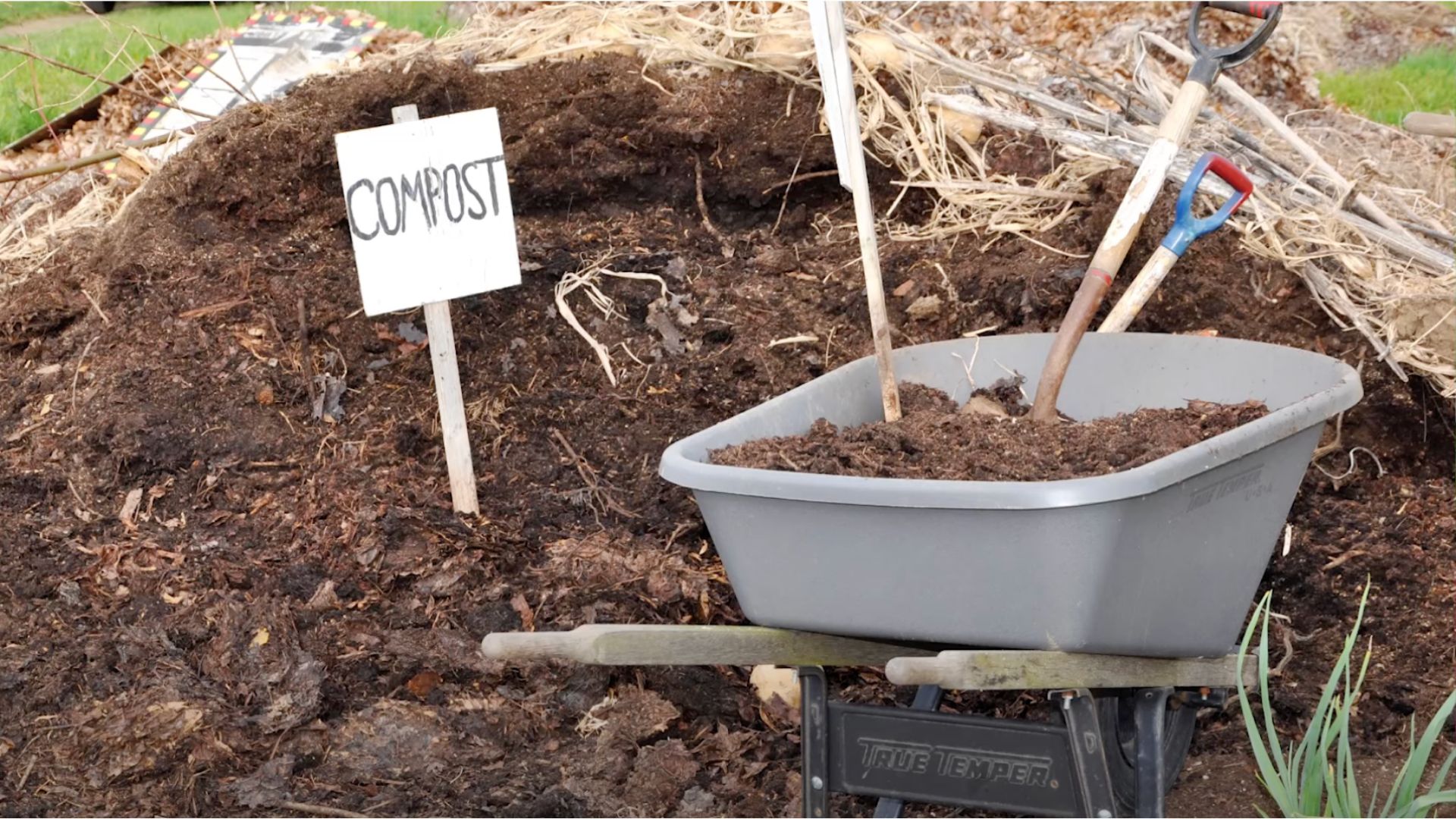
Rhubarb prospers in full sun, needing at least six to eight hours of direct sunlight daily for optimal growth. If you’re in a hotter climate, some afternoon shade can prevent the plant from overheating.
Rhubarb grows best in hardiness zones 3–7, but it can also handle cold temperatures during the winter. In colder areas, give it some extra protection, like mulch, to survive the harsh conditions while ensuring a healthy dormancy period for productive growth.
Step 2: Choose The Correct Soil & Container
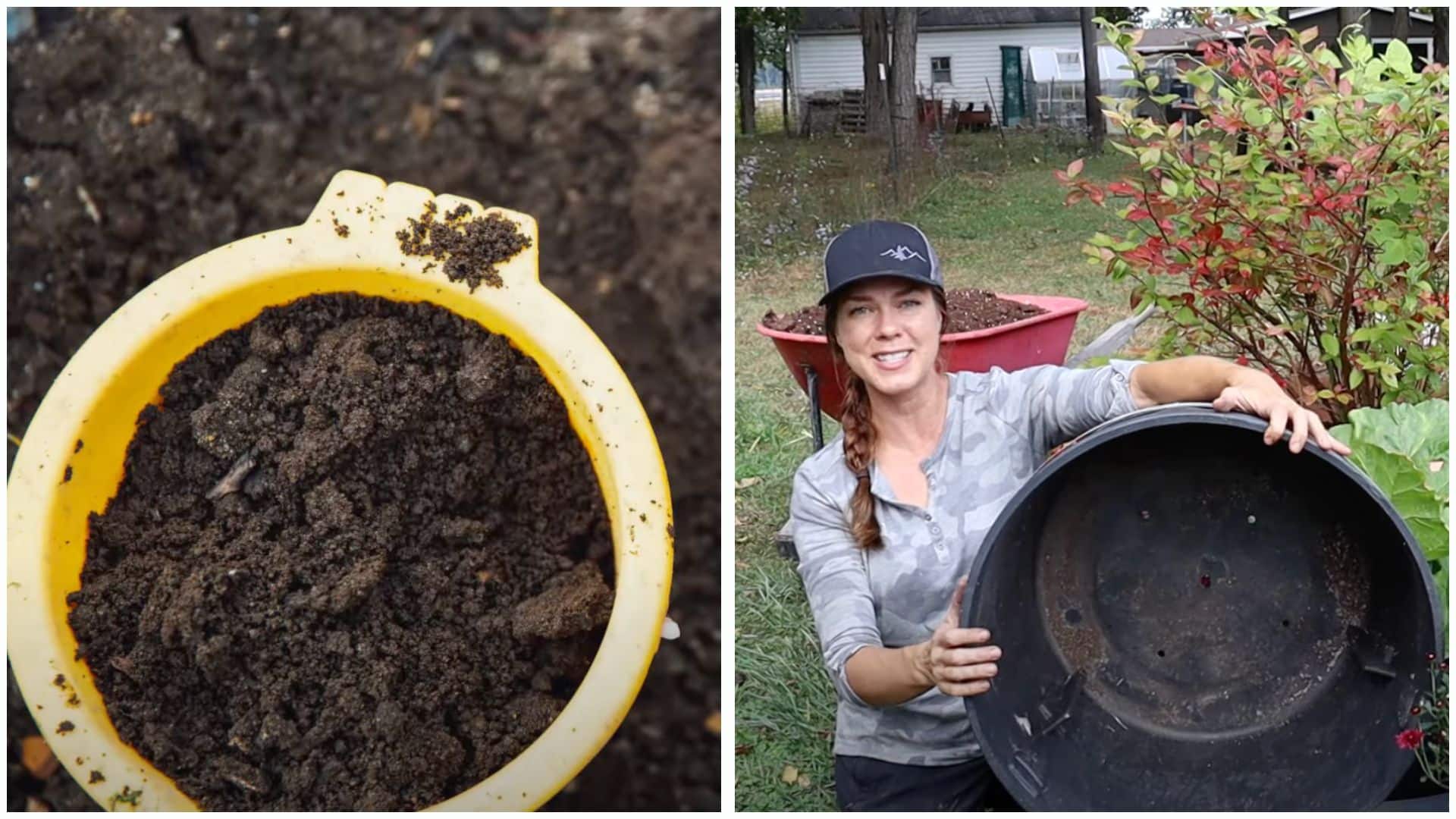
Rhubarb prefers loamy, well-draining soil that doesn’t retain excess moisture, which can lead to root rot. Select a large container with adequate drainage holes, as rhubarb develops a deep root system.
A container that’s at least 24 inches wide is ideal for allowing enough space for the plant’s roots to grow. Enrich the soil by mixing in compost or aged manure for added nutrients to support healthy growth throughout the growing season.
Step 3: Prepare The Soil
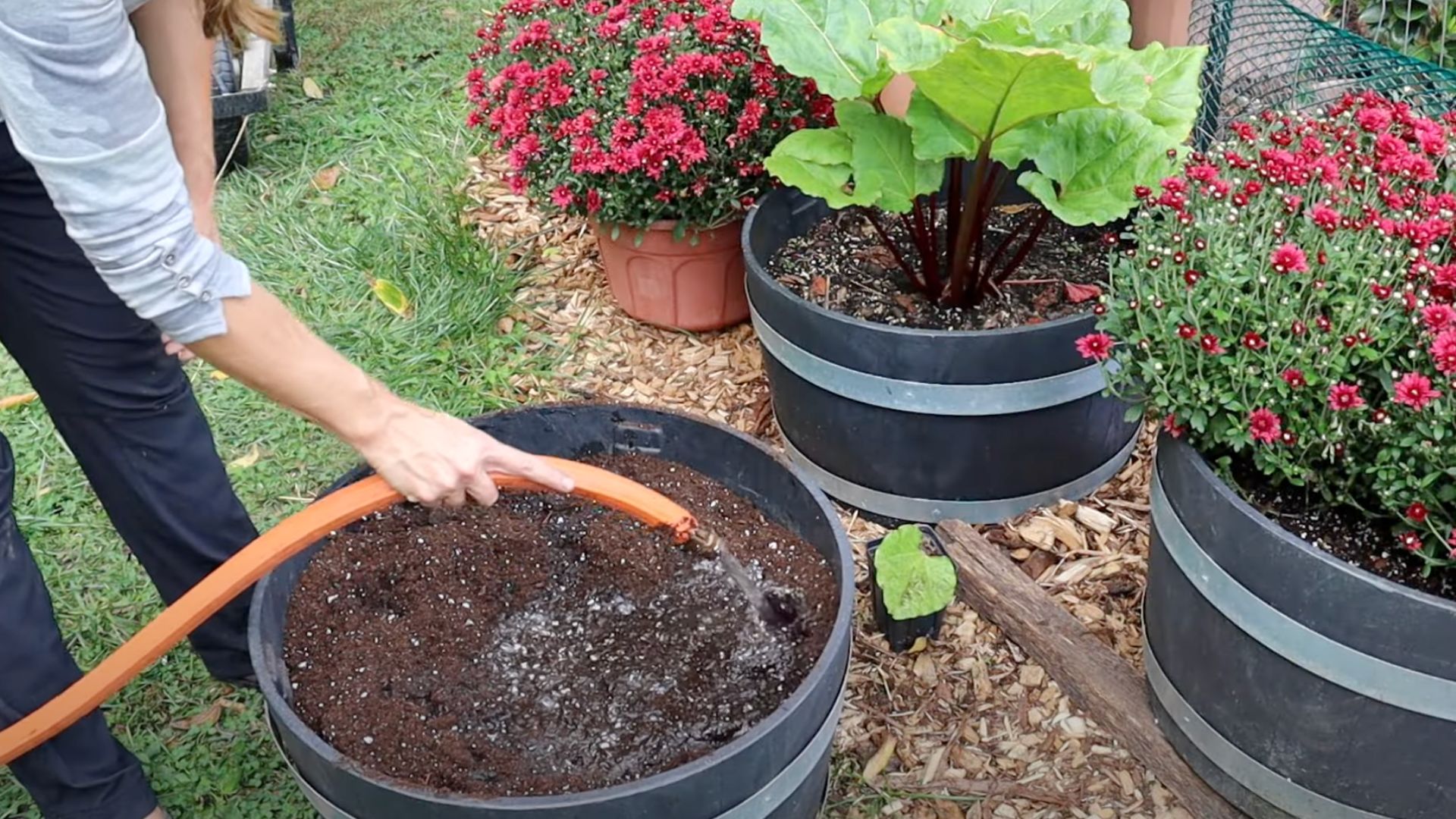
Before planting, thoroughly water the soil in your container until excess water drains from the bottom. This ensures the soil is evenly moist and helps establish proper hydration for your rhubarb.
If the soil level drops after watering, add more to keep it level with the rim of the container. Consistently moist soil is crucial for helping the rhubarb settle in and develop strong roots, so make sure the container’s drainage is functioning properly.
Step 4: Plant Rhubarb Correctly
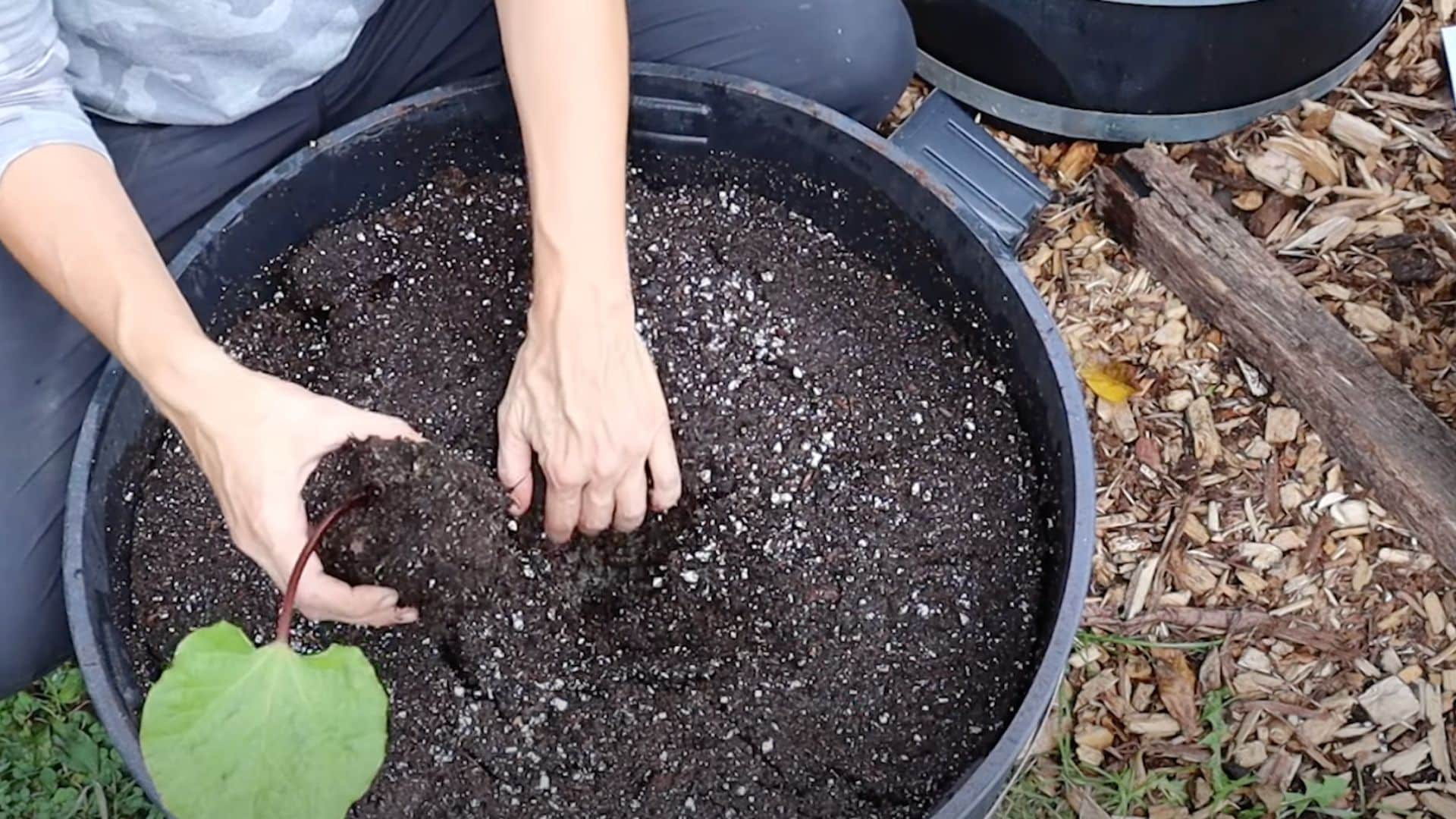
Place the rhubarb crown about two inches below the surface of the soil with the growth point facing upward. This depth promotes strong root development. If you’re using a container-grown plant, ensure it’s planted at the same depth it was in the pot to prevent transplant shock.
Rhubarb is a heavy feeder, so mix in compost or well-aged manure to provide the necessary nutrients for vigorous growth and a bountiful harvest.
Step 5: Water & Harvest Rhubarb
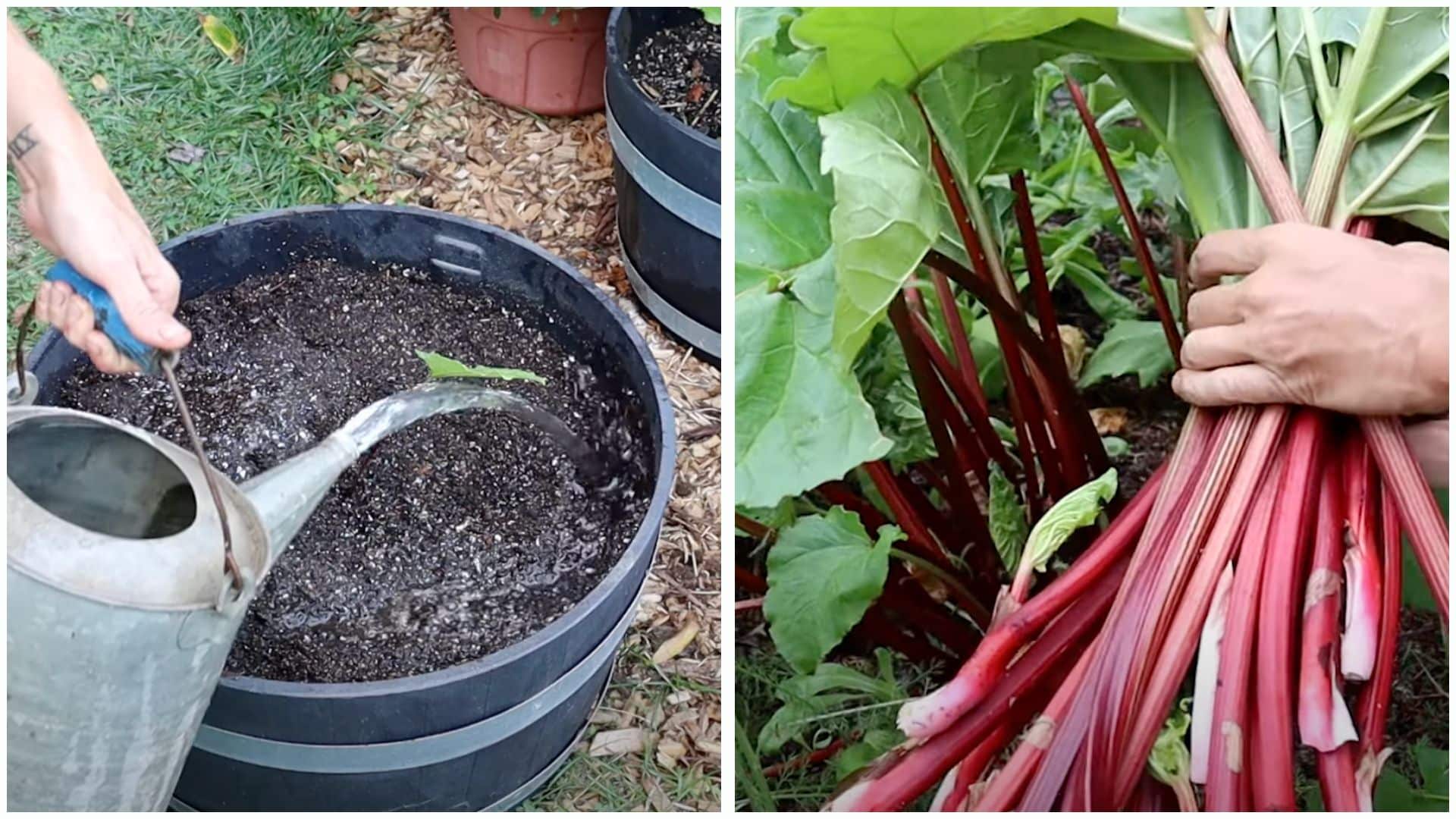
Water your rhubarb consistently, aiming for about one inch of water per week. During the first year, avoid harvesting to give your plant time to establish a strong root system.
Once it’s mature, harvest rhubarb by twisting and pulling the stalks from the base, rather than cutting them, which helps prevent damage. Never harvest more than half of the plant at once, as this ensures it stays healthy and productive for future seasons.
Growing Rhubarb in Pots: Video Walkthrough
For more detailed information, visit Growfully with Jenna
Common Problems and Solutions for Pot-grown Rhubarb
Growing rhubarb in pots is a great way to enjoy fresh stalks, but there are a few things to watch for. Let’s talk about how to keep your plants healthy.
- Pest Control: Aphids and slugs love rhubarb. Don’t waste time with harsh chemicals—go with natural remedies like neem oil or simply pick them off by hand.
- Preventing Root Rot: Keep that pot draining well. No drainage? You’re asking for trouble. Water sparingly and let the soil dry between waterings.
- Dealing with Poor Growth: If your rhubarb is barely growing, it’s probably not getting enough sun. Move it to a sunnier spot and watch it perk up.
- Avoiding Overcrowding: Got more than one plant in that pot? They’re probably fighting for space and nutrients. Thin them out to prevent stress.
- Fertilizing Properly: Using compost or a balanced fertilizer is best. Lay off the nitrogen—too much can cause all leaf and no stalk.
Stick to these simple fixes, and your rhubarb will thank you with a bountiful harvest. Keep an eye on these issues, address them early, and you’ll have vigorous, healthy plants ready for the kitchen!
Wrapping It Up
Growing rhubarb in pots shows that big harvests don’t require big garden spaces. You’ve got everything you need to start your own rhubarb tale today.
Container gardening gives you full control over soil, water, and where you place your plants. Even in a small space, you can enjoy fresh rhubarb for years to come, allowing you to make homemade treats whenever you like.
Start with one pot and watch how rewarding it is to grow your own rhubarb. Before you know it, you’ll be sharing fresh stalks with friends and neighbors.
The tips I’ve shared work for gardeners at every level. Soon, your kitchen will always have fresh rhubarb on hand. Ready to grow your first container rhubarb? Drop a comment below and share your experiences with us!