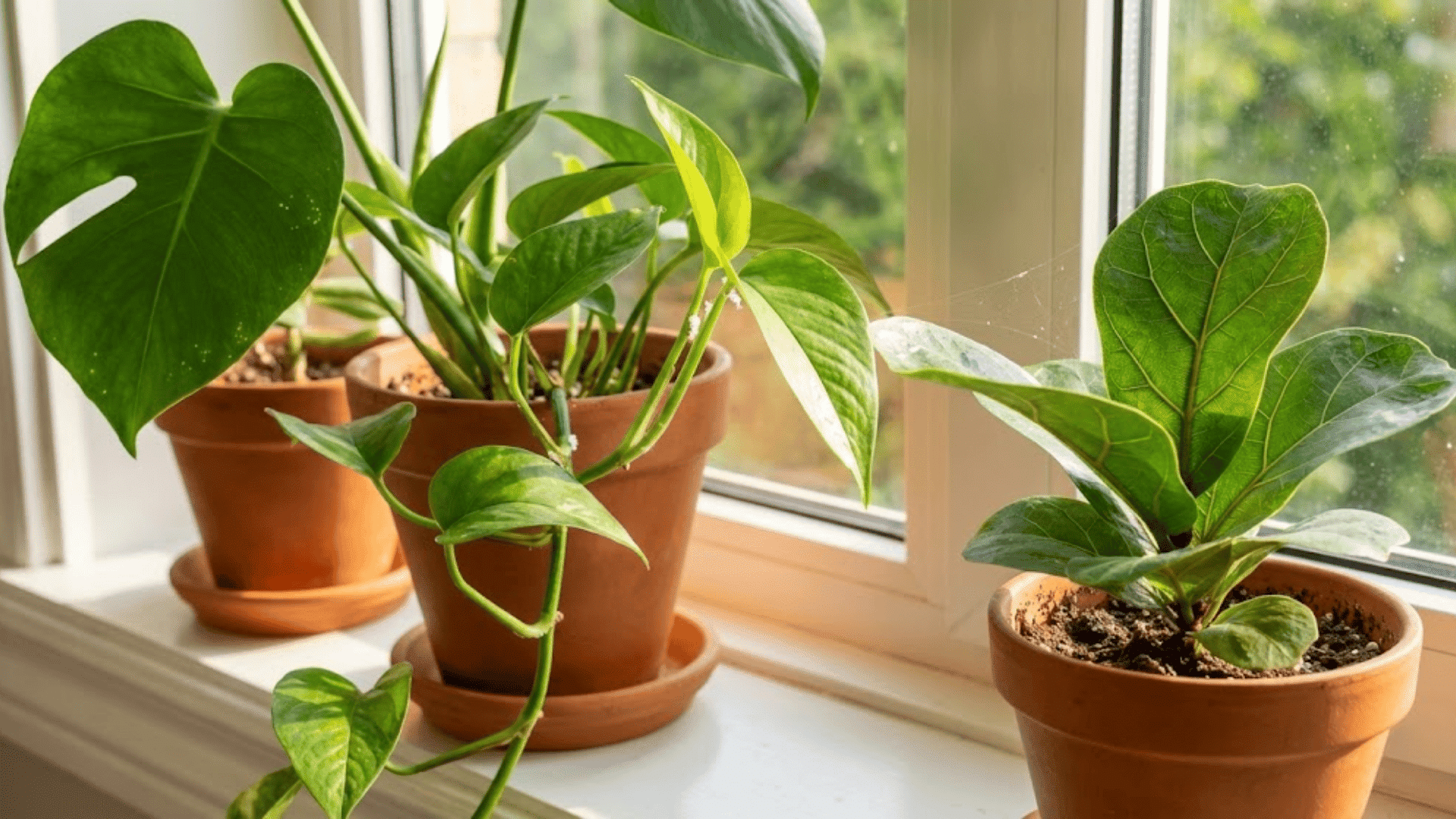
Your leafy sanctuary can become a pest haven faster than you’d think. Indoor plants offer everything tiny invaders crave: consistent warmth, shelter from predators, and lush foliage to feast on.
Without natural pest control from outdoor elements, houseplant pests multiply quietly, often hitchhiking on new plants or through open windows. The cozy, stable environment you’ve created becomes their paradise.
But here’s the empowering part: catching these unwelcome guests early turns a potential disaster into a simple fix.
Once you know what to look for, protecting your green babies becomes second nature, keeping your indoor jungle thriving and pest-free.
How to Identify Houseplant Pests?
Spotting houseplant pests early is your best defense against a full-blown infestation. These tiny troublemakers leave telltale signs that something’s wrong with your plants.
Learning to recognize these clues helps you act quickly before damage spreads.
Regular plant check-ins become your secret weapon, turning you into a pest detective who can protect your entire collection with confidence.
Visible Signs of Infestation
- White bugs clustering on stems or leaves
- Sticky residue coating surfaces below your plant
- Yellowing leaves that curl or drop unexpectedly
- Fine webbing stretched between leaves or moving specks
Where to Look?
- Undersides of leaves where pests hide
- Soil surface for crawling insects
- Leaf joints and stems where bugs gather
- Drainage holes that harbor hidden invaders
Most Common Houseplant Pests
Knowing exactly what you’re dealing with makes treatment so much easier. Each pest has distinctive features that help you identify them quickly and choose the right solution for your plants.
1. Mealybugs (White Bugs on Plants)
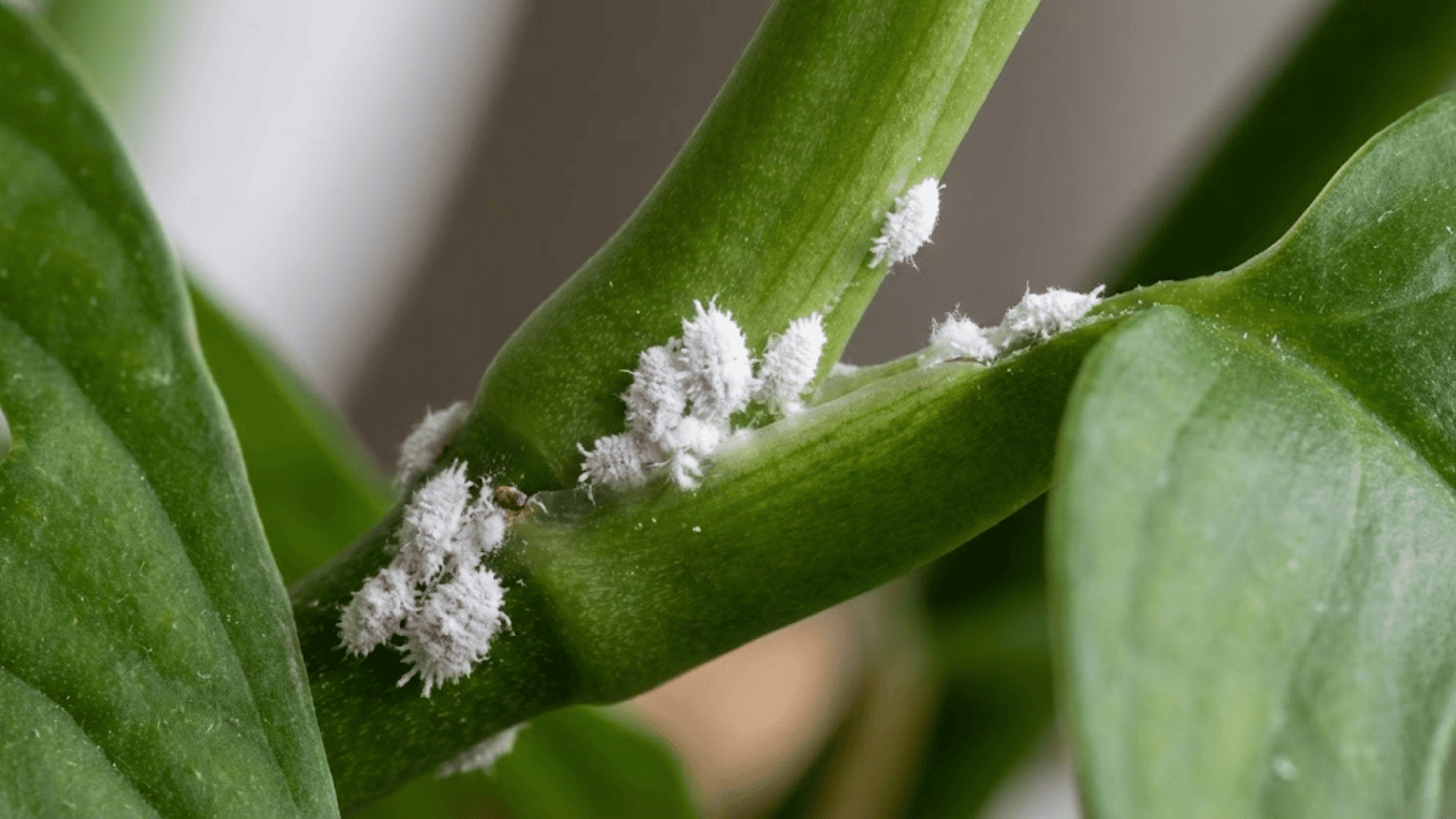
Appearance: Cottony white clusters that look like tiny bits of fluff
Size: Small, about the size of a pinhead
These soft-bodied insects love hiding in leaf joints and along stems, leaving sticky honeydew behind. Their fuzzy white coating often tricks plant parents into thinking it’s fungus or mold.
They cause yellowing leaves and stunted growth, spreading quickly between plants. Mealybugs are one of the most common white bugs on plants you’ll encounter indoors.
2. Spider Mites
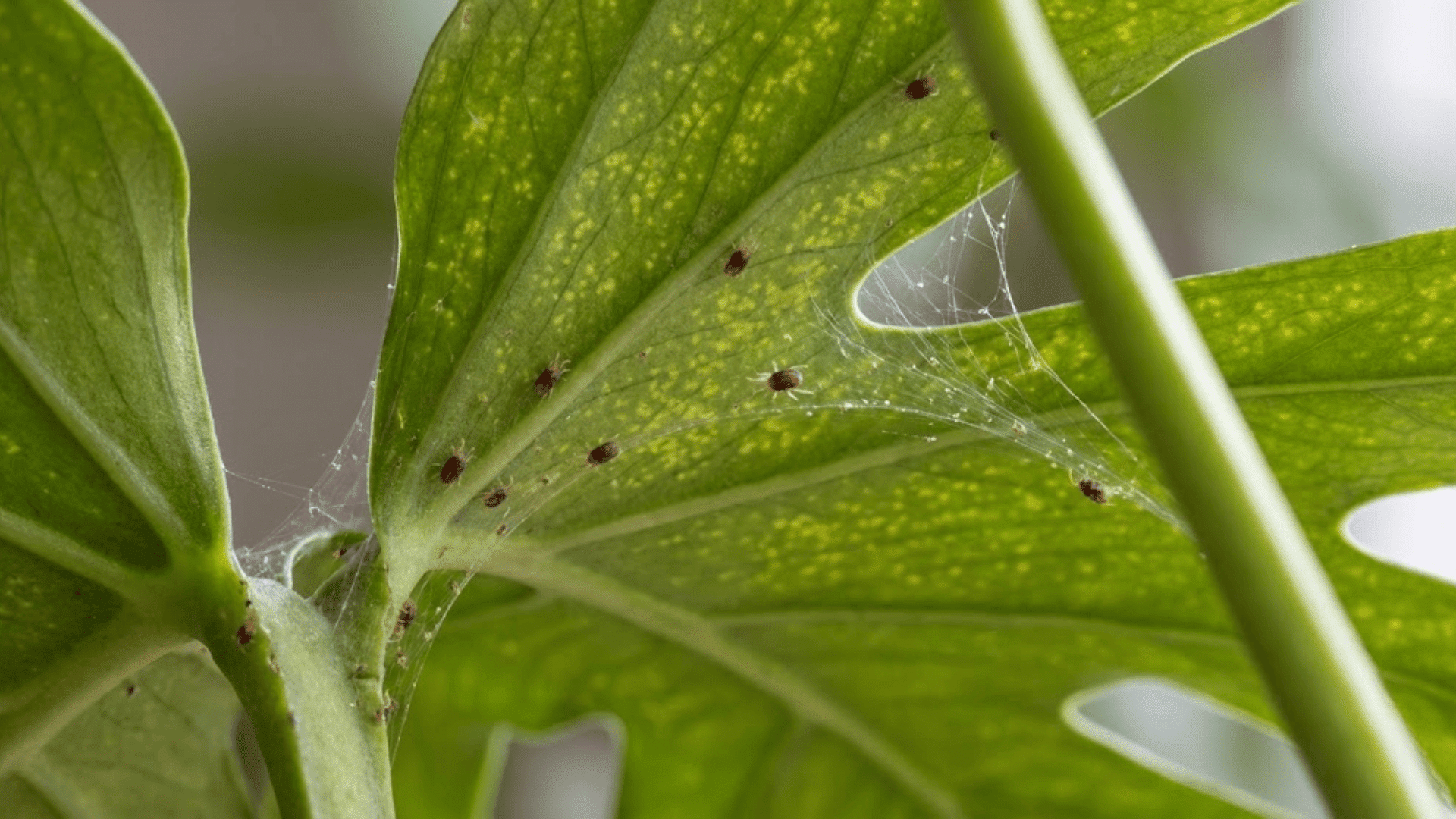
Appearance: Tiny red, brown, or clear dots with eight legs
Size: Nearly microscopic, barely visible to the naked eye
These arachnids thrive in dry indoor air, spinning fine webbing between leaves and stems. You’ll notice stippling or tiny yellow spots on foliage before seeing the mites themselves.
They multiply rapidly in warm conditions, causing leaves to bronze and eventually drop. The telltale webbing appears as infestations worsen, looking like delicate silk threads.
3. Aphids
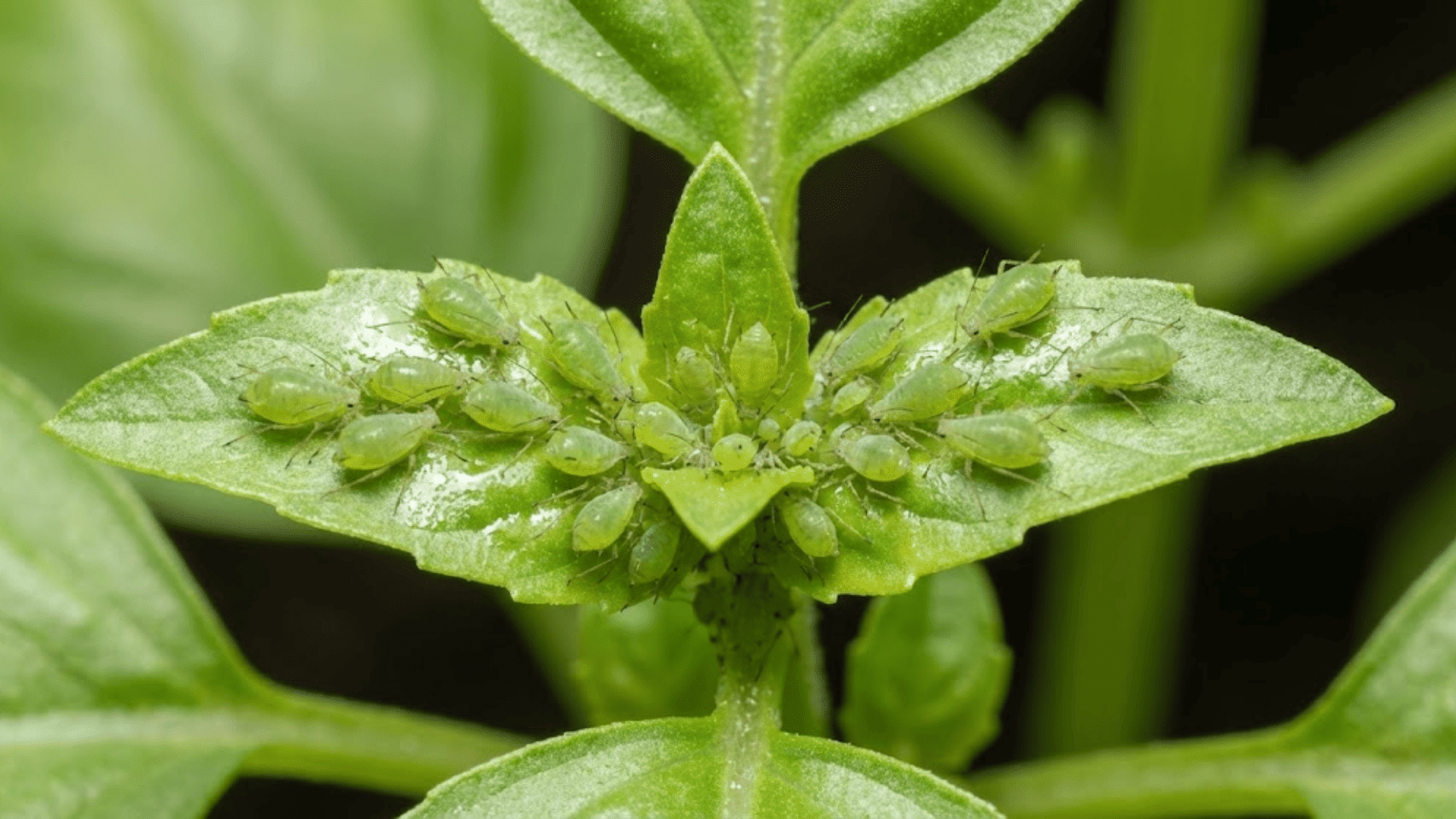
Appearance: Soft-bodied insects in green, black, white, or pink shades
Size: Small and pear-shaped, about 2 millimeters long
Aphids cluster on new growth and tender stems, sucking plant sap and leaving sticky residue everywhere. They cause distorted leaves, stunted shoots, and curled foliage.
These fast-reproducing pests attract ants with their honeydew secretions. You’ll often find them congregating at growing tips where tissue is softest and most nutritious.
4. Scale Insects
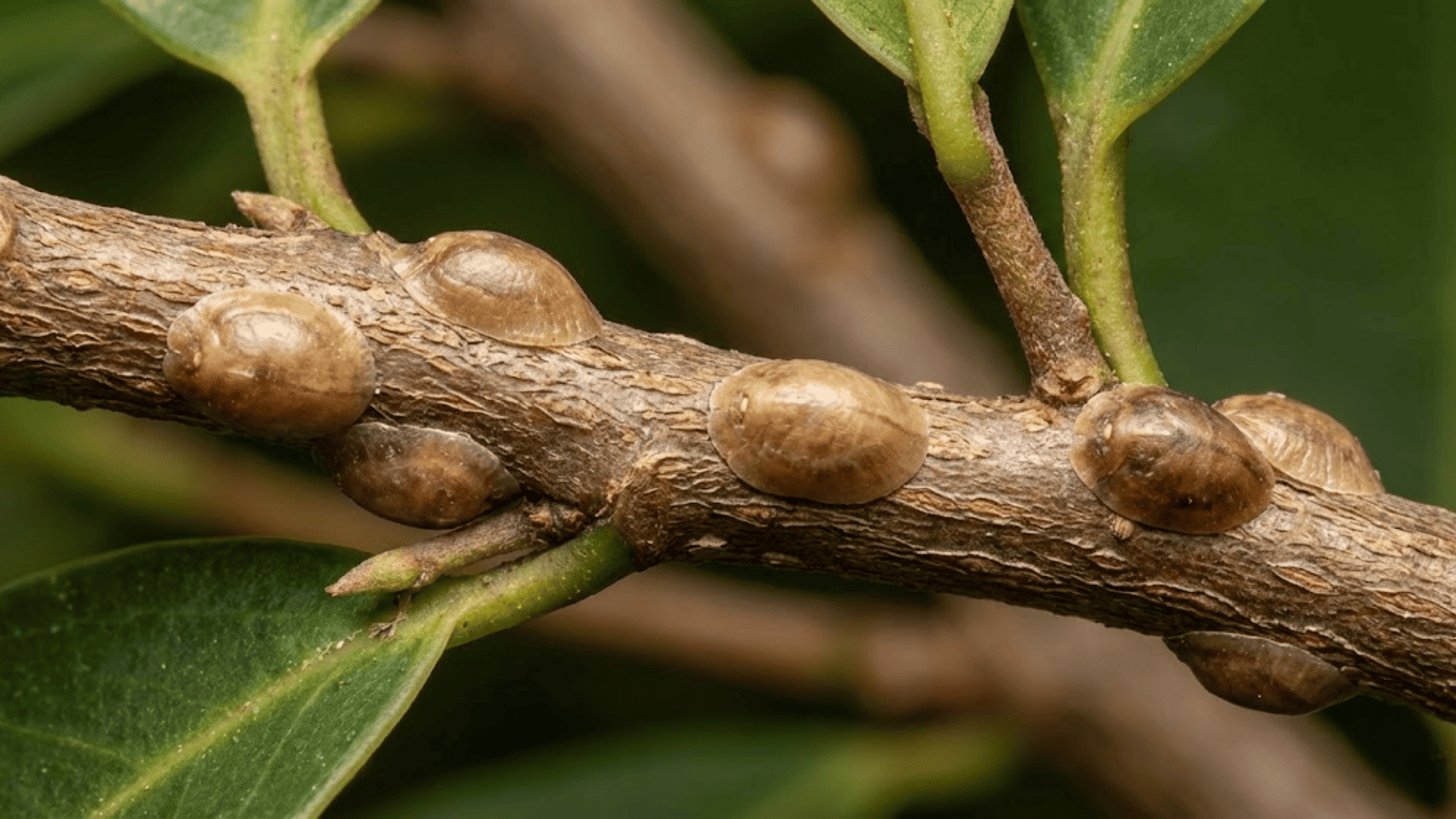
Appearance: Brown or tan bumps resembling shells stuck to stems
Size: Tiny to small, ranging from pinhead to pencil eraser size
Unlike other pests, adult scales stay stationary once they attach to your plant. Soft scales produce honeydew while armored scales have a hard protective coating.
They drain plant vitality, causing yellowing and leaf drop. Their immobile nature makes them easy to overlook until populations explode, appearing as unusual bumps along stems and leaf veins.
5. Fungus Gnats
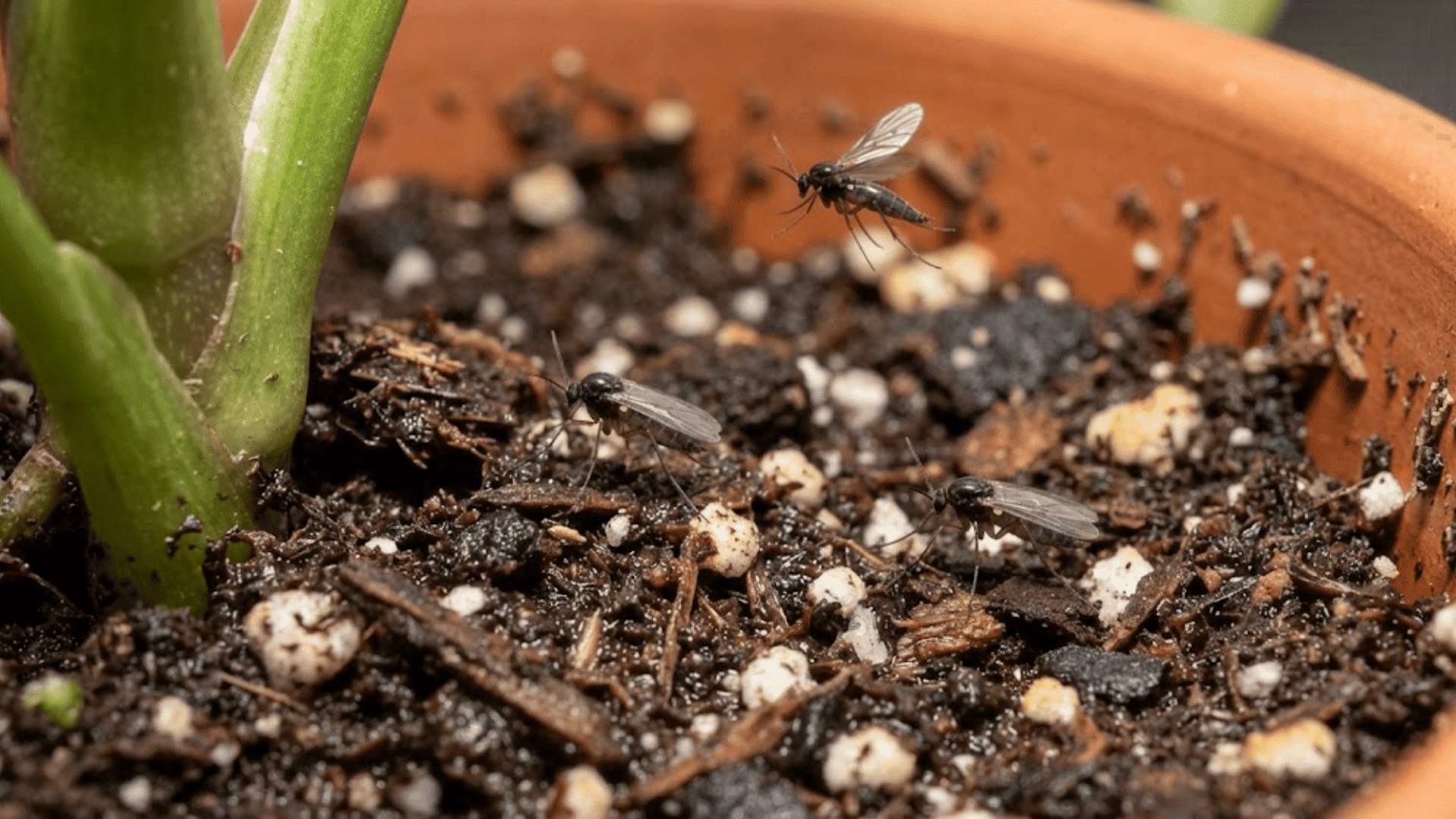
Appearance: Small black flies with delicate wings and long legs
Size: About the size of fruit flies or smaller
These annoying insects hover around the soil and fly up when you water. Adult gnats are harmless, but their larvae feed on roots and organic matter in constantly moist soil.
Overwatering creates the perfect breeding ground for generations of gnats. You’ll spot them resting on soil surfaces or buzzing near windows, multiplying quickly in damp conditions.
6. Thrips
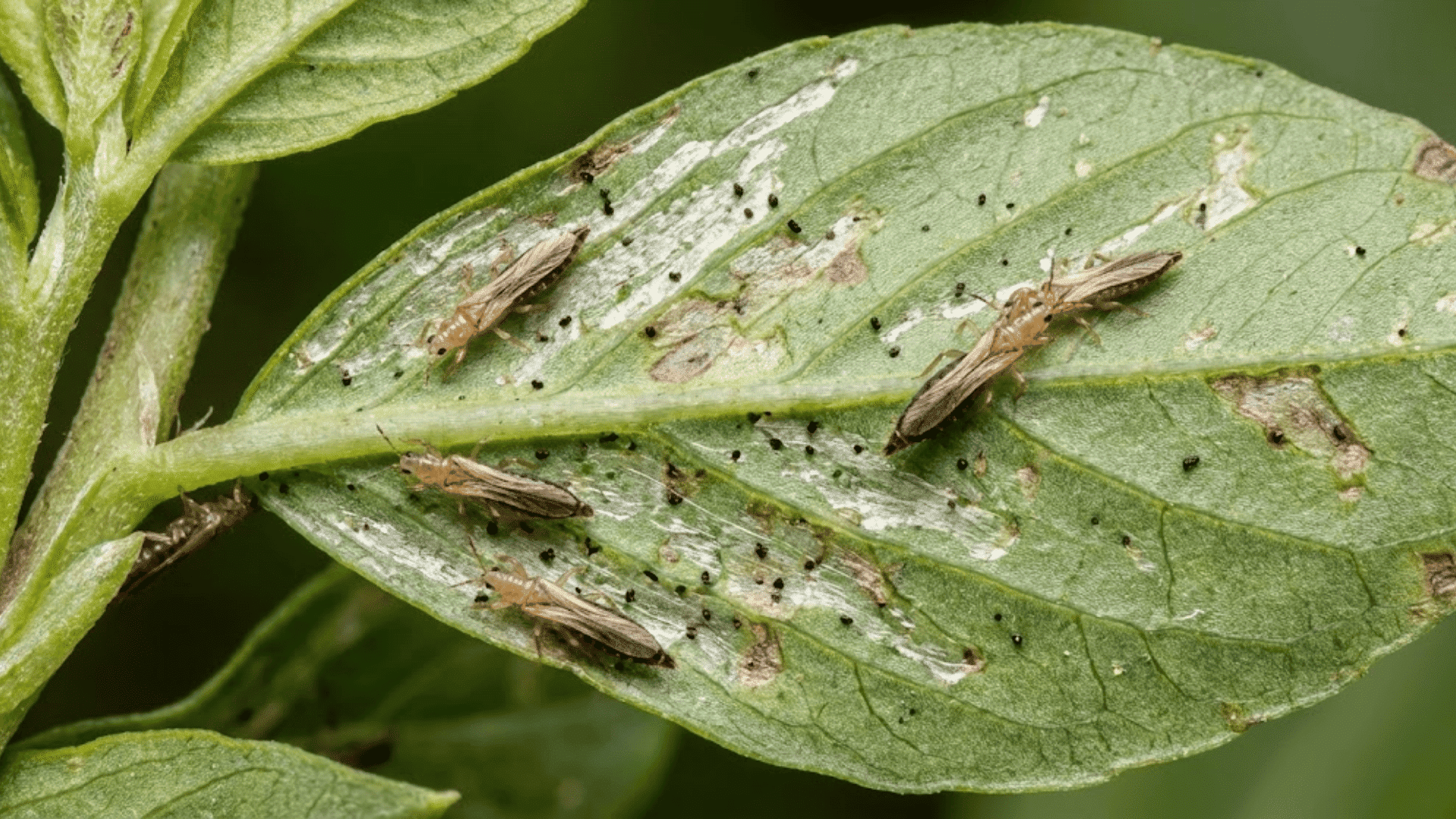
Appearance: Slender insects with fringed wings, tan to black coloring
Size: Extremely tiny, almost thread-like in appearance
Thrips are fast-moving and difficult to spot until damage appears. They leave silvery streaks, black dots of waste, and scarred tissue on leaves.
These pests scrape plant cells to feed, causing distorted growth and discolored foliage. Their small size and speed make early detection challenging, often going unnoticed until populations surge.
7. Whiteflies
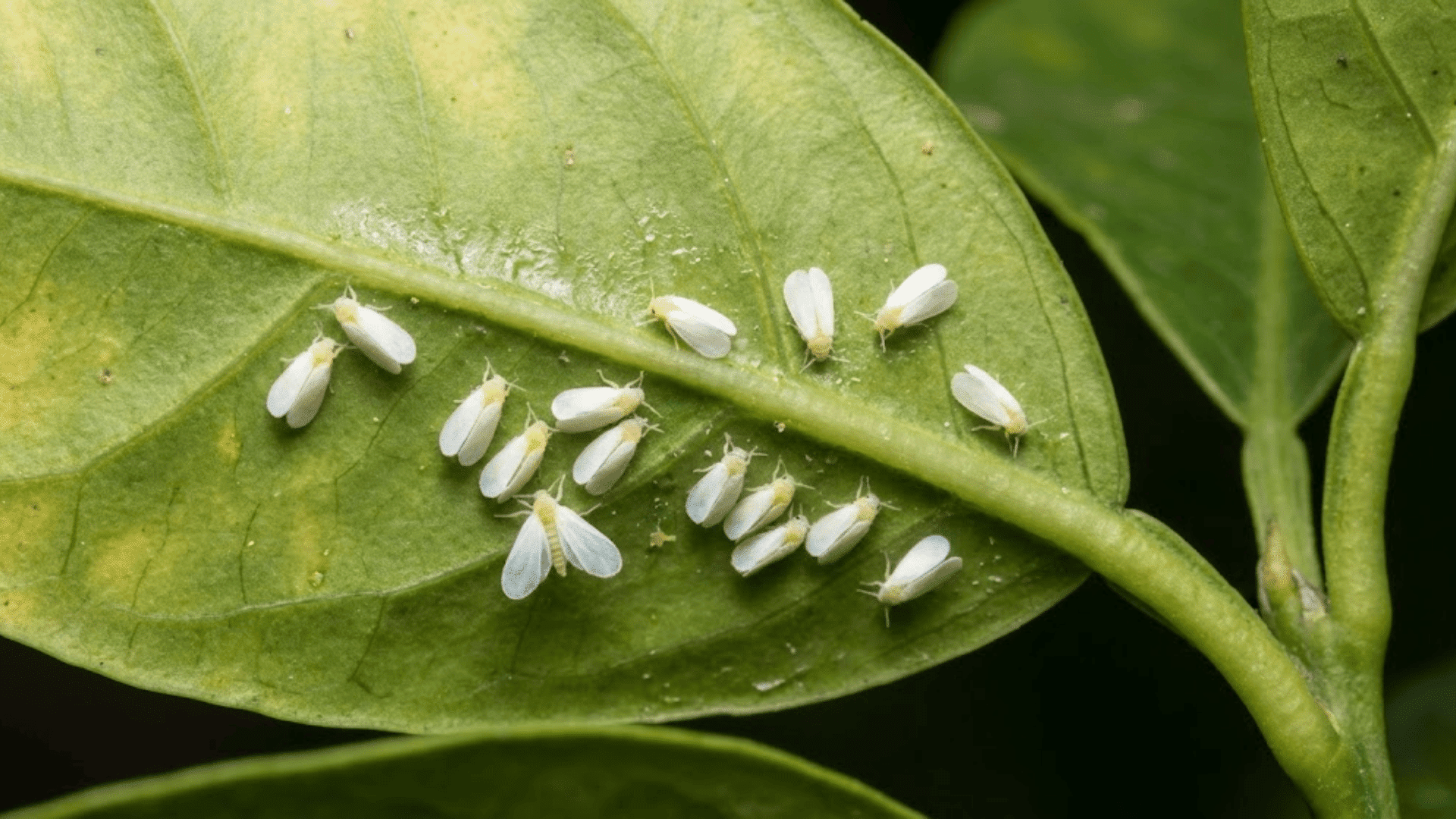
Appearance: Tiny white flying insects with powdery wings
Size: Very small, resembling miniature moths
Touch an infested plant and clouds of whiteflies flutter up instantly. Unlike fungus gnats, they rest on leaf undersides and feed on plant sap.
Common on tropical houseplants, they weaken plants and spread disease. Their rapid reproduction means a few flies can become hundreds within weeks, leaving sticky honeydew and sooty mold behind.
What Causes Houseplant Pest Infestations?
Understanding why pests appear helps you prevent future problems. Most infestations stem from environmental conditions or care mistakes that make your plants vulnerable to unwanted visitors.
| Cause | Why It Attracts Pests | Prevention Tips |
|---|---|---|
| Overwatering and Poor Drainage | Damp soil breeds fungus gnats and weakens roots. | Water when the topsoil dries. Use drainage holes. |
| Low Humidity | Dry air invites spider mites and stresses plants. | Mist plants or use a humidifier. |
| New Plants Without Quarantine | Pests hitchhike from nurseries and spread fast. | Isolate new plants for two weeks first. |
| Weak or Stressed Plants | Unhealthy plants become easy pest targets. | Provide proper light, temps, and nutrients. |
How to Get Rid of Houseplant Pests?
Treating pest infestations requires a systematic approach that stops the problem from spreading. Follow these steps in order for the most effective results and healthier plants.
Step 1: Isolate the Plant
Move the affected plant away from your other greenery immediately. This prevents pests from crawling or flying to nearby plants and creating new infestations.
Keep it isolated until you’ve completed treatment and confirmed the pests are gone. Check neighboring plants daily for signs they may have been affected before you catch the problem.
Step 2: Mechanical Removal
Physical removal is your first line of defense and reduces pest numbers instantly before applying any treatments.
- Rinsing Leaves: Run lukewarm water over all leaf surfaces to dislodge visible pests and their eggs.
- Wiping Pests off Manually: Use a soft cloth or cotton swab to remove bugs from stems and leaves, gently scraping away stubborn pests like scale with your fingernail.
Step 3: Natural & Organic Treatments
Natural solutions work effectively against most houseplant pests while keeping your indoor space safe and chemical-free.
- Neem Oil: Disrupts insect life cycles and acts as a deterrent; mix with water and spray all surfaces weekly.
- Insecticidal Soap: Suffocates soft-bodied pests like aphids and mealybugs on contact; repeat every few days.
- Rubbing Alcohol: Perfect for spot treatments; dab directly on individual pests with a cotton swab.
Step 4: Chemical Treatments (When Needed)
Reserve chemical options for severe infestations that resist natural methods, always prioritizing safety in indoor environments.
- Systemic Insecticides: Absorb into plant tissue and kill pests as they feed over several weeks; effective for persistent problems.
- Safety Considerations: Apply in well-ventilated areas, follow label directions carefully, and keep away from pets and children.
How to Treat White Bugs on Plants?
White bugs are among the most common houseplant pests you’ll encounter. Proper identification between mealybugs and aphids determines your treatment approach, since each responds differently to specific methods.
Acting quickly prevents these pests from damaging your plants and spreading throughout your collection.
Identifying Mealybugs vs. Aphids
Both pests appear white on plants, but knowing the differences helps you choose the most effective treatment strategy.
| Feature | Mealybugs | White Aphids |
|---|---|---|
| Appearance | Cottony white clusters with fuzzy coating | Smooth, pear-shaped bodies without fuzz |
| Texture | Soft and waxy, looks like cotton | Firm and slightly shiny |
| Location | Hide in leaf joints, stems, and undersides | Cluster on new growth and tender shoots |
| Movement | Slow-moving or stationary | More active, crawl around the plant |
| Residue | Leave sticky honeydew | Leave sticky honeydew and attract ants |
Best Treatment Methods and Timeline
Treating white bugs requires consistency and patience, with most infestations clearing within 2 to 4 weeks of regular treatment.
Treatment Steps:
- Isolate immediately to prevent spread to other plants in your collection.
- Remove visible bugs by wiping with rubbing alcohol on a cotton swab for instant results.
- Spray with neem oil solution weekly, coating all plant surfaces, including undersides, thoroughly.
- Apply insecticidal soap every three to five days for soft-bodied pests like aphids.
- Repeat treatments for at least three weeks to break the reproductive cycle completely.
- Monitor closely for two weeks after final treatment to catch any survivors early.
Timeline Expectations: Light infestations usually clear in 2 weeks with treatment, while moderate to severe cases may take 4 to 6 weeks. Check your plant weekly, even after pests disappear; eggs can hatch and restart the cycle.
Preventing Houseplant Pests Long-Term
Prevention is always easier than treatment when it comes to houseplant pests. Building these simple habits into your plant care routine keeps infestations from ever taking hold in your indoor jungle.
- Quarantine new plants for two weeks before adding them to your collection to catch hitchhiking pests.
- Inspect plants weekly by checking leaf undersides, stems, and soil for early signs of trouble.
- Water properly by letting the soil dry between waterings to avoid attracting fungus gnats and weakening roots.
- Wipe leaves monthly with a damp cloth to remove dust and spot pests before they multiply.
- Balance airflow and humidity with fans or humidifiers to create conditions pests dislike.
Making these practices part of your regular routine transforms pest prevention from a chore into second nature. Your plants will reward you with healthy growth and vibrant foliage, staying pest-free season after season.
Are Houseplant Pests Harmful to Humans or Pets?
Good news: houseplant pests themselves are generally harmless to you and your furry friends.
Spider mites, aphids, mealybugs, and scale insects don’t bite humans or pets, though fungus gnats can be mildly annoying as they flutter around.
The real concern comes from the treatments you use to eliminate these pests.
Chemical insecticides and even natural solutions like neem oil can irritate skin or cause stomach upset if pets lick treated leaves. For pet-safe pest control, opt for manual removal, gentle water rinsing, or diluted dish soap sprays.
Always apply any treatment in well-ventilated areas and keep plants out of reach until surfaces dry completely.
When to Throw a Plant Away?
Sometimes, the kindest decision for your plant collection is letting go of one struggling plant. Knowing when to say goodbye protects your other plants and saves you time, energy, and resources.
| Consideration | Keep & Treat | Time to Let Go |
|---|---|---|
| Severity of Infestation | Pests on a few leaves with minimal damage | Entire plant covered, severe leaf drop, structural damage |
| Cost vs Recovery | Affordable treatment shows new growth | Treatment cost exceeds replacement, needs months of care |
| Emotional Attachment vs. Plant Health | Sentimental value, strong roots, viable stems | Continuously reinfects collection despite repeated treatments |
Quick Tip: If 3 treatments over 6 weeks show no improvement, it’s time to let go. Protecting your thriving collection matters more than risking everything for one struggling plant.
Wrapping Up
Dealing with houseplant pests doesn’t have to feel overwhelming once you know what you’re looking for and how to respond.
You now have everything needed to keep your indoor garden thriving, whether identifying those sneaky white bugs or implementing preventive care habits.
Your green space deserves to flourish pest-free, and with these strategies in your toolkit, you’re ready to protect every leaf.
Have questions or want to share your own pest-battling victories? Drop a comment below and let’s chat about keeping our plant babies happy and healthy together.