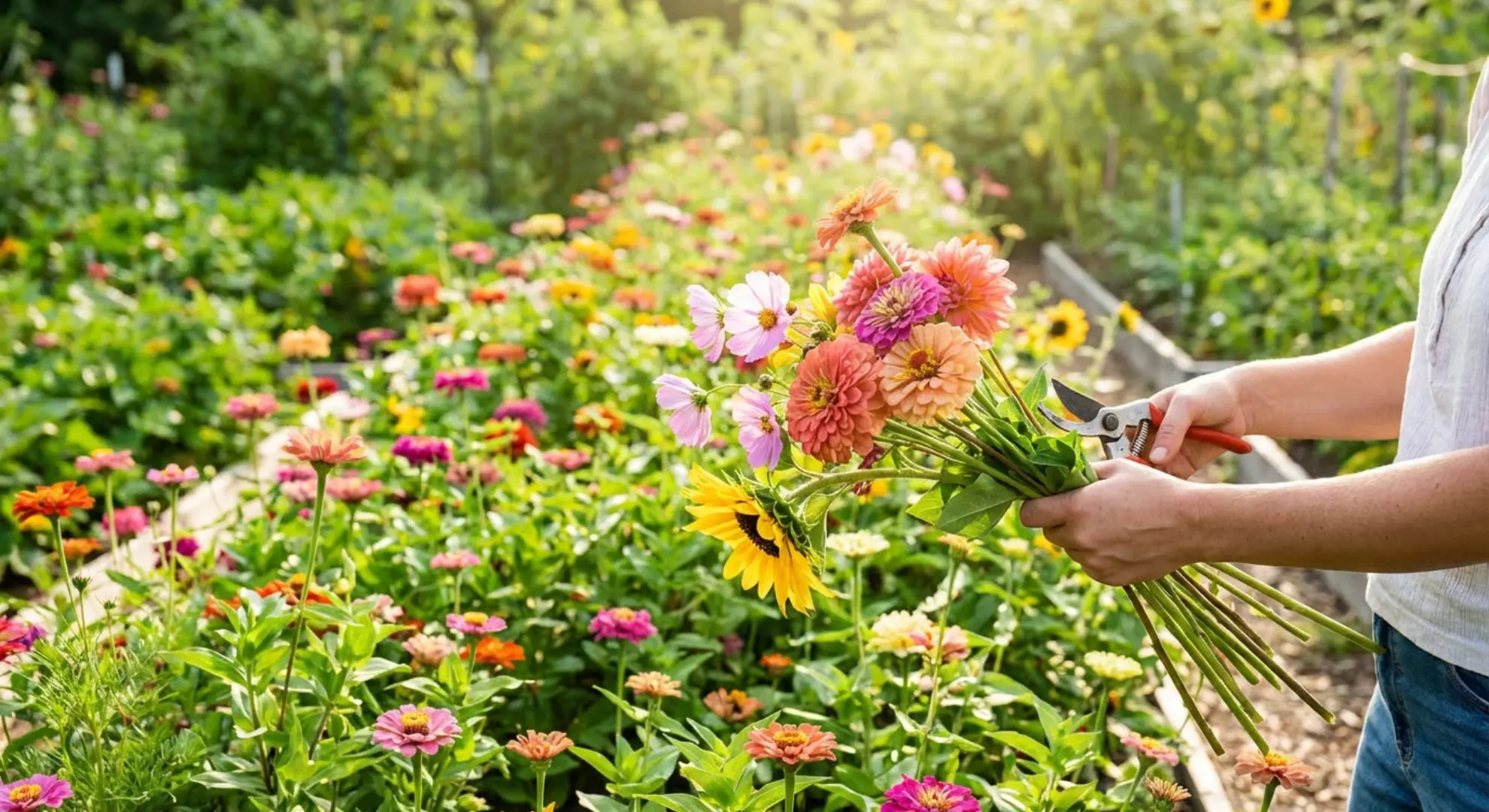
Growing fruit at home sounds harder than it actually is. People assume it takes years of experience, a huge backyard, or some kind of green thumb magic.
But here’s what I’ve learned after planting my first fruit garden: it’s mostly about making smart choices upfront and sticking to a simple care routine.
In this guide, I’ll walk you through choosing the right location, picking fruits that actually thrive in your climate, and caring for plants without turning it into a second job.
You’ll learn how to start from scratch, avoid common mistakes, and set up a garden that keeps producing season after season. No fluff, just what works.
What Is a Fruit Garden?
A fruit garden is a dedicated growing space for fruit-producing plants like trees, shrubs, vines, and ground-level varieties.
Unlike vegetable gardens that focus on annual crops, fruit gardens are built for the long term, with plants that come back season after season.
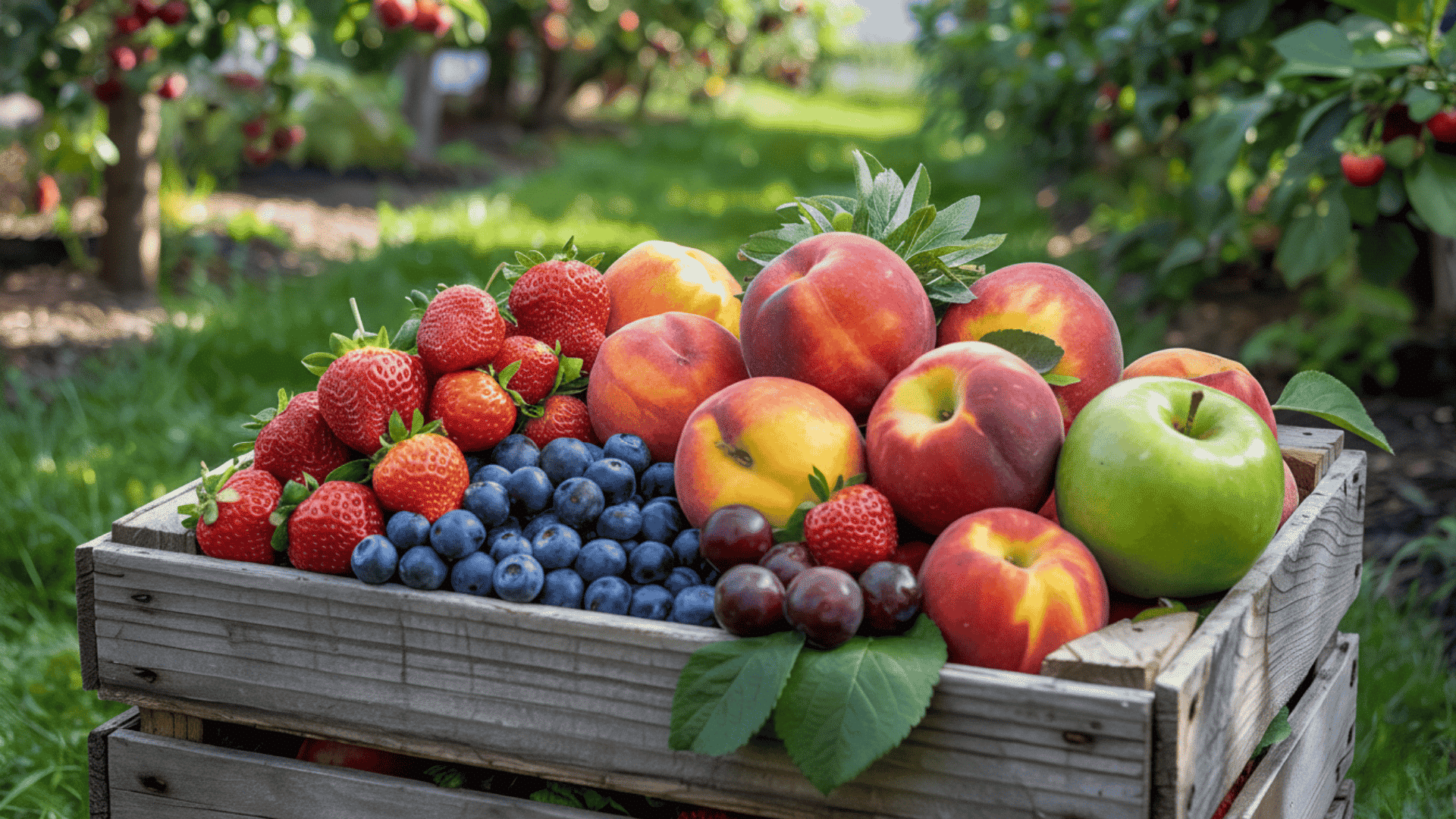
You might grow apple or peach trees, berry bushes like blueberries and raspberries, vining fruits such as grapes, or even compact dwarf varieties in containers.
Some fruit gardens take up entire backyards with permanent plantings, while others fit neatly into small spaces using pots and raised beds.
The key difference is patience and planning, since most fruit plants take time to mature but reward you with harvests for years to come.
Benefits of Growing Garden Fruit at Home
Growing garden fruit at home brings rewards that go far beyond a single harvest. Here’s what makes it worthwhile:
- Fresh fruit at peak ripeness – You pick fruit exactly when it’s ready, which means better flavor and nutrition compared to store-bought options that travel for days.
- Lower grocery costs over multiple seasons – After the initial investment, your plants keep producing year after year, cutting down what you spend on fresh fruit at the market.
- Control over fertilizers and treatments – You decide what goes on your plants, making it easier to grow organic or reduce chemical use based on your preferences.
- A productive use of outdoor space – Empty yards or unused corners turn into functional growing areas that provide real value instead of just looking nice.
- A routine that connects you with seasonal changes – Tending to fruit plants through spring blooms, summer growth, fall harvests, and winter rest keeps you in tune with nature’s rhythm.
Once established, many fruit plants continue producing for years with consistent care. The effort you put in early on pays off season after season.
Best Fruits to Grow in a Home Fruit Garden
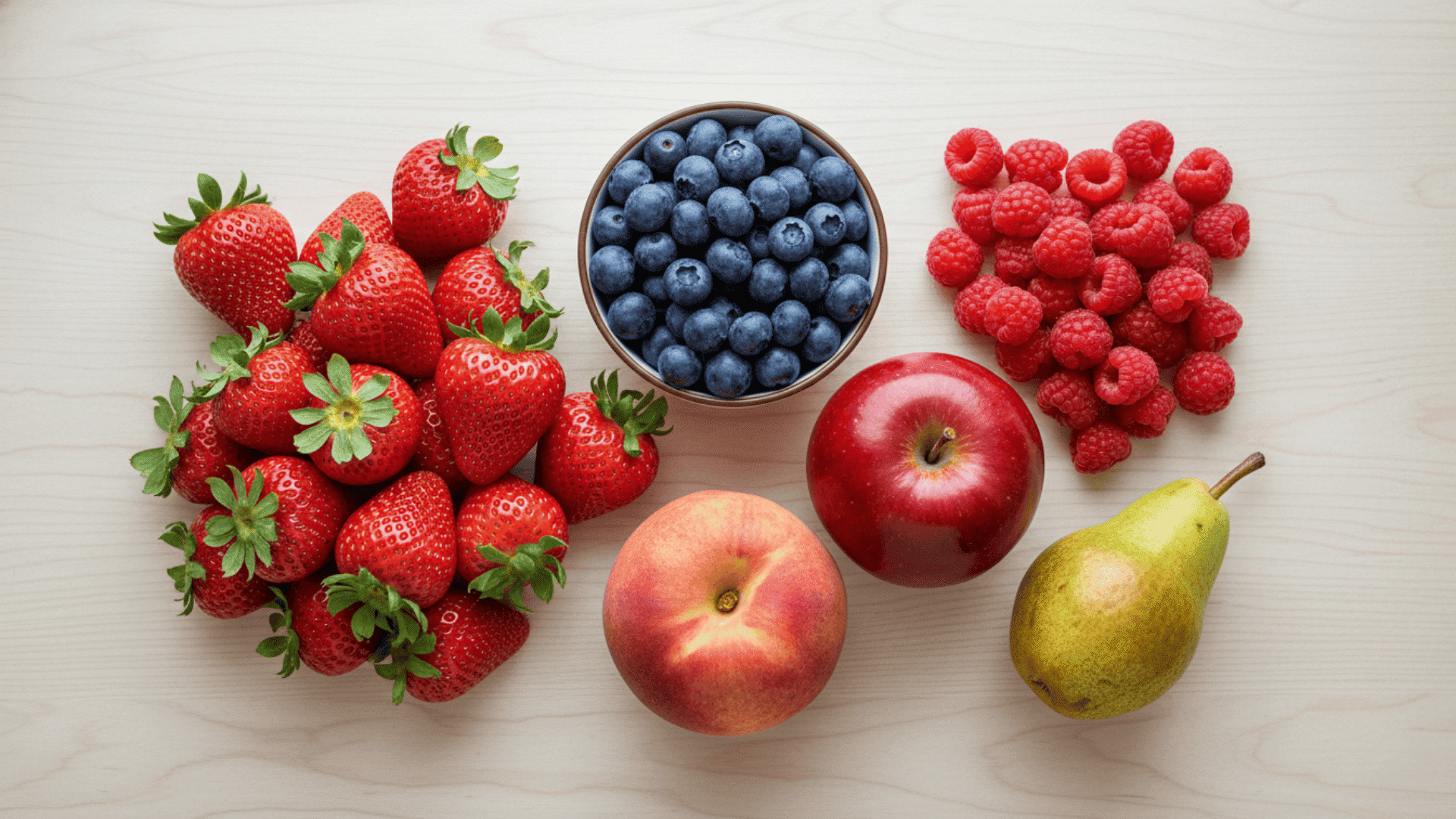
Not all fruits grow equally well in every garden. Choosing the right ones based on your space, experience level, and climate sets you up for success from the start.
| Fruit | Best For | Harvest Window | Care Level | Zone Fit |
|---|---|---|---|---|
| Strawberries | Beginners, containers | 3-4 months | Low | 3-10 |
| Blueberries | Beginners, acidic soil | 2-3 years | Low | 3-9 |
| Raspberries | Beginners, quick results | 1-2 years | Low to Medium | 4-9 |
| Apple Trees | Long-term yards | 3-5 years | Medium | 3-8 |
| Peach Trees | Warm climates | 2-4 years | Medium to High | 5-9 |
| Pear Trees | Patient growers | 3-5 years | Medium | 4-9 |
| Dwarf Fruit Trees | Small yards | 2-4 years | Medium | Varies |
| Figs (Containers) | Patios, balconies | 2-3 years | Medium | 7-11 |
| Patio Berries | Urban spaces | 1-2 seasons | Low | 4-10 |
Choosing the Best Location for a Fruit Garden
Location determines how well your fruit plants grow and how much they produce. Get this right from the start, and everything else becomes easier.
When selecting a spot, focus on these factors:
- Sunlight – Most fruit plants need 6 to 8 hours of direct sun each day to develop strong growth and sweet fruit.
- Drainage – Standing water causes root rot and other problems, so avoid low spots where water collects after rain.
- Airflow – Good circulation around plants helps reduce fungal diseases and keeps foliage dry, which means healthier growth overall.
- Space – Plants need room to mature without crowding each other, so plan for their full adult size, not just how they look at planting time.
A well-chosen location makes fruit garden care much easier later on. You’ll spend less time fighting problems and more time enjoying the harvest.
Understanding Climate and Growing Zones
Climate plays a significant role in fruit selection. The US spans many growing zones, and choosing plants that match local conditions improves success rates significantly.
In regions like Maryland, the climate supports:
- Cold-hardy fruit trees – Apples, pears, and certain stone fruits handle winter freezes without damage.
- Many berry varieties – Blueberries, blackberries, and raspberries thrive in moderate climates with distinct seasons.
- Some figs with winter protection – Figs can work in cooler zones if you add mulch or wrap them during the coldest months.
Understanding seasonal temperature swings helps you plan planting times and winter care. Knowing your zone means picking plants that will actually survive and produce, not just look good at the garden center.
How to Start a Fruit Garden: Step-by-Step
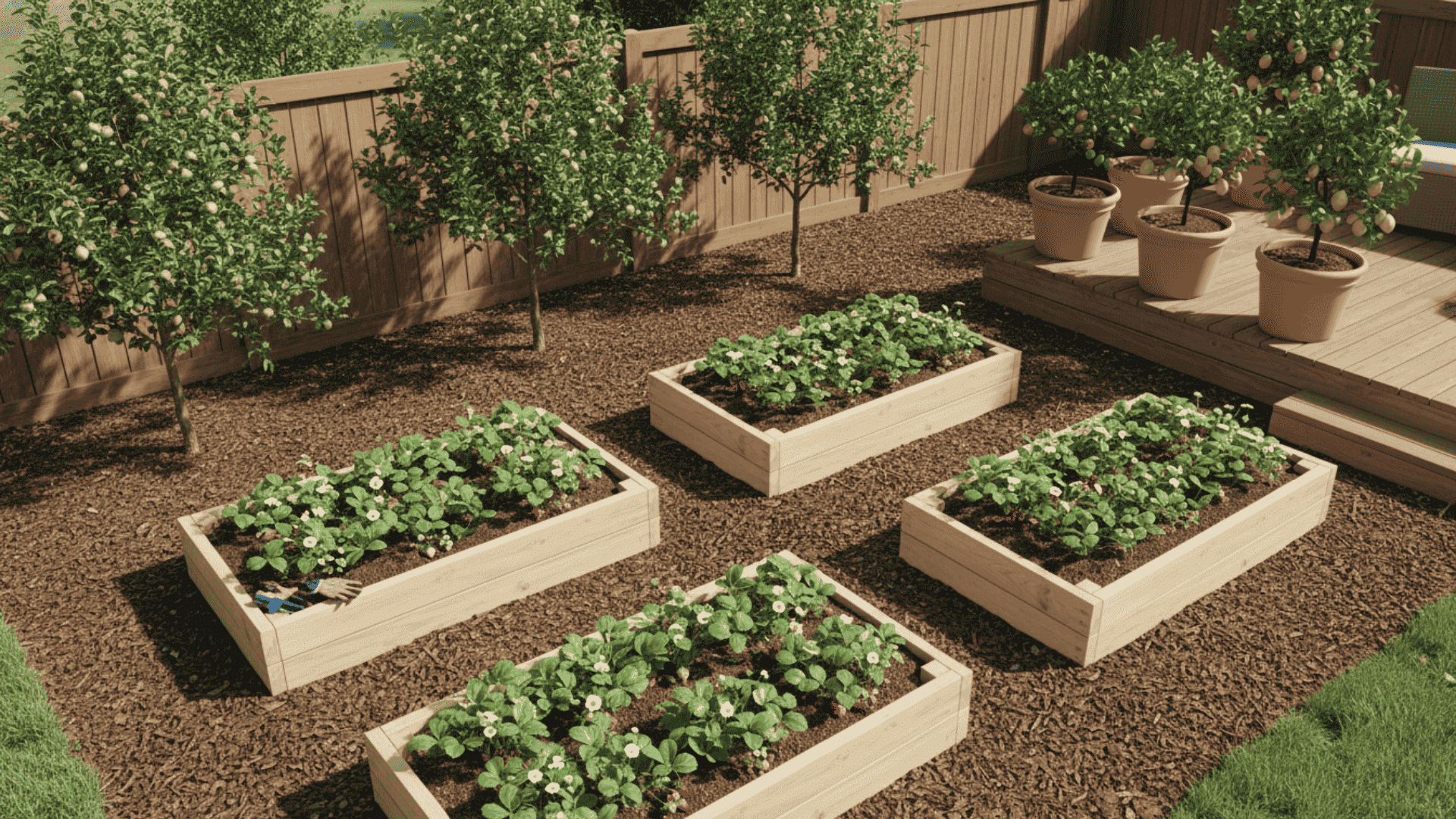
Starting a fruit garden becomes simple when you follow a straightforward process. Here are five steps that will get your fruit garden off to a strong start.
Step 1: Test and Prepare Your Soil
Start with a soil test to check pH and nutrient levels. Most fruit plants prefer slightly acidic to neutral soil.
Once you know what you’re working with, add compost to improve drainage and boost organic matter. Good soil preparation now means healthier plants and better harvests later.
Step 2: Choose Your Location
Pick a spot that gets 6 to 8 hours of direct sunlight each day. Make sure the area drains well and has good air circulation.
Measure the space to confirm your plants will have room to grow without crowding. The correct location solves problems before they start.
Step 3: Select Healthy Plants
Visit a reputable nursery and look for plants with strong root systems and disease-free leaves. Check that varieties are clearly labeled with growing information.
Avoid plants with yellowing leaves, circling roots, or visible damage. Quality plants cost a bit more but perform much better over time.
Step 4: Plant at the Right Depth and Spacing
Dig holes twice as wide as the root ball but no deeper. Place plants so the root flare sits at or slightly above ground level.
Space plants according to their mature size, not their current size. Water thoroughly after planting to settle the soil around the roots.
Step 5: Add Mulch and Water Consistently
Apply 2 to 3 inches of mulch around plants to retain moisture and suppress weeds. Keep mulch a few inches away from stems to prevent rot.
Water deeply once or twice a week during the first growing season. Consistent care during the first year helps roots establish and prepares plants for years of production.
Comparison of Fruit Plants for Maryland Gardens
Different fruit plants perform differently in Maryland’s conditions. Here’s a practical comparison to help with planning.
| Fruit Plant | Cold Tolerance | Maintenance Level | Space Needed | Harvest Season |
|---|---|---|---|---|
| Apple | High | Moderate | Large | Fall |
| Peach | Moderate | Moderate to High | Medium | Summer |
| Blueberry | High | Low | Small | Summer |
| Blackberry | High | Low to Moderate | Medium | Summer |
| Fig | Moderate | Moderate | Small to Medium | Late Summer |
This comparison helps narrow down which fruit garden plants match your available space, effort level, and climate conditions.
How to Care for a Fruit Garden?
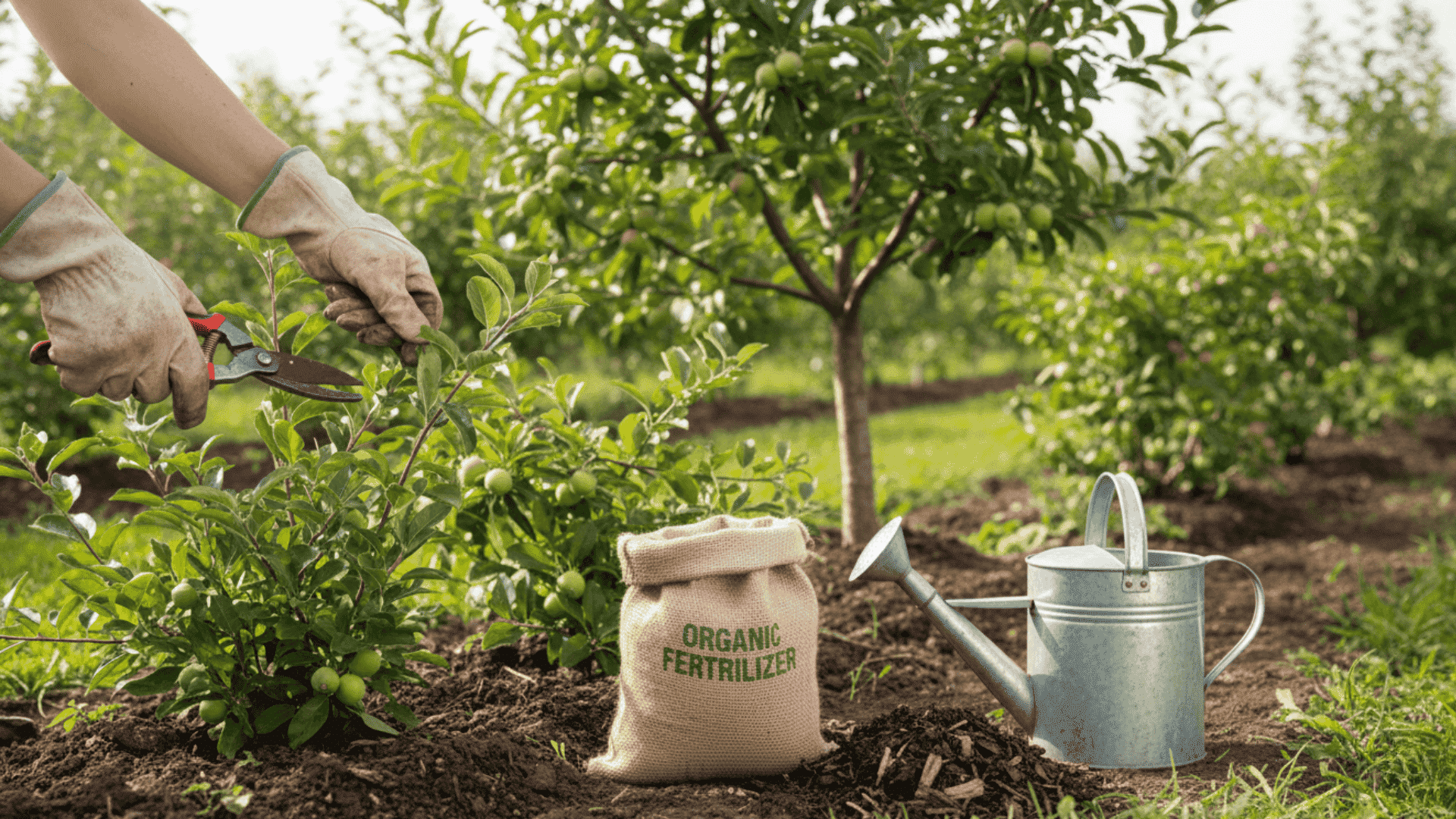
Caring for a fruit garden requires consistent attention throughout the year. Focus on these key practices to keep plants healthy and productive.
Watering
Fruit plants prefer deep, consistent watering that reaches the root zone rather than frequent shallow watering. Adjust frequency based on weather conditions and soil type, watering more during hot, dry periods and less when rain is regular.
Feeding and Soil Health
Balanced fertilization supports fruit development without causing excessive leaf growth that attracts pests. Apply fertilizer in early spring and again after harvest, following package directions based on plant type and soil test results.
Pruning and Training
Pruning improves airflow, shapes the plant, and increases fruit yield when done at the right time of year. Remove dead, diseased, or crossing branches during dormancy, and do light maintenance pruning in summer to manage growth.
Pest and Disease Prevention
Regular inspections help you catch issues early before they spread or cause severe damage. Preventive practices like proper spacing, clean tools, and removing fallen fruit work better than reactive treatments after problems appear.
Seasonal Care
- Spring – Feed plants with balanced fertilizer and prune before new growth starts.
- Summer – Water consistently and monitor plants for pests, diseases, or stress from heat.
- Fall – Clean up fallen fruit and leaves, and add compost to improve soil for next season.
- Winter – Protect sensitive plants with mulch or wraps, and plan for the year ahead.
When and How to Harvest Your Fruit?
Knowing when to harvest makes a big difference in flavor and quality. Most fruits show clear signs of ripeness through color changes, slight softness, or easy separation from the branch.
Harvest gently to avoid damaging plants, using clean tools for cutting and handling fruit with care to prevent bruising.
After harvest, follow up with light care like removing any damaged fruit left on plants, cleaning up fallen debris, and watering if conditions are dry.
This post-harvest maintenance prepares plants for their next growth cycle and reduces disease risk heading into the off-season.
Finishing Touches
Starting a fruit garden doesn’t require perfect conditions or expert skills.
It comes down to picking the right spot, choosing plants that fit your space and climate, and staying consistent with basic care.
The first year teaches you the most, and each season after that gets easier as you learn what your plants need.
Whether you’re working with a small patio or a whole backyard, growing your own fruit is one of those projects that pays off for years.
Ready to start? Pick one or two easy fruits, prep your soil, and plant this season. What fruit will you grow first?