Parsley has spent far too long sitting pretty on the edge of your plate, waiting to be tossed aside. But this vibrant herb deserves so much more than a fleeting cameo in your meals.
For centuries, cultures around the world have turned to parsley not just for its fresh, peppery flavor, but for its remarkable ability to support wellness from the inside out.
Packed with vitamins, antioxidants, and natural compounds that your body craves, parsley quietly works wonders when you invite it into your daily routine.
Ready to see why this leafy green should become your new kitchen staple? Here are the health benefits of parsley that make it worth celebrating every single day.
What is Parsley?
Parsley is a leafy green herb that has earned its place in kitchens and apothecaries alike. Beyond adding a fresh, slightly peppery kick to your dishes, it’s been used for centuries to support health and vitality.
You’ll typically find two main varieties: curly parsley, with its ruffled, decorative leaves, and flat-leaf parsley (also called Italian parsley), which has a smoother appearance.
While curly parsley makes a prettier garnish, flat-leaf parsley packs a stronger, more robust flavor that chefs tend to prefer.
Nutritionally, both varieties deliver impressive amounts of vitamins A, C, and K, along with beneficial antioxidants that your body needs.
Nutritional Profile of Parsley
Parsley is a nutritional powerhouse that punches well above its weight, incredibly low in calories yet dense with vitamins, minerals, and antioxidants your body can actually use.
Here’s what makes parsley so nutritionally remarkable:
| Nutrient | Amount (per 2 tbsp fresh) | Key Benefits |
|---|---|---|
| Vitamin K | 123% of daily value | Blood clotting, bone density |
| Vitamin C | 11% of daily value | Immune support, collagen synthesis |
| Vitamin A | 11% of daily value | Vision health, immune function |
| Folate | 3% of daily value | DNA synthesis, cell growth |
| Iron | 2% of daily value | Oxygen transport, energy production |
| Apigenin | Plant compound | Anti-inflammatory, antioxidant |
| Luteolin | Plant compound | Cellular protection |
Health Benefits of Parsley
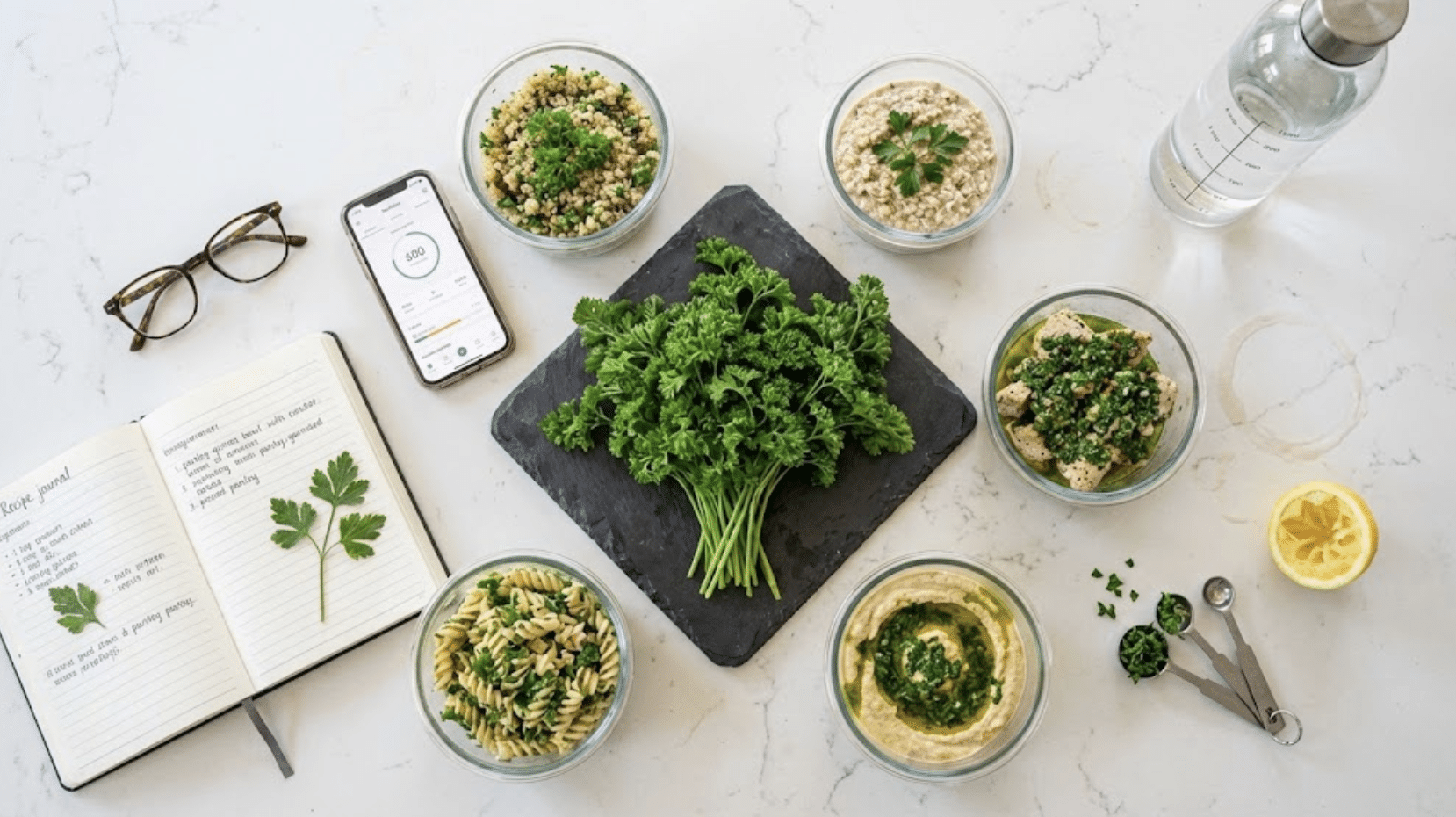
Parsley isn’t just a pretty addition to your meals; it’s a functional food with benefits that reach far beyond the kitchen.
This herb works quietly behind the scenes to support your heart and bones, protect your eyes and skin, and keep your body running smoothly.
1. Rich Source of Antioxidants
Parsley contains powerful flavonoids like apigenin and luteolin, along with carotenoids that neutralize free radicals in your body. These compounds reduce oxidative stress linked to chronic diseases and early aging.
Research shows that apigenin specifically exhibits strong anti-inflammatory and potential anti-cancer properties by modulating cellular signaling pathways.
By incorporating parsley into your diet, you’re giving your cells the protection they need against daily environmental and metabolic damage that accumulates over time.
2. Supports Heart Health
The folate in parsley helps convert homocysteine, an amino acid that, when elevated, increases cardiovascular risk, into harmless molecules.
Combined with antioxidants that protect blood vessel linings, parsley supports healthy circulation and arterial function. Studies indicate that adequate folate intake is linked to a lower risk of heart disease and stroke.
The vitamin K content also helps prevent arterial calcification, keeping your cardiovascular system flexible and resilient while maintaining optimal blood flow throughout your body.
3. Helps Strengthen Bones
Just 2 tablespoons of fresh parsley deliver over 100% of your daily vitamin K needs, a nutrient essential for activating osteocalcin. Without adequate vitamin K, calcium can’t effectively bond in bones, raising fracture risk.
Research demonstrates that vitamin K supplementation significantly improves bone mineral density and reduces fracture incidence, particularly in postmenopausal women.
Parsley’s concentrated vitamin K content makes it one of the most efficient dietary sources for bone health support you can find.
4. Boosts Immune System Function
Parsley’s high vitamin C content supports neutrophil function and helps fight pathogens. The herb contains anti-inflammatory compounds like luteolin that modulate immune responses without triggering excessive inflammation.
Clinical evidence suggests that luteolin can inhibit mast cell activation, reducing allergic responses and inflammatory cascades.
This dual action, strengthening defenses while calming overactive immune reactions, makes parsley particularly valuable during the cold season and for those managing chronic inflammatory conditions.
5. Aids Digestion and Gut Health
Parsley has been used traditionally for centuries to relieve bloating, gas, and indigestion. The herb contains compounds that stimulate digestive enzyme production, improving your body’s ability to break down food efficiently.
Studies on parsley’s essential oils show they possess carminative properties that help expel intestinal gas and reduce abdominal discomfort.
The fiber content also supports beneficial gut bacteria, creating an environment where your microbiome can thrive and maintain optimal digestive function.
6. May Support Kidney Health
Parsley acts as a natural diuretic, helping your kidneys flush excess fluids and sodium through increased urine production. This property has made it valuable in traditional medicine for supporting urinary tract health.
Research indicates that parsley extracts can increase urine volume and pH, potentially reducing the risk of kidney stone formation.
The herb’s flavonoids also exhibit nephroprotective effects, helping shield kidney tissue against oxidative damage while supporting its natural filtration processes.
7. Supports Healthy Blood Sugar Levels
Parsley contains compounds that may improve insulin sensitivity and glucose metabolism. The flavonoid myricetin, found abundantly in parsley, has been studied for its potential to enhance cellular glucose uptake.
Scientific evidence suggests that myricetin can activate AMPK pathways, which play crucial roles in regulating energy metabolism and maintaining stable blood sugar levels.
This makes parsley a useful addition for anyone concerned about metabolic health or managing their glycemic response throughout the day.
8. Promotes Healthy Skin
Vitamins A and C in parsley work synergistically to support collagen production and skin cell turnover. Vitamin C acts as a cofactor for enzymes that stabilize collagen structure, while vitamin A regulates keratinocyte differentiation.
Research on these nutrients shows they protect against photoaging by neutralizing UV-induced free radicals and supporting skin barrier function.
The antioxidants in parsley also help reduce the appearance of fine lines by protecting fibroblasts, the cells responsible for maintaining your skin’s structural integrity.
9. Freshens Breath Naturally
Parsley’s high chlorophyll neutralizes odors, especially sulfur compounds causing bad breath. Chlorophyll works by binding to odor-causing molecules and preventing their absorption.
Studies on chlorophyll’s deodorizing effects confirm its ability to reduce oral and body odor when consumed regularly.
Chewing fresh parsley after garlic-heavy meals has been a time-tested remedy, and the herb’s antibacterial compounds also help reduce odor-producing bacteria in your mouth.
10. Supports Eye Health
Parsley contains beta-carotene, lutein, and zeaxanthin, carotenoids that accumulate in the retina and protect against oxidative damage. Lutein and zeaxanthin specifically concentrate in the macula, where they filter harmful blue light.
Clinical research demonstrates that higher dietary intake of these carotenoids correlates with reduced risk of age-related macular degeneration and cataracts.
By regularly consuming parsley, you’re providing your eyes with the protective compounds they need to maintain sharp vision as you age.
11. May Help Reduce Inflammation
Parsley’s compounds, like apigenin and luteolin, inhibit pro-inflammatory cytokines and COX-2. These plant compounds modulate inflammatory pathways without pharmaceutical side effects.
Research on parsley’s anti-inflammatory effects shows promising results for reducing joint discomfort and systemic inflammation markers.
This makes parsley valuable for anyone dealing with inflammatory conditions or simply looking to support their body’s natural anti-inflammatory responses through diet.
Fresh Parsley vs. Dried Parsley: Which is Better?
Both fresh and dried parsley have their place in your kitchen, but they’re not nutritionally identical. Fresh parsley holds more volatile oils, vitamin C, and flavor, whereas dried parsley is more convenient and lasts longer.
Understanding when to use each form helps you maximize both taste and health benefits.
| Factor | Fresh Parsley | Dried Parsley |
|---|---|---|
| Vitamin C | Fully intact, excellent source | Almost completely lost during drying |
| Flavor Profile | Bright, peppery, aromatic | Muted, earthy, less intense |
| Antioxidants | Maximum potency of heat-sensitive compounds | Reduced levels but partially preserved |
| Chlorophyll | Rich and vibrant for breath freshening | Diminished through oxidation |
| Best Uses | Salads, smoothies, garnishes, pesto, finishing touches | Soups, stews, slow-cooked dishes, and marinades |
| Storage Life | 1-2 weeks refrigerated | 6-12 months in an airtight container |
| Nutritional Winner | Raw applications and maximum benefits | Cooked dishes where nutrients matter less |
The Verdict: Fresh parsley provides the best nutrition and flavor, especially raw or lightly cooked. Dried parsley is better for long-cooking recipes where convenience outweighs nutrients but lacks the health benefits of fresh.
How to Add Parsley to Your Diet?
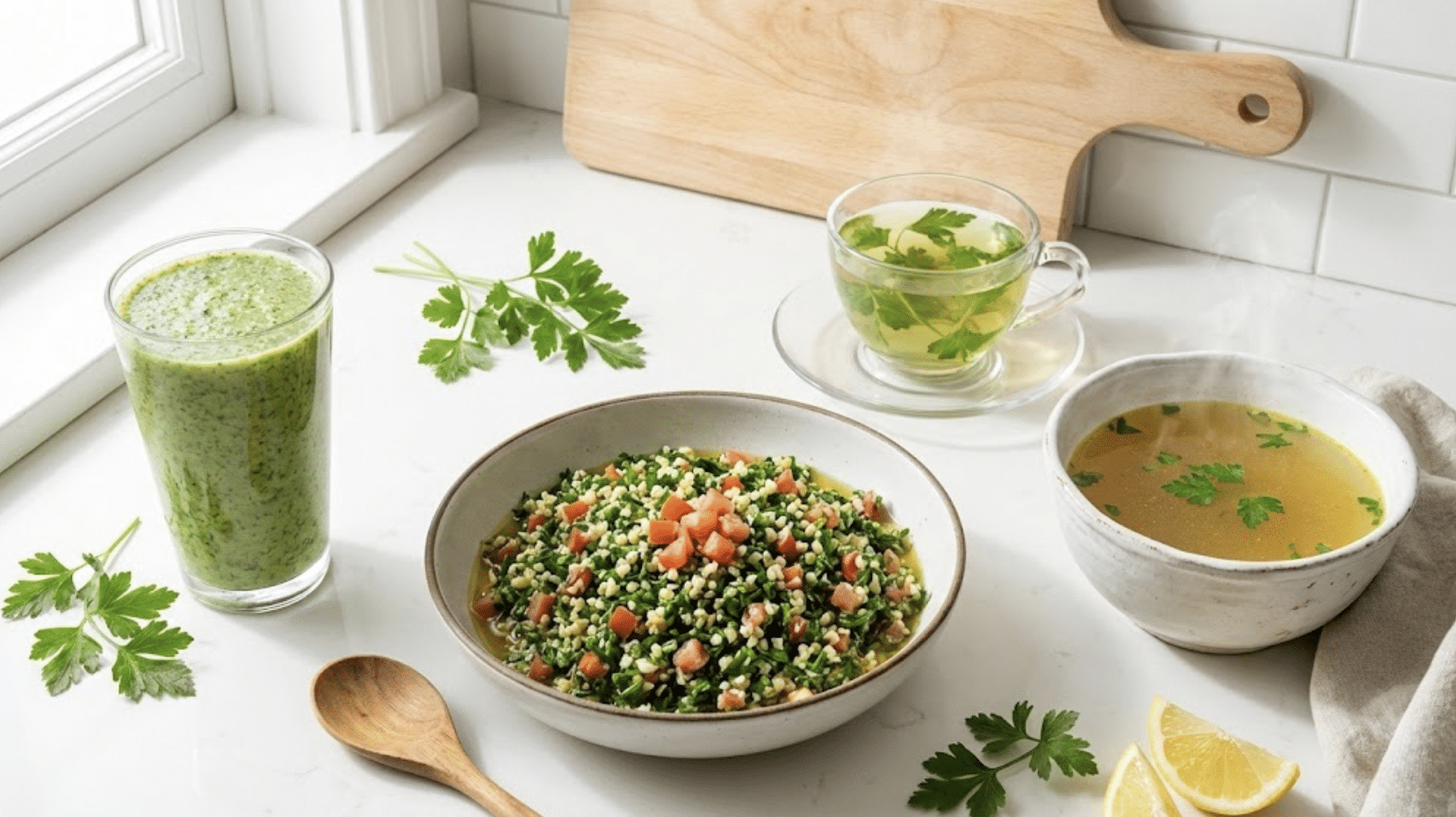
Adding parsley to your daily routine doesn’t require elaborate recipes or complicated meal prep.
This herb fits easily into dishes you’re already making, turning ordinary meals into nutrient-packed opportunities for better health.
- Blend into morning smoothies with banana, spinach, and citrus for a refreshing vitamin boost that masks the herb’s peppery bite.
- Toss generously into salads alongside arugula and mixed greens, or make it the star ingredient in a traditional tabbouleh.
- Stir into soups, sauces, and grain bowls during the last few minutes of cooking to preserve heat-sensitive nutrients while infusing fresh flavor.
- Brew as a soothing tea by steeping fresh or dried parsley in hot water for 5-10 minutes, creating a gentle diuretic drink that supports kidney function and digestion.
Start small if you’re new to using parsley beyond garnish duty; even a tablespoon or two makes a difference.
Once you get comfortable, you’ll find yourself reaching for it instinctively, knowing each handful brings real benefits to your plate.
How Much Parsley is Safe to Consume?
Most people can safely enjoy 1-2 tablespoons of fresh parsley daily as part of their regular diet without any concerns. Culinary amounts used in cooking and garnishing are generally well-tolerated and beneficial.
However, consuming large quantities, particularly in supplement or concentrated forms, may cause issues for certain individuals.
Pregnant women should limit intake since excessive parsley can stimulate uterine contractions.
If you’re taking blood thinners like warfarin, talk to your doctor first, as parsley’s high vitamin K content can interfere with medication effectiveness.
Those with kidney problems should also exercise caution due to parsley’s diuretic properties and oxalate content.
Wrapping Up
Parsley has earned its spot as more than just a plate decoration. It’s a functional herb that deserves regular rotation in your kitchen.
The health benefits of parsley span everything from stronger bones and sharper vision to better digestion and cardiovascular support, all wrapped up in a humble herb that costs pennies.
Start sprinkling it into your meals with intention, and you’ll quickly notice how this unassuming green converts both flavor and nutrition.
Have a favorite way to use parsley, or questions about incorporating it into your routine? Drop a comment below and let’s chat about making this powerhouse herb a daily habit.