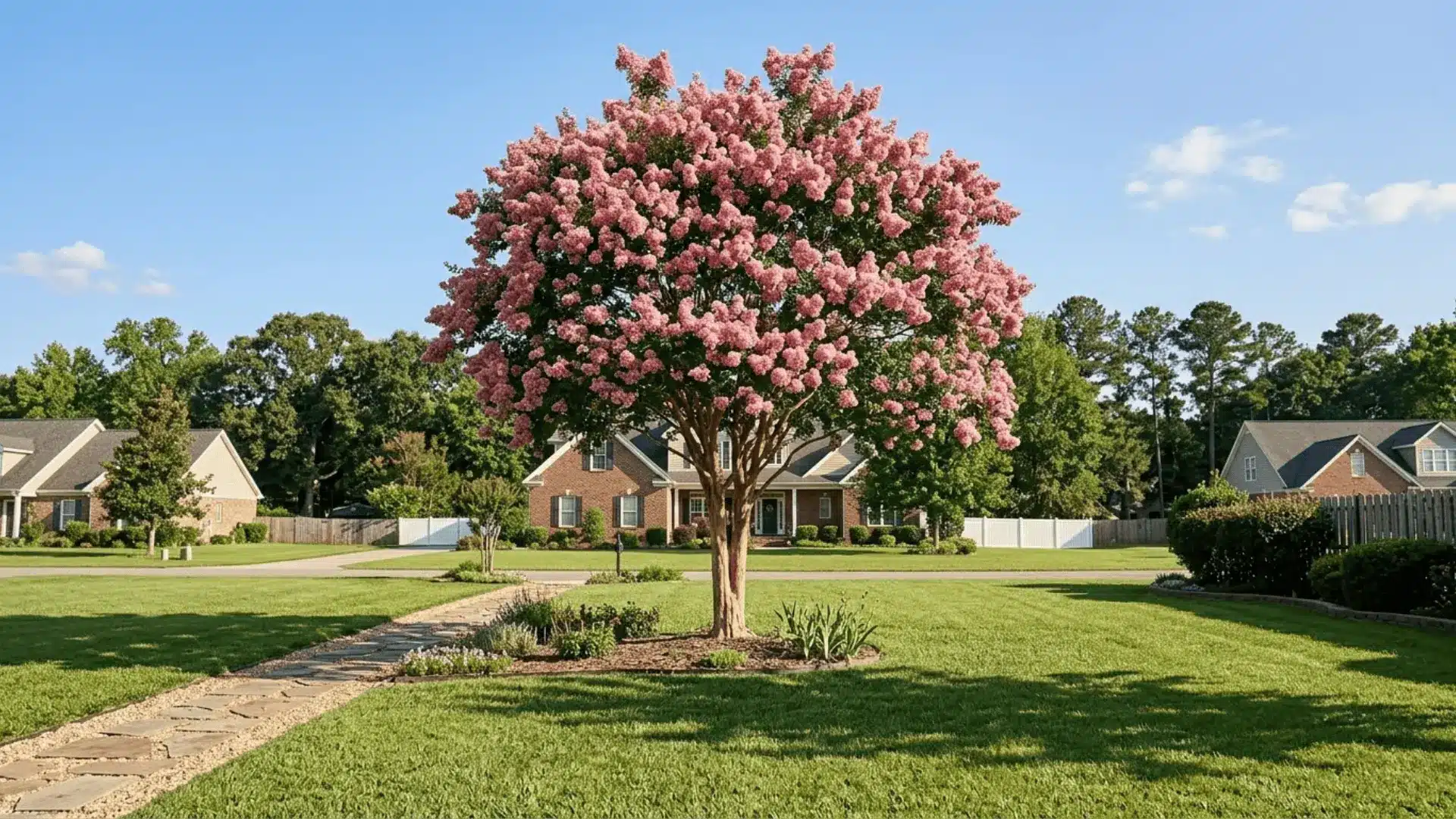
Ever spotted those small, berry-like fruits dangling from a tree in your neighborhood park and wondered if they’re edible?
You might be looking at a hackberry tree, one of nature’s quietly generous gifts that often goes unnoticed despite growing right under our noses.
These humble trees produce sweet, nutritious fruits that have sustained wildlife and people for centuries, yet most of us walk right past them without a second glance.
Maybe you’re a foraging enthusiast, a curious gardener, or simply someone who loves uncovering the hidden treasures in your local landscape.
Understanding hackberry trees opens up a whole new way of seeing the natural world around you, and this unassuming species deserves far more appreciation than it typically receives.
What is a Hackberry Tree?
Hackberry trees belong to the Celtis genus and grow wild across much of North America, thriving in diverse climates and landscapes.
Depending on where you live, you might hear them called sugarberries, though they’re all part of the same resilient family.
These adaptable trees can reach heights of 40 to 60 feet with a spreading canopy that offers lovely shade.
What makes hackberry trees easy to spot:
- Warty, corky bark with distinctive ridges that look almost bumpy or textured.
- Simple, asymmetrical leaves with serrated edges and a slightly rough surface.
- Leaves turn soft yellow in fall.
- Hardy across zones 3 through 9, tolerating urban pollution, drought, and poor soil remarkably well.
Hackberry Tree Fruit Explained
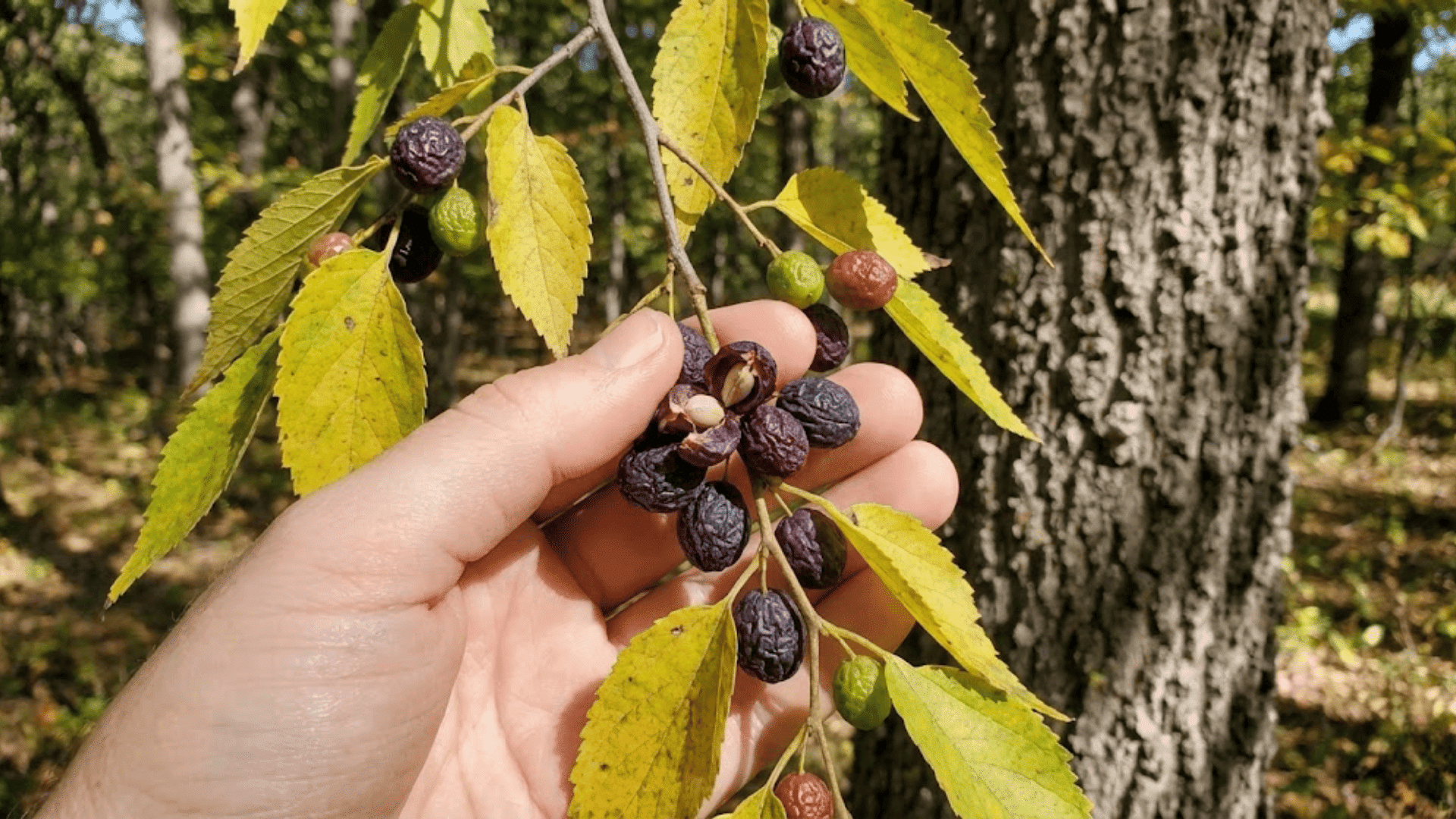
Hackberry fruits are small, unassuming drupes that pack surprising sweetness and have fed both people and wildlife for generations.
Let’s take a closer look at what these little berries actually are and why they’re worth noticing.
1. What Does Hackberry Tree Fruit Look Like?
Hackberry fruits are small, round drupes about the size of a pea. They start out green in early summer, gradually shift to orange or red, and finally ripen to a deep purple or dark brown.
Each fruit contains a large seed surrounded by a thin layer of sweet flesh, giving them a distinctive appearance once you know what to look for.
2. When Does Hackberry Fruit Ripen?
These fruits typically ripen in late summer through fall, usually around September or October, depending on your region. One of their most interesting traits is persistence.
The fruits often cling to branches well into winter, providing a crucial food source for birds and wildlife during the leaner months when other options have disappeared.
3. Is Hackberry Tree Fruit Edible?
Yes, hackberry fruits are completely edible and have been enjoyed by Indigenous peoples and foragers for centuries. The thin, sweet outer flesh tastes somewhat like dates, though there’s more seed than fruit.
The large seed inside is also edible when ground into flour. Eat them in moderation as with any foraged food, and enjoy their unique, subtly sweet flavor.
Uses of Hackberry Tree Fruit
Hackberry fruits might seem modest, but they play an outsized role in supporting local ecosystems and have a rich history of human use.
Here’s how these small drupes make a big impact.
Wildlife Value
Hackberry trees are wildlife magnets, especially when other food sources become scarce. Their fruits provide essential nourishment throughout the colder months.
- Cedar waxwings and robins flock to hackberry trees, often stripping branches bare in a feeding frenzy.
- Quail, pheasants, and other ground birds feast on fallen fruits.
- Small mammals like squirrels and raccoons rely on hackberries as a dependable food source.
- The fruits persist through winter, offering critical calories when survival becomes challenging.
Traditional & Human Uses
Long before modern agriculture, hackberry fruits sustained communities and provided versatile nutrition that’s still appreciated by foragers today.
- Indigenous peoples dried and ground the fruits into a sweet paste or flour for baking.
- The fruits offer carbohydrates, while the seed provides healthy fats and protein.
- Early settlers made hackberry milk by crushing the entire fruit in water.
- Commercial cultivation never took off because the fruits have more seeds than flesh, making them impractical for mass production.
Types of Hackberry Trees
Hackberry trees come in several species, each adapted to different climates and regions across North America.
Understanding these variations helps you identify what’s growing in your area.
Common Hackberry (Celtis occidentalis)
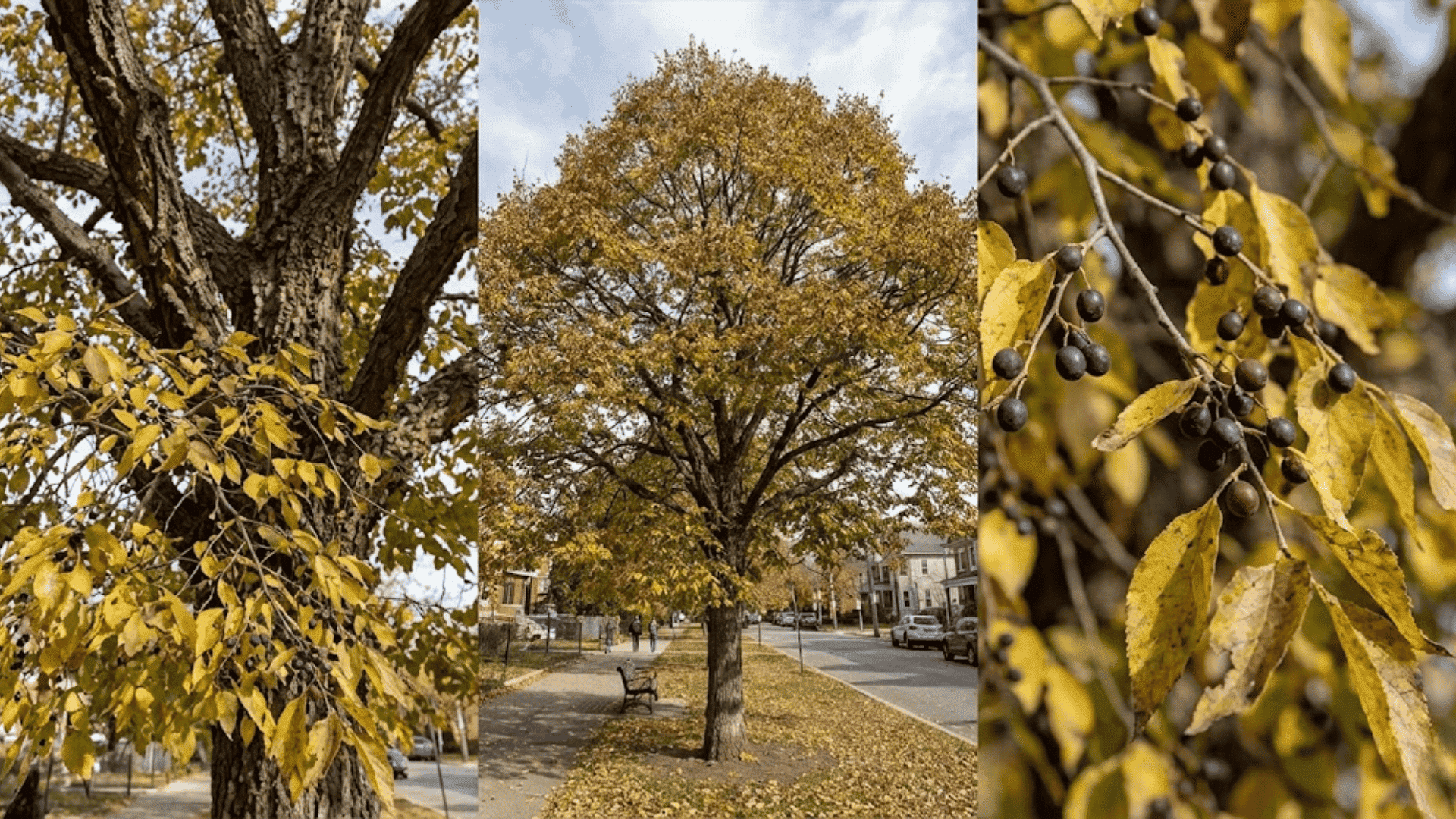
This is the most widespread hackberry species you’ll encounter across North America, thriving everywhere from southern Canada down to Oklahoma.
Common hackberry withstands harsh winters and adapts well to urban areas, making it a popular street tree. The bark has those characteristic warty ridges, and the fruits ripen to dark purple in fall, attracting migrating birds.
Sugarberry (Celtis laevigata)
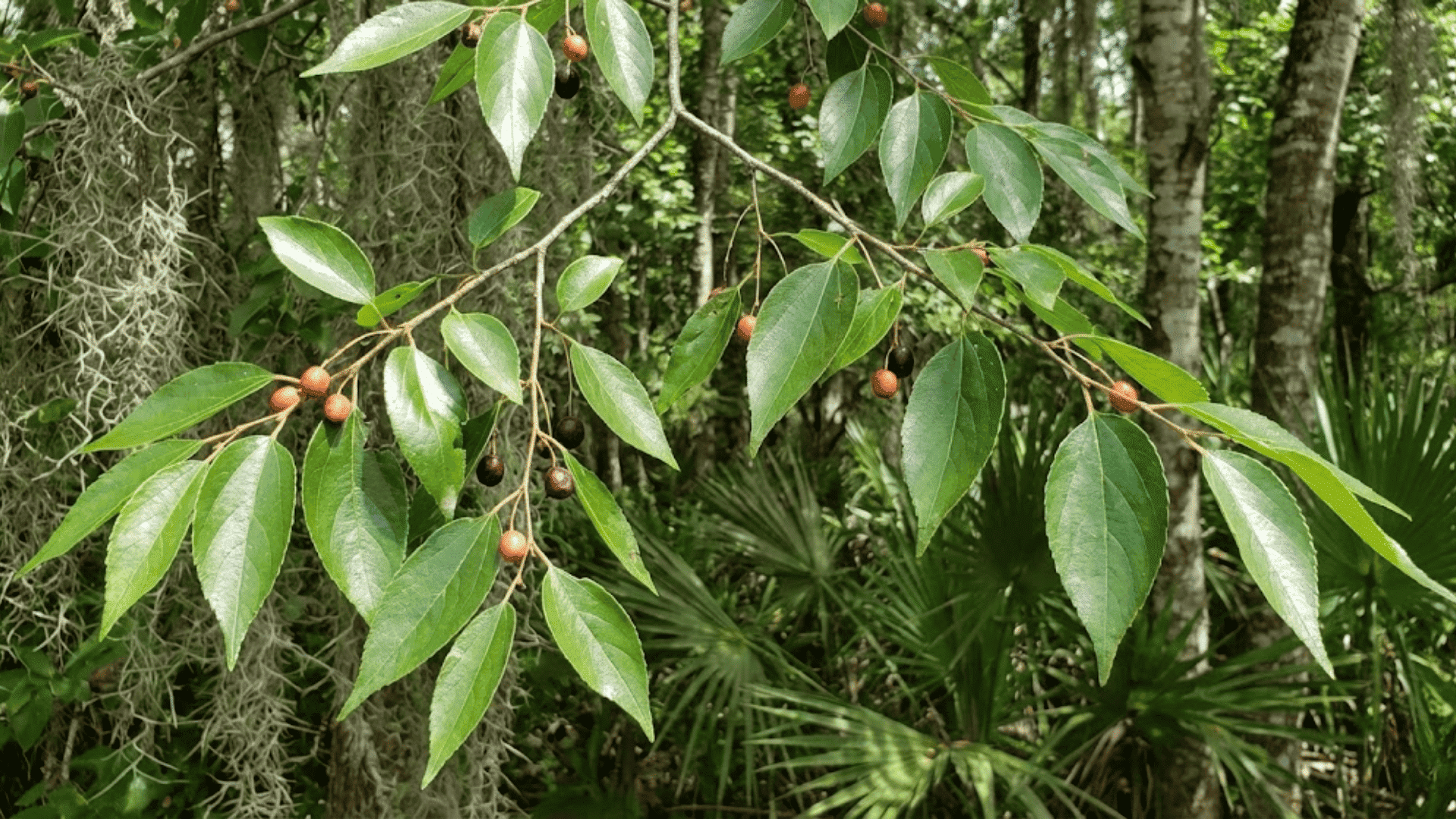
Sugarberry dominates the southern United States, preferring warmer climates and wetter soils than its northern cousin.
The leaves are smoother and less serrated than common hackberry, with a shinier surface that catches the light beautifully. The fruits are slightly smaller and sweeter, probably earning the species its charming name.
Other Hackberry Species
While common hackberry and sugarberry get most of the attention, several other species thrive in specialized environments across the continent.
These lesser-known varieties show just how adaptable the hackberry family truly is.
Netleaf Hackberry (Celtis reticulata)
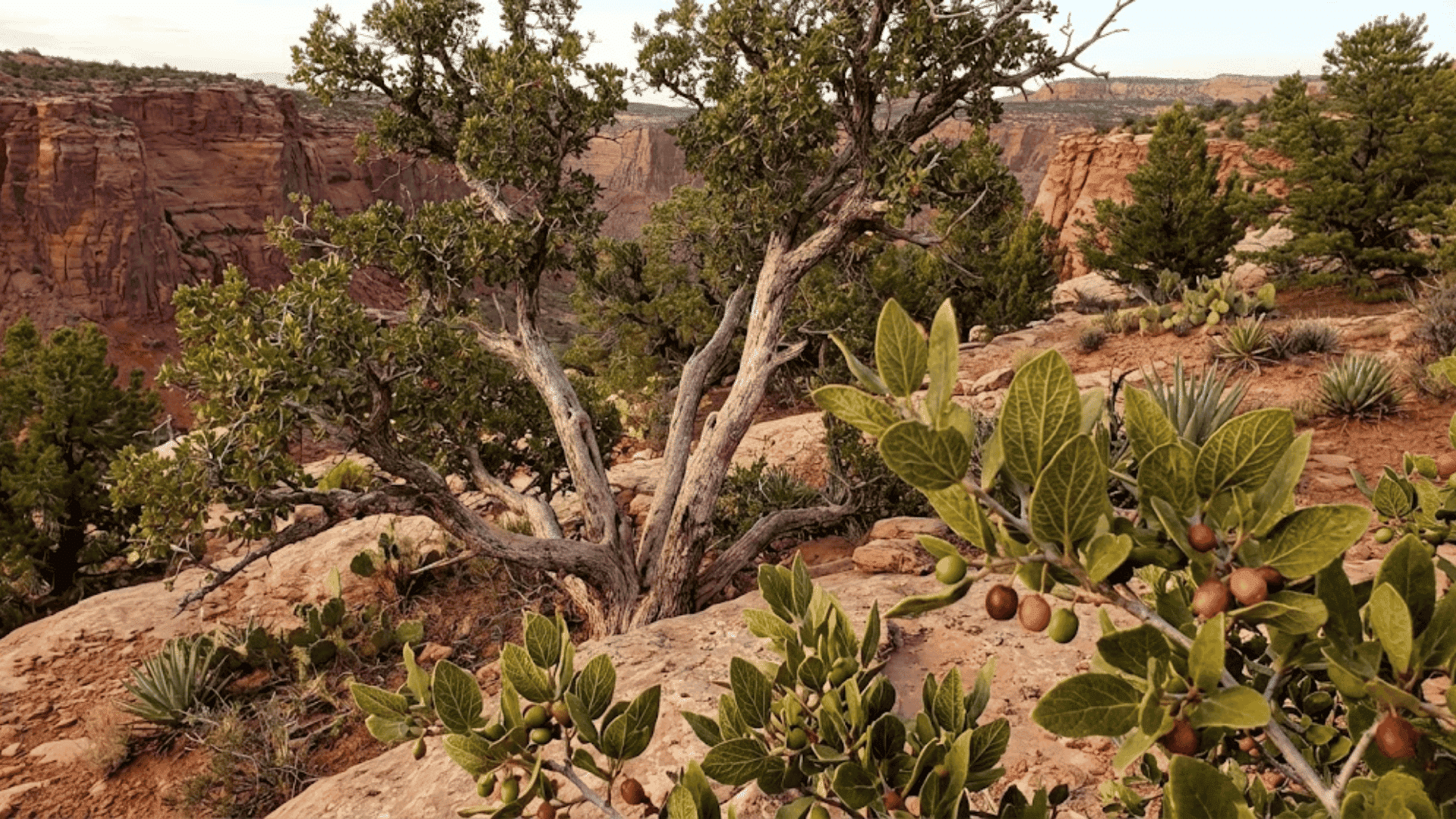
Netleaf hackberry claims the rocky slopes and canyons of the American Southwest as its home. The leaves have prominent veining that creates a net-like pattern, hence the name.
This species stays smaller than its eastern relatives, often growing as a large shrub rather than a towering tree, perfectly suited to drier landscapes.
Desert Hackberry (Celtis pallida)
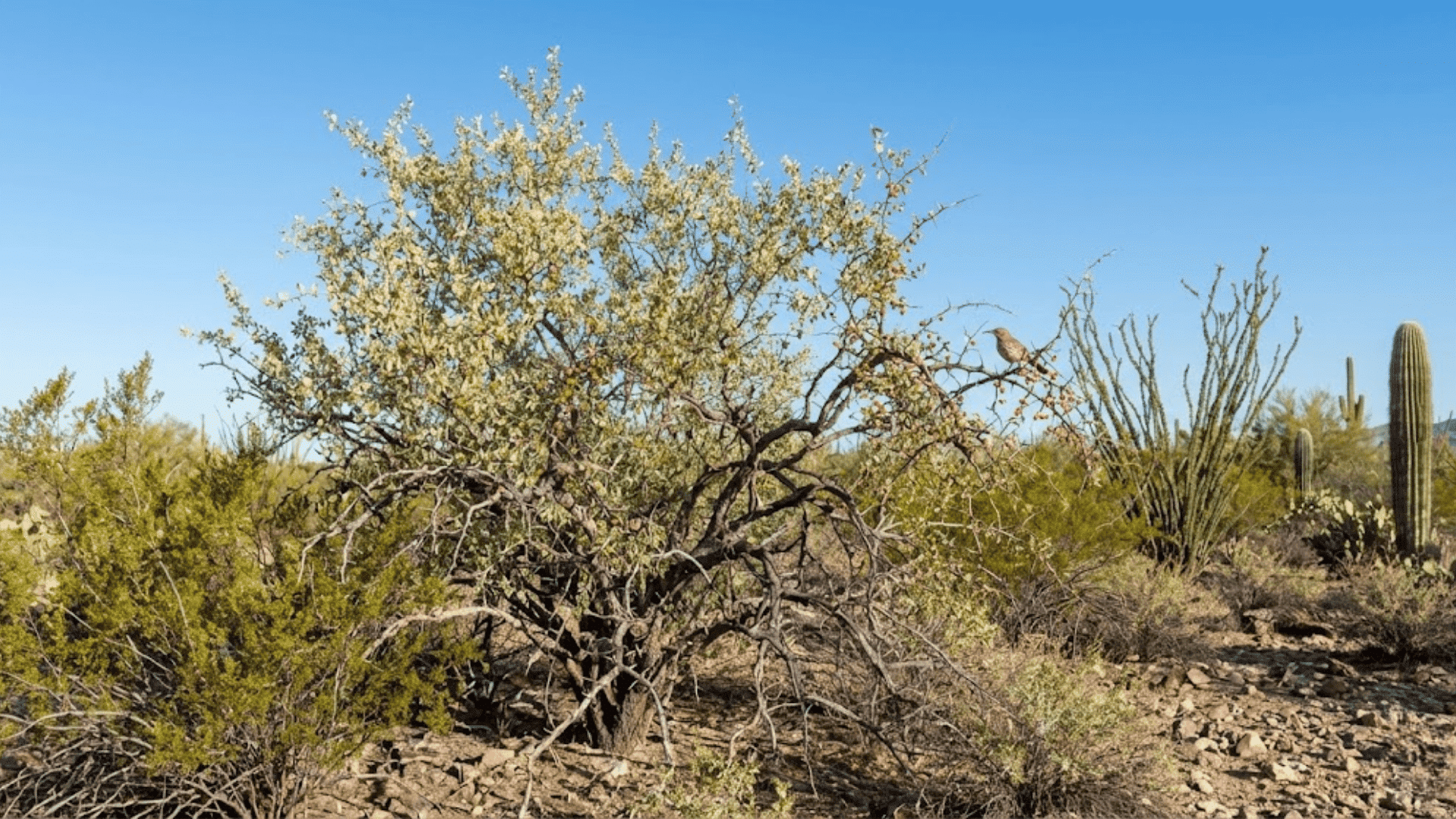
True to its name, desert hackberry thrives in the harshest arid conditions of the Southwest and northern Mexico.
This scrubby species rarely exceeds 20 feet and produces small orange fruits that desert wildlife depend on. The pale green leaves and thorny branches help it conserve precious water in unforgiving environments.
Ecological Importance of Hackberry Trees
Hackberry trees quietly anchor entire ecosystems while adapting gracefully to challenging urban environments. Their ecological contributions extend far beyond the fruits they produce.
Role in Native Ecosystems
Hackberry trees function as ecological hubs, supporting countless species throughout their lifecycle and creating ripple effects across local food webs.
- The flowers provide early spring nectar for bees and other pollinators when few other sources are available.
- Hackberry trees serve as the primary host plant for hackberry emperor and tawny emperor butterflies.
- The dense canopy offers nesting sites and shelter for songbirds and small mammals.
- Fallen leaves decompose into nutrient-rich mulch that improves soil health for surrounding plants.
Urban & Landscape Benefits
Cities need tough trees that can handle stress, and hackberry rises to the challenge where more delicate species struggle or fail.
- Thrives in compacted, poor-quality soil where most trees would languish.
- Tolerates air pollution, road salt, and urban heat islands without losing vigor.
- The spreading canopy provides substantial shade, naturally cooling sidewalks, and reduces energy costs.
- Deep, fibrous roots stabilize slopes and prevent erosion along streambanks and hillsides.
Common Concerns About Hackberry Trees
Every tree comes with its quirks, and hackberry is no exception. Here are the most common concerns homeowners face and why they’re usually manageable.
Concern 1: Fruit Drop and Staining
Reality: Compared to messy trees like mulberries or crabapples, hackberry cleanup is actually minimal since the fruits are tiny and dry quickly, plus birds often eat them before they become a real nuisance.
Concern 2: Hackberry Nipple Gall
Reality: The galls are purely cosmetic and don’t harm the tree’s health. The tree continues growing vigorously regardless, and most people stop noticing it after the first season.
Concern 3: Witches’ Broom Growth
Reality: These growths rarely impact overall tree health or longevity. You can prune them out if they bother you aesthetically, but the tree will thrive either way.
Concern 4: Poor Urban Soil
Reality: Hackberry actually handles compacted soil better than most trees. Mulching around the base helps young specimens establish, after which they become remarkably resilient.
How to Identify a Hackberry Tree Using the Fruit?
Identifying a hackberry tree becomes easy once you know what to look for. Use this quick reference guide to confirm you’ve found one in the wild.
| Feature | What to Look For | When/Where |
|---|---|---|
| Bark | Warty, corky ridges with a bumpy texture | Most obvious on mature trees |
| Leaves | Asymmetrical base, serrated edges, rough sandpaper-like texture | Spring through fall |
| Fruit | Pea-sized drupes, green turning dark purple | Ripen September-October, persist into winter |
| Location | Urban parks, woodland edges, stream banks | Tolerates disturbed, compacted areas |
The combination of warty bark and asymmetrical leaves makes hackberry nearly foolproof to identify, even without fruit present. Once you spot your first hackberry, you’ll start noticing them everywhere.
The Closing Note
Hackberry trees might not grab headlines like ornamental cherries or majestic oaks, but they offer something equally valuable: resilience, generosity, and quiet beauty.
Their sweet hackberry tree fruit feeds countless birds while the trees themselves thrive where other species fail, making them unsung heroes of both wild and urban landscapes.
Next time you’re out walking, take a moment to look for that distinctive warty bark and those small purple drupes.
You might just find yourself appreciating a tree you’ve passed a hundred times before.
Have you spotted a hackberry in your neighborhood? Share your finds in the comments below!