Black cabinets have become a bold choice in farmhouse kitchens, but they are not a one-size-fits-all decision.
When done right, farmhouse black kitchen cabinets can bring depth, contrast, and character without losing the warmth that defines the style. The challenge is knowing how to use them in a way that feels balanced and livable.
In this blog, I break down practical ideas, real layout considerations, and design choices that actually work in everyday homes. You’ll see how space, light, finishes, and styling all play a role in the final result.
Let’s start by figuring out whether black cabinets truly make sense for you.
Are Black Cabinets Right for a Farmhouse Kitchen?
Black cabinets can work well in farmhouse kitchens when they are used with intention.
Farmhouse style relies on warmth, simplicity, and comfort, so black needs support from light, natural materials. When planned correctly, black cabinets can feel grounded and timeless rather than heavy.
When Black Cabinets Work Well
Black cabinets tend to work best in larger kitchens where there is enough space for darker surfaces to breathe. Good natural light helps prevent the room from feeling closed in.
Simple cabinet styles, like shaker doors, keep the look clean and aligned with farmhouse design instead of feeling too formal.
When Black Cabinets Cause Problems
Black cabinets can be challenging in very small kitchens where dark surfaces dominate the space. Poor lighting makes black feel heavy and flat.
Overly ornate cabinet details also clash with farmhouse style and can make black cabinets feel out of place rather than intentional.
Farmhouse Black Kitchen Cabinet Ideas
These ideas work best when there is enough space and light to support darker cabinetry. Each option focuses on balance, warmth, and function so black cabinets feel intentional and livable, not heavy or overwhelming.
1. Classic Black Shaker Cabinets
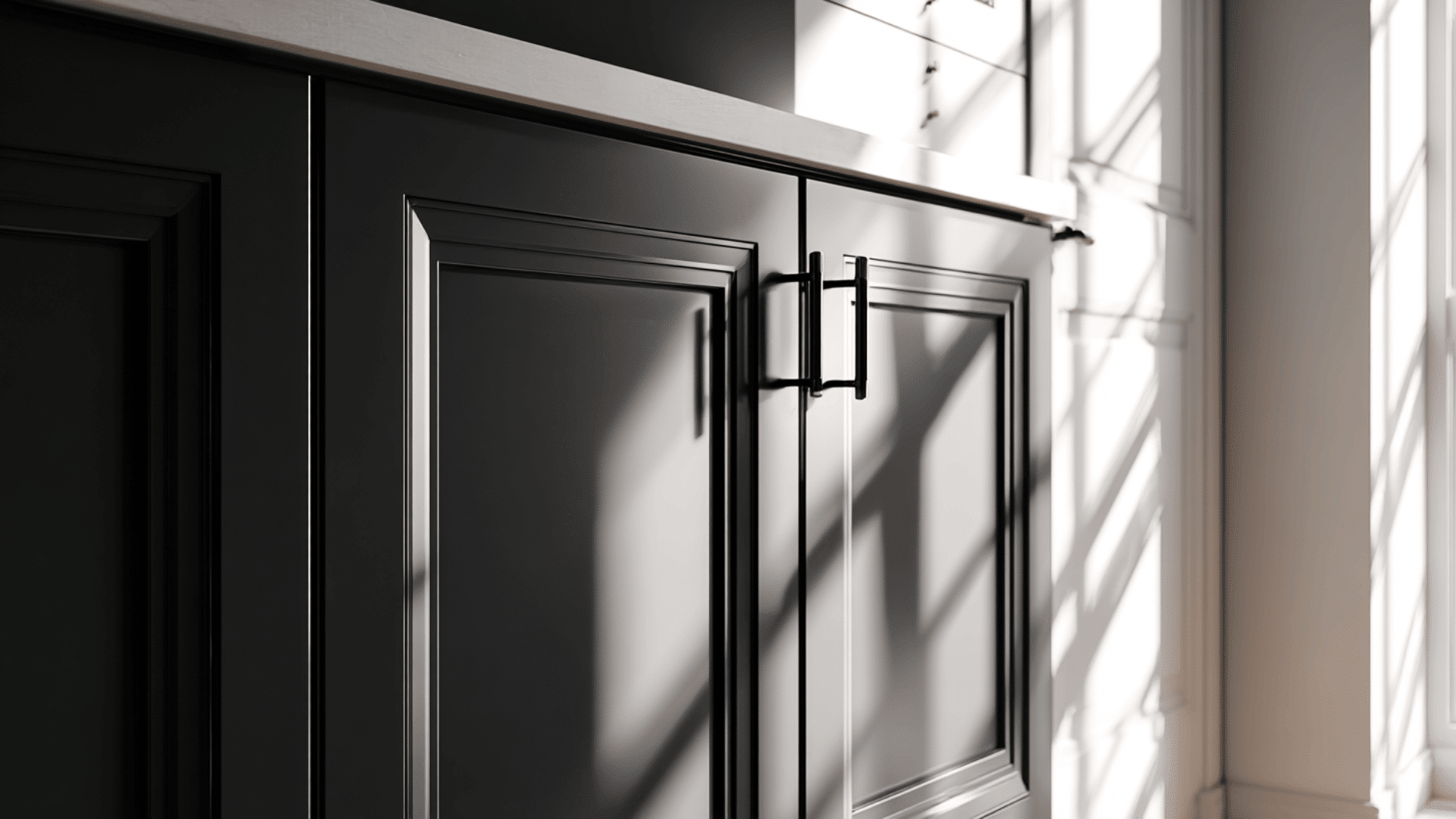
Black shaker cabinets are one of the safest ways to use dark cabinetry in a farmhouse kitchen. The simple door profile keeps the look grounded and familiar.
When paired with light countertops and warm flooring, shaker cabinets feel structured without looking too formal or overly modern.
2. Black Cabinets with A Natural Wood Island
Using black cabinets around the perimeter and a natural wood island in the center creates instant contrast. The wood adds warmth and breaks up the dark color visually.
This approach keeps the kitchen from feeling closed in while still letting black cabinets make a strong statement.
3. All-Black Cabinets with White Countertops
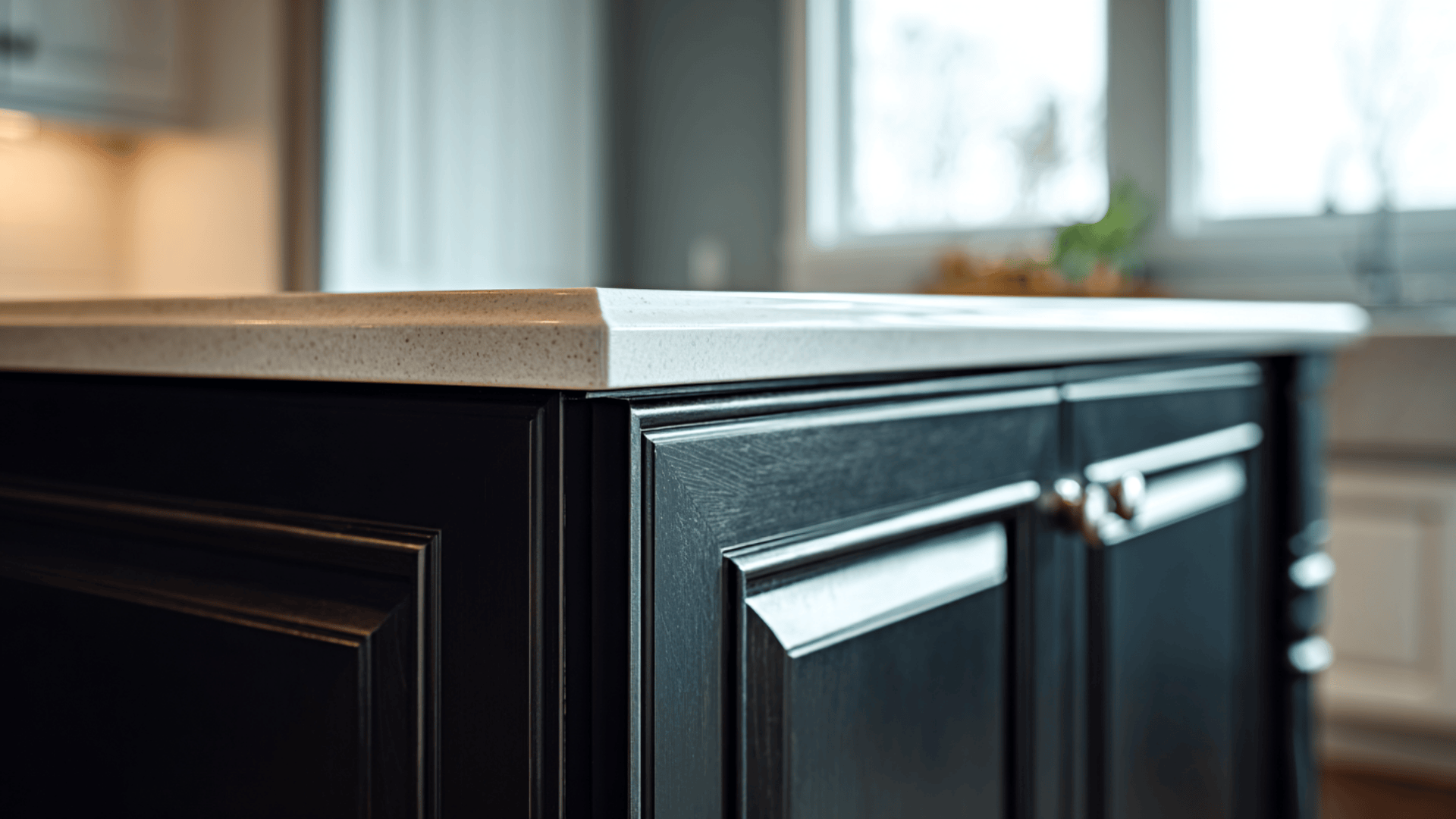
All-black cabinets can work well in larger kitchens when white countertops are used to balance the space. The bright surface reflects light and prevents the cabinets from feeling too heavy.
This setup works best with simple finishes and minimal patterns to keep the look clean.
4. Matte Black Kitchen Cabinets with Brass Hardware
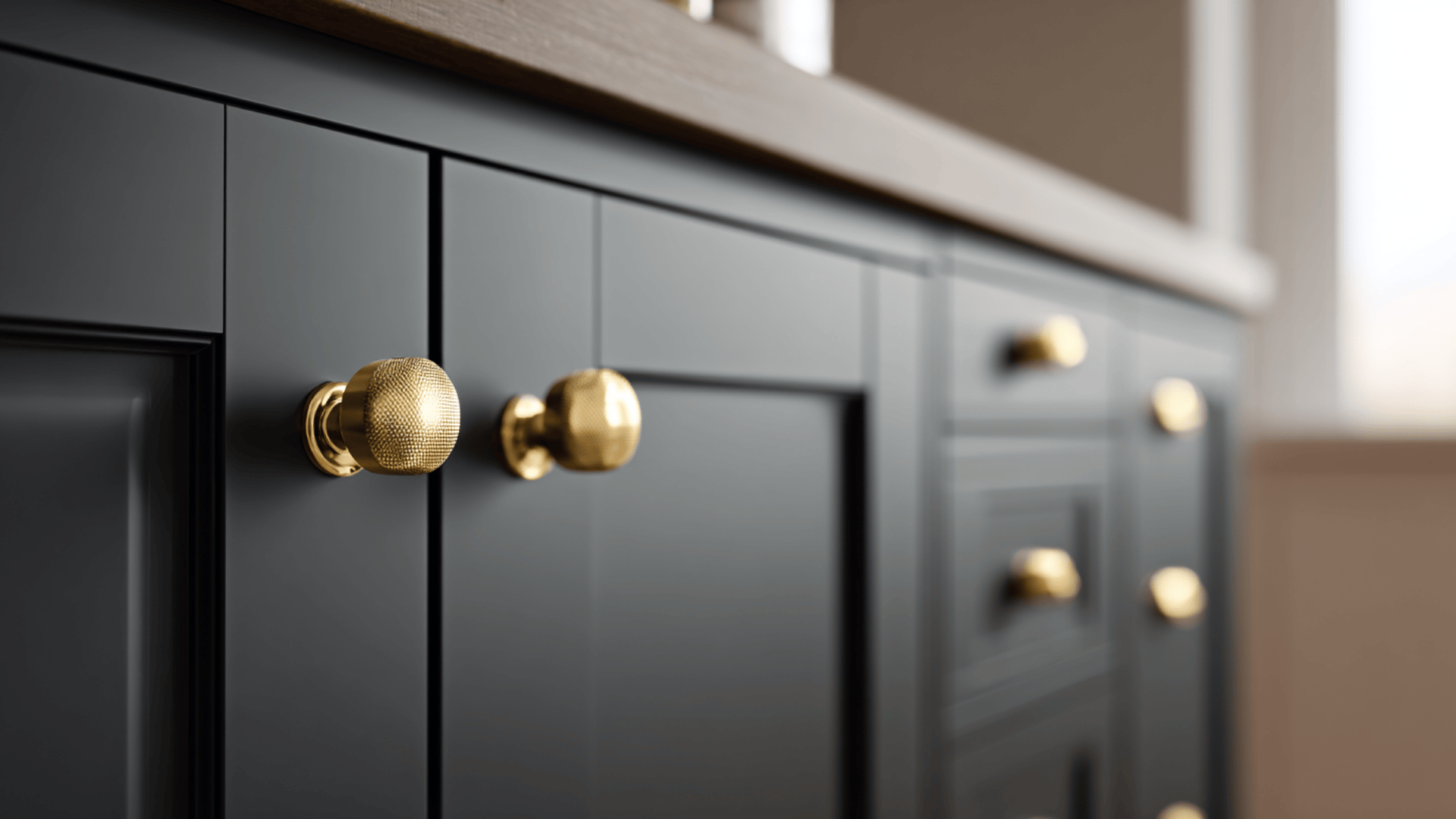
Matte black cabinets reduce glare and feel softer than glossy finishes. Brass hardware adds warmth and keeps the kitchen from looking flat.
This combination works especially well in farmhouse kitchens that lean slightly modern but still rely on traditional shapes and materials for balance.
5. Black Cabinets Paired with A Farmhouse Sink
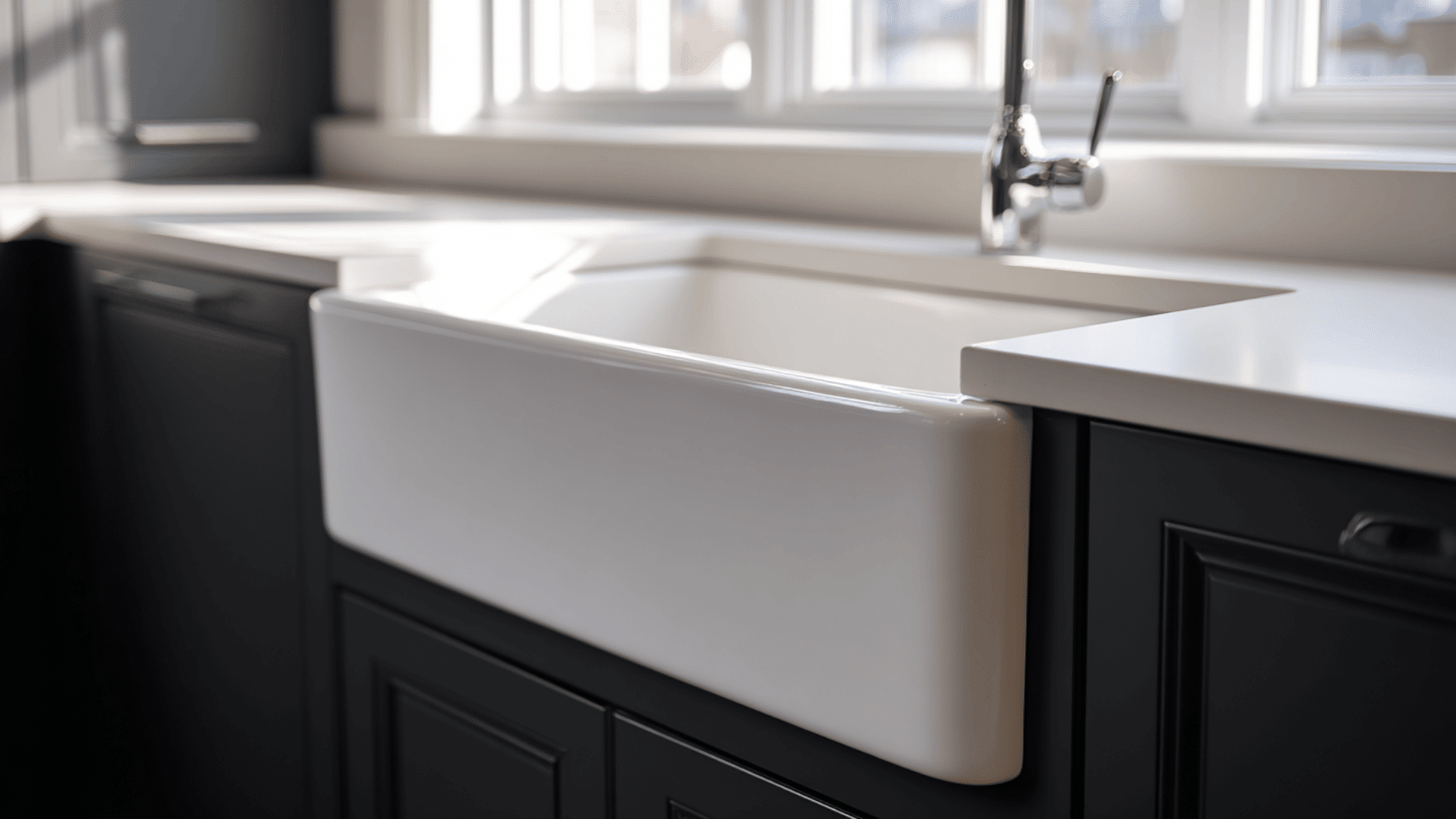
A white farmhouse sink stands out beautifully against black cabinets. The contrast highlights the sink as a focal point while reinforcing the farmhouse style.
This pairing works best when the surrounding finishes stay simple so the sink and cabinetry do not compete visually.
6. Black Cabinets with Subway Tile Backsplash
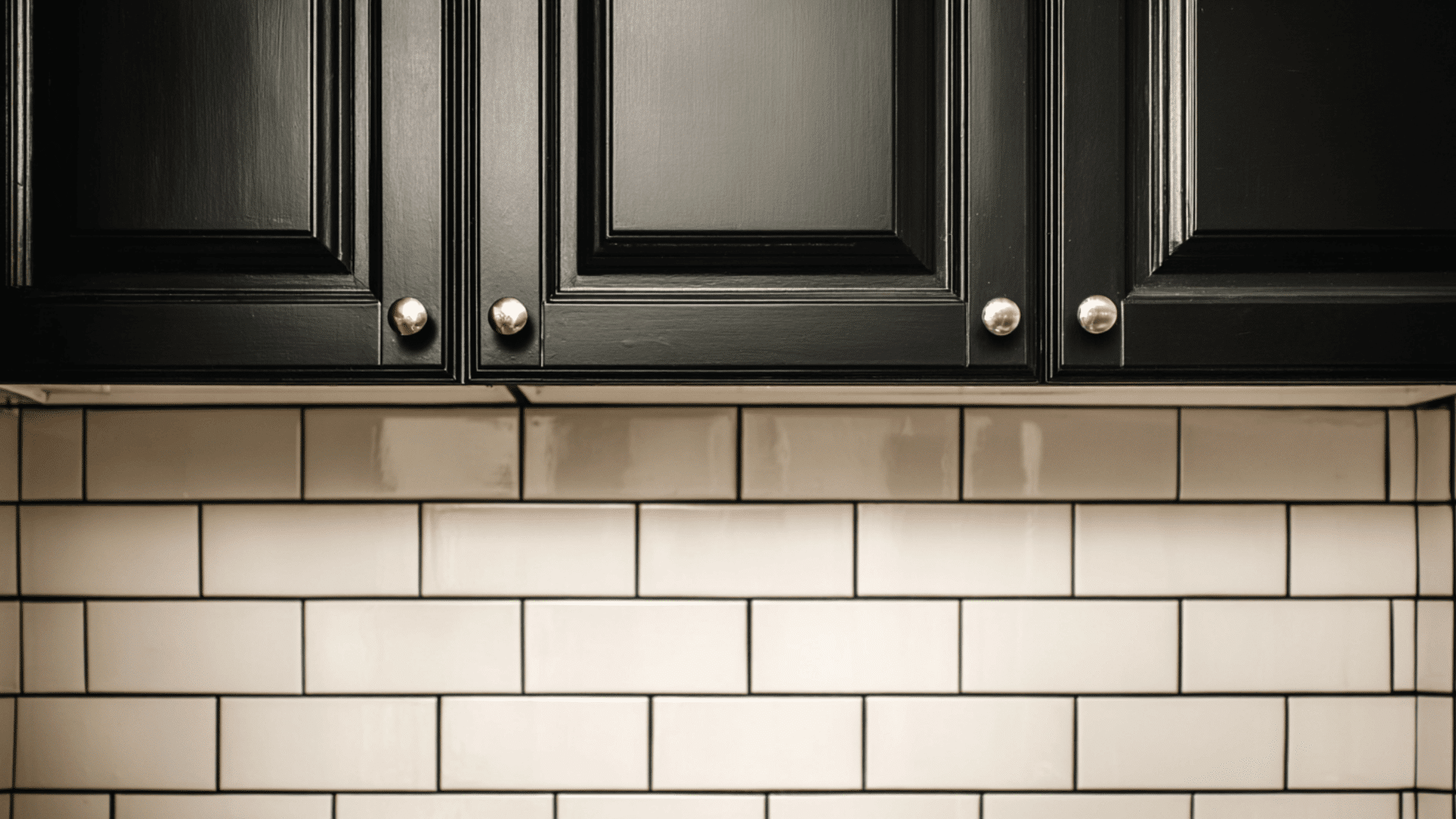
A subway tile backsplash keeps black cabinets from feeling too dominant. The clean tile pattern adds texture without adding visual noise. White or soft neutral tile works best, especially in kitchens where the cabinets already create a strong presence.
7. Black Cabinets with Exposed Wood Beams
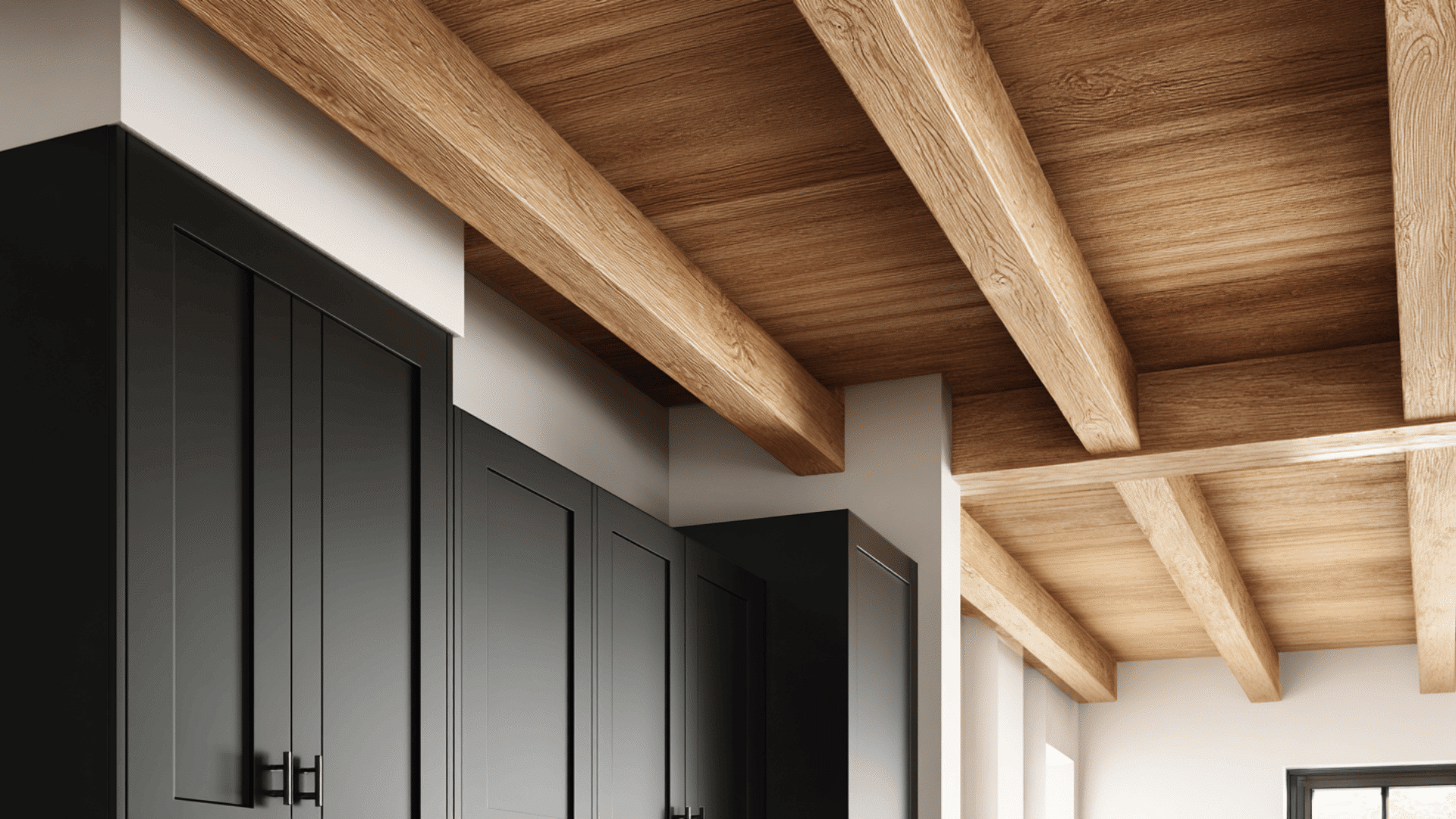
Exposed wood beams help black cabinets feel warmer and more connected to farmhouse roots. The natural texture above draws the eye upward and balances the darker cabinetry below.
This idea works best in kitchens with higher ceilings where beams can be fully appreciated.
8. Black Cabinets with Warm Wood Floors
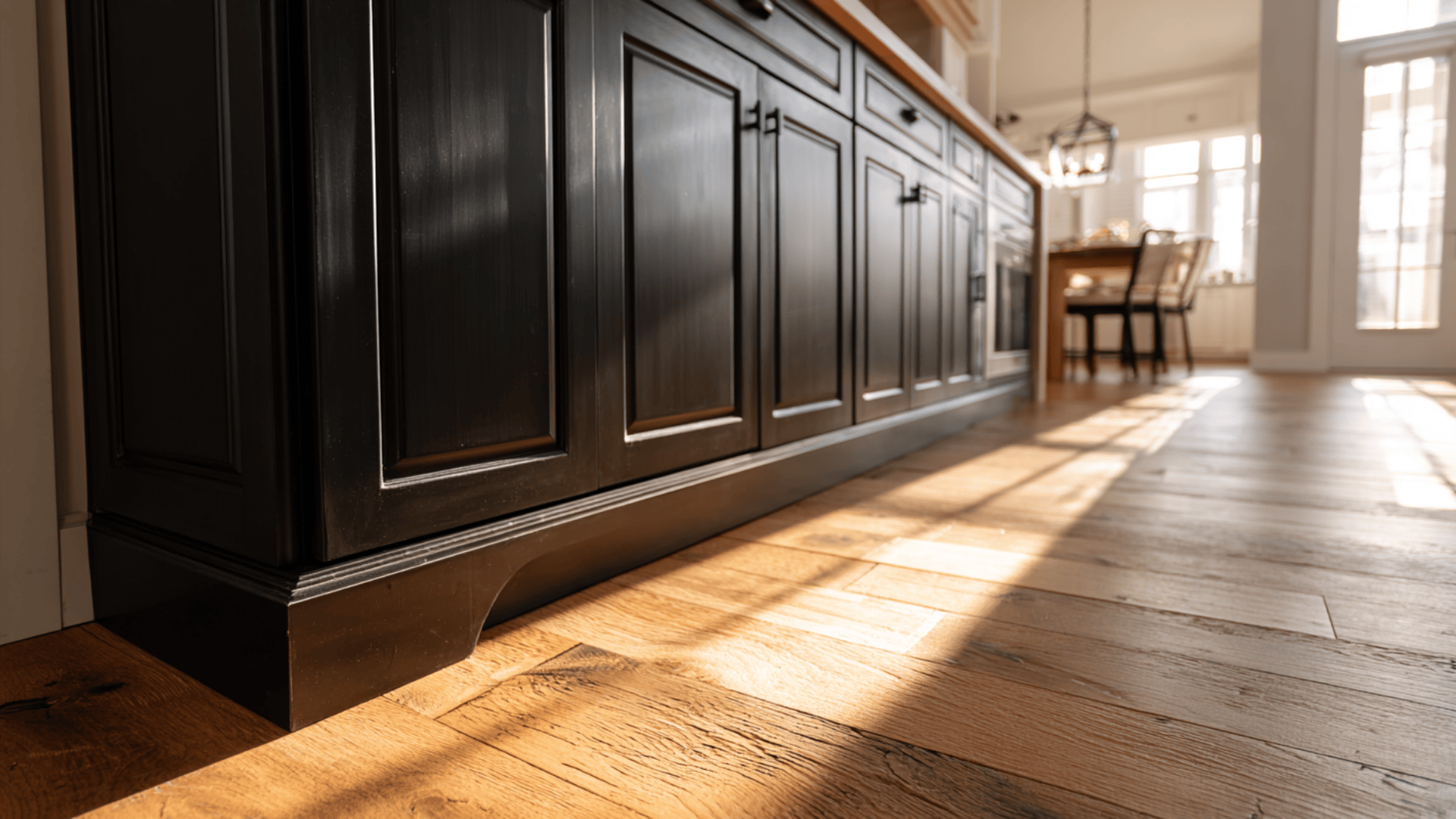
Warm wood floors prevent black cabinets from feeling cold or harsh. The floor becomes a grounding element that ties the whole space together.
Medium to warm wood tones work especially well, creating contrast while still keeping the kitchen comfortable and inviting.
9. Black Cabinets with Glass-Front Upper Cabinets
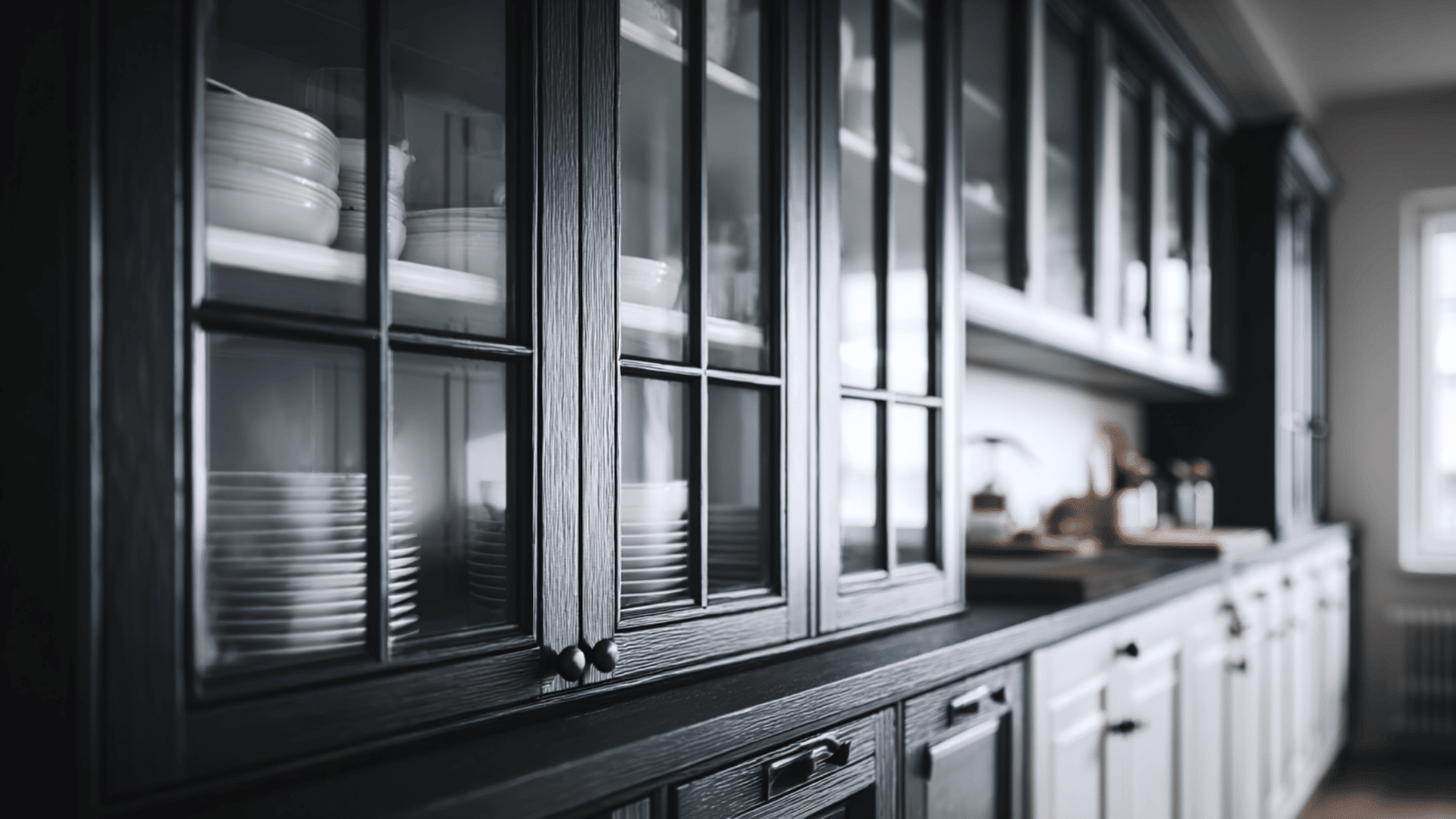
Glass-front upper cabinets help lighten the visual weight of black cabinetry. They allow light to move through the space and prevent the kitchen from feeling boxed in.
This option works best when the contents are kept simple and organized to avoid clutter.
10. Black Cabinets with Vintage-Style Hardware
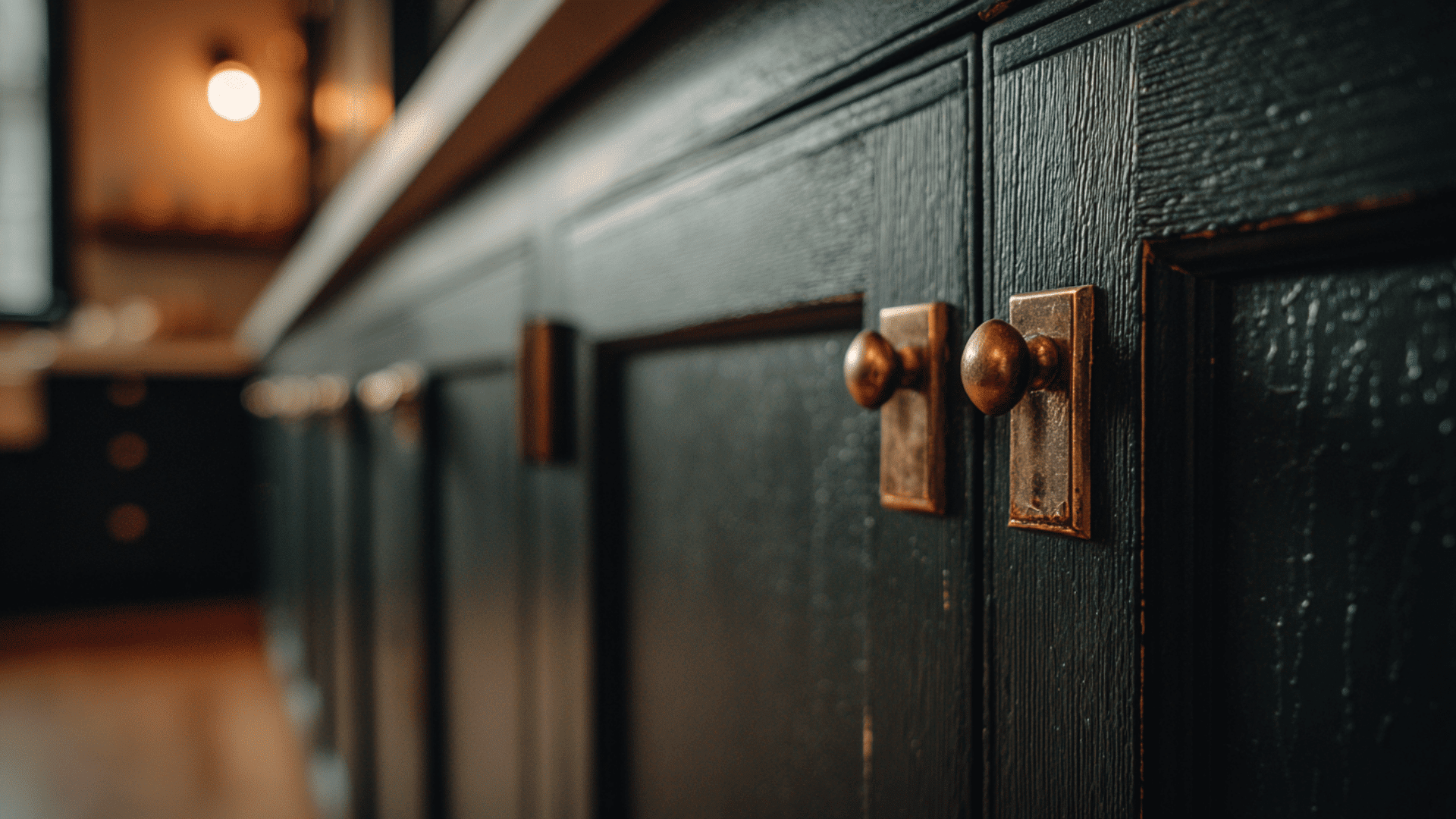
Vintage-style hardware adds character and helps black cabinets feel more farmhouse-focused. The detailing brings in a sense of age and history without changing the cabinet design itself.
This approach works well for homeowners who want personality without bold color changes.
11. Black Cabinets with Stone Countertops
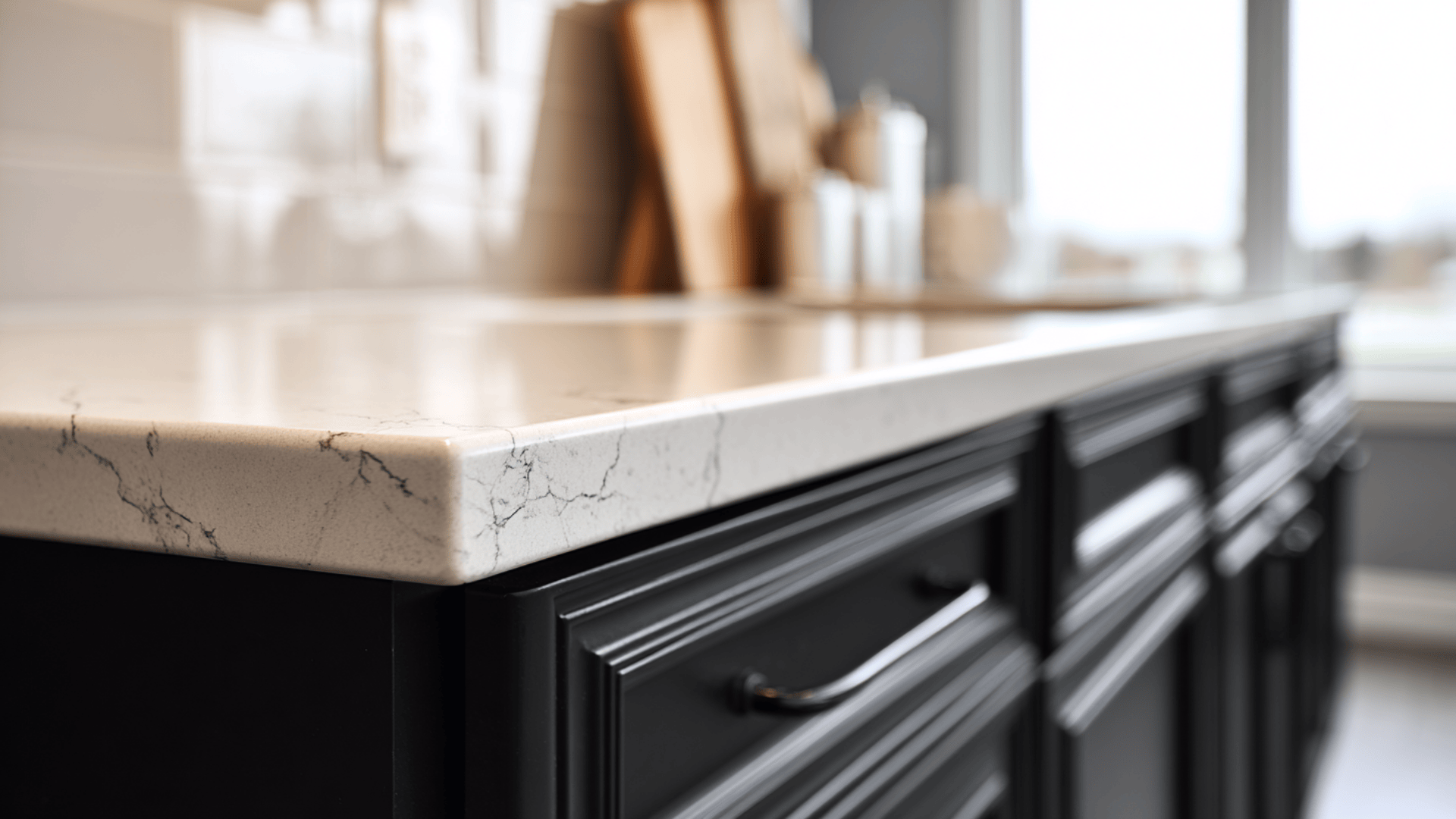
Stone countertops add natural variation that softens solid black cabinets. Subtle veining and texture keep the kitchen from feeling too uniform.
Lighter stone choices help reflect light, while darker stone works best in kitchens with plenty of space and strong lighting.
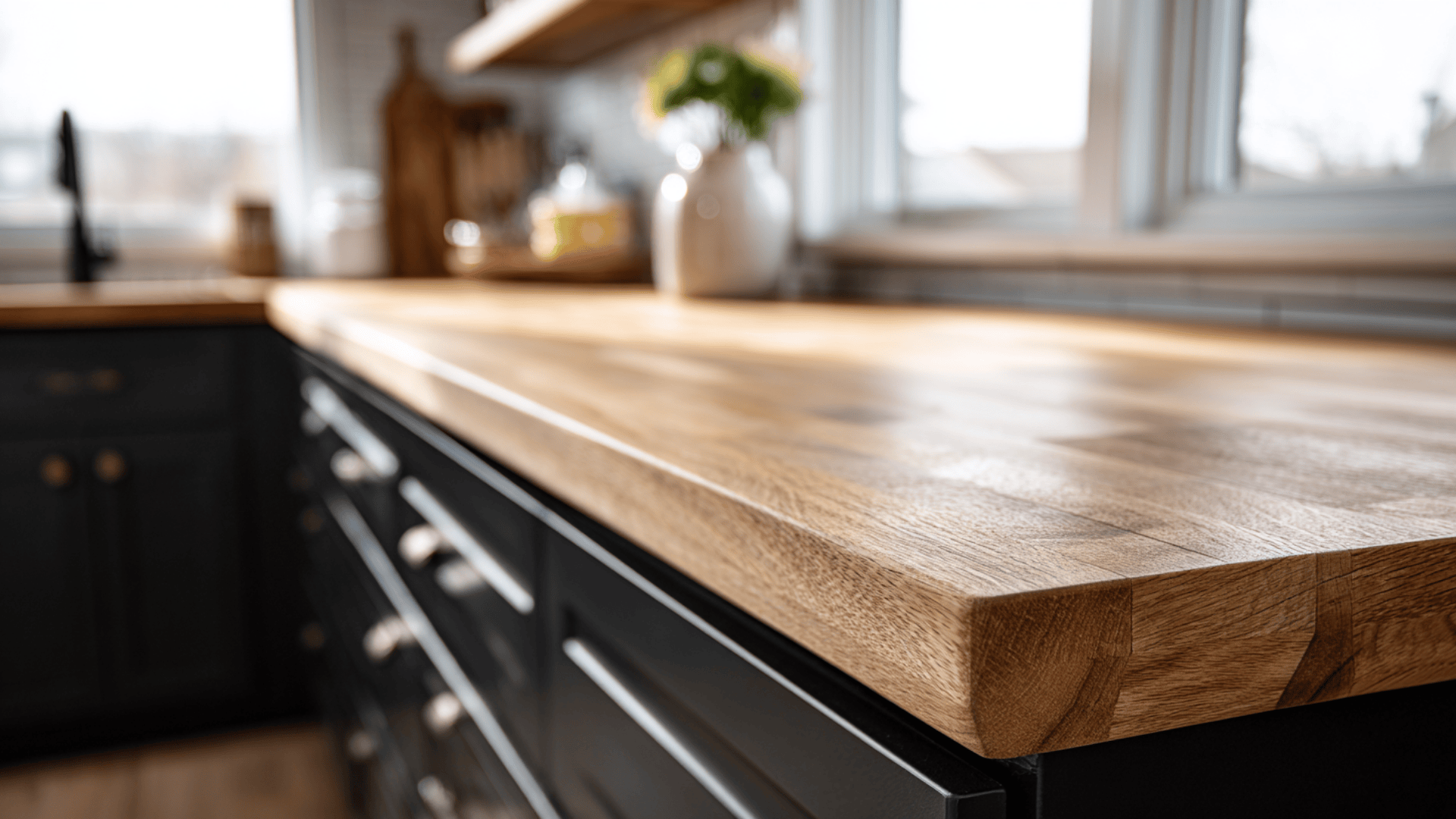
12. Black Cabinets with Butcher Block Countertops
Butcher block countertops bring warmth and practicality to black cabinets. The wood surface adds contrast and reinforces the farmhouse feel.
This combination works especially well in kitchens that aim for a more relaxed and lived-in look rather than a polished finish.
13. Black Cabinets with Beadboard or Shiplap Walls
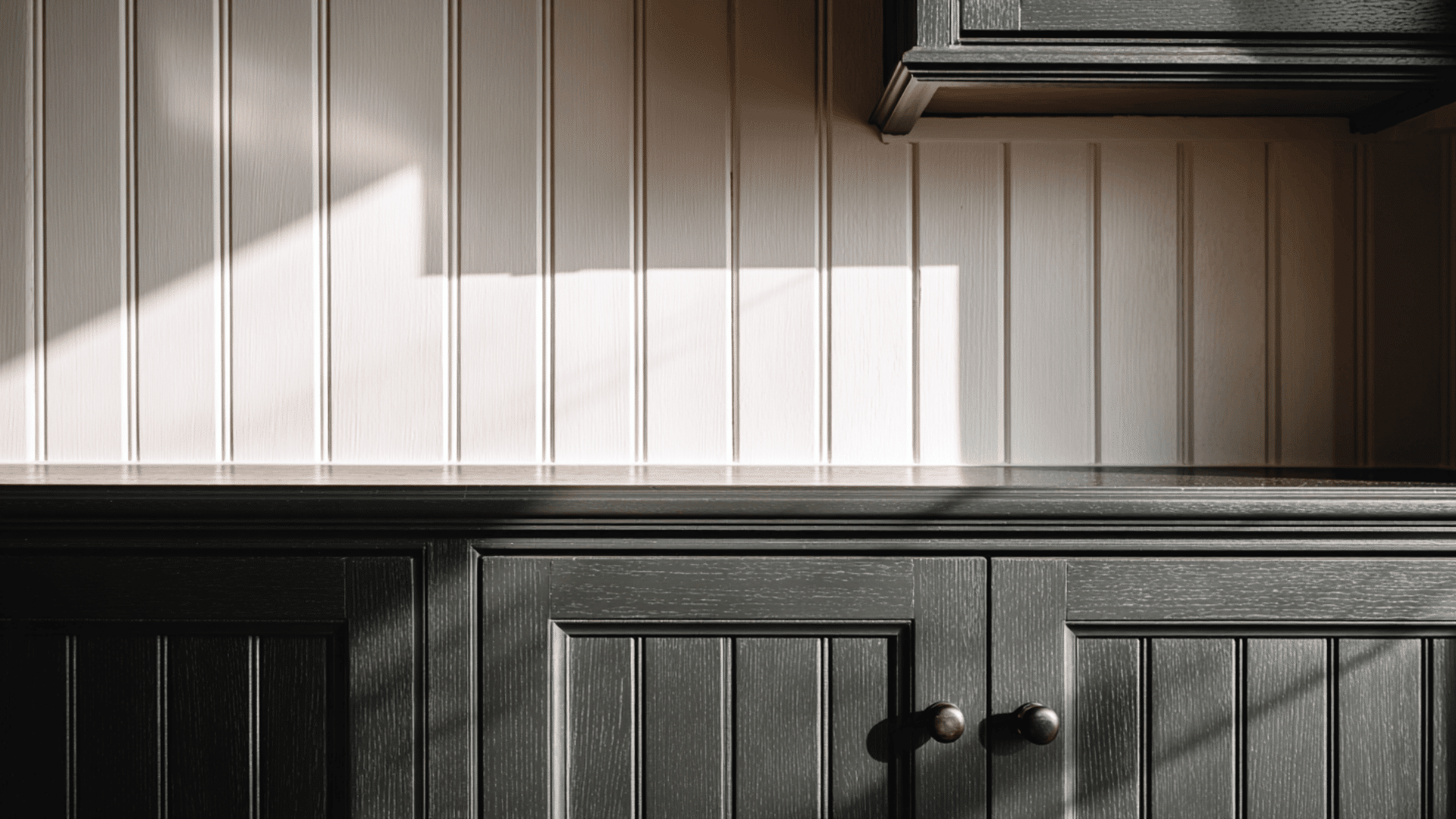
Beadboard or shiplap walls add texture that balances black cabinets nicely. The wall treatment keeps the space from feeling flat and adds farmhouse character.
Light-colored paneling works best, creating contrast while still letting the cabinets remain the focal point.
14. Black Cabinets with Cream or Off-White Walls
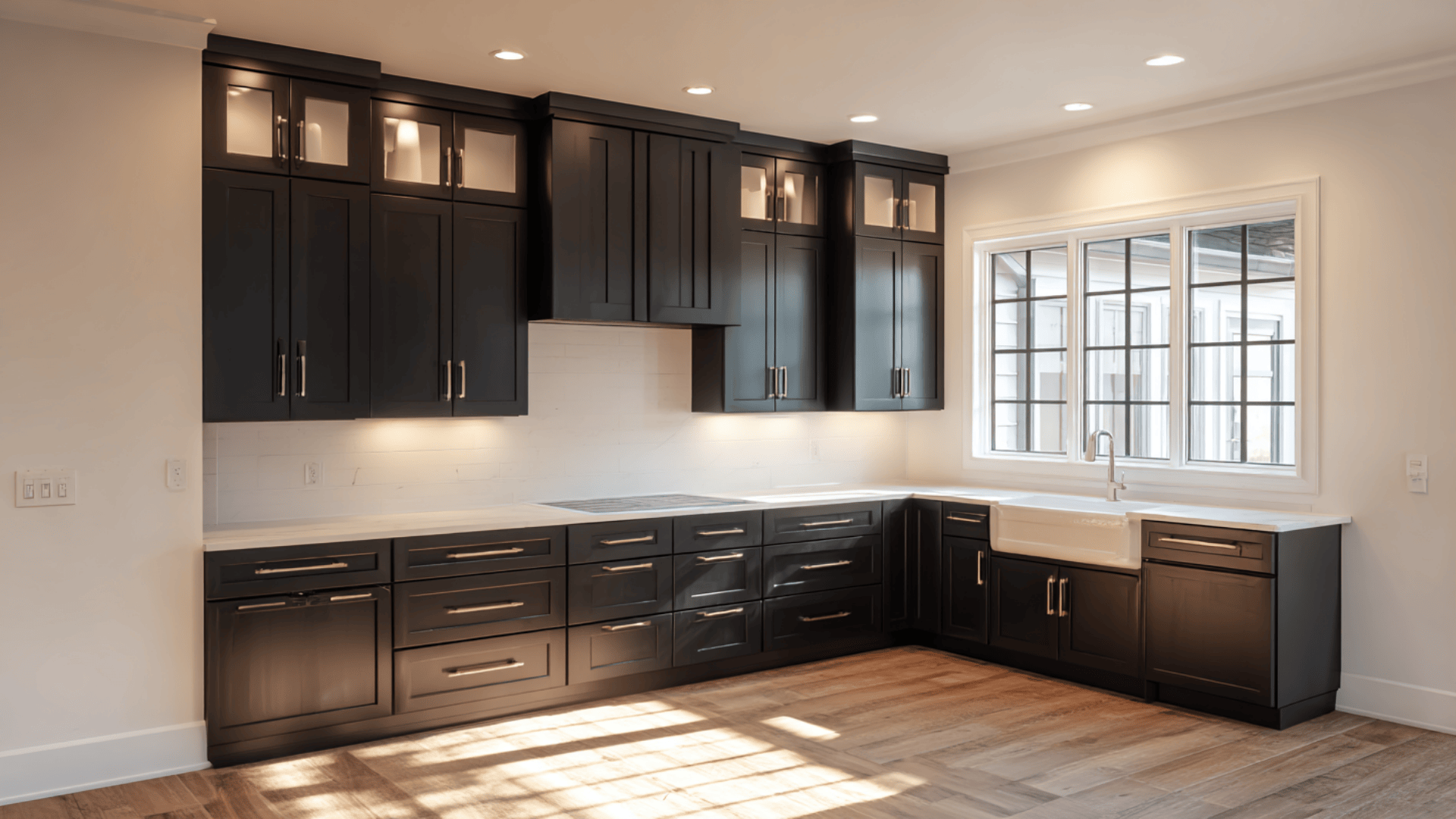
Cream or off-white walls soften black cabinets more than bright white paint. The warmer tone helps the kitchen feel comfortable and cohesive.
This option works well for homeowners who want contrast without the sharpness that comes with stark white walls.
Farmhouse Black Kitchen Cabinet Ideas for Small Kitchens
Small kitchens need a lighter touch when using black cabinets. These ideas focus on balance, light flow, and smart placement so darker cabinetry adds contrast without making the space feel tight or heavy.
15. Black Lower Cabinets with White Upper Cabinets
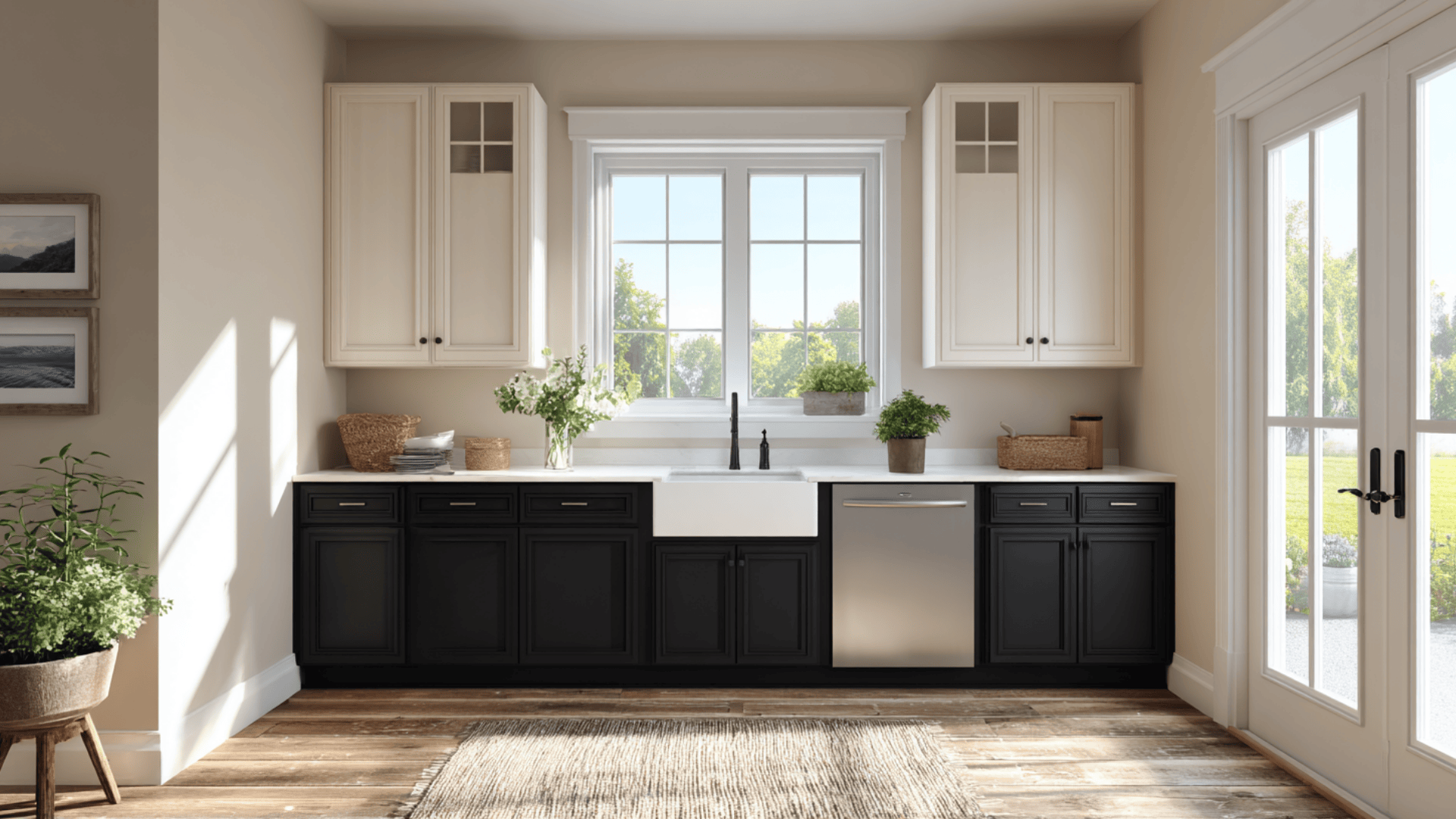
Black lower cabinets ground the kitchen while white upper cabinets keep the space open.
This layout prevents the room from feeling top-heavy and helps light reflect throughout the space. It is one of the easiest ways to introduce black cabinets into a small farmhouse kitchen.
16. Black Cabinets with Open Wood Shelving
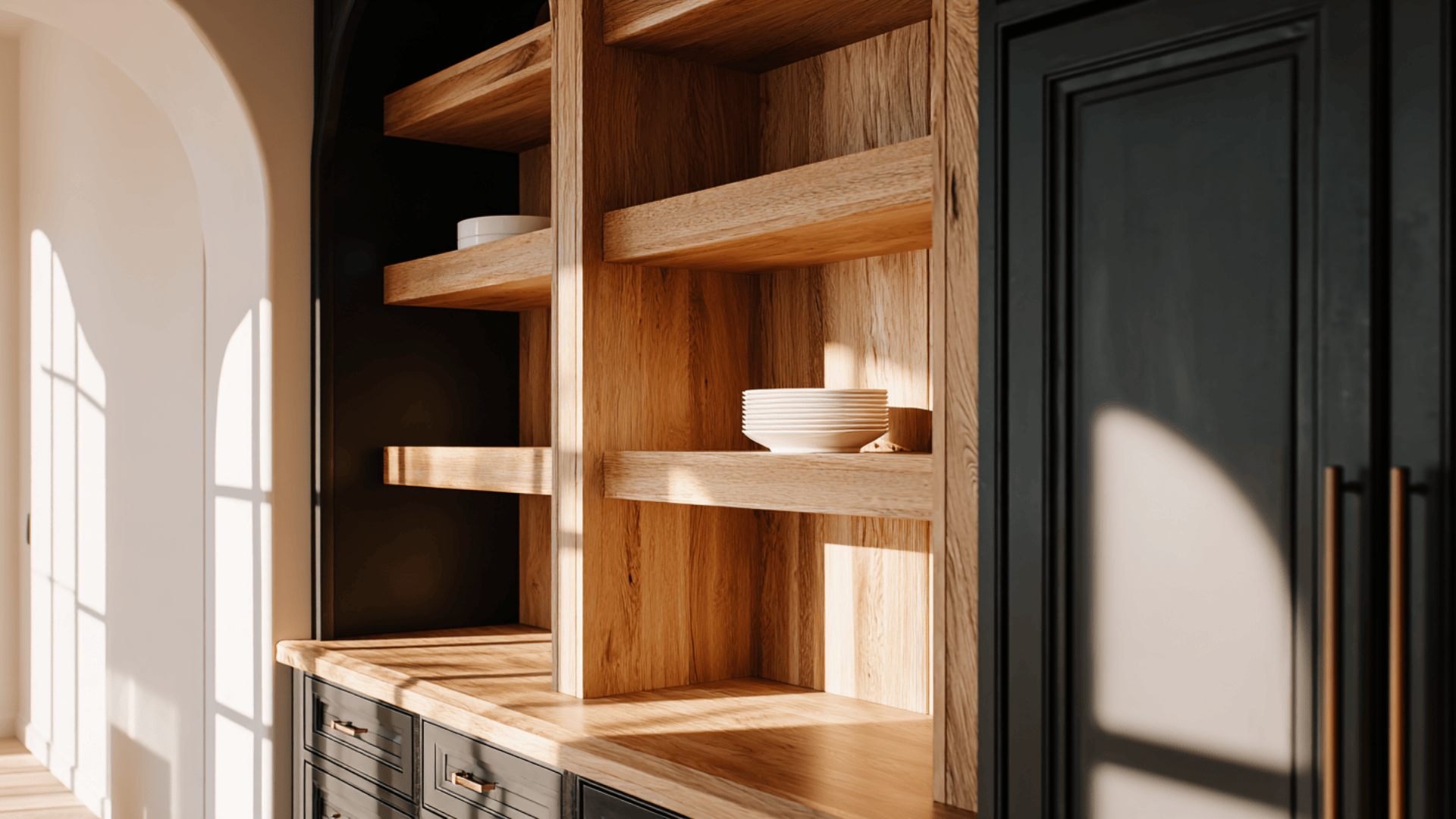
Open wood shelving reduces the visual weight of black cabinets in a small kitchen. The wood adds warmth and breaks up solid cabinet runs. This option works best when shelves are kept simple and uncluttered to avoid making the space feel busy.
17. Black Pantry Cabinets as A Statement Feature
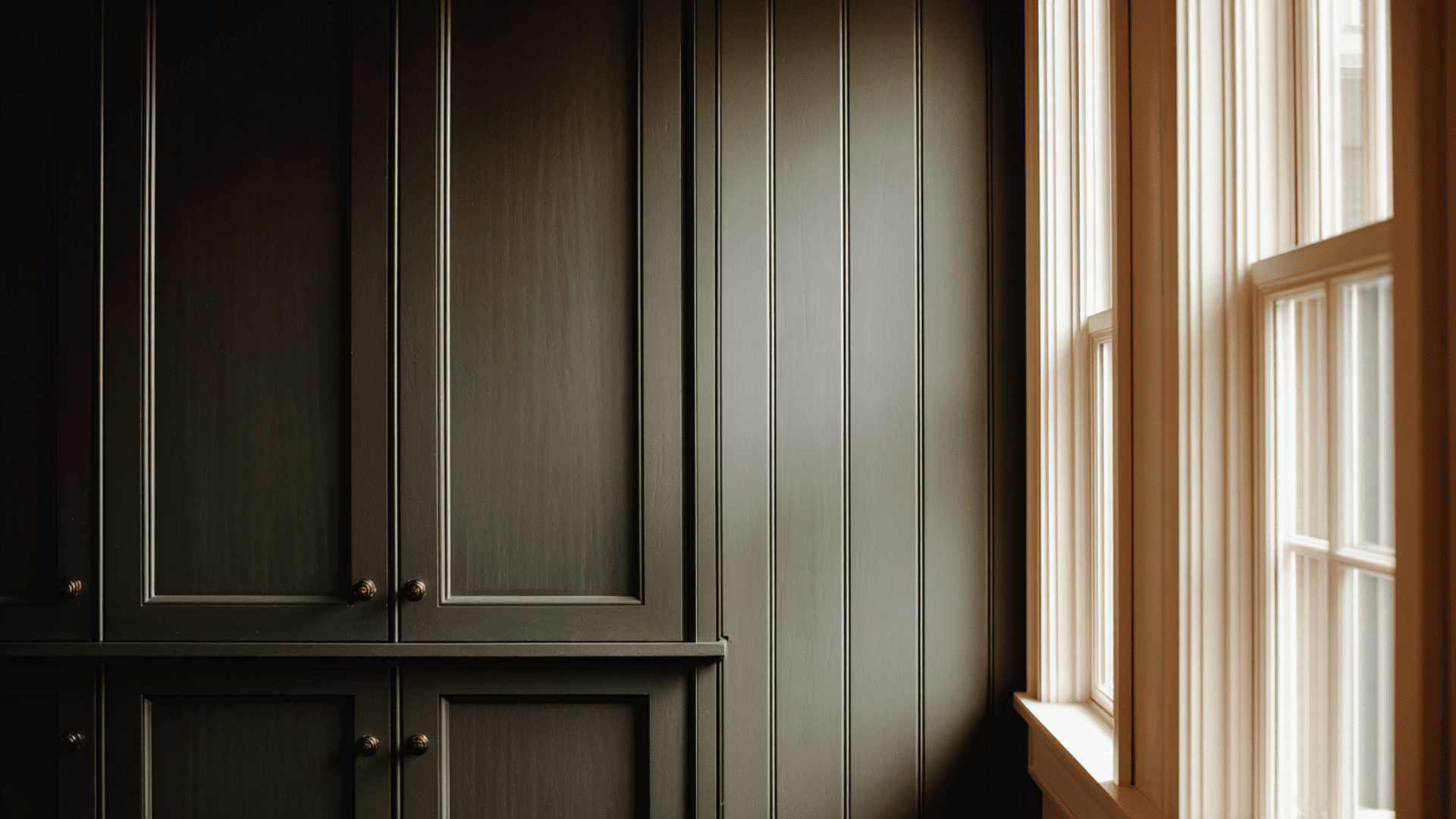
Using black cabinets only for the pantry creates impact without overwhelming the kitchen. This keeps darker cabinetry limited to one area while the rest of the space stays light. It works well in small kitchens that still need tall storage.
18. Black Island Cabinets with Light Perimeter Cabinets
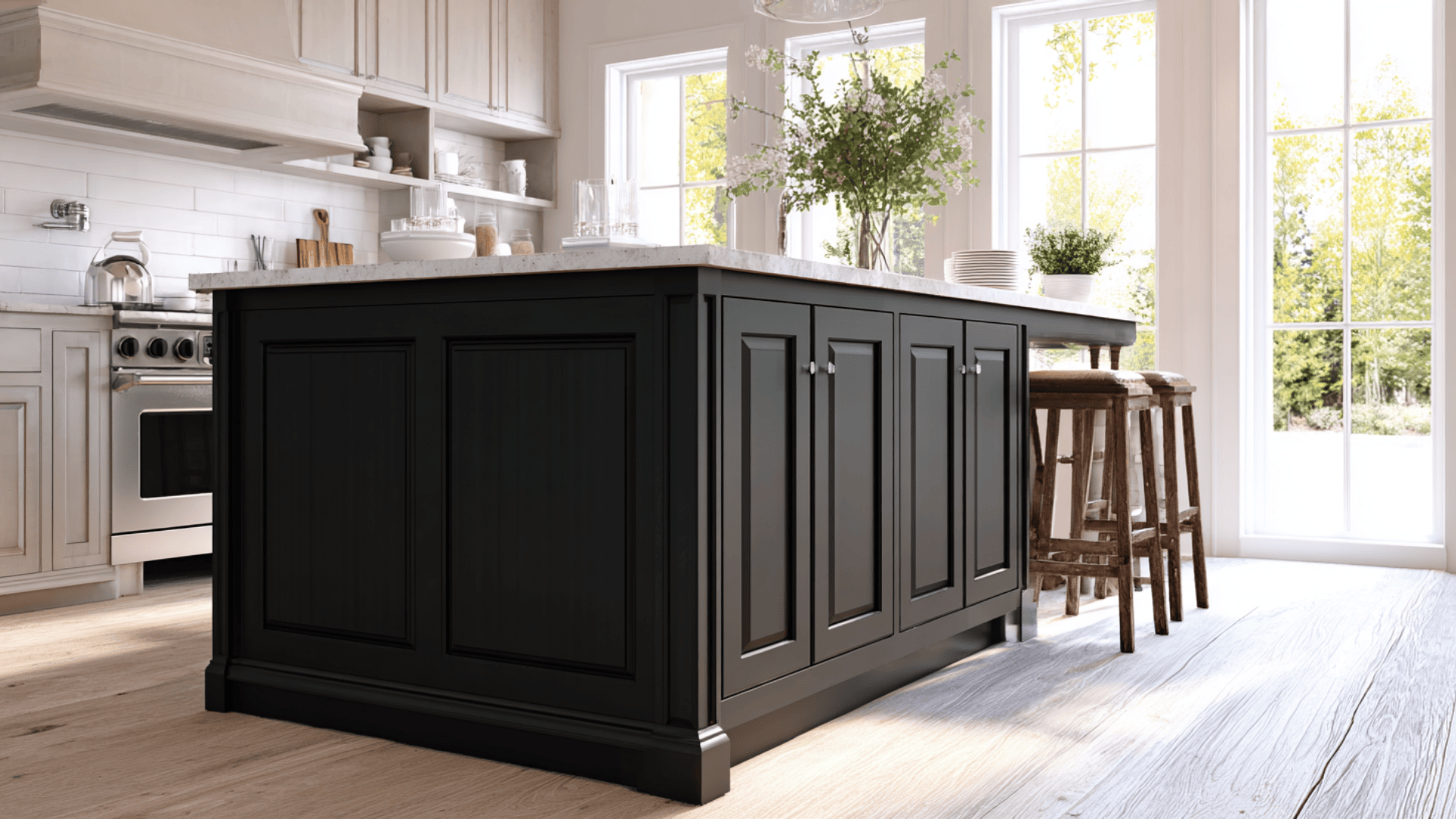
A black island adds contrast without surrounding the entire kitchen in dark cabinetry. Light-colored perimeter cabinets help reflect light and keep the room feeling open. This layout works best when the island is clearly defined and not oversized.
19. Black Cabinets Used Sparingly in A Small Farmhouse Kitchen
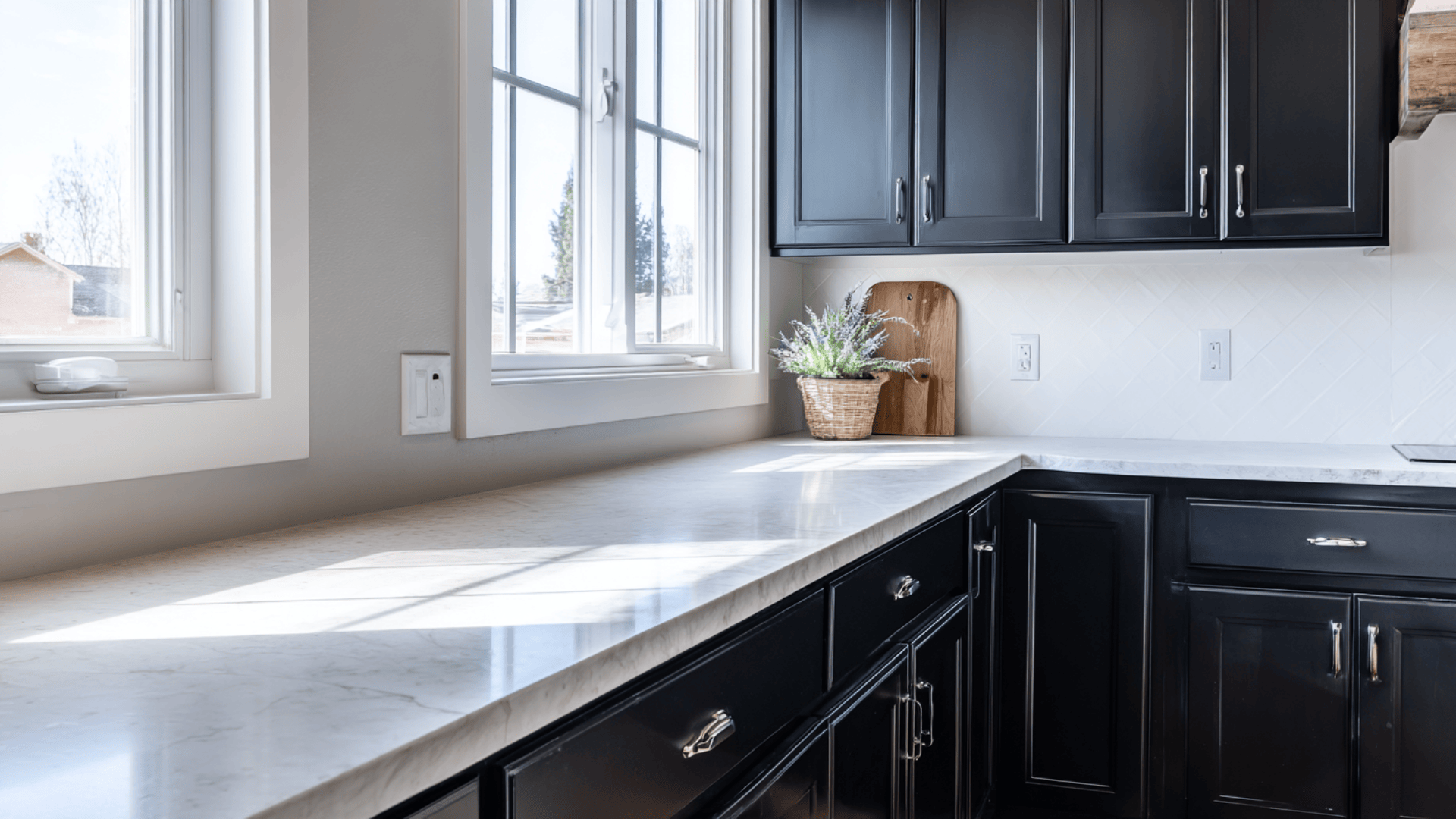
In very small kitchens, black cabinets work best when used in limited areas. Mixing black with light walls, bright countertops, and strong lighting helps maintain balance.
This approach allows for contrast without sacrificing openness or comfort.
Lighting Tips for Black Farmhouse Kitchens
Lighting plays a big role in how black cabinets look and feel in a farmhouse kitchen. Dark finishes absorb light, so the right lighting choices help the space stay open, warm, and easy to use throughout the day.
- Maximize natural light where possible: Large windows, clear glass doors, or even uncovered transoms help daylight soften the look of black cabinets and keep the kitchen from feeling heavy.
- Use under-cabinet lighting on all work surfaces: These lights reduce shadows on countertops and make black cabinets more practical for daily cooking and prep.
- Choose warm light bulbs over cool tones: Warm bulbs help black cabinets feel inviting and prevent the kitchen from looking stark or cold.
- Layer lighting instead of relying on one fixture: A mix of ceiling lights, pendants, and task lighting creates even brightness throughout the space.
- Highlight key areas instead of flooding the room: Focus light on islands, sinks, and cooking zones so black cabinets feel intentional rather than overwhelming.
Good lighting allows black farmhouse cabinets to stand out for the right reasons. When light is planned carefully, the kitchen feels balanced, functional, and comfortable instead of dark or closed in.
Common Mistakes to Avoid
- Using too much black throughout the entire kitchen can make the space feel heavy and closed in, especially when there is limited natural light or not enough contrast from other finishes.
- Relying on cold or harsh lighting causes black cabinets to look flat and uninviting, making the kitchen feel uncomfortable and less welcoming instead of warm and practical.
- Choosing busy or highly patterned backsplashes competes visually with black cabinets and farmhouse elements, creating a cluttered look that distracts from the overall design.
- Using glossy cabinet finishes in rustic farmhouse spaces often feels out of place, as the shine clashes with natural textures and removes the relaxed, lived-in farmhouse feel.
With the right balance of light, texture, and contrast, the kitchen feels comfortable, functional, and true to farmhouse style.
Wrapping Up
Choosing black cabinets for a farmhouse kitchen comes down to thoughtful planning, not trends alone.
When space, lighting, and materials are considered together, farmhouse black kitchen cabinets can feel grounded, warm, and practical for daily life.
The right mix of contrast, texture, and restraint keeps the kitchen comfortable instead of overwhelming. Small details often matter more than bold choices, and avoiding common missteps makes a noticeable difference over time.
If you’re considering black cabinets, take a step back, assess your space honestly, and plan with intention. Start by reviewing your layout and lighting, then choose finishes that support how you actually use your kitchen.