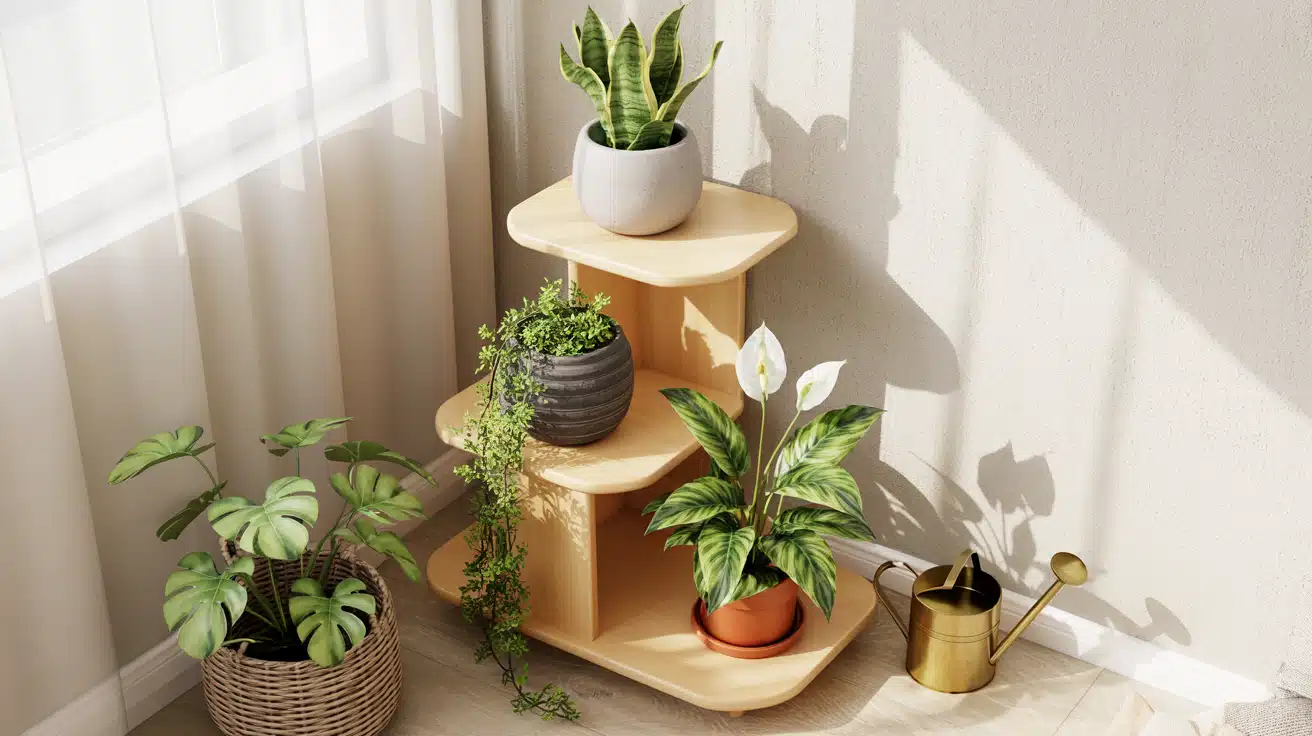
Walk into any home improvement store, and you’ll find dozens of house plants staring back at you. Some have glossy leaves. Others trail like vines. A few look like they belong in a desert.
But which one survives in your apartment with your schedule? That’s the real question. Most people kill their first three plants before figuring out what actually works.
This guide breaks down reliable indoor plants with honest care details, shows you how to match plants to your light conditions, and helps you avoid the most common mistakes that kill house plants.
No fluff, just practical info you can use today.
What Are Common House Plants?
Common house plants are indoor plants that thrive in typical home conditions without special equipment or expert care.
These plants earn the “common” label because they adapt well to average room temperatures, tolerate irregular watering, and survive in various light levels found inside homes. You can find them at most garden centers and big box stores year-round.
Their widespread availability and forgiving nature make them perfect starting points for anyone who wants to bring greenery indoors.
Why Common House Plants Are So Popular
House plants have become must-have items in modern homes, and for good reason. Let’s look at what makes them so appealing to millions of plant owners.
- Benefits people care about: House plants clean indoor air, reduce stress levels, and create a calming atmosphere that makes any room feel more alive and inviting.
- Improving indoor spaces: Even a single plant on a shelf or desk transforms blank corners into focal points and adds natural color that softens hard furniture lines.
- Low maintenance options: Many popular varieties need water only once a week or less, making them ideal for busy schedules or people who travel frequently.
- Beginner-friendly growth habits: These plants bounce back from mistakes like missed waterings or wrong light placement, so new plant owners can learn without killing expensive specimens.
- Wide variety of leaf shapes and sizes: You can choose from trailing vines, upright stalks, broad leaves, or compact rosettes to match any room size or decorating style.
They offer real benefits without demanding much in return. From air quality improvements to stress reduction, these green companions earn their spot on your shelf.
List of Common House Plants With Care Details
Each plant listing includes its scientific name, expected size, and specific care requirements to help you choose the right match. Here are reliable house plants that work well in most indoor spaces.
1. Snake Plant
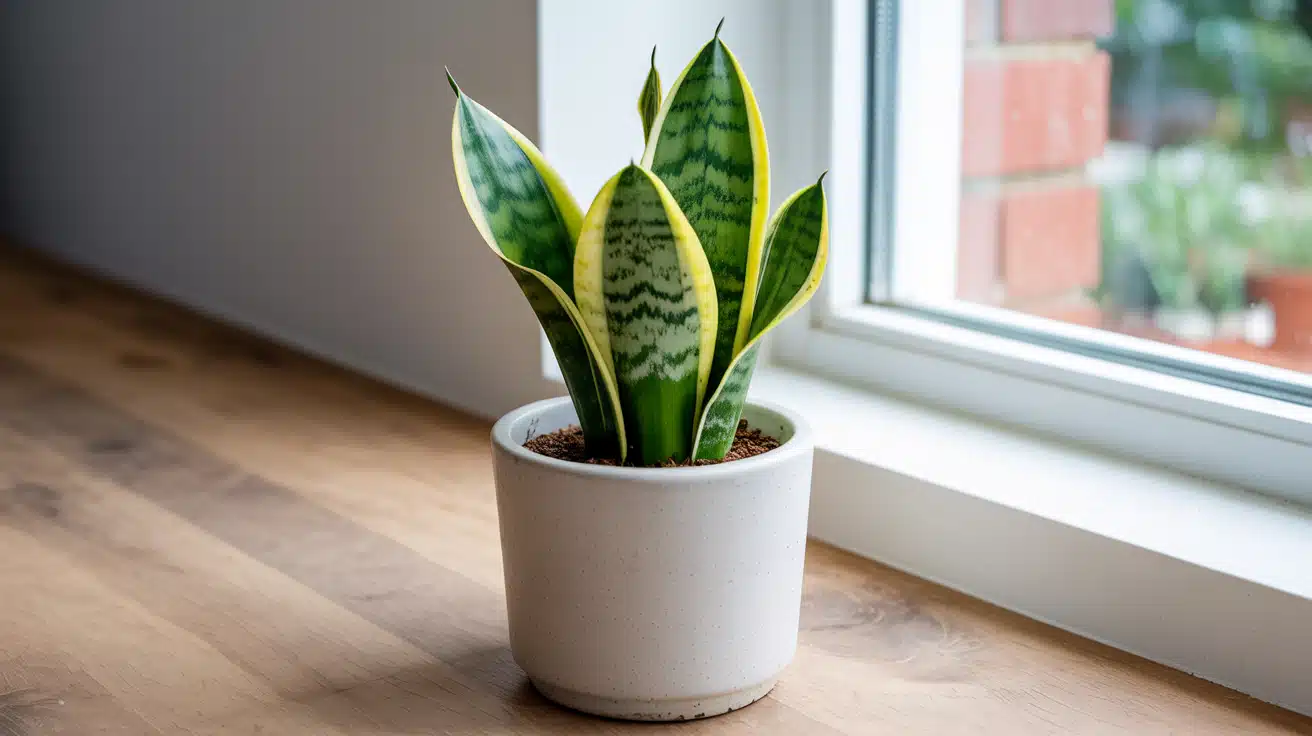
The snake plant stands upright with stiff, sword-shaped leaves that add height to any corner. It survives neglect better than almost any other indoor plant. This is often the first plant people buy because it tolerates low light and infrequent watering.
- Botanical Name: Sansevieria trifasciata
- Typical Indoor Size: 1 to 3 feet tall, depending on variety
- Light Requirement: Low to bright indirect light; adapts to almost any indoor lighting
- Water Requirement: Water every 2 to 3 weeks; soil must dry completely between waterings
- Growth Habit: Grows upright from the base with thick, vertical leaves; spreads slowly through underground rhizomes
Special Care Notes: Extremely tolerant of neglect and irregular care. Avoid overwatering as this causes root rot. Wipe leaves monthly to remove dust and keep them looking fresh.
2. Golden Pothos
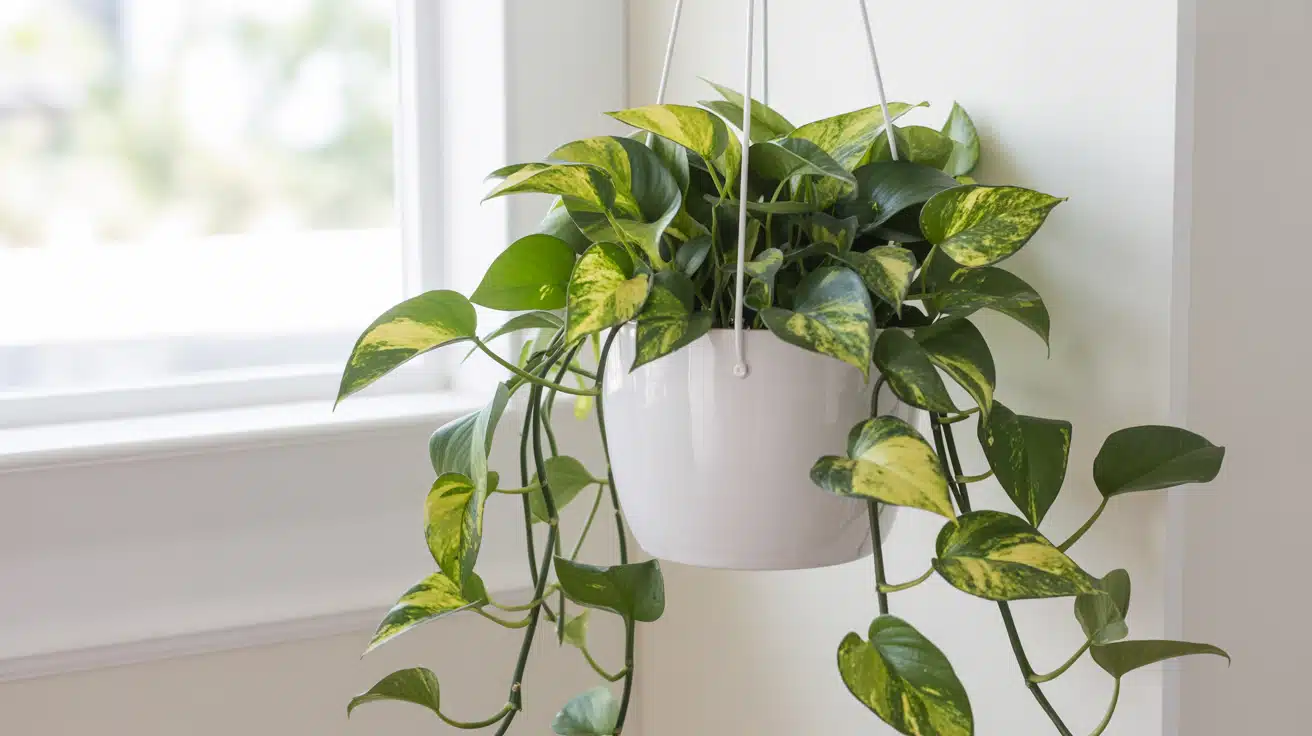
Golden pothos trails beautifully from hanging baskets or climbs up moss poles with minimal effort. The heart-shaped leaves feature yellow variegation that brightens dim rooms. This plant grows fast and forgives almost any care mistake you make.
- Botanical Name: Epipremnum aureum
- Typical Indoor Size: Vines grow 6 to 10 feet long indoors
- Light Requirement: Low to medium indirect light; variegation fades in very low light
- Water Requirement: Water when the top 1 to 2 inches of soil feels dry, usually weekly
- Growth Habit: Trailing vine that can climb or cascade; produces aerial roots along stems
Special Care Notes: Trim long vines to encourage bushier growth. Roots easily in water if you want to propagate new plants. Keep away from pets as it contains calcium oxalate crystals.
3. Spider Plant
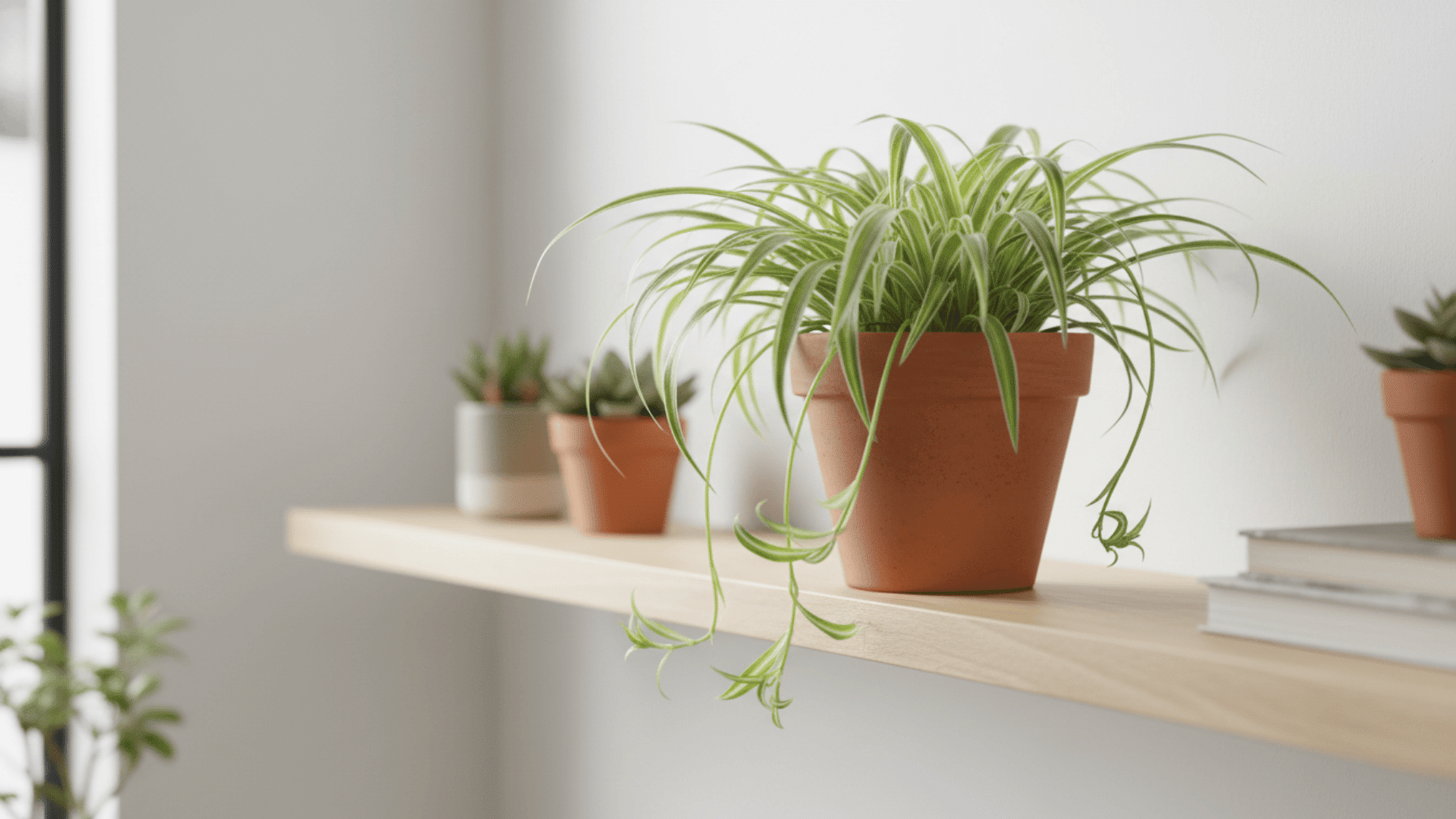
Spider plants produce long, arching leaves with cream or white stripes down the center. They send out runners with baby plantlets that dangle like spiders on webs. These babies make propagation simple and fun for beginners.
- Botanical Name: Chlorophytum comosum
- Typical Indoor Size: 12 to 18 inches tall and wide
- Light Requirement: Bright indirect light produces the most babies; tolerates medium light
- Water Requirement: Water when the top inch of soil dries; prefers consistent moisture without soggy soil
- Growth Habit: Grows in rosette form with arching leaves; produces hanging runners with baby plants
Special Care Notes: Brown leaf tips indicate water quality issues or low humidity. Safe around pets and children. Remove dead leaves at the base to maintain appearance.
4. Peace Lily
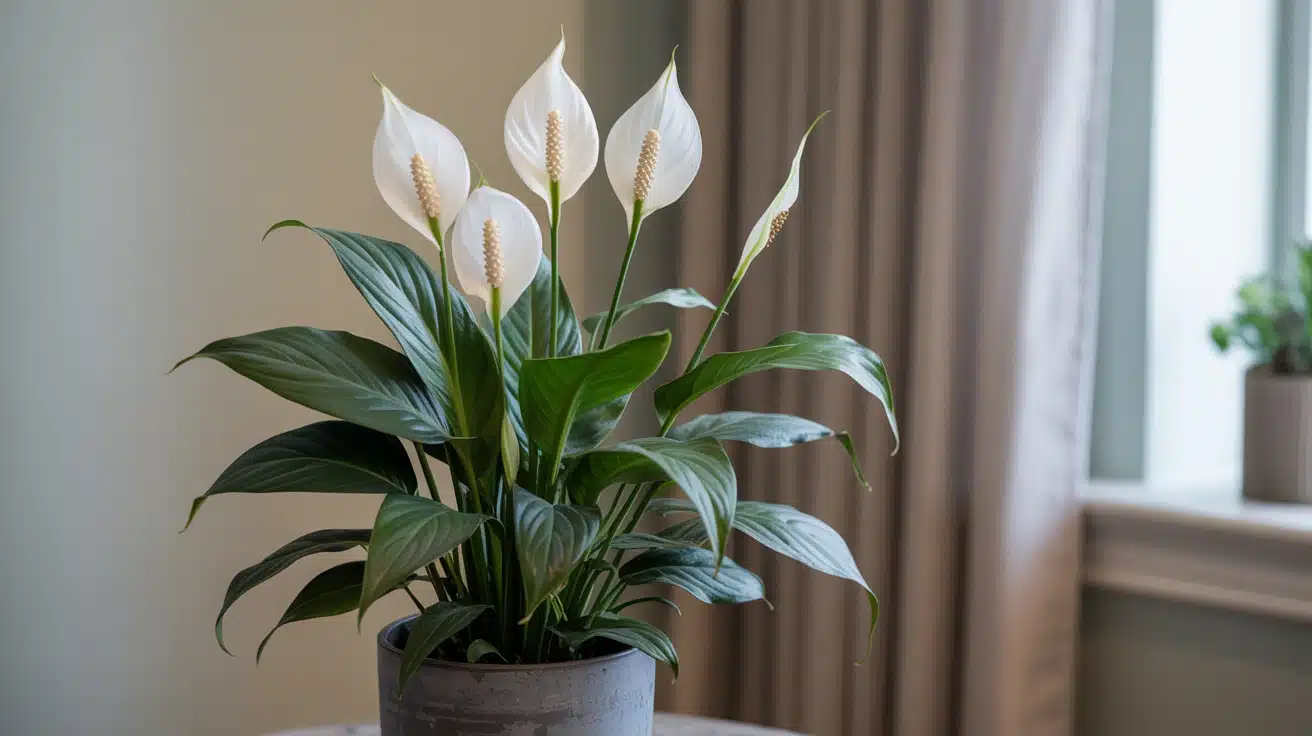
Peace lilies produce elegant white flowers that look like curved petals surrounding a central spike. The glossy green leaves droop noticeably when the plant needs water, then perk up within hours of watering. This built-in indicator makes care timing obvious.
- Botanical Name: Spathiphyllum wallisii
- Typical Indoor Size: 1 to 3 feet tall and wide
- Light Requirement: Low to medium indirect light; never direct sun, which burns leaves
- Water Requirement: Water when leaves begin to droop slightly; usually once per week
- Flowering Information: Produces white spathes (modified leaves) that bloom throughout the year in proper conditions
Special Care Notes: Sensitive to chlorine and fluoride in tap water; use filtered or distilled water if leaf tips brown. Toxic to pets if ingested. Wipe leaves regularly to prevent dust buildup.
5. ZZ Plant
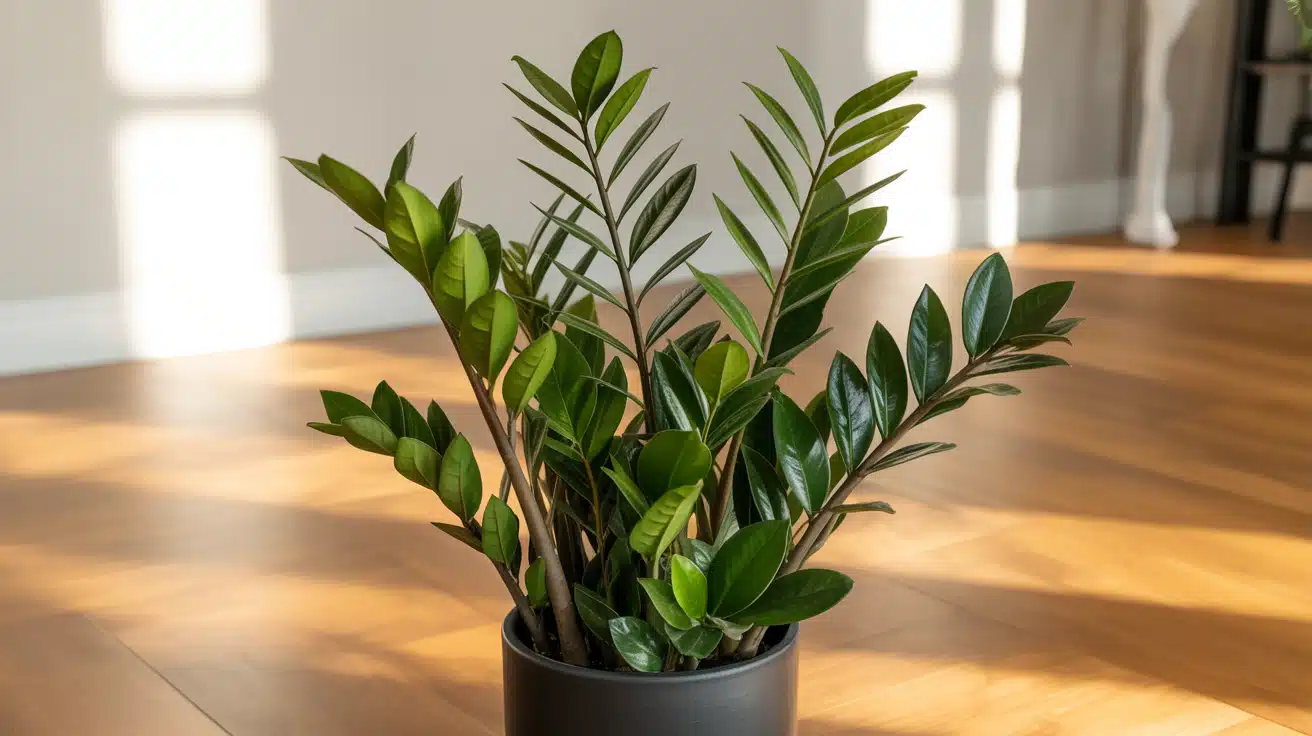
The ZZ plant features thick, waxy leaves that grow on upright stems from underground rhizomes. It stores water in those rhizomes and dense leaves, making it one of the most drought-tolerant options. The glossy foliage reflects light and adds shine to dark corners.
- Botanical Name: Zamioculcas zamiifolia
- Typical Indoor Size: 2 to 3 feet tall and wide
- Light Requirement: Low to bright indirect light; extremely adaptable
- Water Requirement: Water every 2 to 3 weeks; prefers underwatering to overwatering
- Growth Habit: Grows upright with thick stems; spreads slowly from underground tubers
Special Care Notes: One of the most low-maintenance plants available. Yellow leaves usually indicate overwatering. Can go a month without water if needed. Keep away from pets.
6. Aloe Vera
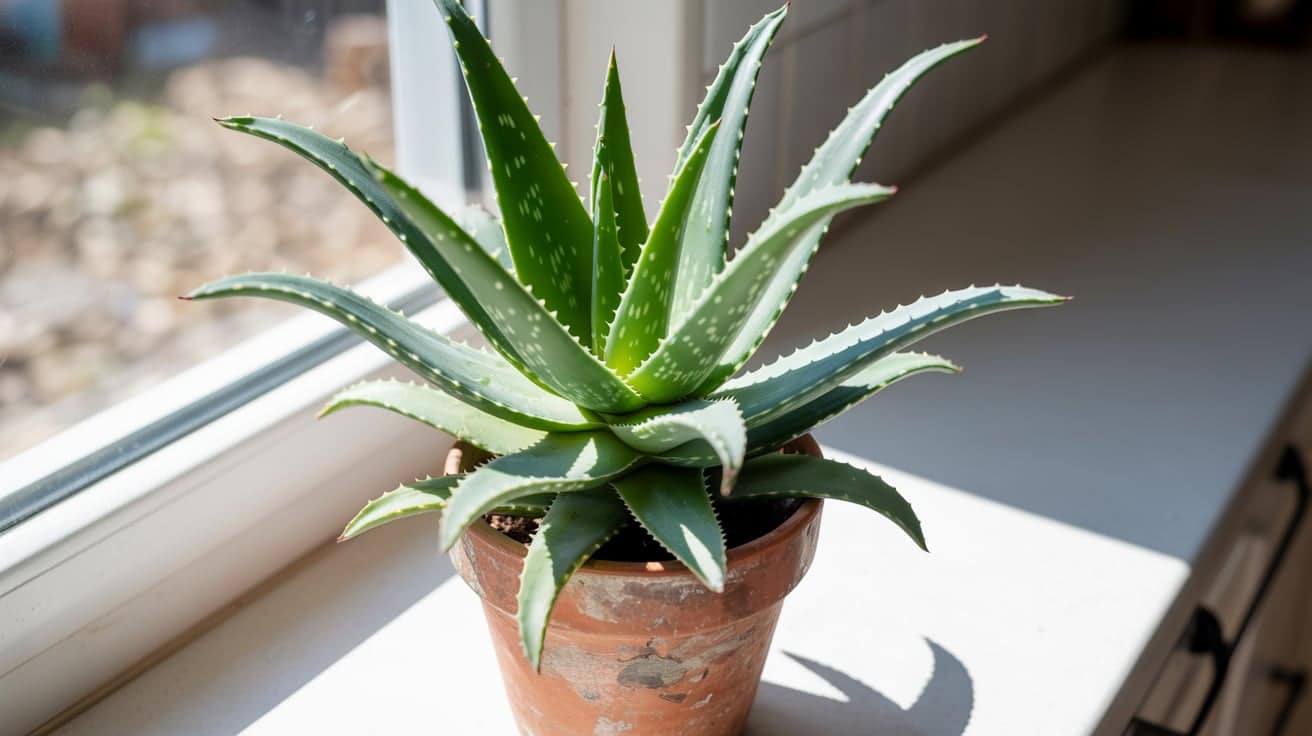
Aloe vera grows in thick, spiky rosettes filled with clear gel that soothes burns and skin irritations. The succulent leaves store water for long periods between drinks. Many people keep this plant in their kitchens for easy access to the healing gel.
- Botanical Name: Aloe barbadensis Miller
- Typical Indoor Size: 12 to 24 inches tall and wide
- Light Requirement: Bright indirect to direct light; needs several hours of light daily
- Water Requirement: Water deeply every 2 to 3 weeks; let soil dry completely between waterings
- Growth Habit: Forms rosettes of thick, upright leaves; produces offsets (pups) around the base
Special Care Notes: Plant in a cactus or succulent mix for proper drainage. Brown or soft leaves indicate overwatering. Can be moved outdoors in warm weather.
7. Rubber Plant
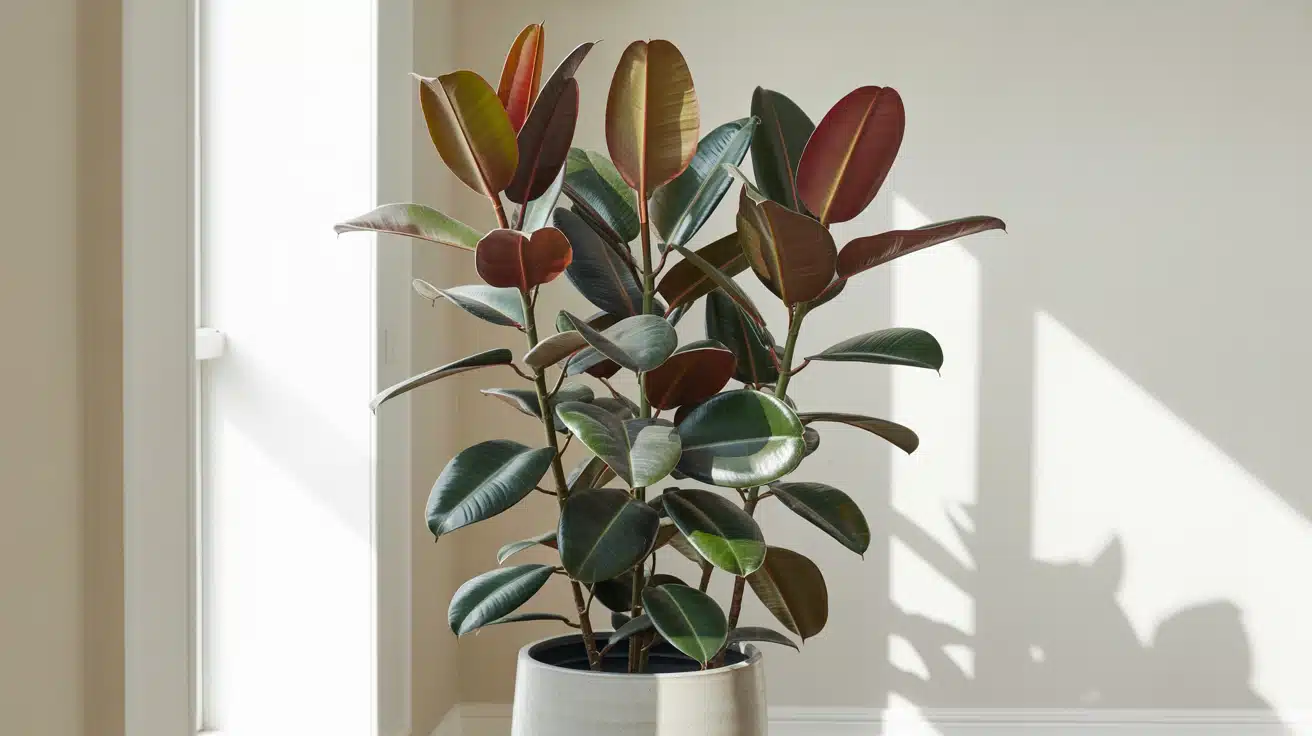
Rubber plants feature large, glossy leaves that can grow 8 inches long on indoor specimens. The thick leaves come in dark green or burgundy varieties that make bold statements. Young plants stay compact, but mature specimens can reach ceiling height.
- Botanical Name: Ficus elastica
- Typical Indoor Size: 3 to 6 feet tall indoors with pruning
- Light Requirement: Bright indirect light; some varieties tolerate medium light
- Water Requirement: Water when the top 2 inches of soil dry out, usually weekly
- Growth Habit: Grows as a single trunk or branches if pruned; adds height quickly
Special Care Notes: Wipe leaves monthly to maintain shine and remove dust. Contains white sap that can irritate skin. Prune to control height and encourage branching.
8. Jade Plant
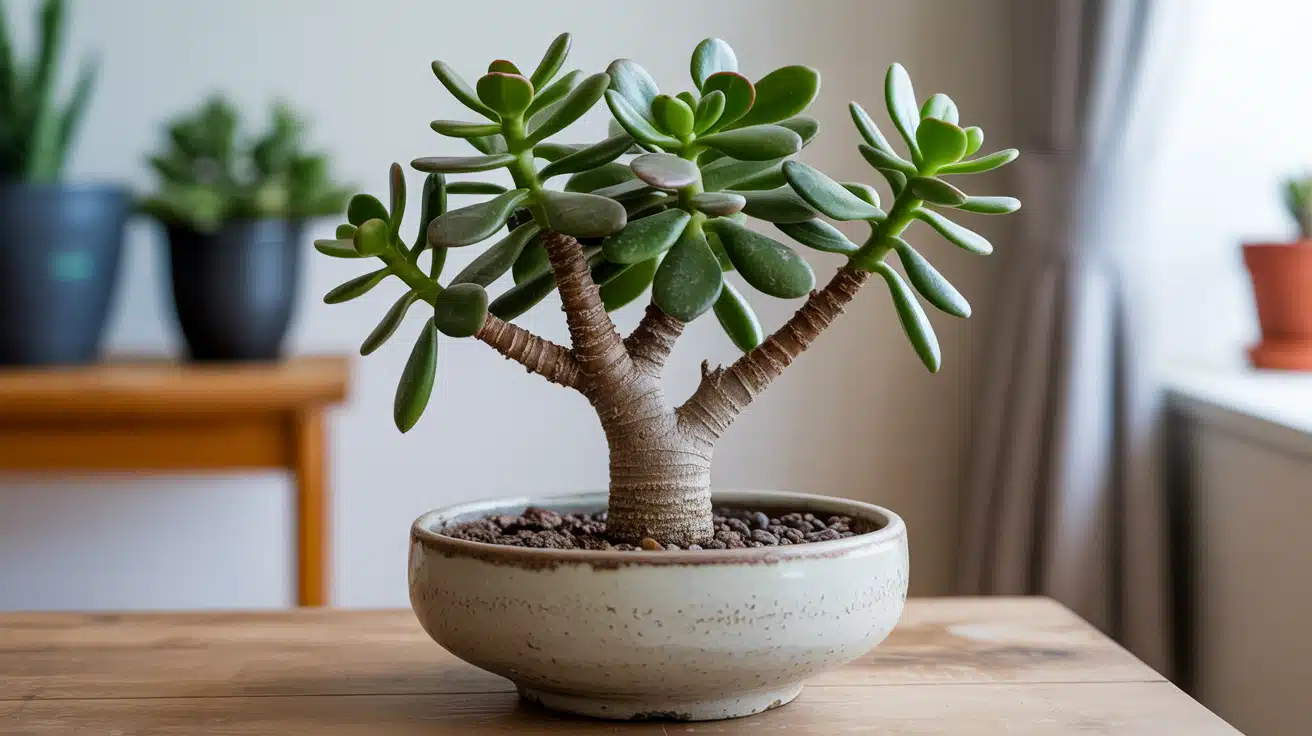
Jade plants have thick, oval leaves on woody stems that resemble miniature trees. The succulent leaves store water efficiently for this slow-growing beauty. With age and proper care, jade plants can live for decades and become family heirlooms.
- Botanical Name: Crassula ovata
- Typical Indoor Size: 1 to 3 feet tall and wide
- Light Requirement: Bright light with some direct sun for best growth and leaf color
- Water Requirement: Water every 2 to 3 weeks; allow soil to dry between waterings
- Growth Habit: Develops thick trunk and branches like a miniature tree; grows very slowly
Special Care Notes: Leaves that wrinkle or shrivel indicate underwatering. Avoid cold drafts and sudden temperature changes. It can be pruned into bonsai shapes.
9. Heartleaf Philodendron
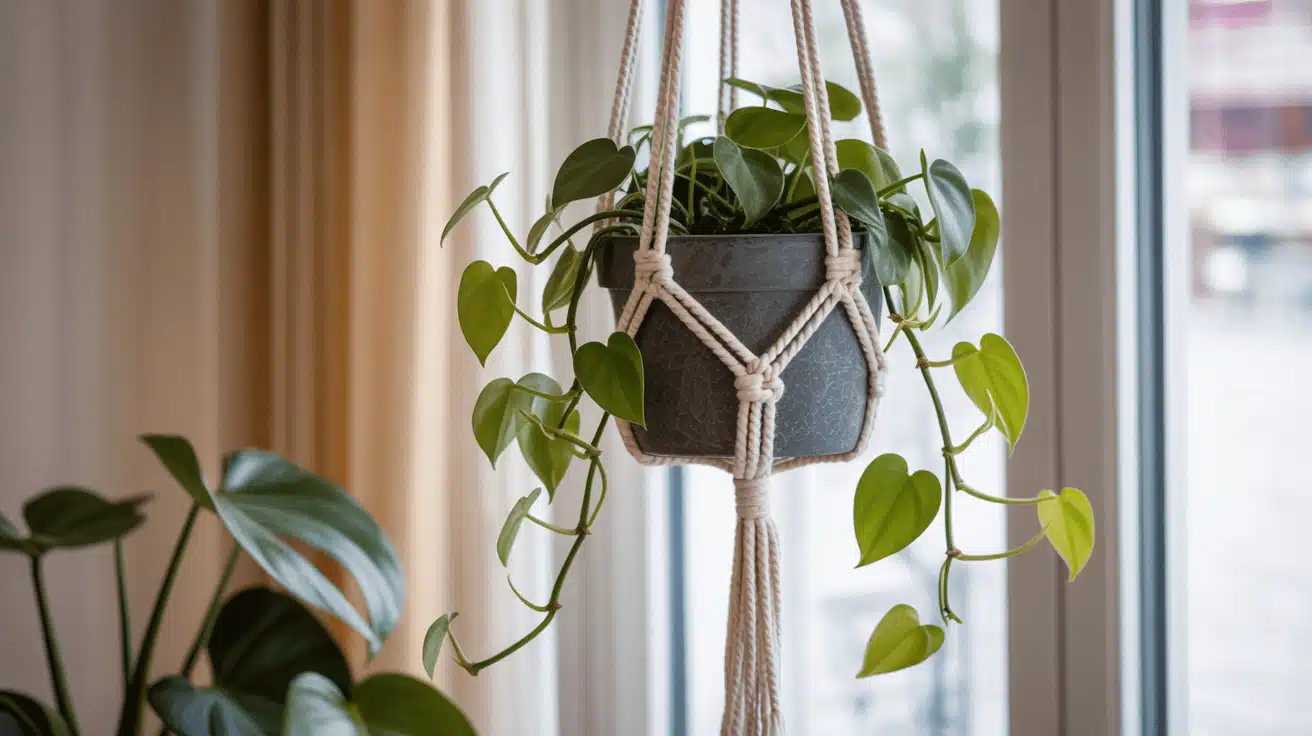
The heartleaf philodendron produces small, heart-shaped leaves on long, trailing vines that look great in hanging baskets. It grows quickly and tolerates a wide range of conditions without complaint. This classic house plant has been popular since the 1950s.
- Botanical Name: Philodendron hederaceum
- Typical Indoor Size: Vines reach 4 to 6 feet long indoors
- Light Requirement: Low to medium indirect light; very shade-tolerant
- Water Requirement: Water when the top inch of soil dries, usually every 5 to 7 days
- Growth Habit: Trailing or climbing vine with aerial roots; can be trained on supports
Special Care Notes: Trim leggy vines to promote fuller growth near the base. Roots easily in water for propagation. Toxic to pets if eaten.
10. Monstera
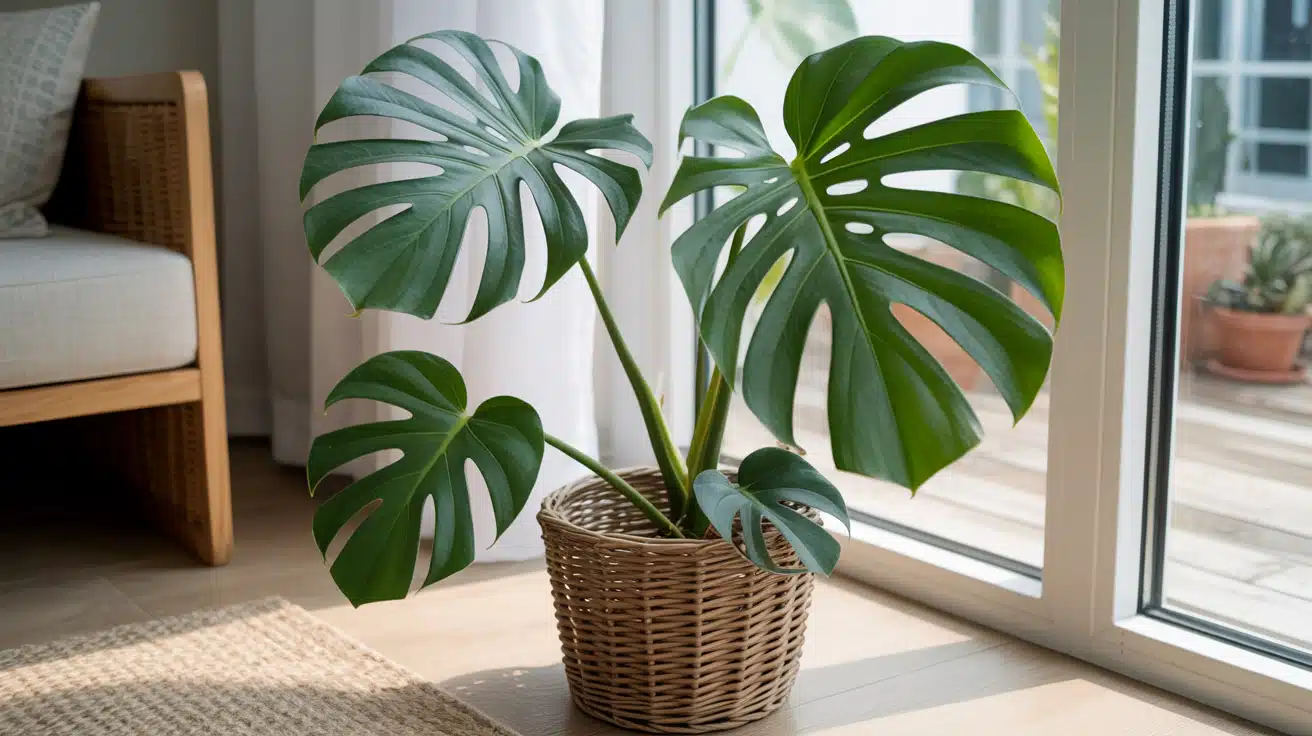
Monstera develops distinctive split leaves with natural holes that give it the nickname Swiss cheese plant. Young plants start with solid leaves that develop splits as they mature. This tropical favorite adds bold texture to any room.
- Botanical Name: Monstera deliciosa
- Typical Indoor Size: 3 to 8 feet tall and wide indoors
- Light Requirement: Medium to bright indirect light; never direct sun
- Water Requirement: Water when the top 2 inches of soil dry out, about weekly
- Growth Habit: Grows as a climber in nature; benefits from moss pole or stake support indoors
Special Care Notes: Wipe large leaves regularly to keep them dust-free. Aerial roots can be tucked into soil or left hanging. Toxic to pets if consumed.
11. Chinese Evergreen
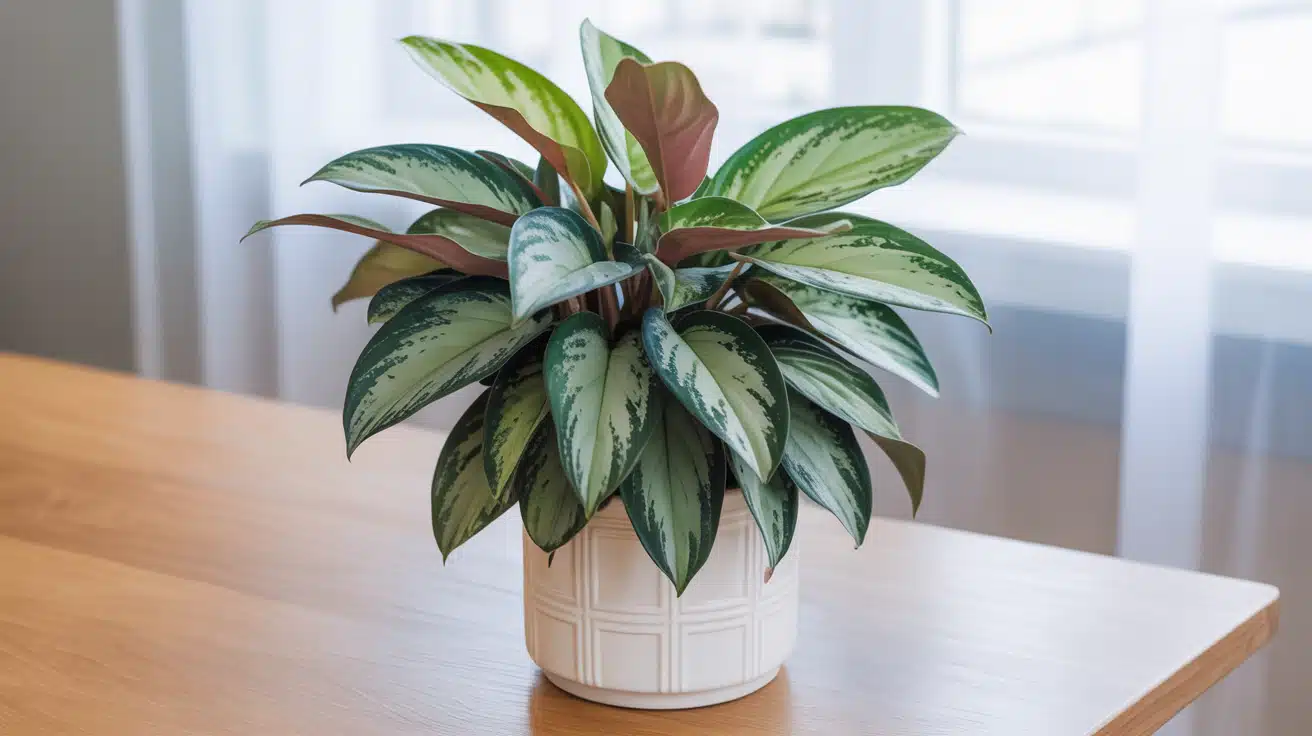
Chinese evergreens feature patterned leaves with combinations of green, silver, pink, or red markings. They tolerate low light better than most variegated plants. The compact growth habit fits well on desks and tabletops.
- Botanical Name: Aglaonema species
- Typical Indoor Size: 1 to 2 feet tall and wide
- Light Requirement: Low to medium indirect light; too much light fades leaf patterns
- Water Requirement: Water when the top inch of soil dries, every 7 to 10 days
- Growth Habit: Grows in clumps with upright stems; stays compact and bushy
Special Care Notes: Prefers warm temperatures above 60°F. Avoid cold drafts and sudden temperature drops. New growth emerges from the center of the plant.
12. Boston Fern
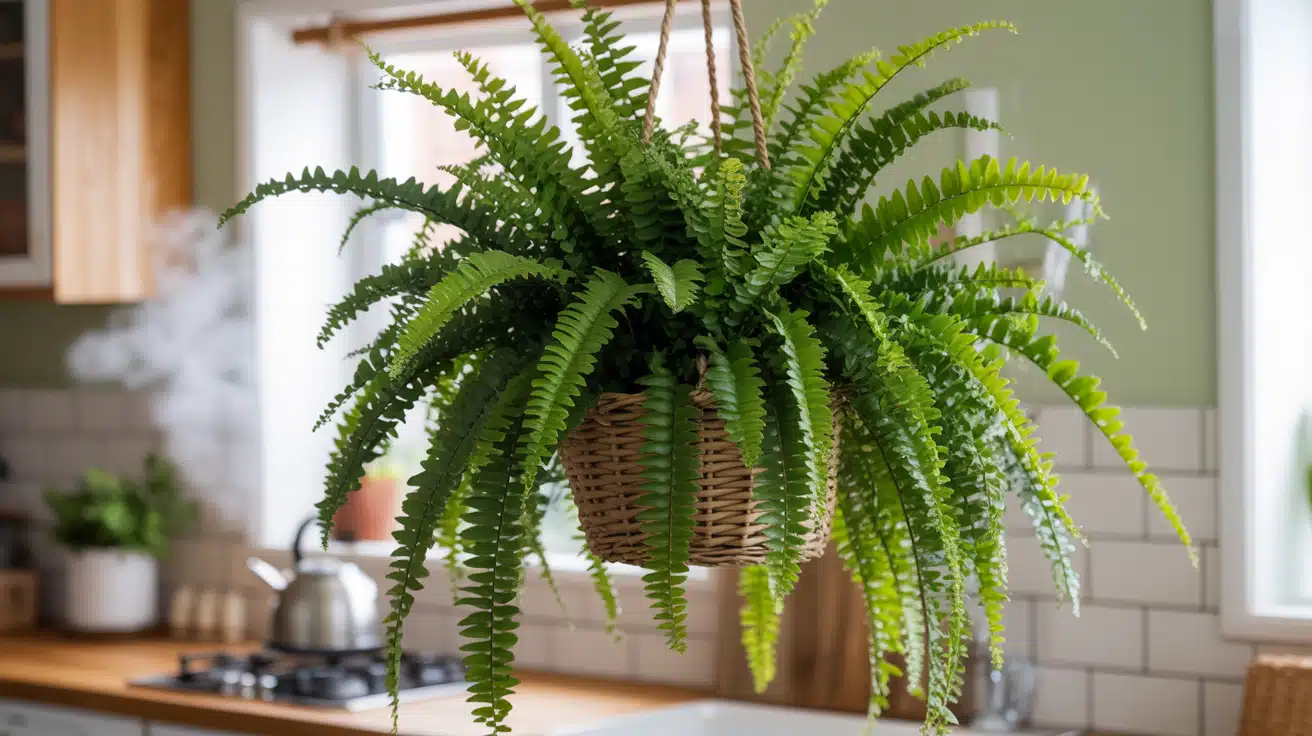
Boston ferns produce lush, feathery fronds that cascade gracefully from hanging baskets or pedestals. The delicate-looking foliage needs more attention than most common house plants. They reward proper care with full, vibrant growth that softens any space.
- Botanical Name: Nephrolepis exaltata
- Typical Indoor Size: 1 to 3 feet tall and wide
- Light Requirement: Bright indirect light; avoid direct sun, which scorches fronds
- Water Requirement: Keep soil consistently moist but not waterlogged; may need water every 2 to 3 days
- Humidity Needs: High humidity is essential; mist daily or use a pebble tray
Special Care Notes: Brown, crispy fronds indicate low humidity or underwatering. Trim dead fronds at the base. Best suited for bathrooms or kitchens with natural moisture.
13. Calathea
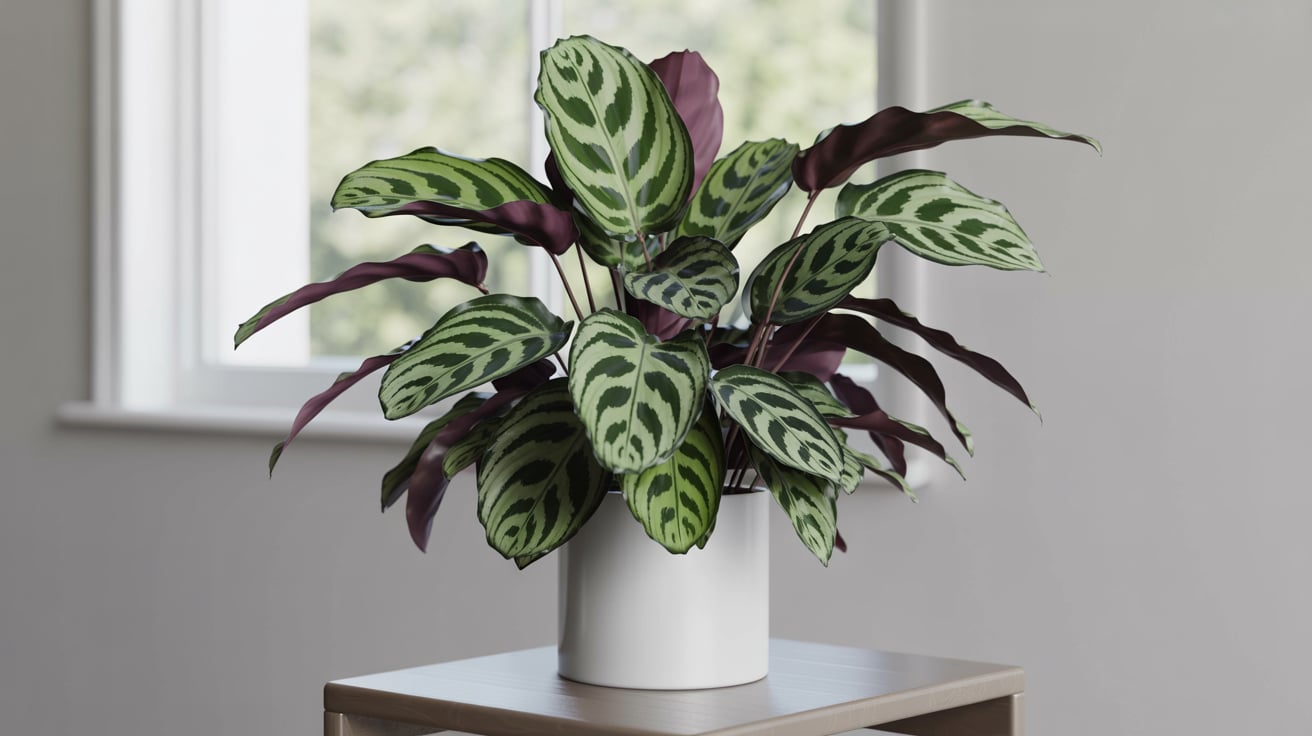
Calatheas display stunning leaf patterns with stripes, spots, or painted designs in shades of green, purple, and pink. The leaves fold up at night and open in the morning, creating daily movement. This prayer plant’s behavior fascinates plant owners.
- Botanical Name: Calathea species
- Typical Indoor Size: 1 to 2 feet tall and wide
- Light Requirement: Medium indirect light; direct sun bleaches leaf patterns
- Water Requirement: Keep soil lightly moist; water when the top half inch dries
- Humidity Needs: High humidity required; mist regularly or use a humidifier
Special Care Notes: Use filtered or distilled water to prevent brown leaf edges. Prefers temperatures above 65°F. Group with other plants to increase local humidity.
14. Dieffenbachia
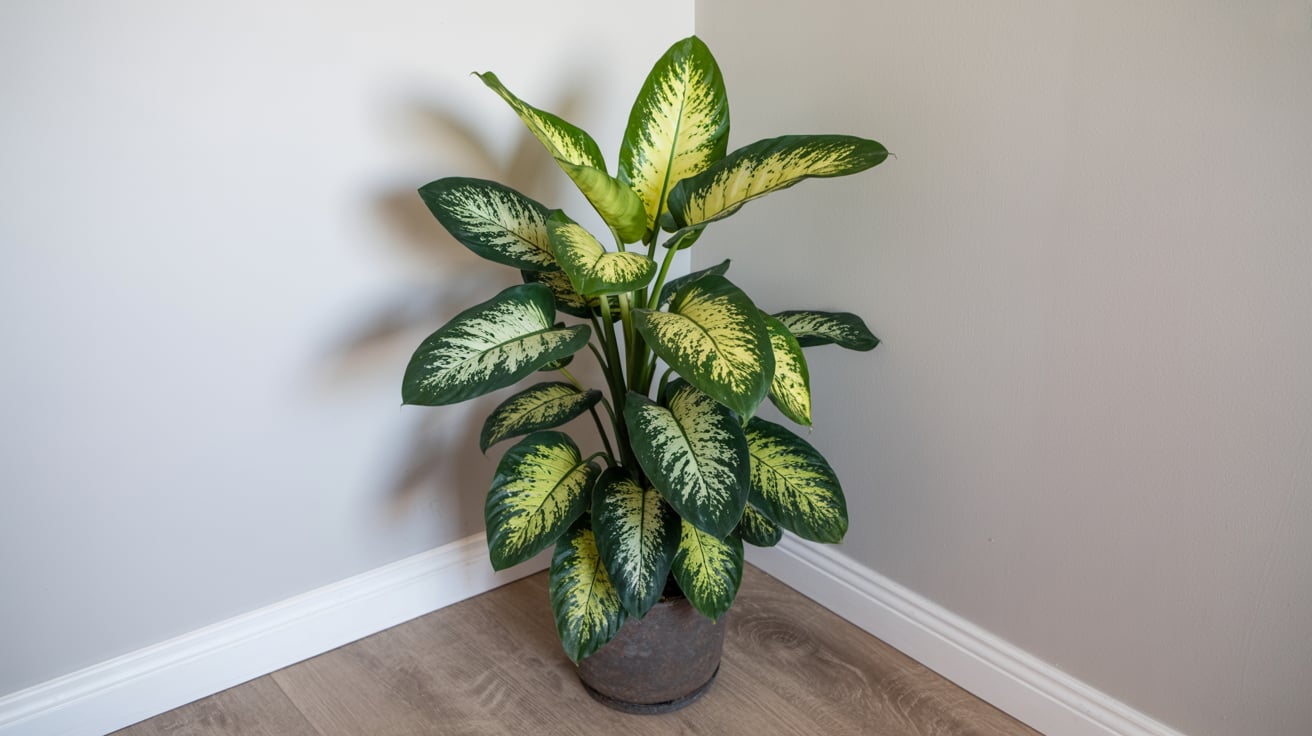
Dieffenbachia produces large, oblong leaves with cream or yellow patterns splashed across green backgrounds. The tall, cane-like stems add tropical flair to corners and entryways. Plants can reach impressive heights with proper care.
- Botanical Name: Dieffenbachia species
- Typical Indoor Size: 2 to 5 feet tall and 1 to 2 feet wide
- Light Requirement: Medium to bright indirect light; low light slows growth
- Water Requirement: Water when the top inch of soil dries, usually weekly
- Growth Habit: Grows upright on thick canes; lower leaves drop naturally as the plant matures
Safety Notes: Highly toxic if ingested; sap causes severe mouth and throat irritation. Keep away from children and pets. Wear gloves when pruning or handling.
15. English Ivy
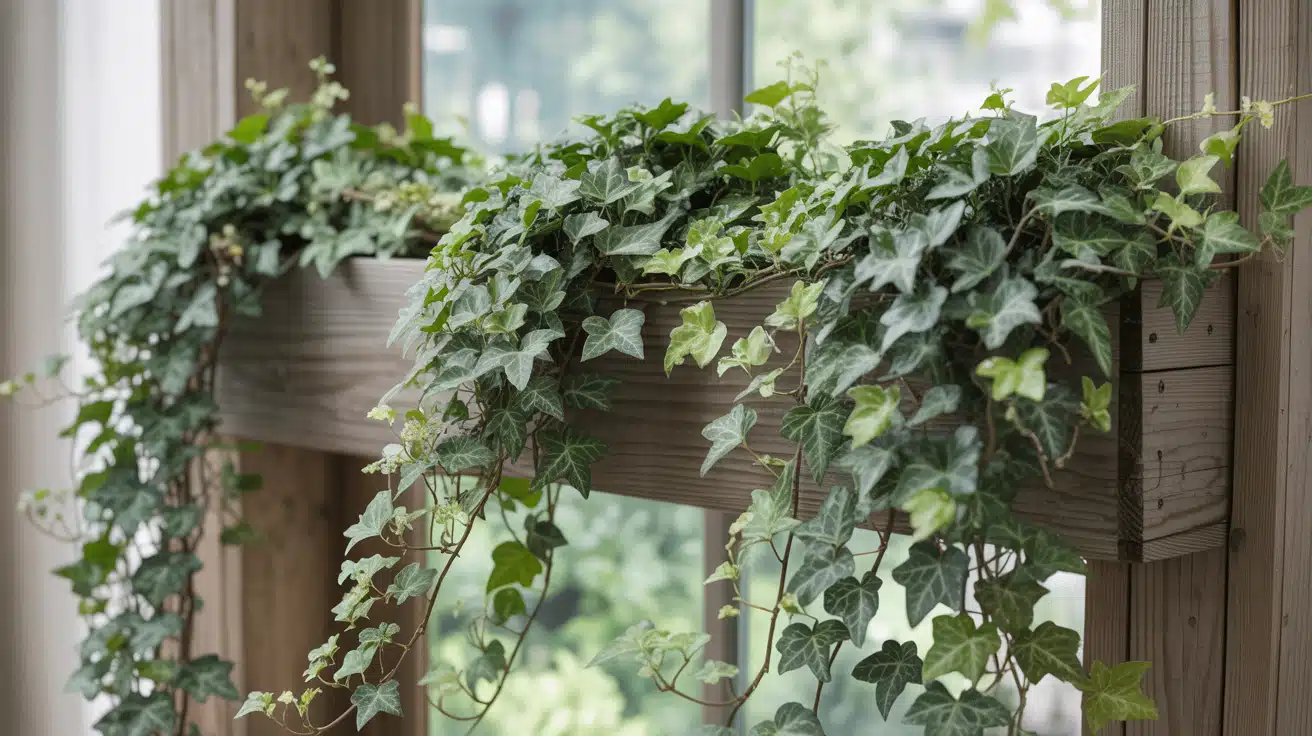
English ivy produces small, lobed leaves on long vines that can trail or climb depending on support. The dense foliage creates full coverage quickly. This versatile plant adapts to various growing styles and locations.
- Botanical Name: Hedera helix
- Typical Indoor Size: Vines reach 6 feet or more indoors
- Light Requirement: Medium to bright indirect light; variegated types need more light
- Water Requirement: Keep soil evenly moist; water when the top inch dries
- Growth Habit: Trailing or climbing vine with aerial roots; clings to rough surfaces
Special Care Notes: Prefers cooler temperatures between 50°F and 70°F. Prone to spider mites in dry conditions; mist regularly. Toxic to pets if eaten.
16. Ponytail Palm
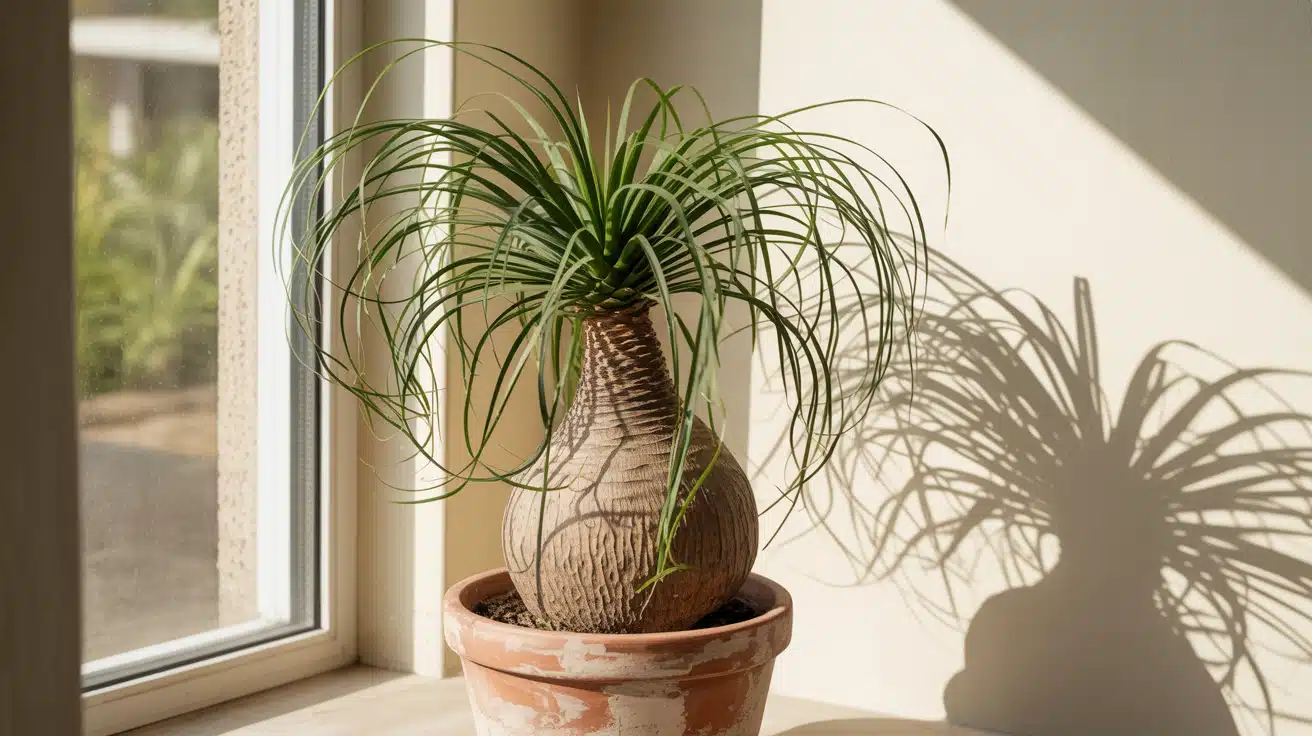
The ponytail palm stores water in its swollen trunk base, creating a unique bottle shape topped with long, thin leaves. Despite its name, this plant is actually a succulent, not a palm. The cascading foliage resembles a ponytail hairstyle.
- Botanical Name: Beaucarnea recurvata
- Typical Indoor Size: 3 to 6 feet tall indoors
- Light Requirement: Bright light with some direct sun; very light-loving
- Water Requirement: Water every 2 to 3 weeks; extremely drought-tolerant
- Growth Habit: Grows slowly with a thick trunk base; leaves cascade from the top
Special Care Notes: Overwatering is the leading killer of this plant. Prefers being pot-bound. It can go a month without water if needed during winter.
17. Anthurium
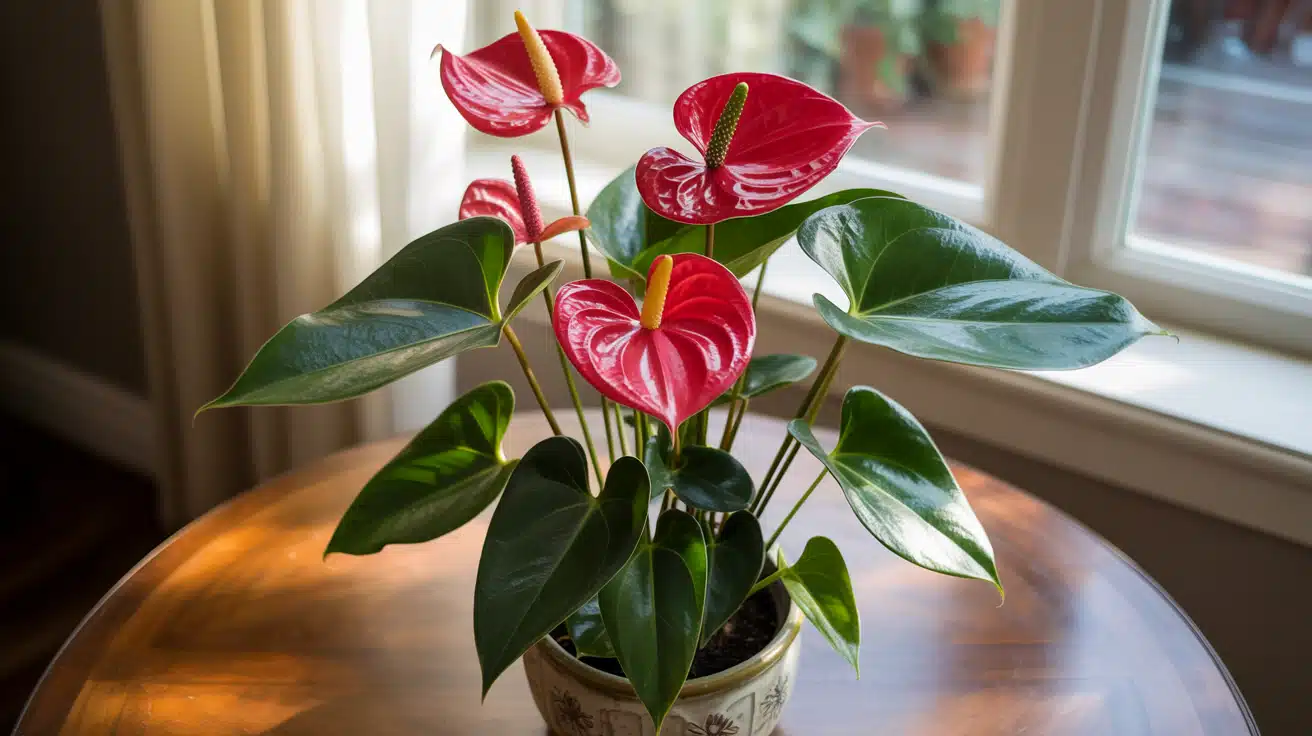
Anthuriums produce shiny, heart-shaped flowers in red, pink, white, or orange that last for weeks. The glossy green leaves complement the bright blooms year-round. This tropical beauty adds color without requiring outdoor garden space.
- Botanical Name: Anthurium andraeanum
- Typical Indoor Size: 1 to 2 feet tall and wide
- Light Requirement: Bright indirect light; blooms best with ample light
- Water Requirement: Water when the top inch of soil dries; keep soil lightly moist
- Flowering Information: Blooms continuously with proper light and care; each flower lasts 6 to 8 weeks
Special Care Notes: Needs high humidity for best blooming. Feed monthly during growing season. Toxic to pets if consumed.
18. Cast Iron Plant
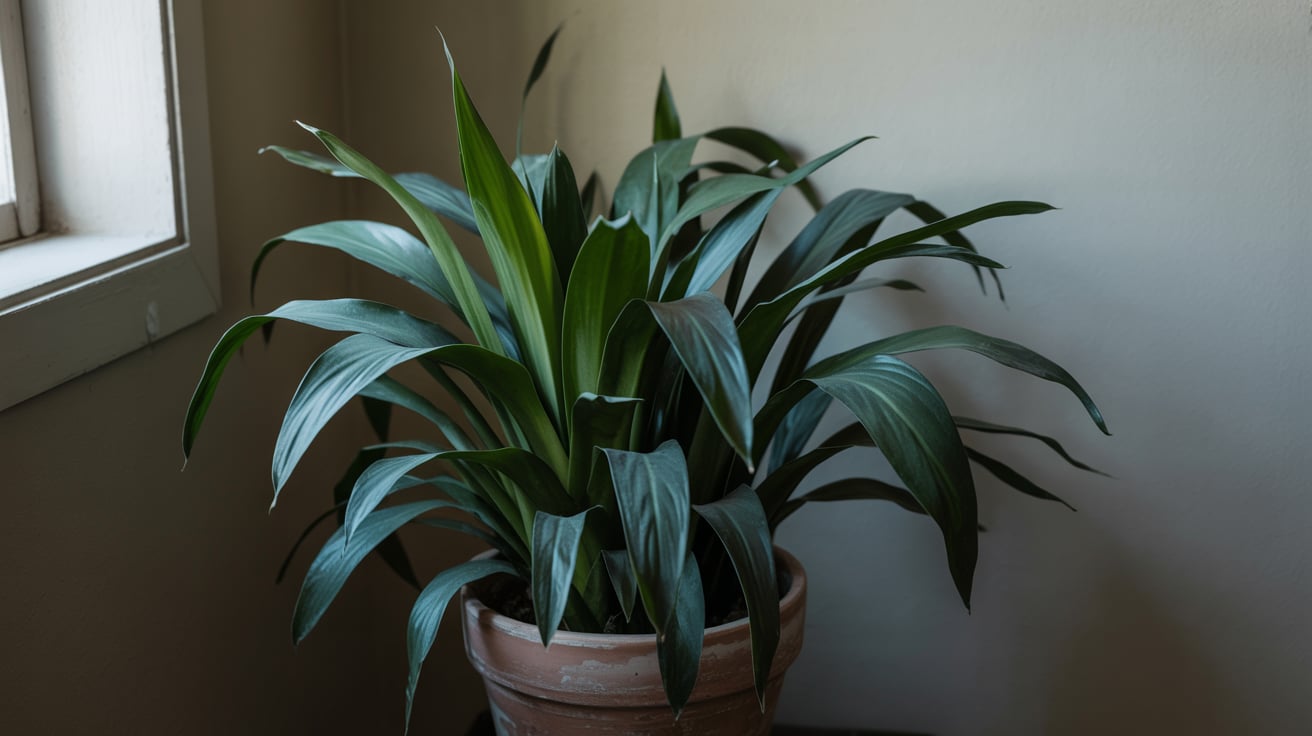
The cast iron plant earns its name by surviving neglect, low light, and temperature fluctuations that kill other plants. Dark green, lance-shaped leaves grow directly from the soil in slow clumps. This is the ultimate plant for beginners or forgetful owners.
- Botanical Name: Aspidistra elatior
- Typical Indoor Size: 2 to 3 feet tall and wide
- Light Requirement: Low to medium light; tolerates very dim conditions
- Water Requirement: Water every 2 weeks; tolerates drought well
- Growth Habit: Grows in clumps from underground rhizomes; spreads slowly
Special Care Notes: One of the most tolerant house plants available. Wipe leaves occasionally to remove dust. Grows slowly, so be patient with new growth.
19. Begonia
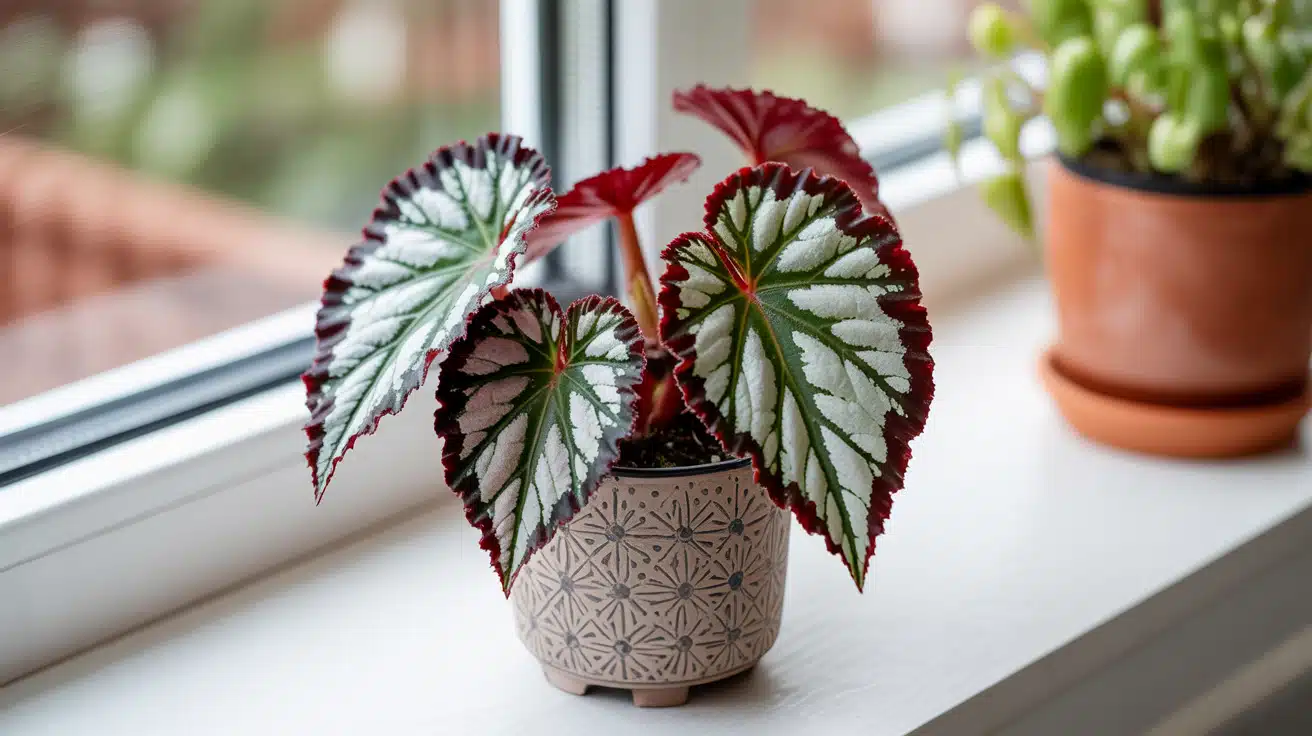
Begonias offer incredible variety with patterned leaves in silver, red, pink, and green combinations or bright flowers in many colors. Different types provide options for foliage lovers or bloom enthusiasts. The compact size fits well in small spaces and grouped displays.
- Botanical Name: Begonia species
- Typical Indoor Size: 6 inches to 2 feet depending on variety
- Light Requirement: Bright indirect light for flowering types; medium light for foliage types
- Water Requirement: Water when the top inch of soil dries; avoid wetting leaves
- Flowering Information: Rex begonias are grown for foliage; other types bloom continuously with proper care
Special Care Notes: Prefers humidity above 50%. Avoid cold drafts and temperatures below 60°F. Remove spent flowers to encourage more blooms.
Common Problems With House Plants
Most houseplant problems stem from watering mistakes or wrong light placement. Learning to spot these issues early helps you fix them before plants suffer permanent damage. Here’s a quick reference guide to identify and solve the most frequent problems.
| Problem | Signs to Look For | How to Fix It |
|---|---|---|
| Overwatering | Yellow leaves, soft brown roots, moldy soil, mushy stem base, fungus gnats | Let the soil dry completely, trim rotted roots, repot in fresh soil, and water less often |
| Underwatering | Brown crispy leaf edges, leaves drop suddenly, soil pulls from pot sides, and wilting. | Water thoroughly until it drains, soak very dry pots for 10 minutes, and check the soil more often. |
| Poor Light Exposure | Tiny new leaves, stems stretch toward light, colors fade, no growth for months. | Move closer to windows, add a grow light, rotate weekly, and match the plant to the actual light available. |
| Slow or Leggy Growth | Long gaps between leaves, thin, weak stems, sparse appearance, bare lower stems | Prune to encourage branching, move to a brighter spot, fertilize monthly, and repot if rootbound. |
Quick Tips: Check the soil with your finger before watering. Inspect plants weekly for early problem signs. Most issues show up in leaves first.
How to Choose the Right House Plant for Your Space?
Start by measuring how much natural light your space gets throughout the day, since this matters most for plant survival.
A small room needs compact plants like pothos or snake plants, while large spaces can handle floor plants like monstera or rubber plants.
Match the plant’s care needs to your actual schedule, so low-maintenance options work best if you travel often or forget to water.
Check if plants are toxic before bringing them home if you have curious pets or small children who might chew leaves.
Walk through your space and note which spots get morning sun, afternoon light, or stay dim all day, then pick plants rated for those exact conditions.
Consider vertical space with trailing plants for shelves or climbing types for blank walls if floor space is limited.
Final Thoughts
Common house plants don’t need to be complicated. Pick one that matches your light, water it when the soil dries, and watch it grow.
Start with forgiving options like pothos or snake plants if you’re new to this. You’ll gain confidence as you learn what each plant needs.
Remember that killing a plant or two is part of the learning process, not a sign you lack a green thumb. Check your plants weekly, adjust care as needed, and enjoy the green space you’re creating.
Which plant from this list will you try first? Drop a comment below and let us know how it goes.