
Some plants stay where you put them. Lavender doesn’t always do that. You might be asking, does lavender spread? It does, but not in a wild, fast way like mint.
I’ve seen it slowly reach out, forming new shoots or getting wider with each season. It’s steadier.
If you’re planting lavender, you’ll want to know how much room to give it, how to keep it tidy, and what kind of spreading to expect.
You might also want to grow more of it without buying new plants. This blog breaks all that down.
You’ll see how lavender spreads, what helps or slows it, and what to do if it starts taking up more space than you planned. There’s more to it than meets the eye.
Why Gardeners Worry About Plants That Spread
I’ve had plants take over more than I expected, and it’s not fun. You plant one thing, and before you know it, it’s crowding out everything else. That’s why many gardeners get nervous when they hear a plant might spread.
Some plants grow fast and don’t stay where they’re put.
Mint, for example, is known for spreading like wildfire. Bamboo and certain types of grasses can do the same. Once they start spreading underground or dropping seeds everywhere, they can be tough to control.
Lavender sometimes ends up in that same group, not because it’s aggressive, but because people don’t always know what to expect.
It’s a full, bushy plant, and it can grow outward if you’re not keeping an eye on it. So it makes sense that you might be worried.
Does Lavender Spread in a Garden Setting?
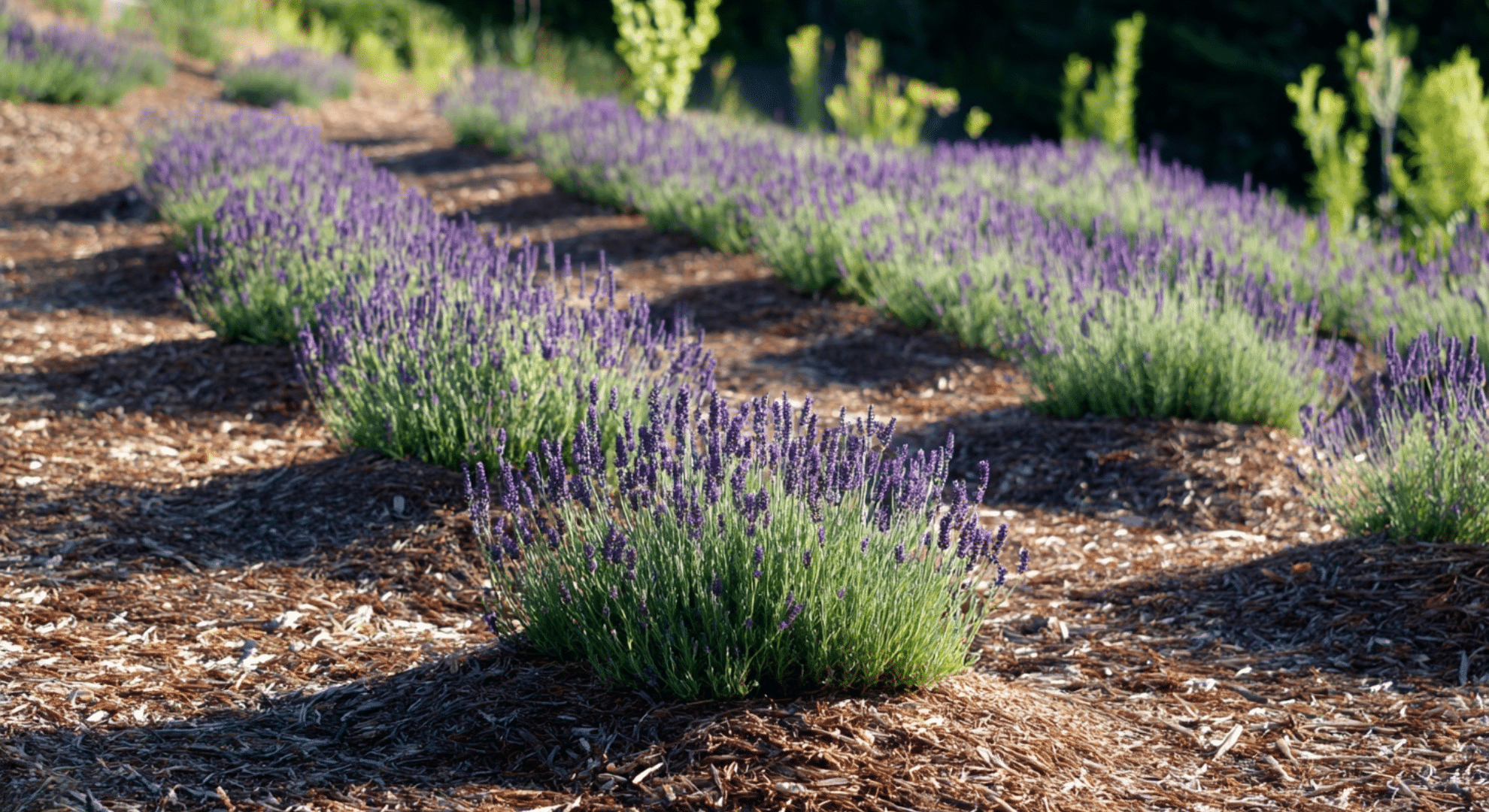
Yes, lavender does spread, but not in the way many fast-growing plants do. It doesn’t send out long underground roots or pop up across the yard like mint or ivy. Instead, lavender grows wider at its base each year.
It stays in a clump but slowly takes up more space if you let it.
This is where it helps to know the difference between spreading and just growing bigger.
Spreading usually means the plant sends out runners or seeds that start new plants far from the original one. Lavender doesn’t really do that on its own. It just gets bushier over time.
What most gardeners notice is that their lavender looks much fuller in its second or third year.
The base gets wider, and the branches stretch out more. If you don’t trim it, it can start to lean or open up in the center. But it won’t take over your garden.
How Lavender Actually Grows Over Time
Lavender changes a lot from year to year. It might start small, but give it time, and it can fill out quickly. To understand how much space it really needs, it helps to look at how it naturally grows and spreads.
Lavender’s Natural Growth Shape
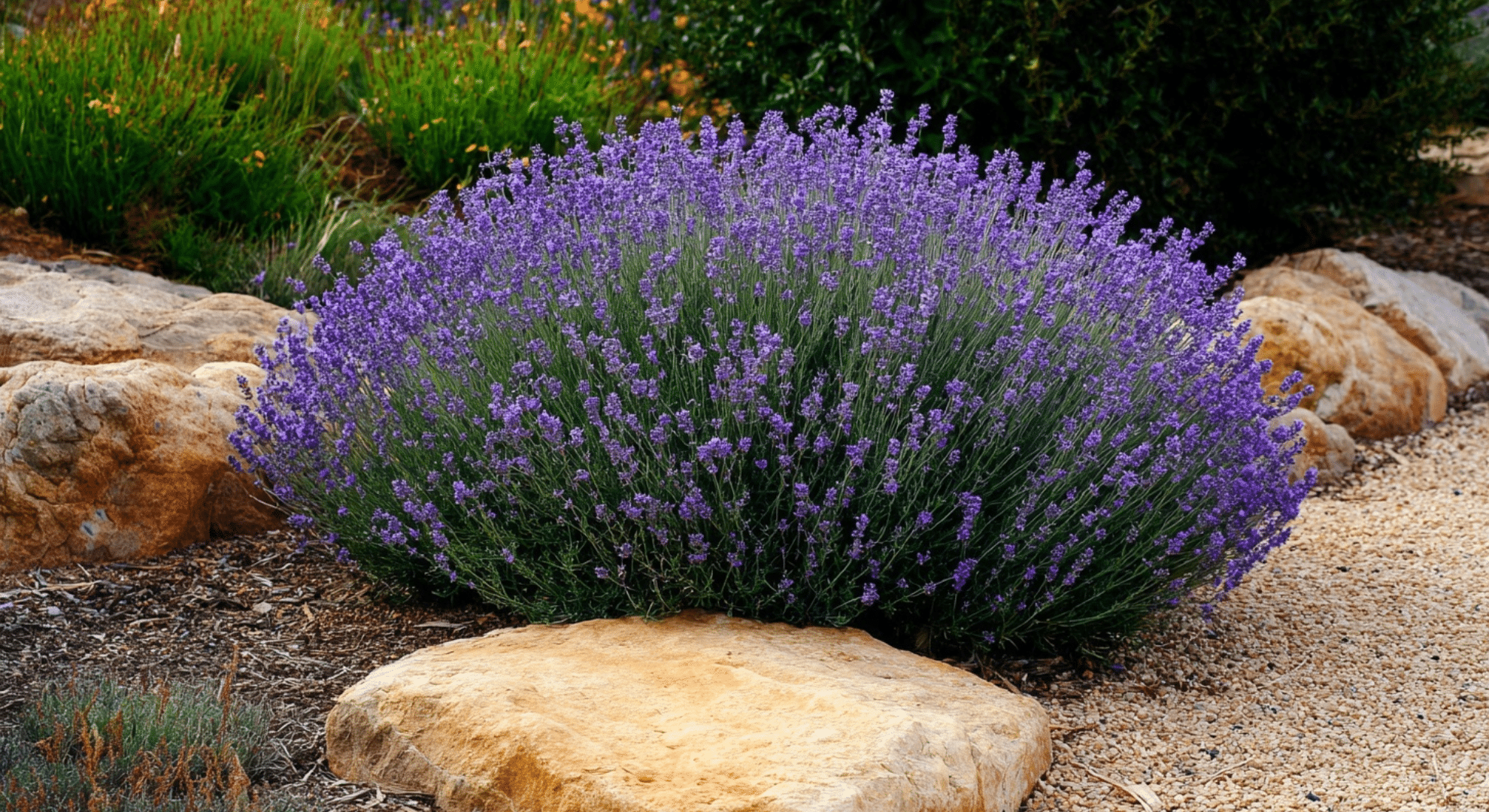
Lavender grows in a rounded, mound-like shape. It doesn’t sprawl or send out long runners.
Instead, it forms a tight, bushy clump that slowly gets bigger at the base. As it matures, the lower part of the plant turns woody, while the top stays soft and leafy.
This woody base helps the plant hold its shape, but it can also make it look a little rough if you don’t trim it now and then.
When gardeners say lavender spreads, they usually mean the plant is widening, getting fatter from the middle out, not popping up all over the place.
How Wide Lavender Plants Typically Get
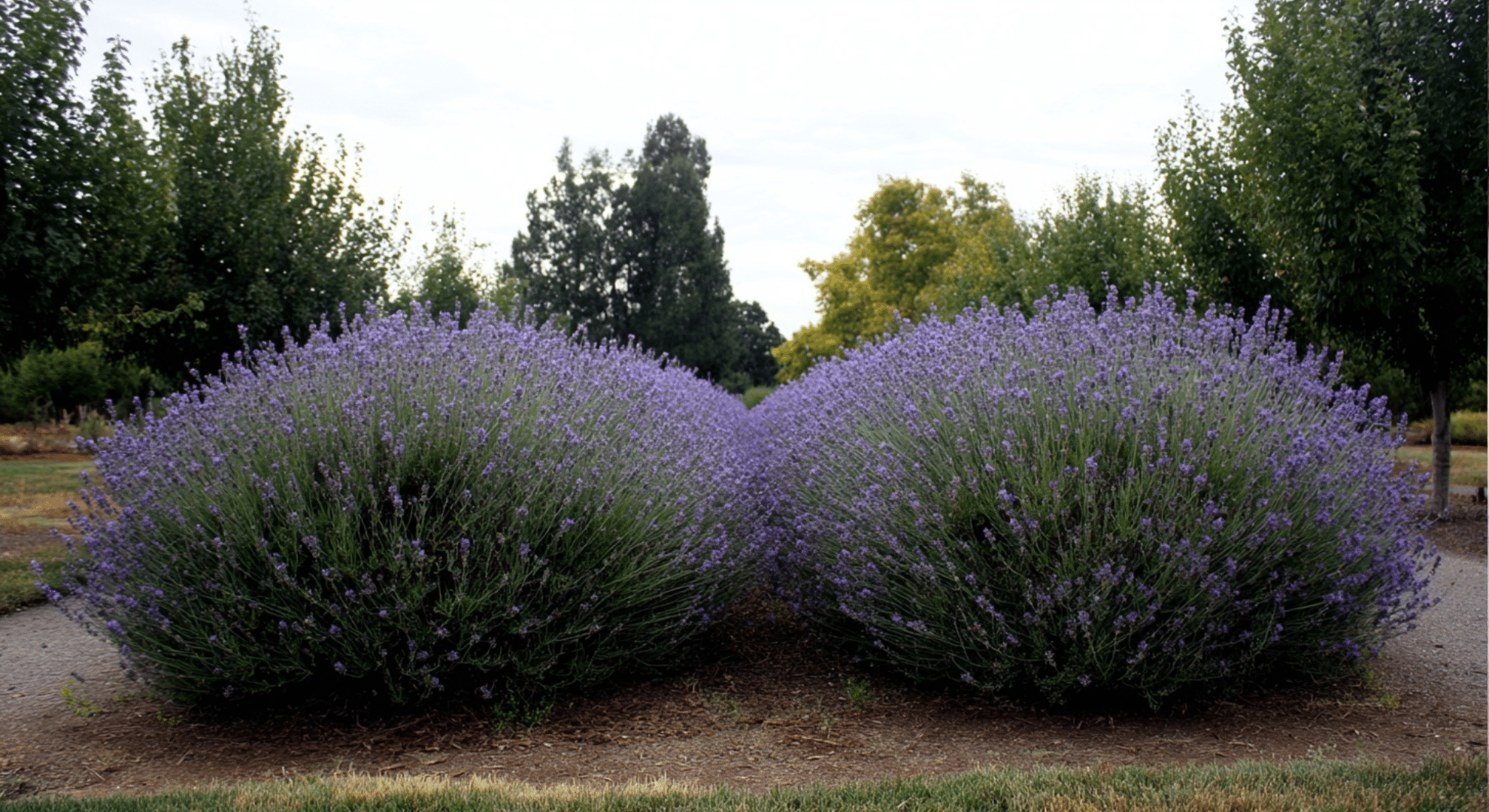
On average, a full-grown lavender plant can reach 2 to 3 feet wide. Some compact types stay closer to 18 inches, while larger ones, especially if untrimmed, can spread a bit past 3 feet.
That’s why giving each plant enough room is important.
If you space them too tightly, they’ll look neat in the first year but will bump into each other as they grow. By year three, they can look crammed, and that makes trimming harder and airflow worse.
Good spacing, about 2 to 3 feet between plants, keeps them healthy and keeps your garden looking clean.
Ways Lavender Can Appear to Spread
Lavender doesn’t behave like an aggressive spreader, but it can still seem like it’s taking up more space over time. I’ll tell you the ways it can appear to spread, even though it mostly stays where you plant it:
Outward Growth From the Main Plant
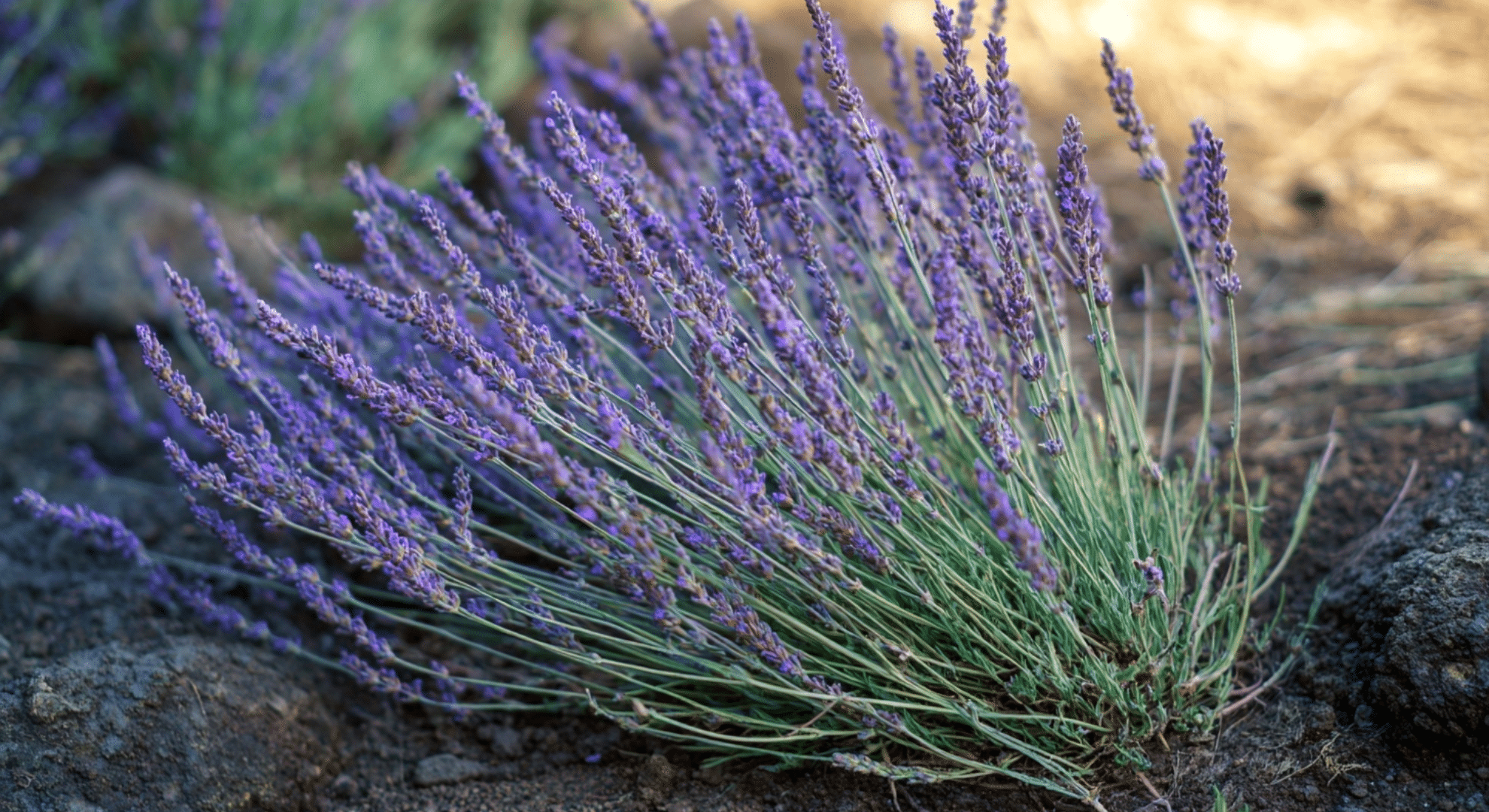
Lavender branches grow outward as the plant matures. It doesn’t creep or travel underground, but the sides expand little by little each season.
This can give the look of spreading, especially if you’re not trimming it back.
Pruning plays a big role in how tidy or wide the plant looks. When you trim the outer stems each year, it keeps the shape more compact. If you skip pruning, the branches get longer, lean out, and make the plant seem much wider than it really is.
Over time, this can lead to a messy look, even though it’s still just one plant growing in place.
Does Lavender Spread From Seed?
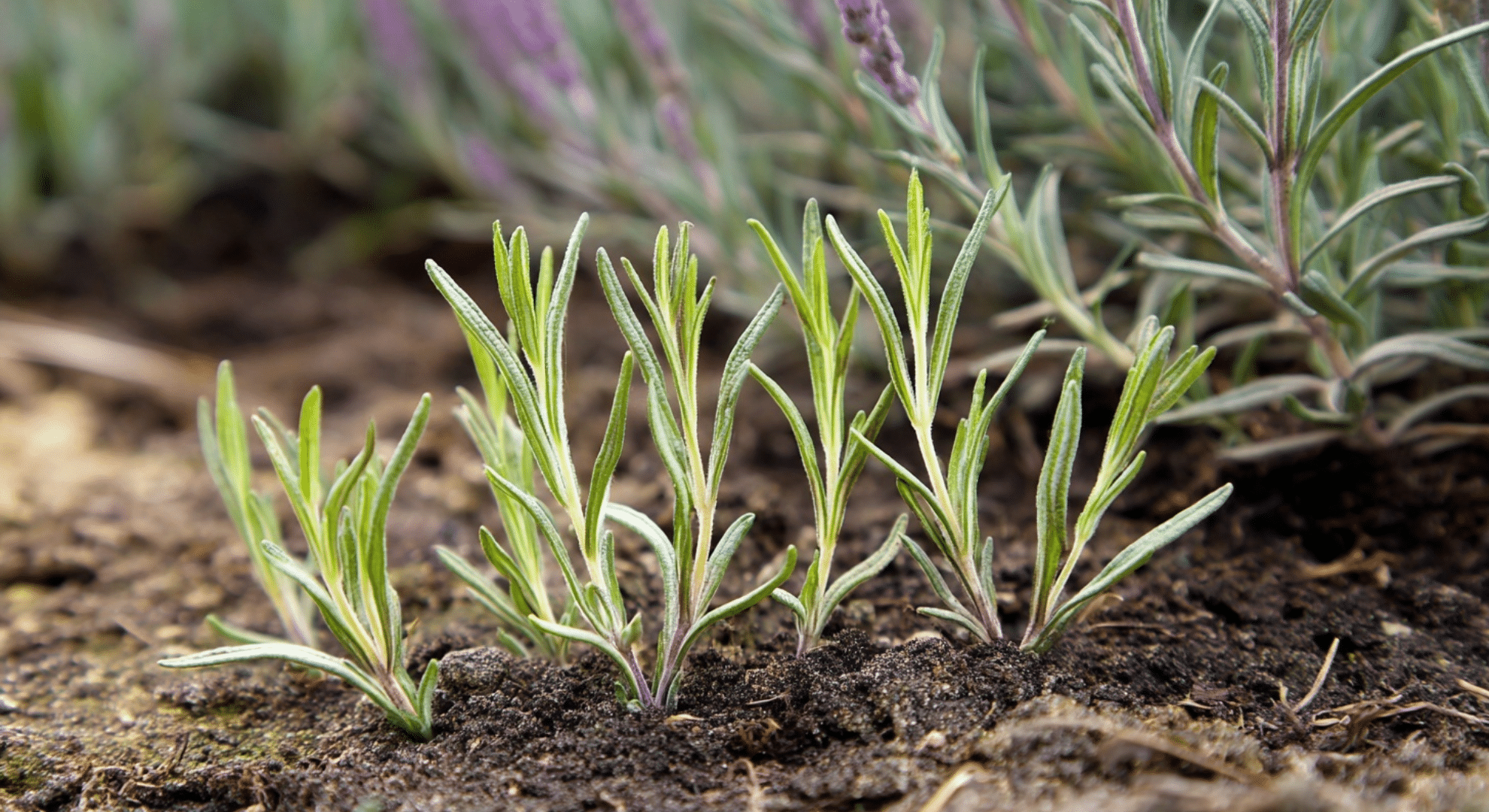
Yes, but not very often and only under the right conditions.
Lavender can drop seeds from its spent flowers, and in some cases, those seeds might grow into new plants. But this doesn’t happen as easily as it does with other self-seeding plants.
Lavender seedlings usually show up close to the base of the original plant. It’s rare to find them far away.
The seeds need just the right mix of loose soil, sunlight, and a bit of luck to sprout.
Even if they do grow, they may not look or smell exactly like the parent plant, especially if you’re growing a hybrid variety.
That’s one reason many gardeners choose to grow new lavender from cuttings instead of seed.
Why Some Gardens See Lavender Popping Up Elsewhere
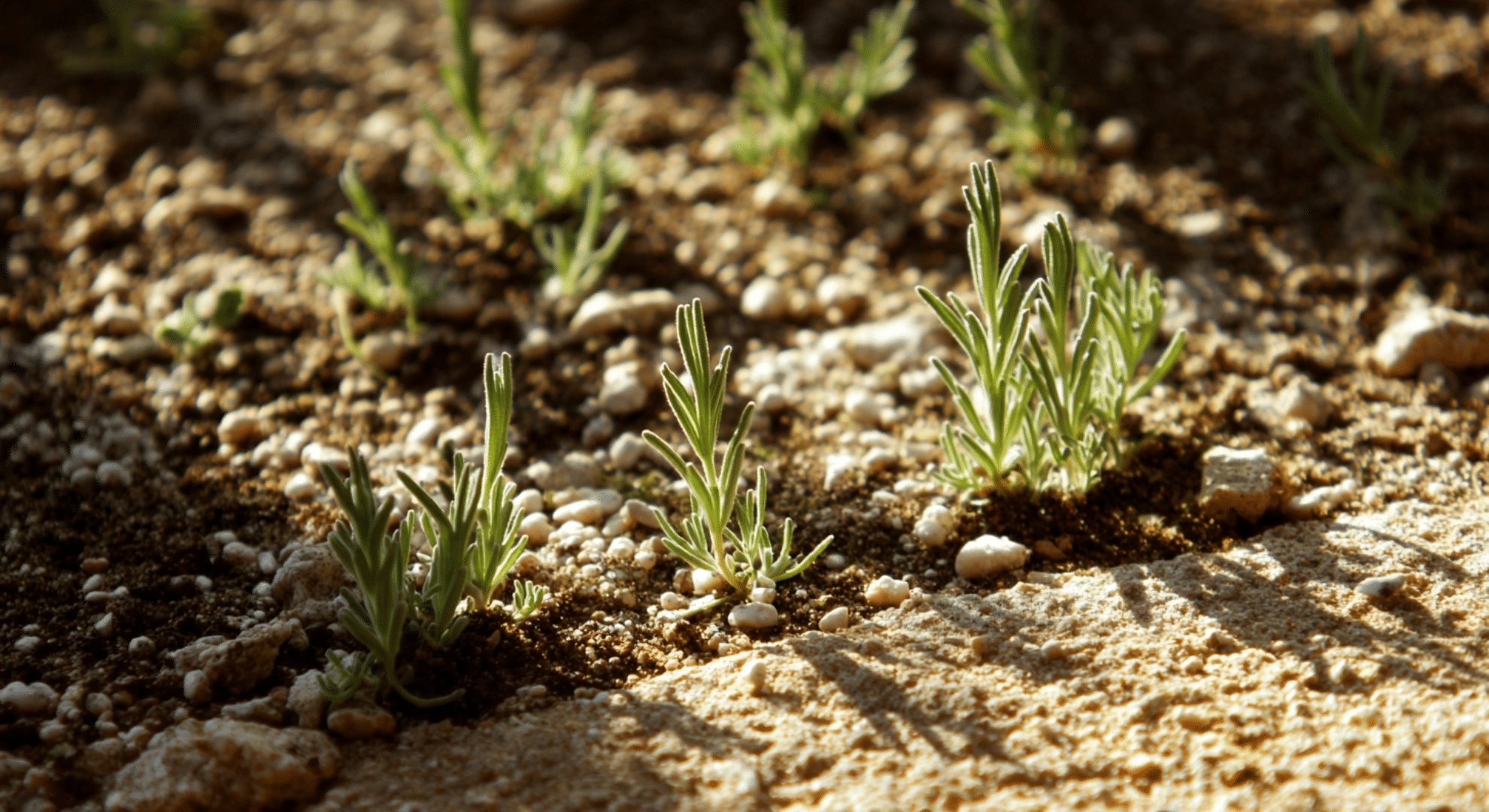
In certain gardens, you might notice small lavender plants appearing in surprising spots like gravel paths, cracks in pavement, or dry areas nearby.
This usually happens when conditions are just right for seeds to sprout.
Lavender prefers well-drained, gritty soil and lots of sun. Gravel or sandy areas provide that without much effort.
If a plant drops seeds in a spot like that, and the weather helps, you might end up with a few new sprouts.
This isn’t common in every garden, but if yours has loose soil, dry heat, and open space, it’s more likely.
Still, these new plants tend to stay close to home and don’t take off unless you leave them undisturbed.
Does Lavender Spread Like Mint or Other Aggressive Plants?
If you’ve dealt with plants like mint, you know how quickly they can take over. Lavender might grow wide, but it doesn’t behave the same way and that’s a big relief for most gardeners.
| Feature | Mint | Lavender |
|---|---|---|
| Root Type | Underground runners (rhizomes) | Woody base with shallow roots |
| Spreading Style | Fast, spreads far and wide | Slow, stays close to base |
| Control Difficulty | Hard to manage once established | Easy to manage with pruning |
| Growth Behavior | Pops up in new spots often | Expands from one central plant |
| Risk of Taking Over the Garden | High | Low |
As you can see, lavender is much easier to manage. It won’t creep into other parts of your yard or smother nearby plants.
As long as you give it space and trim it yearly, it stays well-behaved.
Does Lavender Come Back Every Year?
Yes, lavender is a perennial, which means it can come back year after year. But how well it returns depends on your climate and how you care for it.
In warmer places with mild winters, lavender usually survives without much trouble. It goes quiet in the cold months and starts growing again in spring.
In colder areas, things get trickier. Some types of lavender, like English lavender, handle frost better than others. But even hardy varieties can struggle if winters are too wet or if the soil doesn’t drain well.
Long-term survival also depends on pruning. If you don’t trim it regularly, lavender can get woody and weak, especially in the center.
Poor drainage, heavy snow, or harsh pruning at the wrong time can also shorten its life.
With the right care like sunlight, space, dry soil, and light yearly trimming, lavender can last for many seasons and look good doing it.
How Fast Lavender Grows and Fills Space
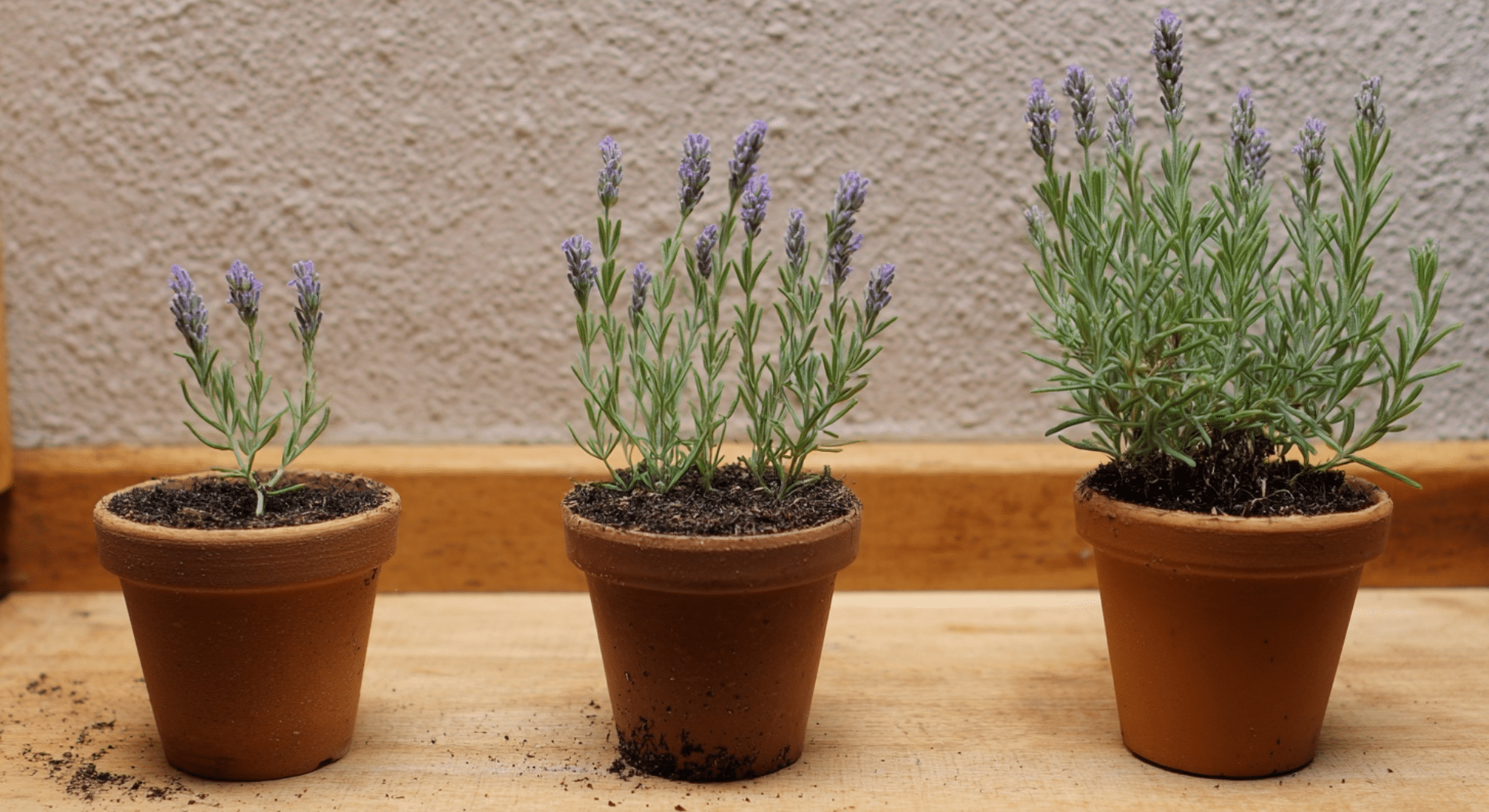
Lavender starts off slow. In the first year, it focuses on settling in. You’ll see some leaves and maybe a few flowers, but it won’t fill out much yet.
Most of its energy goes into building strong roots.
By the second year, growth picks up. The plant gets fuller, wider, and begins to show its natural shape.
This is when it starts to make an impact in your garden. If you’ve spaced the plants well, you’ll notice the gaps between them shrinking.
By year three, lavender usually hits its full size. Growth slows down after that. It won’t keep expanding forever; it just maintains its shape with small changes year to year.
That slow, steady pace is part of what makes lavender easy to manage.
You can plan around it, and with yearly pruning, you’ll keep the shape tidy without worrying about it taking over the space.
Best Places to Plant Lavender
Lavender does best in spots where it can soak up the sun and stay dry. Whether you plant it in the ground or in a pot depends on your space, soil, and how much control you want over its growing conditions.
In-ground planting works well if you have dry, sandy, or rocky soil and full sun.
Lavender planted directly in the ground can grow bigger and last longer when the conditions are right. It’s also less work once established; just give it space and light, and it’ll thrive with little care.
Containers are a smart choice if your soil holds too much water or if your winters are harsh.
Pots let you move the plant into shelter during heavy rain or cold weather. They also help with airflow and root control, keeping the plant more compact.
No matter where you plant it, lavender needs at least 6 hours of direct sunlight a day to grow strong and bloom well.
How to Manage Lavender Growth in the Garden
Lavender doesn’t need much attention, but how you handle its care can shape how it looks and how long it lasts. Managing its size isn’t just about stopping spread; it’s about keeping the plant healthy and useful in your space.
Pruning isn’t just about size; it also keeps the plant blooming well and stops the center from going bare.
If you lightly shape the plant each year, it encourages new, leafy growth near the base instead of just long stems at the top.
A helpful tip? Avoid cutting into the hard, woody parts at the bottom. Stick to trimming the green growth only. This keeps the plant from becoming scraggly and slow to bounce back.
Instead of focusing only on the space between plants, think about what’s around your lavender. Avoid planting it next to tall or leafy plants that throw shade or trap moisture. Lavender needs dry air as much as dry soil.
Also, think about elevation. Planting lavender on a small mound or raised area helps water drain away quickly, especially in rainy climates.
That simple change can prevent root rot and help the plant last more seasons without stress.
Is Lavender Considered Invasive?
No, lavender is not considered invasive. It stays where it’s planted and doesn’t spread aggressively like mint or other fast-moving plants.
It grows in a controlled, rounded shape and doesn’t send out underground runners or take over nearby areas.
In most regions, lavender is seen as a garden-safe plant.
It’s especially common in dry, sunny climates where other plants may struggle. Even in places where it thrives, it doesn’t crowd out native plants or disrupt natural spaces.
Some types may self-seed lightly, but even then, new plants usually grow close to the original and are easy to remove if needed.
It’s a well-behaved plant that fits neatly into flower beds, herb gardens, and containers without becoming a problem.
So if you’re worried about it taking over your yard, you don’t need to be. Lavender grows steadily, not wildly and with a little care, it stays right where you want it.
Conclusion
I used to wonder if planting one lavender bush would turn into a whole backyard full of them. Turns out, it doesn’t work like that. Now that you know the answer to does lavender spread, you can plant smarter. Picture where it’ll go, give it some space, and let it do its thing.
You don’t need to worry about it creeping into every corner. Just trim it once a year and enjoy the blooms.
One thing I’d watch for? Drainage. That’s what keeps lavender happy long-term.
If this cleared things up for you, take a minute to check out other simple gardening tips on the website. There’s always more to grow!