Growing lavender sounds simple until you realize how much the sun controls everything this plant does.
And that’s where people start wondering if lavender needs full sun, or can it survive in the weird mix of shade and bright spots most yards actually have?
The real answer gets a lot more interesting once you look at how different climates, window angles, and growing setups change the plant’s behavior.
In this guide, I’ll walk you through all that so you can keep your lavender strong even when your space isn’t perfect. Let’s start by breaking down the big question.
How Many Hours of Sun Does Lavender Really Need?
Lavender stays healthiest when it gets six to eight hours of direct sun every day. That range keeps the plant compact, helps it hold its shape, and supports full bloom cycles. Anything less, and the plant starts cutting corners on growth and flowering.
What “Full Sun” Actually Means
A lot of people hear “full sun” and picture something different, so here’s the clear version. Full sun means direct, unblocked sunlight for most of the day . Not filtered light. Not “bright room light.” Direct light that actually hits the plant.
Examples that count as full sun:
- An open patio where the sun lands from late morning into the afternoon.
- A south-facing garden bed that gets steady light without heavy tree cover.
- An indoor south-facing window where the plant sits right at the glass , not several feet away.
Examples that do not count:
- Light bouncing around a bright room.
- A window that gets one hour of sun and the rest of the day in shade.
- A porch that stays bright but never gets direct rays.
Lavender notices the difference fast, and its growth will show it.
What Happens If Lavender Doesn’t Get Enough Sun
When lavender doesn’t get the sunlight it needs, the plant slips into “survival mode.” These are the early warning signs:
1. Stretched, leggy stems: It reaches toward the nearest light source, losing its tight, mounded shape.
2. Weak bloom production: Lavender puts flowers at the bottom of its priority list. Low sun = fewer flowers or none at all.
3. Tired, pale foliage: Leaves fade or yellow because the plant can’t make enough energy.
4. Higher disease risk: Shady, damp conditions slow drying time and push the plant toward rot and fungal issues.
Sunlight isn’t optional for lavender. It’s the foundation the rest of the care sits on.
Sun Requirements for Lavender by Climate
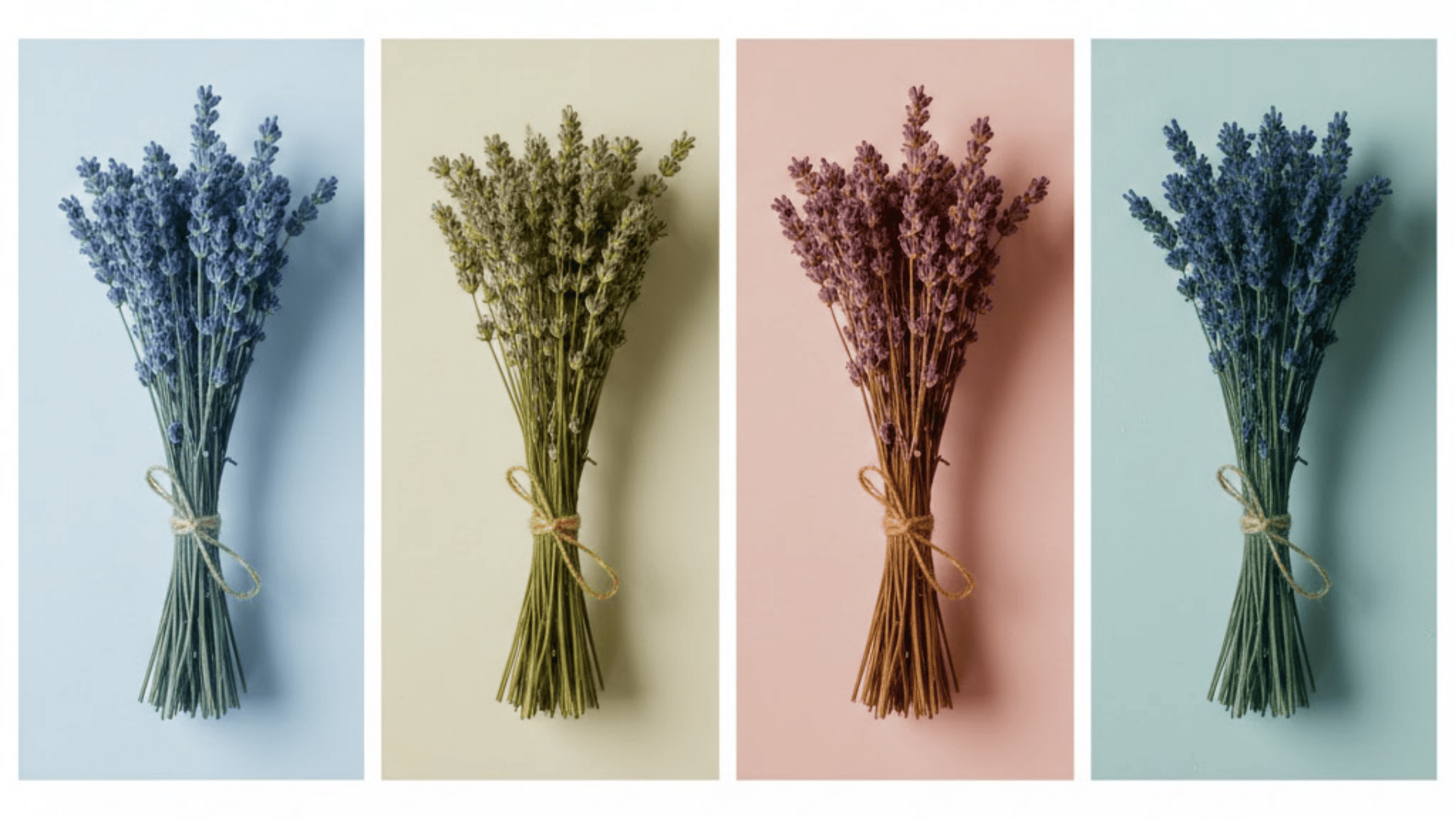
Lavender doesn’t behave the same way in every region. The amount of sun it needs stays pretty consistent, but the way the plant responds to that sun shifts with temperature, humidity, and seasonal intensity.
1. Cool or Northern Climates
In cooler areas, lavender needs full sun for as many hours as possible. The light is weaker, the days are shorter, and the growing season is shorter too.
More sun helps the plant stay warm, build energy, and develop strong blooms. If you place lavender in even partial shade in these regions, it often becomes thin, slow, and reluctant to flower.
2. Mild or Temperate Regions
In climates with warm summers and moderate winters, the classic rule works perfectly: six to eight hours of direct sun . Plants get enough light to bloom well without worrying about heat stress.
This is the easiest environment for lavender because the sunlight is strong enough to fuel growth but not so intense that it scorches the plant.
3. Hot or Desert Climates (Arizona, Florida, Texas)
These regions bring blasting midsummer heat, and even lavender has limits. The plant still wants full sun, but the intensity can overwhelm it during peak afternoon hours.
A bit of light afternoon shade protects the foliage from scorching and helps the plant hold moisture without getting stressed.
Morning sun plus high-brightness late-day light keeps it blooming without frying the leaves.
4. Humid Regions
High humidity slows evaporation and keeps lavender damp longer than it prefers. In these areas, strong sun paired with good airflow is critical. The sun dries the plant out, and airflow helps prevent fungal problems.
Shade creates the opposite of what lavender needs: trapped moisture, slower drying times, and higher disease risk. Sunlight becomes the main tool for keeping the plant healthy and preventing rot.
Lavender Varieties and Their Sun Tolerance
Different lavender types don’t all react the same way to sun and heat. Some want the full blast. Some can take the heat better. Some can tolerate a little shade without falling apart. This table lays it out so you can see who’s who:
| Lavender Variety | Sun Tolerance | How It Behaves | Best Fit For |
|---|---|---|---|
| English Lavender (Lavandula angustifolia) | Needs full sun all day | Gives the best blooms only in strong, direct light; shade makes it struggle fast | Cooler and mild climates where long sunny days are available |
| French Lavender (Lavandula dentata) | Full sun but handles slight afternoon shade | More heat-tolerant; stays steady even when summers get rough | Warm regions with strong sunlight and hot afternoons |
| Spanish Lavender (Lavandula stoechas) | Thrives in intense full sun | Built for heat; handles extreme conditions better than other varieties | Desert and high-heat areas like Arizona, Texas, inland California |
| Fernleaf Lavender | Prefers sun but tolerates some shade better than others | More flexible, but still loses strength and blooms if it’s shaded too long | Spots with inconsistent sun or partial shade that other varieties hate |
Growing Lavender Indoors
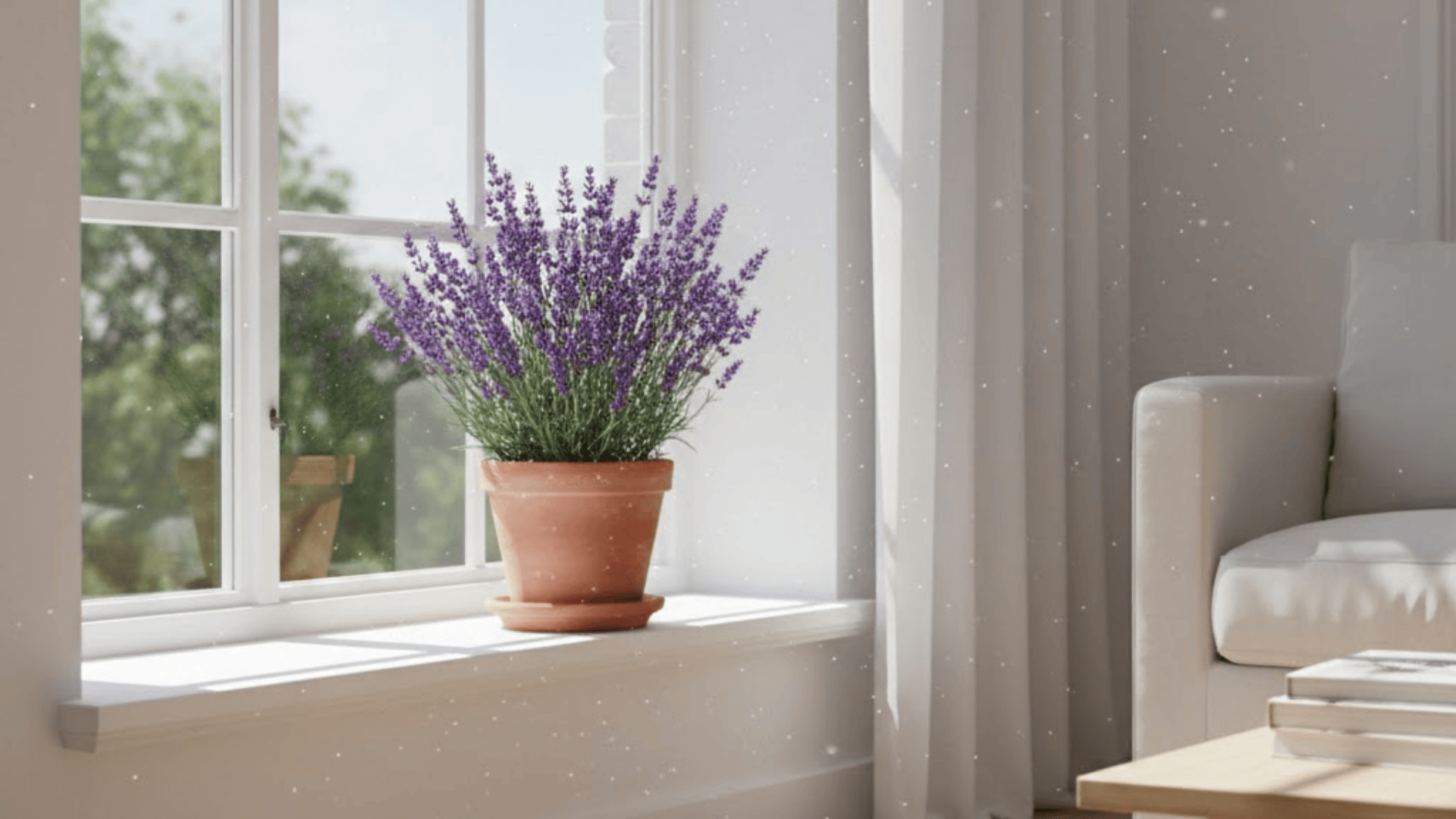
Growing lavender inside is a whole different game. Outdoors, the sun does all the heavy lifting. Indoors, the light gets weaker, it drops off fast, and windows don’t behave the way people think they do.
You can absolutely keep lavender alive inside, but you have to pay attention to where the light is actually coming from and how strong it is, because the plant notices every little thing.
Best Window Direction
If you’ve got a south-facing window , that’s the jackpot. That’s the closest thing to outdoor sun you’re going to get in a house. The sun stays higher and stronger through that window, and it gives the plant a longer light stretch during the day.
East windows give nice morning sun but it fades too fast. West windows hit hard in the afternoon but don’t last long enough. Anything north-facing is basically lavender saying, “Why are you doing this to me?”
When Grow Lights are Necessary
If your place just doesn’t get that strong direct light, you’re gonna have to bring in a grow light. No shame in that. Lavender indoors usually needs six to eight hours of real brightness, and most homes can’t pull that off naturally.
Keep the light close enough to matter. About six to twelve inches from the top of the plant is the sweet spot. Too far and it’s useless.
For the type of light, a simple full-spectrum LED works fine. You don’t need anything fancy or industrial. You just need consistent, strong light that actually hits the leaves for long stretches.
Signs Your Indoor Lavender Isn’t Getting Enough Light
Indoor lavender will tell you exactly how unhappy it is when the light is too weak. Here’s what you’ll see:
- Pale leaves.
- Leaning toward the window like it’s trying to escape.
- Sparse blooms or no blooms at all.
When you see that combo, that’s the plant tapping you on the shoulder saying, “Hey, whatever this light situation is, it’s not cutting it.”
How Sunlight Affects Watering & Soil Needs
The amount of sun lavender gets doesn’t just change how it grows. It changes how you water it, how the soil behaves, and how fast things dry out. Sunlight speeds the whole system up. Shade slows everything down. And lavender reacts to both immediately, because this plant is wired for bright, dry, fast-moving conditions.
Full Sun = Less Water Needed
When your lavender sits in full sun, the soil dries out quicker. That’s actually perfect for the plant, because it hates sitting in moisture.
In strong sun, the roots get that nice dry-down between waterings, which keeps them healthy and lets the plant breathe. You’ll water less often, and that’s exactly how lavender wants to live. It’s built for drought, not daily soaking.
Partial Shade = Higher Root Rot Risk
Shade changes the rules. The soil stays wet longer. Evaporation slows down. And suddenly the plant is sitting in conditions it’s not designed for. That’s where root rot sneaks in.
Lavender doesn’t have the kind of roots that can handle cold, damp soil, so when the sun drops and the shade creeps in, the moisture just hangs around. Too much of that and the plant starts collapsing from the bottom up.
Choosing the Right Planting Location for Lavender
Picking the right spot is all about giving lavender the light and drainage it needs. Some places set it up for success. Others make the plant fight for its life from day one.
| Best Outdoor Spots | Why They Work | Worst Places to Plant Lavender | Why They Fail |
|---|---|---|---|
| South facing beds | Long, strong sunlight all day; perfect for steady growth and blooms | Near sprinklers | Constant moisture hits the plant and keeps the soil wet, which lavender can’t handle |
| Slopes | Water drains away fast, preventing soggy roots | Low lying areas | Soil stays damp for too long; root rot becomes almost guaranteed |
| Open borders | Unblocked sun and good airflow help the plant stay dry and healthy | Deep shade | Not enough light for energy or blooms; plant weakens until it crashes |
What to Do if Your Yard Has Limited Sun
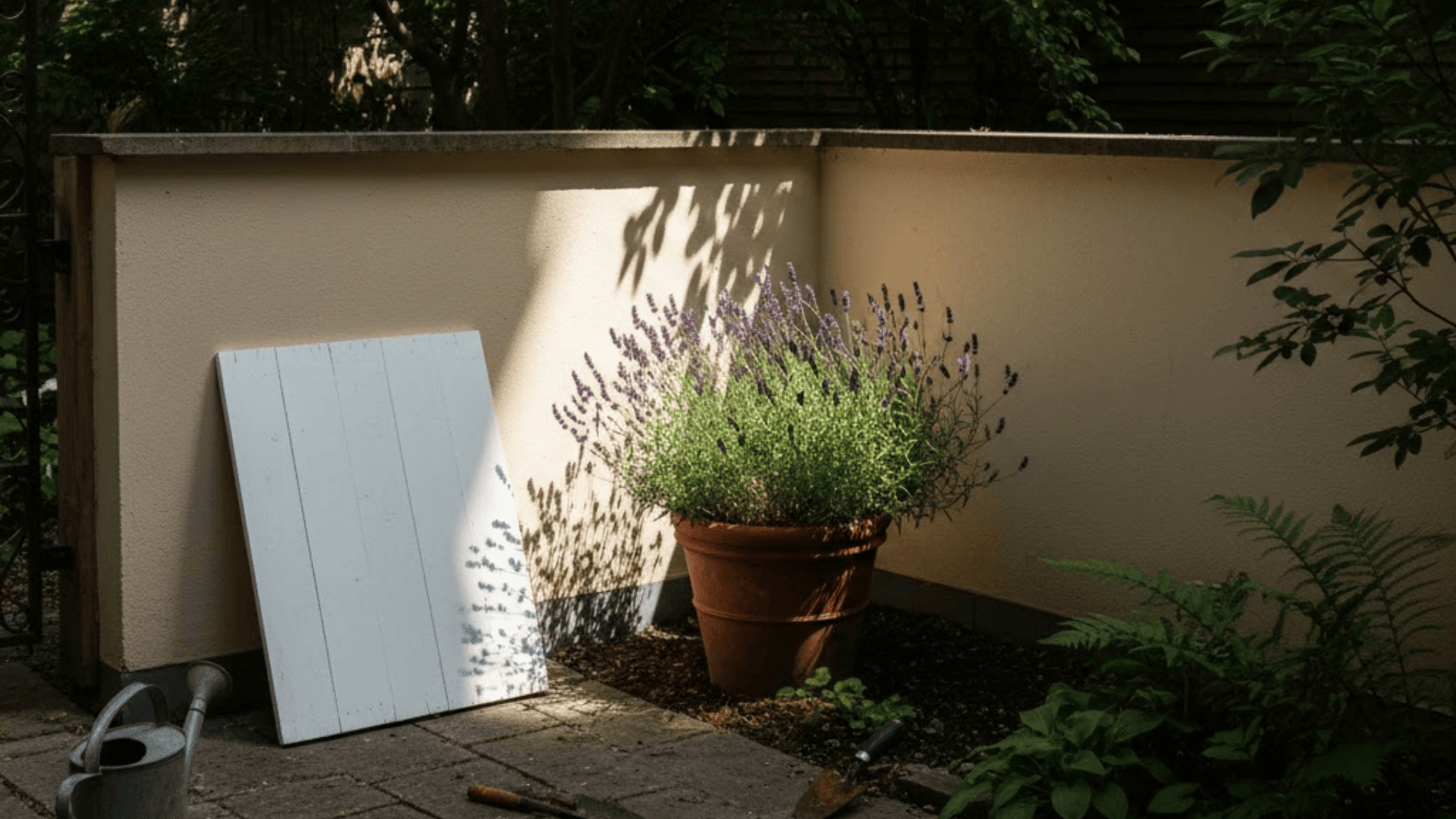
Not everyone has that perfect wide-open yard where the sun hits from morning to night. A lot of people are working with fences, big trees, awkward angles, weird shadows drifting across the yard all day.
Here’s what you can do about it:
Use Reflective Surfaces to Boost Light
Anything that bounces light back toward the plant gives you a little advantage.
Concrete patios do this naturally. Light-colored walls or fences help too. Even bright gravel can push extra light upward. It’s not the same as full sun, but it gives the plant more usable brightness than it would’ve had on its own.
Container Placement Strategies
If your yard is patchy with sun, pots make life way easier. You can chase the sun through the seasons.
Shift the container a few feet in summer, or angle it differently in winter, and suddenly the plant gets hours more direct light. It’s like giving lavender a moving spotlight instead of locking it into the wrong seat.
Companion Planting for Shade Reduction
Sometimes the problem isn’t the yard; it’s the plants around the lavender. If you surround it with tall growers, they steal the light.
Low-growing companions keep the area bright and open. Nothing towering over it, nothing casting heavy shade. Lavender gets the space to breathe and soak up whatever sunlight the yard can offer.
Troubleshooting: Sunlight Problems & How to Fix Them
Lavender doesn’t hide how it feels. If the light is wrong, the plant starts throwing signals fast. The trick is knowing what those signals mean and fixing the problem before it turns into a slow decline. Sometimes it’s a sun issue. Sometimes it’s something else pretending to be a sun issue. Here’s how to read the plant and adjust.
Signs of Too Little Sun
When lavender isn’t getting enough direct light, it starts stretching, fading, and losing its shape. You’ll see long, weak stems, pale leaves, and barely any blooms. That’s the plant saying, “Move me. Now.”
How to fix it quickly:
Shift it to the brightest spot you’ve got. Even an extra hour or two of direct sun makes a difference. If you’re indoors, push it right up against the strongest window or bring in a grow light. Outdoors, even relocating it a few feet into a sunnier patch can turn things around.
Signs of Too Much Sun in Hot Climates
In desert heat or extreme summers, lavender can get overwhelmed. Leaves start crisping, tips burn, and the plant looks tired even if the soil is fine. That’s heat stress, not lack of care.
How to protect the plant:
Give it light afternoon shade. A little cover during the hottest part of the day cools things down just enough. You can also mulch lightly with gravel to keep the roots cooler without holding moisture. And make sure it’s not sitting against a wall that reflects too much heat back at it.
When It’s Actually Not a Sun Problem
Sometimes the plant looks rough and everyone blames the sun, but the real issue is water or soil. Overwatering soaks the roots. Poor drainage traps moisture. Fungal problems creep in when things stay damp too long. All of these can mimic sun stress.
What to check:
Look at the soil first. If it’s staying wet or heavy, that’s your answer. Lavender wants quick-draining soil and long dry spells between waterings. Fix the drainage, fix the watering rhythm, and suddenly the “sun problem” disappears.
Wrapping Up
By now, you can see that sunlight isn’t just another care detail for lavender; it’s the whole foundation the plant builds its strength on.
When you understand how different environments shape its growth, you stop guessing and start making choices that actually work.
Whether your space runs cool, humid, brutal, or somewhere in between, you’ve got tools to keep lavender steady and blooming. And if you ever find yourself wondering again, does lavender need full sun, you’ll know exactly how to read the plant and the space around it.
If you’re ready to have a lavender that actually thrives, not just survives, start applying these steps today.