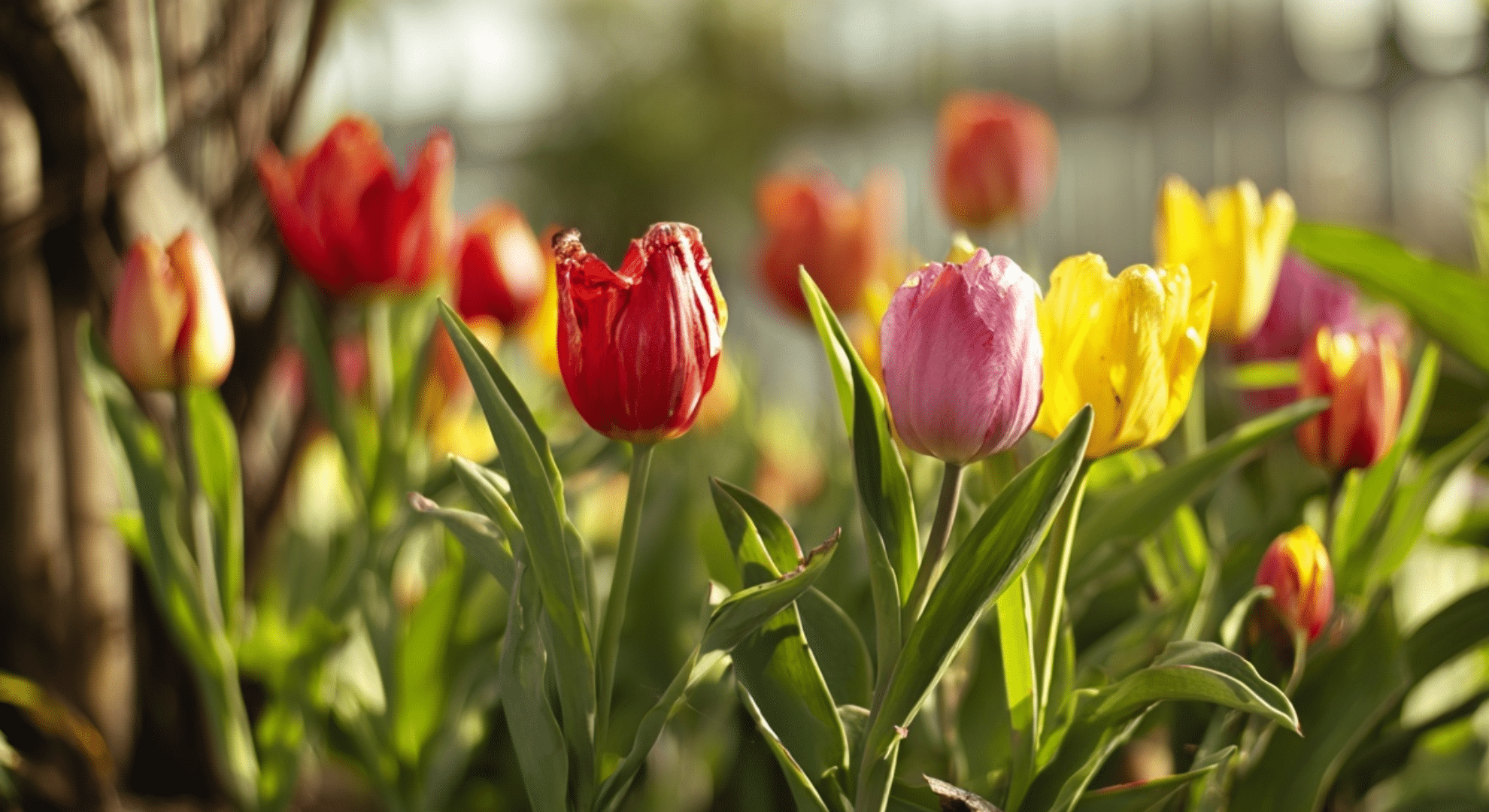
Every spring, I look out at the yard and wonder which flowers will return. Tulips always leave me guessing.
Do tulips come back after that first bright bloom, or are they one-time guests? If you’ve asked yourself the same thing, that’s not just your thought alone.
It’s a common question for anyone planting them for the first time or even the fifth.
You’ll find out why some tulips show up year after year, while others seem to vanish. We’ll look at what makes the difference—like soil, climate, and the kind of tulips you plant.
I’ll also show you simple ways to help your tulips return. You’ll leave with a clearer idea of what your garden needs and what your tulips need from you to keep blooming.
What Most Gardeners Expect From Tulips
Most people plant tulips expecting a repeat show every spring. I did too. It seems simple—put bulbs in the ground, get flowers every year. That’s the picture most of us have in mind.
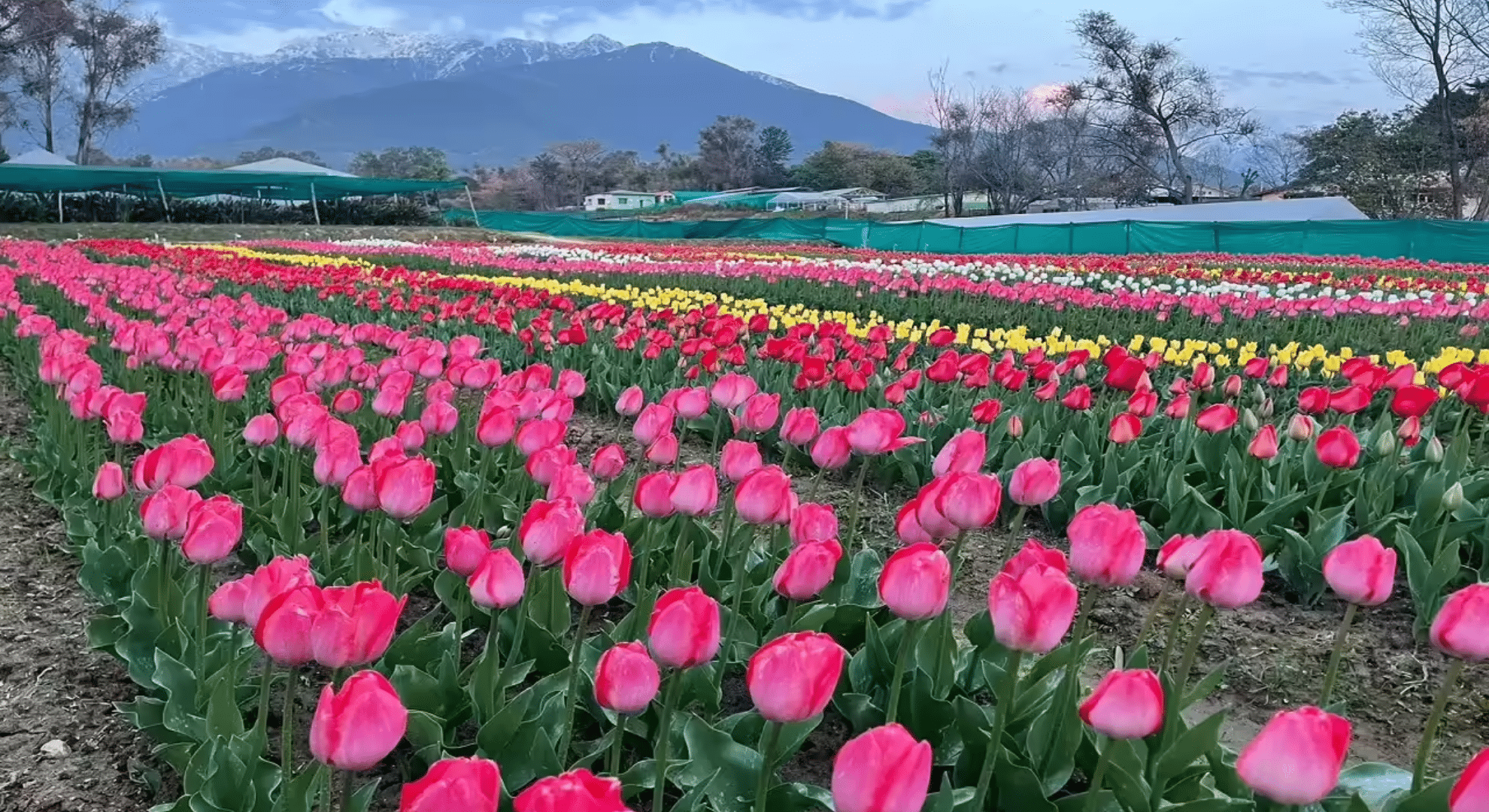
You see rows of tulips in parks or bright bunches at garden centers, and it looks like a forever kind of thing. Stores sell bulbs with big, full blooms on the packaging. Everything about it says long-term beauty. It’s easy to think you’re planting something that will last.
But here’s the thing: most of those photos? They’re staged. Many public tulip displays are replanted every single year. A lot of the bulbs sold in stores are grown for one strong bloom, not long-term life.
That’s the real difference, what we’re shown versus what actually happens in most home gardens.
Are Tulips Annuals or Perennials?
Tulips are, by definition, perennials. That means they can come back year after year. In the wild, especially in parts of Central Asia where they grow naturally, they do just that. They bloom, rest, and return each spring.
But in home gardens, it’s a different story.
Many tulips end up acting like annuals. You plant them once, they bloom beautifully, and then… they’re done.
The next year? Maybe a weak bloom. Maybe nothing at all. This leaves a lot of people confused.
Here’s the key difference: tulips can return, but they don’t always reliably return.
Why? A few things matter:
- Your climate (tulips like cold winters)
- The type of tulip you plant (some varieties are more dependable)
- How the bulb is cared for after blooming
So while tulips technically are perennials, in most home gardens, they behave more like a one-time event unless they get exactly what they need.
Do Tulips Come Back Every Year Without Replanting?
Do tulips come back every year without replanting? Sometimes, yes, but not always. It depends on a few key things.
Tulips can rebloom on their own if they’re in the right spot.
They like cold winters, well-drained soil, and a place where their leaves can grow freely after the bloom fades. When all of those lines up, they can store enough energy to return the next spring.
But most of the time, they don’t.
What usually happens is this: the first year, the bloom is big and bright.
After that, if the bulb doesn’t get enough food or rest during its dormant period, the next flower is weaker or it disappears altogether.
The bulb needs time to rebuild its energy underground. Without that, it just fades away. So yes, tulips can come back without replanting, but they need the right conditions to do it.
Why Tulips Often Fail to Bloom Again
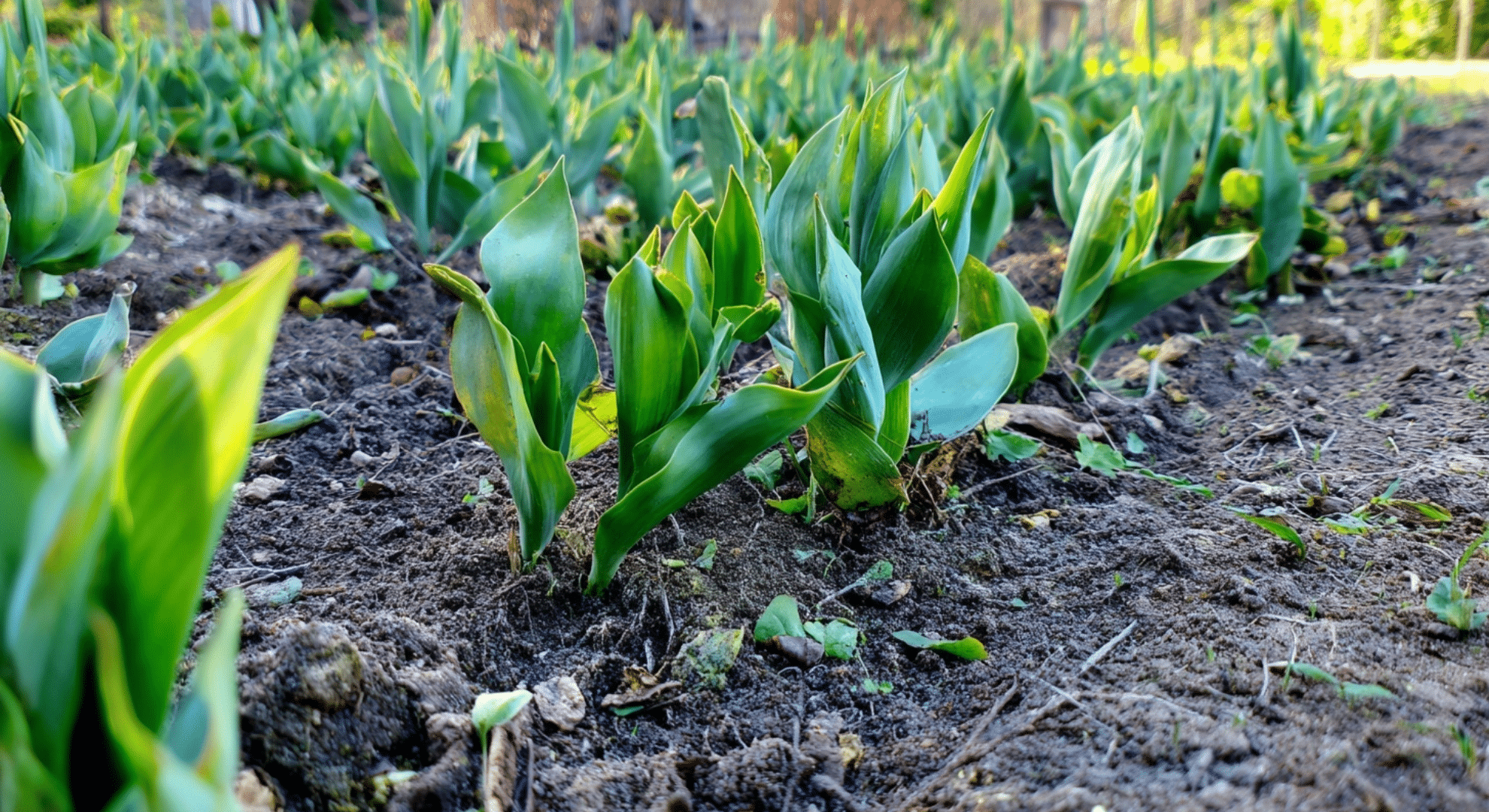
Tulips not blooming again is one of the most frustrating things for gardeners. You do everything right—plant in fall, see a beautiful spring show—and then the next year, nothing. Here’s why that happens so often.
1. Too Much Moisture in Summer
Tulip bulbs need dry rest after blooming. But in many places, summers are wet or humid.
If the soil stays damp, the bulbs can rot underground. Poor drainage makes this worse. Waterlogged soil is one of the top reasons bulbs fade out fast.
2. Winters That Aren’t Cold Enough
Tulips rely on a long cold stretch during winter to spark growth in spring.
If your winters are too mild, the bulb never gets the signal to bloom. This is common in warmer zones where soil doesn’t stay cold for long.
3. Cutting the Leaves Too Soon
After tulips bloom, their leaves keep working.
They pull in sunlight and feed the bulb. If you cut the leaves too early—before they turn yellow—you’re stopping that process. Without stored energy, the bulb has nothing left for next year.
4. Planting in the Same Spot Every Year
Keeping tulips in the same spot over and over can lead to disease. The soil builds up problems like fungus or rot.
Even if you change bulbs, the issue stays in the ground and can harm the new ones. Crop rotation helps with this.
5. Pretty Hybrids, Weak Returns
Many tulips sold today are hybrids. They’re bred to look full and bold, but not to last.
These types often bloom strong once and then fade. If you want reliable returns, you’ll need to choose varieties that are known to be better at reblooming.
These small details add up. Knowing them helps you avoid the usual letdowns and gives your tulips a better shot at coming back strong.
Tulip Types That Are Most Likely to Return
If you want tulips that come back year after year, picking the right type matters more than most people think.
Not all tulips are built the same. Some are great for one strong bloom and done. Others are much better at lasting through the seasons.
Here are the types of tulips most likely to return:
1. Species Tulips (Also called Botanical Tulips)
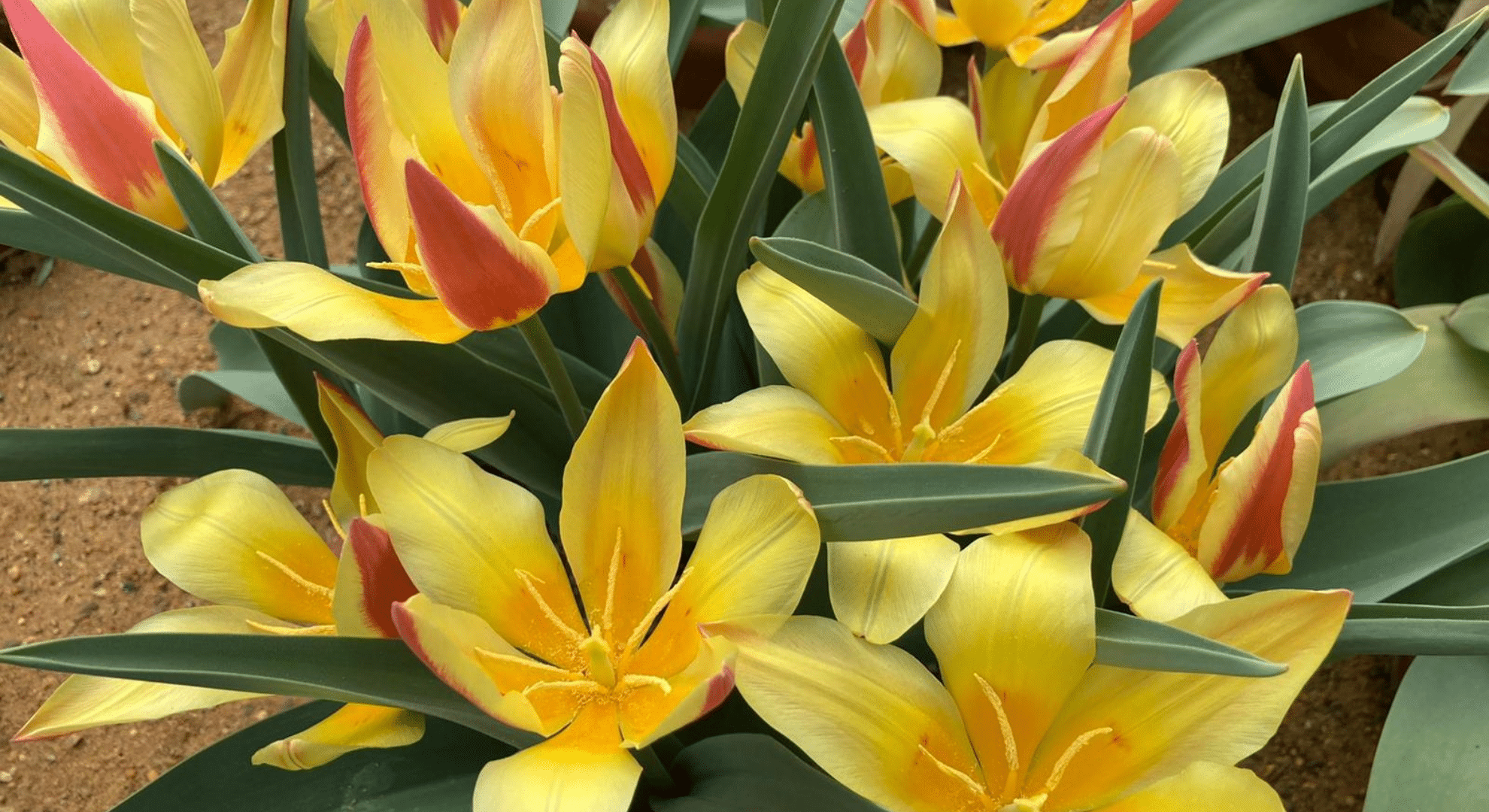
These are the closest to wild tulips you’ll find. They’re smaller, but much tougher.
- They handle weather changes well
- They’re more natural at going dormant and bouncing back
- Great for rock gardens or sunny, dry spots
Species tulips are often overlooked because they don’t look as bold in photos—but they’re dependable and low-maintenance.
2. Darwin Hybrid Tulips
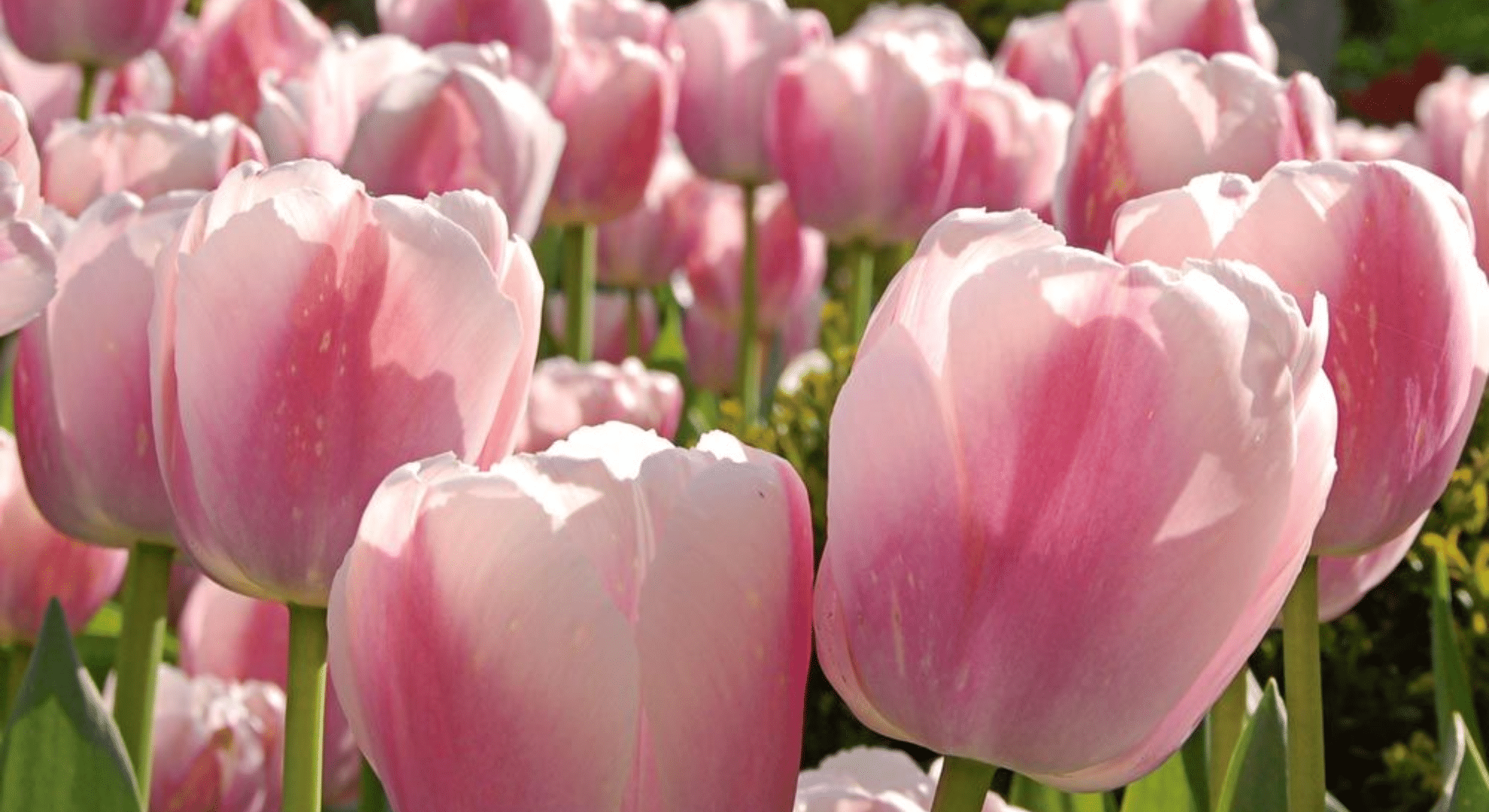
If you want big blooms and a better chance they’ll return, Darwins are a solid choice.
- Strong stems, bold colors
- More reliable than other large tulips
- Good for colder climates
They may not last forever, but they’re better than most for coming back two or three years in a row.
3. Fosteriana Tulips (Also known as Emperor Tulips)
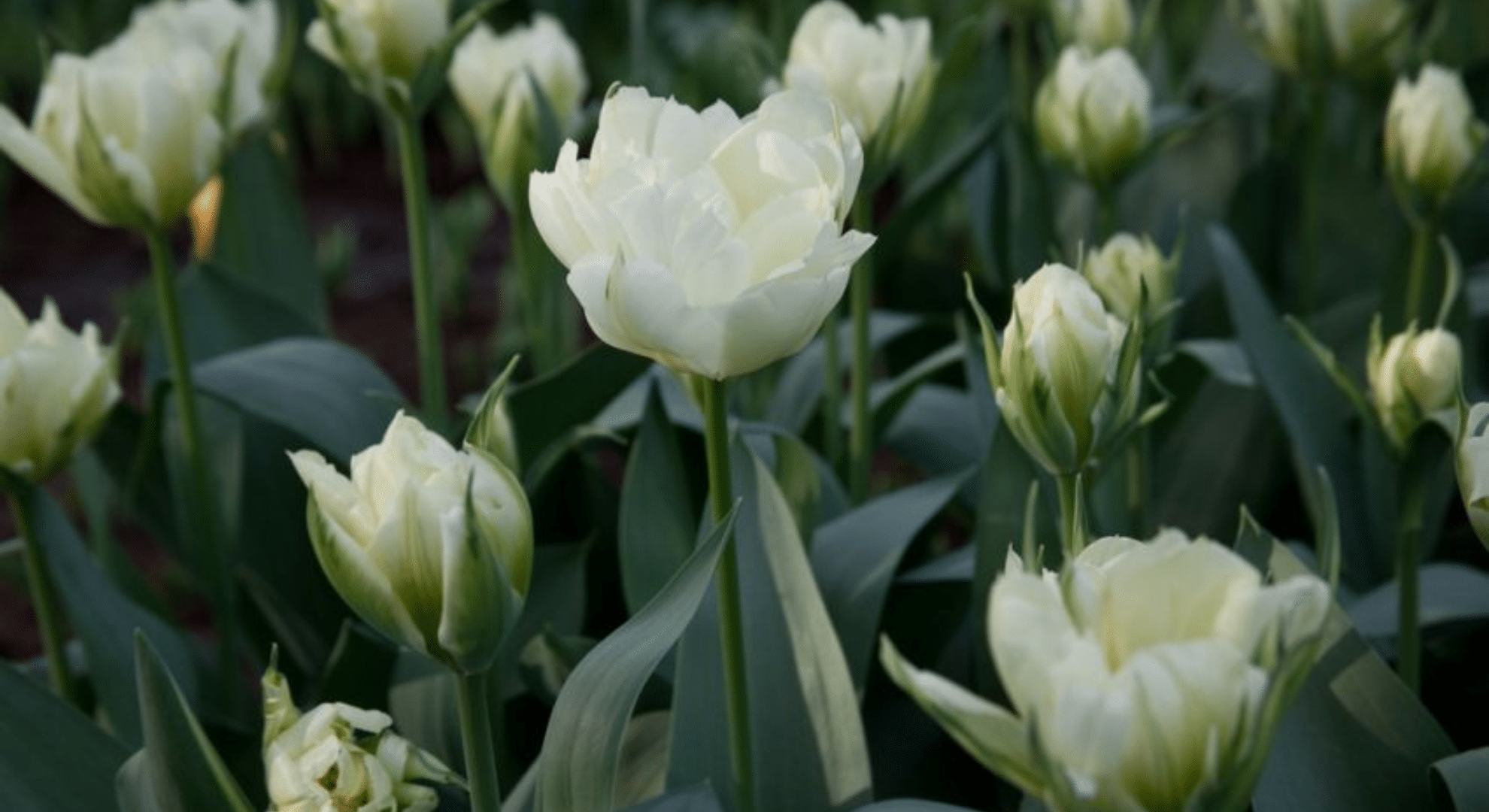
These bloom early and handle a variety of conditions well.
- Larger than species tulips
- Shorter stems than Darwin’s, but still showy
- Known for being more durable over time
They’re a smart pick if you want something eye-catching and somewhat dependable.
Why Double and Frilly Tulips Struggle
They look beautiful, but that beauty comes at a cost.
- These types are bred for looks, not long-term health
- They use a lot of energy for that first bloom
- Most don’t store enough power to return strongly
They’re great for one-season displays, but not a good choice if you’re hoping for tulips that return on their own. Choosing better bulbs from the start makes a big difference. If you’re planting for the long run, go with types that are known to keep coming back.
How Tulips Grow and Store Energy
After tulips bloom, it might look like their job is done, but inside the bulb, something important is just getting started.
Once the flower fades, the leaves stay behind. That’s not by accident. Those leaves soak up sunlight and turn it into food. That food doesn’t go to the flower. It goes down into the bulb, where it’s stored.
This stored energy is what powers next year’s bloom.
If the bulb doesn’t get enough energy, because the leaves were cut too early, or there wasn’t enough sun, it won’t have the strength to bloom again. You might get a weak flower next spring, or none at all.
The flower is the show.
The leaves are the engine.
So if you want tulips to return, let the leaves do their job. Let them stay until they turn yellow and dry out on their own.
That’s the signal that the bulb has stored what it needs and is ready to rest for next year.
What to Do After Tulips Finish Blooming
When tulips finish blooming, what you do next can decide if they return next year or not. Here’s how to care for them the right way, step by step.
1. Deadhead the Flower, But Leave the Leaves
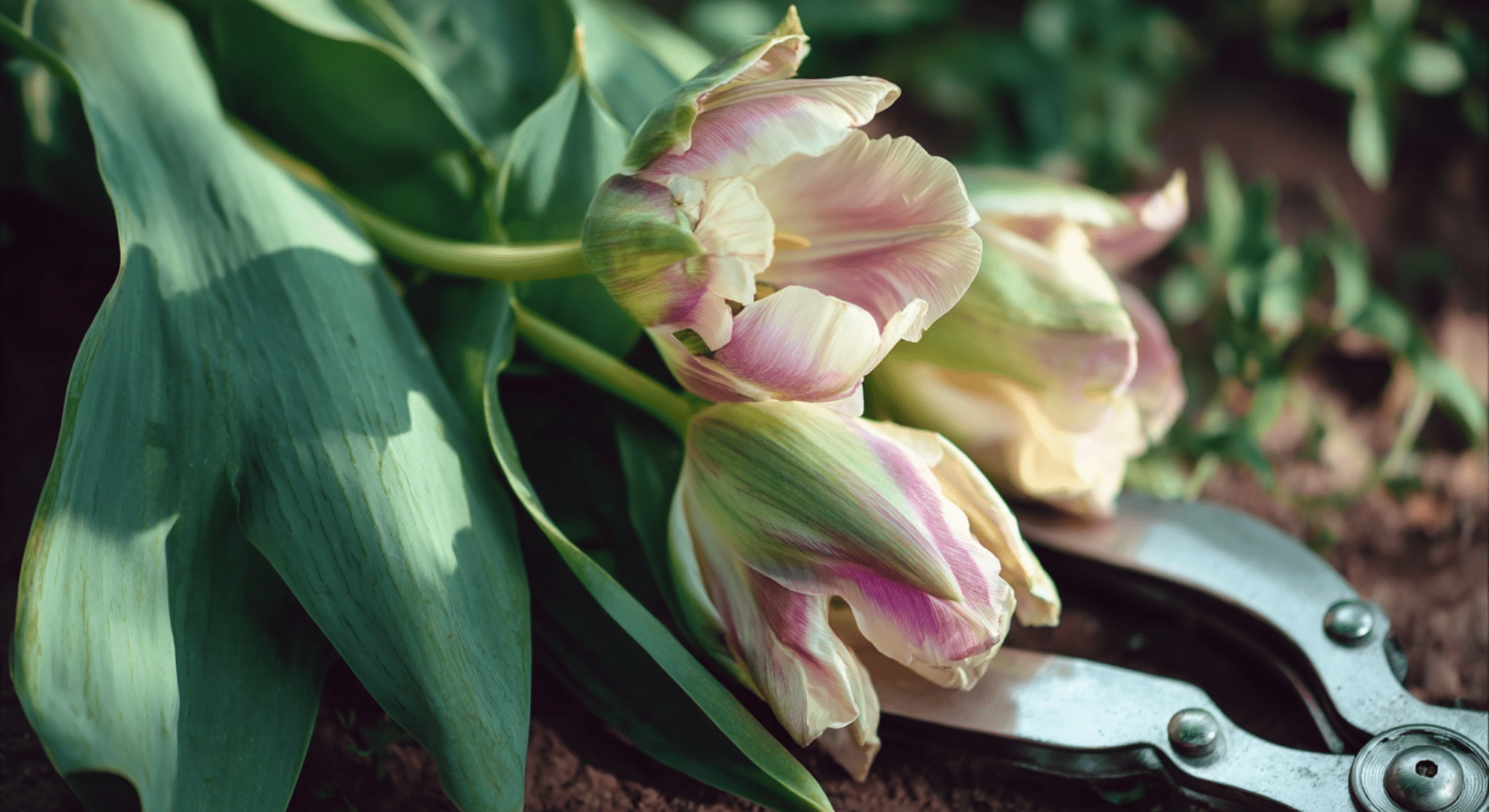
After the petals fall or wilt, snip off the dead flower head. This keeps the plant from wasting energy producing seeds.
But don’t cut the leaves. They’re still working to feed the bulb. Let them stay.
2. Water Carefully
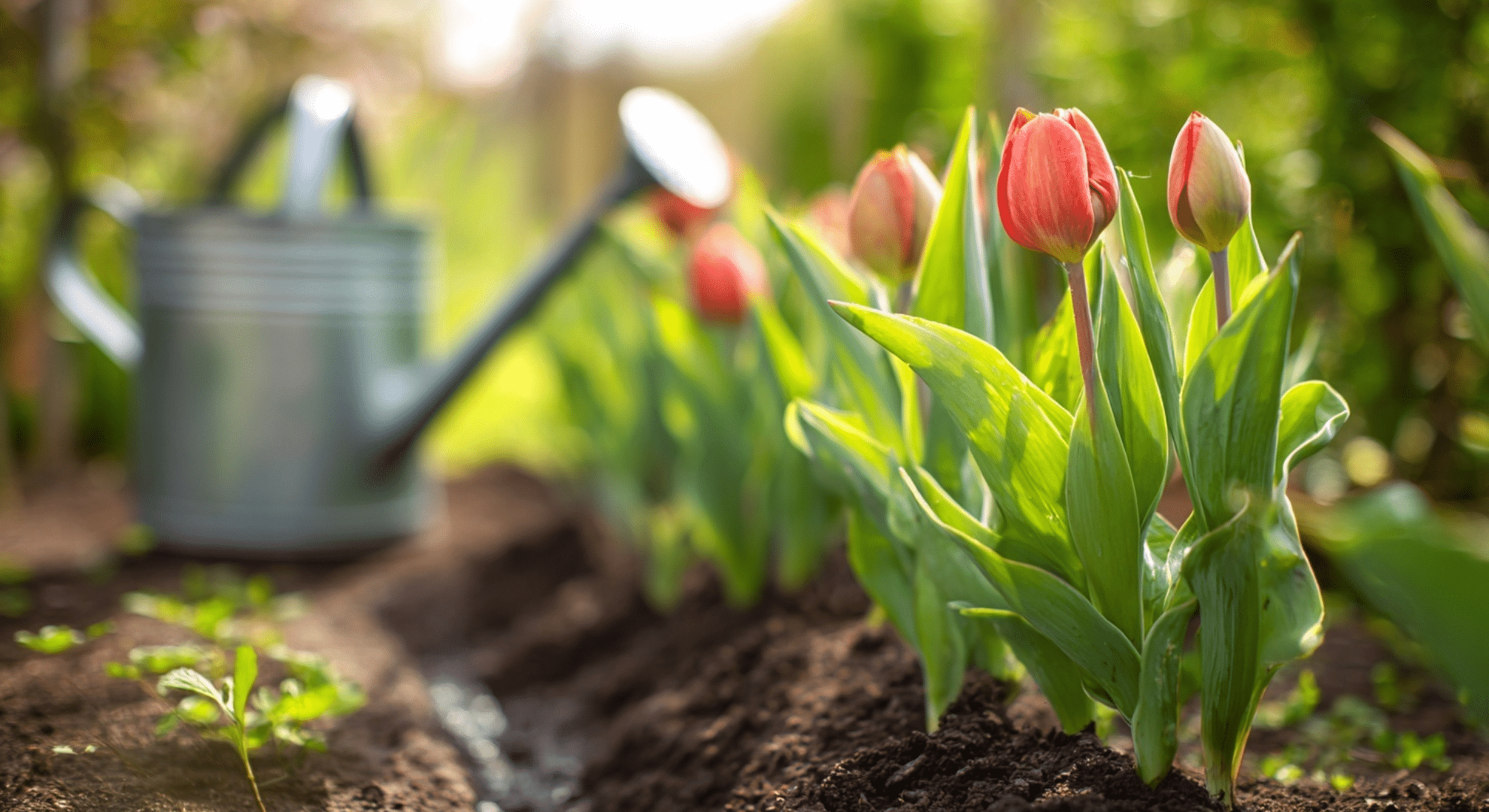
Right after blooming, keep watering for about 2–3 weeks. Not too much, just enough to keep the soil slightly moist.
After that, cut back. Tulip bulbs need to dry out, especially in summer. Wet soil for too long can make them rot.
3. Make Sure Leaves Get Sun
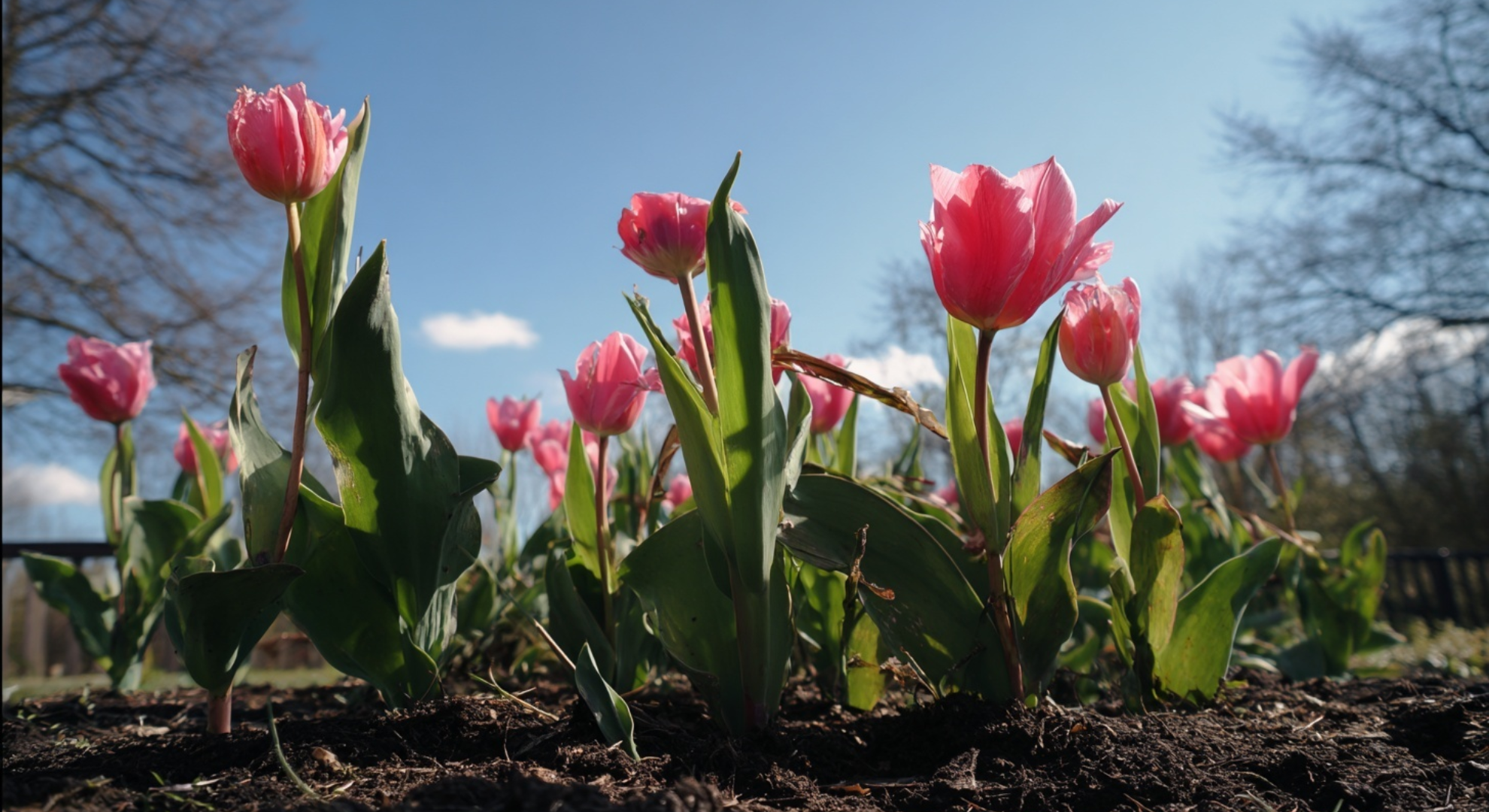
The leaves need direct sunlight to build up energy in the bulb. Don’t plant tulips under thick shade.
If they’re in the right spot, let the leaves soak up sun until they turn yellow.
4. Use Fertilizer Only If Needed
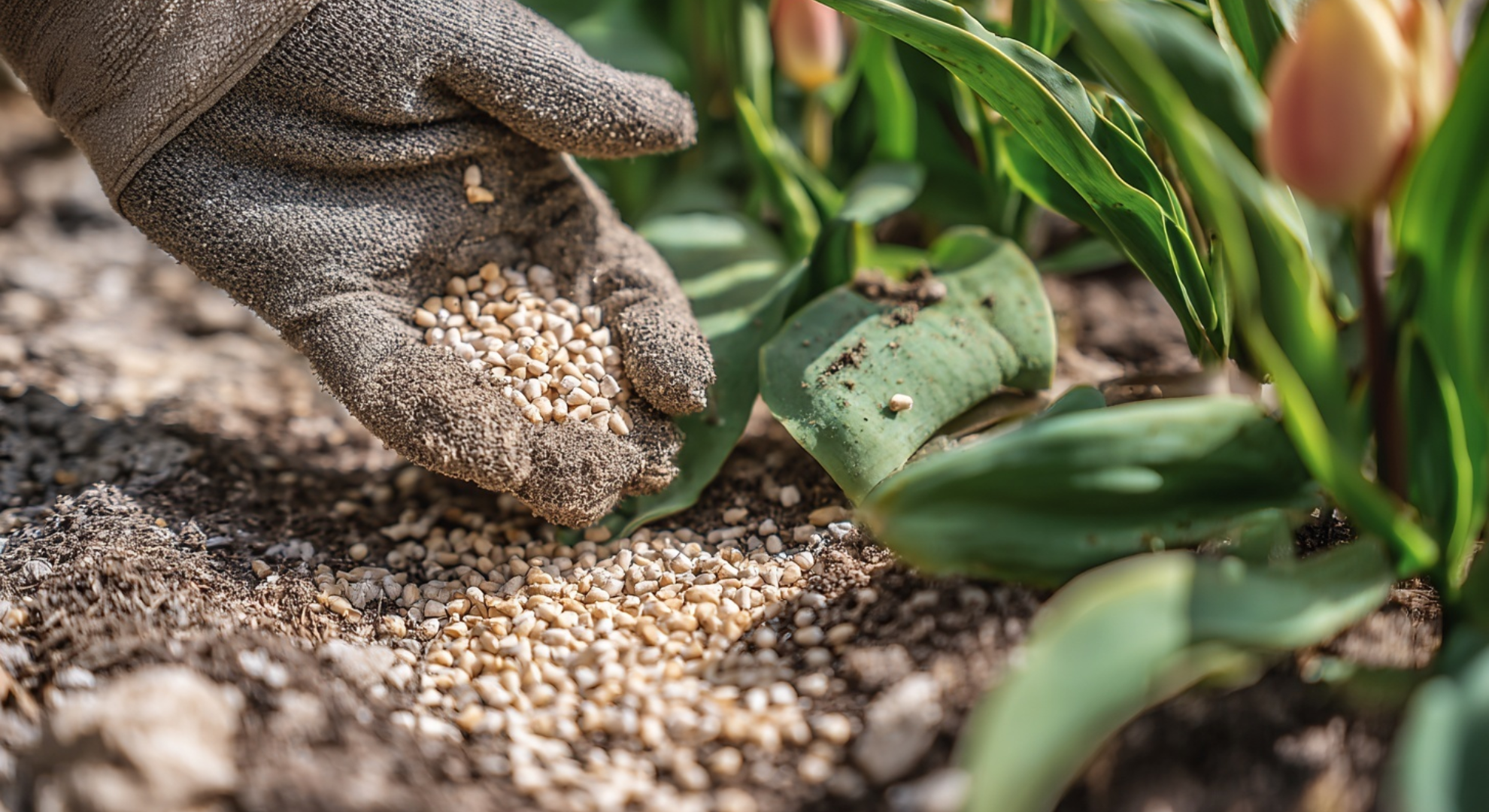
A light bulb fertilizer (low in nitrogen) can help right after the bloom. Sprinkle it around the base, not on the leaves. Don’t overdo it. One small feeding is enough. If your soil is healthy, you might not need fertilizer at all.
Treat the bulb like it’s recharging. Give it the time, light, and care it needs and it’s got a better shot at blooming again next year.
Can You Leave Tulip Bulbs in the Ground Year After Year?
Sometimes you can leave tulip bulbs in the ground and they’ll return on their own. Other times, digging them up is the better choice. It depends on your climate, soil, and the kind of tulips you planted.
Here’s a quick table to help you decide:
| Situation | Leave in Ground | Dig Up Bulbs |
|---|---|---|
| Cold winters and dry summers | Yes | Not needed |
| Warm winters (little to no freeze) | No | Yes – chill bulbs before replanting |
| Heavy rain or poor drainage in summer | No | Yes – to prevent rot |
| Using short-lived hybrid tulips | No | Yes – replace next year |
| Planting in pots or containers | No | Yes – store or replant |
| Soil is sandy or drains well | Yes | Optional |
| Replanting different flowers each year | No | Yes – avoid disease |
If you do lift the bulbs, wait until the leaves have fully yellowed and dried. Brush off the soil, let the bulbs dry in a cool, shady spot for a few days, and store them in a paper bag or box with good airflow. Keep them in a dry, dark place until fall.
Do Tulips Come Back in Pots or Containers?
Tulips can grow in pots, but coming back year after year is a lot harder in containers than in garden beds.
Pots behave differently than soil in the ground. They don’t protect bulbs as well from heat, cold, or moisture changes. That makes it harder for tulips to go through the full cycle they need: bloom, rest, and return.
In the ground, bulbs get steady cold all winter, which they need to bloom. In pots, the soil can freeze too hard or not stay cold long enough, especially in mild climates or if pots are brought indoors. Without the right cold period, the bulb may skip blooming altogether next year.
Pots usually drain well, which is great after bloom. Tulips hate wet soil. But pots also dry out faster, especially in summer. That quick drying can stress the bulb or cut off its rest cycle too soon.
Tulips in pots can return if:
- They’re in a cold climate with outdoor storage
- The container is deep enough to insulate the bulbs
- You let the leaves die back fully after blooming
- You give the bulbs time to dry and rest
Even then, most people treat tulip pots as one-season displays. For long-term success, garden beds are usually the better option.
What About Cut Tulips and Gift Bulbs?
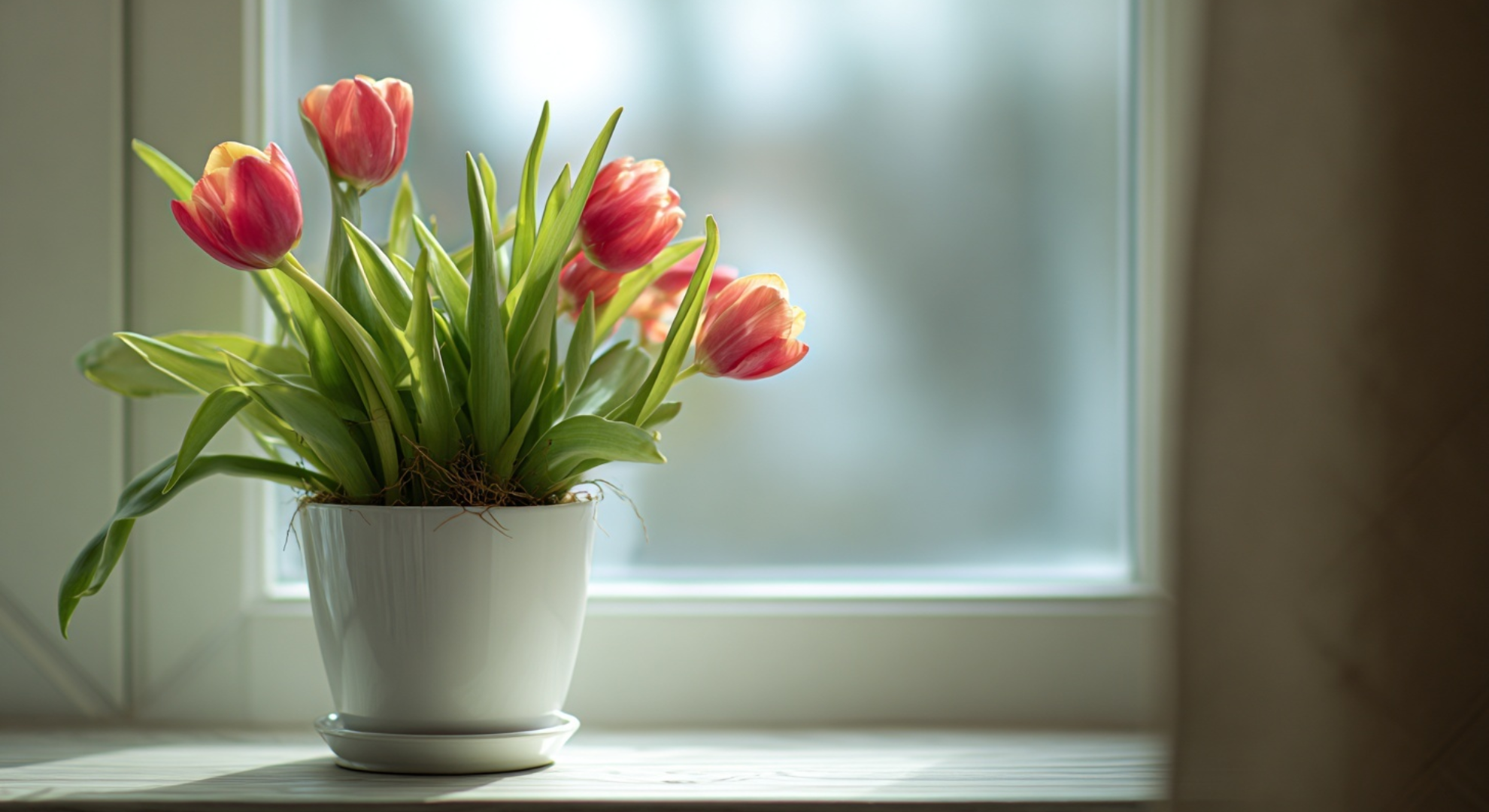
It’s easy to get tulips as a gift, maybe in a bouquet or potted bulb. But many people are surprised when those tulips never grow again.
Here’s why that happens, and what you can try if you want to keep them:
When tulips are cut for flowers, the stems and leaves are removed. That means the bulb doesn’t get the sunlight it needs to recharge. Without those leaves, there’s no way for the bulb to store energy for next year. Once cut, the tulip is done.
Potted tulips you get as gifts are often “forced” to bloom early. Growers chill and time them to bloom out of season.
That process drains the bulb’s energy fast. After blooming indoors, most of these bulbs are too weak to bloom again.
Want to Try Saving Them Anyway?
You can, but it’s a long shot. If the gift came with leaves still attached:
- Let the leaves stay until they turn yellow
- Stop watering after that and let the soil dry out
- Store the bulbs in a cool, dry spot until fall
- Replant them outdoors in a sunny bed
Even with care, forced tulips rarely return strong. But if you’re curious and don’t mind waiting, it’s worth a try, just keep your expectations low.
Do Tulips Multiply Over Time?
Yes, tulips do multiply, but not in the way many people expect. This causes a lot of confusion.
When a tulip grows, it can form small bulb offsets, also called baby bulbs. These grow next to the main bulb underground. Over time, you might dig up the area and find several bulbs instead of one.
But here’s the catch: More bulbs doesn’t always mean more flowers.
These baby bulbs are too small to bloom right away. They need a few years to grow to full size. Until then, they stay underground or produce only leaves. So if your tulips stop blooming but still have leaves, this might be why.
If tulips keep making offsets without enough energy or space, the main bulb shrinks.
That means fewer or weaker flowers over time. This happens often in older, crowded beds where bulbs haven’t been lifted or thinned out.
Tulips can multiply, but it takes management to keep them blooming well.
Growing Tulips Successfully in Different Climates
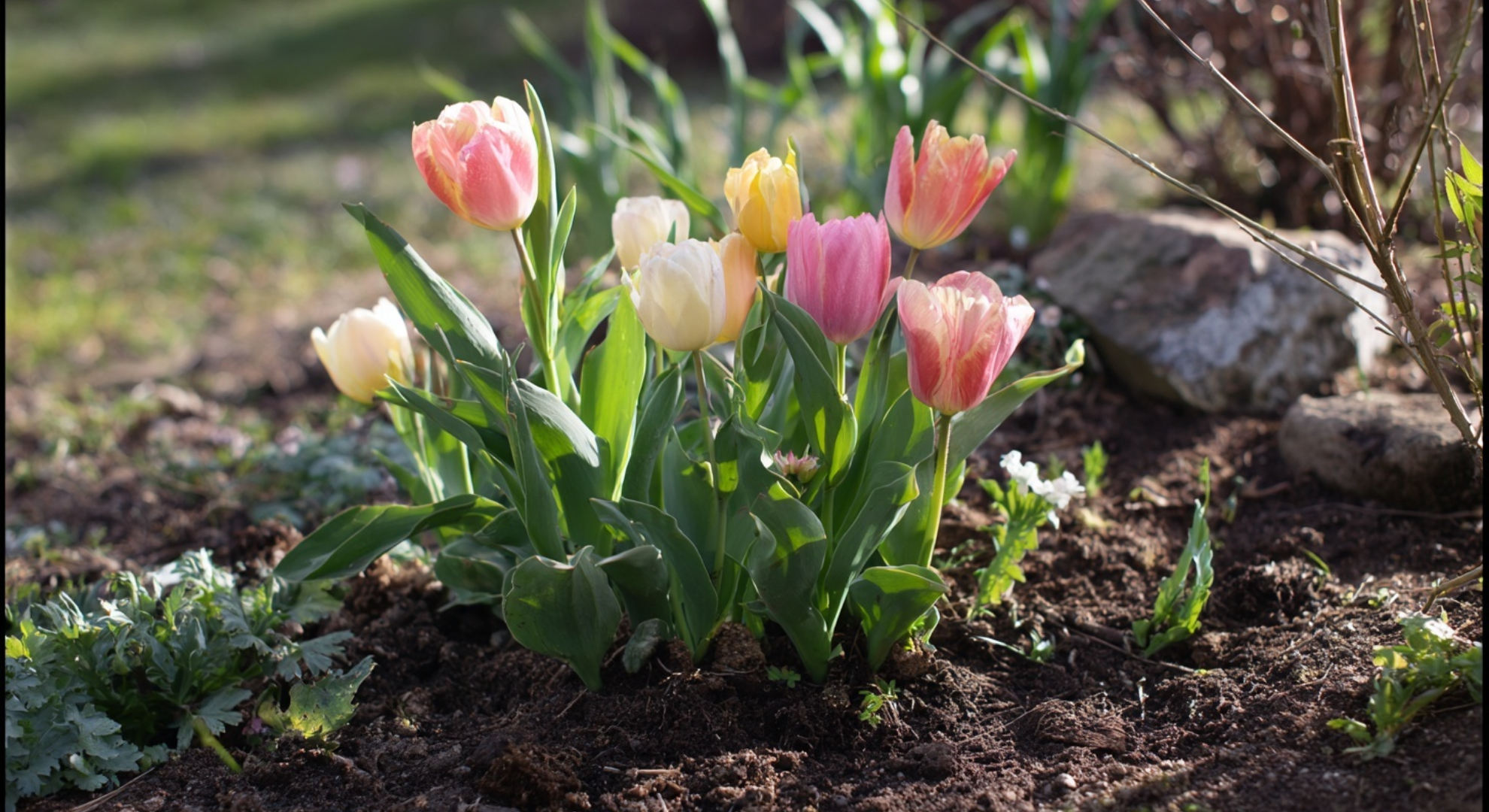
Tulips aren’t one-size-fits-all. Where you live has a huge impact on how well they grow and if they come back. But with a few smart changes, you can still enjoy them no matter your climate.
Cold Winter Climates (Zones 3–6)
Good news: this is where tulips grow best. They get the long, deep chill they need and usually come back more reliably.
What helps:
- Plant in well-drained soil to avoid rot
- Add a little bulb fertilizer in early spring
- Let leaves stay after bloom to recharge bulbs
- Choose long-lasting types like Darwin hybrids or species tulips
No major changes are needed, just basic care and patience.
Mild Winter Climates (Zones 7–10)
Tulips struggle here without cold weather. They may bloom the first year, then vanish.
What helps:
- Chill bulbs in the fridge for 10–12 weeks before planting
- Store them in a paper bag, away from fruit (fruit gives off gas that damages bulbs)
- Plant as late as December or even January, while soil is still cool
- Treat most tulips like annuals unless using low-chill types like species tulips
Without chilling, many tulips simply won’t bloom again.
Wet or Humid Summer Regions
Too much moisture in summer leads to rot. Even healthy bulbs can fail if they stay damp too long after blooming.
What helps:
- Plant in raised beds or sandy soil to improve drainage
- Avoid overwatering after bloom, let the soil dry out
- Consider digging bulbs up after leaves die back and storing them until fall
- Replant in a fresh spot each year to avoid disease buildup
In very humid places, treating tulips as one-season flowers may be the best option, unless you’re willing to dig and store them yearly.
With the right adjustments, you can still grow tulips, even in less-than-perfect climates. The key is knowing what they need and changing your routine to match your weather.
When It Makes Sense to Treat Tulips as Annuals
Sometimes, trying to make tulips come back every year just isn’t worth the trouble. And that’s okay.
If you live in a place with warm winters, heavy summer rains, or poor drainage, you may spend a lot of time trying to save your bulbs, only to get weak blooms or none at all. You might be digging, chilling, storing, and still not seeing results.
At that point, the effort can outweigh the reward.
That’s why many gardeners choose to replant tulips every fall. It’s simple, reliable, and gives you the best blooms without the stress of hoping they’ll return. You can pick bold colors, change up the layout, and enjoy the full beauty each spring.
Here’s how to enjoy tulips without frustration:
- Buy fresh bulbs each fall, on sale if needed
- Plant them in easy-to-reach beds or containers
- Choose eye-catching varieties without worrying about return rate
- Let them bloom, enjoy them, and compost them if they fade
No pressure. No disappointment. Just a fresh start every year. Treating tulips like annuals can be the smartest, most satisfying way to grow them, especially if you want strong flowers with less hassle.
Conclusion
Funny how one simple flower can lead to so many questions. I used to think tulips were just plant-and-forget, but now I know better. Do tulips come back every year?
They can, but only if we give them what they need. Cold winters, dry summers, the right type of bulb, and a little post-bloom care all make a big difference.
Now it’s your turn to look at your space and think about what fits you best.
Want to try for long-term blooms? Great. Prefer easy color each spring and replanting in fall? That works too.
Gardening is personal. It’s not about perfecting it’s about learning what fits. Curious about more garden basics and tips? Take a look at the other blogs and keep growing!