Ever thought about turning your living room into a pulse-racing mystery that has everyone scrambling for clues?
A DIY escape room brings that thrilling challenge right into your home, creating immersive adventures where problem-solving meets pure entertainment.
Planning an unforgettable birthday bash, looking for a rainy day activity that actually engages the whole family, or simply craving something more creative than movie night? Crafting your own escape experience hits differently.
You’re not just setting up a game; you’re building memories while giving new life to things already tucked away in your closets and drawers.
Ready to become the mastermind behind puzzles that’ll have your friends texting about it for weeks?
Let’s walk through everything you need to know, from that first flicker of an idea to watching players frantically search for their final clue.
What is a DIY Escape Room?
A DIY escape room is a challenge where players solve interconnected puzzles to “escape” or complete a mission within a set timeframe.
Born from video games and popularized as physical attractions in the early 2000s, these immersive experiences have now found their way into homes everywhere.
Unlike commercial versions that can cost a pretty penny per person, your homemade setup runs on creativity over cash. You control the theme, difficulty level, and story arc to match your audience perfectly.
What makes one truly engaging? A compelling narrative that ties everything together, puzzles that build on each other logically, and that addictive sense of discovery that keeps players hooked from start to finish.
Step-by-Step Guide to Creating Your Own Escape Room
Building your own escape room might sound ambitious, but breaking it down into manageable steps makes the process surprisingly doable.
Here’s how to go from blank walls to a fully functioning game that’ll leave your players impressed.
Step 1: Choose Your Theme & Storyline
Your theme is the backbone that holds everything together. It sets the mood, guides your puzzle choices, and gives players a reason to care about solving each challenge.
A strong narrative arc keeps momentum building from the opening scene to the final reveal.
Think beyond generic mysteries: a 1920s speakeasy raid, a haunted lighthouse keeper’s last shift, a museum heist gone wrong, or a time traveler’s mission to fix history.
Step 2: Plan & Map Out the Space
Grab paper and sketch your room layout before placing a single clue. Mark where each puzzle lives, how one leads to the next, and which hiding spots make sense for your story.
Consider the player’s journey: they should move through your space with purpose, not wander aimlessly.
Decide if you’re using one room or multiple areas, and establish clear boundaries so players know their limits. This blueprint becomes your master reference when things get hectic during setup.
Step 3: Create Compelling Puzzles
The right mix of puzzle types keeps players engaged and prevents monotony.
Here are proven puzzle styles that work beautifully in home setups:
- Ciphers and coded messages that need decryption
- Riddles pointing to specific objects or locations
- Physical challenges like assembling pieces or pattern matching
- Lock-and-key combinations with surprising reveals
- Invisible ink messages under UV light
- Math problems that unlock number padlocks
Start simple to build confidence, then layer in complexity. Each puzzle should feel organic to your theme; a pirate adventure calls for treasure maps, not spreadsheets.
Aim for variety so different player strengths shine.
Step 4: Gather Materials & Props
You probably own more escape room materials than you realize.
Here’s what to collect and where each item fits into your design:
| Item | Purpose | Where to Find |
|---|---|---|
| Padlocks (numeric & key) | Securing boxes and containers | Hardware store, dollar store |
| Envelopes & boxes | Hiding clues and creating reveals | Around your house |
| UV flashlight & invisible ink pen | Secret messages | Online, craft stores |
| Printables (codes, maps, letters) | Narrative elements | Create or download templates |
| QR codes | Tech-forward clues | Free QR generators online |
Raid your recycling bin, craft drawer, and storage closets first. Old books become hollow hiding spots, picture frames conceal messages, and vintage keys add authentic texture without costing anything.
Step 5: Set Up the Room
Place your puzzles in sequence so players can’t accidentally stumble onto the ending. Each solved challenge should logically reveal the next step through a discovered key, decoded location, or unlocked container.
Decorate thoughtfully: dim lighting for mystery, string lights for whimsy, scattered props that reinforce your theme.
Hide clues where players will look but not immediately spot them. Test every lock before game time to avoid frustrating mechanical failures mid-game.
Step 6: Test & Refine
Run through your entire escape room with a volunteer who hasn’t seen your plans.
Watch where they get stuck, what they breeze through, and which clues confuse rather than challenge. This rehearsal reveals gaps in logic, overly obscure hints, and pacing issues you couldn’t see while designing.
Adjust difficulty based on your intended audience: kids need clearer connections, while puzzle enthusiasts crave layers. Fresh eyes catch everything you’ve become blind to after hours of planning.
40+ Puzzle & Clue Ideas to Inspire Your Design
Stuck on what puzzles to include? This collection covers everything from classic ciphers to unexpected sensory challenges that’ll make your escape room memorable.
1. Caesar Cipher Messages
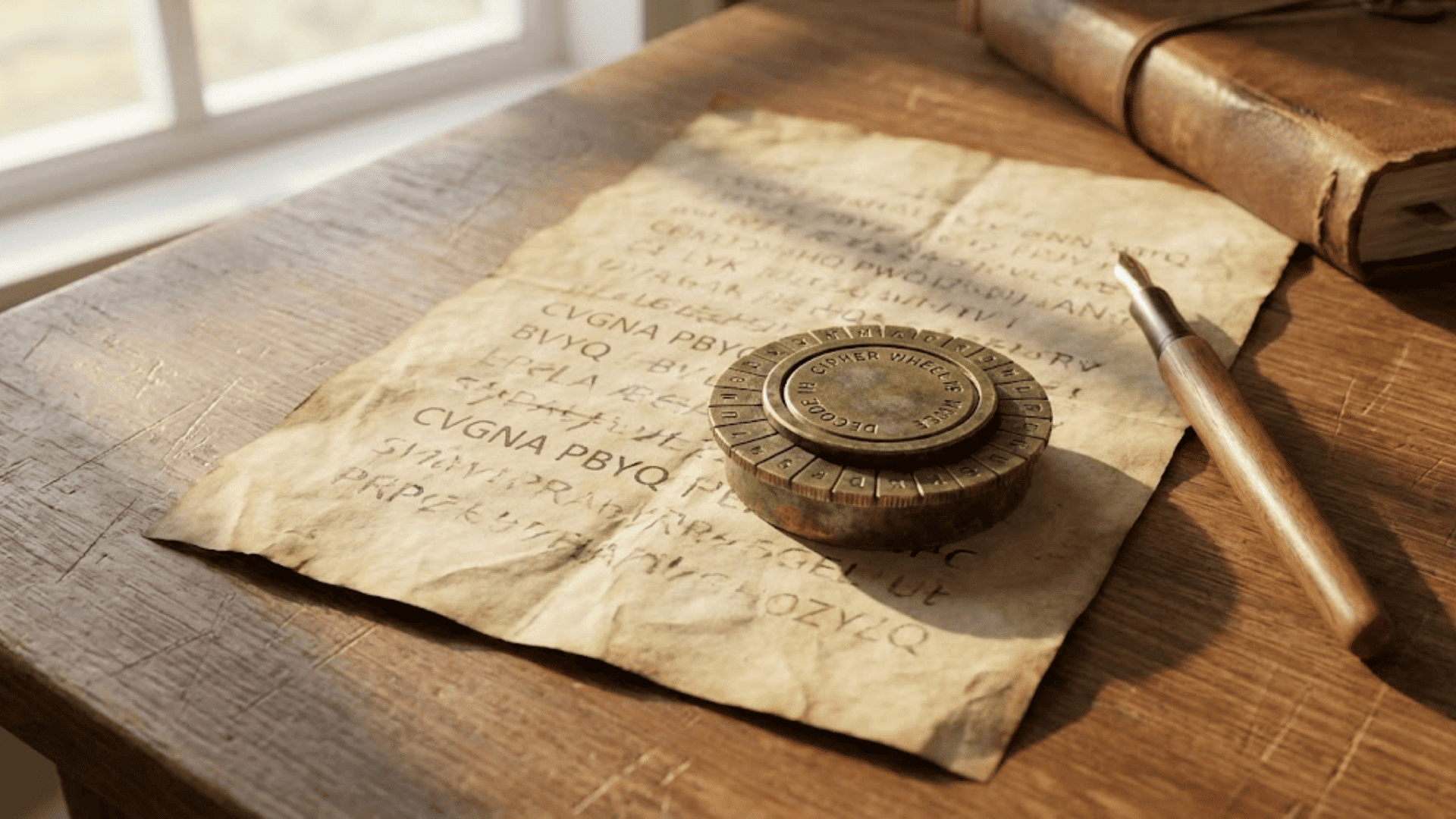
Shift each letter forward or backward in the alphabet by a set number. Provide a decoder wheel as a prop, or let players figure out the pattern themselves by recognizing common words.
This classic encryption method works beautifully for secret agent themes, wartime scenarios, or historical quests where encrypted communication feels authentic and immersive.
2. Symbol Substitution Codes
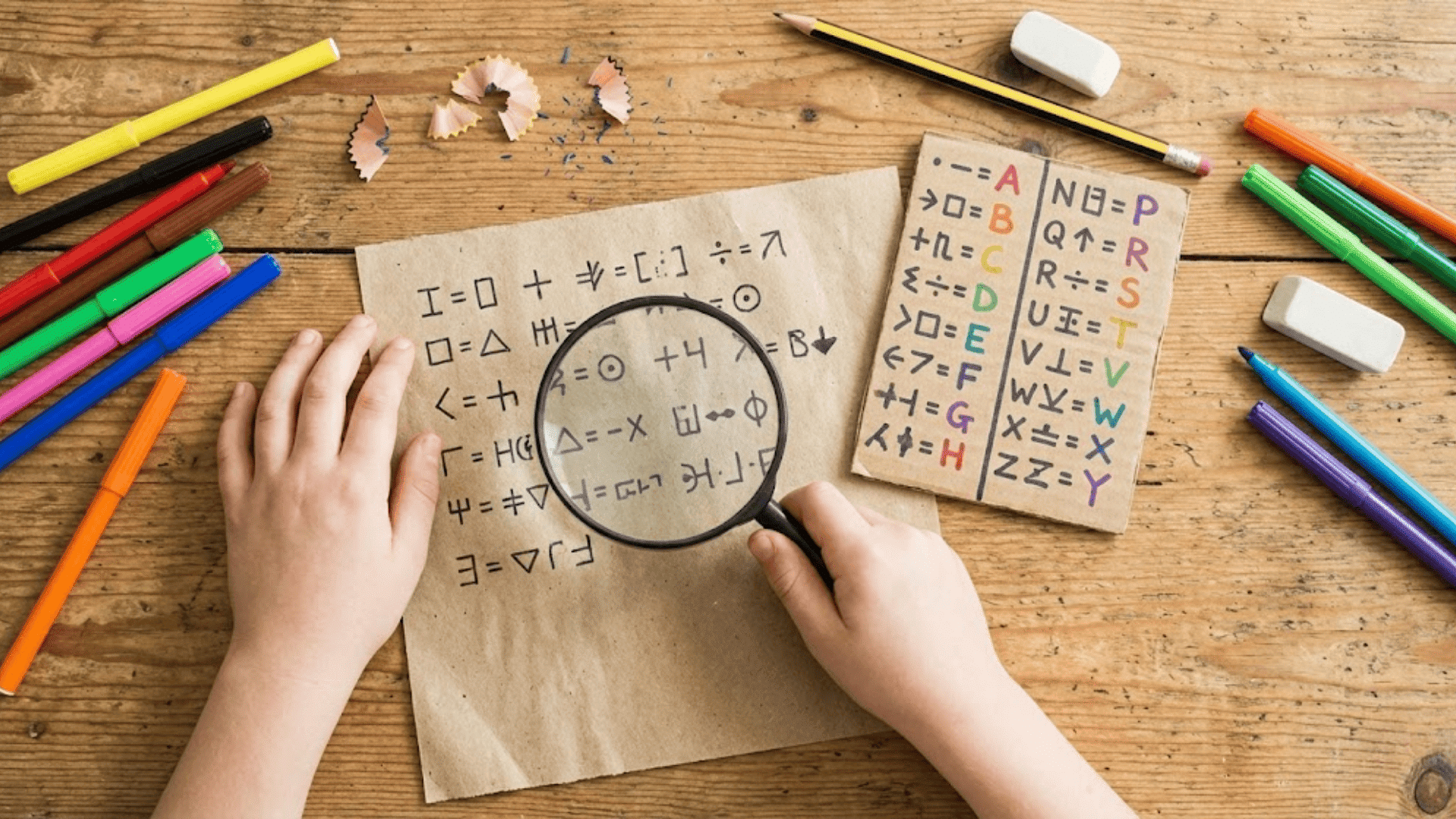
Replace letters with symbols, emojis, drawings, or hieroglyphics to create mysterious messages. Create a key that players must find first, or hide parts of the decoder around different locations in the room.
This visual puzzle appeals especially to players who think in pictures rather than words, and you can customize symbols to match your theme perfectly.
3. Alphanumeric Conversions
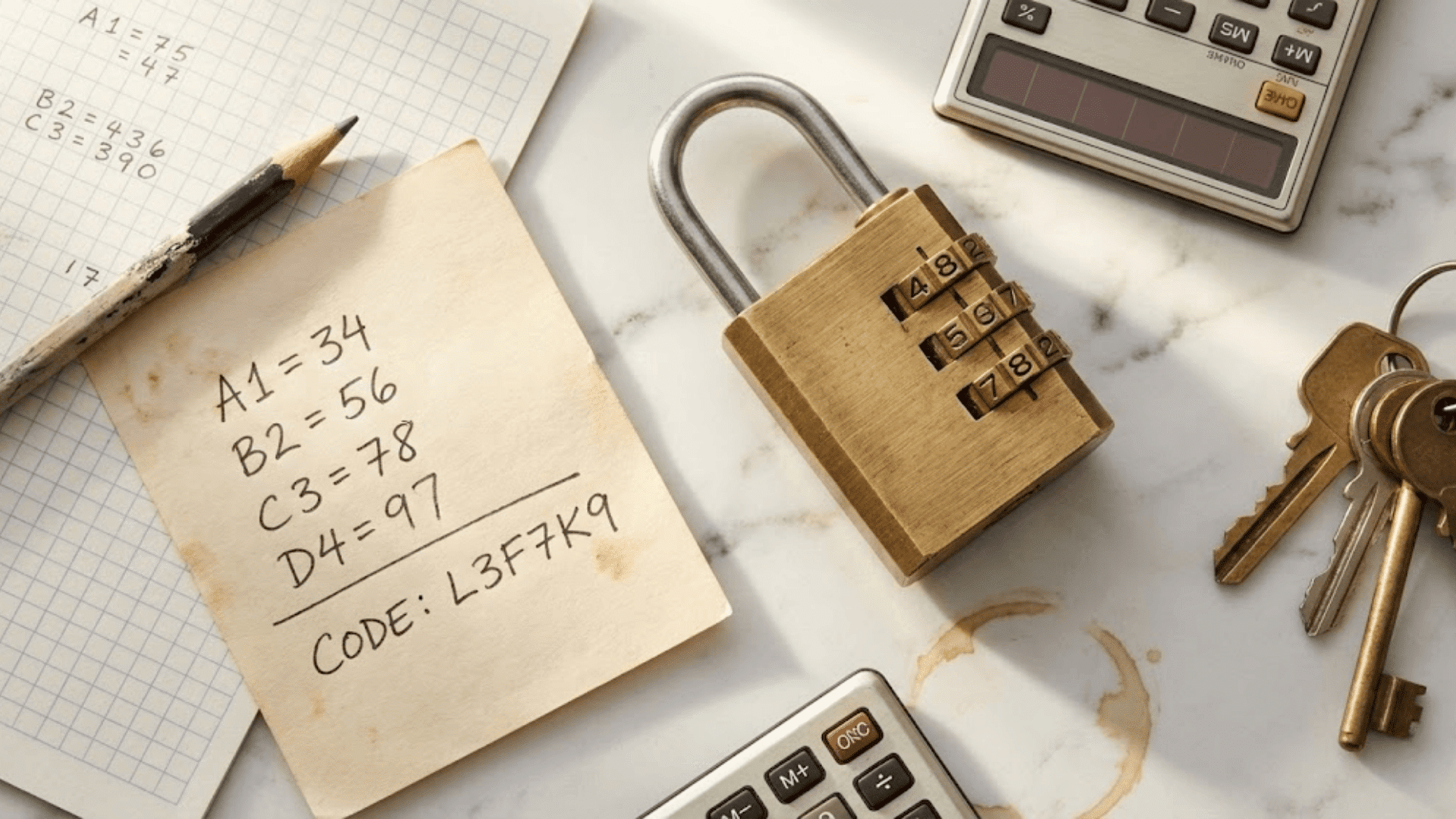
Assign numbers to letters where A equals one, B equals two, and so on, to create numeric codes that unlock padlocks. Hide number sequences like fake phone numbers, street addresses, or dates in your artwork.
Players must identify which numbers matter, convert them back to letters, and then arrange them into the final answer or combination.
4. Invisible Ink Messages
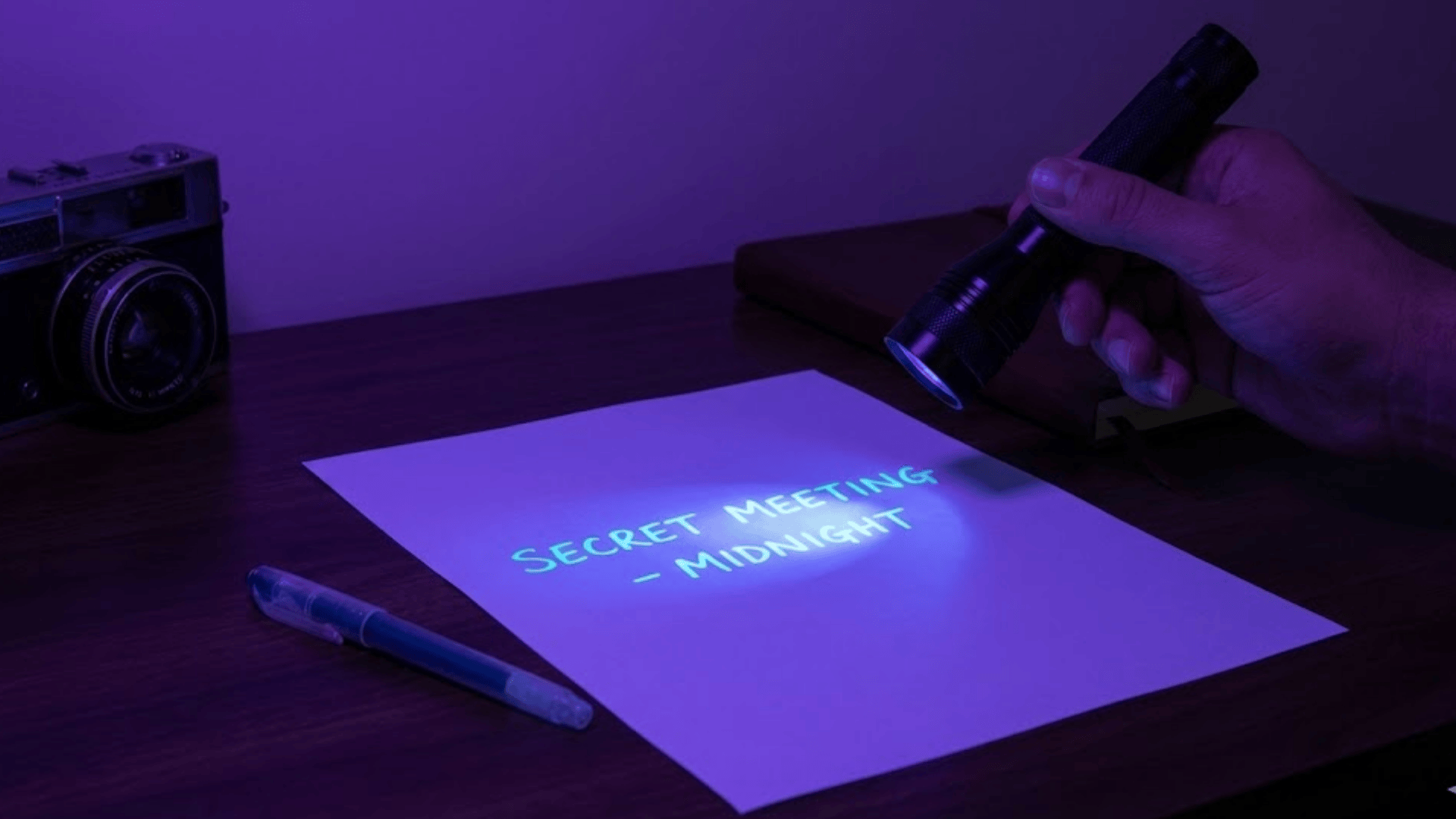
Write clues with ultraviolet reactive pens that only appear under blacklight illumination. Place the UV flashlight in a locked box so players must earn it first to read hidden messages on walls, papers, furniture, or objects.
This creates a satisfying reveal moment when previously blank surfaces suddenly display crucial information.
5. Mirror Writing
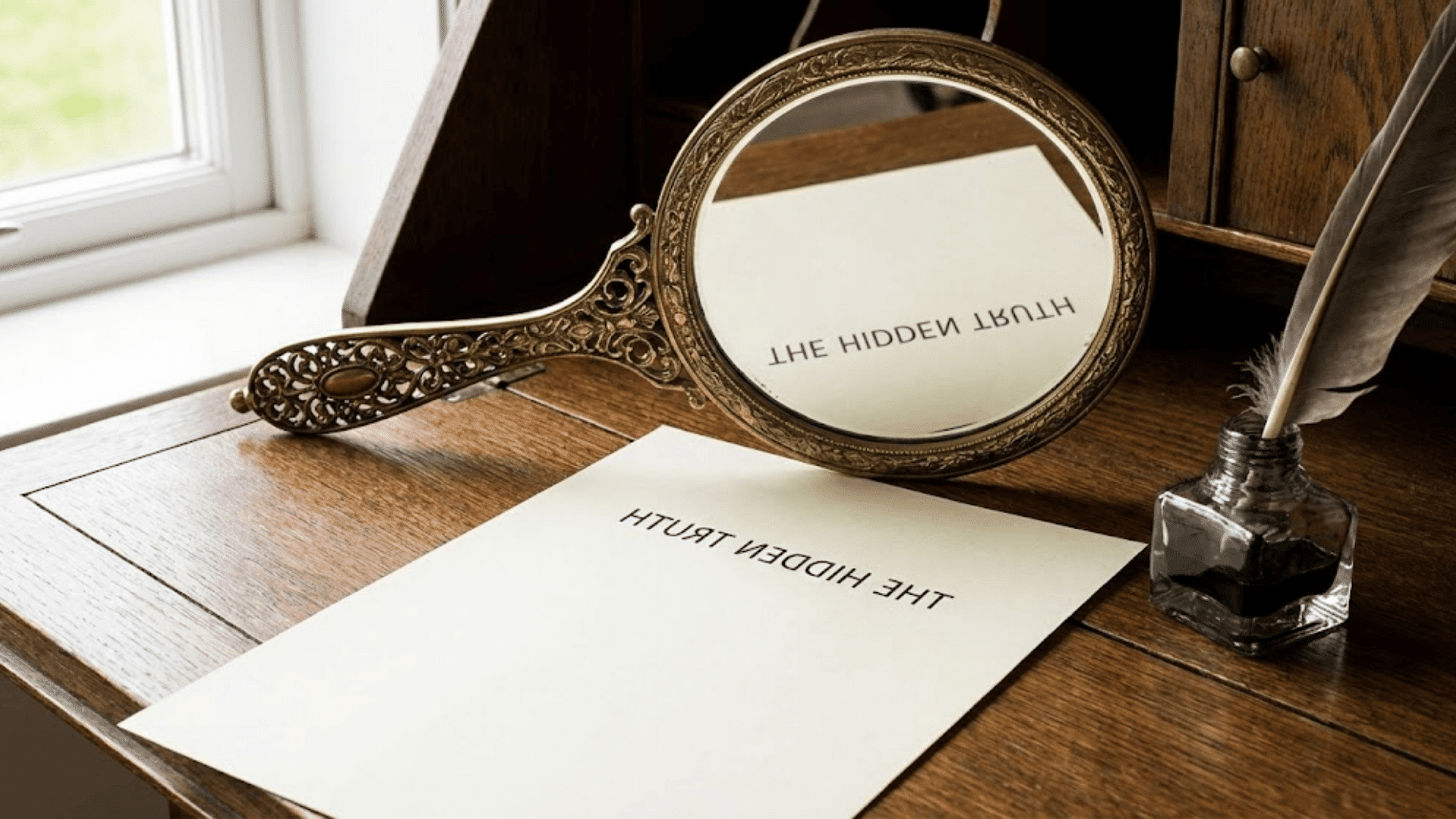
Write text backwards so it only reads correctly when reflected in a mirror. Position a mirror strategically in the room as an obvious prop, or make finding the mirror part of the puzzle sequence itself.
Leonardo da Vinci famously used this technique in his notebooks, making it perfect for Renaissance themes, artist mysteries, or spy scenarios where discretion matters.
6. Lemon Juice Heat Reveals
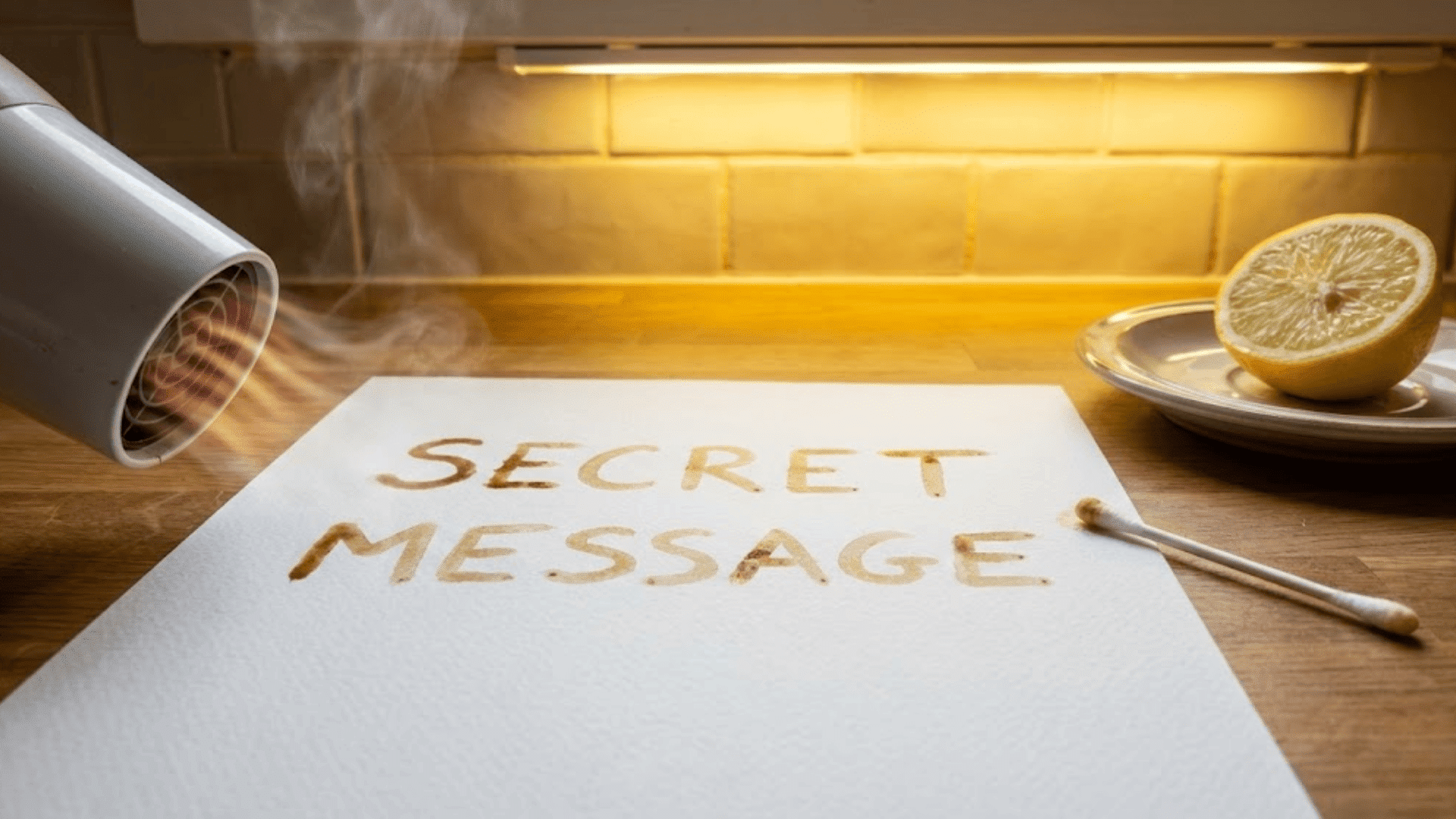
Write messages with lemon juice using a cotton swab or small brush that becomes visible when gently heated with a hairdryer or held carefully near a warm light bulb.
This old-school spy trick delights players with its simplicity and requires no special purchases beyond citrus from your kitchen. The gradual appearance of brown letters feels genuinely magical to watch.
7. White Crayon Watercolor Reveal

Draw or write with a white crayon on white paper so nothing appears visible initially. Players must paint over the surface with watercolor paints or diluted food coloring to reveal the hidden message through wax resist.
This technique works wonderfully for artistic themes, magical scenarios, or children’s escape rooms, where the interactive painting element adds extra fun.
8. Book Spine Messages

Arrange books on a shelf so their spines spell out a clue when read from top to bottom or left to right. Players must find the correct reading order and identify which first letters, words, or highlights form the message.
Choose books you already own, or use printed paper wrapped around cardboard to create custom spines.
9. Jigsaw Puzzle Codes
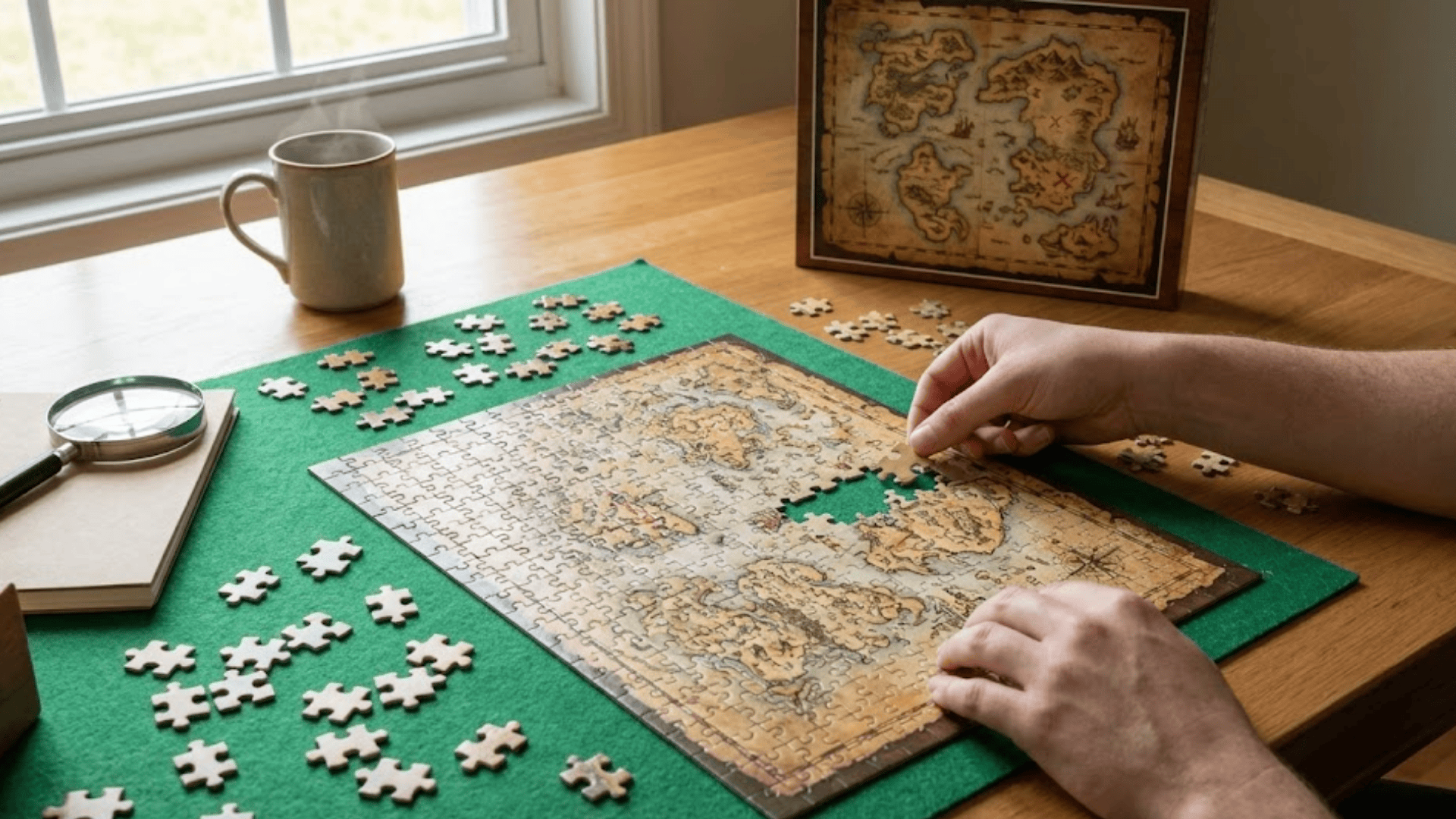
Scatter puzzle pieces around the room to form a map, code, or instruction when assembled. Some pieces can be locked in boxes, requiring players to solve challenges before completing the full picture.
The gradual reveal keeps players engaged as the image becomes clearer with each discovered piece.
10. Nested Lockboxes
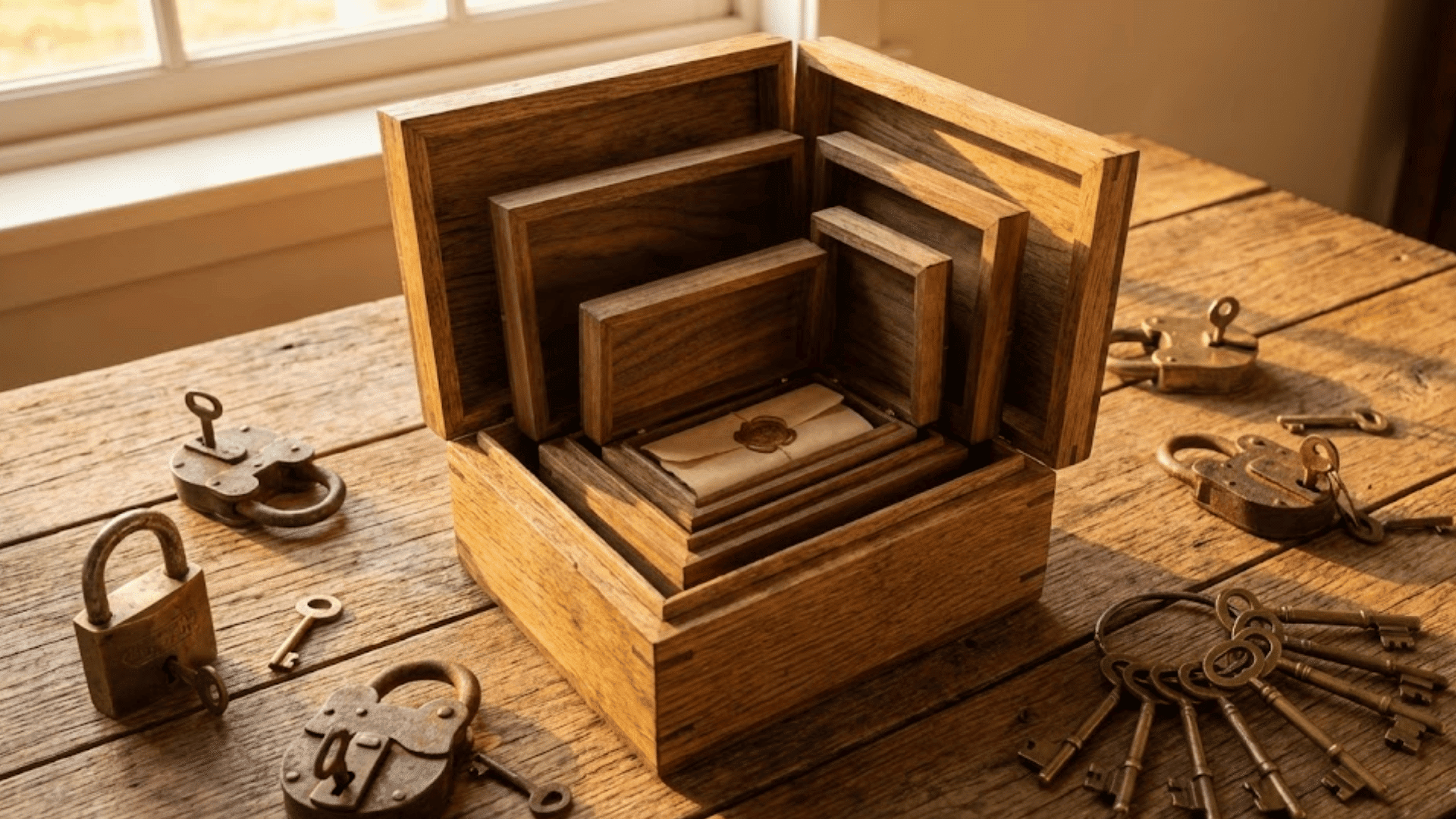
Create a chain reaction where opening one box reveals a key to the next container. Each successive box holds progressively important clues, building dramatic tension as players get closer to the final answer.
Use different lock types at each stage: key locks, combination padlocks, directional locks, to vary the challenge and prevent monotony throughout the sequence.
11. Tangram Shape Puzzles
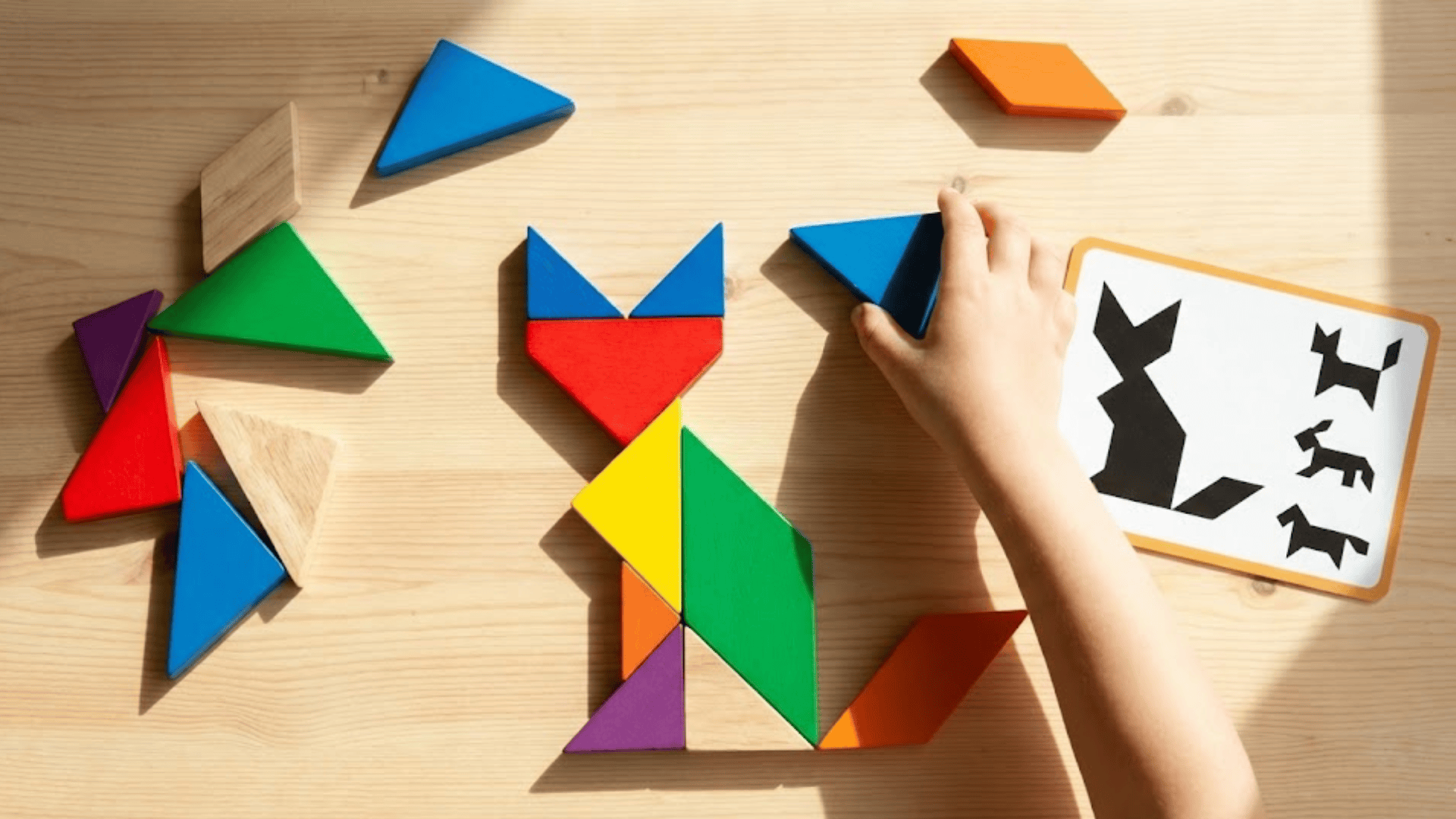
Provide geometric shapes that must fit together in one specific arrangement to reveal a hidden compartment or align perfectly to display a code.
These spatial puzzles challenge a different kind of thinking than word-based clues, engaging players who excel at visual and spatial reasoning. You can create tangrams from cardboard, foam sheets, or wood for a more polished look.
12. Magnetic Letter Arrangements
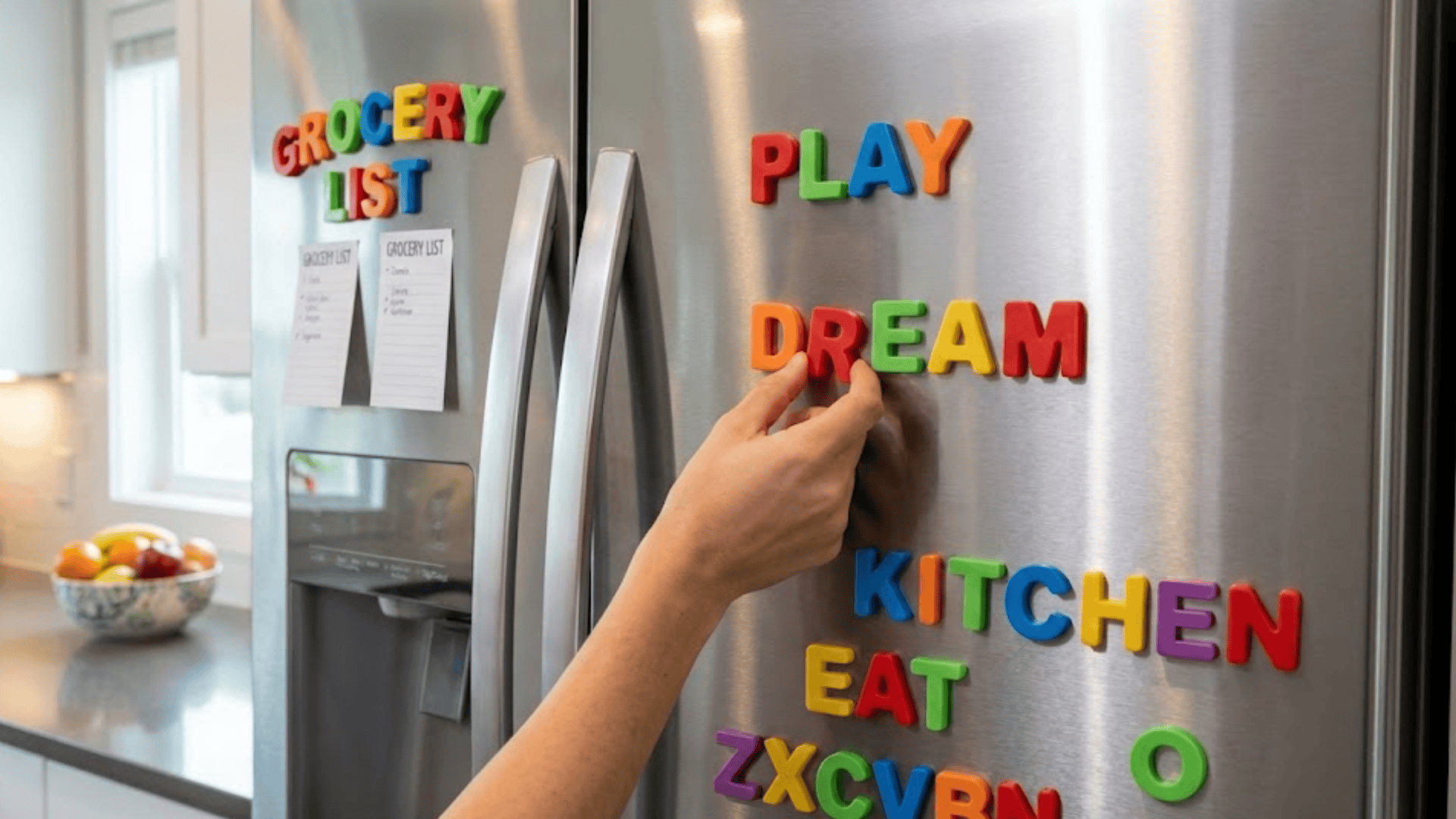
Scatter magnetic letters around the room that spell out instructions, locations, or answers when properly arranged on a metal board or magnetic surface.
Players must determine the correct word or phrase from jumbled possibilities, sometimes needing to solve other puzzles first to know what word they’re forming. Include extra letters as red herrings to increase difficulty.
13. Combination Lock Math Problems
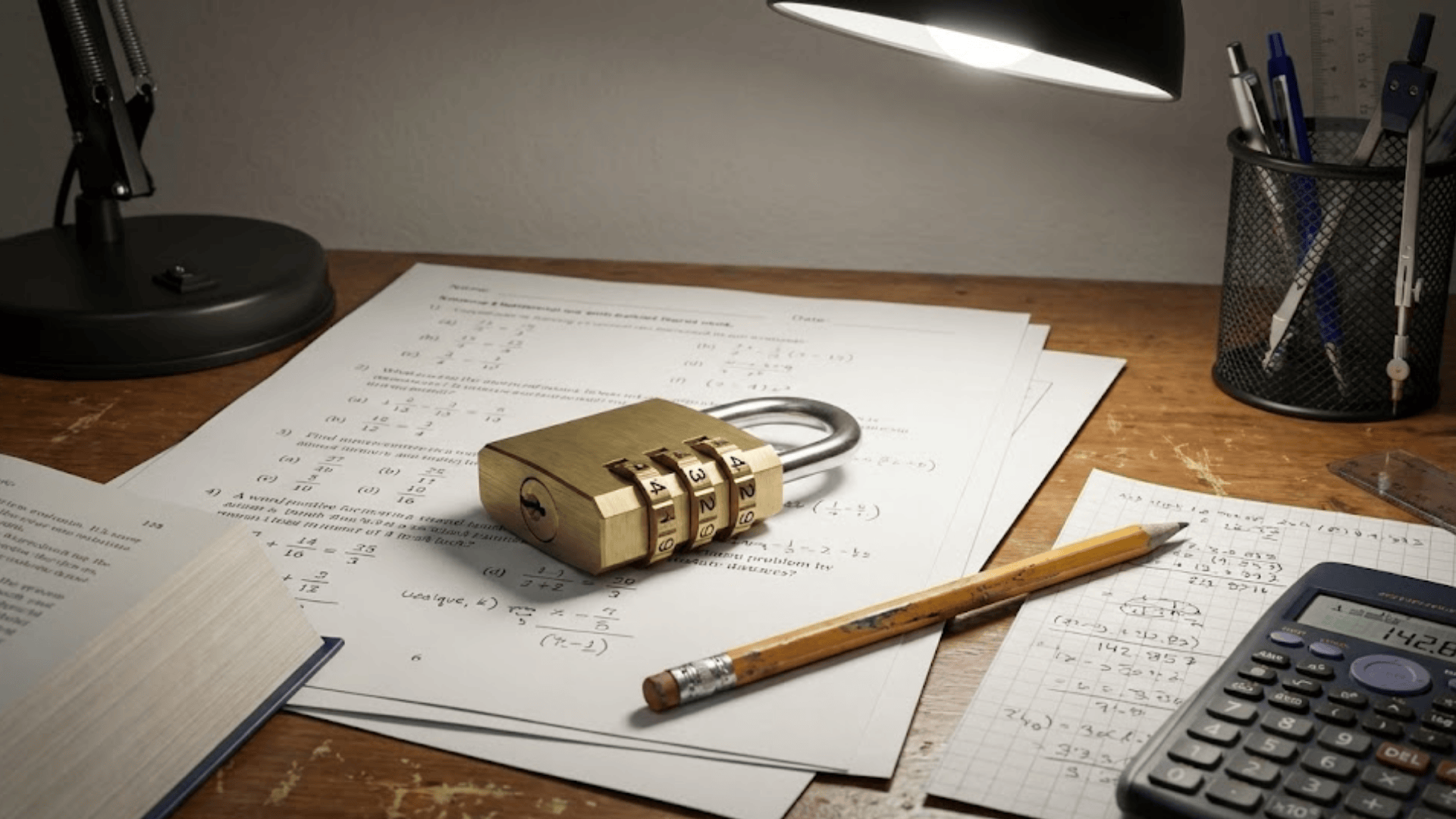
Create calculation chains where solving math problems reveals the padlock code. Hide numbers throughout the room that must be added, subtracted, multiplied, or arranged in sequence.
You can make this easier by providing the operation clearly, or harder by making players deduce which mathematical process applies. Works perfectly for school themes or scientific laboratories.
14. Treasure Map Navigation
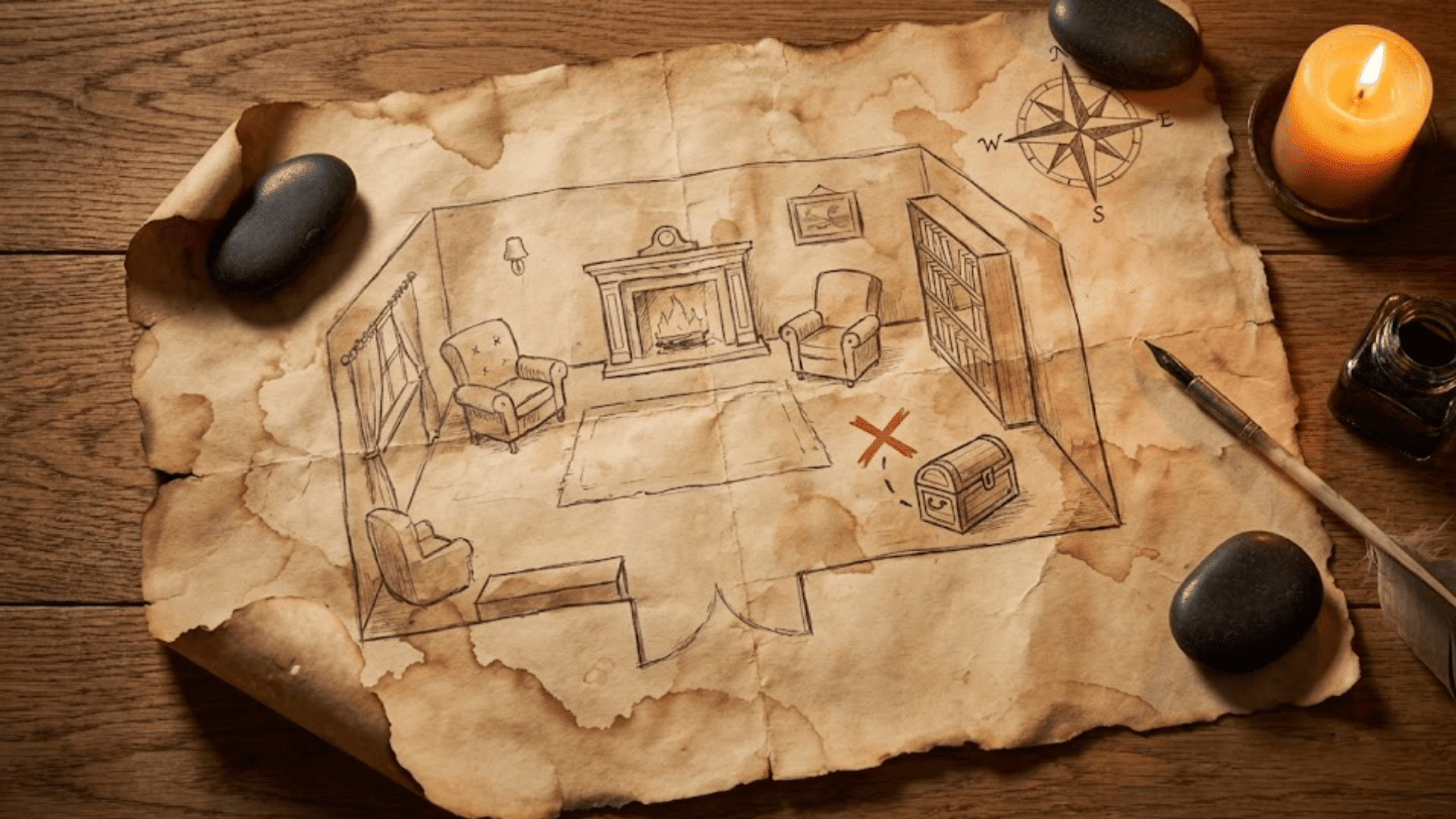
Draw a detailed map corresponding to your actual room layout with illustrated landmarks matching real furniture, decorations, or distinctive features.
Mark X indicates where the next clue is hidden, teaching players to observe surroundings and translate 2D maps into 3D space. Age the paper with tea staining for added authenticity in pirate or adventure-themed settings.
15. String Maze Pathways
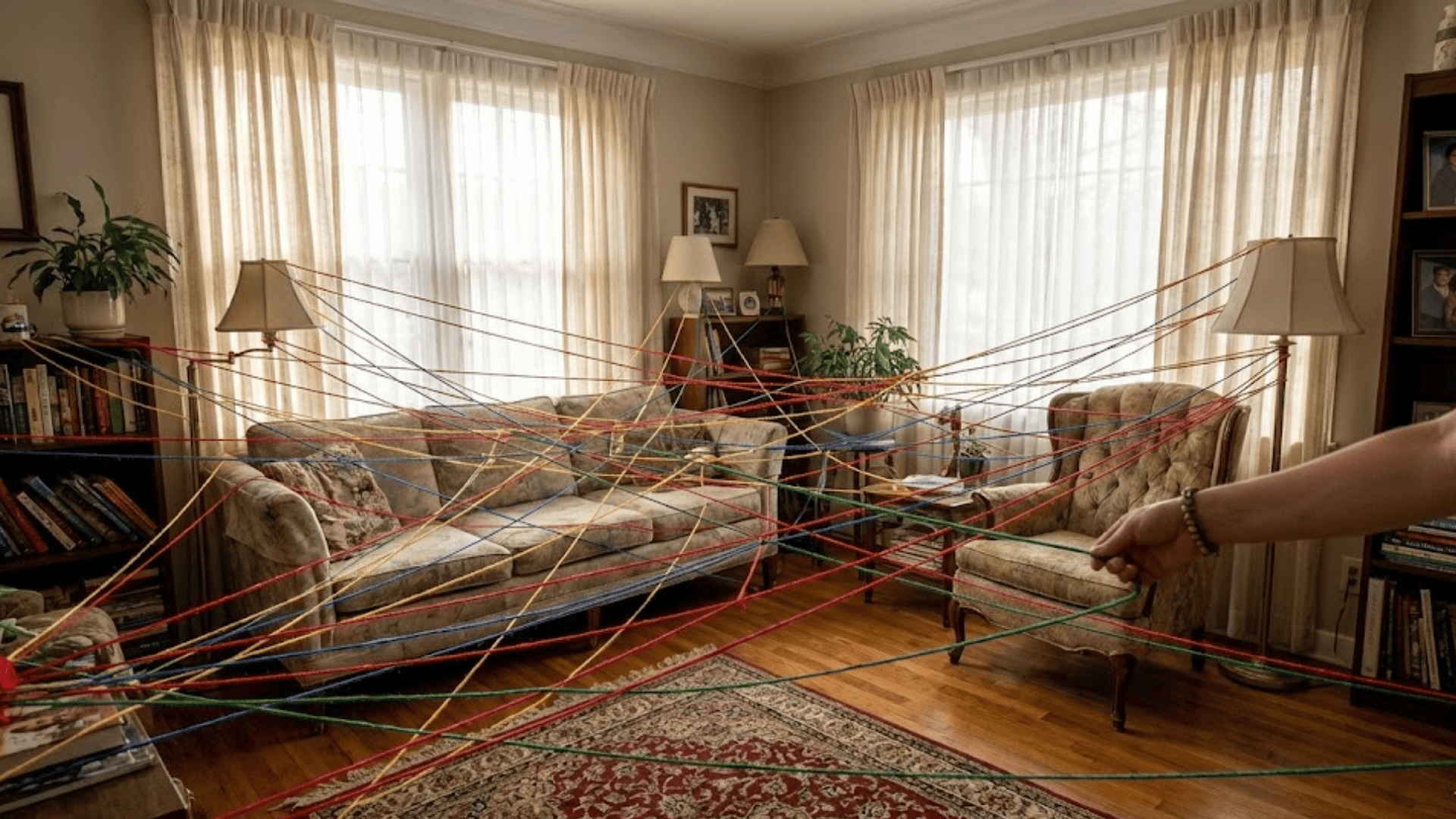
Run multiple colored strings across the room in tangled, overlapping patterns. Following the correct color from a marked starting point to its endpoint leads to a hidden message, object, or next clue attached at the destination.
This physical puzzle gets players moving and creates visually interesting room decorations while they concentrate on tracing their chosen thread.
16. Connect the Dots Coordinates
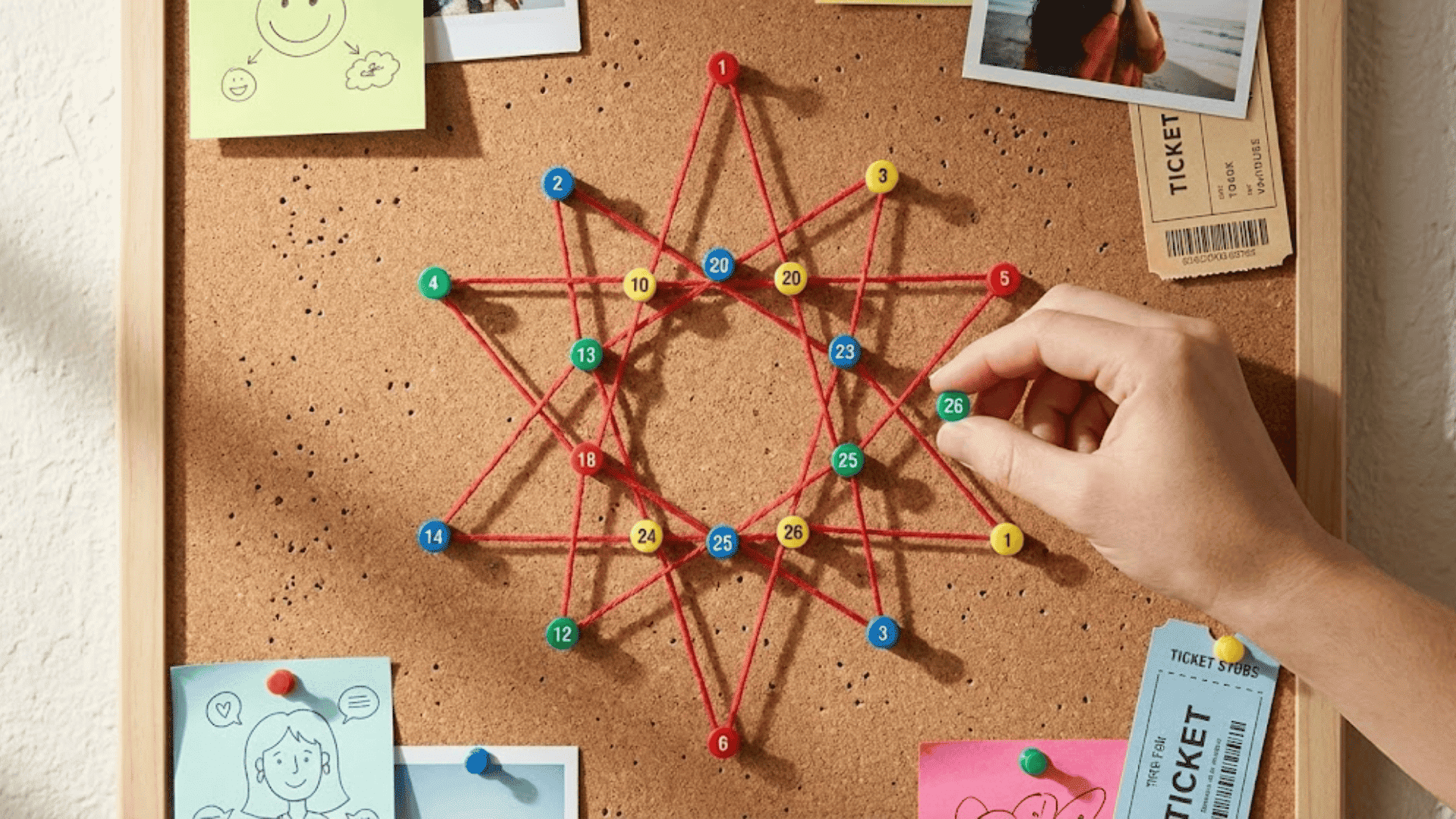
Use numbered pushpins on a corkboard or wall. Connecting them in numerical order reveals a shape, symbol, letter, or number pattern that corresponds to information needed elsewhere.
This works as both a puzzle itself and as a key to decode other challenges. You can hide some pin numbers to make players search the room thoroughly first.
17. QR Code Video Messages
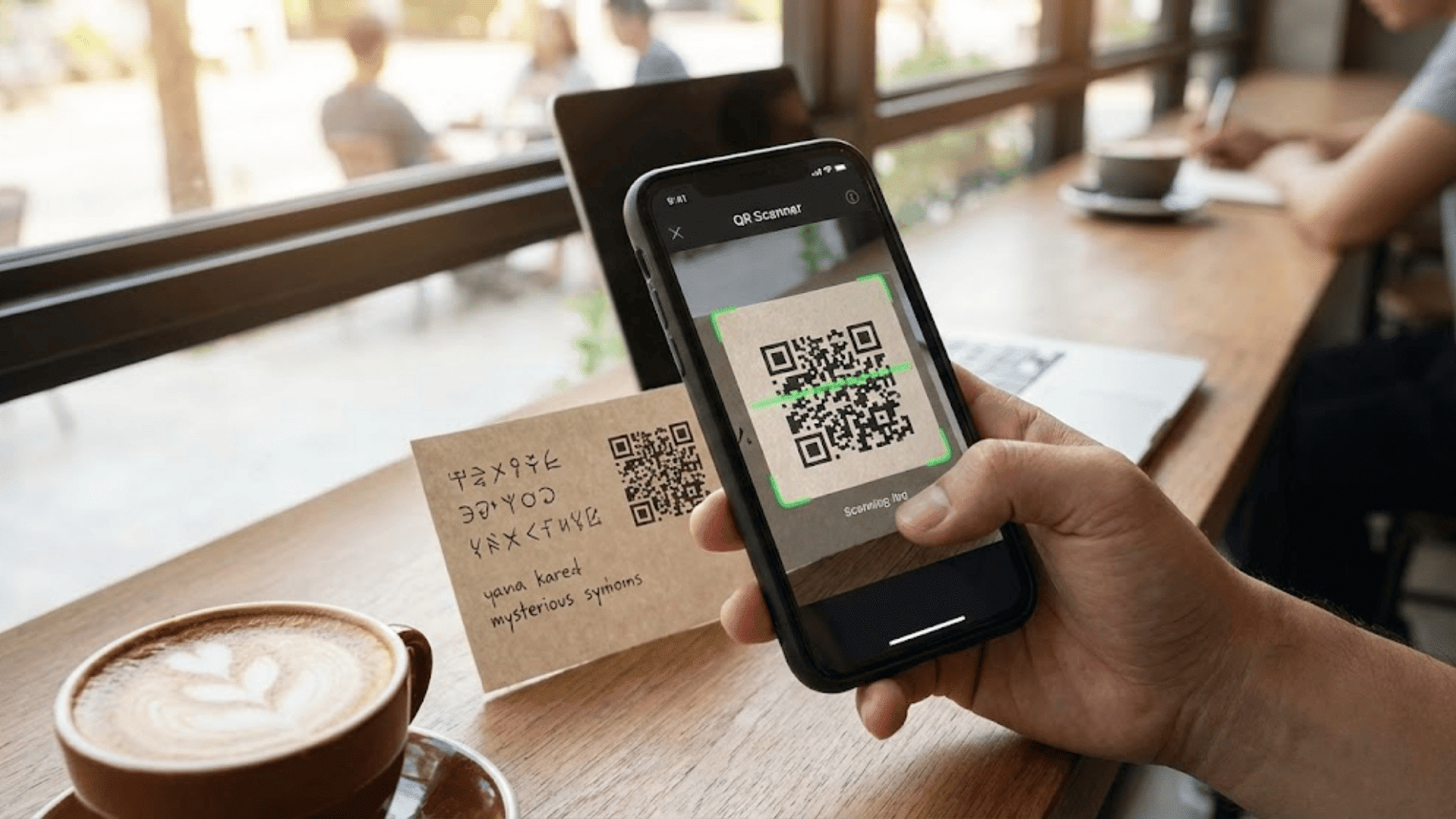
Generate QR codes linking to password-protected videos with characters delivering clues, warnings, or instructions. Players need the QR code and password from the room for a two-part challenge.
Free QR generators make this easy, and you can film videos on any smartphone for a professional touch without expensive equipment.
18. Book Page Location Codes
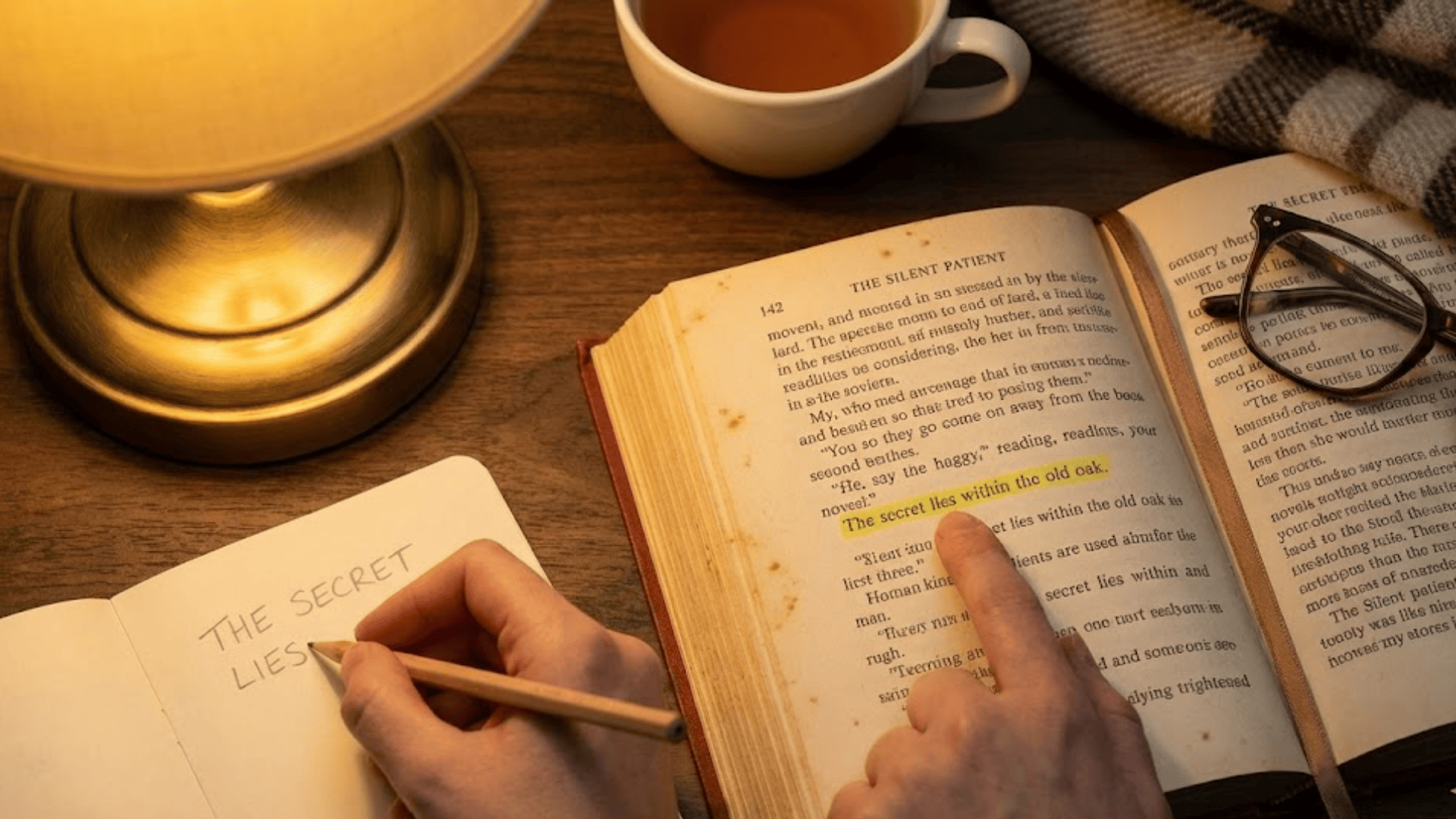
Use the classic format where numbers like “42-7-3” mean page forty-two, line seven, word three in a specific book. String together multiple book codes to create full sentences or reveal combination numbers.
Any book works for this puzzle, making it infinitely adaptable and allowing you to choose texts that fit your theme or add easter eggs for observant players.
19. Hollow Book Secret Compartments
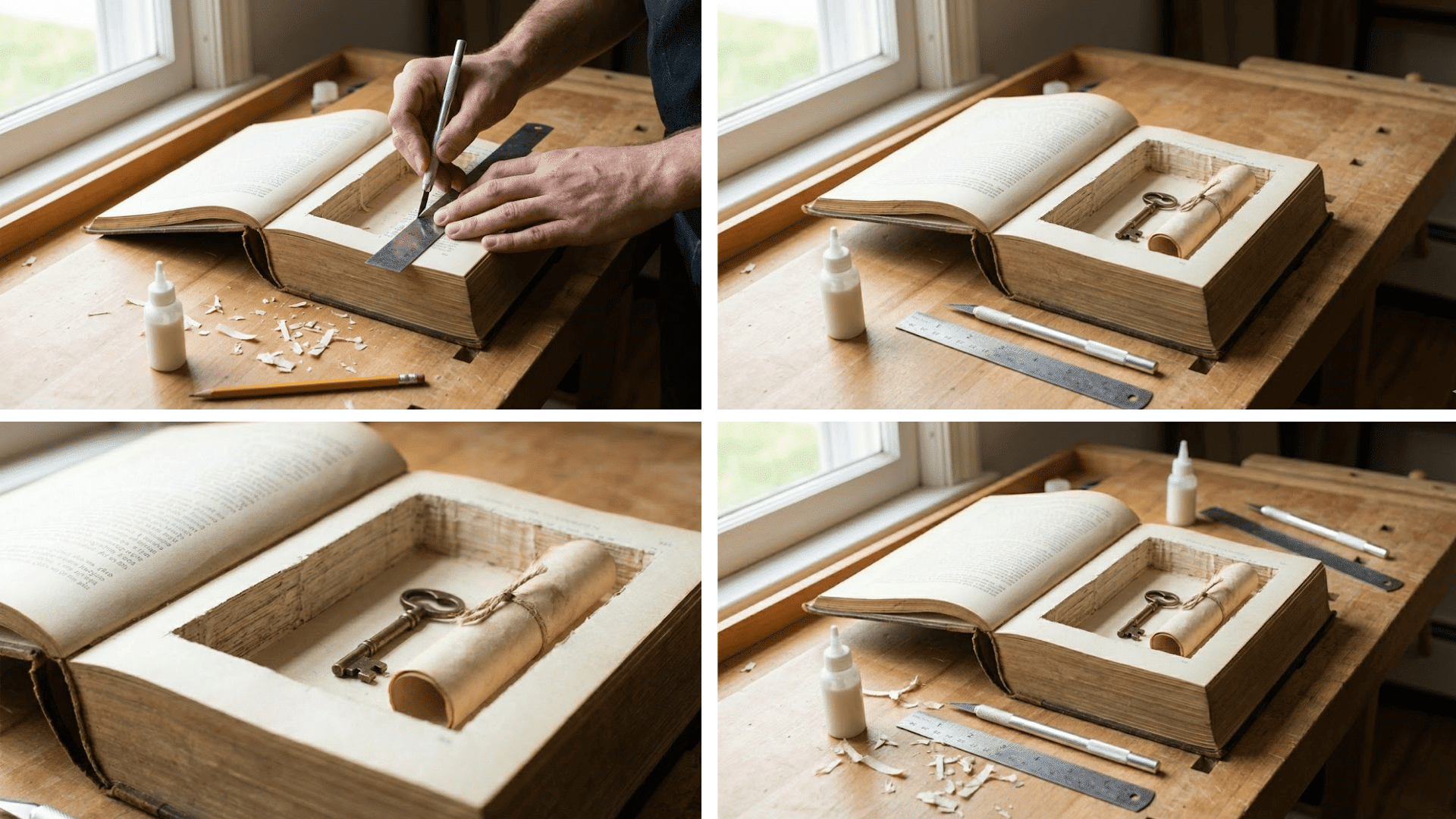
Carve out a book’s interior pages to create a hiding spot for keys, small notes, or the next puzzle piece. Spine labels or titles can hint at which book holds secrets without making discovery too obvious.
Glue the pages together and cut carefully with a craft knife, or buy pre-made hollow books. This classic hiding spot never fails to impress first-time players.
20. Highlighted Word Message Trails

Mark specific words throughout pages of a book using a highlighter, subtle underlining, or pinprick dots that create a message when read in sequence.
Players must flip through carefully, looking for the marking pattern and recording each word in order. The scattered nature means players can’t skip ahead easily, and you control difficulty by how obvious you make the markings.
21. Bookshelf Title Acrostics

Arrange books so that reading the first letter of each title vertically spells out instructions, a password, or the next location. Players must figure out the reading pattern: top to bottom, left to right, diagonal, or following shelf levels.
Choose books you own or create fake spines printed on paper and wrapped around similarly sized objects for complete control.
22. Audio Recording Mysterious Transmissions
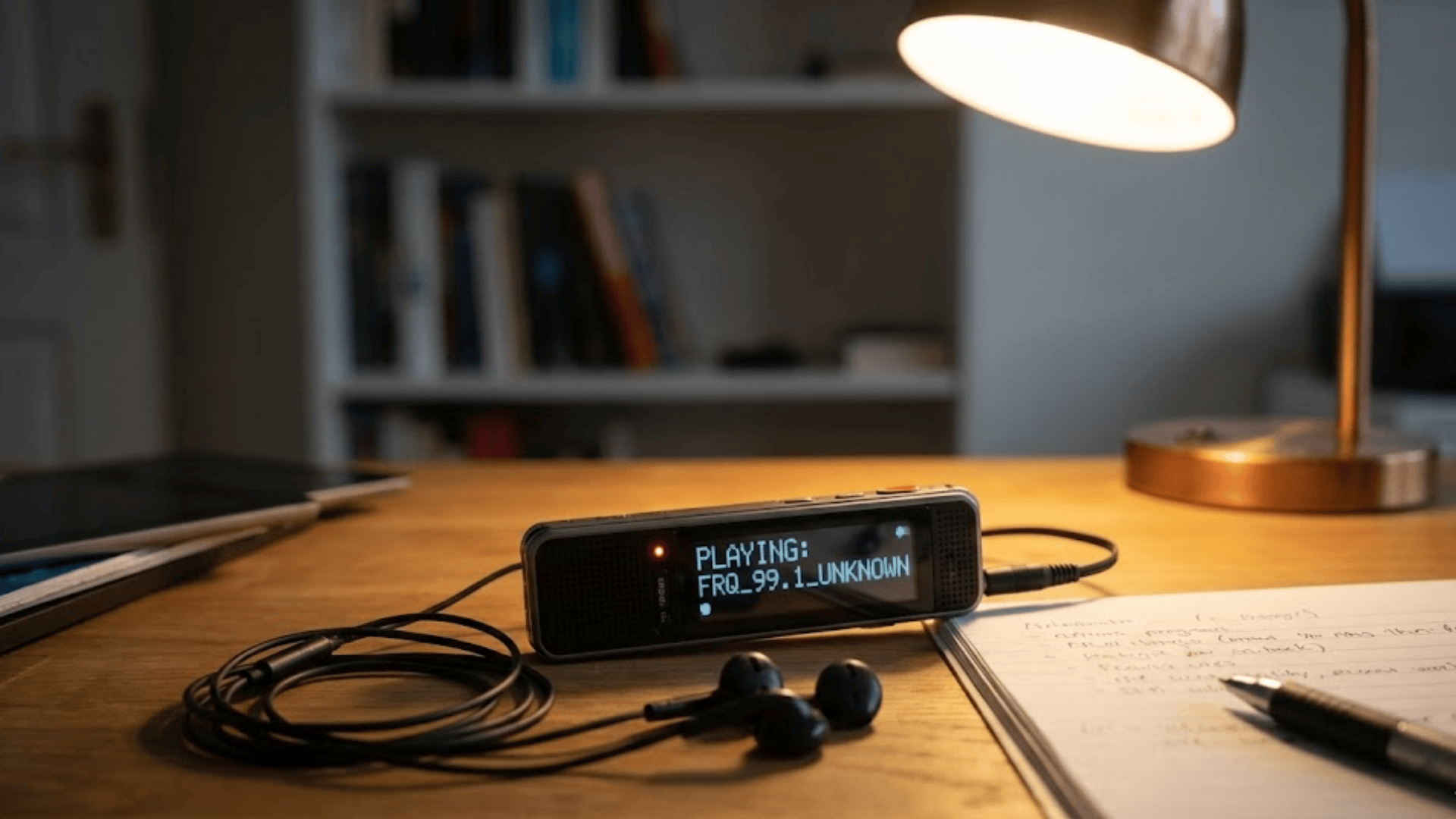
Record voice memos as “intercepted communications” with riddles, coordinates, instructions, or monologues. Hide a device like a phone, audio player, or recorder that starts playing automatically when found or pressed.
The auditory element adds dramatic variety and works especially well for spy themes, haunted scenarios, or detective mysteries where listening carefully matters.
23. Cipher Wheel Decoder Tools
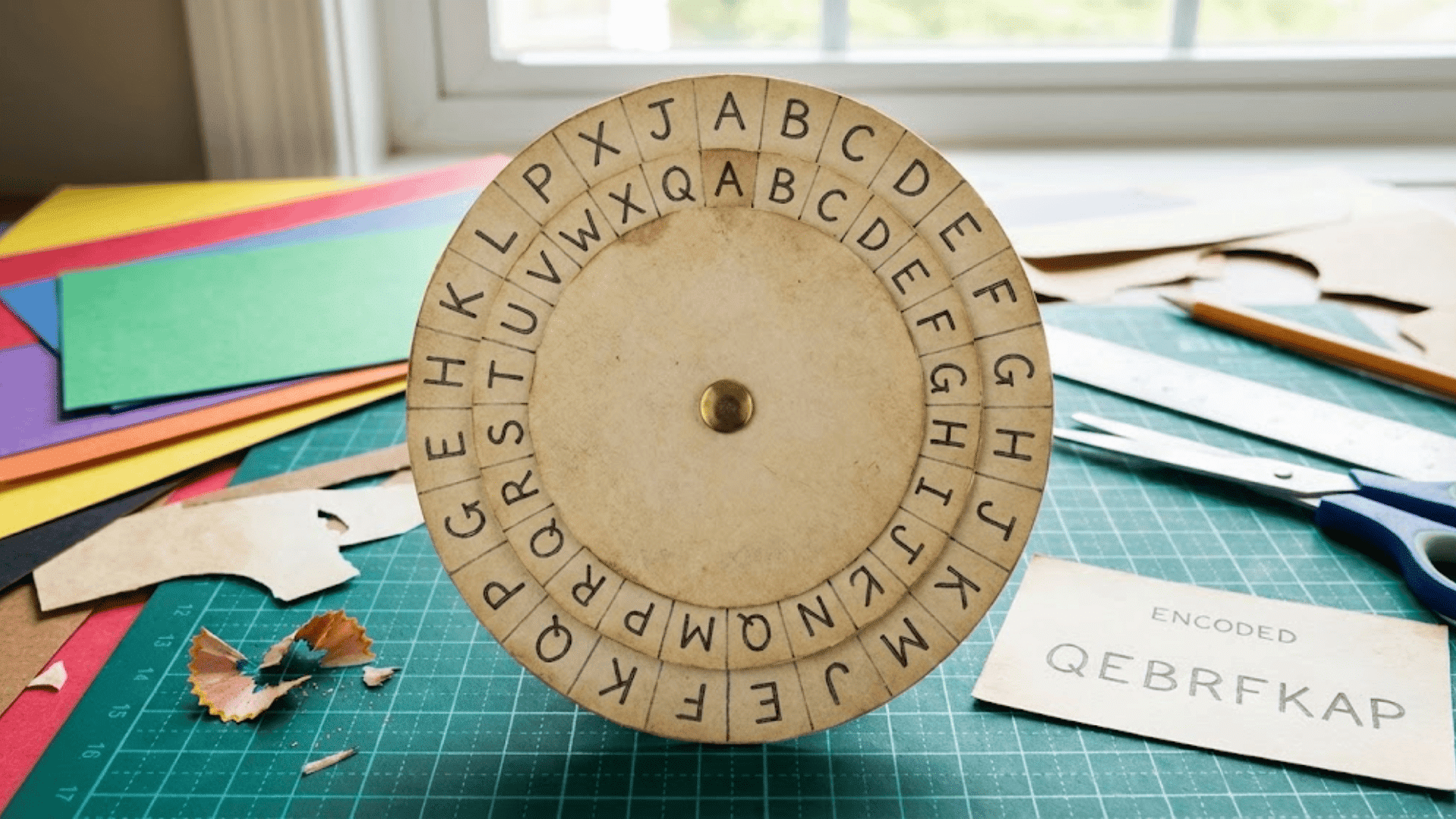
Create two rotating paper circles where lining up specific letters or symbols decodes messages. Players must find the correct alignment setting first, then use the wheel to translate encoded clues scattered around the room.
You can download templates online or design custom wheels matching your theme. Providing the physical decoder tool makes players feel like genuine codebreakers.
24. Playing Card Sequences
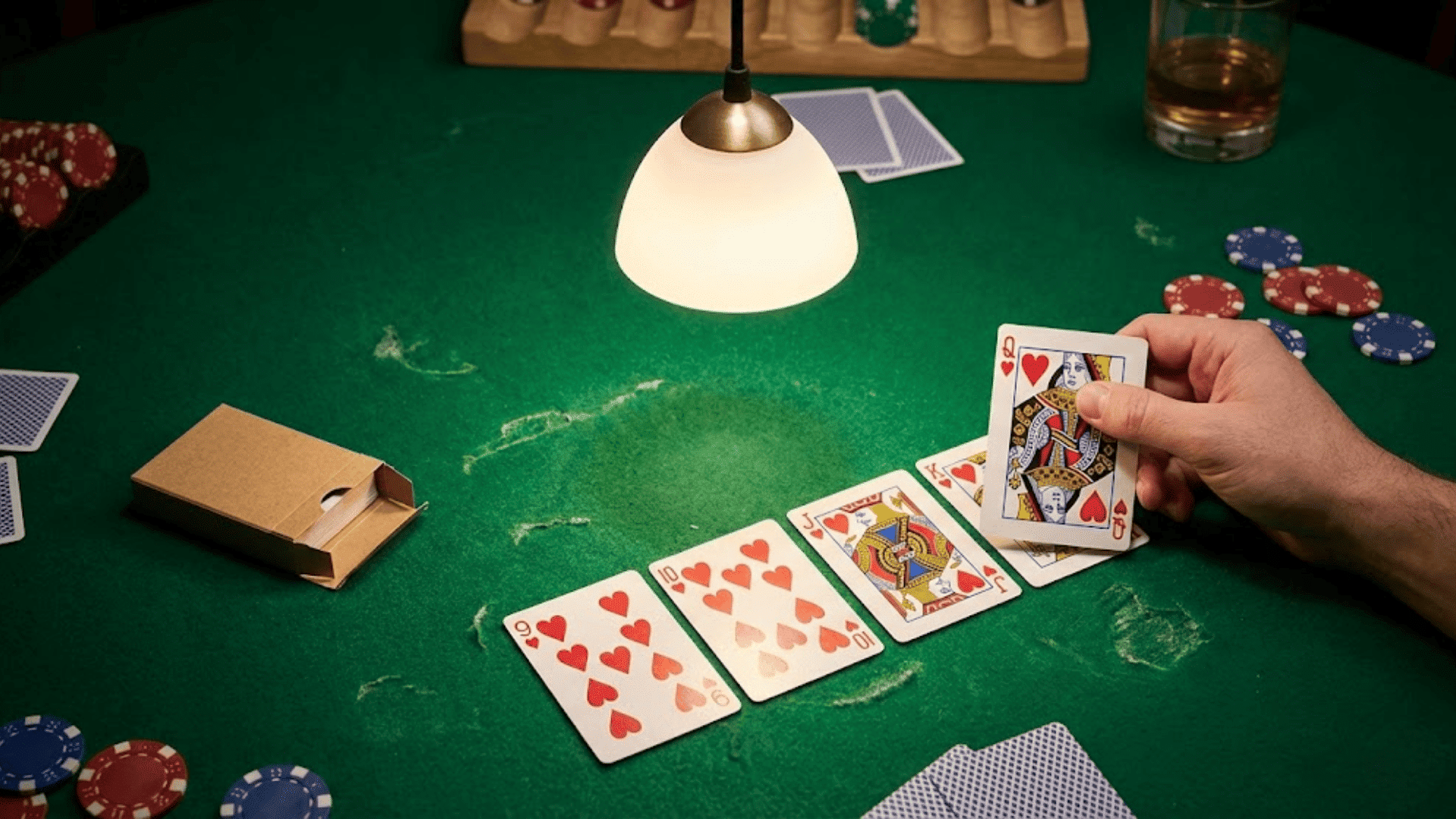
Arrange specific playing cards in poker hands, numerical order, or suit patterns that reveal coordinates or combination numbers. The card faces can contain clues or be assigned number values based on traditional rankings.
Scatter the needed cards around the room mixed with decoys, requiring players to identify which cards actually matter to the solution.
25. Sudoku Grid Solutions
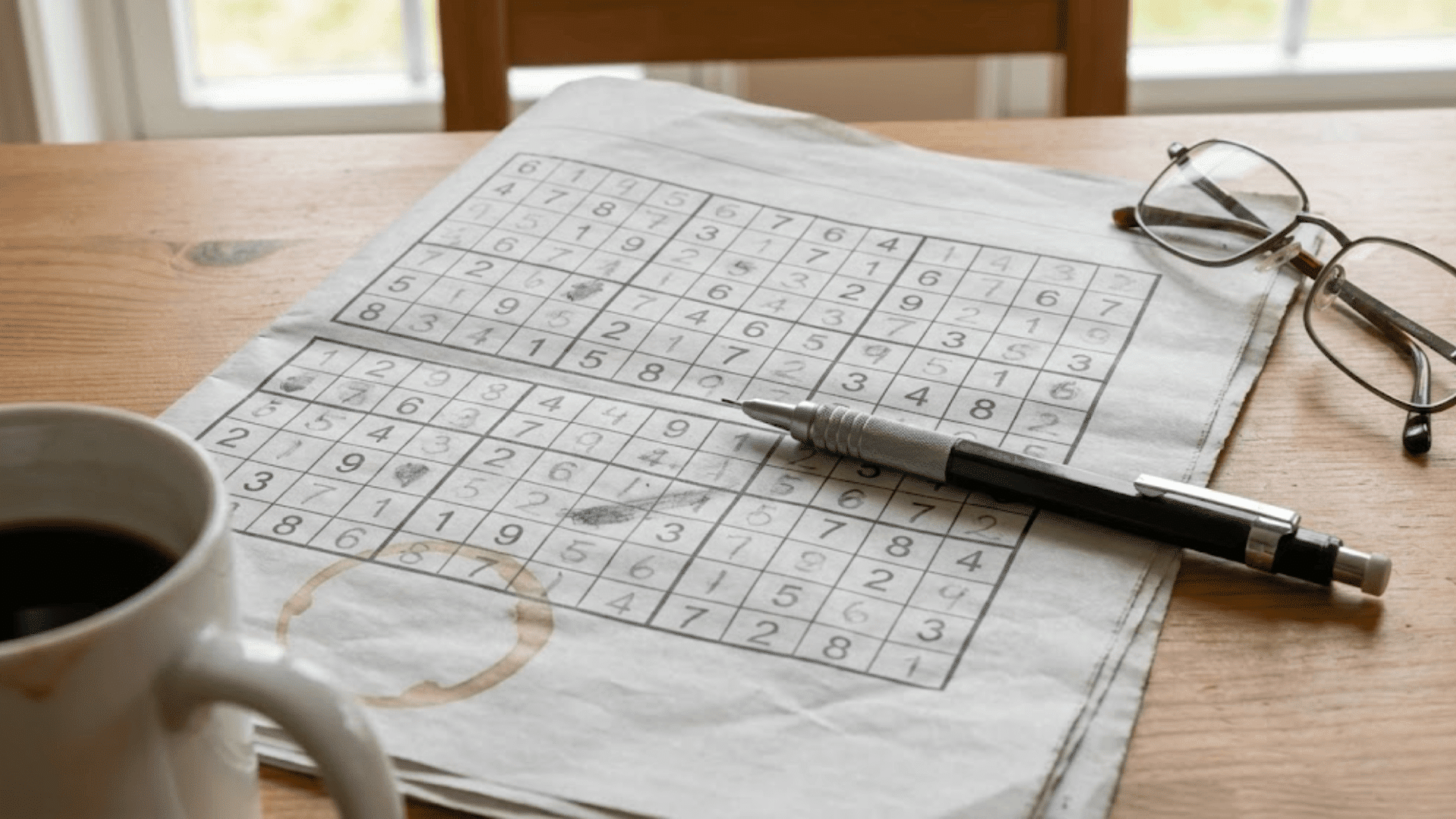
Present a partially completed Sudoku puzzle where solving it reveals that specific cells, when read in order, spell out the next location or contain digits for a lock code.
You can create Sudoku puzzles online with free generators, then mark which cells players should focus on once completed. This appeals to logic puzzle enthusiasts and adds intellectual variety.
26. Crossword Puzzle Codes
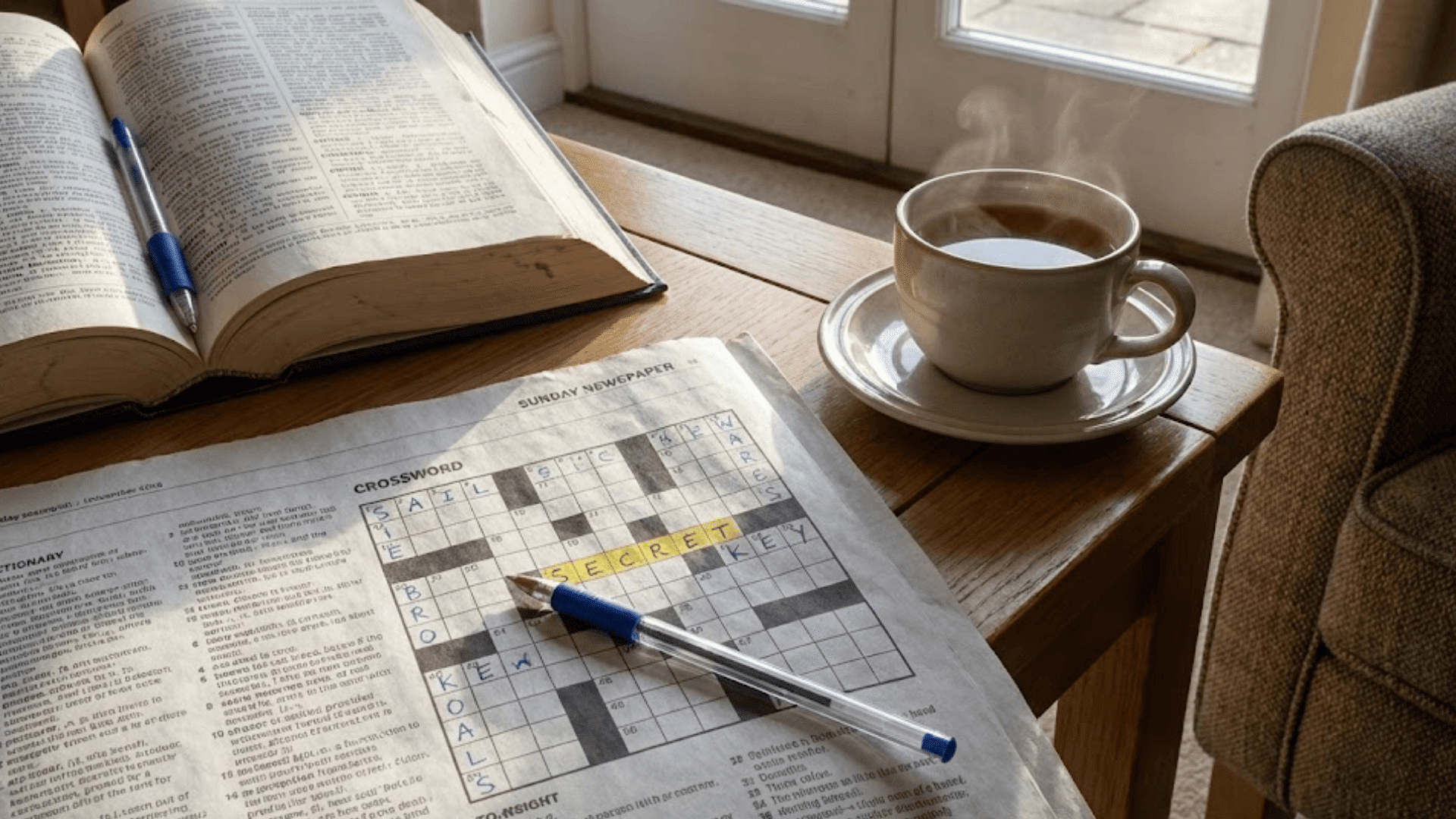
Design a small crossword where completing it reveals a message through highlighted squares or specific answer words. Clues can refer to items, story details, or general knowledge suited to players’ ages and interests.
The finished puzzle might spell out a word vertically, use specific letters to form a code, or direct players toward the next challenge.
27. Color Sequence Padlocks
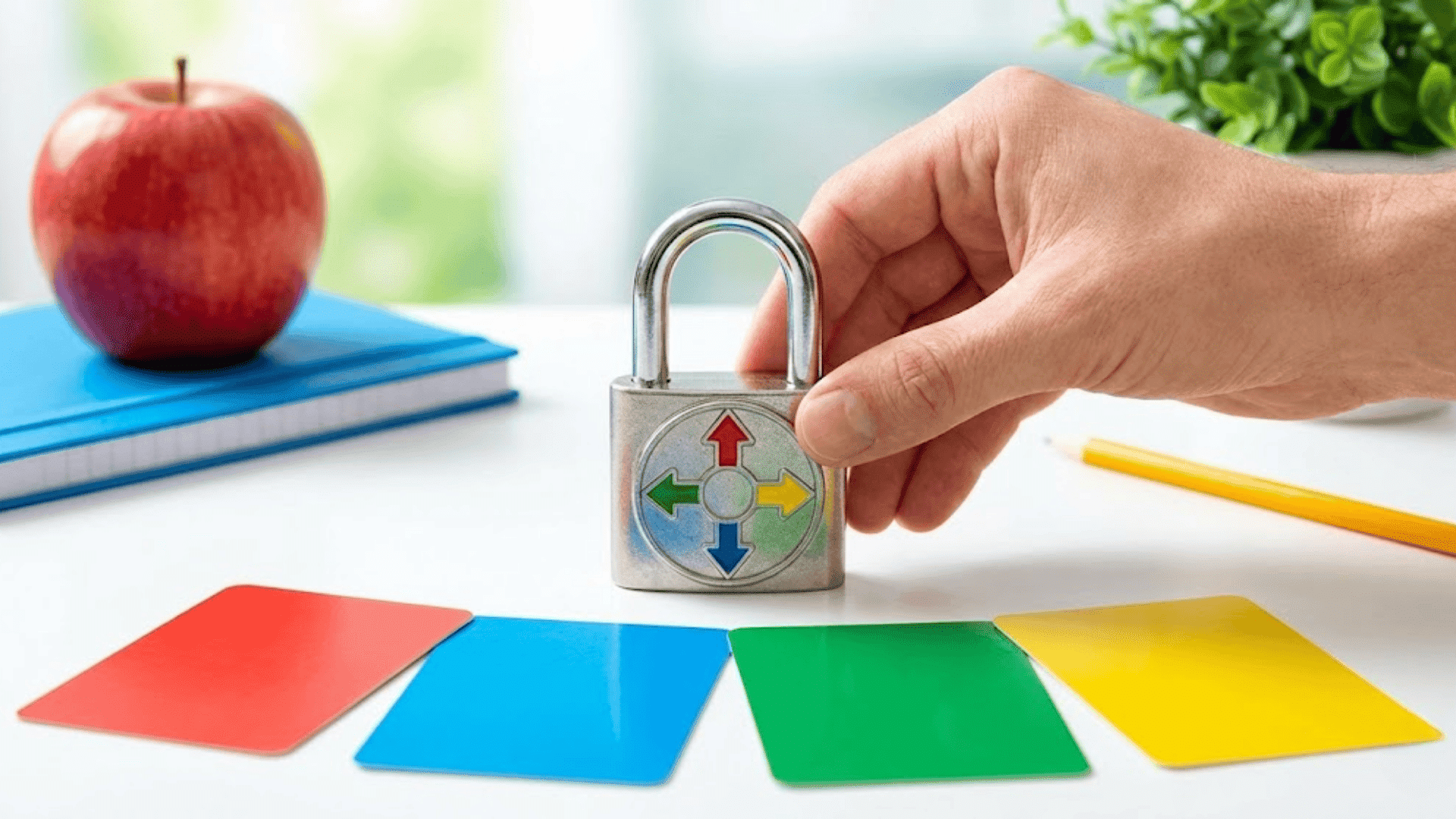
Use colored directional padlocks or create color-coded numerical systems where finding the right sequence unlocks containers. Hide colored objects, lights, or markers around the room that must be identified in the correct order.
Players photograph or write down each color as they find clues, then translate that sequence into the physical lock combination.
28. Periodic Table Element Codes
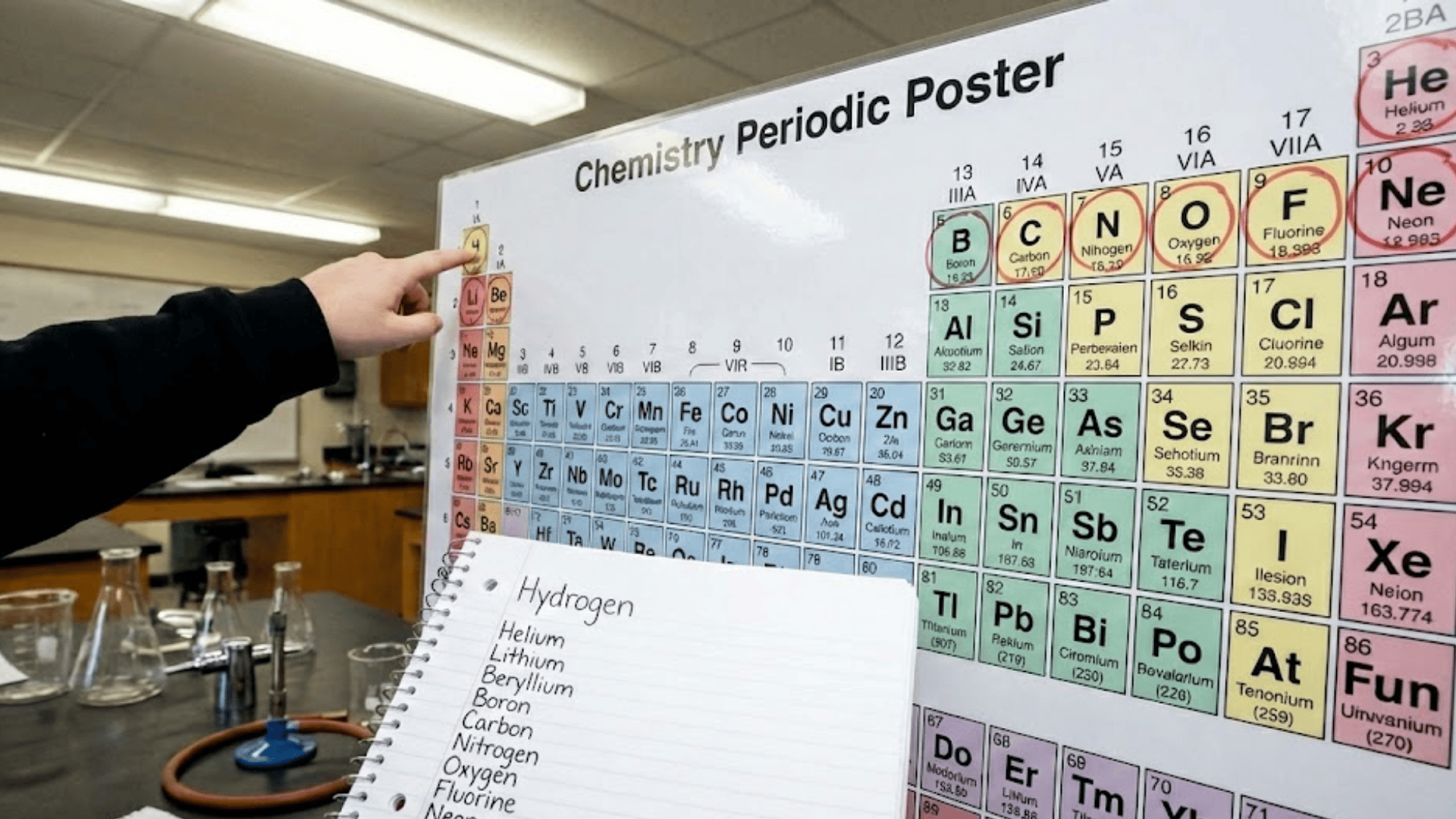
Use element symbols from the periodic table to spell words or create coded messages. For example, Hydrogen Oxygen Phosphorus Sulfur spells HOPS.
Players need to reference a provided periodic table or use their chemistry knowledge to decode messages. This works wonderfully for science lab themes, academic settings, or any scenario involving researchers or experiments.
29. Morse Code Transmissions
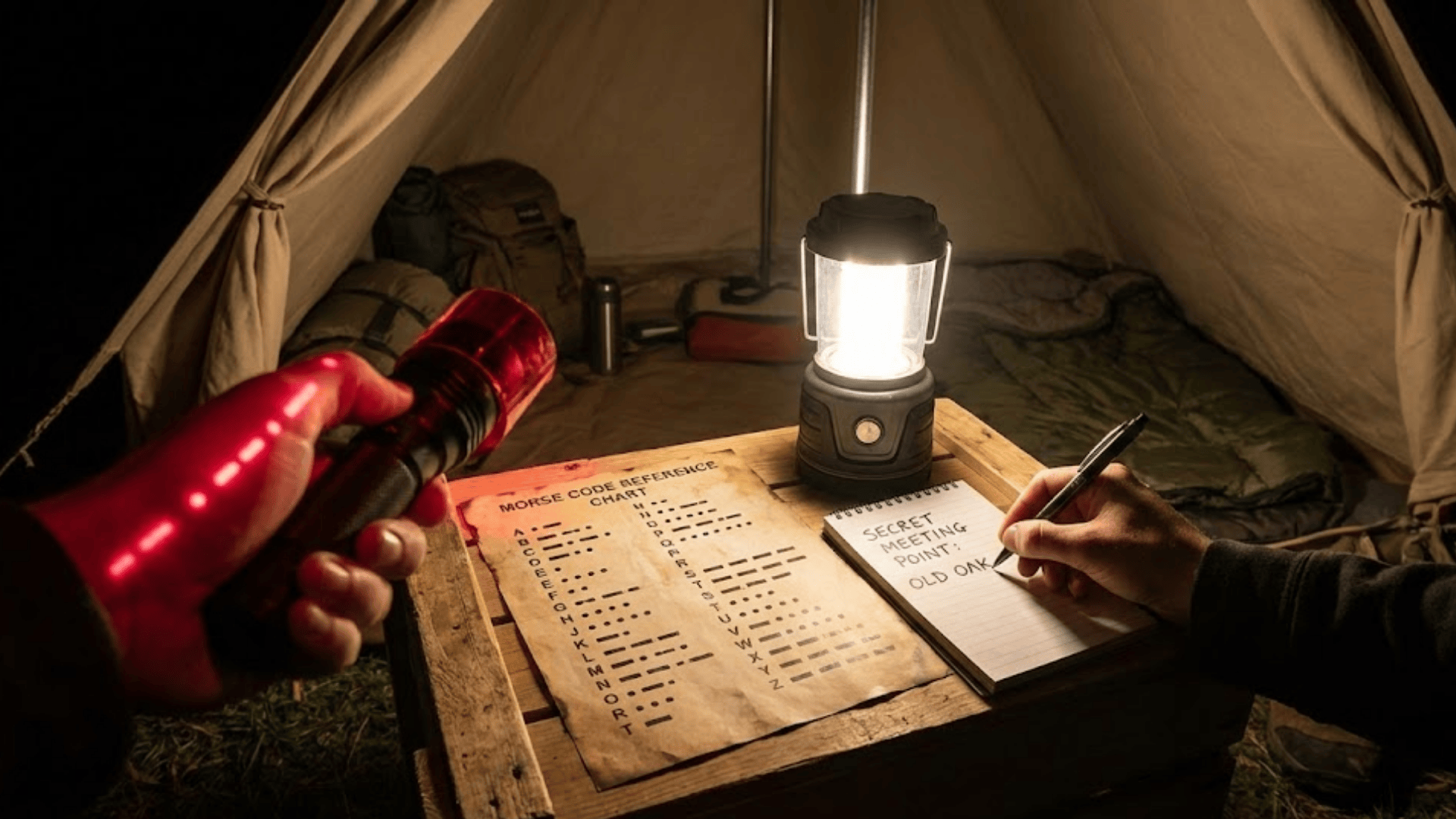
Translate messages into dots and dashes using written Morse code, audio beeps, or flashing lights. Provide a Morse code reference chart as a found item, or make discovering the decoder part of the challenge.
You can record audio files with Morse beeps, create visual patterns with dots and dashes on paper, or use a flashlight that blinks the coded message.
30. Calendar Date Calculations
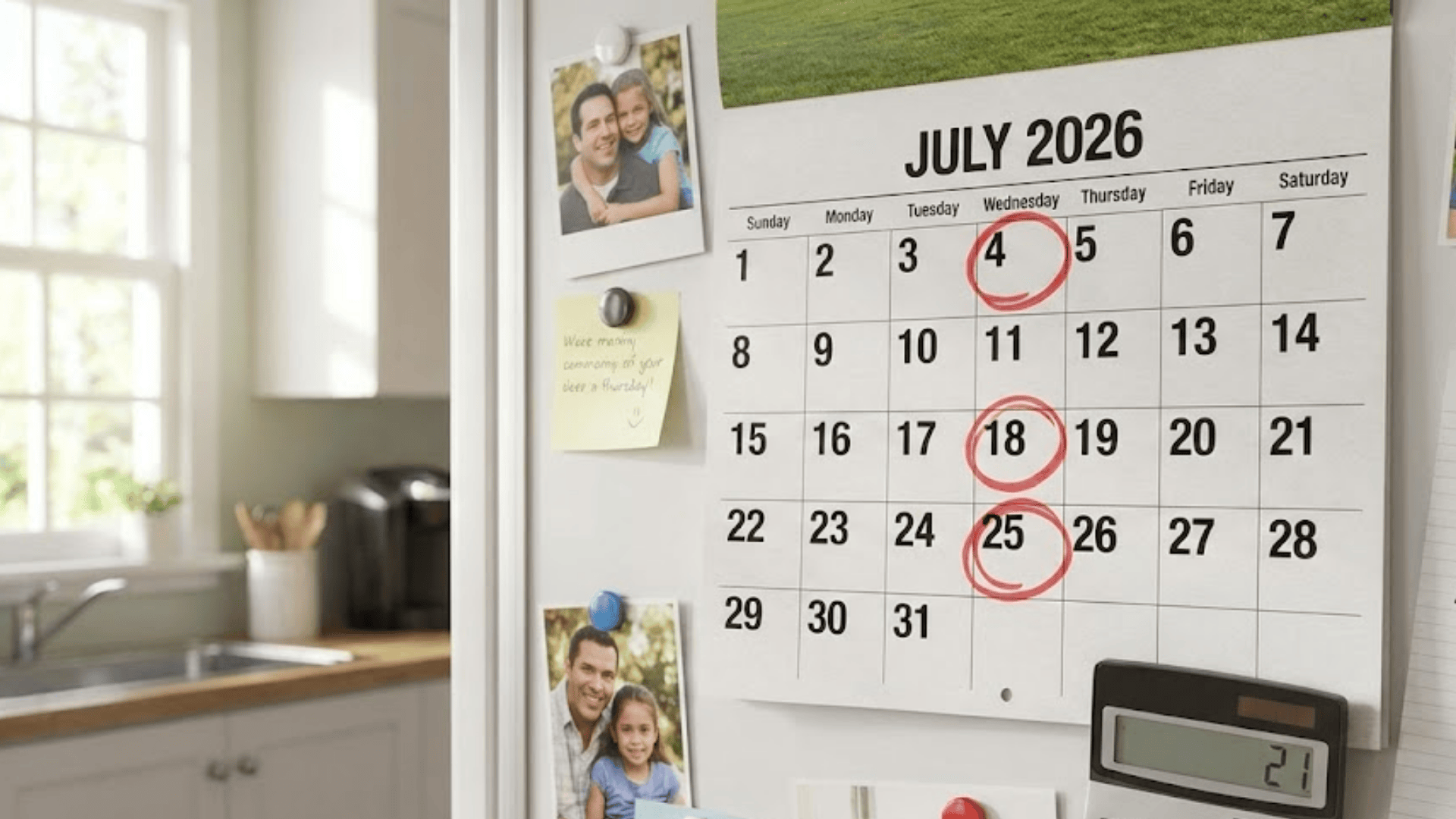
Hide significant dates throughout the room that must be added, subtracted, or arranged to create lock combinations. Birth dates, historical events matching your theme, or fictional timeline dates all work.
Players must identify which dates matter, perform the correct mathematical operations, and determine the final number sequence. This puzzle type scales easily for different difficulty levels.
31. Music Sheet Note Messages
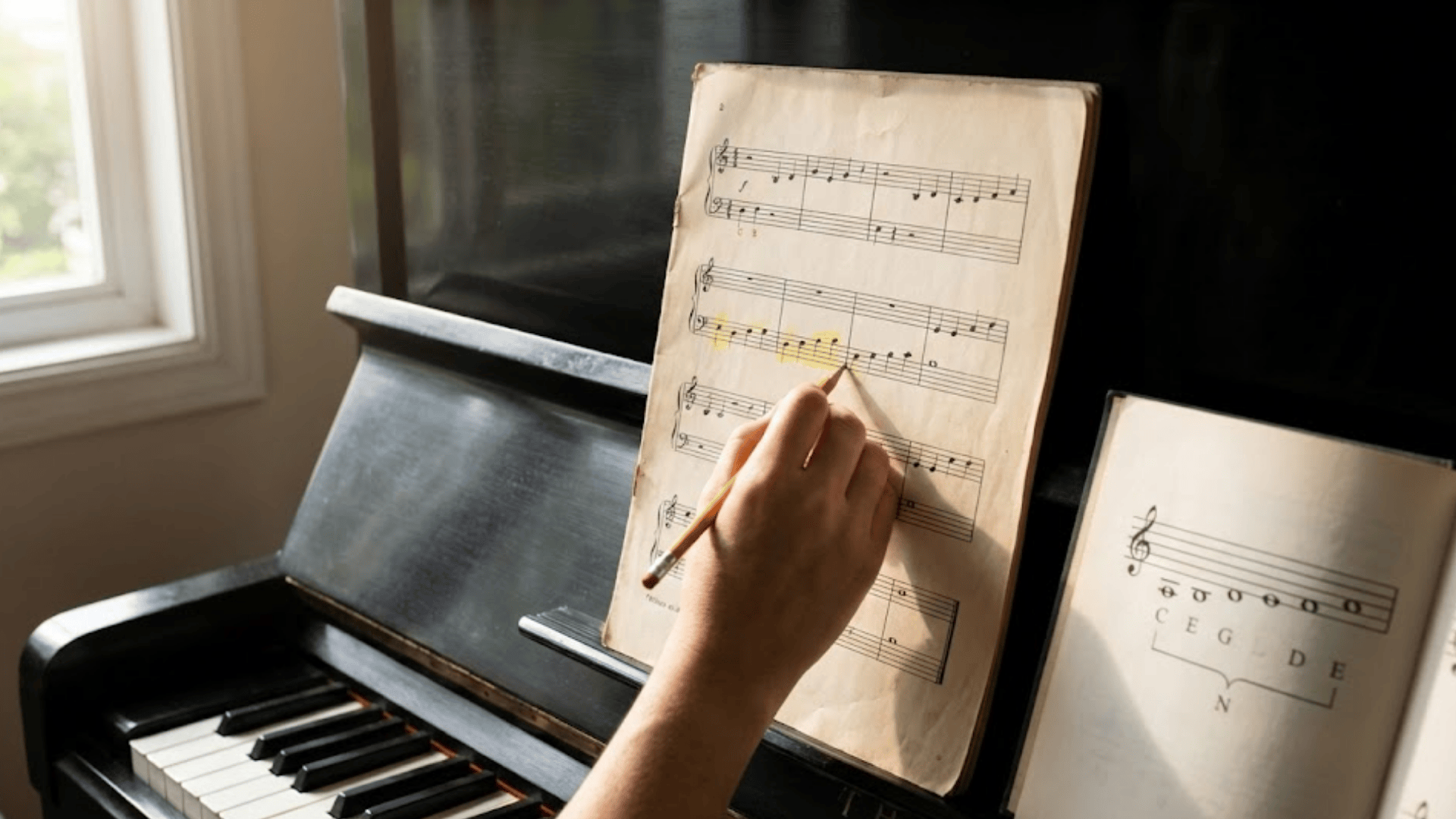
Use musical notation where specific notes spell out words when translated to their letter names. For example, the notes F-A-C-E or E-G-B-D-F create musical words.
Players need basic music reading ability or a provided reference guide. This unique puzzle type stands out and works beautifully for music room themes, concert hall mysteries, or composer storylines.
32. Braille Tactile Messages
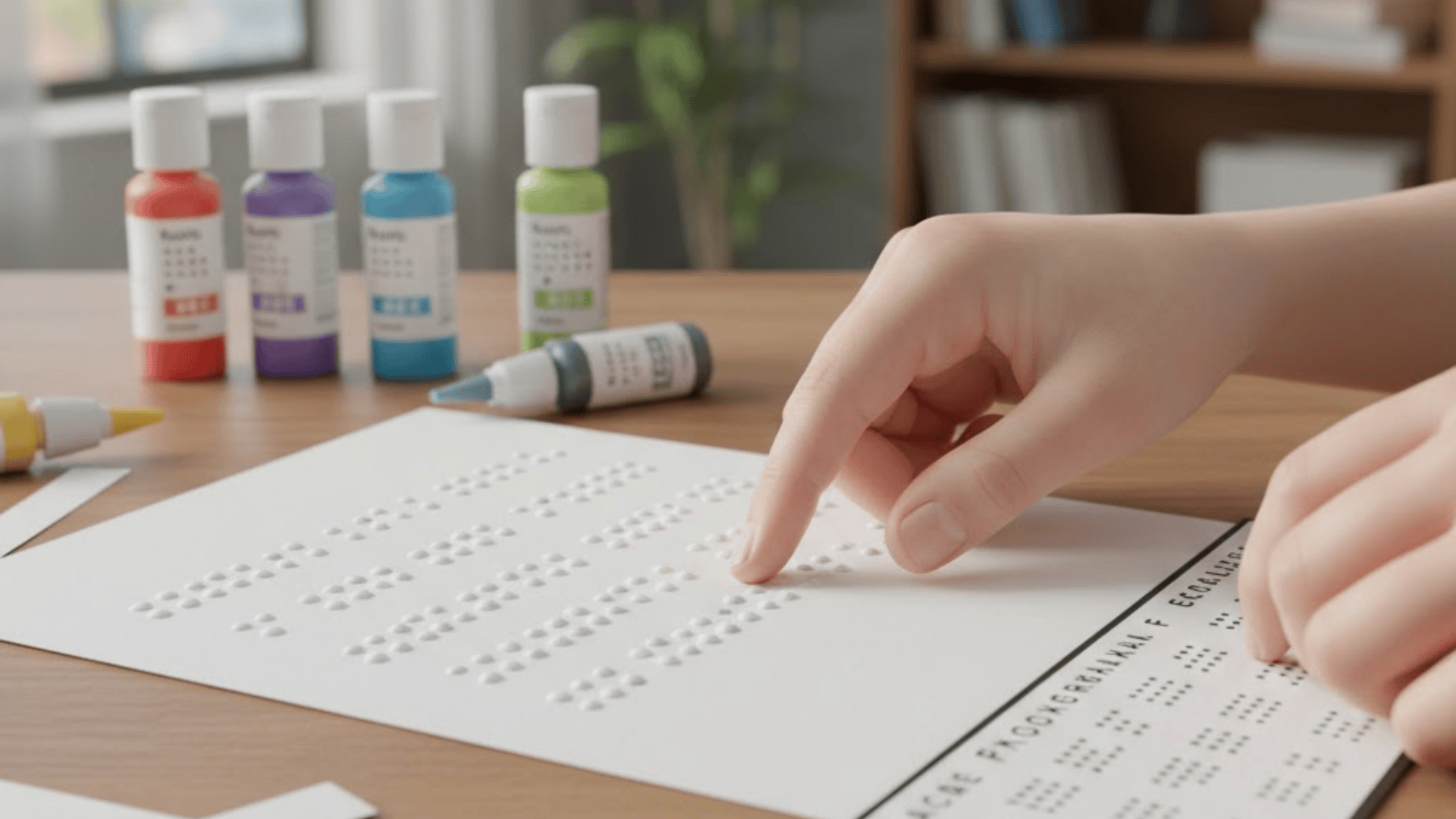
Create Braille messages using raised dots that players must decode either by touch or using a provided Braille alphabet reference. You can make these with puffy paint, glue dots, or stick-on craft pearls.
This adds accessibility awareness while creating a truly unique sensory puzzle that encourages careful observation and patience when working through the translation.
33. Pigpen Cipher Symbols
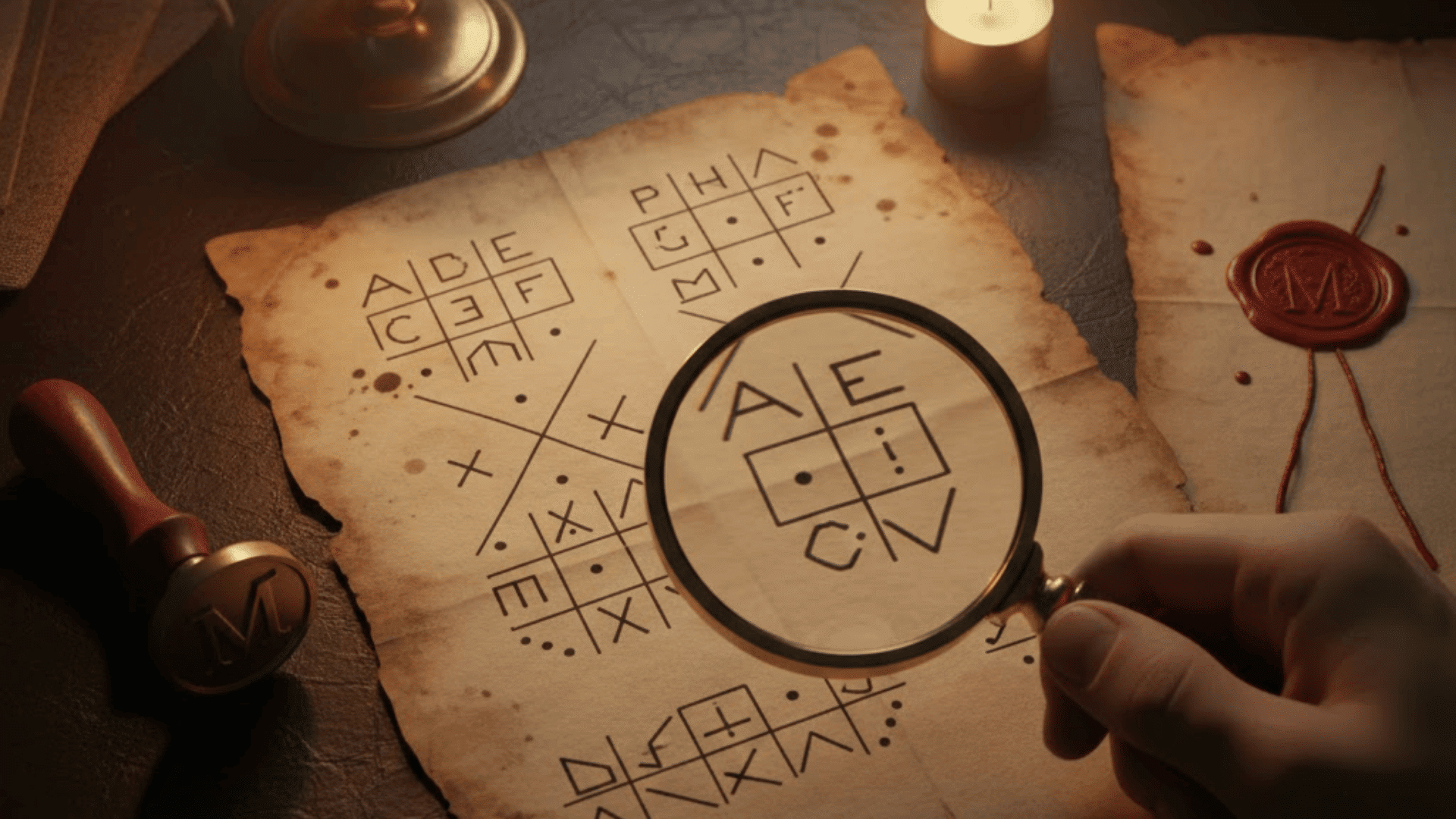
Use the tic-tac-toe style Pigpen cipher where letters correspond to geometric shapes and dots. This visually interesting code looks mysterious and ancient, perfect for treasure hunts, secret society themes, or historical settings.
Players find the decoder key explaining the symbol system, then translate messages written in these geometric patterns scattered throughout the space.
34. Scent Identification Stations
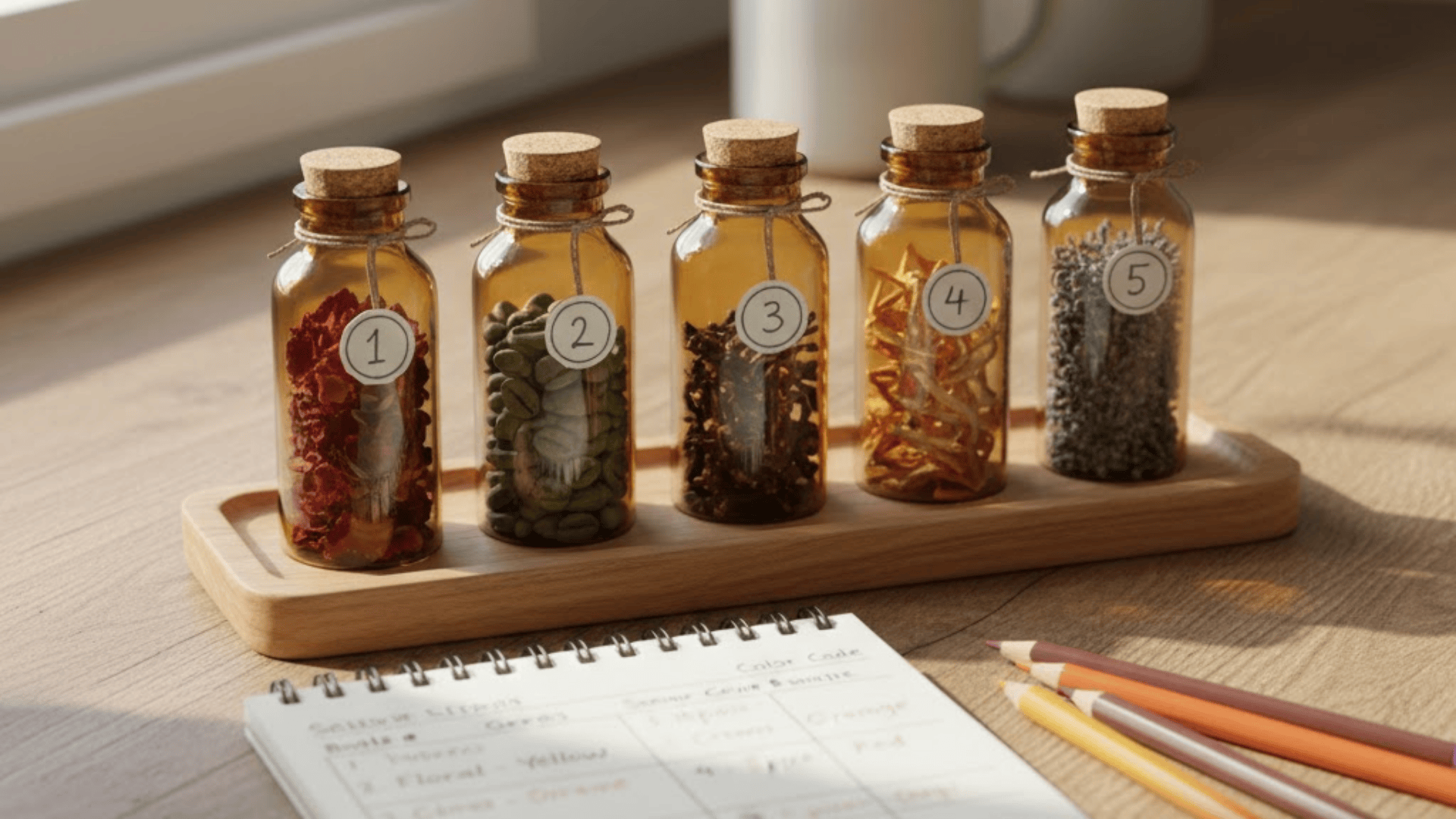
Fill small containers with distinctive scented items where specific smells correspond to color codes, number assignments, or location hints. Vanilla might mean white, cinnamon indicates red, and peppermint signals blue.
Players must correctly identify each scent and match it to the coding system. This multi-sensory approach creates memorable moments and engages players who think differently than purely visual or verbal puzzlers.
35. Texture Touch Boxes
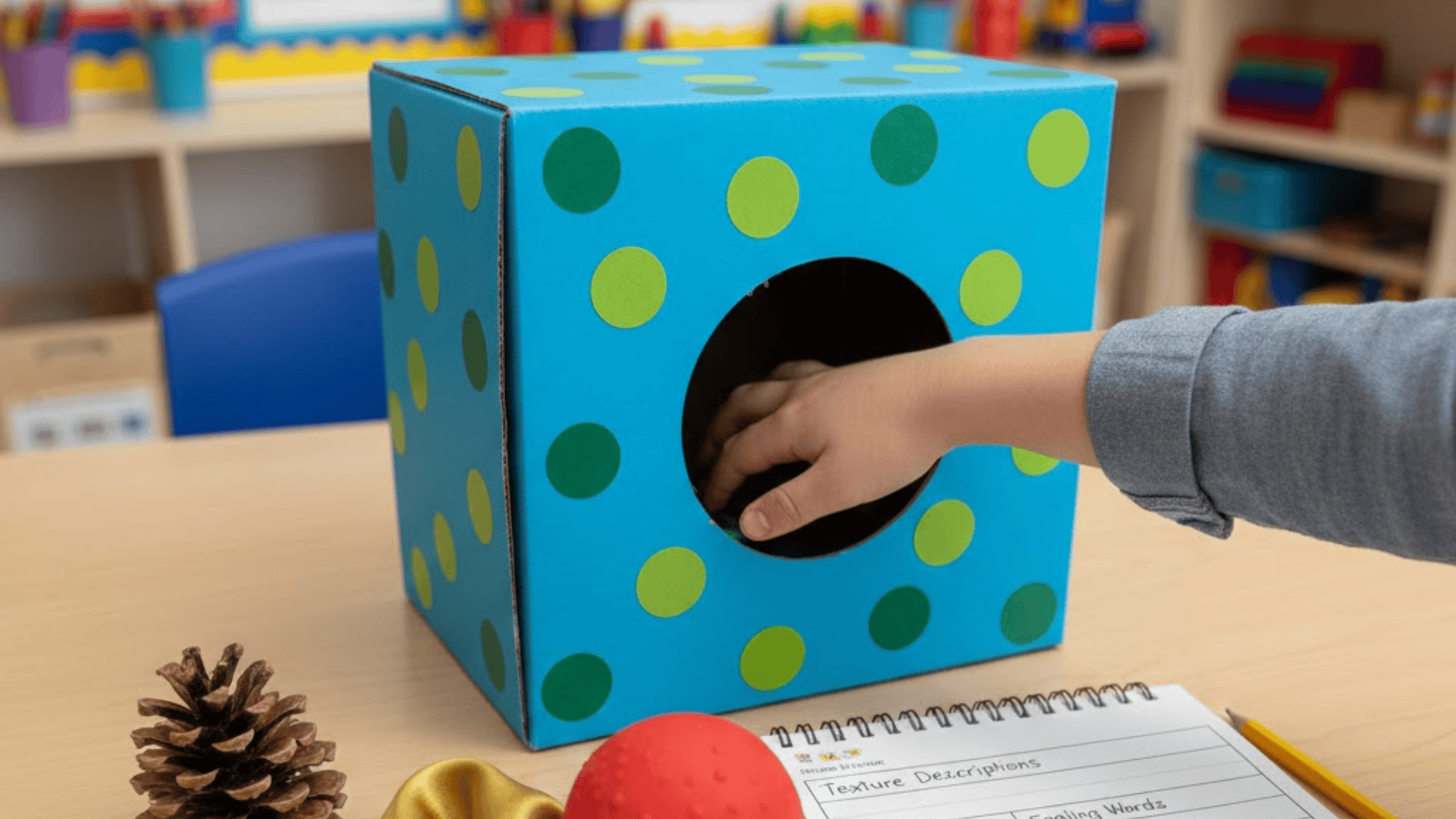
Create containers where players reach inside without looking to identify objects by touch alone. Successfully naming the hidden items provides the next clue, password, or combination digits.
Use items with distinctive textures: pine cones, silk fabric, rubber balls, keys, coins. This hands-on puzzle works wonderfully for players of all ages and abilities.
36. Sound Effect Location Clues
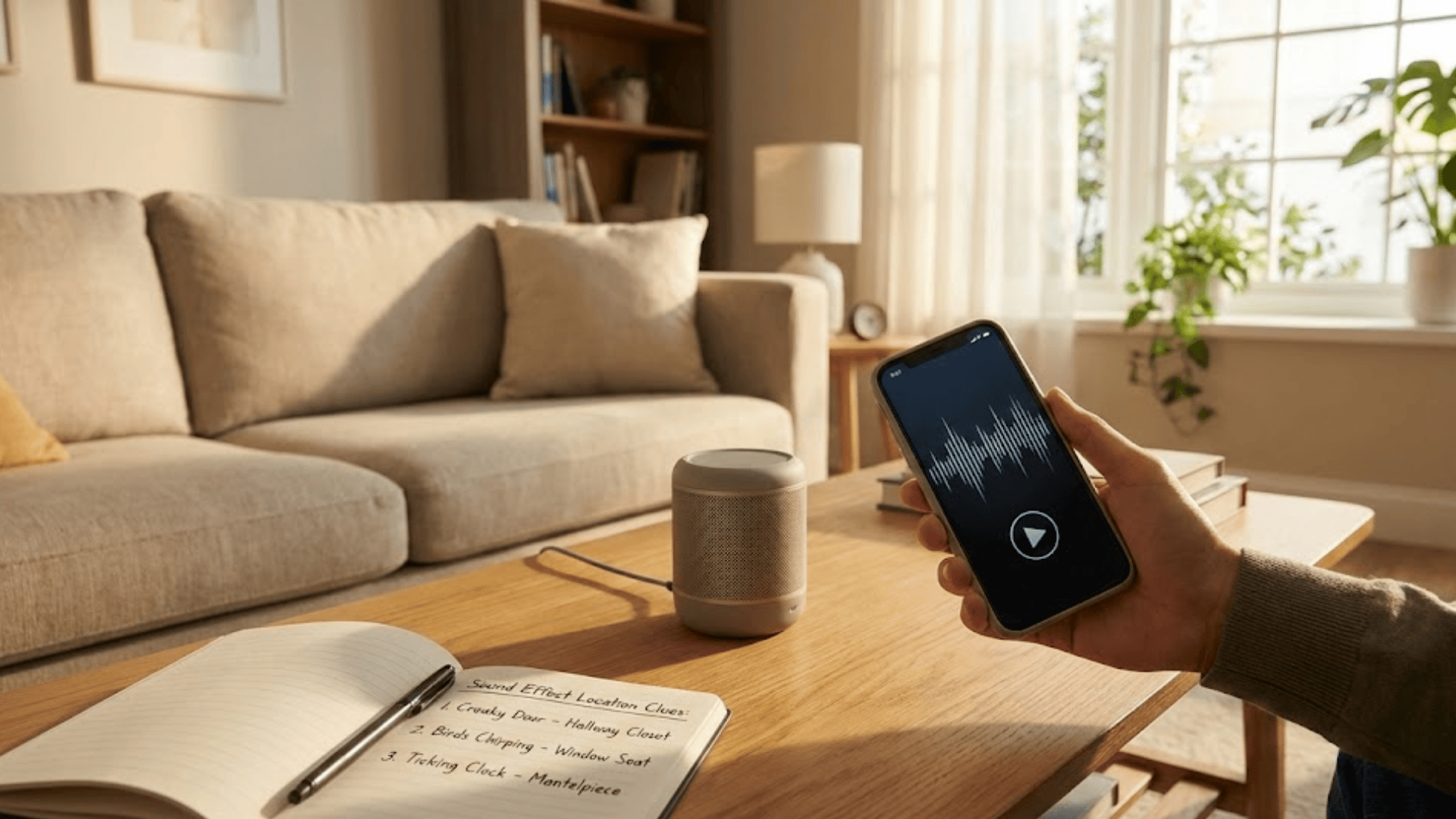
Play audio recordings with distinctive background sounds that hint at specific locations within your space. Ocean waves point to a nautical box, clock chimes suggest checking the mantel, and birdsong indicates looking near a plant.
Players must listen carefully and connect auditory clues to physical spaces, adding an investigative detective element that makes them feel like true sleuths analyzing evidence.
37. Blacklight Hidden Arrows
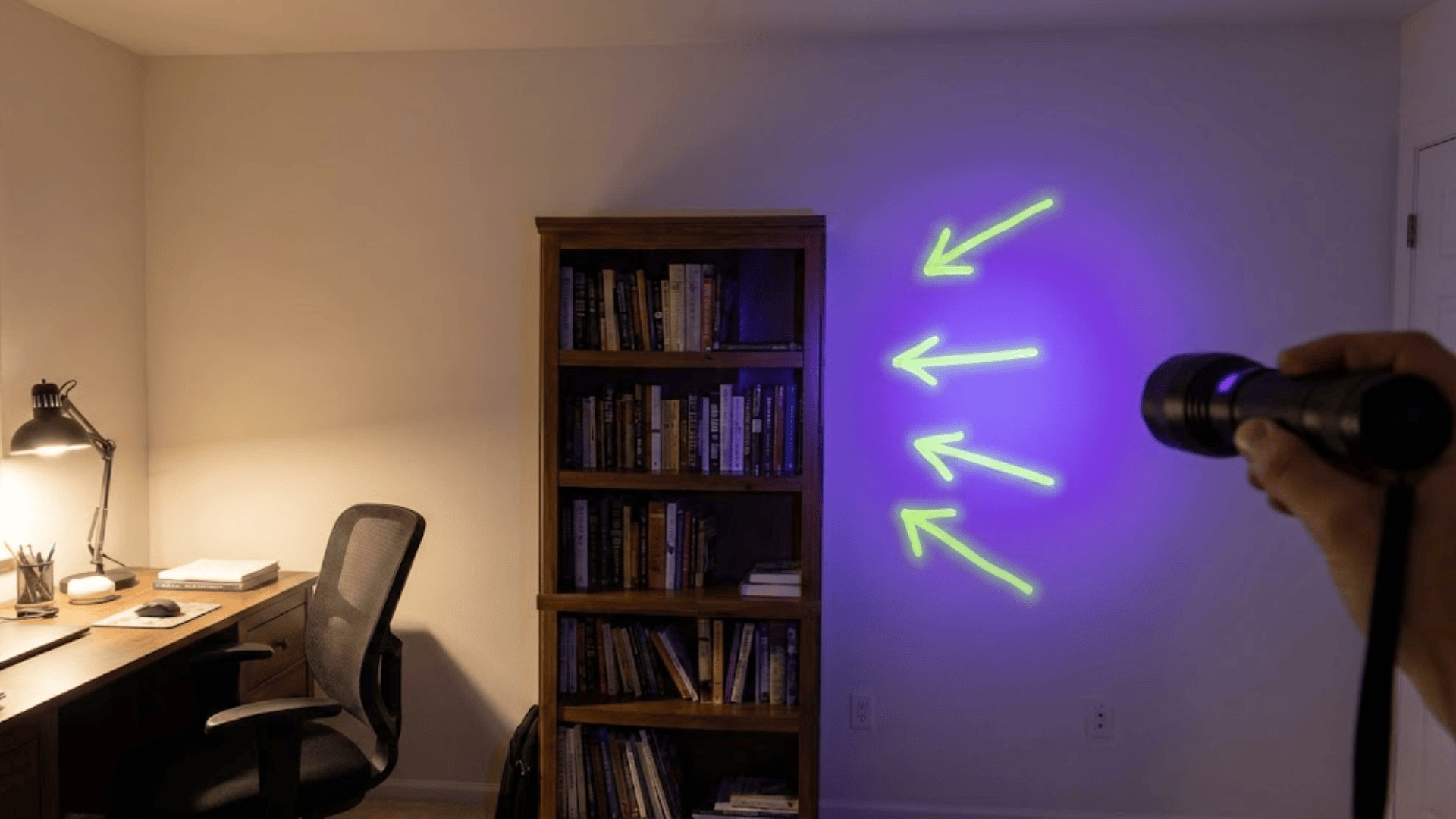
Draw directional arrows or pathways using invisible UV-reactive paint or markers that only appear under blacklight.
These guides direct players through space in a sequence, pointing to hidden compartments, search areas, or messages when following the lit path. The reveal of hidden markings adds delightful surprises during gameplay.
38. Weight-Based Puzzle Scales

Set up a balance scale where players must place items totaling a specific weight to unlock the next clue or tip a mechanism that reveals a hidden compartment.
Provide weighted objects or use common household items where players must figure out the correct combination. This physics-based puzzle brings a different challenge type and works great for laboratory or inventor themes.
39. Reflection Angle Messages
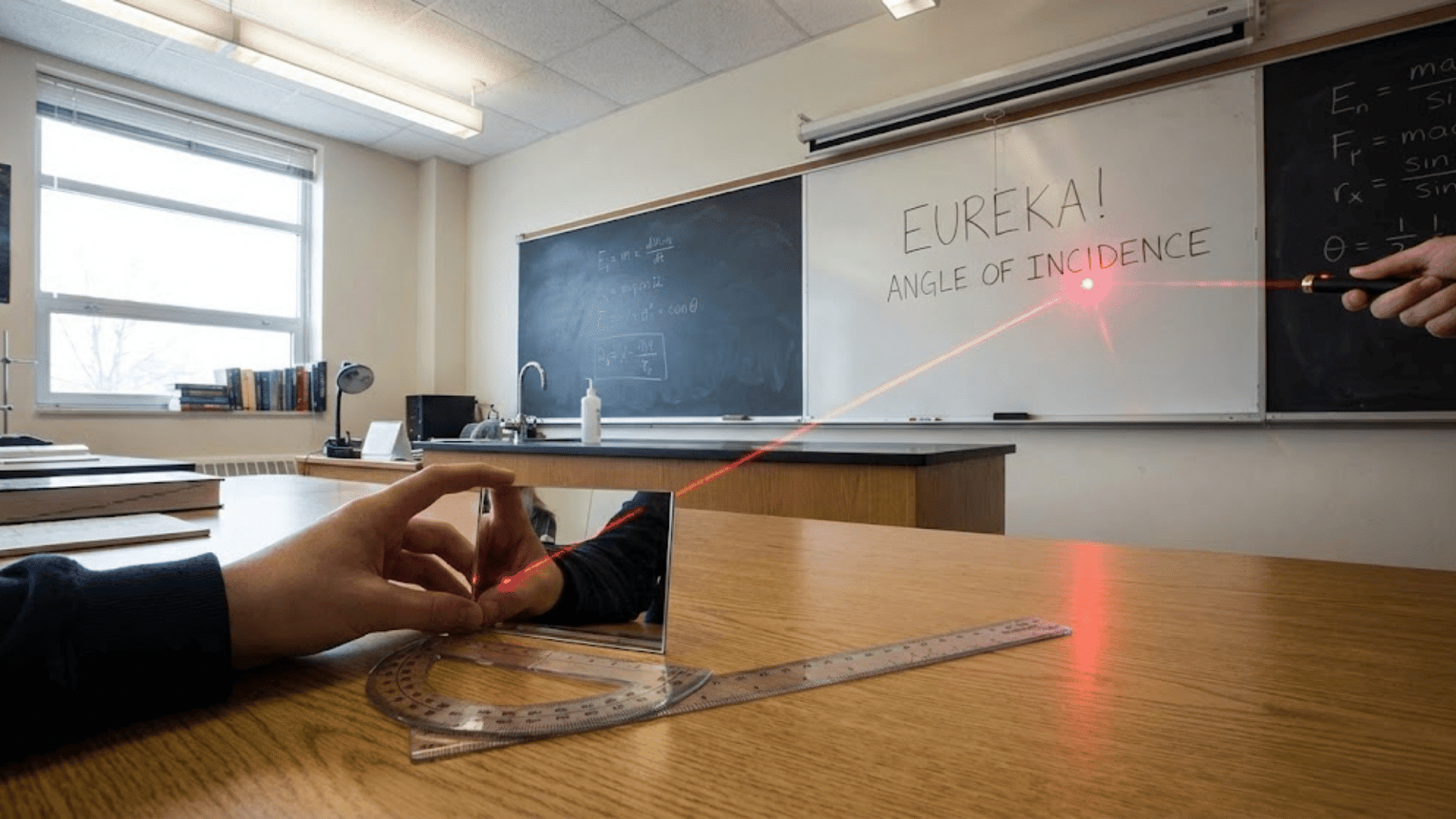
Position mirrors at specific angles to reveal messages or align them to see complete images split across surfaces. This optical puzzle requires spatial reasoning and careful positioning.
You can write clues normally in spots only visible via reflection, or create split messages that only make sense when viewed through the mirror from the correct angle.
40. Binary Code Digital Messages
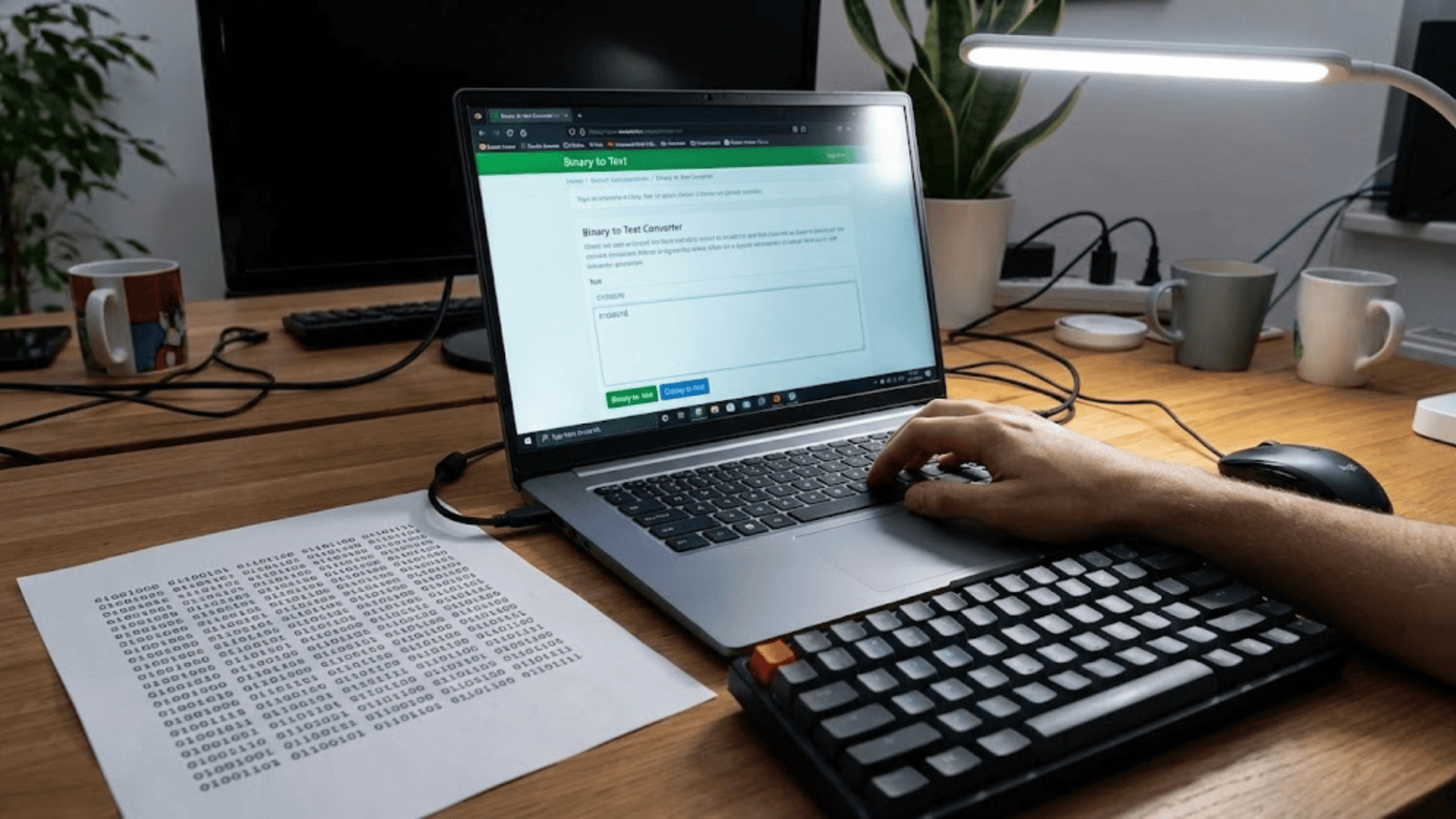
Translate messages into binary ones and zeros for a computer science feel. Players need to recognize the pattern and use a provided conversion chart, or tech-savvy players might decode it from memory.
Present binary in visual patterns with black and white squares, or use any two contrasting items; lights on and off, buttons pushed or unpushed, to represent the digital code sequence.
41. Shadow Puppet Reveals
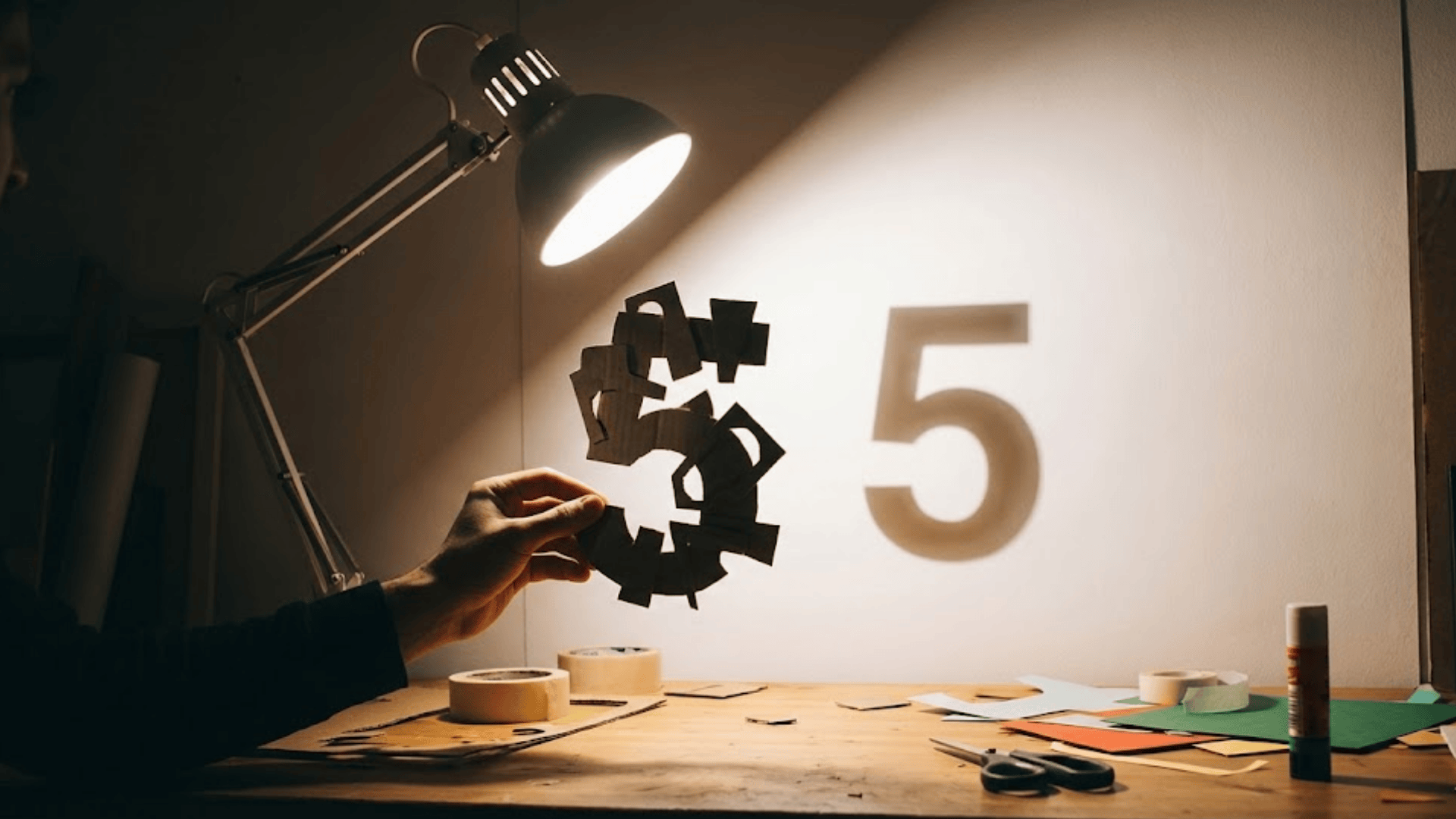
Create cut-out shapes that cast specific shadows when illuminated from the correct angle with a flashlight or lamp. The shadow reveals a symbol, number, or word that the actual object doesn’t clearly show.
Players must experiment with light positioning and angles to discover the hidden shadow message. This theatrical puzzle element adds drama and works beautifully for mystery or magical themes.
42. Anagram Word Scrambles
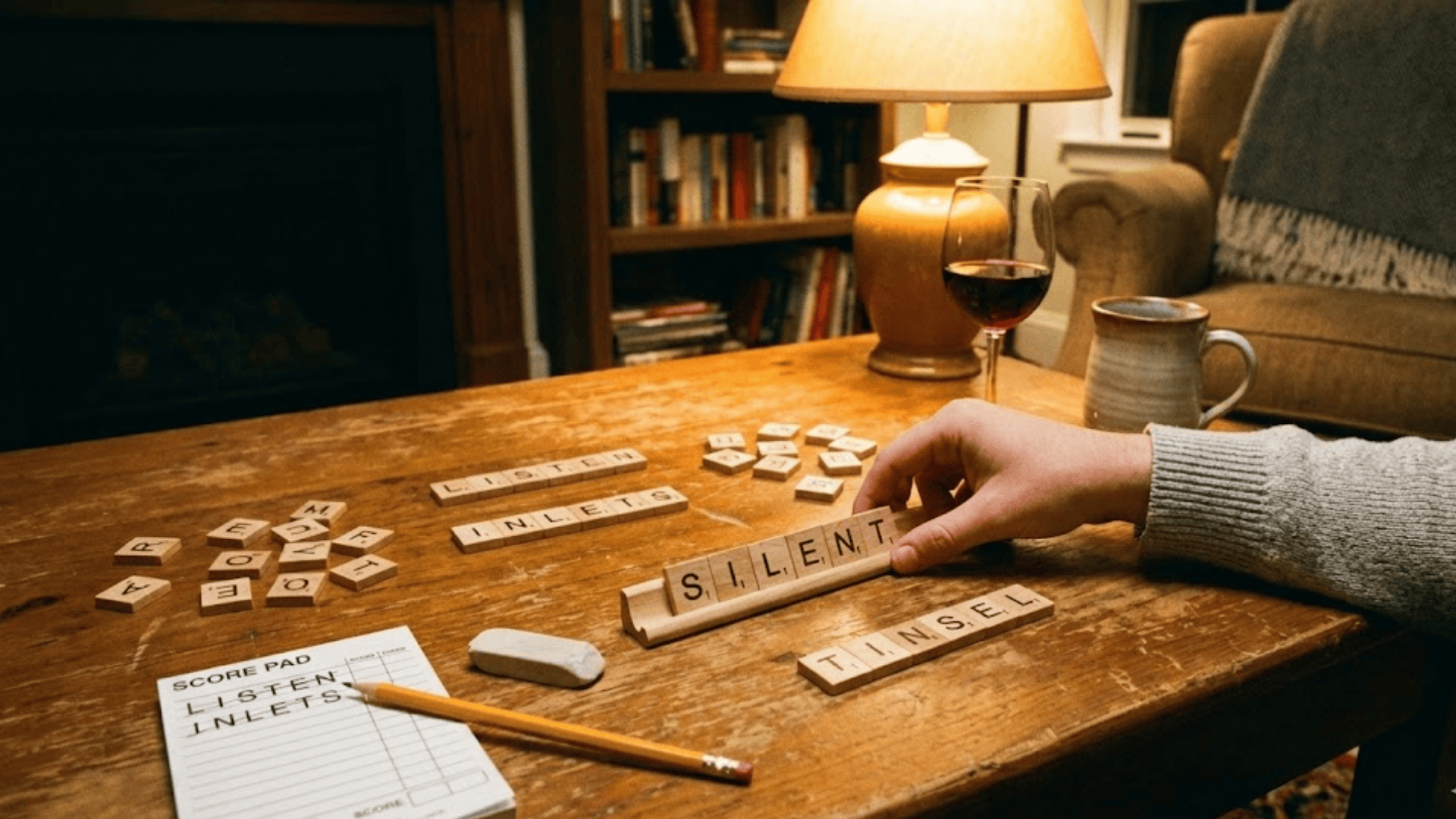
Present scrambled letters that rearrange into meaningful words, providing the next instruction or location. Write anagrams on separate cards for players to rearrange, or present letter groups for players to identify the solution.
Include theme-relevant vocabulary so solving the anagram feels connected to your overall storyline rather than arbitrary word games.
43. Layered Transparency Overlays
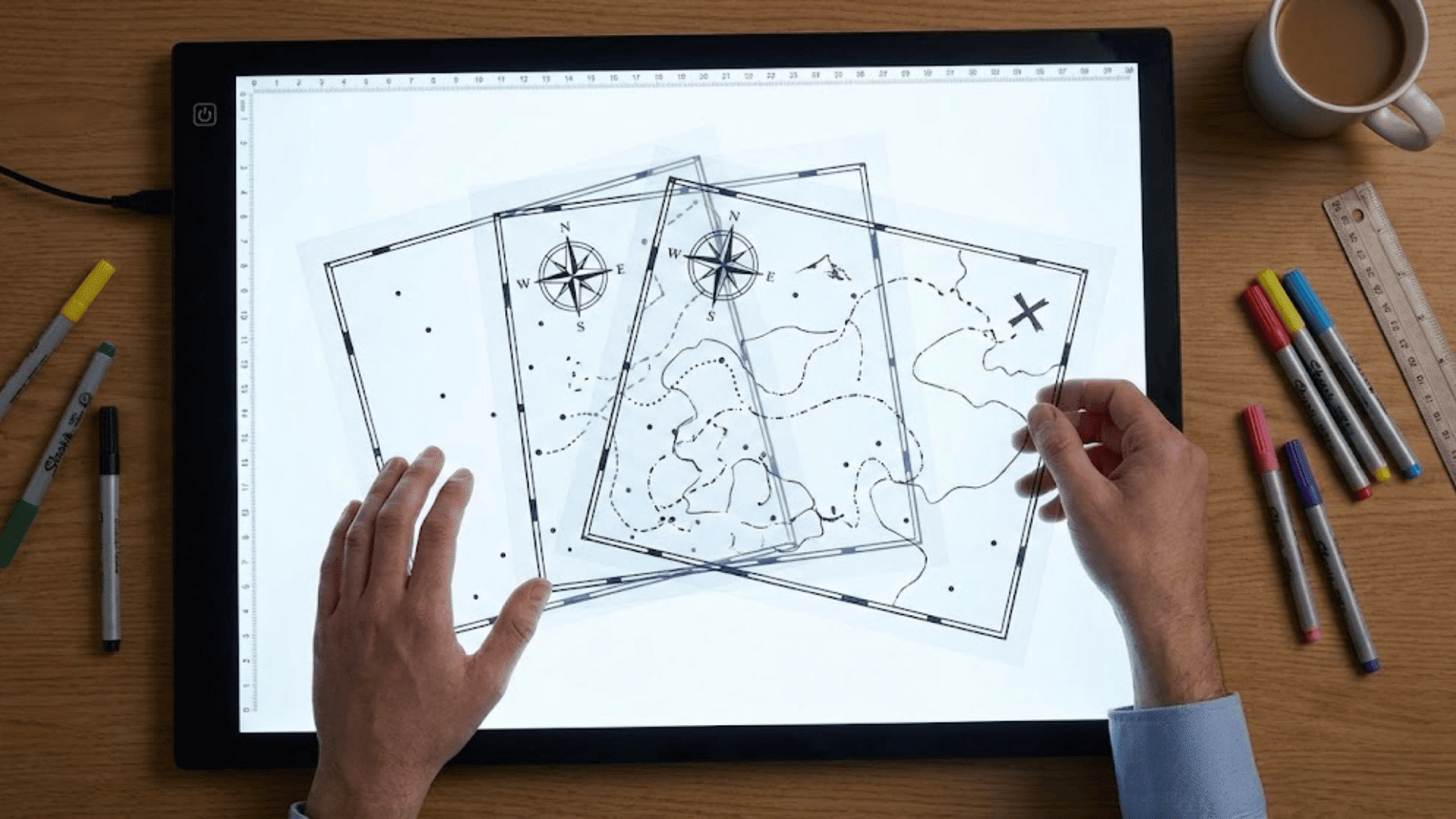
Print partial images or codes on transparent sheets that only reveal the complete picture when stacked in the correct order and alignment.
Each transparency shows dots, lines, or symbols that seem random but create readable text or images when layered. Players must find all sheets, try different stacking arrangements, and hold them to the light to see the message clearly.
Puzzle Design Best Practices
Creating puzzles that challenge without frustrating requires thoughtful planning and player empathy. These core principles keep your escape room engaging from start to finish.
- Create clear cause-and-effect chains where each solved puzzle visibly unlocks the next step.
- Build in multiple difficulty paths so different player strengths can shine simultaneously.
- Place subtle visual cues like circled words or emphasized colors to guide without spoiling.
- Ensure every puzzle has discoverable hints so players never hit complete dead ends.
- Remove accidental red herrings by clearing random objects that look like clues but aren’t.
When players feel clever rather than confused, they’ll remember your escape room as the highlight of their gathering. Thoughtful design makes all the difference between an afternoon of groans and an experience they’ll want to repeat.
Hosting the Game
Set a clear time limit (typically 60 minutes works well for most groups) and establish ground rules before starting: no force, no moving furniture, stay within boundaries.
Brief players on the storyline, their mission, and how to ask for hints without breaking immersion.
Create a three-tier hint system where the first nudge is subtle, the second more direct, and the third practically hands them the answer.
Watch players from outside or through a baby monitor to gauge frustration levels. Jump in with hints before genuine anger sets in, keeping the experience fun rather than defeating.
Your role as game master keeps the momentum flowing.
Wrapping Up
You’ve got everything you need to pull off an incredible DIY escape room that’ll have everyone talking long after the final lock clicks open.
Pick your puzzles, hide your clues, and suddenly you’re the mastermind behind an unforgettable game night. You can adjust difficulty on the fly, swap out puzzles that didn’t land, and run it again for a completely different crowd.
Your living room just became the coolest venue in town, and all it took was some creativity and household items you already owned.
Have you tried building your own escape room? Drop a comment below sharing your favorite puzzle ideas or any creative twists that made your game unforgettable!