
Thinking about installing radiant floor heating? Hold on a second. Those warm, cozy floors sound perfect on paper. No radiators. No vents. Just pure comfort from the ground up.
But there’s a catch. Actually, there are several.
Before you spend thousands tearing up your floors, you need to know the full story. Radiant heating isn’t cheap. Installation takes forever. And once it’s in, repairs can be a nightmare.
This isn’t about scaring you off. It’s about making a smart choice.
In this guide, we’ll walk through the real disadvantages of radiant floor heating. You’ll learn about costs, installation headaches, and why some homes just aren’t a good fit.
We’ll also cover when it actually makes sense and compare both electric and hydronic systems.
Let’s get into it.
What is Radiant Floor Heating?
Radiant floor heating is a system that warms your home from the ground up. It works by installing heating elements beneath your floor surface. These elements can be electrical cables or hot-water tubes.
The heat rises from the floor and spreads evenly across the room. This creates a comfortable warmth without the need for bulky radiators or vents.
Many homeowners choose this system for its clean look and consistent temperature control. It works well under tile, hardwood, and even carpet in some cases.
Types of Radiant Heating Systems
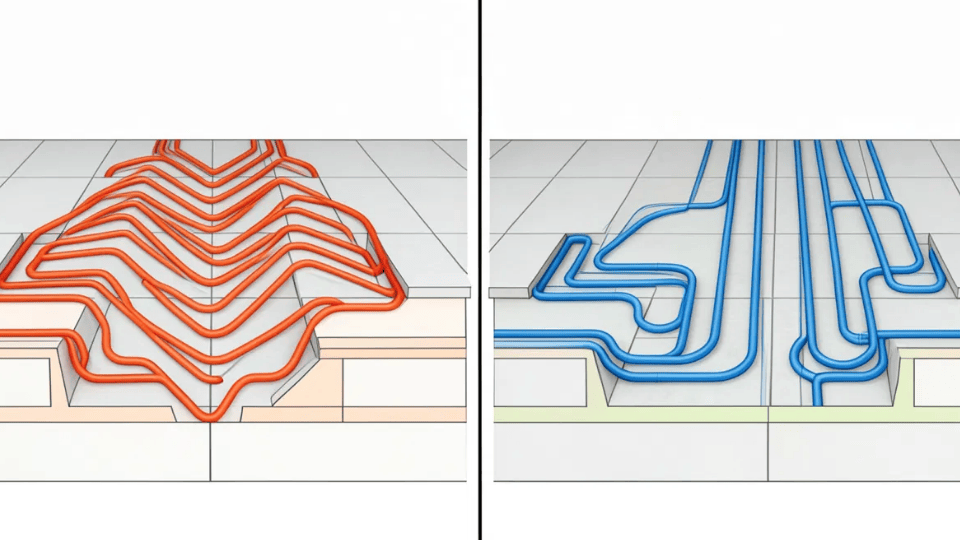
Before we talk about the downsides, let’s look at the two main types of radiant floor heating. Understanding how each system works will help you see why certain problems occur.
Comparison Between Electric and Hydronic Systems
| Feature | Electric Radiant Heating | Hydronic Radiant Heating |
|---|---|---|
| How It Works | Electric cables, mats, or films under the flooring | Hot water circulating through tubes under the floor |
| Best For | Small areas, bathrooms, retrofits | Larger homes, new construction |
| Installation Cost | Lower upfront cost | Higher upfront cost |
| Operating Cost | Higher electricity bills | Lower long-term costs |
| Heating Time | Quick (30-60 minutes) | Slower (2-3 hours) |
| Maintenance | Minimal maintenance needed | Requires boiler checks |
Is Radiant Heat Efficient?
Radiant heat can be very efficient when installed correctly. Efficiency means how well a system converts energy into warmth without waste. Radiant systems transfer heat directly to objects and people, not air.
This direct method uses less energy than forced air systems. They also run at lower temperatures, which saves money over time. However, efficiency depends on key factors.
Good insulation keeps heat from escaping. Proper system sizing prevents energy waste. The wrong flooring can block heat and hurt performance.
Homes with poor insulation or thick carpet will see reduced efficiency. Compared to forced air, radiant heat loses less energy and maintains steadier temperatures.
When conditions are right, radiant systems can be 10-30% more efficient than traditional heating.
Major Disadvantages of Radiant Floor Heating
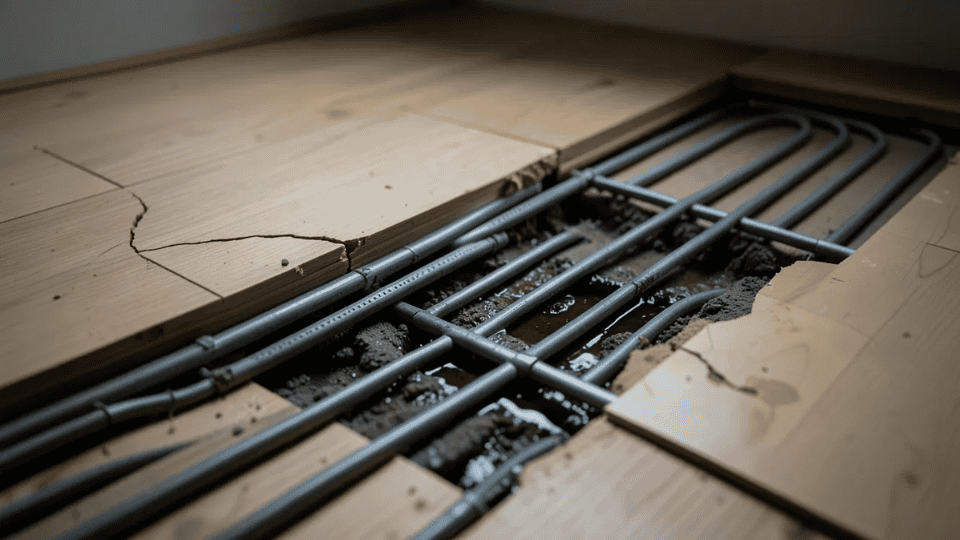
While radiant floor heating offers numerous benefits, it’s important to consider the potential drawbacks. In this section, we’ll explore the key disadvantages that may impact your decision.
1. High Upfront Costs
The biggest drawback is the initial price tag. Materials and professional installation can cost $10-$20 per square foot or more.
Existing homes face even higher costs because you must remove and replace the flooring. New construction is cheaper because the system is installed during construction.
Retrofitting an older home can cost 30-50% more than installing in new builds.
2. Installation Complexity & Long Time
Installing radiant floor heating takes weeks, not days. You need electricians, plumbers, and flooring experts working together. This coordination slows down the project.
Your daily life gets disrupted during installation. Traditional heating systems can be installed in just a few days with less mess.
3. Slow Heat-Up & Response Time
Radiant systems take hours to warm up your space. The floor’s thermal mass holds heat, but this means slow temperature changes. You can’t quickly adjust the temperature when the weather shifts.
If you leave for work and want heat when you return, you need to plan ahead. Forced air systems heat rooms in minutes, not hours.
4. Repair Difficulty & Hidden Damage Risk
All heating components sit buried under your floor. If something breaks, you must remove the flooring to fix it. This makes repairs expensive and time-consuming.
Hydronic systems can develop leaks that go unnoticed for months. By the time you spot water damage, the problem has spread. Electric systems rarely fail, but when they do, repairs are costly.
5. Flooring Material Limitations
Not all flooring works well with radiant heat. Tile and stone conduct heat perfectly. Hardwood can work, but it may crack or warp due to temperature changes.
Thick carpet acts like insulation and blocks heat from rising. Some laminate flooring can’t handle the heat exposure. You’re limited in your flooring choices compared to traditional heating.
6. Raised Floor Height & Transition Issues
Radiant systems add 1-2 inches to your floor height. This creates problems with door clearances and trim work. Cabinets may need to be adjusted to match the new floor level.
Transitions between rooms can look awkward or create tripping hazards. Older homes with standard door frames often need modifications. This adds more cost and complexity to your project.
7. Uneven Heat Distribution in Some Layouts
Rooms with irregular shapes may not heat evenly. Areas far from the heat source stay cooler than closer spots. Poorly insulated spaces lose heat quickly and never reach comfortable temperatures.
Large open floor plans might need multiple zones to heat properly. Some homeowners need supplemental heating in problem areas, which defeats the purpose.
8. Higher Operational Costs (Electric Systems)
Electric radiant heating costs more to run than hydronic systems. Electricity rates are higher than natural gas in most areas.
A large home with electric radiant heat can see monthly bills increase by $100 to $300. Hydronic systems cost more upfront but save money over time. For whole-house heating, electric systems become expensive fast.
9. Limited Cooling Capacity
Radiant floor heating only provides warmth. You still need air conditioning for summer cooling. This means installing and maintaining two separate systems.
Some homeowners try radiant cooling, but it’s tricky and can cause condensation problems. Most people end up paying for both radiant heat and a traditional AC system.
10. Slow Cool-Down (Less Flexibility)
Once your floor heats up, it stays warm for hours. Even after lowering the thermostat, the floor continues to release stored heat. This makes temperature control less responsive.
Spring and fall weather can be unpredictable, and you can’t adjust quickly. Forced air systems stop heating immediately when you turn them off.
Pros of Radiant Floor Heating
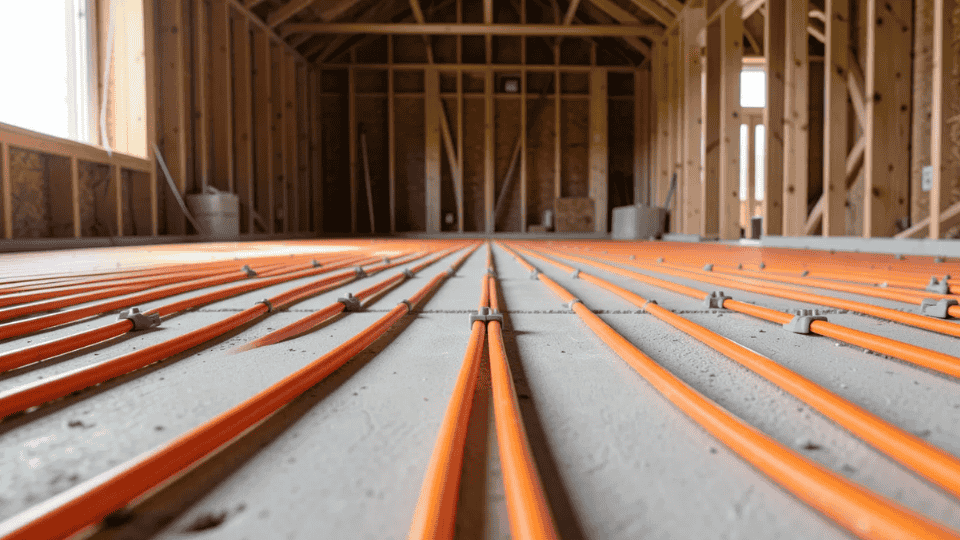
Radiant floor heating isn’t all bad. Let’s look at the benefits to give you a complete picture.
- Even Heat Distribution: The system distributes heat evenly across the entire floor, eliminating cold spots that can occur with radiators or vents.
- Silent, Comfortable Warmth: You get quiet heating with no noisy fans, blowers, or rattling pipes that disrupt your peace.
- Improved Indoor Air Quality: The system doesn’t blow dust, allergens, or pet dander around your home as forced air systems do.
- Potential for Energy Savings in the Right Conditions: When paired with good insulation and proper installation, you can save 10-30% on heating costs compared to traditional systems.
Radiant Floor Heating Costs: A Long-Term Investment
Understanding the true cost helps you make a smart decision. Here’s what you can expect to pay upfront and over time.
| Cost Factor | Electric Radiant Heating | Hydronic Radiant Heating |
|---|---|---|
| Material Cost per Sq Ft | $8-$15 | $10-$20 |
| Labor Cost per Sq Ft | $3-$8 | $8-$15 |
| Total Installation (1,000 sq ft) | $11,000-$23,000 | $18,000-$35,000 |
| Retrofit Additional Cost | 30-40% more | 40-50% more |
| Monthly Operating Cost (1,000 sq ft) | $150-$300 | $80-$150 |
| Annual Energy Cost | $1,800-$3,600 | $960-$1,800 |
| Repair Cost (if needed) | $1,500-$4,000 | $2,000-$6,000 |
| System Lifespan | 20-30 years | 30-40 years |
| Payback Period | 15-25 years | 10-18 years |
| Energy Efficiency | 85-95% | 90-98% |
| Annual Savings vs Forced Air | $200-$400 | $300-$600 |
Is Radiant Floor Heating Right for You?
Radiant floor heating works best for new construction or major renovations where you’re already replacing floors.
It makes sense if you value comfort over quick temperature changes and can afford the high upfront cost. Homes with good insulation and open floor plans see the best results.
If you’re building from scratch and plan to stay long-term, the investment can pay off. However, avoid this system if you need fast heating, have a tight budget, or live in an older home with poor insulation.
Retrofitting existing homes often costs too much for the benefits you get. Think about your heating needs, budget, and how long you’ll stay in the home. For most people, traditional systems offer better value and flexibility.
The Bottom Line
Radiant floor heating has real benefits, but the disadvantages matter just as much.
High costs, slow response times, and difficult repairs are serious concerns. Add in flooring restrictions and the need for separate cooling, and you see why this isn’t the right fit for everyone.
If you’re building new and have the budget, it might work. But for most retrofits, the cost outweighs the comfort.
Take your time with this decision. Compare quotes from multiple contractors. Consider your home’s insulation and your long-term plans.
Still unsure if radiant floor heating is right for your home? Drop a comment below with your questions. We’re here to help you make the best choice for your space and budget.