The air smelled like old paper and rain. That’s the first time I noticed how a space could feel like a memory.
That quiet pull; books stacked high, worn leather chairs, soft lamps is what led me to dark academia interior design. It’s not just a look. It’s how a room can feel like thought, time, and stillness.
In this blog, I’ll break down how to bring that feeling into your own space.
You’ll learn about the right colors, textures, and small details that make it work. This isn’t about copying a style, it’s about building a mood that fits you.
If your space feels too bright, too fast, too loud this might be the calm you’ve been looking for.
Why Dark Academia Captures Attention
There’s something about the mood it sets: quiet, thoughtful, slow. It feels like a rainy afternoon in a big old library, where time doesn’t move so fast and your thoughts get to stretch out.
That emotional pull is strong. It’s not just about how it looks. It’s about how it feels.
People connect with it because it feels deep. It doesn’t ask you to be bright and busy. It invites you to slow down, think, read, write. That’s comforting.
It makes space for quiet days and soft thoughts.
Bright, clean spaces can feel sharp, cold, or rushed. Minimal rooms often leave people wanting more warmth or meaning.
Dark academia offers the opposite: it’s full, layered, personal. The shadows, the warm light, the worn-in books and heavy curtains… it feels like a room that’s lived in and thought in.
It pulls in readers, students, writers, and anyone who feels more at home in words than in small talk.
There’s comfort in the mess of ideas and the softness of old things. It feels smart, without trying too hard. Before we even talk about color swatches or furniture, that’s why dark academia draws people in. It feels like home for a different kind of mind.
What is Dark Academia Interior Design?
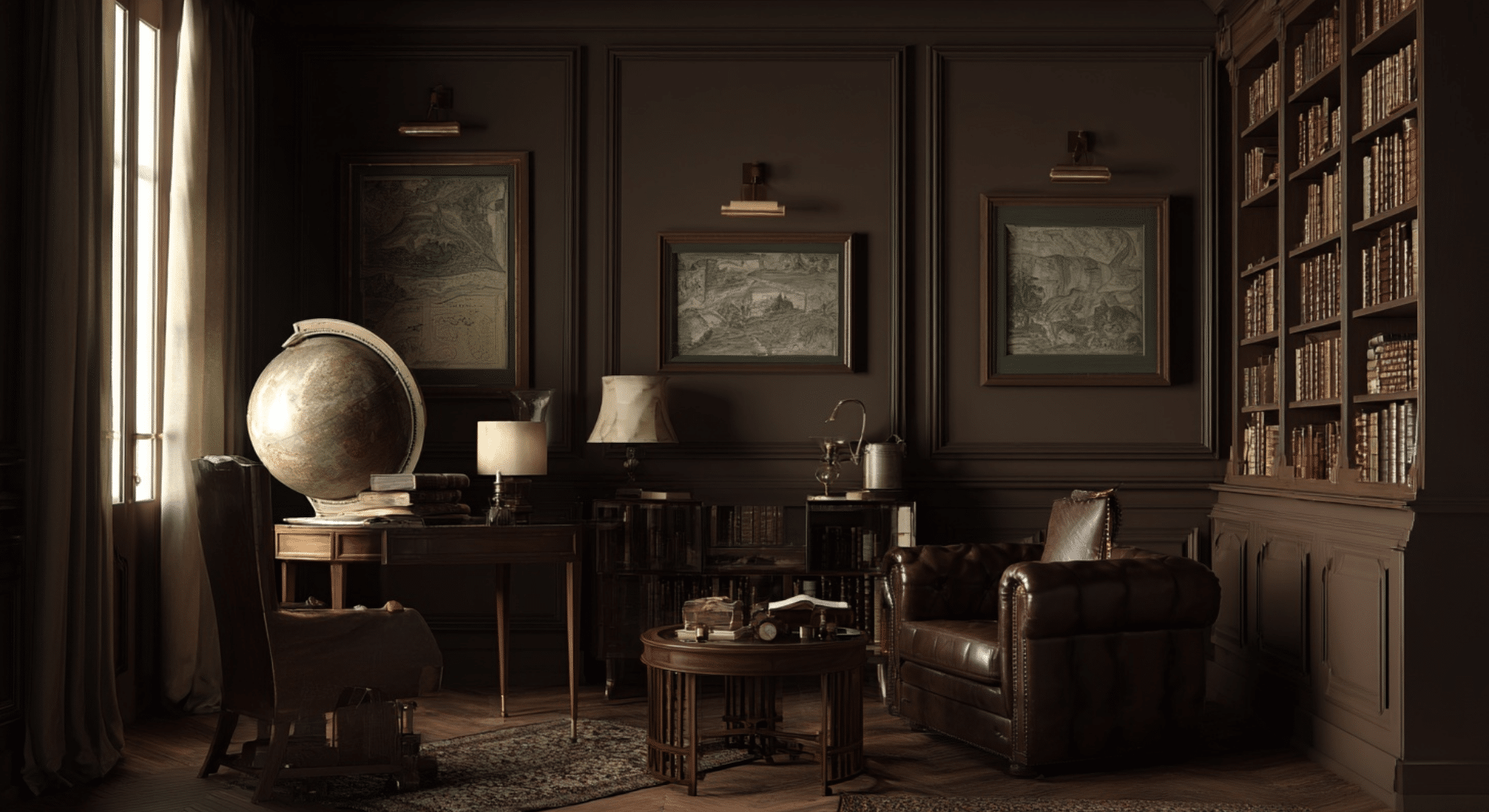
Dark academia interior design draws on ideas from old libraries, historic schools, and classic literature. Think of long wooden tables, deep colors, soft lamp light, and shelves full of books. It’s warm, quiet, and full of small details that tell a story.
The style began with a love for learning, especially the kind that feels old and deep. It’s tied to old universities, handwritten notes, Greek statues, and worn leather books.
That’s why it often feels like walking into an old study or a forgotten classroom.
Online, dark academia is sometimes just a mood, lots of brown filters, fashion, or quotes from old books. But in design, it’s more than a trend.
It’s how you shape a space to feel smart, calm, and serene.
This design style uses real items to create that feeling. The color of the walls. The sound of a clock. The feel of old furniture.
It’s not just about a look, it’s how the space makes you feel when you sit down, turn off your phone, and open a book.
That’s what makes dark academia interior design its own thing. It’s not just a vibe. It’s a full way of shaping your space to match the inside of your mind.
Key Features That Define Dark Academia Interiors
Now that you understand the feeling behind the style, let’s look at what actually makes it work. There are a few core pieces that shape the mood of a dark academia interior: colors, furniture, materials, and lighting. These parts come together to make a space feel grounded, thoughtful, and full of quiet depth.
Each one plays a role. Let me tell you about them:
Color Palette and Tone
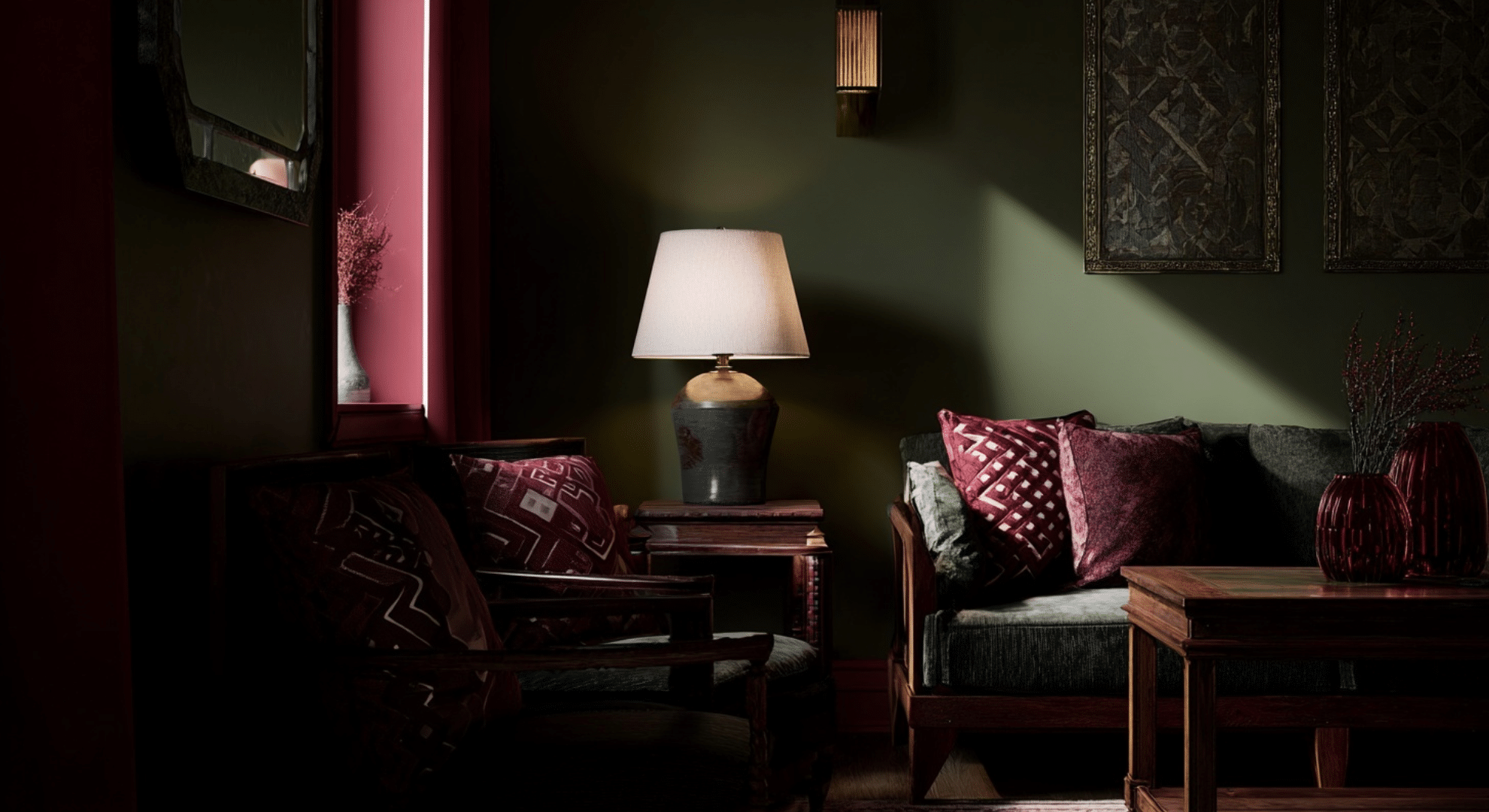
Dark academia interiors lean into deep colors: rich browns, forest greens, charcoal grays, and muted burgundy. These tones create depth and make a room feel grounded. Instead of bright walls, you might choose darker shades for warmth and calm.
You don’t have to paint every wall dark; using these colors in smaller areas, like one wall or through furniture and curtains, adds contrast without making things too heavy.
Furniture Style and Shape
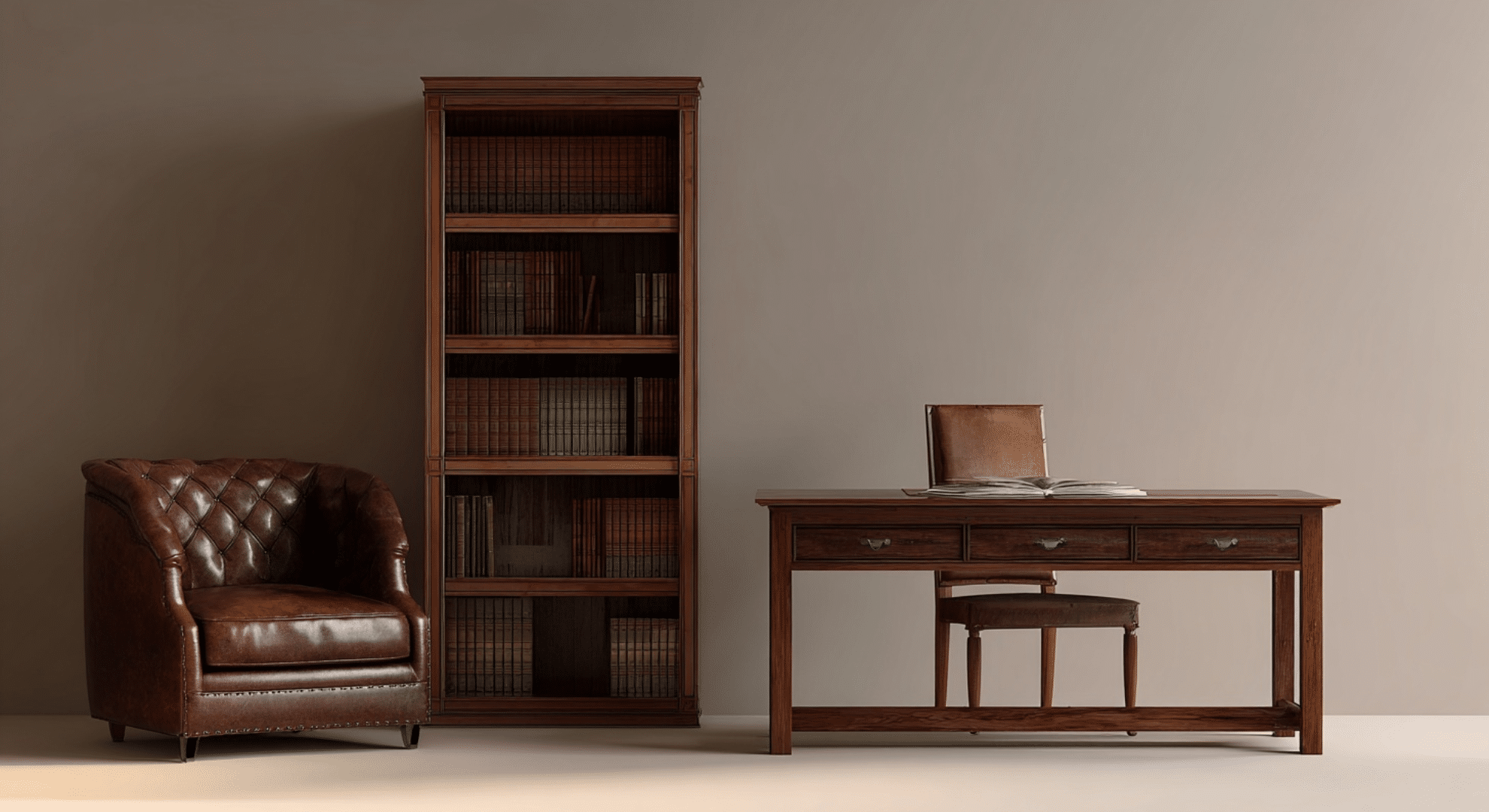
The furniture in dark academia rooms often looks classic and grounded. Think of strong wood desks, soft armchairs, and shelves that feel heavy and solid. You don’t need antiques, just pieces that look thoughtful and a little old-school.
Focus on simple lines with some weight and shape. These work even in modern homes, helping the room feel balanced and full without needing a lot of decoration.
Materials and Textures
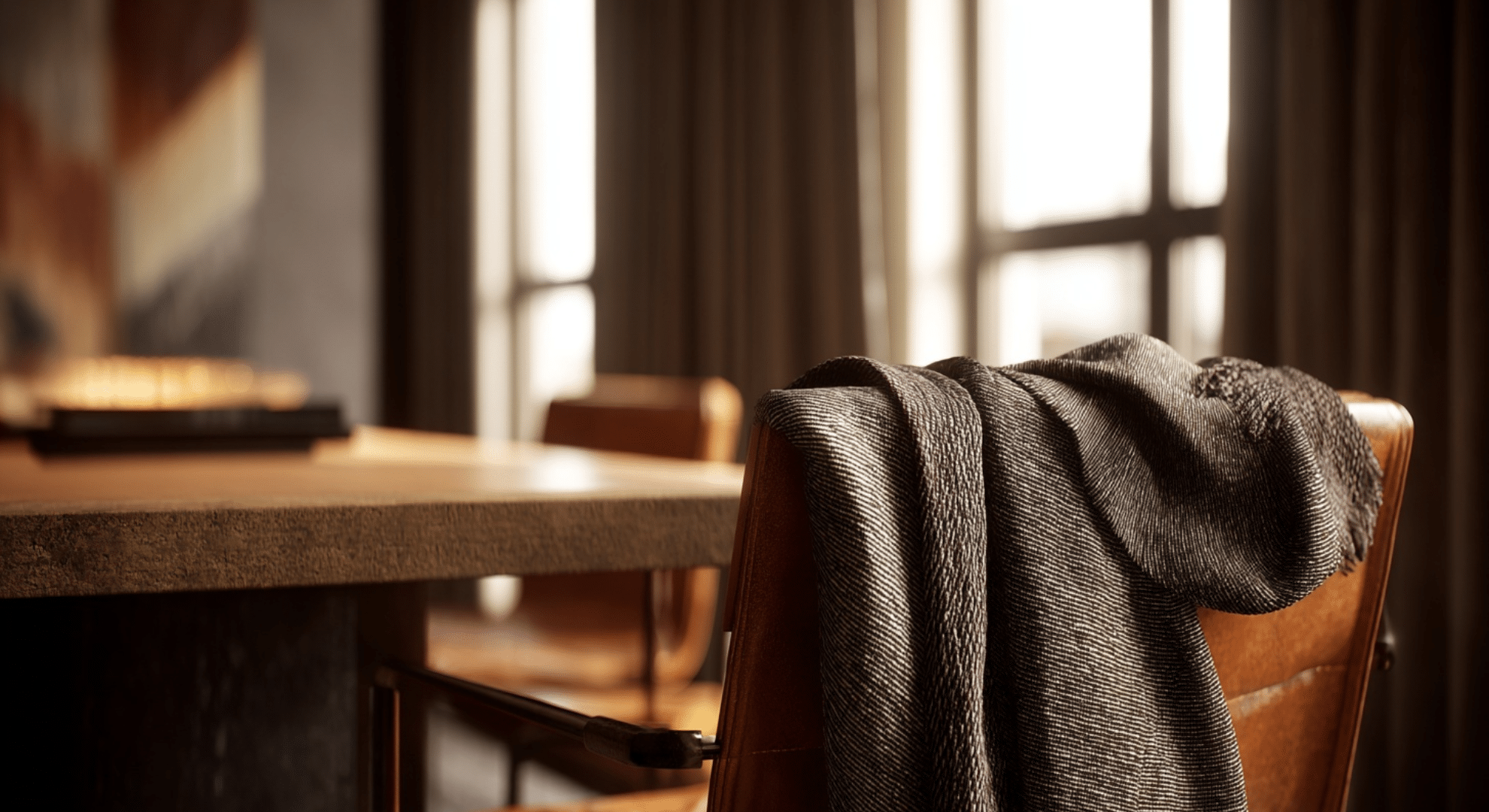
Soft wool blankets, leather chairs, heavy curtains, and worn wood, these textures matter more than having lots of stuff. They make a room feel real and lived in. Layering different materials adds warmth and depth.
A space with fewer things can still feel full if those things have the right texture. It’s not about filling the room. It’s about making each piece feel like it belongs.
Lighting and Atmosphere
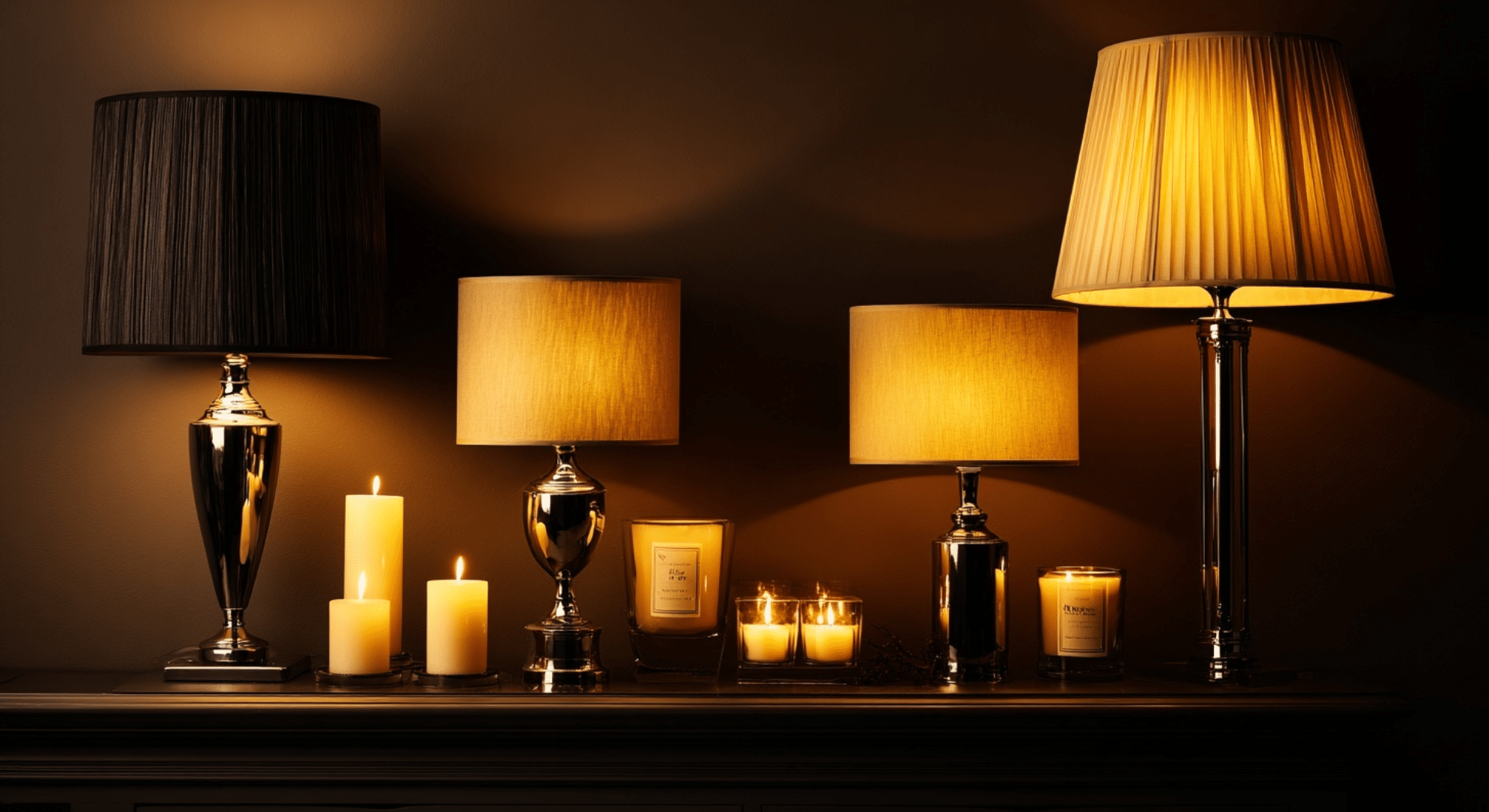
Lighting is one of the most important parts of this style. Overhead lights can feel too bright and harsh. Instead, small lamps, candles, and soft bulbs make the space feel warm and quiet. Use warm-toned bulbs to soften the room.
Even with dark colors, good lighting keeps it from feeling gloomy. It should feel like the sun is going down outside, and you’re just starting to read.
How Dark Academia Works in Homes
You don’t need a huge old house or a private library to make this style work. Dark academia interior design can fit in regular spaces: apartments, open layouts, or even plain builder-grade homes. It’s more about mood and detail than size or age.
The trick is knowing how to adjust the style to fit where you live, without overdoing it or making things feel cramped. Here’s how to make it fit your space.
Apartments and Small Spaces
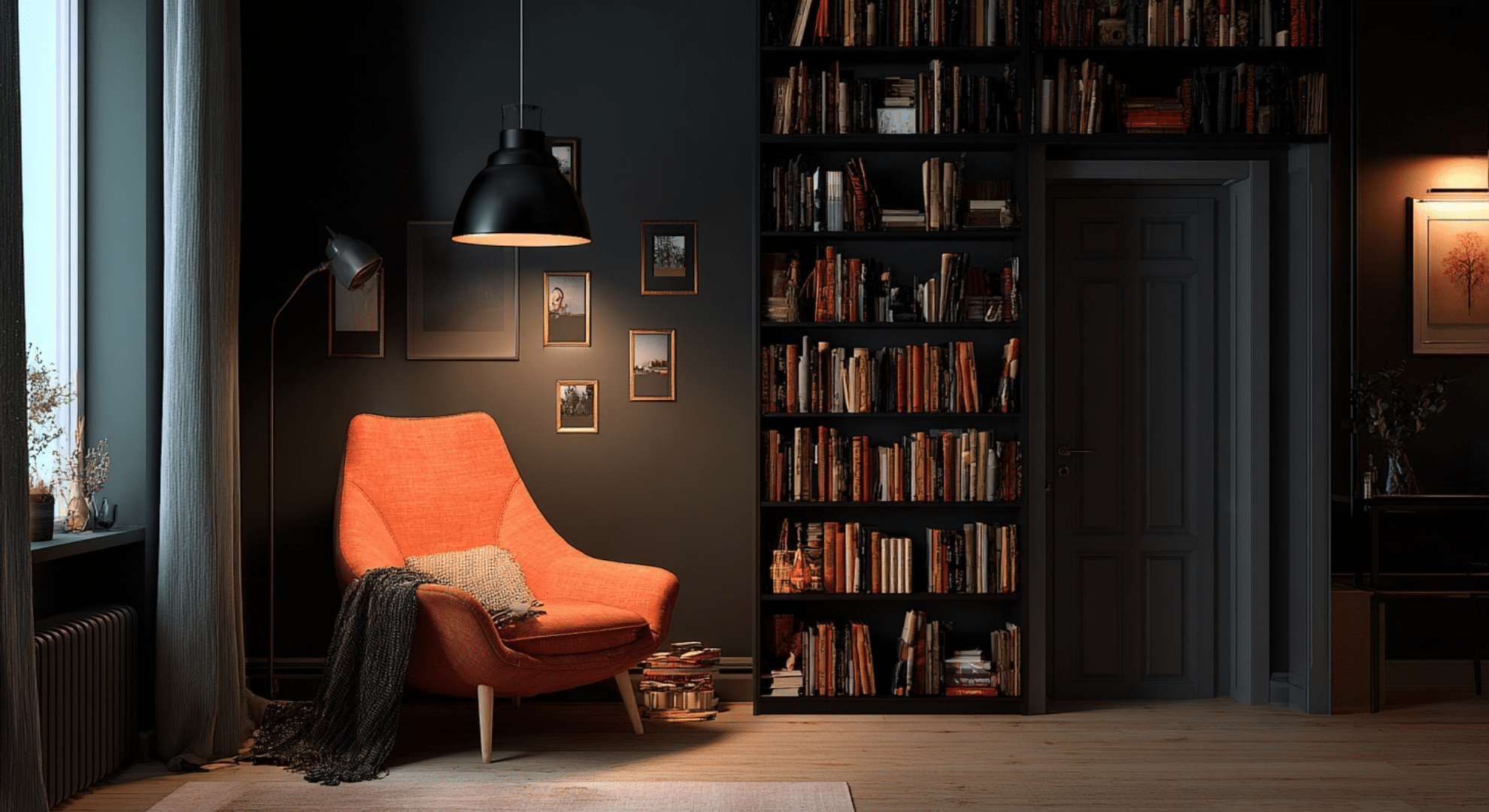
In small rooms, balance is key. Use dark colors on one wall, in furniture, or with fabric like deep green curtains or a brown reading chair, so the space doesn’t feel too closed in. Stick with soft lighting, warm textures, and a few thoughtful items like books or framed art.
Mirrors and light rugs can help open up the space while still keeping that dark, quiet mood.
Open-Concept Homes
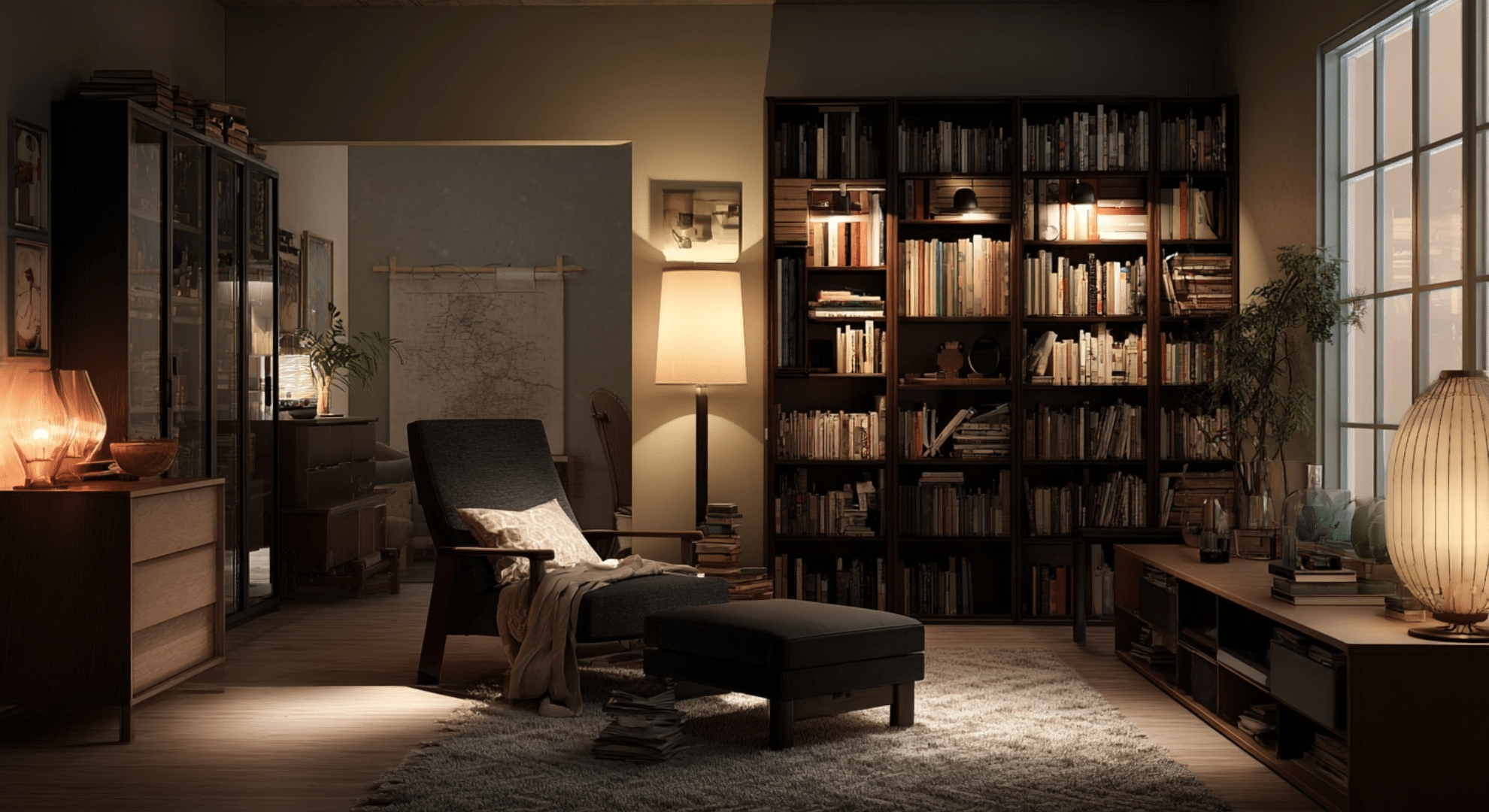
Without many walls, it’s important to create “zones” using furniture, rugs, and lighting. A reading nook in one corner, a writing space in another, each part can feel like its own world. Keep colors and materials consistent across these zones so the home still feels calm and connected.
Warm lights, deep tones, and repeated textures (like dark wood or linen) help tie everything together without needing full separation.
Builder-Grade and Modern Homes
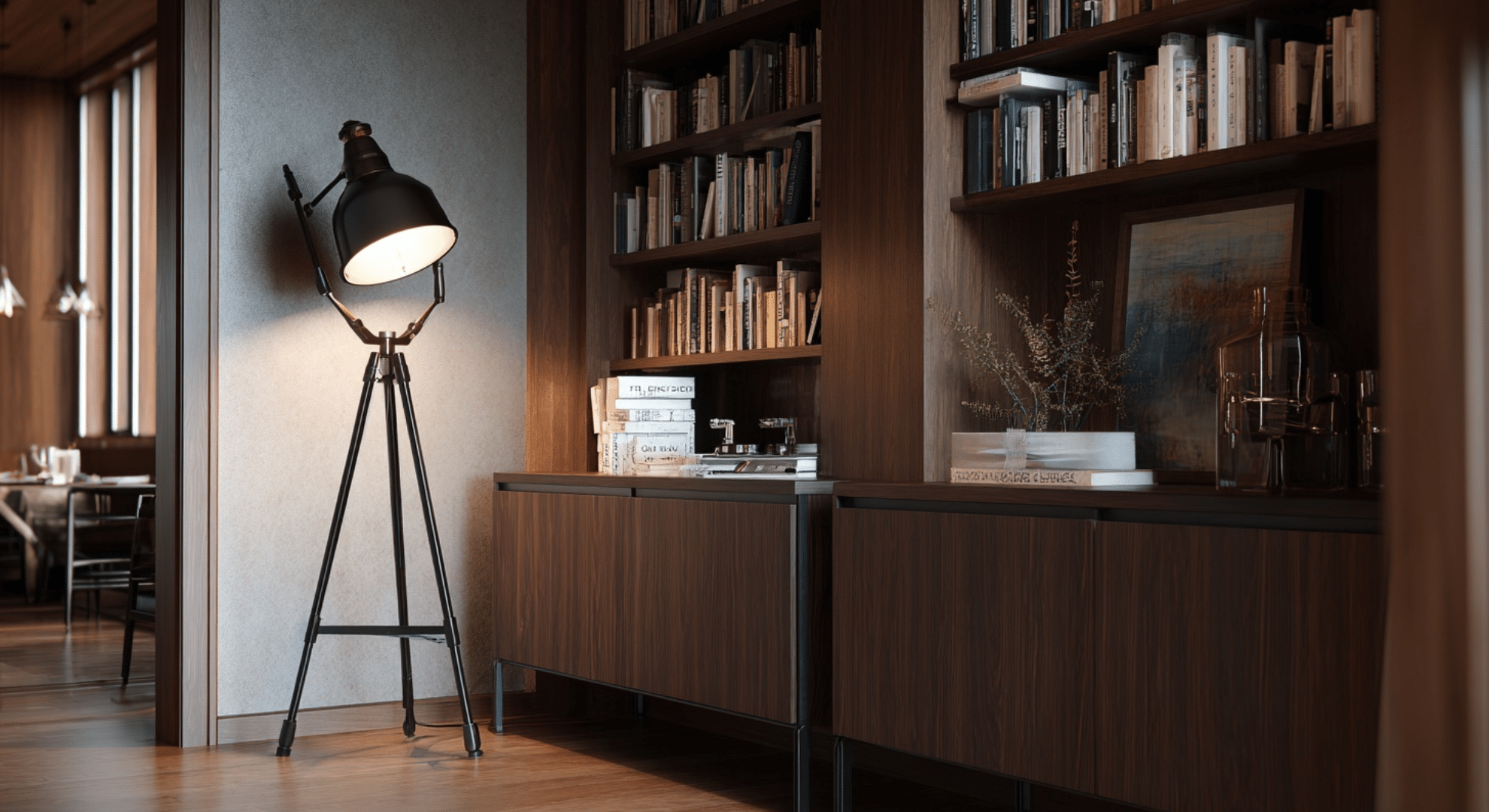
Even basic or very modern homes can carry this style. You don’t need to change the walls or layout. Focus on adding pieces with personality—wood furniture, old books, warm lighting, and soft, deep-colored fabrics.
Use art or shelves to add height and interest. Swapping out light fixtures or adding secondhand finds can bring in more depth without any major changes. It’s about feel, not cost.
Dark Academia by Room Type
Every room plays a different role in your life, so the dark academia style should adjust with that. You don’t have to treat every space the same way. Some rooms can be bold, others more quiet.
The goal is to keep the mood without losing comfort or function. Here’s how to shape each room so it feels natural, calm, and personal.
Living Rooms
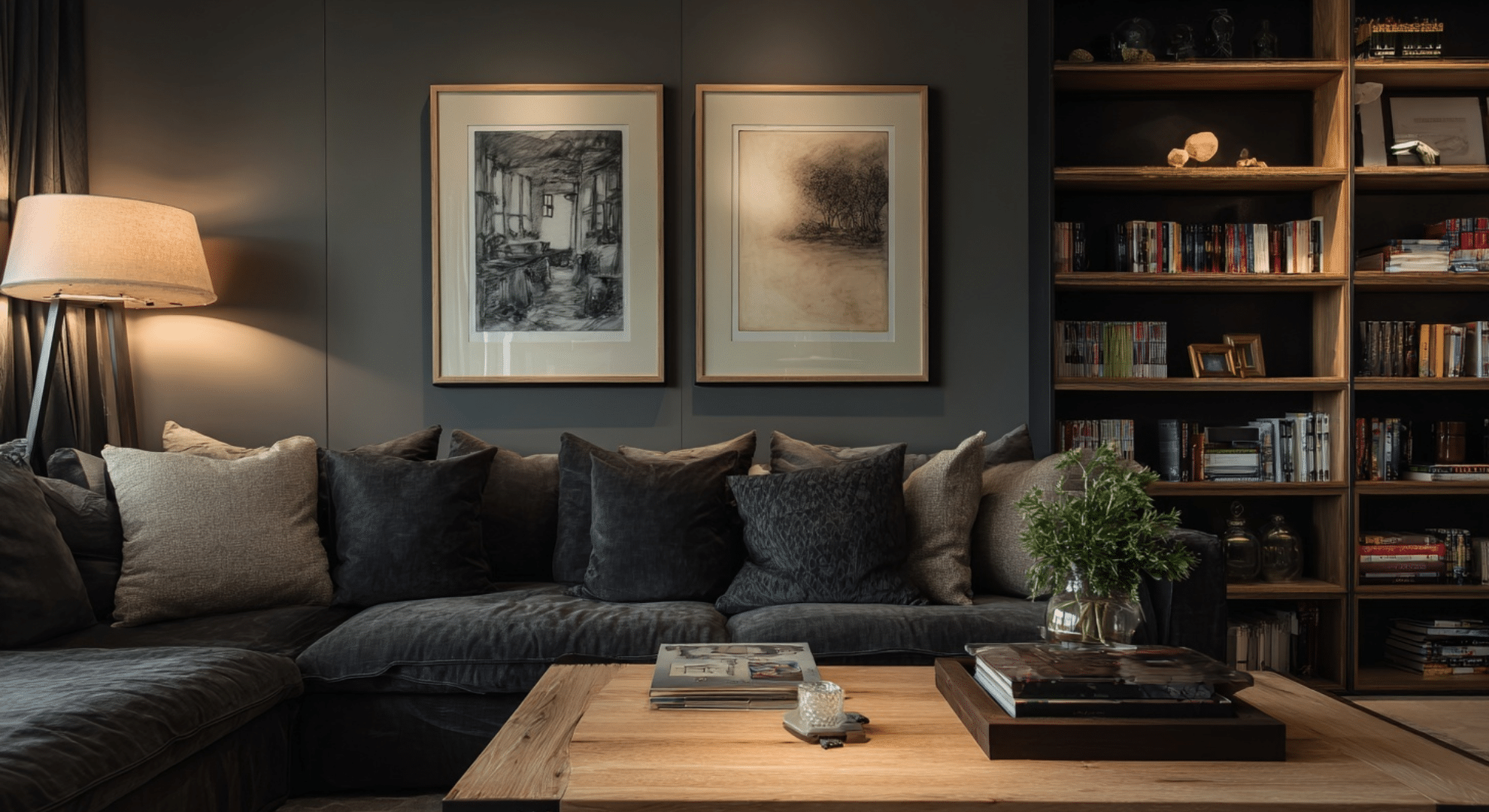
Start with furniture that feels grounded, sofas with clean lines, wooden coffee tables, and reading chairs. Place pieces to encourage conversation or quiet reading, not just to face the TV.
Add bookshelves or floating shelves to bring in height and interest. Use darker wall paint on one side or add framed art to create depth. Balance that with warm lights and soft blankets so the room stays inviting.
Bedrooms
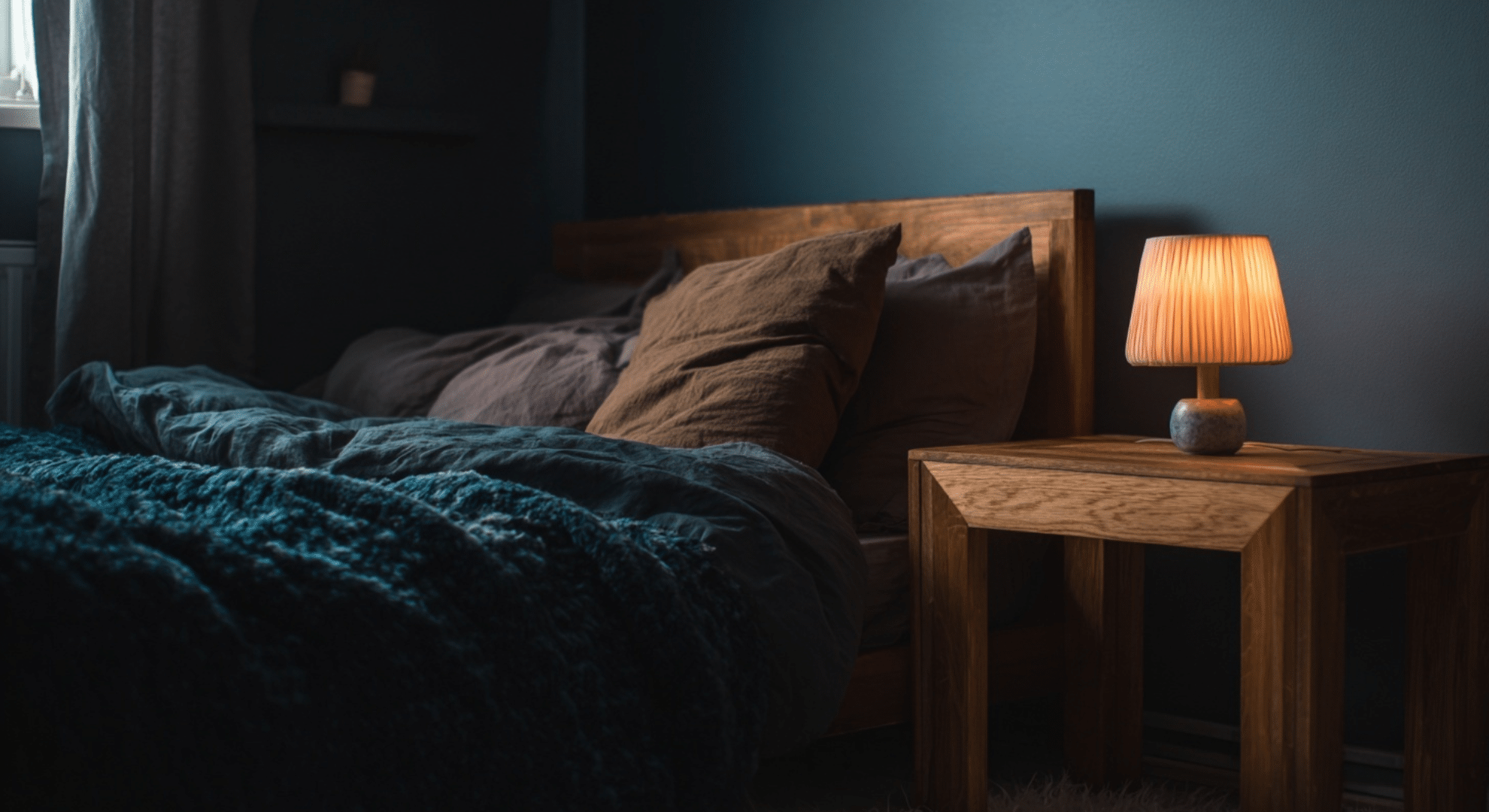
In bedrooms, dark academia should feel restful, not heavy. Go for deep, soft bedding in colors like navy, rust, or gray. Use simple furniture with warmth—wooden nightstands, soft rugs, or a small reading lamp.
If you paint a wall, keep the others light or neutral to stop the space from feeling too closed-in. A mix of books, quiet art, and soft light will help the room feel still but not sad.
Home Offices and Studies
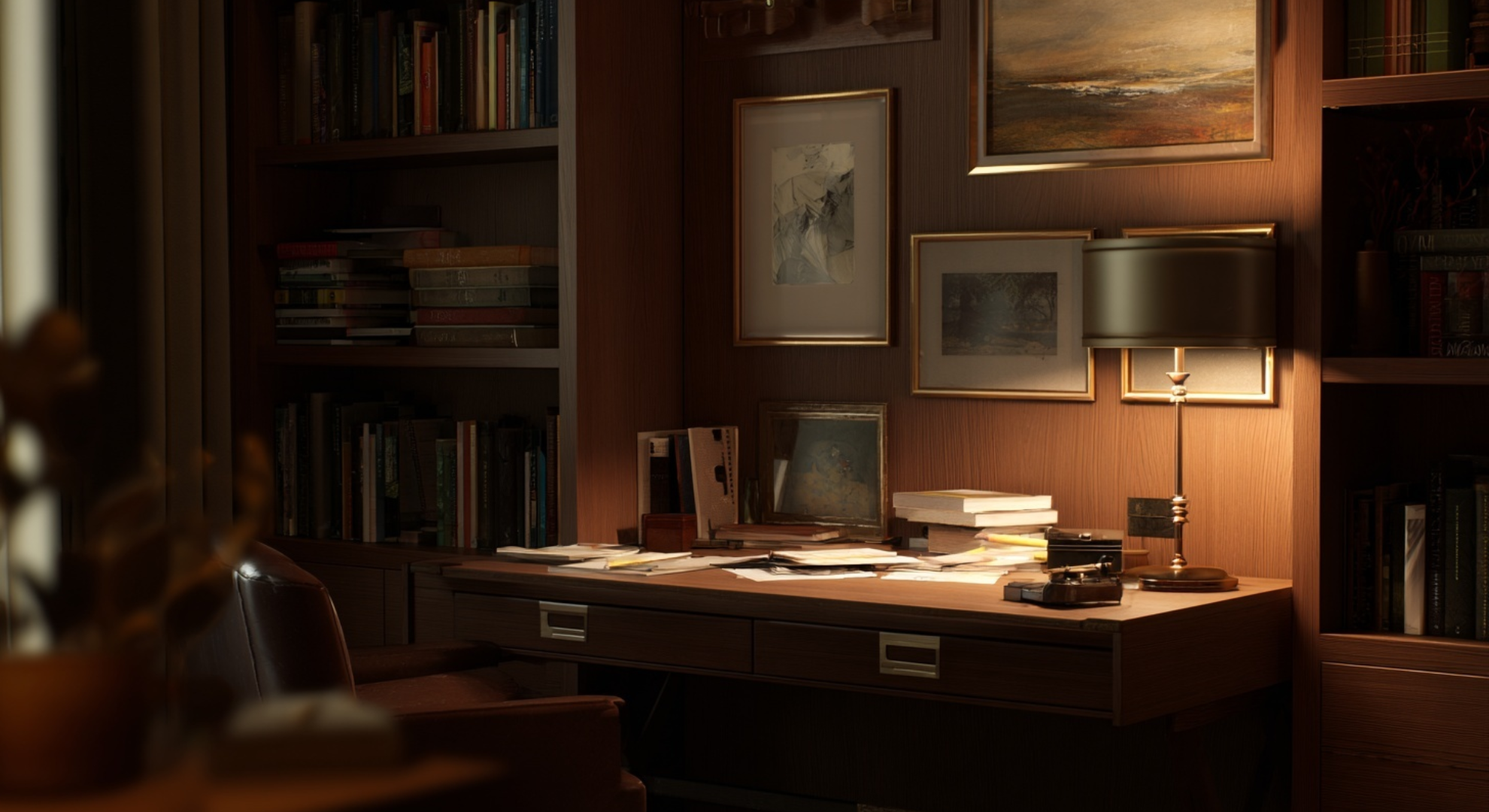
This is where the style fits perfectly. A sturdy desk, a soft chair, and lots of books or papers can all work to your advantage.
Use desk lamps with warm light and hang maps, art prints, or pages from books to bring in character.
Keep your setup practical with good lighting, enough space to write or type, and shelves within reach. This room can be more layered and moody than others as it’s meant for deep thinking.
Modern Dark Academia Explained
Dark academia has changed over time. It started with a love for the old: books, candles, heavy furniture but today, it blends that mood with cleaner, simpler shapes.
Modern dark academia still feels smart and quiet, but it fits better in everyday homes. You don’t need to live in a mansion or fill your space with antiques.
Modern versions use the same deep colors and warm lighting but mix them with clean lines and less clutter. A smooth black table can sit next to a vintage lamp. A plain couch in a dark fabric can balance shelves full of old books. It’s about keeping the feeling, not copying history.
This update keeps the space thoughtful, not dramatic. It avoids looking like a movie set and stays grounded in real life.
Dark Academia Compared to Similar Styles
Dark academia isn’t the only style that mixes thoughtfulness and comfort. There are others that share some parts of the mood but feel very different when you look closely. Comparing dark academia to similar styles can help you figure out what really fits you.
You might like the colors of one, the mood of another, or the calm of both. Here’s how dark academia stands apart.
| Style | Mood | Colors & Light | Materials & Decor | Overall Feel |
|---|---|---|---|---|
| Dark Academia | Quiet, deep, bookish | Dark, warm, low lighting | Wood, leather, books, vintage art | Thoughtful, still, moody |
| Light Academia | Calm, bright, romantic | Soft neutrals, more light | Linen, soft wood, light fabrics | Airy, soft, peaceful |
| Boho | Free, layered, relaxed | Earth tones, mixed textures | Rattan, plants, colorful rugs | Playful, cozy, personal |
| Traditional | Formal, polished, classic | Balanced tones, structured | Dark woods, matching sets | Neat, timeless, sometimes stiff |
If you want depth and quiet but not too much structure or clutter, dark academia might be the right place to start. It has room for both feeling and thinking—without losing the comfort of home.
Is Dark Academia Still Relevant Today?
Yes, and it’s not going anywhere soon. Dark academia speaks to something deeper than trends. It connects with people who want meaning in their space.
In a world that moves fast and feels loud, this style offers stillness. That matters now more than ever.
It also reflects how people live today. More of us are working from home, reading more, or spending quiet time indoors. A room that supports thought, rest, and focus feels right for this moment.
Social media may have made the look popular, but it stuck because it fits how people feel. It’s not about being fancy, it’s about comfort with depth.
People want their homes to reflect who they are, not just what’s “in.” Dark academia lets them do that.
The style has also grown. It’s easier to find affordable items that fit the mood. It can work in all kinds of spaces. And it still feels good. That’s what keeps it relevant.
Common Mistakes That Ruin the Look
It’s easy to get excited about dark academia and go too far. But the style works best when it feels natural and thoughtful, not like a theme or a costume.
Here are some common missteps that can make the space feel off instead of calm and smart:
- Making every wall and surface dark, which can make rooms feel heavy or small
- Using too many props like fake candles, skulls, or old books that aren’t actually used
- Forgetting to layer lighting, using only overhead lights or one dim lamp
- Ignoring the shape and flow of the room when placing furniture
- Copying inspiration photos exactly without adjusting for your space size or layout
- Skipping texture and relying only on color to set the mood
- Buying lots of small décor instead of investing in a few strong, useful pieces
- Using dark furniture and dark walls without balance or contrast
A good dark academia space feels lived-in, not staged. It’s better to start small and build slowly than to overdo it from the start.
Conclusion
Dark academia interior design gave me a way to slow down and feel more connected to my space. It helped me build rooms that feel like they think with me, not just look nice. I didn’t need a huge budget or a perfect room. Just the right mood, a few thoughtful changes, and patience.
You don’t need to rush it either. Try one corner at a time. Notice what feels right. Let the space grow with you.
Keep in mind: this style is about building something that feels true to you. If this helped shape your ideas, there’s more where this came from.
Check out other blogs on the website for more calm, creative ways to shape your home!