Why Your “Deer Resistant” Trees Keep Getting Eaten (and how to stop feeding the neighborhood)
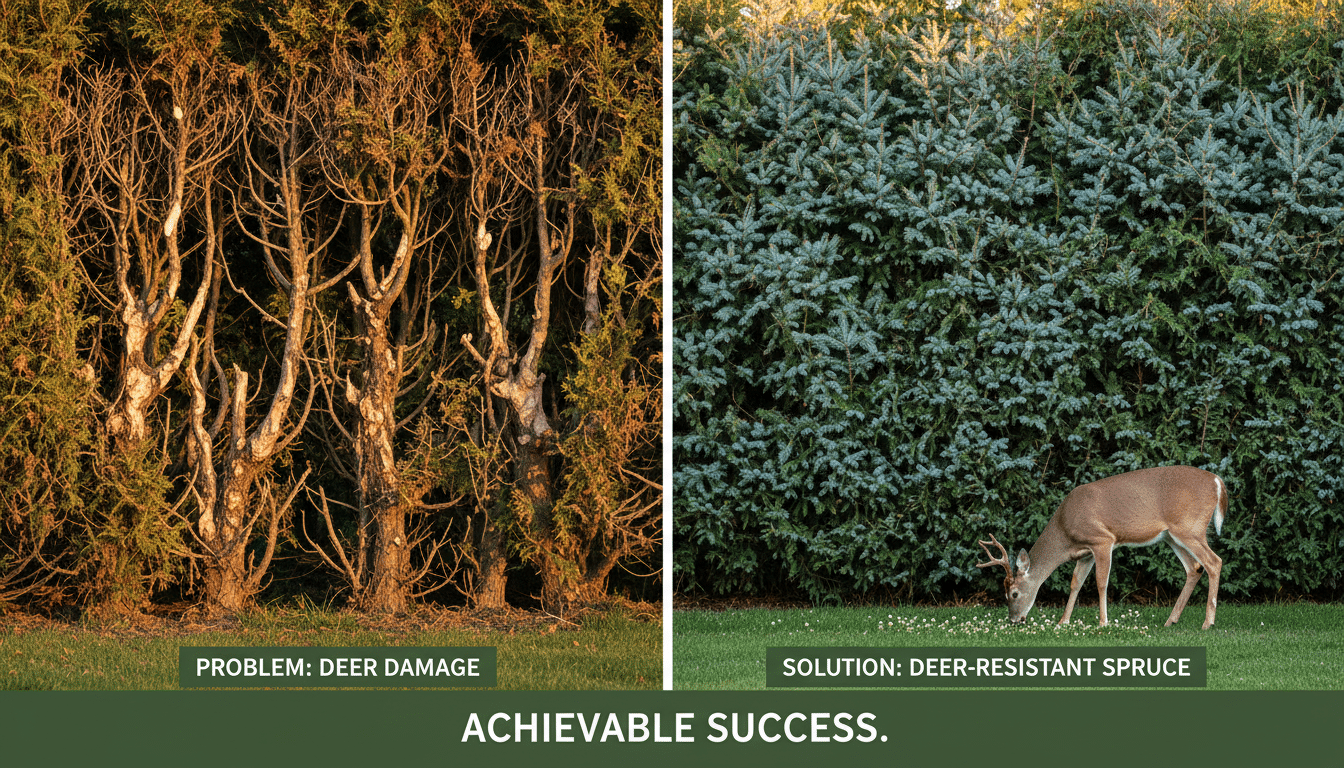
If you’ve ever planted “deer resistant” arborvitae and then watched it get trimmed into a sad green Q-tip by February… hi. You’re not alone. Deer have no respect for your landscaping budget.
The annoying truth is that a lot of people think they bought a deer resistant tree, but they actually bought the deer’s favorite winter snack because the label at the nursery was doing that vague, slippery thing labels love to do.
So let’s talk about what’s really going on, how to decode the tag before you hand over your money, and which trees are actually worth your time (plus what to do for the first few years so your “privacy hedge” doesn’t become “deer tapas”).
The arborvitae label trap (aka: the thing that’s costing you money)
“Arborvitae” is not specific enough. It’s like saying “I bought a dog.” Okay… a chihuahua or a Great Dane? Big difference.
Arborvitae is the common name for trees in the genus Thuja, and here’s the plot twist:
- Some thujas are basically deer candy
- Some thujas are usually left alone
The big one to watch out for
If the tag says Thuja occidentalis (often sold as “Emerald Green,” “White Cedar,” or just “Arborvitae”), you’re basically installing a winter salad bar. In many areas especially the Northeast deer go absolutely feral for it.
What you probably meant to buy (for screening) is Thuja plicata or a hybrid/cultivar like ‘Green Giant’.
How to read the plant tag without becoming a botanist
You only need the basics:
- Genus = first word, capitalized (ex: Thuja)
- Species = second word, lowercase (ex: occidentalis)
- Cultivar = the nickname in quotes (ex: ‘Green Giant’)
If you see “T. plicata”, that just means Thuja plicata. Same plant, shorter spelling.
My personal rule: if the tag is missing the botanical name entirely, I treat it like a suspicious Facebook Marketplace listing and move along.
“Deer resistant” doesn’t mean “deer proof” (I’m sorry)
This is the part nobody wants to hear: deer resistant is not a force field.
It means “usually left alone when deer have better options.” When food is buried under snow, when it’s a rough winter, during drought, or when your neighborhood has approximately 900 deer per square mile (okay slight exaggeration), deer will taste test a lot more things.
Also: young deer are like teenagers at a gas station impulsive and willing to try anything once. So even “good” picks can get nibbled occasionally.
What actually makes a tree deer resistant?
Deer skip trees for a few main reasons:
- It hurts to eat (spines, sharp needles).
This is the MVP defense. Nobody wants a mouth full of regret. - It tastes bad / smells strong / is chemically unpleasant (oils, resins, bitterness, mild toxicity).
Works pretty well… until deer are desperate. - It’s just annoying to chew (waxy leaves, tough texture).
This is the weakest “defense.” In a hard winter, deer will absolutely power through.
If you live where deer pressure is intense, prioritize the “hurts to eat” category. Drama free is the goal.
The part everyone skips: young trees need protection (yes, even the “resistant” ones)
Here’s the thing labels don’t tell you: young trees are basically defenseless teenagers. They haven’t built up as much of the stuff that makes them unappetizing yet, and they’re tender and snackable.
If you want your plantings to actually make it, think of protection as part of the purchase price not an optional accessory you’ll “maybe do later.”
A simple mental timeline:
- Years 1-2: protect it. Non-negotiable.
- Years 2-3: still risky, because fresh growth is delicious.
- Years 4-5: many trees finally “grow into” their resistance.
And if you’re in a snowy area, deer can browse higher than you think once they’re standing on packed snow. (Nothing like a deer on a snowdrift, casually eating the top of your hedge like it paid rent.)
Trees that usually perform really well (aka: not free deer lunch)
These are the ones I’d actually feel good recommending if you’re tired of getting played by wildlife.
Colorado Blue Spruce (Picea pungens)
Sharp needles + resin. Deer generally pass. Great for cold climates (Zones 3-7) and can get big (around 60 feet), so don’t plant it 3 feet from your house and then act surprised.
American Holly (Ilex opaca)
Spiny leaves that say “no thank you” to browsing. Evergreen, pretty, good screening (Zones 5-9). Bonus: winter berries if you’ve got the right plant situation.
Eastern Hemlock (Tsuga)
A solid choice for shadier spots where many evergreens sulk. Likes moisture (Zones 3-8). (Also, check your local hemlock woolly adelgid situation because nature is always adding new plot twists.)
Boxwood (Buxus sempervirens)
Bitter/mildly toxic so deer usually avoid it. Choose cold hardy varieties if you’re in Zone 5-ish. Not my favorite plant for a million reasons (boxwood drama is real), but for deer? It can be a workhorse.
“Usually fine” trees (plant closer to the house and protect early)
These can be great, but I wouldn’t plant them at the edge of the woods and then pray.
Good options once established include Chionanthus retusus:
- Dogwoods (flowering and kousa)
- Redbud
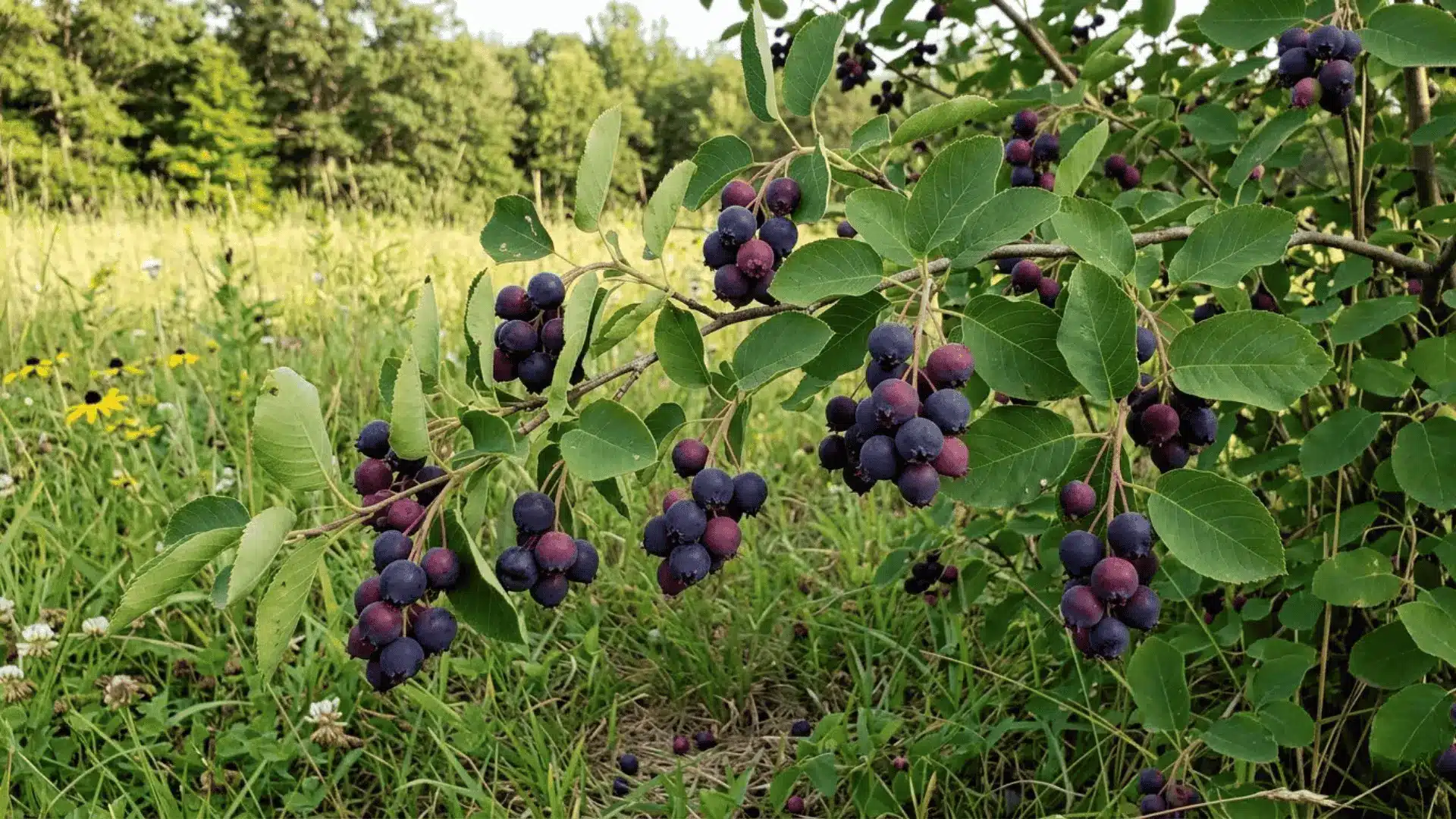
- Serviceberry
- Fringe tree
- Smoke tree
- Magnolias (many types are ignored)
- Japanese flowering cherry
- Crape myrtle (warmer zones)
If you want to stack the odds in your favor: think fringe tree selection by zone and plant these closer to your house, and use cages/guards when they’re young.
Pick the right tree for the job (because “I just want privacy” is a whole category)
If you want fast privacy without constant deer heartbreak
- Thuja ‘Green Giant’
This is the one people think they’re buying when they grab random “arborvitae.” Fast (often several feet a year once happy). Space roughly 5-10 feet apart depending on how tight you want the wall. - Carolina Sapphire Cypress
Great for warmer zones (roughly 5-9), handles heat/drought, has that scented foliage deer tend to dislike.
If you have a small yard and don’t want a monster tree
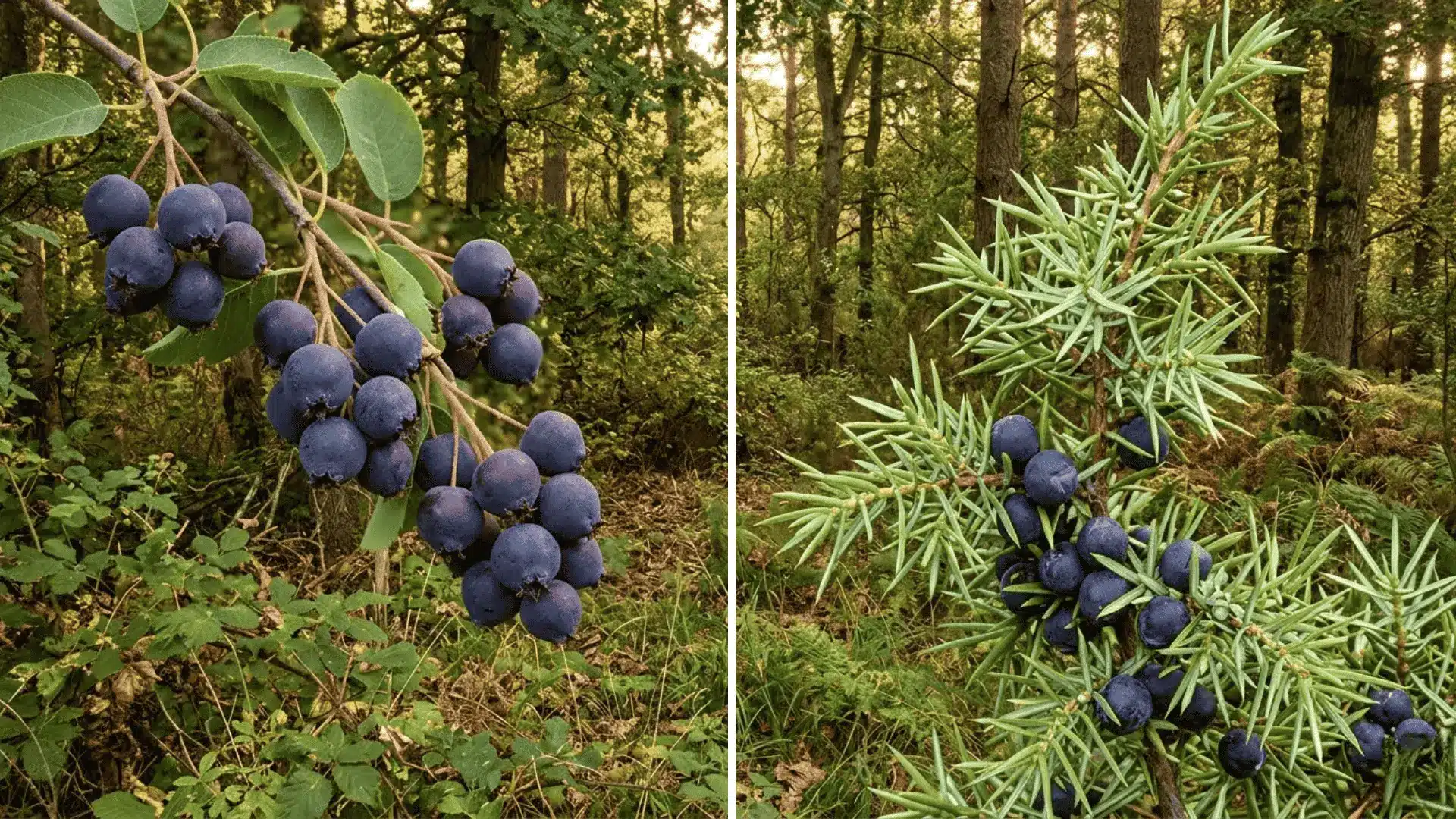
- Blue Point Juniper (narrow, tidy, low drama)
- Boxwood (if you’re okay with boxwood being boxwood)
- Smaller hollies like Oakland holly for spiny protection in a more manageable size
If you’ve got shade and everything else pouts
- Eastern Hemlock
- Cryptomeria ‘Radicans’ (Japanese cedar) in partial shade
If your soil is basically a sponge
- Bald Cypress
Handles wet conditions like a champ, and you get that gorgeous golden fall color. (Yes, it’s deciduous don’t panic when it drops needles. It’s supposed to.)
How to actually protect trees from deer (the stuff that works)
1) Fencing (the only thing deer truly respect)
- 8 feet tall is the magic number. Shorter fences are just a fun challenge for deer.
- For individual trees, make a little circle fence with stakes and deer netting/wire, 1-2 feet away from the trunk so they can’t lean in and snack.
- Close gaps at the bottom. Deer will absolutely shove through like they own the place.
2) Trunk guards (for buck rub)
Bucks rub trunks usually late summer through fall and they can wreck a young tree fast.
A simple method: cut plastic drain pipe, split it lengthwise, and wrap it around the trunk with a little breathing room so you’re not girdling the tree. (Yes, trees can be strangled. It’s as sad as it sounds.)
3) Repellents (helpful, but not your main plan)
Repellents can work as backup, especially in lower pressure areas.
- Reapply regularly (rain washes it off)
- Don’t apply in freezing temps (many products need it above ~35°F)
If deer are hammering your yard nightly, repellents alone are like bringing a squirt gun to a food fight.
Quick troubleshooting (because sometimes it’s not actually deer)
- Your “resistant” tree got browsed:
First, confirm you actually bought the right species (receipt + botanical name). Then protect immediately don’t wait for “one more bite” because there will be twelve more bites. - Evergreen is turning brown:
Could be deer… but could also be transplant shock, wind burn, or root issues. Look for torn tips and ragged bites before you blame Bambi. - Your privacy hedge won’t grow taller:
Check the very top leader. If deer keep biting the terminal bud, your hedge will bulk out instead of going up. (Which is great if you wanted a green loaf of bread, less great if you wanted privacy.)
The bottom line (write this down before you go plant shopping)
If you remember nothing else, remember this: “arborvitae” on a label means nothing. Get the botanical name.
If deer are a real problem where you live, start with plants that have real defenses (spines, sharp needles, strong chemicals), and protect everything for the first few years like it’s your job.
Before your next nursery run, pick 1-2 trees that fit your space and your deer situation, and literally put the botanical name in your notes app. Then match it to the tag before you pay. Future you standing in the yard in March, staring at living trees instead of deer stubble will be so smug and happy.