Growing tomatoes is one of gardening’s greatest joys, but let’s be honest: these sun-loving beauties can be a bit high-maintenance.
Between hungry pests munching on leaves, mysterious wilting diseases, and frustratingly uneven harvests, even experienced gardeners sometimes struggle to get those plump, juicy fruits they’re dreaming of.
That’s where companion planting comes in.
By tucking the right neighbors alongside your tomato plants, you’re creating a little ecosystem that naturally defends against pests, enriches the soil, and even improves that sweet, tangy tomato flavor we all crave.
Think of it as building a supportive community in your garden beds.
This guide walks you through the best companion plants for tomatoes, which combinations to avoid, and simple layout ideas to help your tomato patch absolutely thrive this season.
Why Companion Planting Works for Tomatoes?
Companion planting transforms your tomato patch into a thriving, self-sustaining ecosystem.
Certain plants naturally repel common tomato pests like aphids and hornworms, while others attract beneficial insects that hunt down the bad guys.
Below ground, deep-rooted companions break up compacted soil and pull up nutrients that shallow tomato roots can’t reach, creating a nutrient-sharing network that benefits everyone.
Some companions provide afternoon shade for heat-stressed plants or act as living mulch to retain moisture. Tall crops can even offer physical support for sprawling tomato vines.
Gardening communities consistently report healthier plants, better yields, and fewer pest problems when using these time-tested plant partnerships.
How to Choose the Best Tomato Companion Plants?
Choosing the right companions isn’t about cramming every beneficial plant into your beds.
It’s about understanding what your tomatoes actually need and matching those needs with plants that naturally complement their growth habits.
- Consider Root Depth and Spacing: Pair shallow-rooted herbs with deep-rooted tomatoes to avoid competition for water and nutrients.
- Balance Heavy Feeders With Soil Helpers: Tomatoes are hungry plants, so add nitrogen-fixing legumes or nutrient-accumulating companions rather than other greedy feeders.
- Mix Pest Deterrents With Pollinator Magnets: Aromatic herbs repel pests while flowers attract beneficial insects that keep your garden ecosystem balanced.
- Don’t Assume All “Good” Plants Work Together: Just because two plants are individually beneficial doesn’t mean they’ll thrive side by side with tomatoes.
The goal is to create a balanced, mutually supportive garden community where each plant plays a specific role in keeping your tomatoes healthy and productive.
23 Best Companion Plants for Tomatoes
Wondering what to plant with tomatoes for a healthier, more productive garden? These companion plants have earned their reputation through generations of gardeners who’ve seen real results.
From pest-repelling herbs to soil-enriching legumes, each one brings something valuable to your tomato patch.
1. Basil
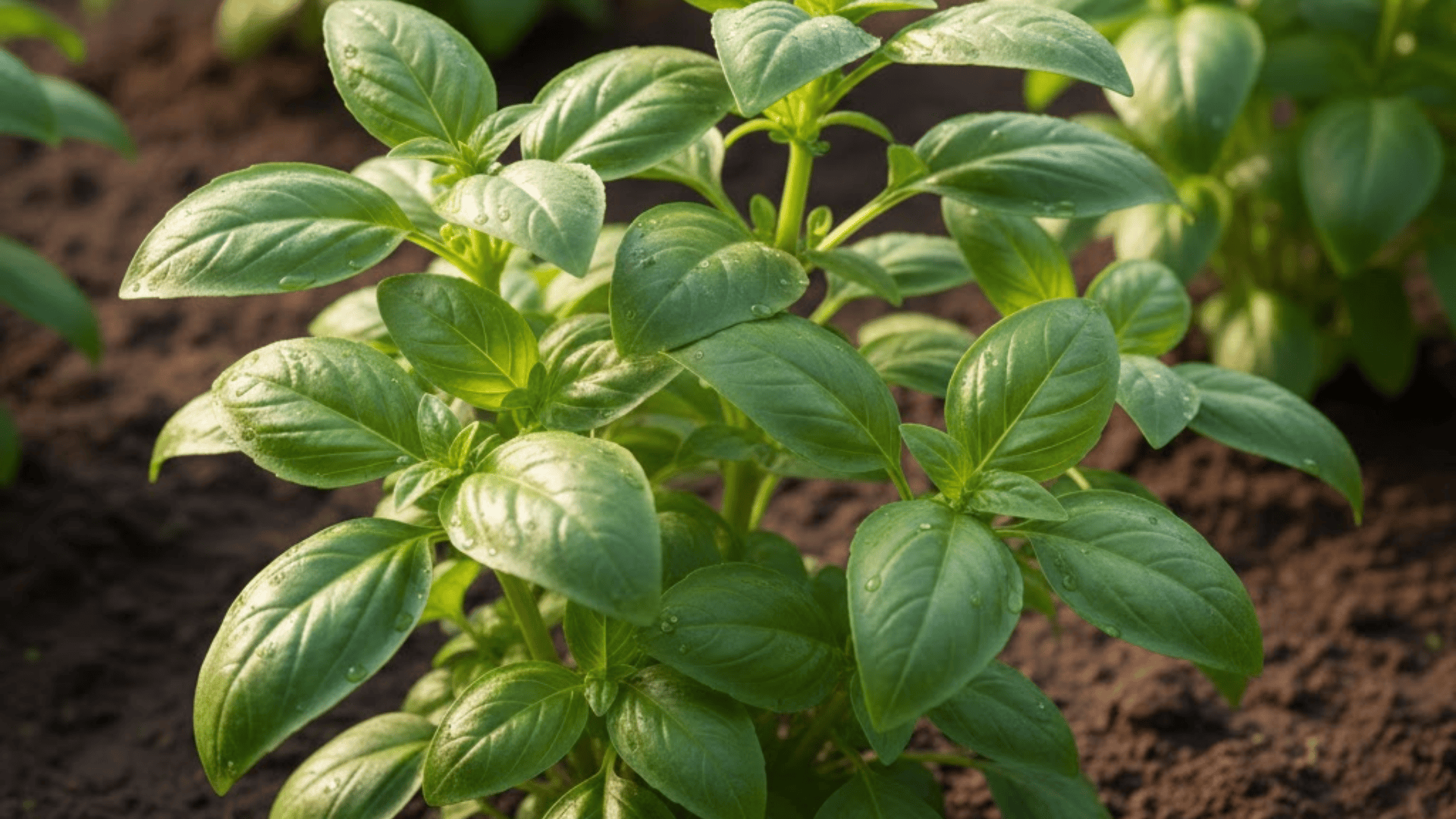
The classic tomato companion is good for a reason. Basil’s aromatic oils naturally repel aphids, spider mites, and those dreaded tomato hornworms.
Plant it close to your tomato stems, and you’ll notice fewer pest problems throughout the season. Many gardeners swear it improves tomato flavor, too, though that’s harder to prove.
Either way, having fresh basil within arm’s reach of your tomatoes makes harvest time even more satisfying for caprese salads and pasta dishes.
2. Marigolds
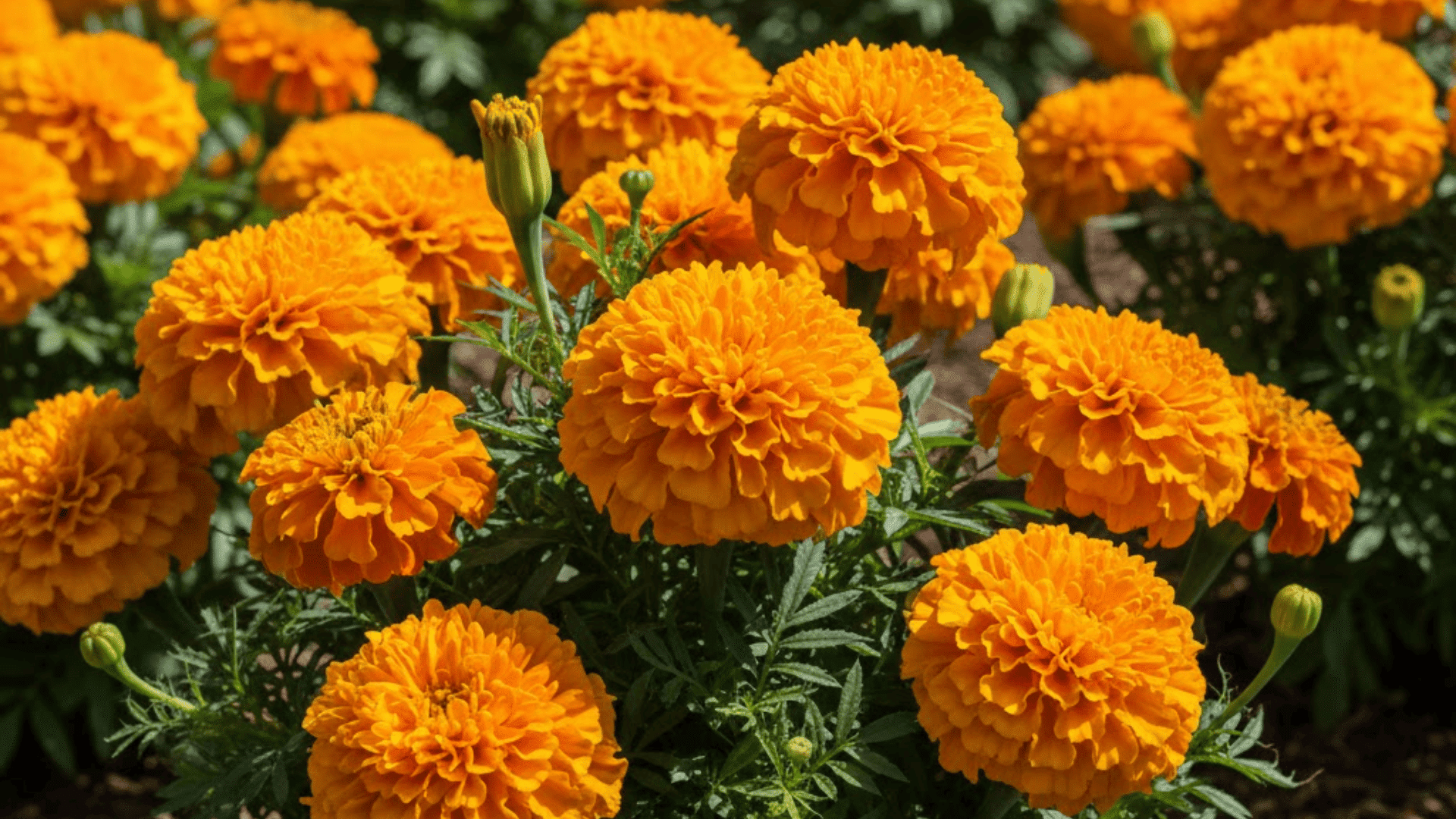
These cheerful flowers are workhorses in the tomato patch. Their roots release compounds that deter root-knot nematodes, microscopic pests that damage tomato roots and stunt growth.
The strong scent also confuses tomato hornworms and whiteflies. French marigolds are particularly effective, though any variety helps.
Plant them as a border around your tomato bed or intersperse them between plants. They bloom all season long, adding pops of orange and yellow while quietly protecting your crop.
3. Garlic
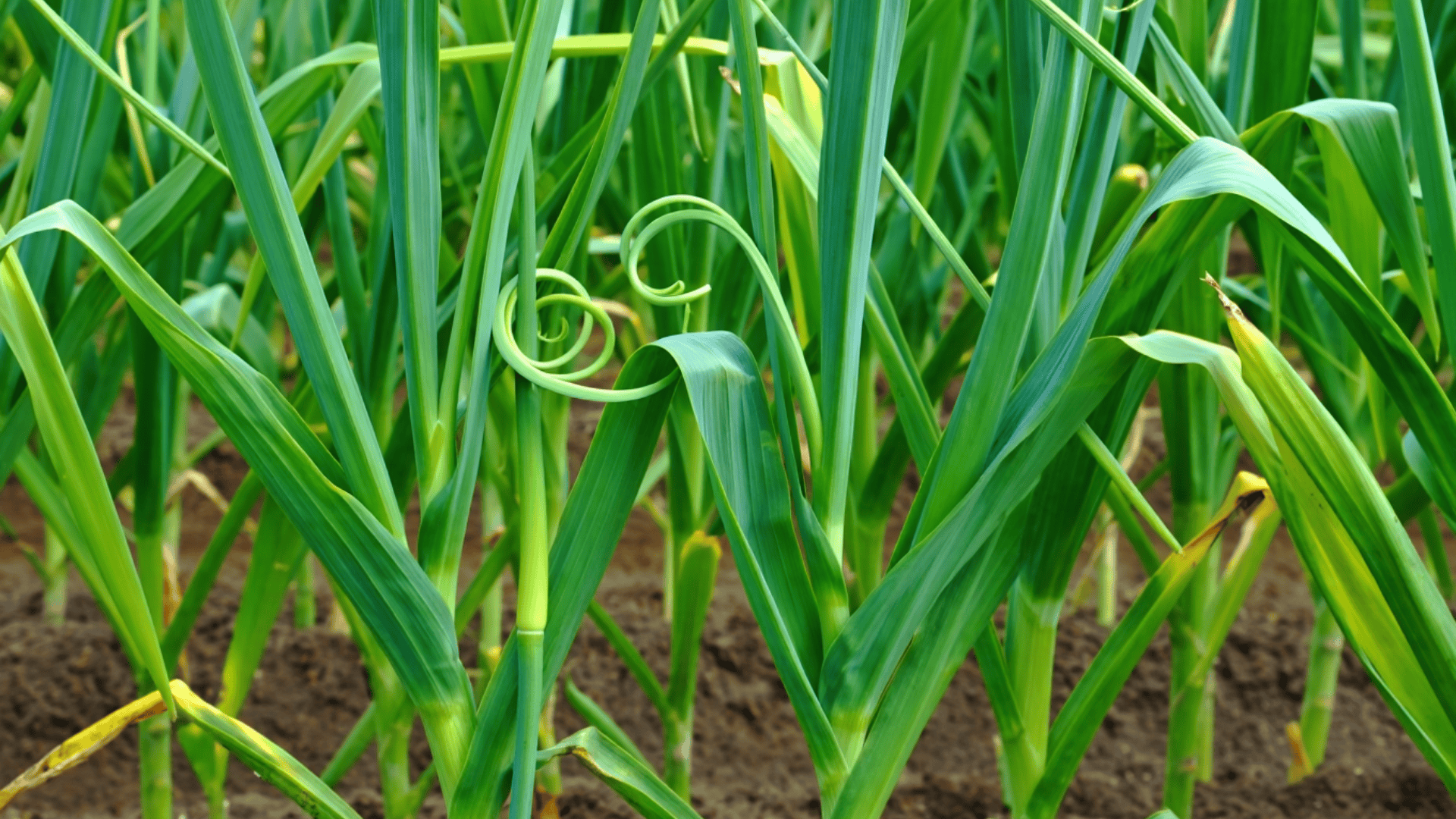
Garlic’s pungent oils work overtime to keep pests away from your tomatoes. Aphids, spider mites, and even some fungal diseases stay clear of areas where garlic grows.
Plant individual cloves around the base of tomato plants in fall or early spring. The garlic will mature and be ready to harvest before your tomatoes hit their peak production.
You get dual harvests from the same space, and your tomatoes stay healthier throughout their growing season.
4. Onions
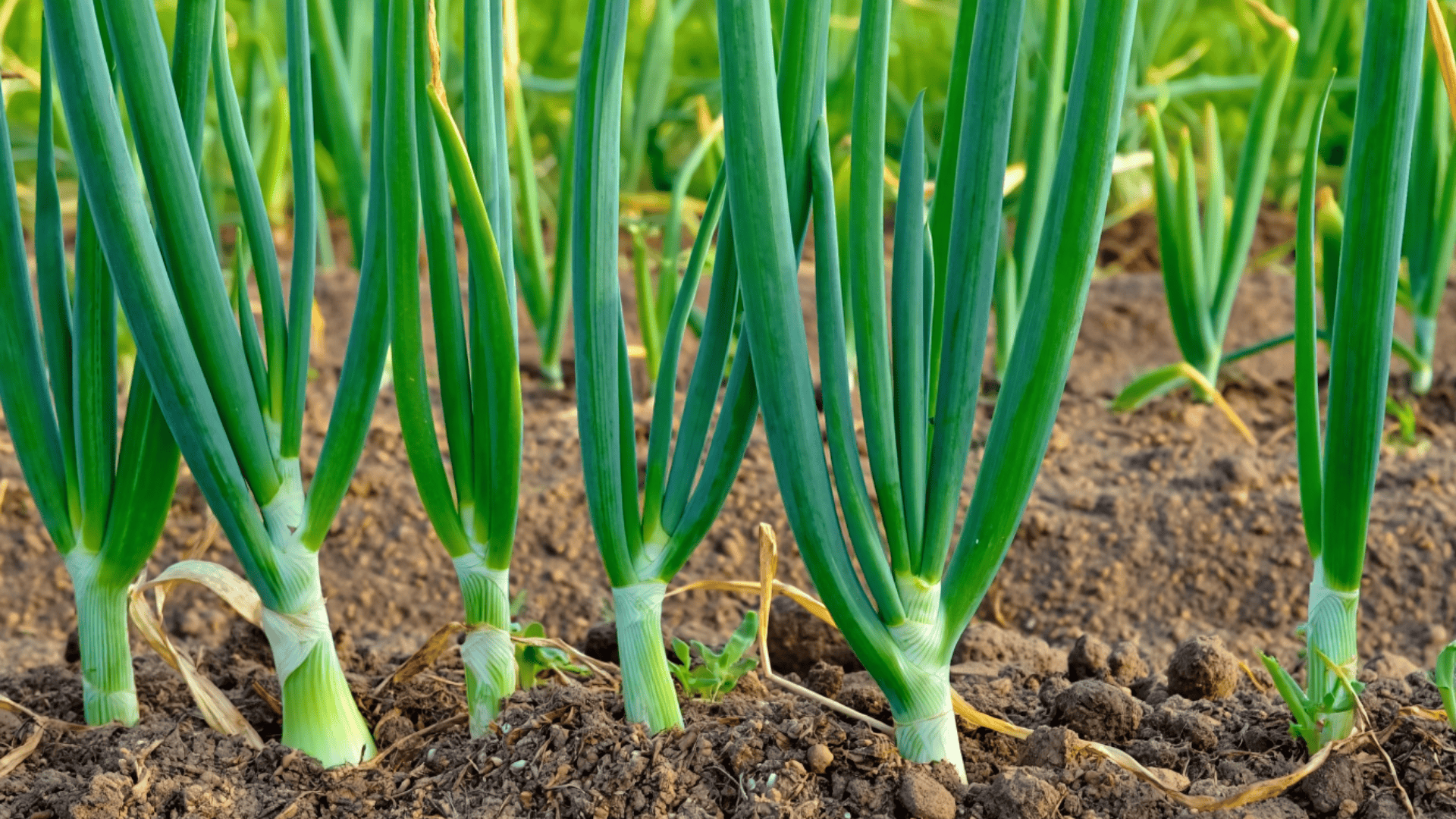
Another allium that tomatoes appreciate having nearby. Onions repel aphids, Japanese beetles, and carrot flies with their sulfur compounds.
Their upright growth habit means they don’t shade out tomato plants or compete heavily for space. Plant onion sets or transplants between tomato rows, giving each plant enough room to develop.
The onions will be ready to pull your tomatoes sprawl before too much, making this a smart succession planting strategy.
5. Chives
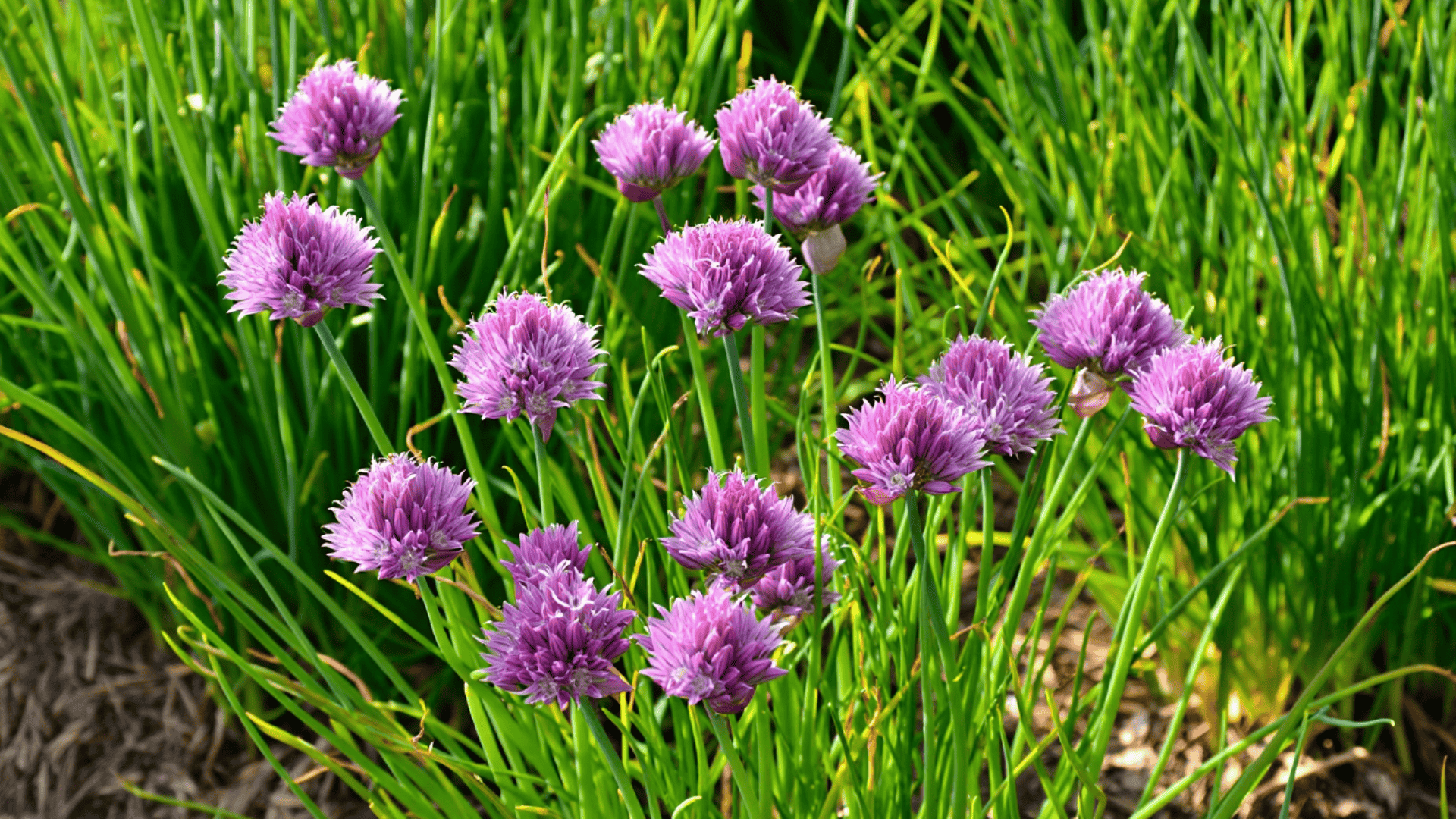
These perennial herbs return year after year, making them a low-maintenance companion choice. Chives repel aphids and Japanese beetles while their purple blooms attract beneficial pollinators and predatory insects.
Their shallow roots won’t compete with deeper tomato roots. Snip the leaves regularly for cooking, and you’ll encourage bushier growth.
Plant chives as edging around tomato beds or in clusters between plants for maximum pest-deterring effect.
6. Parsley
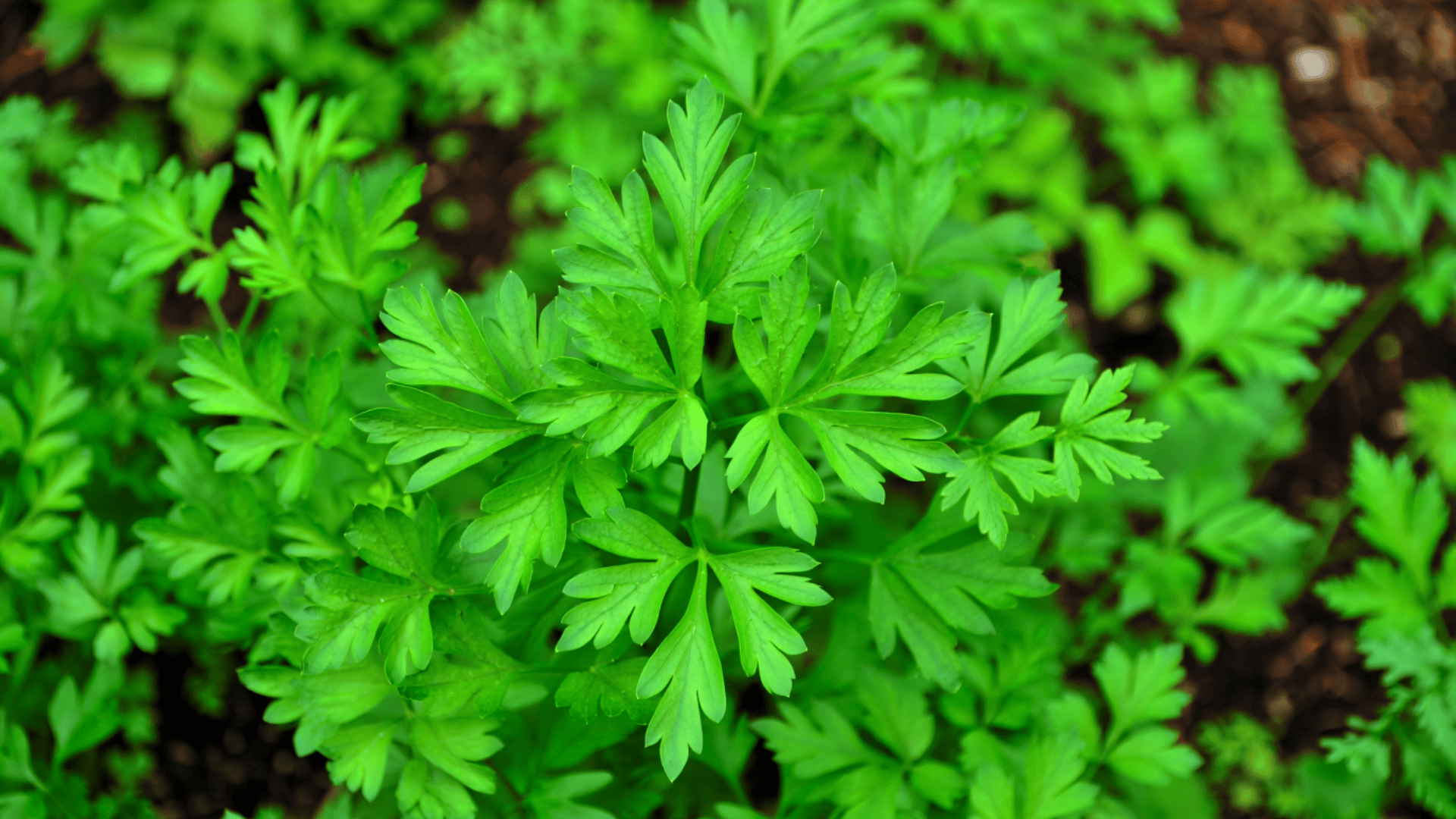
This biennial herb attracts hoverflies, parasitic wasps, and other beneficial insects that prey on tomato pests. While it doesn’t repel insects directly, it brings in the good guys who do the pest control work for you.
Parsley tolerates partial shade well, so it’s happy growing beneath taller tomato plants.
Its deep taproot pulls up nutrients from lower soil layers without competing with tomato roots. Plus, you’ll have fresh parsley all season for garnishing summer dishes.
7. Carrots
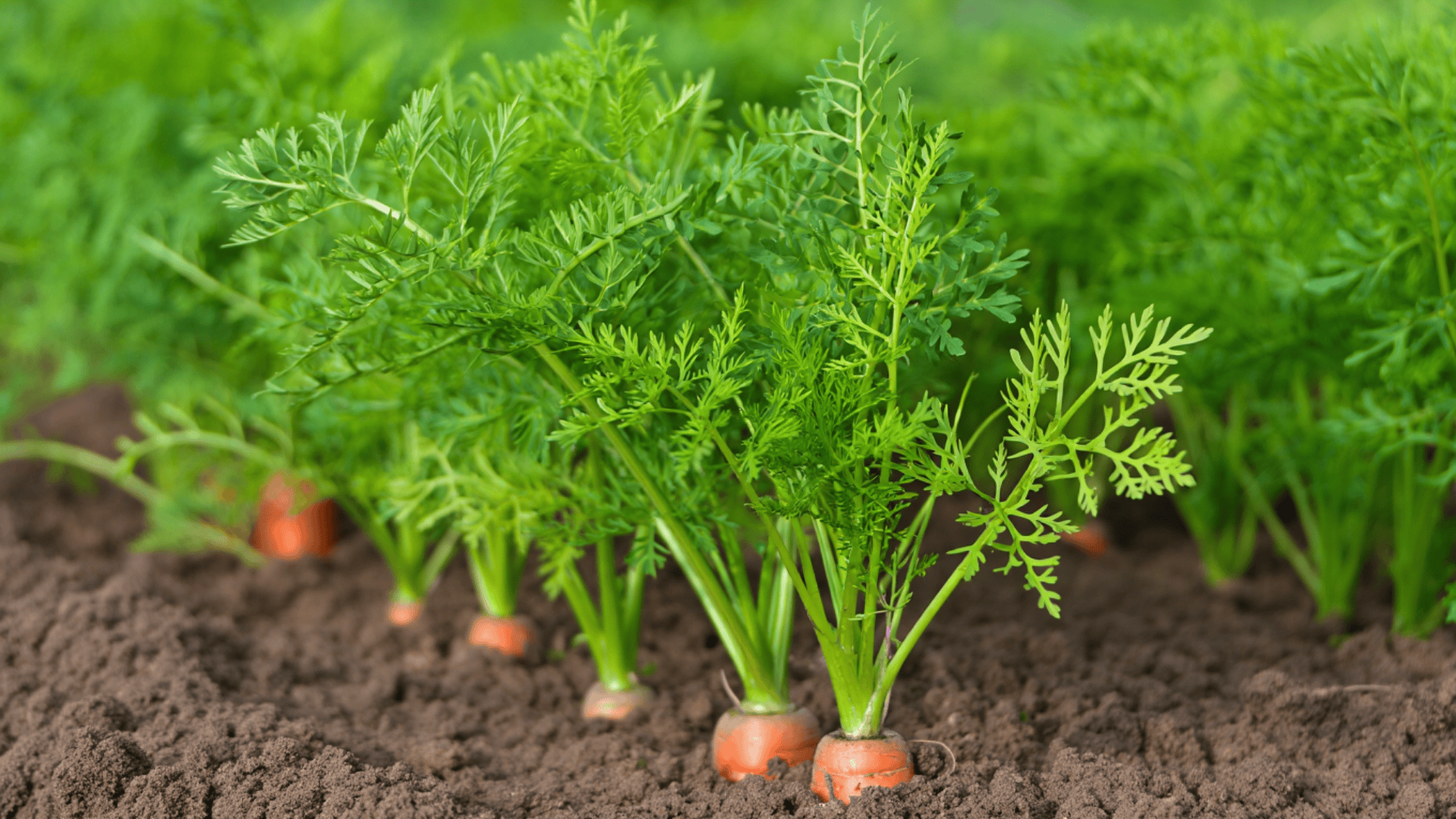
Carrots and tomatoes make surprisingly good neighbors. Carrot taproots grow straight down, loosening compacted soil and improving drainage without competing with tomato roots that spread horizontally.
Plant carrot seeds early in the season before tomatoes get too bushy. The feathery carrot tops provide light ground cover that helps retain soil moisture.
Harvest your carrots as tomatoes begin sprawling, giving both crops the space they need at different growth stages.
8. Lettuce
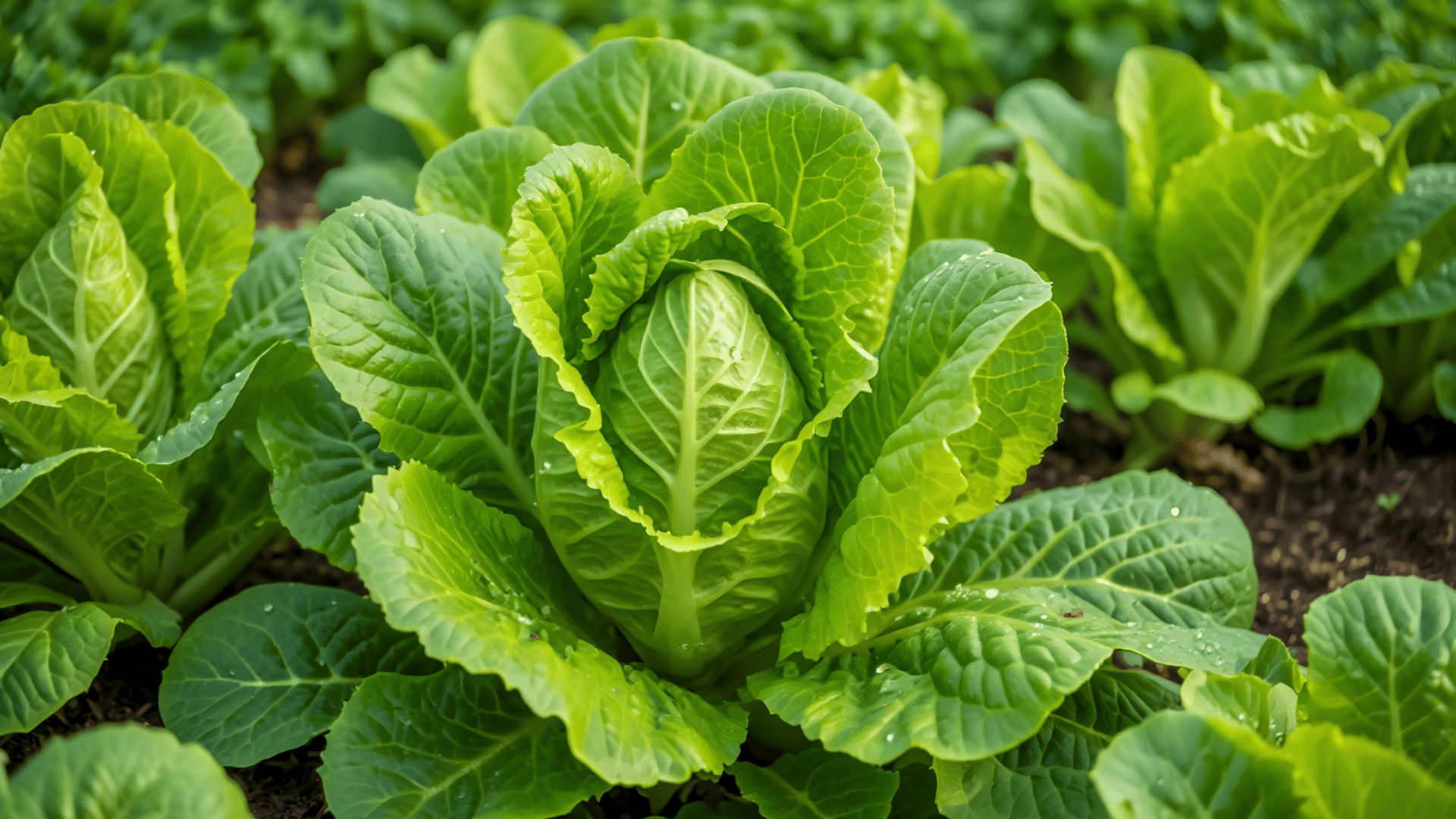
Quick-growing lettuce acts as living mulch around tomato plants. Its shallow roots and low-growing leaves shade the soil, keeping it cool and moist during hot summer months.
This is especially helpful in regions with intense heat. Plant lettuce transplants or seeds around tomato bases in spring.
You’ll harvest several lettuce crops before tomatoes grow large enough to shade them out completely. It’s an efficient use of garden space with minimal competition.
9. Spinach
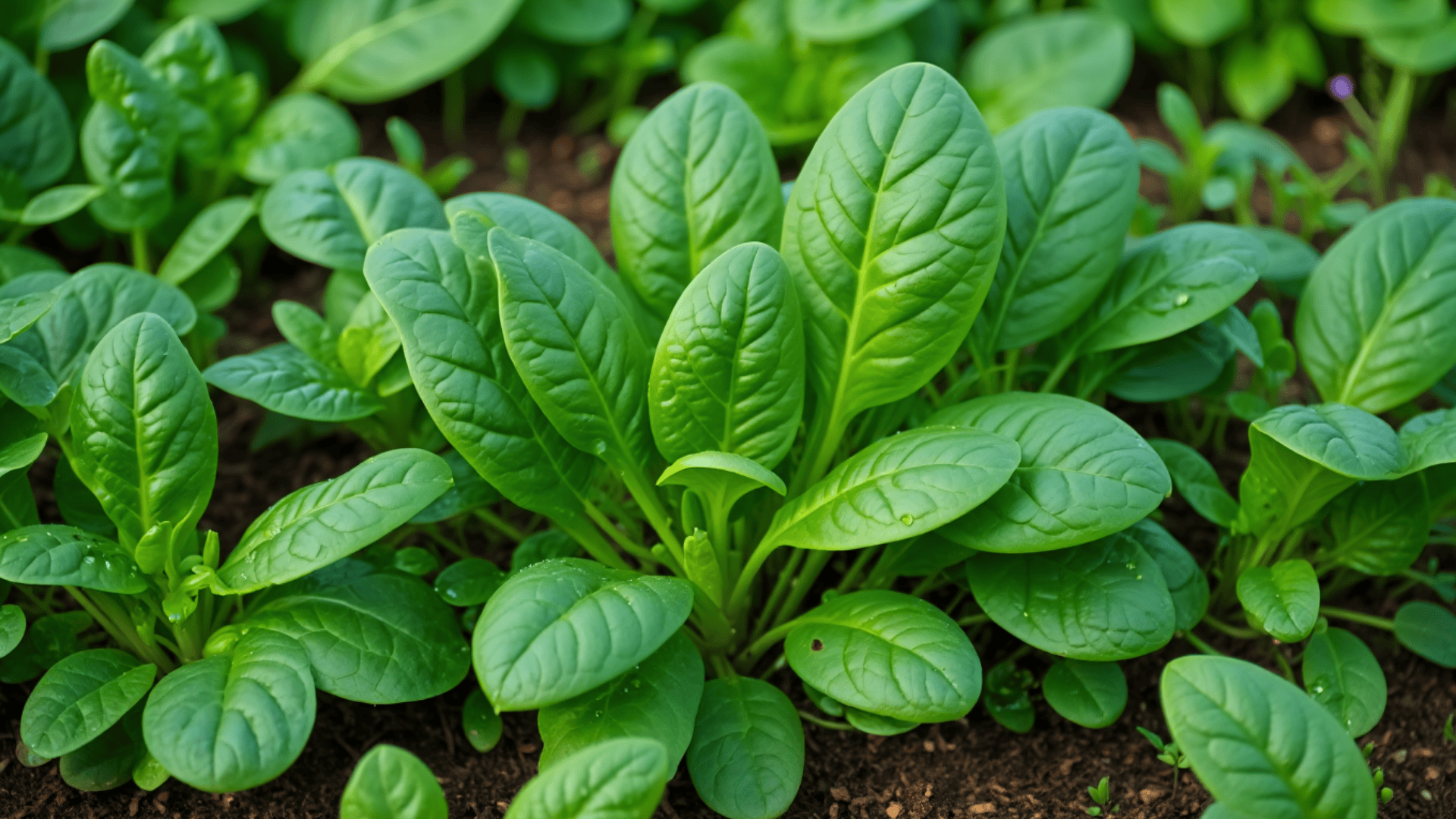
Another cool-season green that thrives alongside young tomato plants. Spinach grows rapidly in spring, covering bare soil and suppressing weeds before tomatoes take off.
Its shallow root system doesn’t interfere with tomato roots. Harvest spinach leaves continuously as the weather warms.
By the time tomatoes need full sun and space, your spinach will have bolted anyway. This succession planting approach maximizes your garden’s productivity from the same square footage.
10. Celery
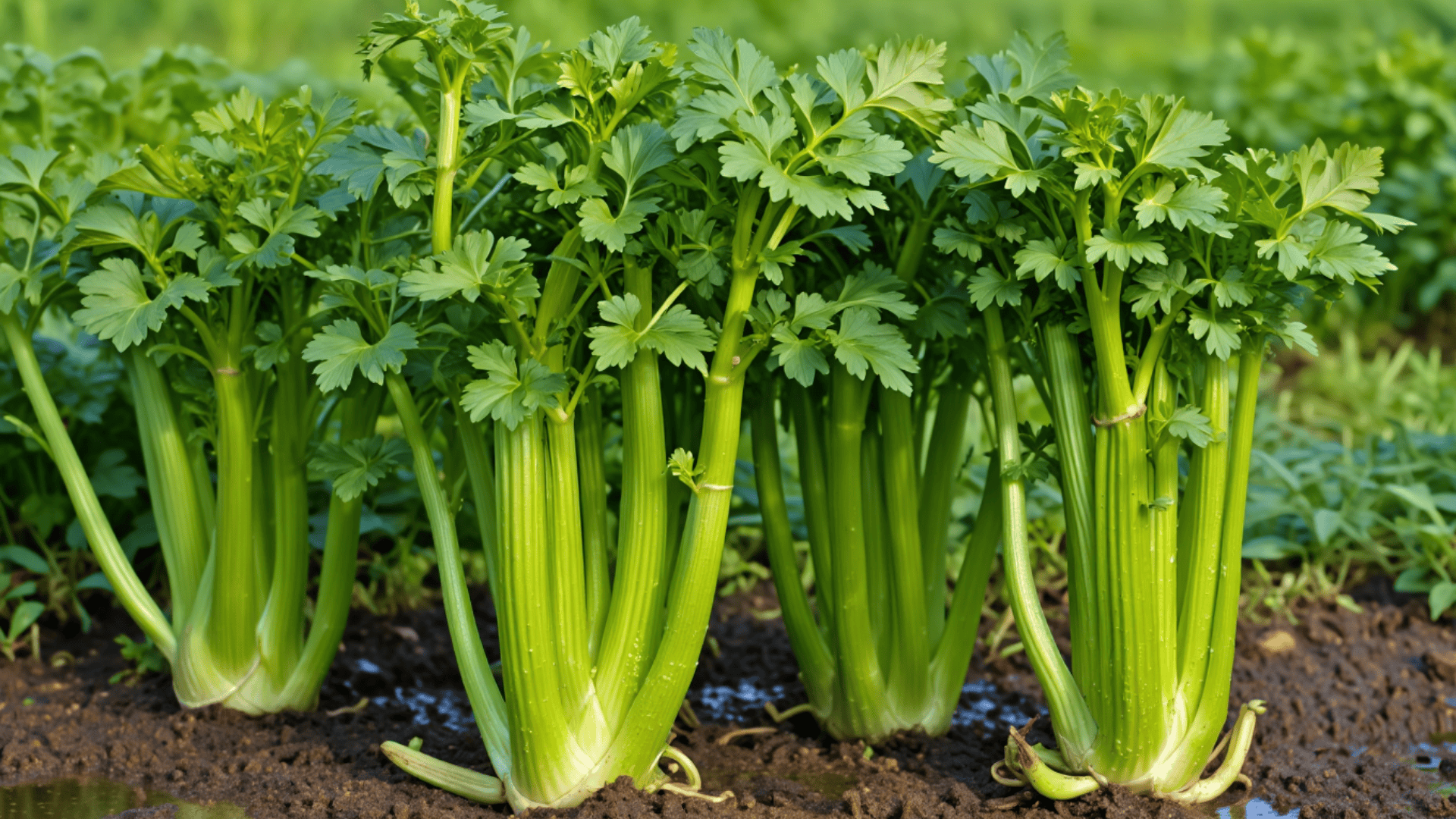
Celery’s strong scent helps mask tomatoes from certain pests, particularly cabbage moths and whiteflies. While it needs consistent moisture, so do tomatoes, making them compatible watering partners.
Plant celery transplants between tomato plants, ensuring both have adequate spacing. Celery grows slowly, so it won’t overwhelm your tomatoes.
Some gardeners report improved tomato growth when celery is nearby, possibly due to beneficial soil microbe interactions or chemical signaling between plants.
11. Asparagus
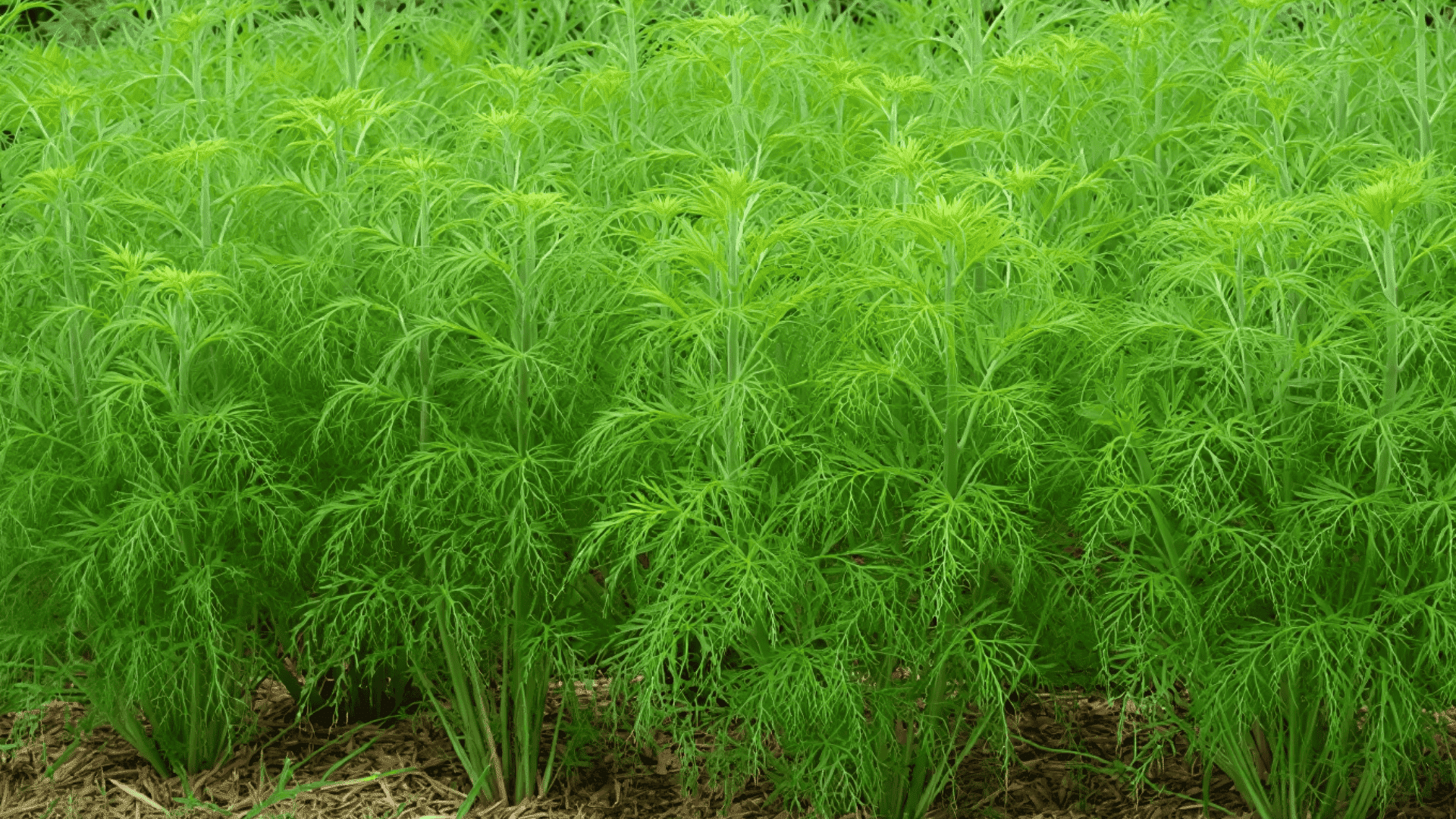
This perennial pairs beautifully with tomatoes in a long-term garden plan. Asparagus roots release compounds that repel nematodes, while tomato plants deter asparagus beetles.
The asparagus harvest finishes in late spring, just as tomatoes are getting established. By summer, asparagus ferns provide light, filtered shade that can protect tomatoes during extreme heat.
Plant tomatoes between established asparagus rows, giving both crops adequate space. This partnership improves over the years as plants mature together.
12. Beans (Bush Beans)
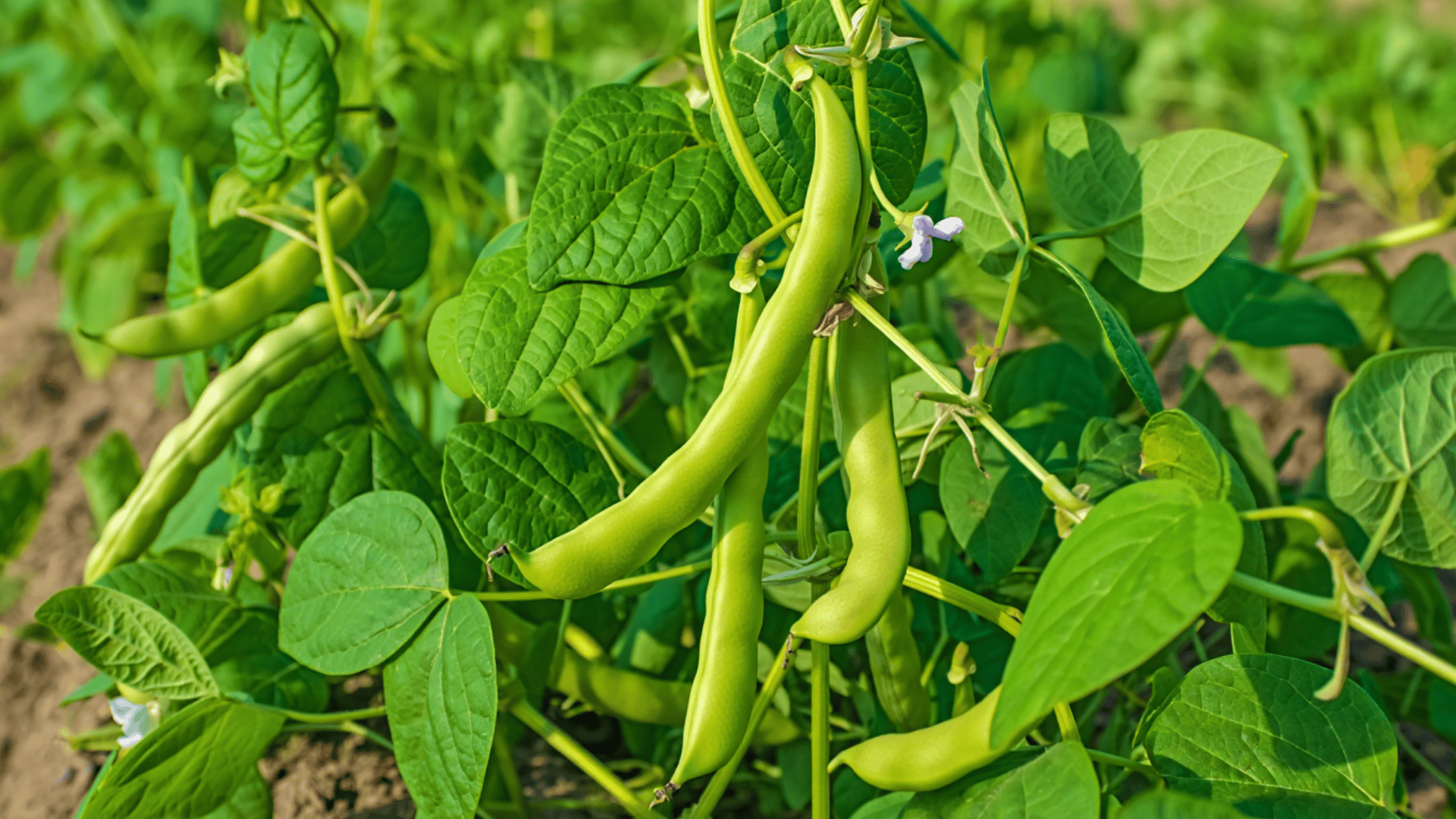
Bush beans fix atmospheric nitrogen in the soil through their root nodules, enriching the earth for heavy-feeding tomatoes.
Unlike pole beans, bush varieties won’t climb tomato stakes or compete for vertical space. Plant beans between tomato plants or in adjacent rows.
They’ll produce a quick harvest of fresh beans while simultaneously improving soil fertility. When bean plants finish producing, chop them down and leave the roots in the soil to release stored nitrogen.
13. Peas
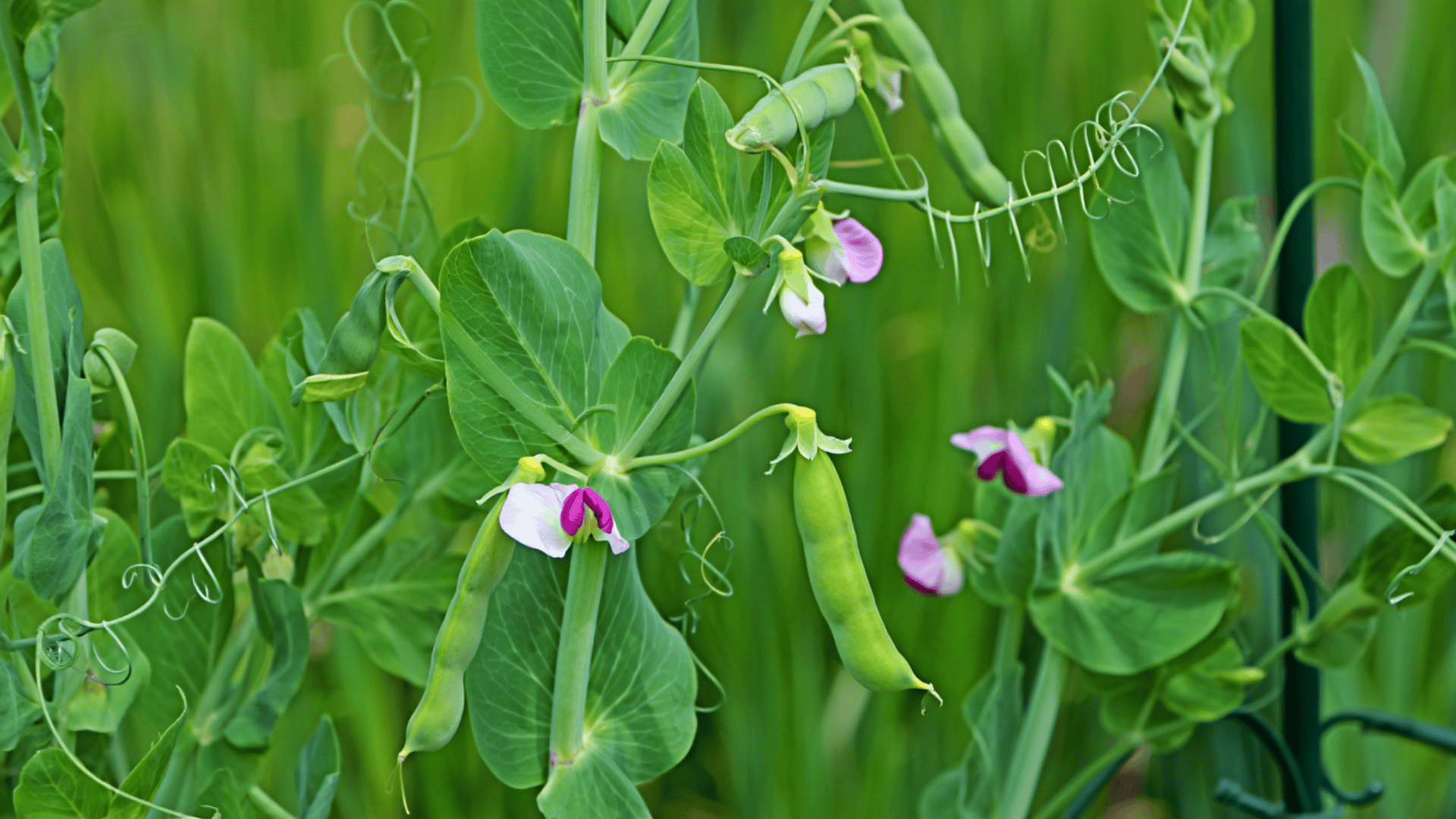
Early-season peas are perfect companions for late-planted tomatoes. Peas thrive in cool spring weather, fixing nitrogen and enriching soil before tomatoes hit their growth stride.
Plant peas on short supports away from where tomato cages will eventually go. Harvest pea pods through late spring, then pull plants and use them as mulch around developing tomatoes.
The decomposing pea plants release nitrogen exactly when tomatoes need it most for fruit production.
14. Nasturtiums
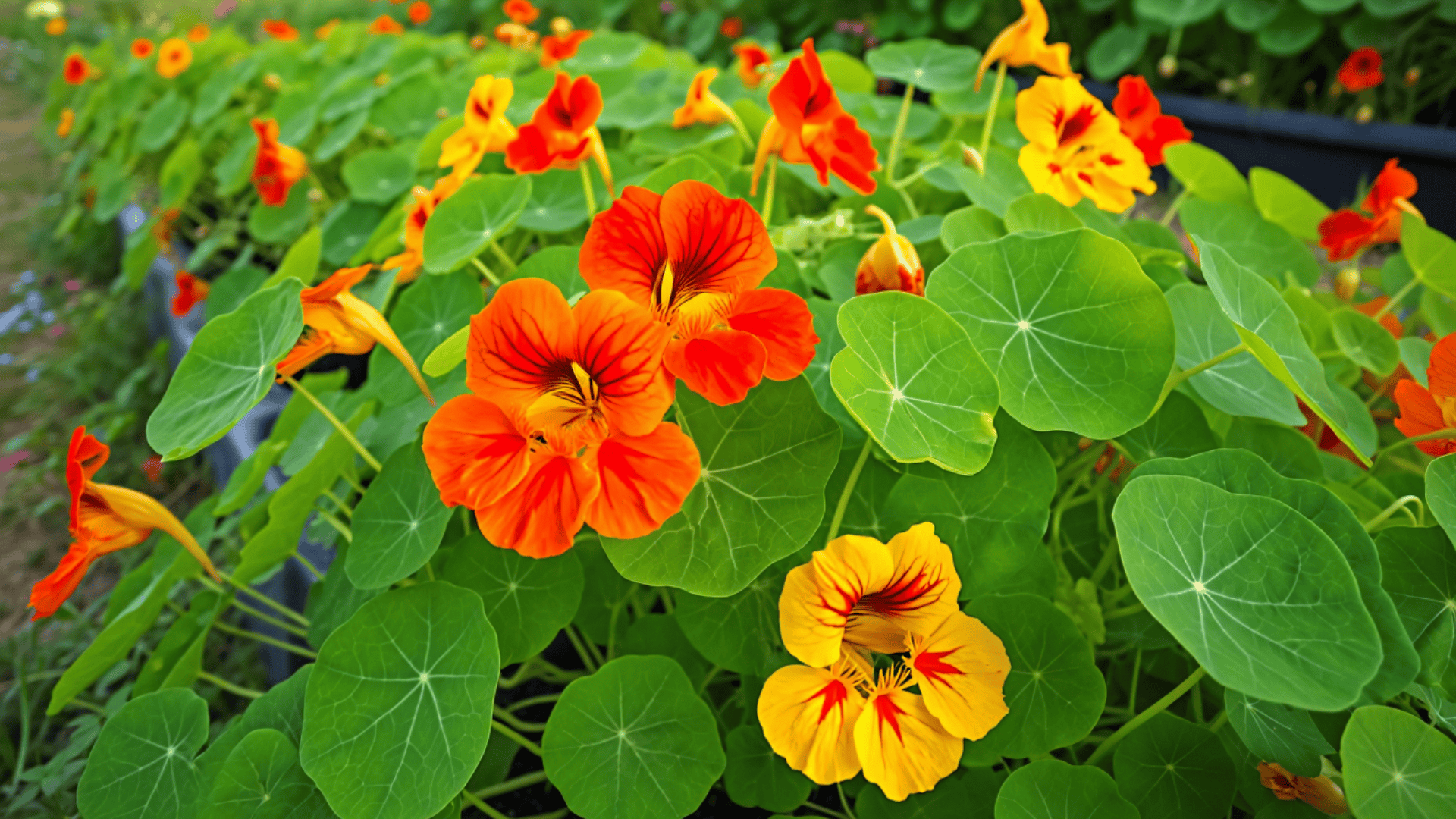
These vibrant flowers serve as trap crops, luring aphids and whiteflies away from tomatoes. Pests prefer nasturtiums over tomatoes, concentrating on the flowers where they’re easier to spot and remove.
Plant nasturtiums as a border around tomato beds or intersperse them throughout. Their trailing habit provides ground cover without competing for vertical space.
The edible flowers and leaves add peppery flavor to salads, making them both functional and delicious garden additions.
15. Calendula
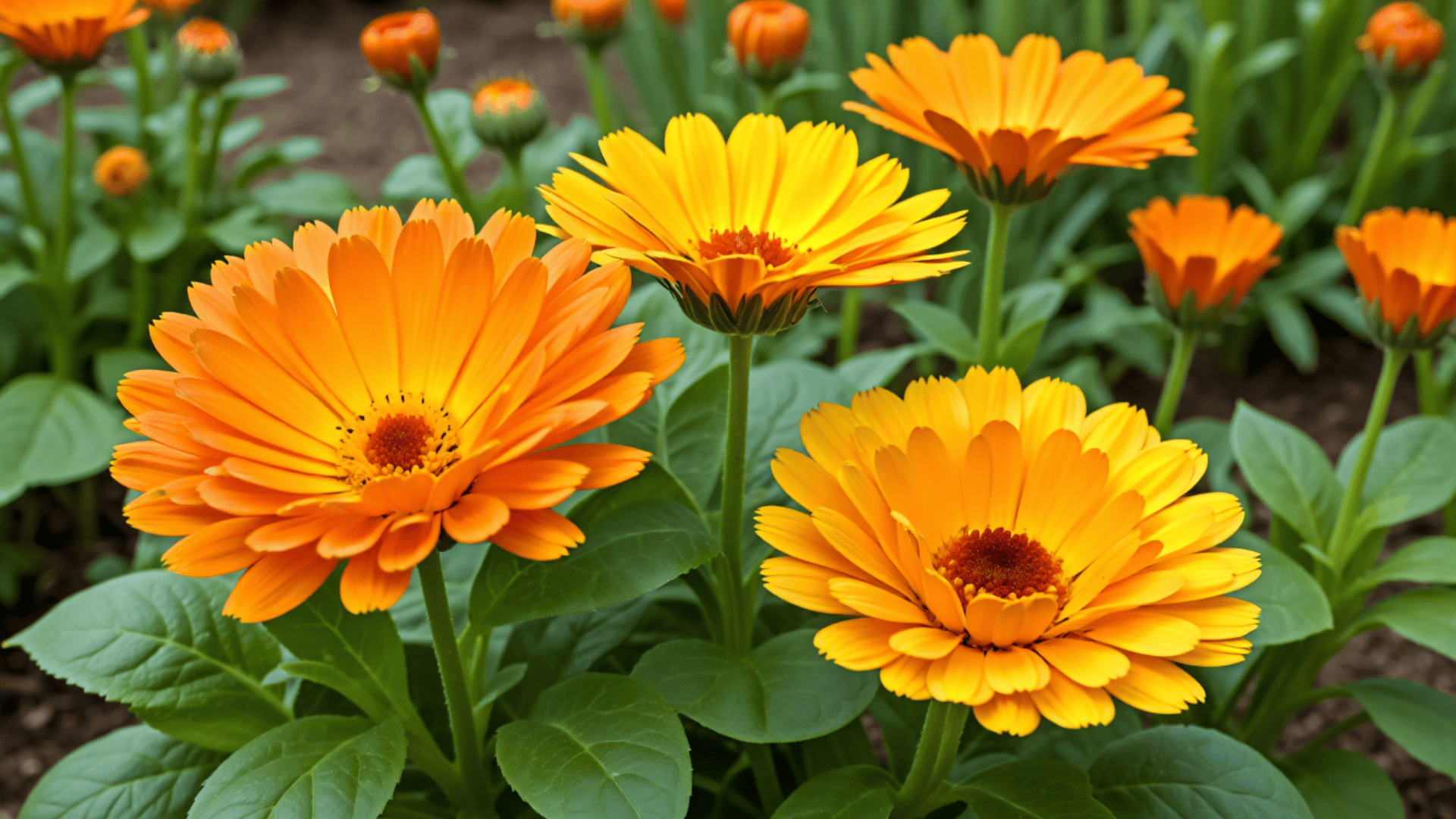
Calendula’s bright blooms attract beneficial pollinators, predatory insects, and parasitic wasps that control tomato pests naturally. The flowers bloom prolifically from spring through fall with minimal care.
Plant calendula at tomato bed edges or throughout the planting area. Its shallow roots don’t compete with tomatoes, and regular deadheading encourages more blooms.
The petals are edible and medicinal too, offering multiple benefits from a single plant. Calendula self-seeds readily for effortless returns next season.
16. Dill (When Mature)
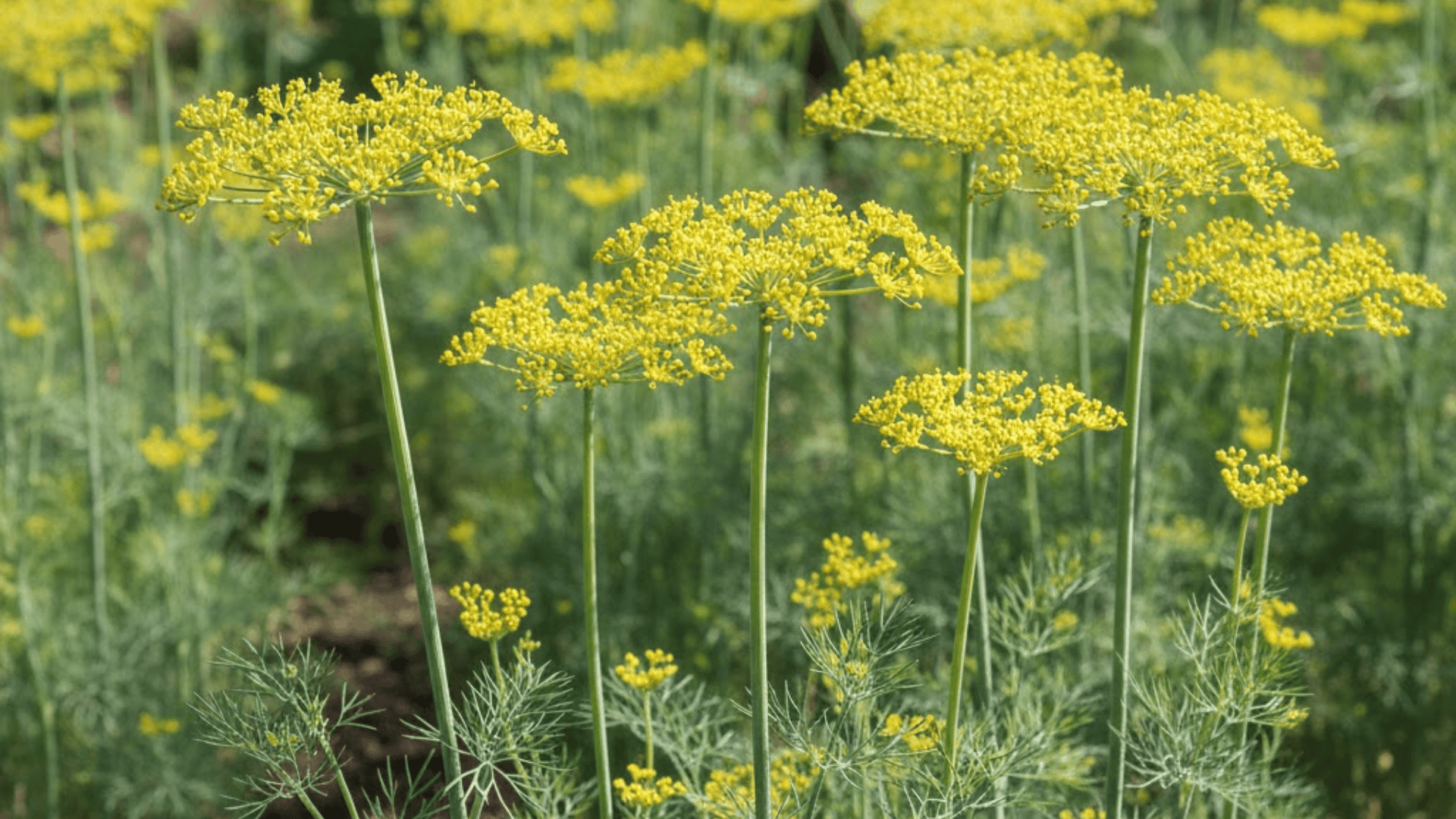
Young dill can attract tomato hornworms, but mature flowering dill is beneficial. Once dill bolts and flowers, it attracts parasitic wasps, ladybugs, and hoverflies that prey on tomato pests.
Plant dill at garden edges rather than directly next to tomatoes, allowing it to reach maturity before pests become problematic. The umbrella-shaped flower clusters are pollinator magnets.
Harvest dill leaves early in the season, then let plants flower to bring in beneficial insects.
17. Oregano
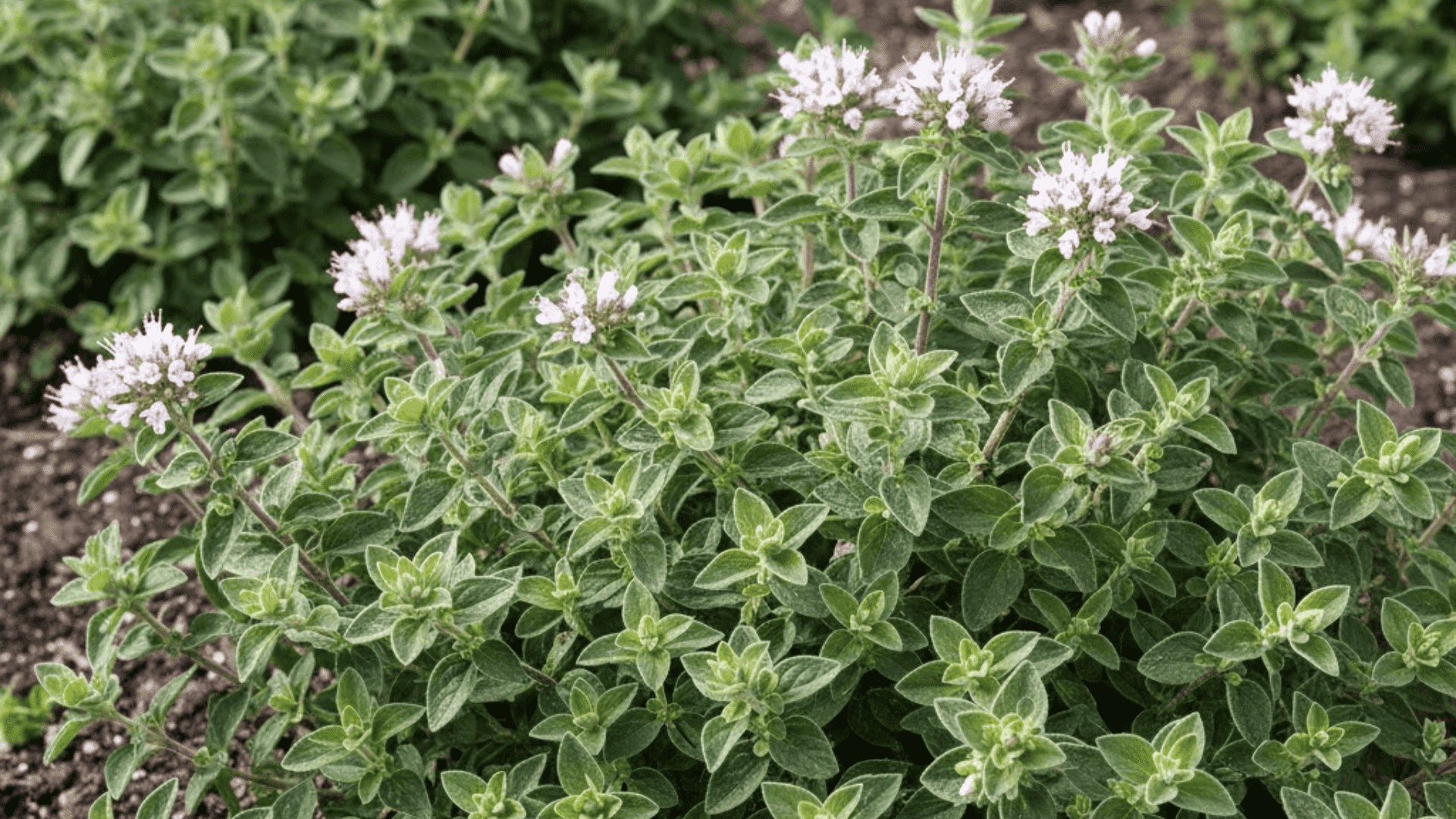
This spreading herb creates dense ground cover that suppresses weeds and retains soil moisture around tomato plants.
Oregano’s aromatic oils repel aphids, spider mites, and other common pests. It’s drought-tolerant once established, requiring less water than tomatoes, so there’s minimal competition.
Plant oregano as edging or between widely spaced tomato plants. Regular harvesting for cooking keeps plants bushy and prevents them from overtaking tomato space. Oregano is perennial in many climates, returning reliably each year.
18. Thyme
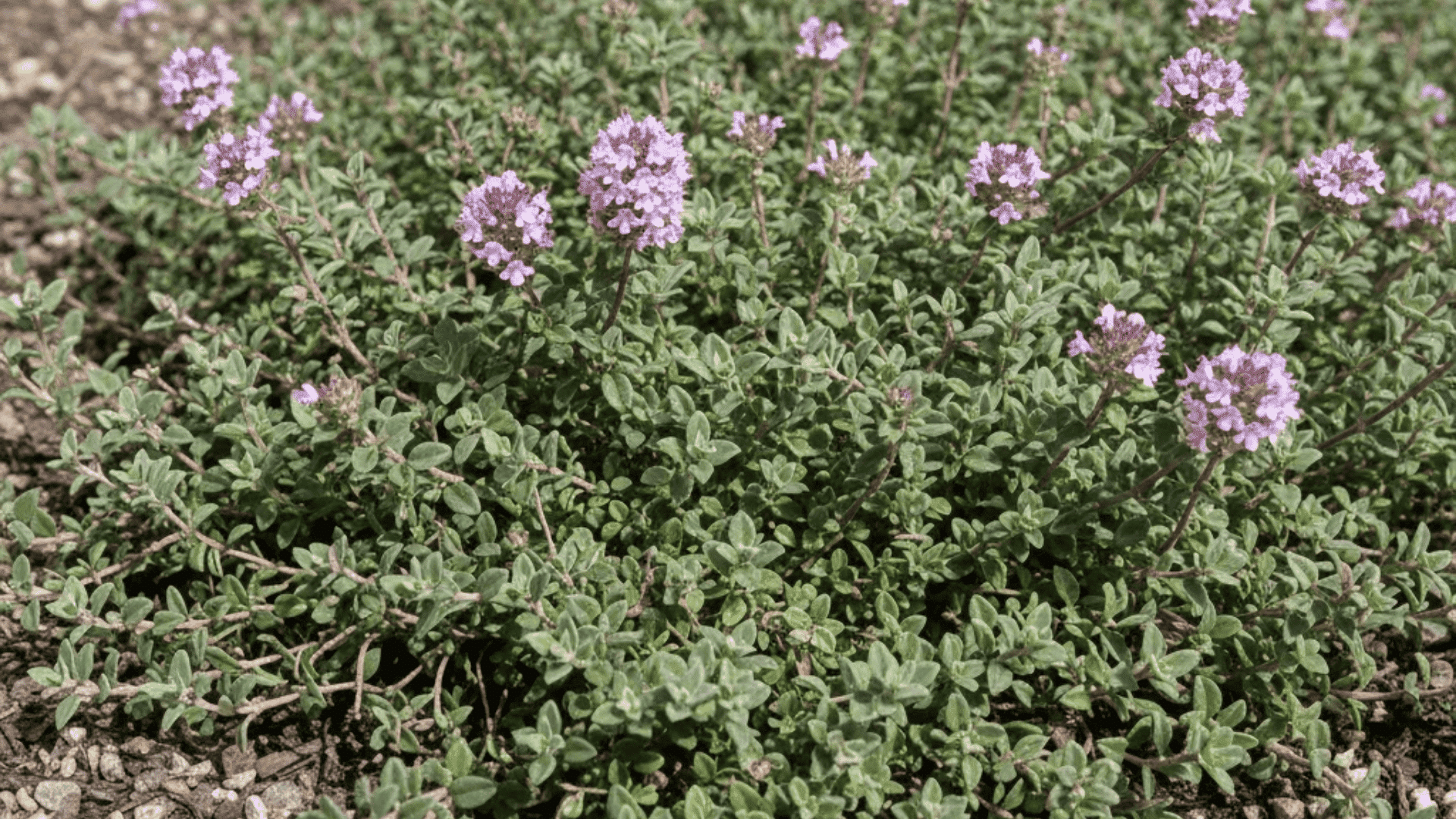
Low-growing thyme forms a fragrant mat that keeps soil covered and weeds suppressed. Its essential oils deter cabbage worms, whiteflies, and tomato hornworms.
Thyme tolerates hot, dry conditions well and won’t compete heavily with tomatoes for water. Plant it along pathways between tomato rows or as ground cover beneath plants.
This perennial herb requires little maintenance beyond occasional trimming. Brush against thyme while working in your garden, and its scent will help mask the scent of tomatoes from searching pests.
19. Borage
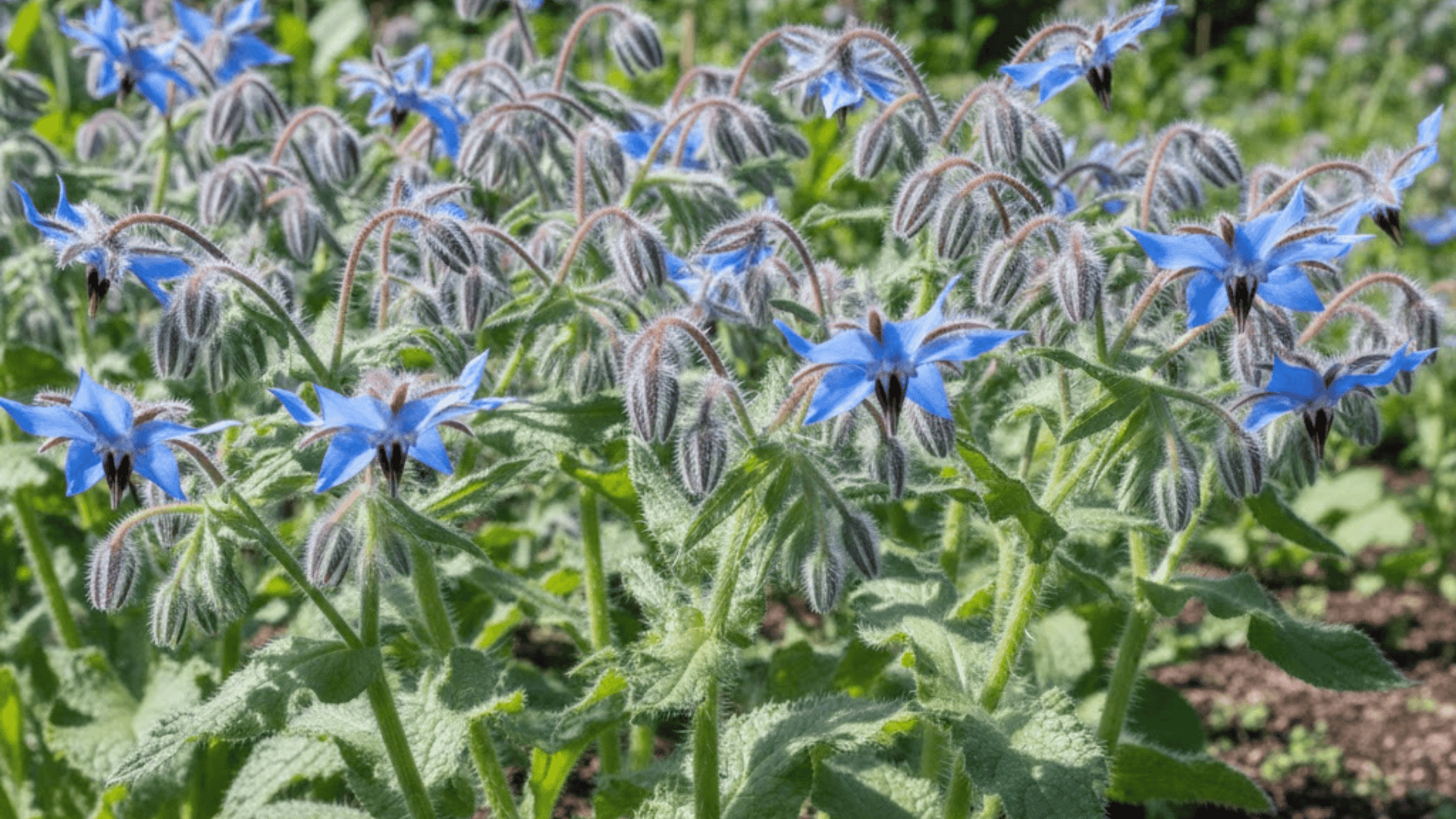
Borage’s star-shaped blue flowers are pollinator favorites, bringing bees that improve tomato fruit set.
The plant’s deep taproot mines calcium and other minerals from subsoil, bringing nutrients within reach of shallow-rooted companions. Some gardeners believe borage enhances tomato flavor and growth through companion effects.
Its large leaves can shade soil and suppress weeds. Give borage plenty of space since it grows quite large. The edible flowers taste like cucumber and make beautiful garnishes.
20. Cilantro
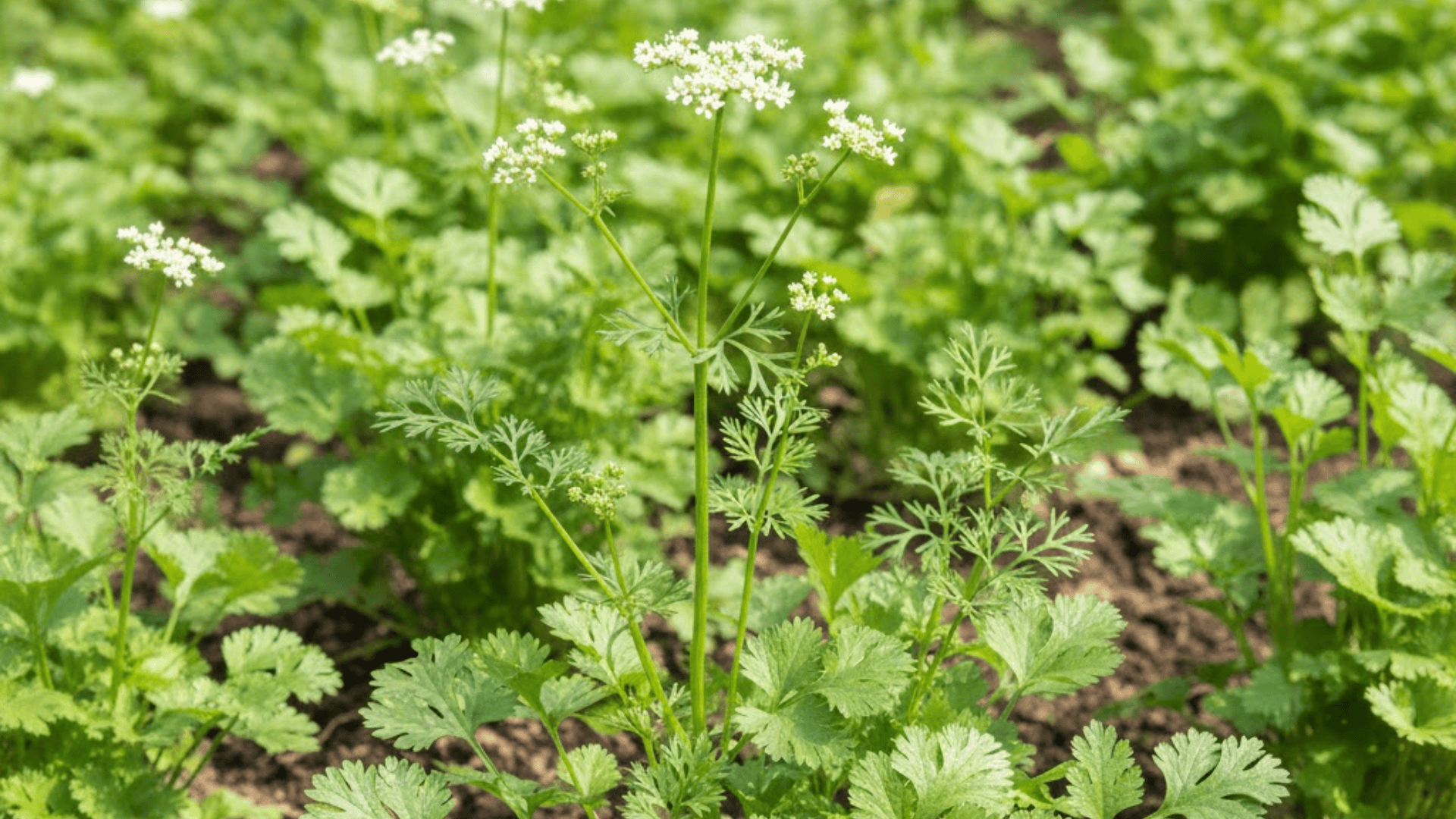
Cilantro’s distinctive scent confuses pests searching for tomatoes by scent. It attracts beneficial hoverflies and parasitic wasps when allowed to flower.
Plant cilantro in spring for leafy harvests, then let some plants bolt in summer heat. The lacy white flowers support beneficial insects through the tomato growing season. Cilantro’s shallow roots don’t compete with tomatoes.
It tolerates partial shade from developing tomato plants reasonably well, making succession planting easy throughout the growing season.
21. Radishes
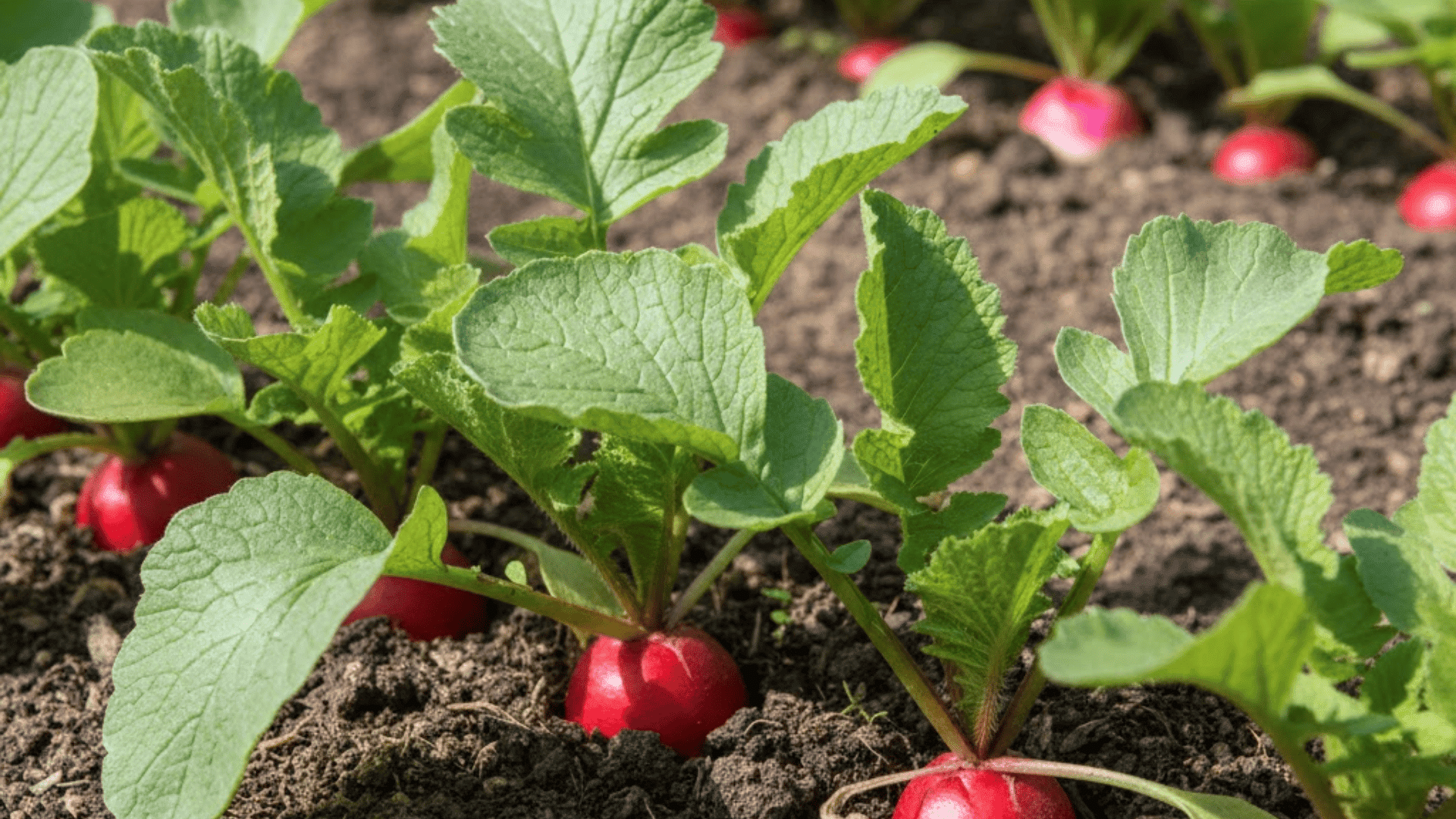
Fast-maturing radishes serve multiple companion purposes. They distract flea beetles away from young tomato plants, acting as sacrificial crops.
Radish roots break up compacted soil, improving drainage and aeration for tomato roots. Plant radish seeds between tomato transplants in early spring.
You’ll harvest crunchy radishes within weeks, clearing space just as tomatoes begin expanding. Radishes left to flower attract beneficial insects, though most gardeners harvest them before this stage for eating fresh.
22. Swiss Chard
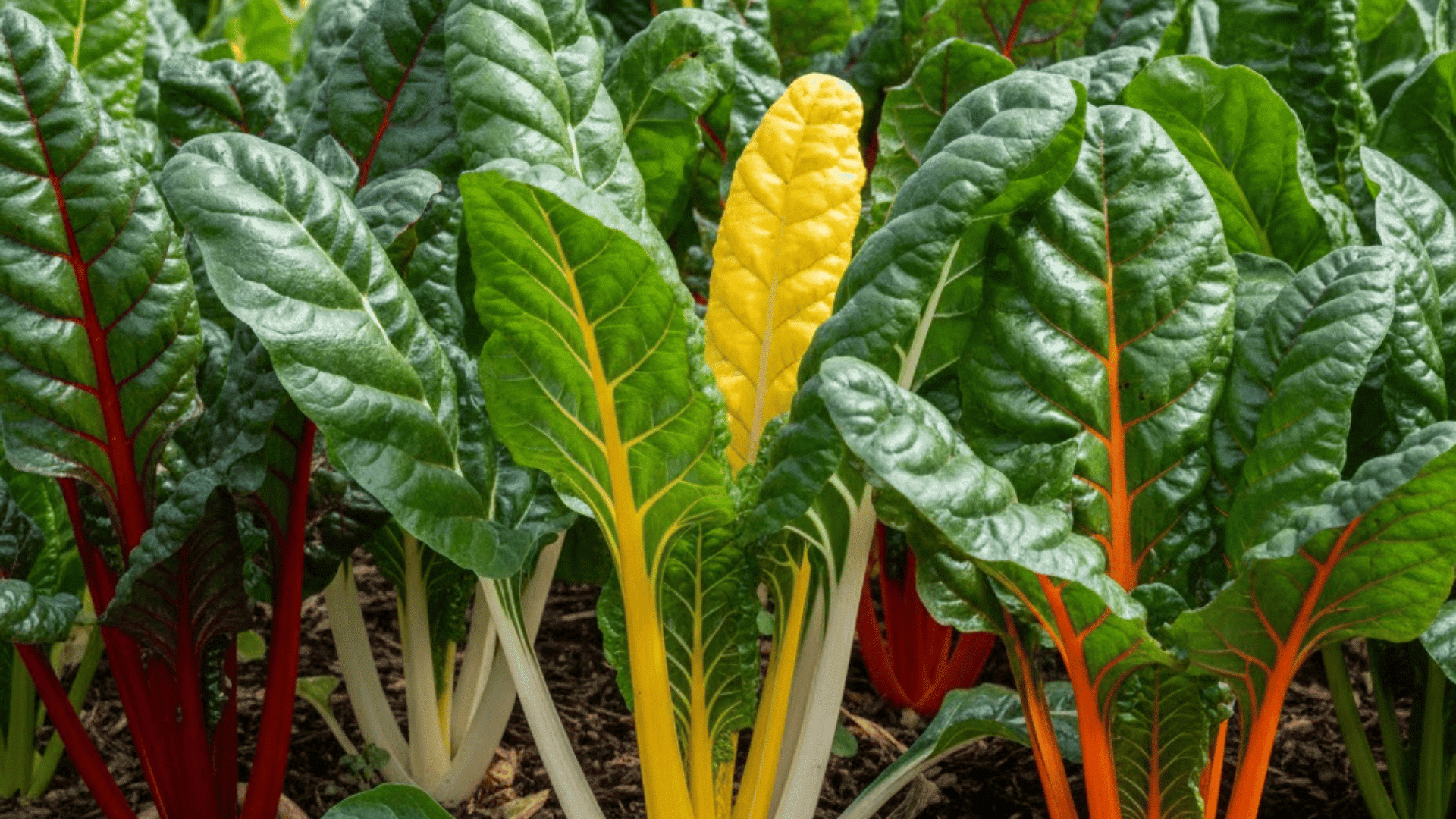
Swiss chard and tomatoes have compatible growth patterns and nutritional needs. Chard tolerates partial shade from taller tomato plants better than many vegetables.
Its colorful stems add visual interest to edible gardens while providing continuous harvests throughout the season. Plant chard transplants or seeds between widely spaced tomato plants.
Both appreciate consistent moisture and fertile soil. Chard’s moderate nutrient needs won’t compete heavily with tomatoes. Harvest outer leaves regularly to encourage continued production without crowding tomatoes.
23. Sunflowers
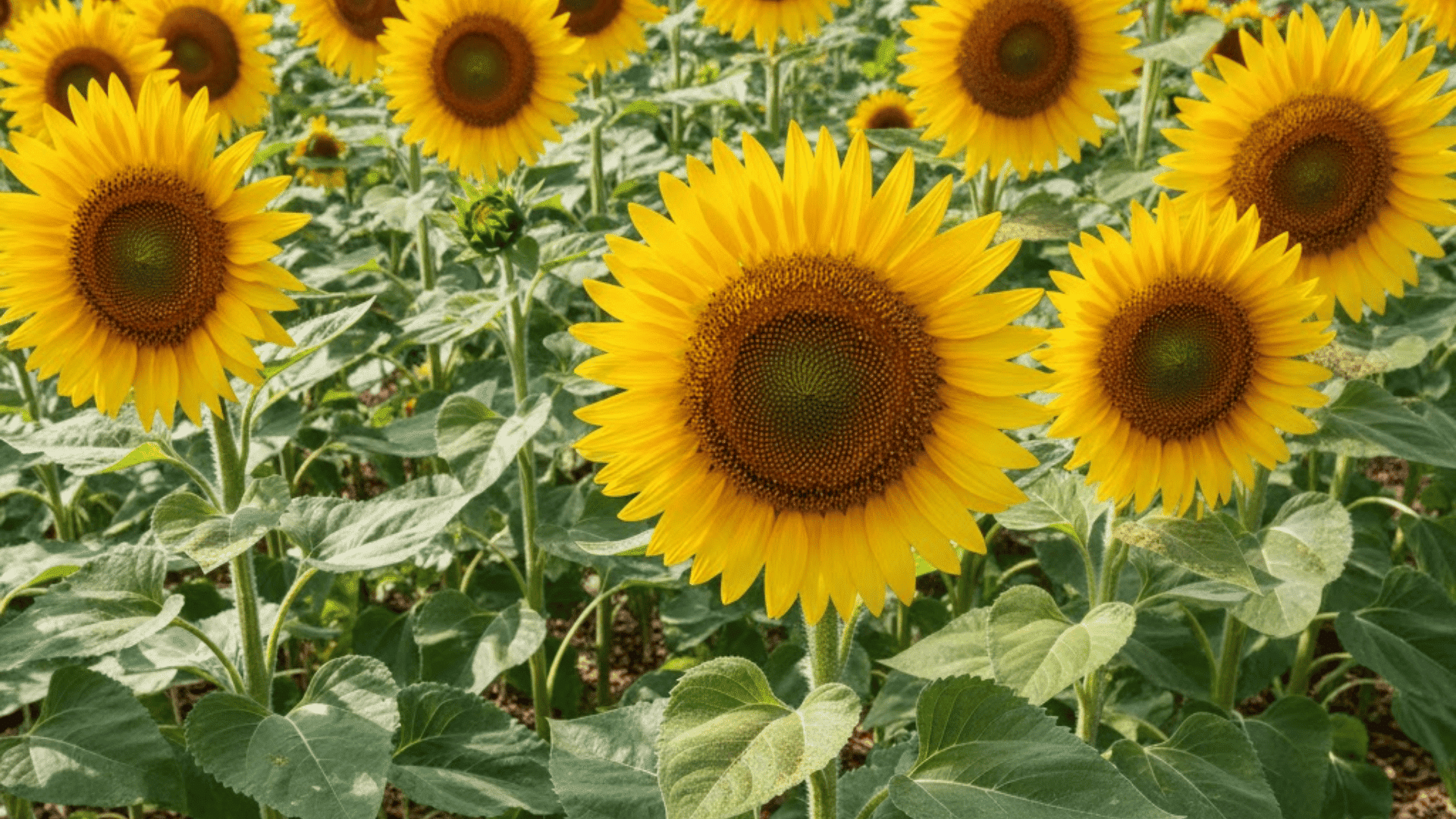
Tall sunflowers attract pollinators and beneficial insects while providing afternoon shade for tomatoes in hot climates. Their sturdy stalks can offer support for indeterminate tomato varieties when planted strategically.
Plant sunflowers on the north side of tomato beds to avoid excessive shading, or use shorter varieties between widely spaced plants.
The deep sunflower roots don’t compete with tomato roots. Birds attracted to ripening sunflower seeds may also help control insect pests in your garden naturally.
Plants You Should NOT Grow Near Tomatoes
Not every plant plays well with tomatoes. Some companions actually compete for nutrients, attract the same pests, or release compounds that stunt tomato growth.
Knowing what to avoid is just as important as knowing what to plant together.
- Cabbage Family Plants: Broccoli, cauliflower, and cabbage are heavy feeders that compete aggressively with tomatoes for nutrients and attract pests that may move to your tomato plants.
- Corn: Shares tomato hornworms and attracts similar pests, creating a pest superhighway between crops that makes management difficult for both plants.
- Potatoes: Both belong to the nightshade family and share devastating diseases like early blight and late blight that spread rapidly between them.
- Fennel: Releases allelopathic compounds through its roots that actively inhibit the growth of most garden plants, including tomatoes, causing stunted development and poor yields.
- Walnut Trees: Produce juglone, a toxic compound in their roots and leaves that causes tomato plants to wilt, yellow, and die within the tree’s root zone.
Keep these plants at opposite ends of your garden or skip them entirely near tomatoes. The space you save by avoiding bad companions is just as valuable as the benefits you gain from choosing good ones.
Tomato Companion Planting Layout Ideas
Planning your garden layout strategically ensures each plant has the space it needs while maximizing companion planting benefits.
Here are practical layout approaches for different growing situations, with spacing considerations that promote healthy airflow and reduce disease pressure.
| Layout Type | Setup | Spacing | Benefit |
|---|---|---|---|
| Raised Beds | Tomatoes, basil, and marigolds at the edges | 24-36 inches between tomatoes | Maximizes space, natural pest barriers |
| In-Ground Rows | Alternate tomato and bean rows, marigold borders | 36 inches apart, 48 inches between rows | Soil enrichment, easy equipment access |
| Containers | One tomato with herbs at the base per pot | 18-20 inch containers, herbs 4-6 inches away | Mobility, precise water control |
| Airflow Spacing | Prune lower leaves, avoid overcrowding | 24-36 inches minimum, no touching foliage | Prevents fungal diseases |
The goal is to balance companion benefits with practical growing needs like adequate spacing, sunlight access, and room for maintenance tasks throughout the season.
Common Companion Planting Mistakes With Tomatoes
Even experienced gardeners can fall into companion planting traps that do more harm than good. Avoiding these common mistakes will help your tomato garden thrive instead of struggling.
- Overcrowding Plants: Cramming too many companions restricts airflow and invites fungal diseases.
- Ignoring Mature Plant Size: Small transplants can grow large and shade or overwhelm tomato roots.
- Assuming Herbs Always Help: Not all herbs benefit tomatoes; some, like fennel, actively harm them.
- Skipping Crop Rotation: Planting in the same spots yearly depletes nutrients and builds up diseases.
Learning from these mistakes means you’ll spend less time troubleshooting problems and more time enjoying abundant harvests. Thoughtful planning beats enthusiastic overcrowding every single time.
Final Thoughts
Creating a thriving tomato garden goes beyond just planting seeds and waiting for harvest.
When you thoughtfully pair companion plants for tomatoes, you’re building a resilient ecosystem where each plant supports the others naturally.
Basil’s pest-repelling oils, marigolds’ nematode defense, and nitrogen-fixing beans all contribute to healthier growth and better yields without extra effort on your part.
Start small if companion planting feels overwhelming. Add a few basil plants this season, tuck in some marigolds next year, and notice how your garden improves.
Every gardener’s experience brings valuable insights, so I’d love to hear what’s worked in your tomato patch. Share your favorite companion combinations in the comments below, and let’s learn through each other’s gardening stories.