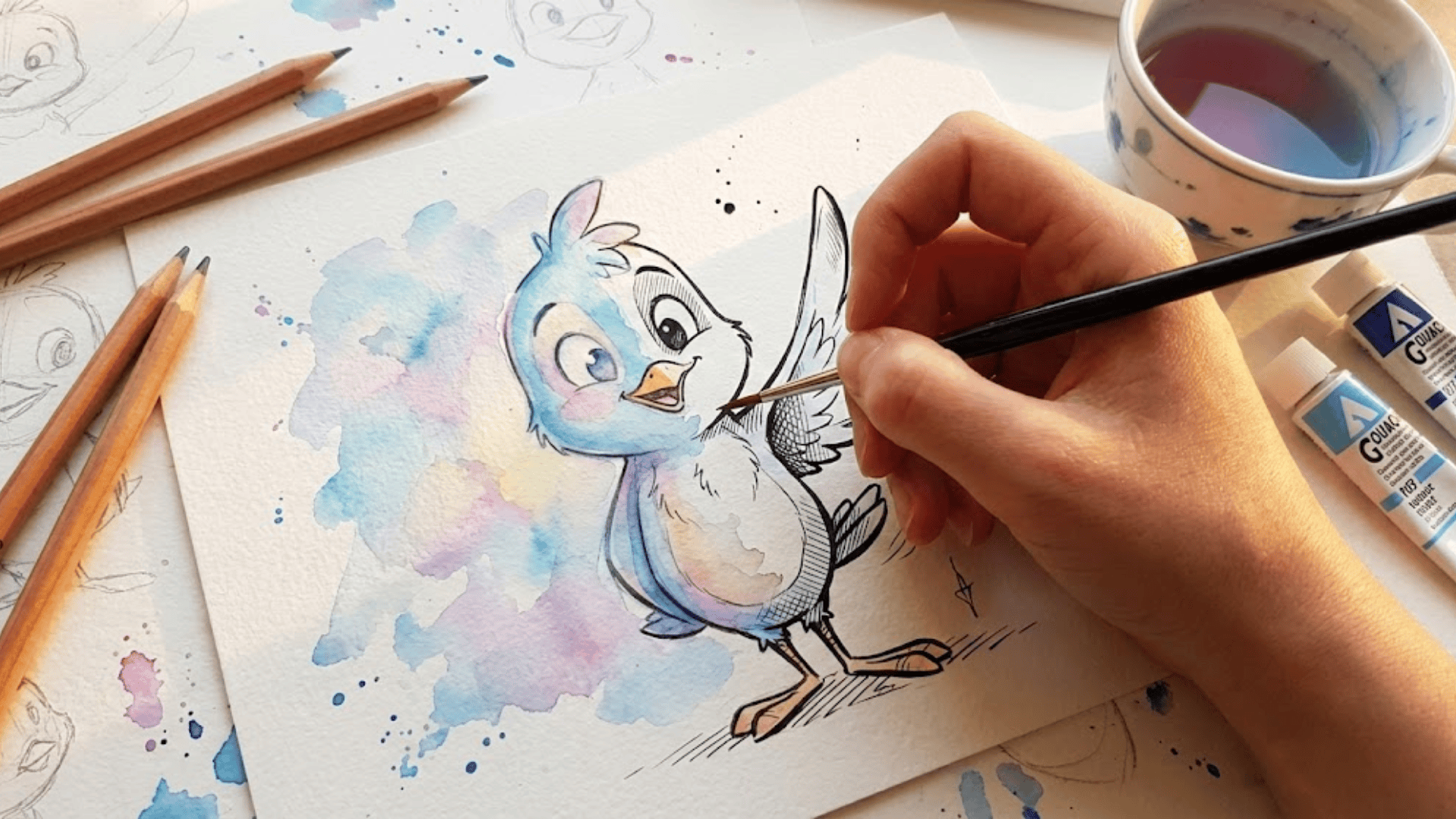
Have you ever noticed how a simple shift in line weight or color palette can completely change the mood of a story? That’s the magic of cartoon art styles at work.
The dreamy softness of watercolor illustrations whispers something entirely different than the bold punch of graphic novel aesthetics, and each style carries its own unique voice and emotional fingerprint.
Consider this your cozy creative companion as we wander through the diverse landscape of cartoon artistry together, exploring how different visual approaches shape the stories they tell and the feelings they evoke.
Your next favorite aesthetic might just be waiting around the corner.
What Defines a Cartoon Art Style?
Every cartoon style has its own visual heartbeat, and it all comes down to a few lovely elements working in harmony.
Line quality sets the tone instantly. Soft, sketchy strokes feel whimsical, while clean, crisp edges bring a modern polish.
Then there’s the playful world of proportions and exaggeration, where oversized eyes or tiny hands add personality and charm.
Color usage breathes life into everything, creating mood through muted pastels or vibrant pops.
And finally, character design and expressions give your art its soul, turning simple shapes into beings that feel wonderfully alive.
Popular Cartoon Art Styles
The world of cartoon art is beautifully diverse, offering something for every creative soul. Let’s wander through these beloved styles that continue to inspire artists everywhere.
1. Classic Western Cartoon Style
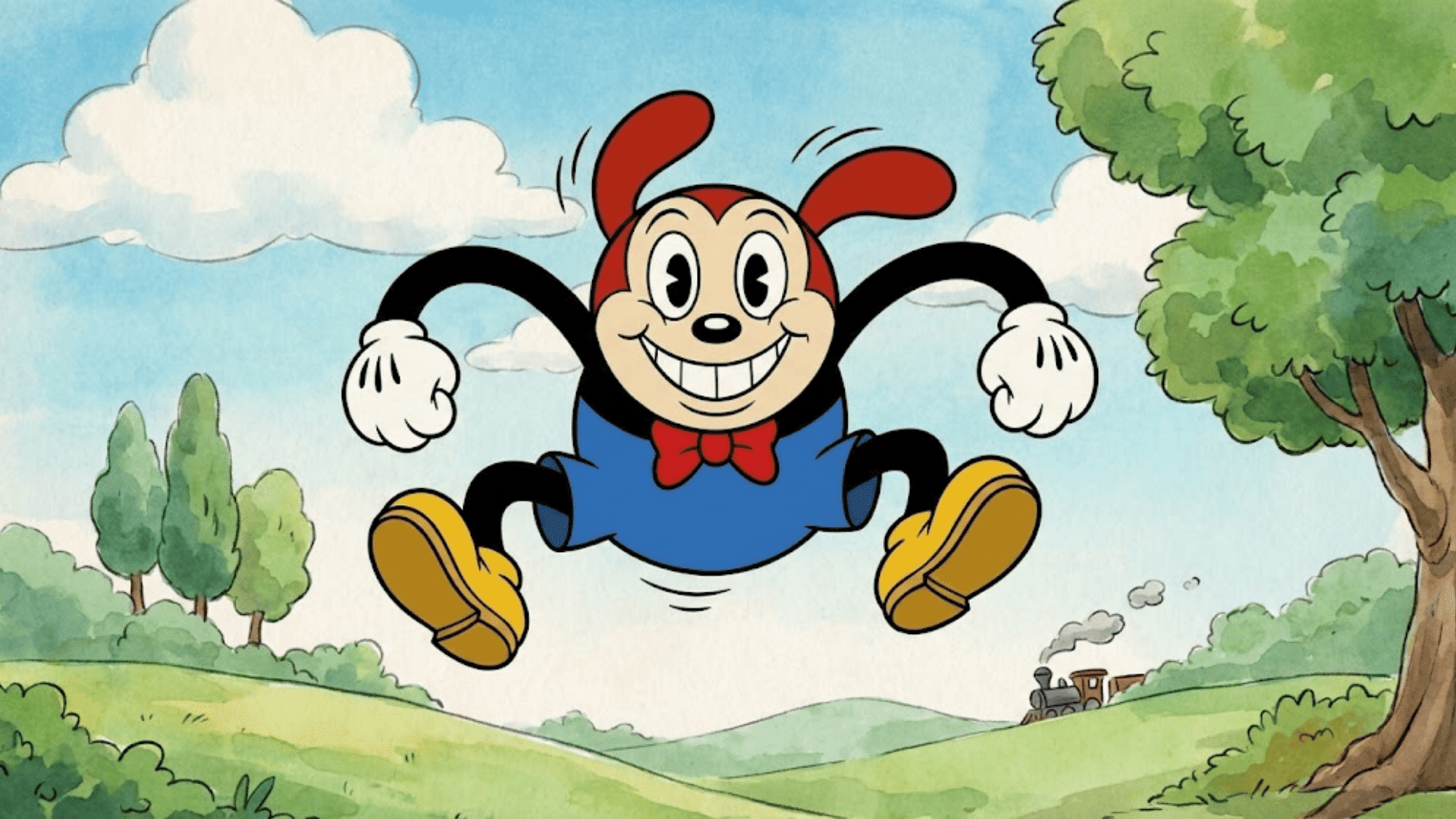
Medium: Traditional hand-drawn animation
Key Tools & Resources: Pencil, ink, cel sheets, gouache paints
Born in the golden age of American animation during the early twentieth century, this style became the foundation of beloved studios like Disney and Warner Bros.
Bold outlines wrap around simple, fluid shapes that bounce with expressive movement. Its cheerful energy and classic appeal continue to influence animators who crave that nostalgic, playful warmth in their work.
2. Modern TV Animation Style
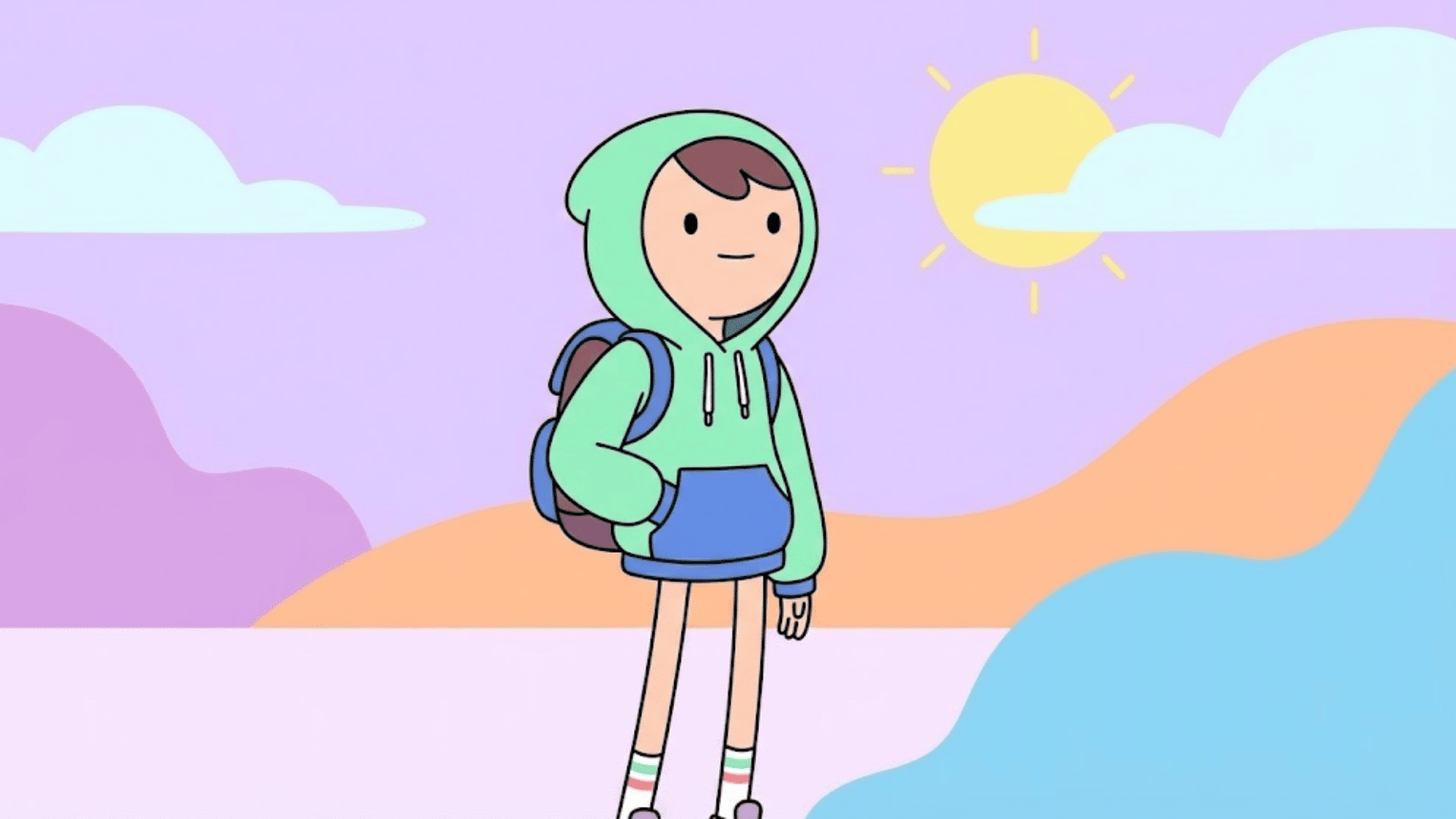
Medium: Digital animation
Key Tools & Resources: Drawing tablets, vector software, digital brushes
Emerging in the late 90s with technological advances, this style redefined television animation for new generations. Clean lines meet flat colors and simplified facial features, creating visually striking characters that animate smoothly.
Shows like Adventure Time and Steven Universe have embraced this aesthetic, making it a staple for contemporary storytelling with its accessible, appealing look.
3. Anime-Inspired Cartoon Style
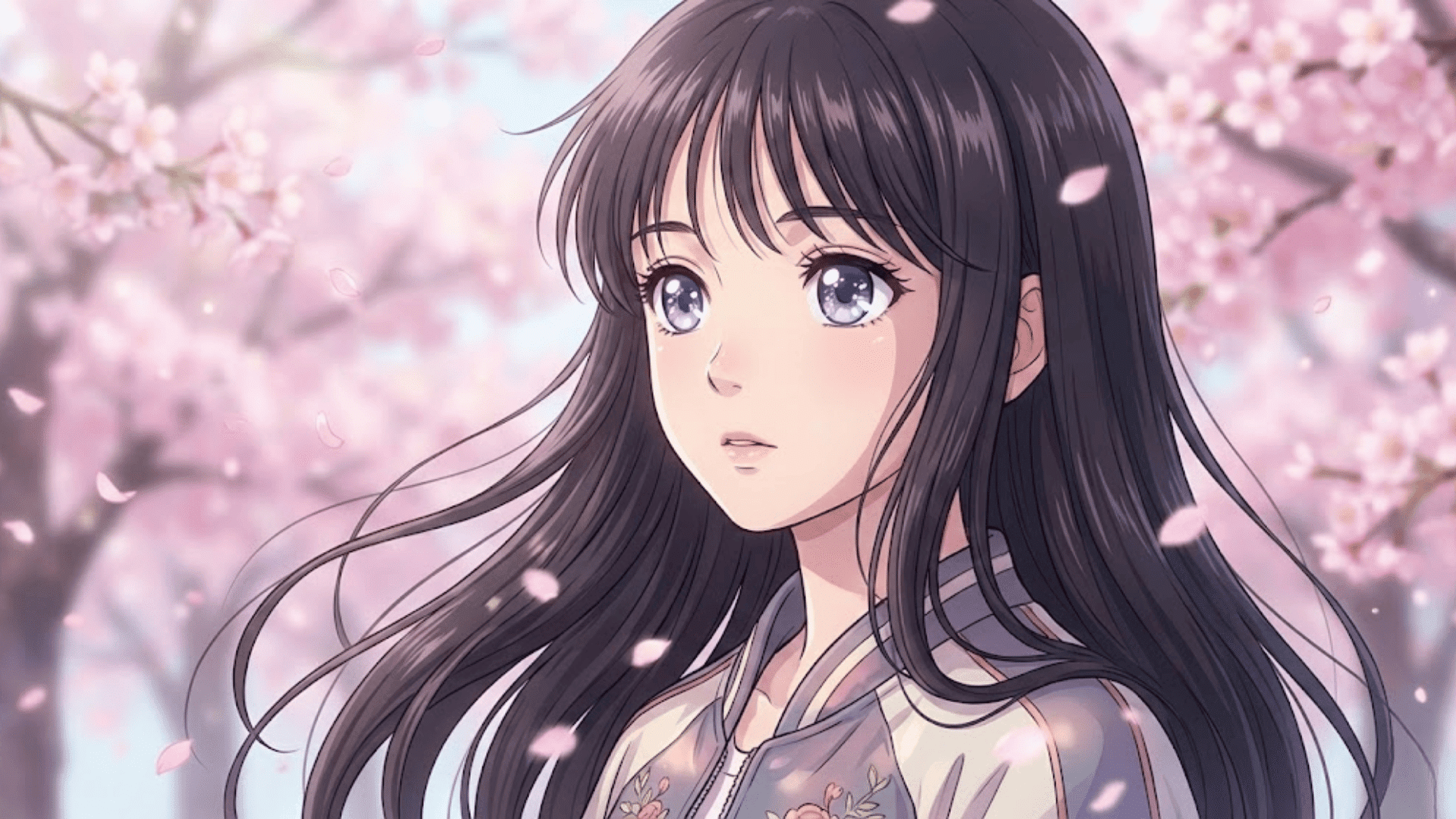
Medium: Digital and traditional drawing
Key Tools & Resources: Manga pens, screen tones, digital painting software
Rooted in Japanese animation traditions, this style has captured hearts worldwide with its emotional depth. Large expressive eyes, stylized hair, and refined facial structures create characters brimming with feeling.
Western artists have lovingly adopted these techniques, blending them with local influences to create beautiful hybrid aesthetics that honor their Eastern origins.
4. Chibi Cartoon Style
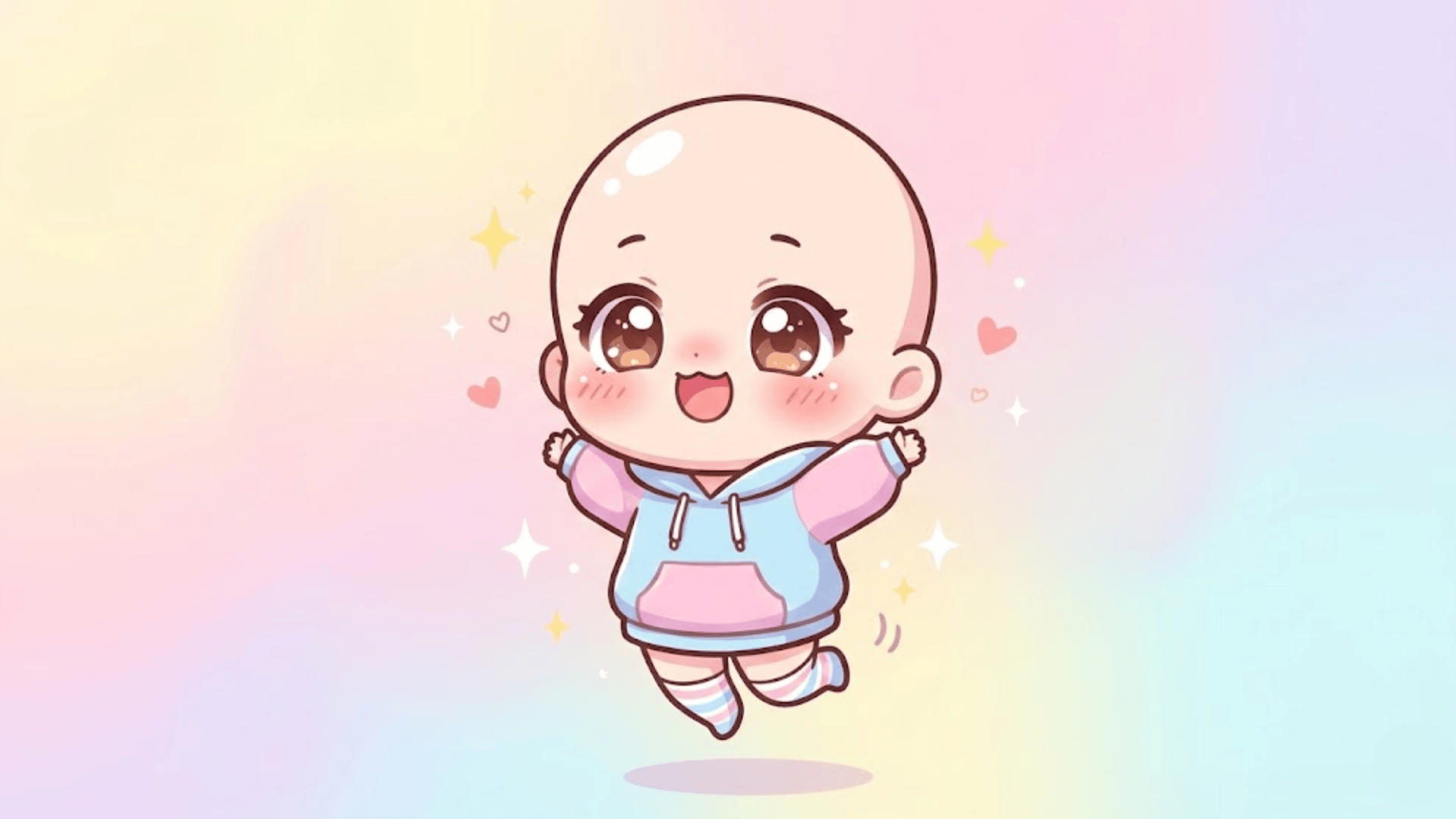
Medium: Digital illustration
Key Tools & Resources: Drawing tablets, vector programs, bright color palettes
Originating from Japanese manga culture, “chibi” translates to “small” or “short,” perfectly capturing this adorable aesthetic. Oversized heads sit atop tiny bodies with impossibly cute proportions that melt hearts instantly.
Fan artists and merchandise designers adore this style for its ability to make any character irresistibly endearing, spreading joy across stickers, pins, and countless creative projects.
5. Caricature Cartoon Style
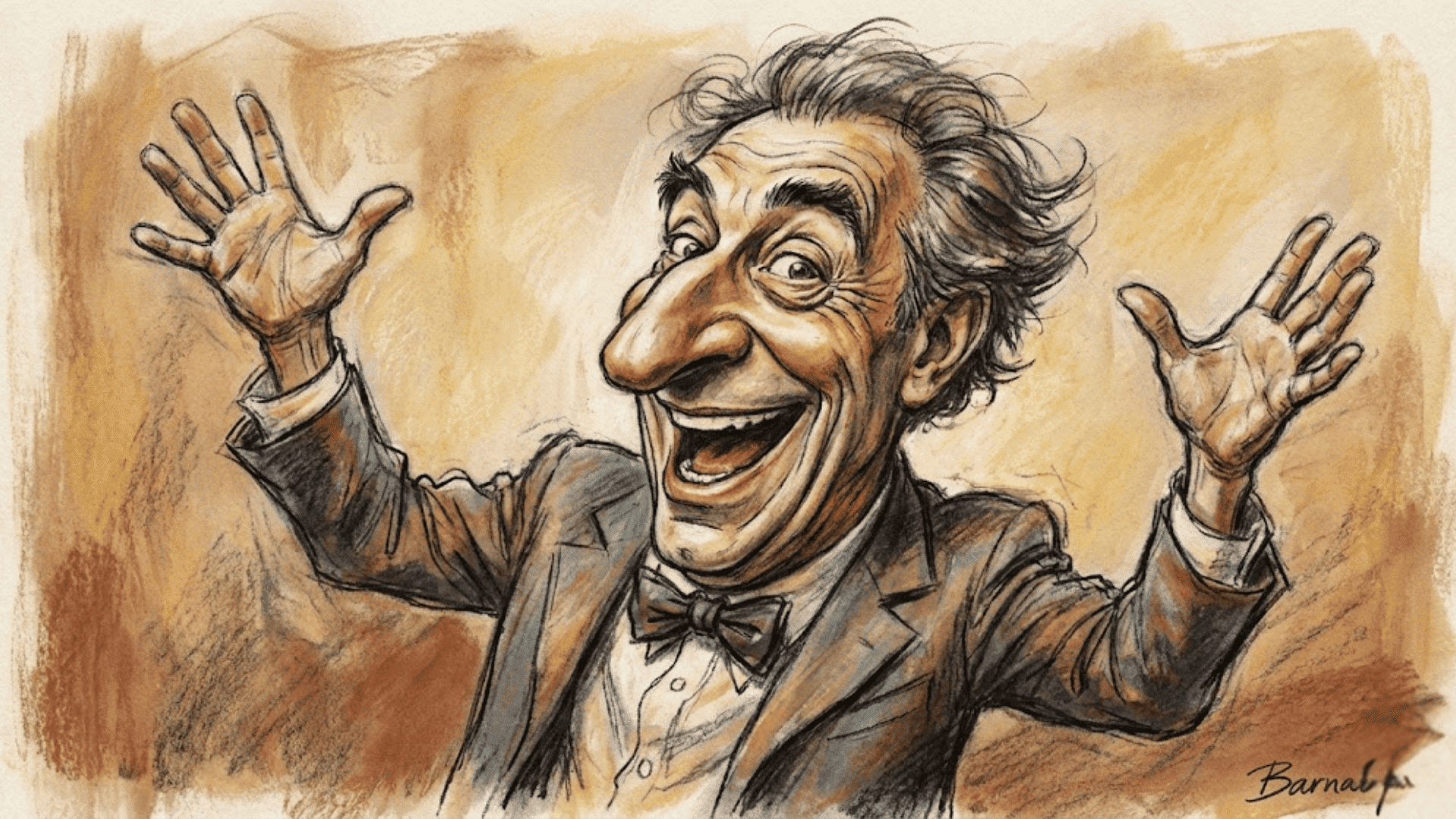
Medium: Traditional and digital illustration
Key Tools & Resources: Charcoal, markers, digital brushes, watercolors
With roots stretching back to sixteenth century Italy, caricature art has a rich history of playful exaggeration. Artists amplify distinctive facial features and personality traits, creating portraits that are both humorous and insightful.
Editorial illustrators and theme park artists have kept this tradition alive, using it to comment on culture and capture memorable likenesses with wit.
6. Comic Strip Cartoon Style
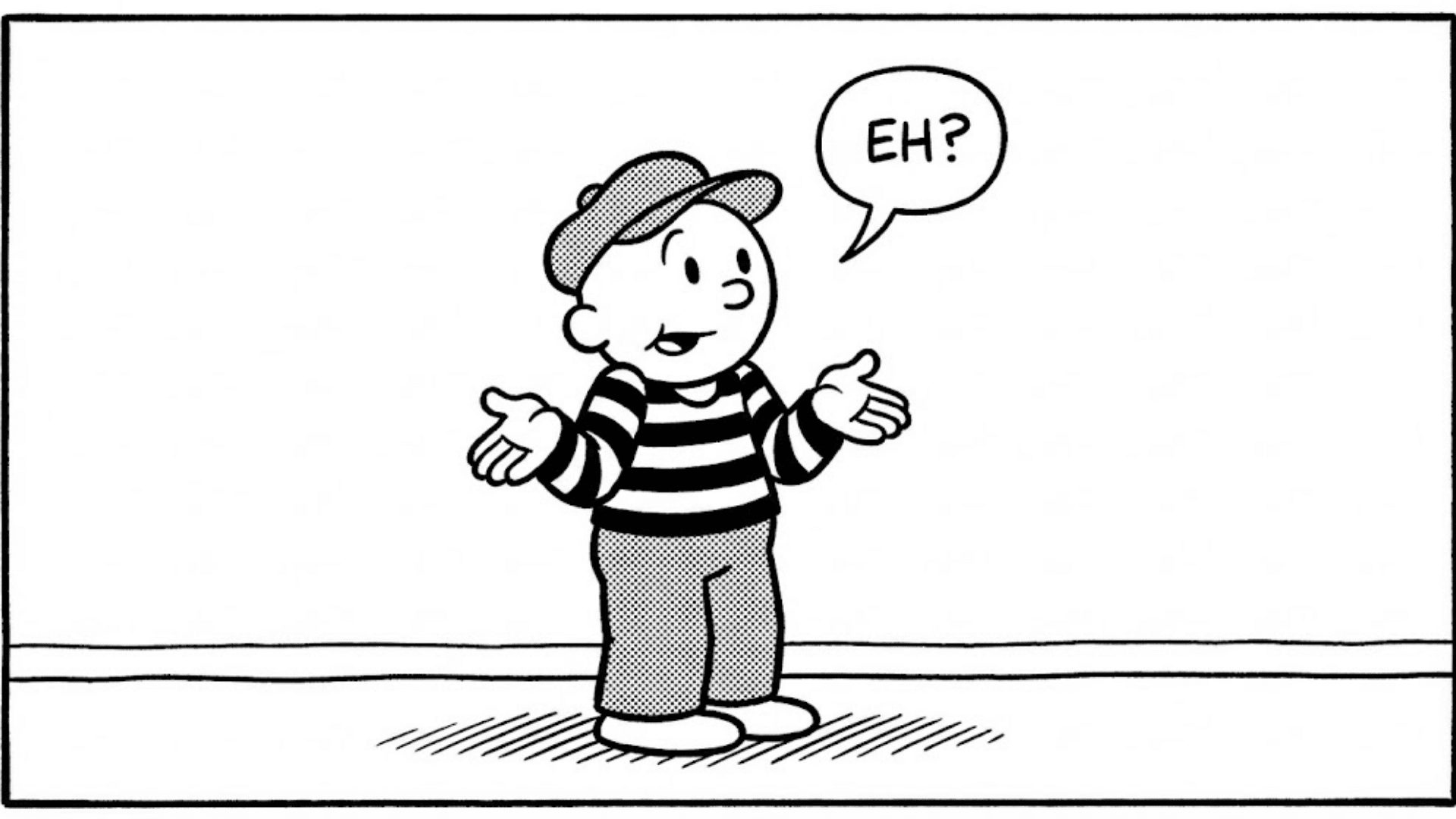
Medium: Ink illustration
Key Tools & Resources: Fine-tip pens, Bristol board, digital lettering tools
Born in nineteenth century newspapers, comic strips brought sequential storytelling into daily life with charming simplicity. Minimalist designs and clear visual narratives allow readers to follow along effortlessly, panel by panel.
Today, webcomic artists carry this legacy forward, adapting the style for digital platforms while maintaining that beloved sense of intimate, accessible storytelling.
7. Cute or Kawaii Cartoon Style
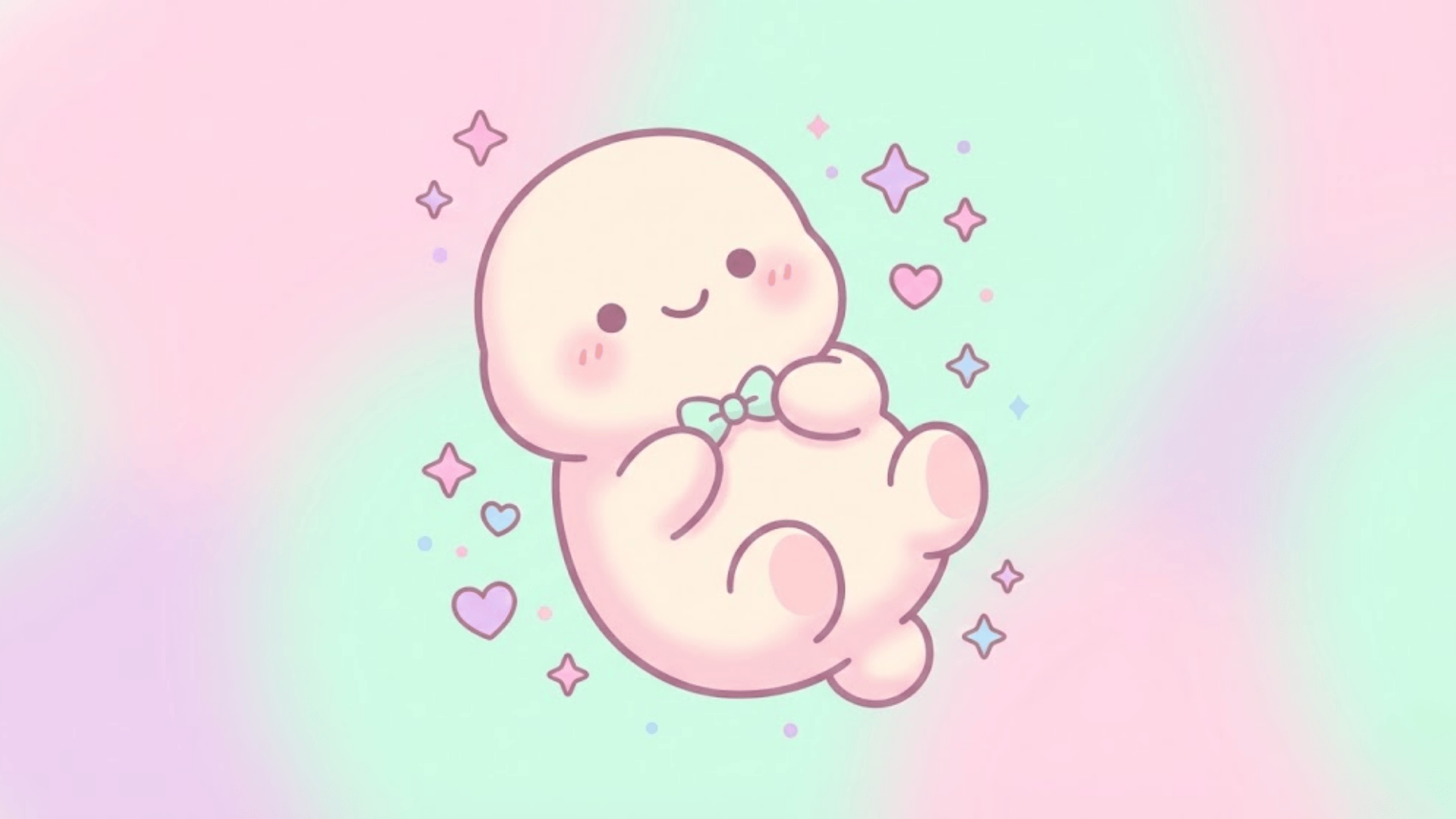
Medium: Digital and mixed media illustration
Key Tools & Resources: Pastel markers, soft digital brushes, and rounded shape tools
Blossoming from Japanese pop culture in the 1970s, kawaii became a global phenomenon celebrating all things adorable. Rounded shapes, soft pastel palettes, and emotion-driven expressions define this heartwarming aesthetic.
Stationery designers, plush toy creators, and social media artists have embraced kawaii wholeheartedly, spreading its gentle sweetness across every corner of creative culture.
8. Vintage Cartoon Style
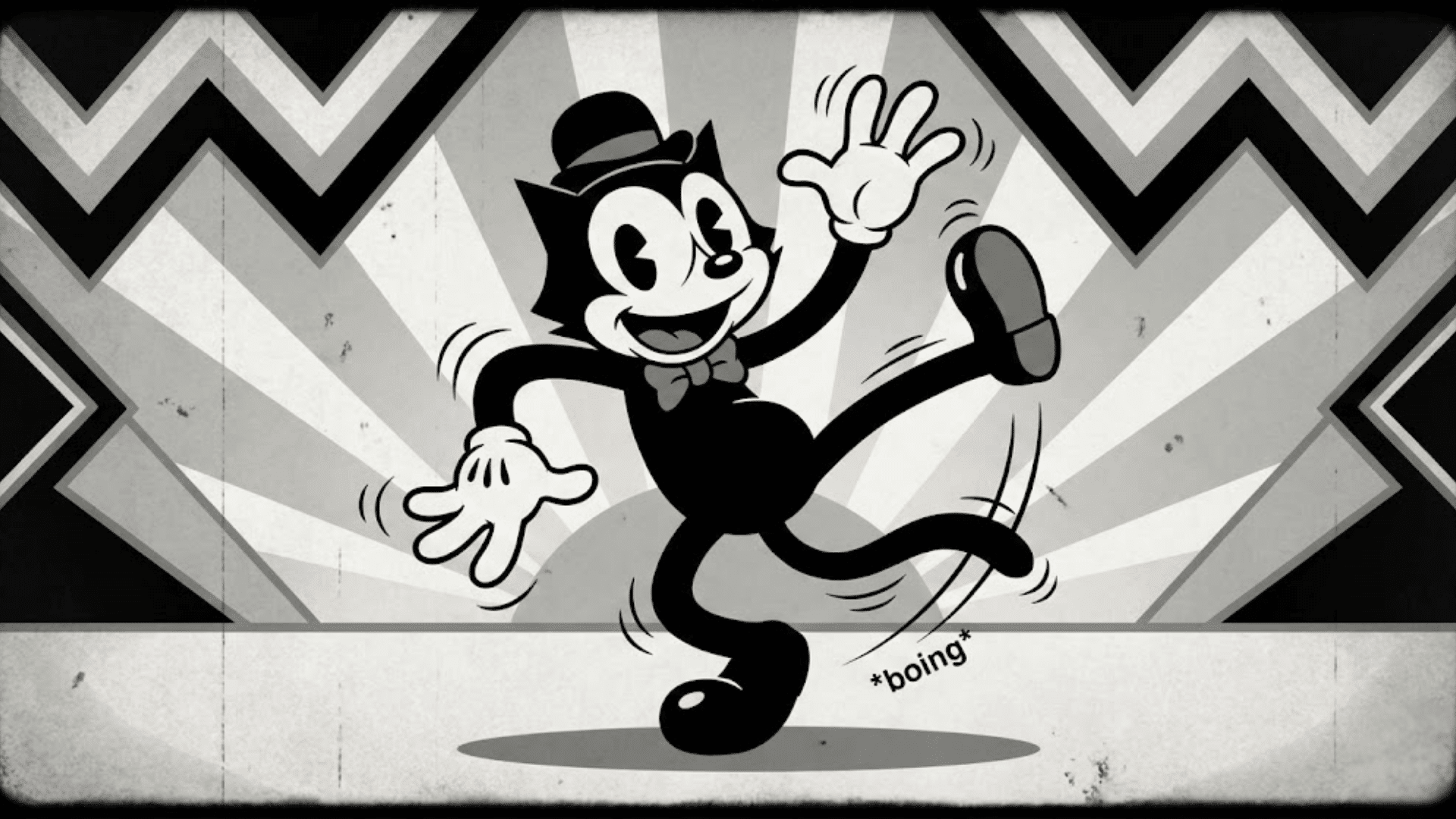
Medium: Traditional hand-drawn animation
Key Tools & Resources: India ink, animation paper, hand-painted backgrounds
Flourishing during the 1920s and 1930s, this style defined animation’s earliest magical moments. Rubber hose limbs wiggle with delightful flexibility, while limited shading keeps everything charmingly simple.
Modern artists feeling nostalgic for that old-timey whimsy have revived this aesthetic, bringing its playful spirit into contemporary projects with a loving, retro touch.
9. Flat Vector Cartoon Style
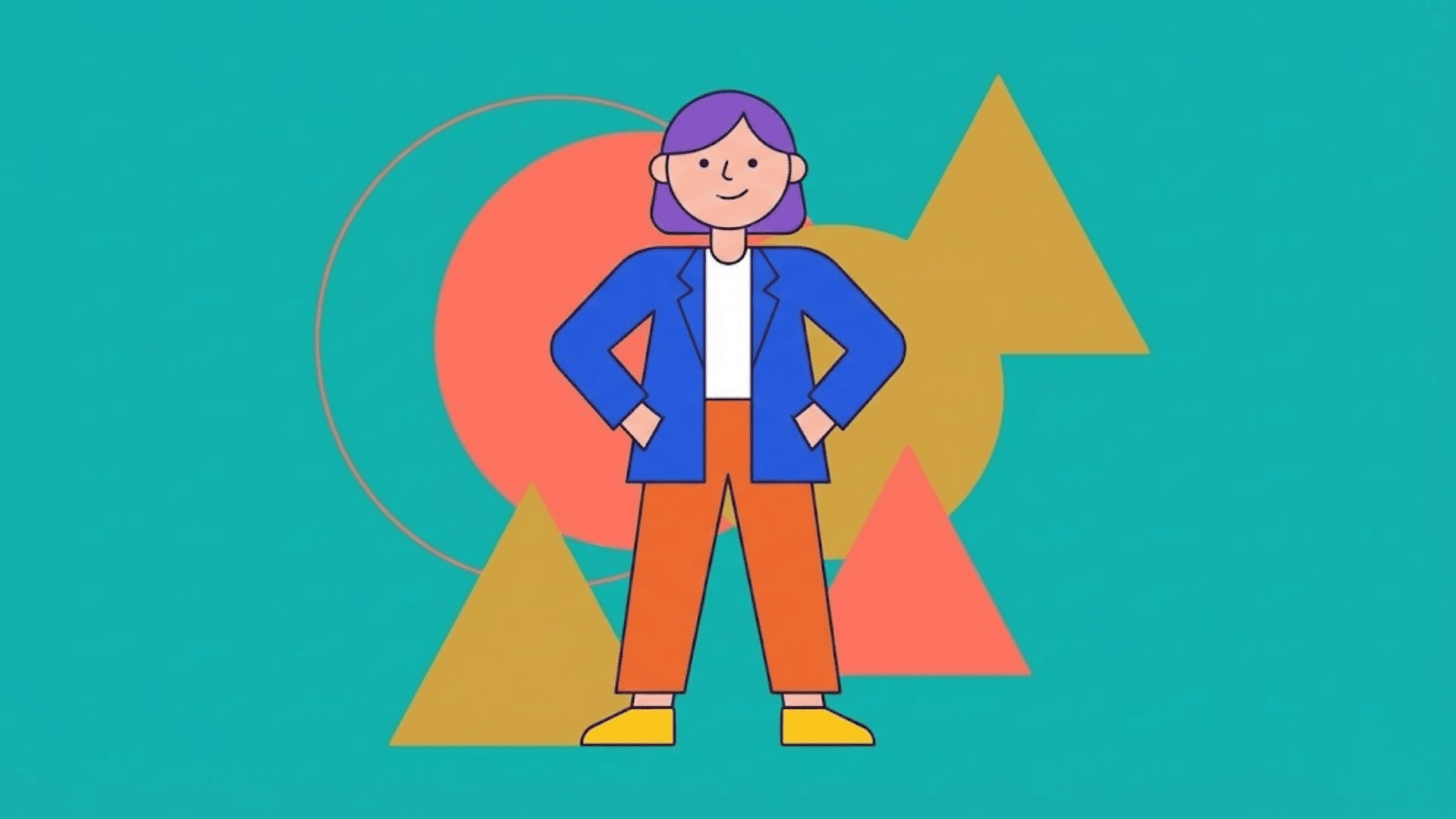
Medium: Digital vector illustration
Key Tools & Resources: Adobe Illustrator, geometric shape tools, solid color fills
Rising alongside the digital design revolution of the 2000s, flat vector art became the visual language of modern interfaces. Geometric shapes and solid colors create crisp, scalable artwork perfect for apps and websites.
Its clean minimalism appeals to brands and designers seeking a polished, contemporary look that communicates clearly across every screen size.
10. 3D Cartoon Style
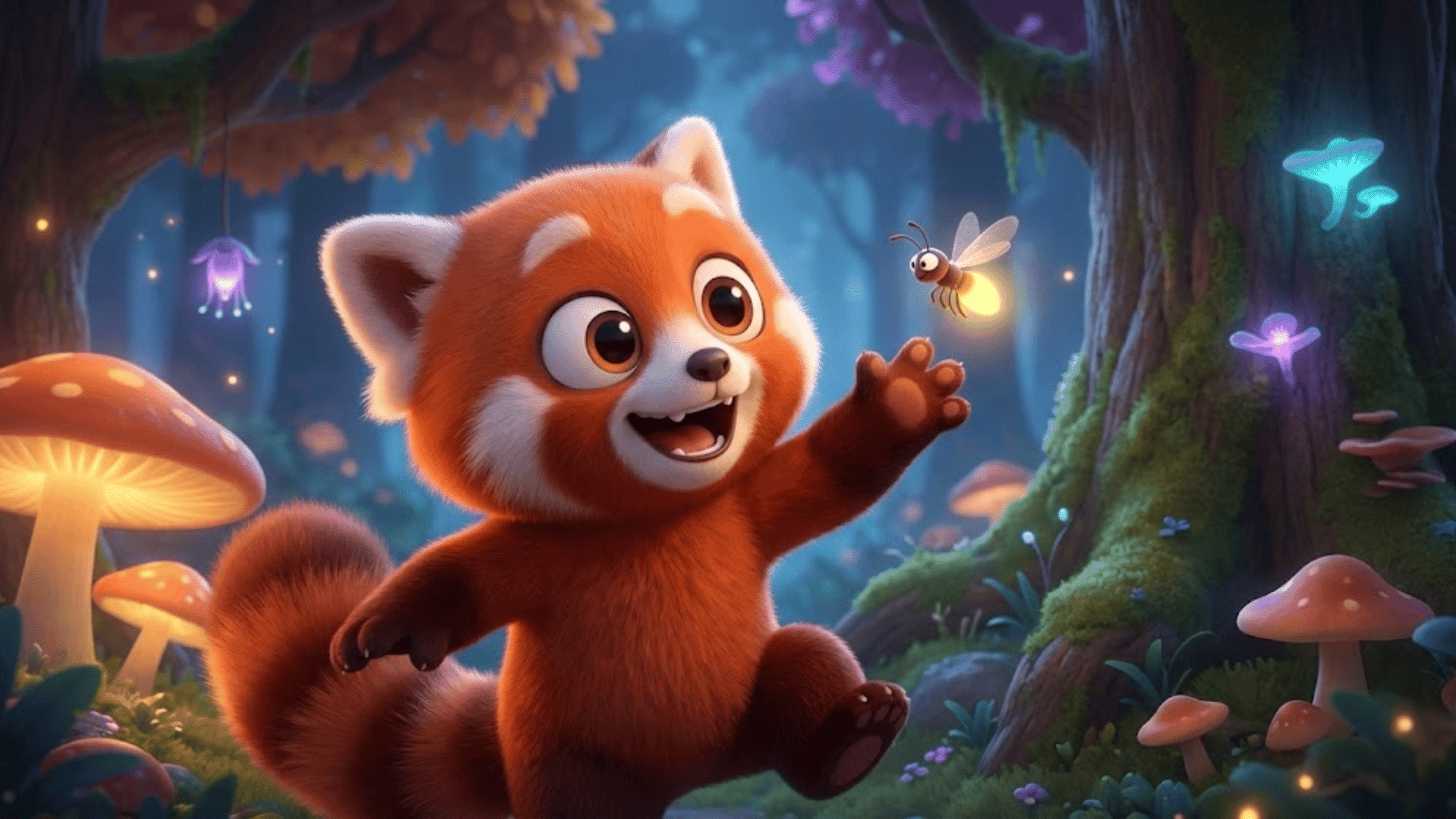
Medium: Computer-generated imagery
Key Tools & Resources: Modeling software, rendering engines, digital textures
Pioneered by studios like Pixar in the 1990s, three-dimensional cartoon art revolutionized animated filmmaking forever. Smooth textures and carefully crafted lighting bring characters to life with stunning depth.
Animated features and video games continue pushing this style forward, creating immersive worlds that feel tangible enough to step inside.
11. Hand-Drawn Sketch Cartoon Style
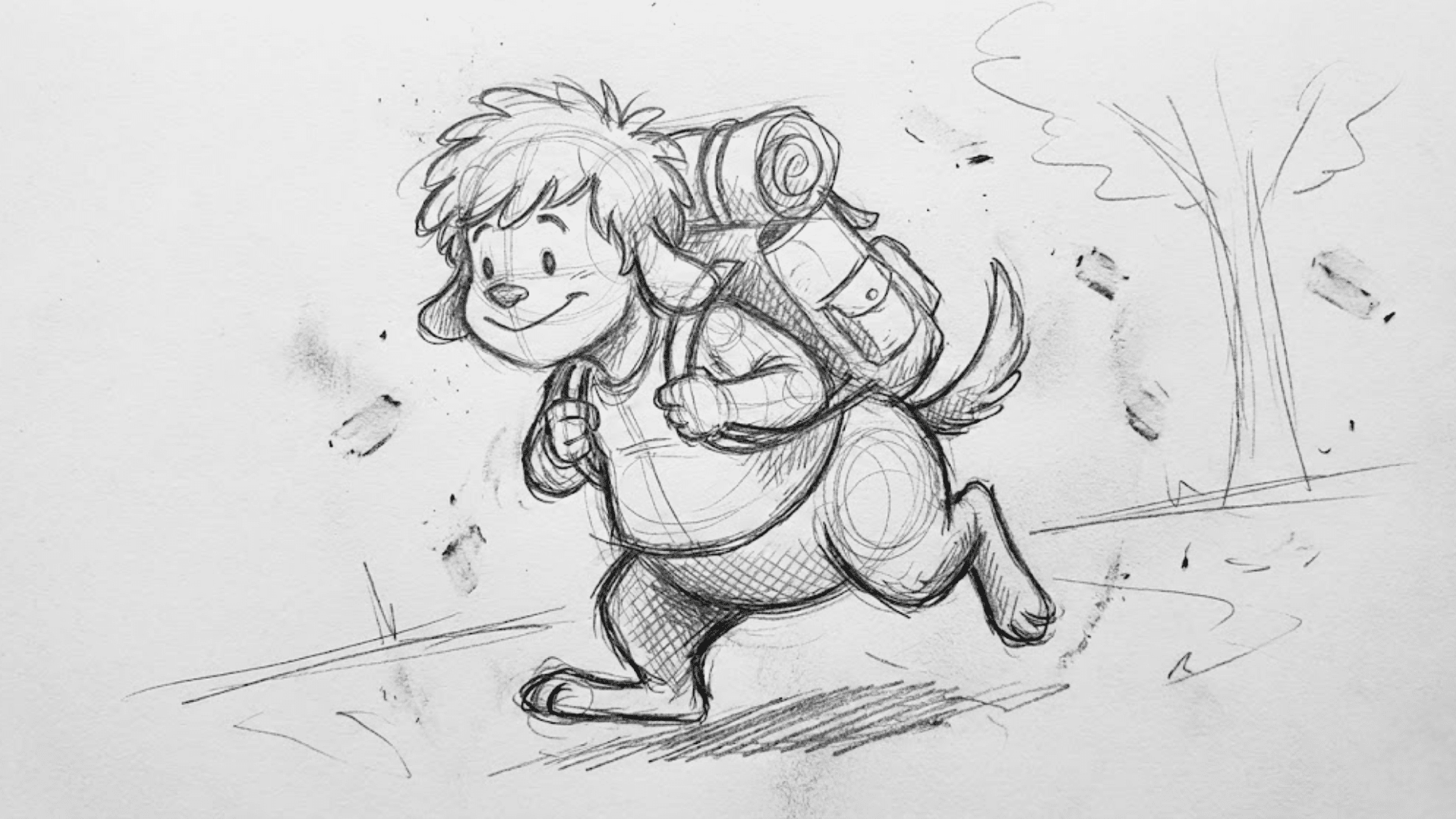
Medium: Traditional sketching
Key Tools & Resources: Graphite pencils, sketchbooks, charcoal, textured paper
Celebrating the beauty of imperfection, this style honors the raw artistic process itself. Rough linework and organic textures reveal the artist’s hand in every stroke, creating deeply personal pieces.
Independent illustrators and zine creators gravitate toward this aesthetic, valuing authenticity and individual expression over polished perfection in their creative work.
12. Realistic Cartoon Style
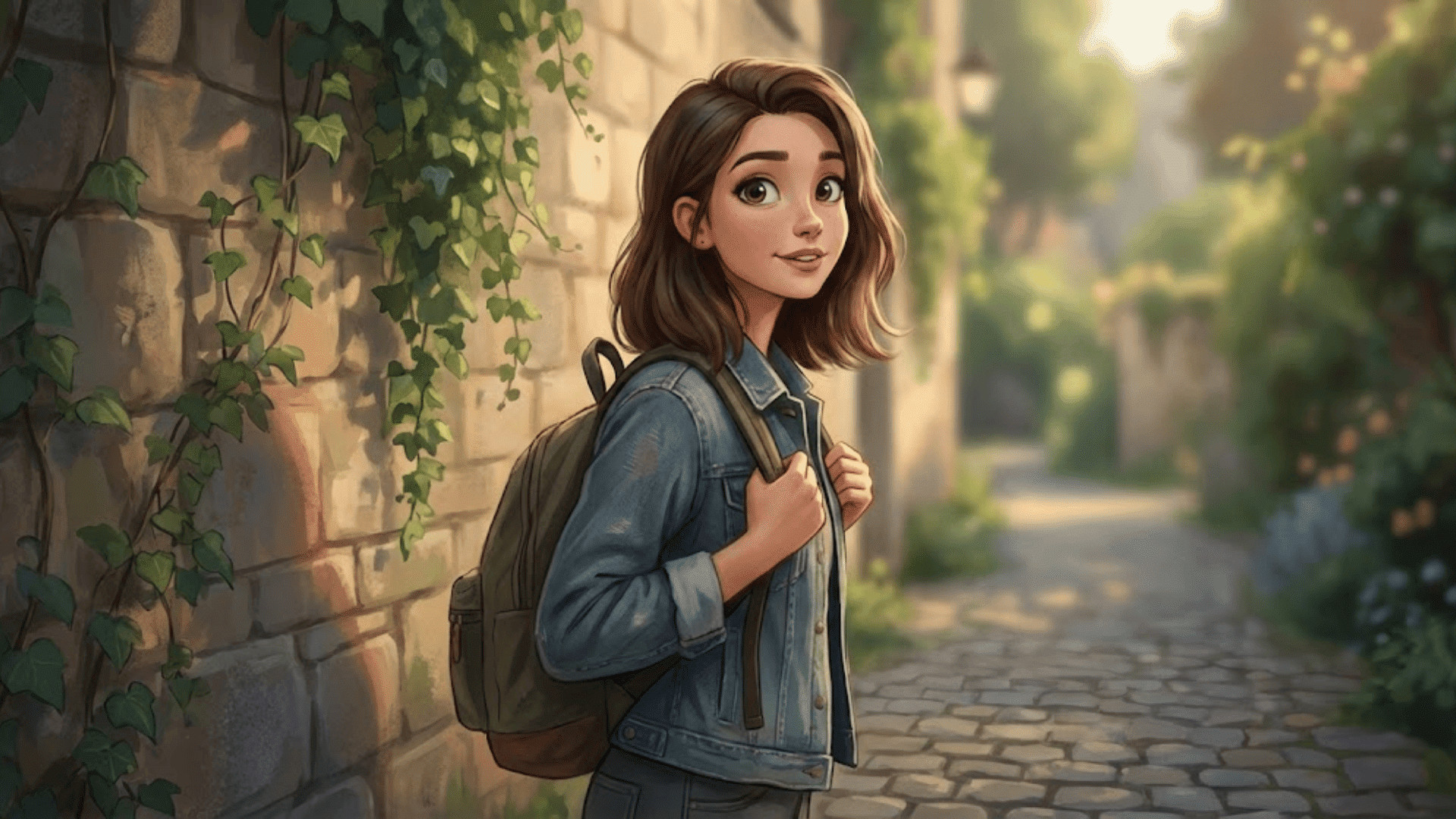
Medium: Digital painting
Key Tools & Resources: Painting software, textured brushes, reference photography
Bridging the gap between illustration and fine art, this style emerged as digital tools became more sophisticated. Semi-realistic proportions meet detailed shading, creating characters that feel grounded yet still playfully stylized.
Concept artists and book illustrators often work within this aesthetic, crafting compelling visuals that captivate viewers with their rich, believable depth.
13. Abstract Cartoon Style
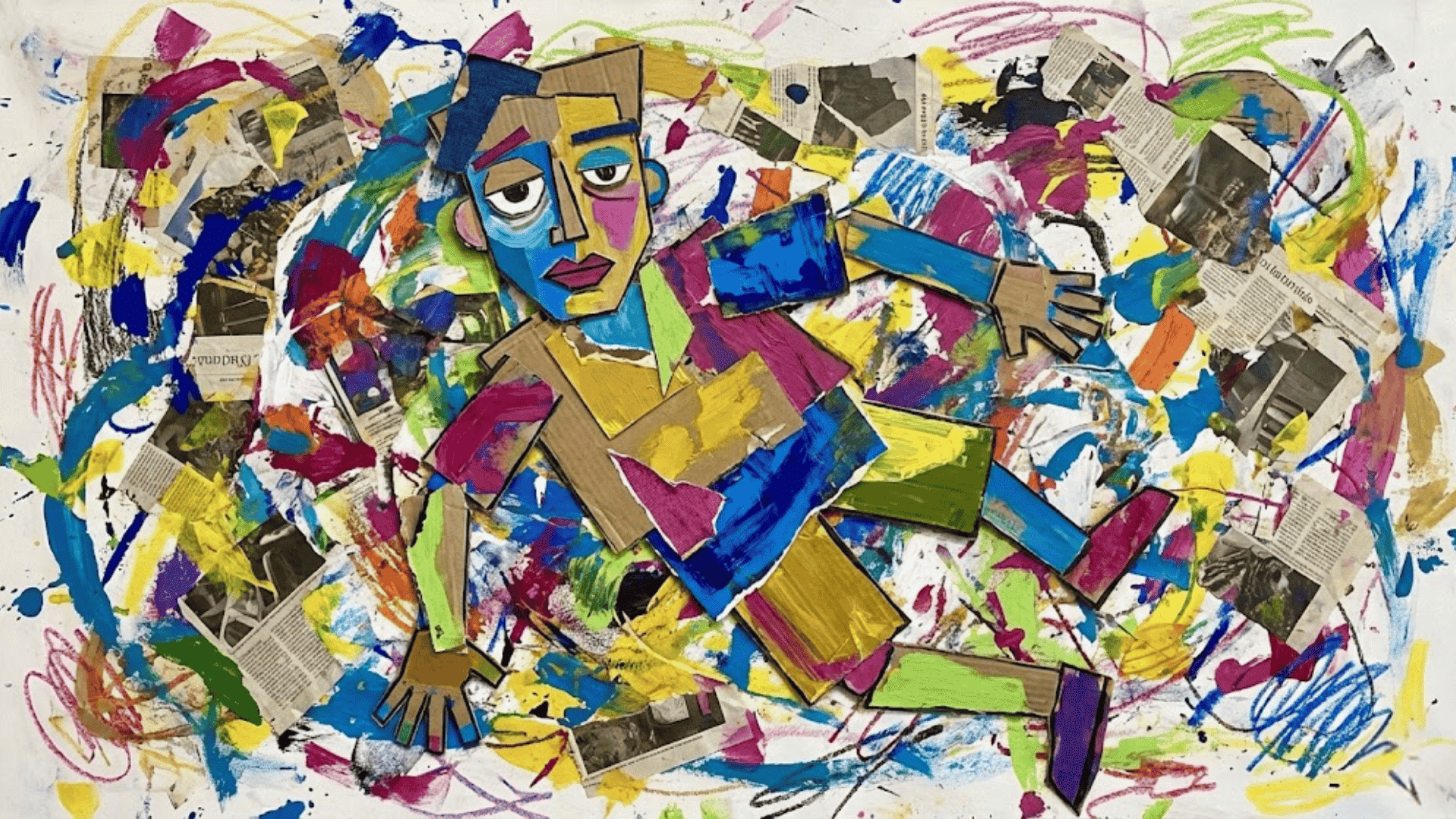
Medium: Mixed media and digital experimentation
Key Tools & Resources: Collage materials, unconventional digital tools, bold pigments
Breaking free from traditional rules, abstract cartooning invites artists to play without boundaries. Stylized forms, non-traditional proportions, and experimental color choices create visuals that challenge and delight.
Art school graduates and avant-garde creators gravitate toward this style, using it to push creative limits and express ideas that conventional approaches simply cannot capture.
How to Choose a Cartoon Style for Your Art
Finding your perfect cartoon style feels a bit like choosing the right outfit for your creative voice.
Here’s a gentle guide to help you approach the decision with clarity and confidence.
| Consideration | Best Suited Styles | Ideal Tools |
|---|---|---|
| Skill Level | Beginners: Chibi, Comic Strip, Flat Vector | Paper and pencil, Canva, simple vector apps |
| Intermediate: Kawaii, Modern TV Animation | Procreate, Adobe Illustrator | |
| Advanced: Realistic, 3D Cartoon | Photoshop, Blender, ZBrush | |
| Purpose & Audience | Children: Kawaii, Classic Western | Bright palettes, rounded brushes |
| Teens/Adults: Anime-Inspired, Abstract | Digital painting software | |
| Commercial: Flat Vector, Modern TV | Vector programs, brand color tools | |
| Tools & Software | Traditional artists: Hand-Drawn Sketch, Vintage | Pencils, ink, sketchbooks |
| Digital artists: Any style adapts well | Tablets, illustration software |
Mistakes to Avoid and Tips for Growing Your Style
Every artist stumbles along the way, and that’s perfectly okay. Here are some gentle reminders to keep your creative path smooth and joyful.
- Mixing too many styles at once can muddy your artistic voice, so focus on mastering one before blending others.
- Over-detailing your work often distracts from the charm that simplicity brings to cartoon art.
- Skipping fundamentals like anatomy and perspective will limit your growth, no matter which style you choose.
- Neglecting reference studies means missing out on valuable lessons that other artists freely offer through their work.
- Practicing inconsistently slows progress, so carve out small, regular moments for sketching and experimentation.
Remember, every beloved artist once filled sketchbooks with wobbly lines and happy accidents. Trust the process, stay curious, and let your unique style unfold naturally over time.
The Closing Note
Cartoon art styles open up a beautiful world of creative expression, each carrying its own personality and charm.
The style you choose becomes an extension of your artistic soul, shaping how your stories connect with others. There’s no rush to settle on one look, and your aesthetic will naturally evolve as you grow and experiment.
So grab your favorite tools, play with shapes and colors, and enjoy every sketch along the way.
We’d love to hear from you! Which cartoon art style speaks to your heart? Share your thoughts in the comments below.