Modern kitchens are often associated with clean lines, smooth finishes, and a neutral palette. While this minimalist approach creates a sense of calm and order, it can sometimes feel flat or impersonal. Texture is the element that bridges that gap, adding warmth, depth, and character without compromising a contemporary aesthetic. When thoughtfully layered, texture turns a sleek kitchen into a space that feels lived-in, inviting, and visually engaging.
Why Texture Matters in Contemporary Design
Texture works on both a visual and tactile level. Even when a kitchen sticks to a limited color scheme, varying surfaces can prevent the space from feeling sterile. Matte cabinetry against glossy countertops, or natural wood paired with stone, introduces contrast that the eye instinctively responds to. In modern remodels, texture often replaces bold color as the primary design feature, allowing homeowners to keep a refined look while still expressing personality.
Beyond appearance, texture influences how a kitchen feels to use. Subtle surface variation can soften acoustics, improve comfort, and make the room more welcoming for everyday living and entertaining.
Mixing Materials for Visual Depth
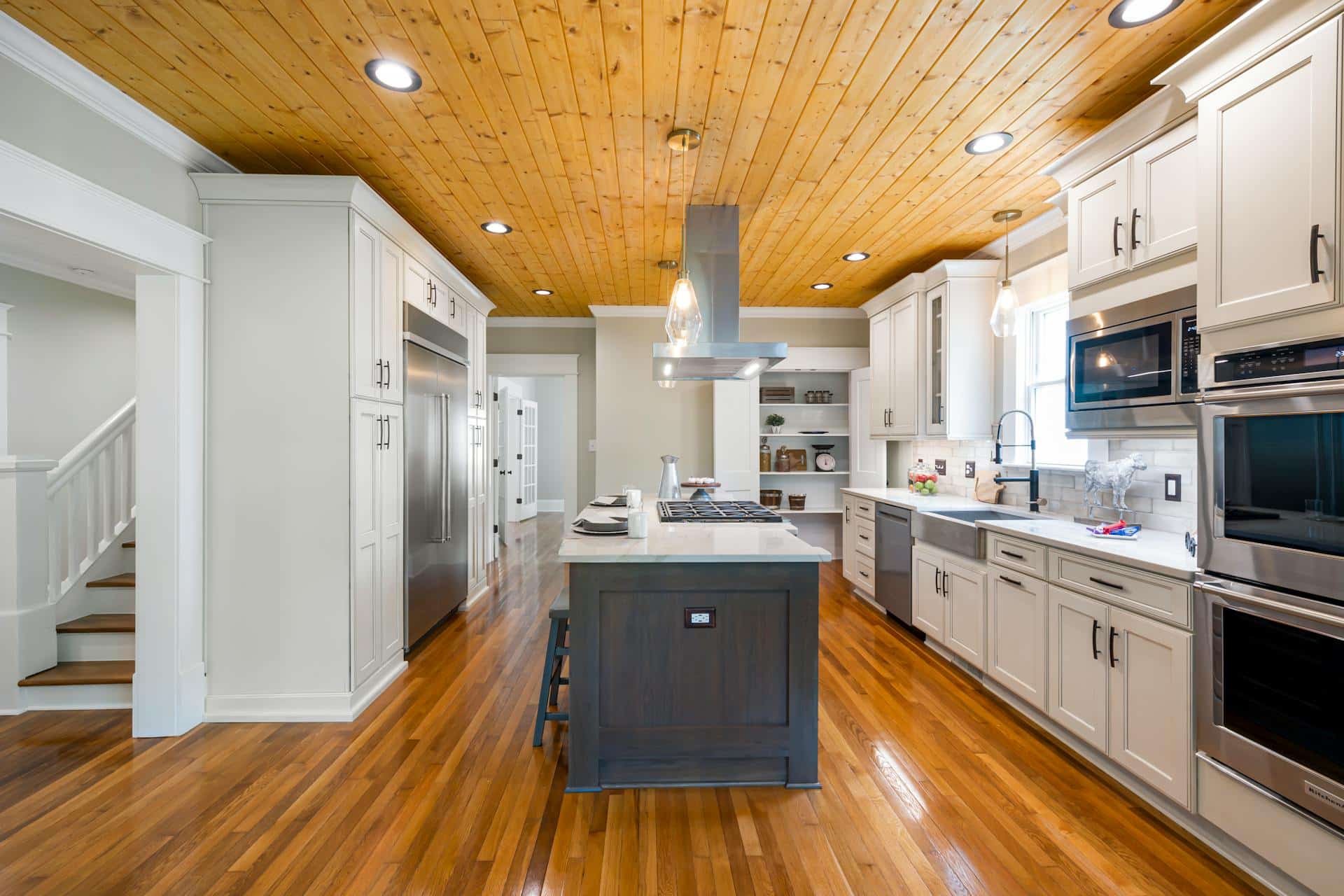
One of the most effective ways to introduce texture is through a mix of materials. Modern kitchens benefit from a balance between natural and man-made elements. Wood cabinetry or open shelving adds warmth, especially when paired with concrete, quartz, or stainless steel. Stone countertops with gentle veining provide organic movement that contrasts beautifully with flat cabinet fronts.
Metal also plays a role in adding character. Brushed brass, blackened steel, or aged bronze fixtures bring in a tactile quality while still feeling modern. The key is restraint, using a few well-chosen finishes rather than overwhelming the space with too many competing textures.
Statement Backsplashes With Personality
Backsplashes offer a prime opportunity to inject texture without dominating the entire kitchen. Rather than relying solely on flat subway tiles, homeowners are increasingly drawn to surfaces with variation and dimension. Handcrafted or look-alike tiles with uneven edges or tonal shifts create subtle movement that catches light differently throughout the day.
A surface like zellige tile introduces artisanal character while still aligning with modern design principles. Its natural imperfections add depth and interest, making it an ideal focal point behind a range or sink without requiring bold colors or patterns.
Cabinetry and Hardware as Texture Elements
Cabinetry doesn’t have to be purely smooth to feel contemporary. Wood grain, reeded panels, or fluted details add texture while maintaining clean lines. Even flat-panel cabinets can gain dimension through the choice of finish, such as a soft-touch matte or lightly textured laminate.
Hardware is another subtle way to build character. Knurled handles, leather pulls, or slim metal profiles provide tactile contrast and elevate the overall design. These small details are often what make a kitchen feel thoughtfully designed rather than generic.
Softening Modern Kitchens With Natural Accents
Modern kitchens benefit from moments of softness that balance harder surfaces. Textured bar stools, woven pendant shades, or linen window treatments can gently break up sleek cabinetry and stone. Even greenery plays a role, adding organic texture and a sense of life to the space.
These accents don’t detract from a modern aesthetic; instead, they enhance it by making the kitchen feel more approachable and comfortable.
Creating a Balanced, Timeless Result
The most successful modern kitchen remodels use texture intentionally rather than excessively. By layering materials, finishes, and subtle surface variations, it’s possible to create a space that feels both contemporary and full of character. Texture ensures that a modern kitchen isn’t just stylish at first glance, but also warm, functional, and enjoyable to live in for years to come.