Looking for the best small trees for front yard spaces that combine maximum beauty with minimal space?
Small trees are ideal for today’s compact front yards, offering lovely seasonal interest, natural structure, and year-round charm without overwhelming your landscape.
These space-efficient choices provide gorgeous spring blooms, cooling shade in summer, vibrant fall colors, and unique winter bark. You get all the advantages of larger trees but in a manageable size that won’t outgrow your yard.
I’ll share my top picks for the best small trees for front yard planting, complete with height recommendations, growing needs, and key features. Each tree brings something special while remaining perfectly sized for modern front yard living.
Get ready to find your ideal front yard tree!
Why Choose Small Trees for Your Front Yard?
Small trees are the perfect choice for today’s smaller front yards, offering a lot of benefits in a compact form. These trees provide shade, beauty, and structure without overwhelming your landscape.
Unlike larger trees, such as oaks, that can outgrow their space, small trees maintain a balanced size throughout their life. They offer just the right amount of shade to keep your yard comfortable while still allowing sunlight to reach your plants.
With year-round appeal, small trees add something special in every season. From spring blooms to summer shade, fall colors, and distinctive winter bark, they offer a constant source of interest.
Plus, they require little maintenance, making them a hassle-free option.
Best Small Trees for Front Yard
Small trees give you the perfect blend of beauty, function, and practicality for your front yard. I can assure you they’re space-efficient, offer year-round appeal, and need much less maintenance than larger tree options.
1. Japanese Maple
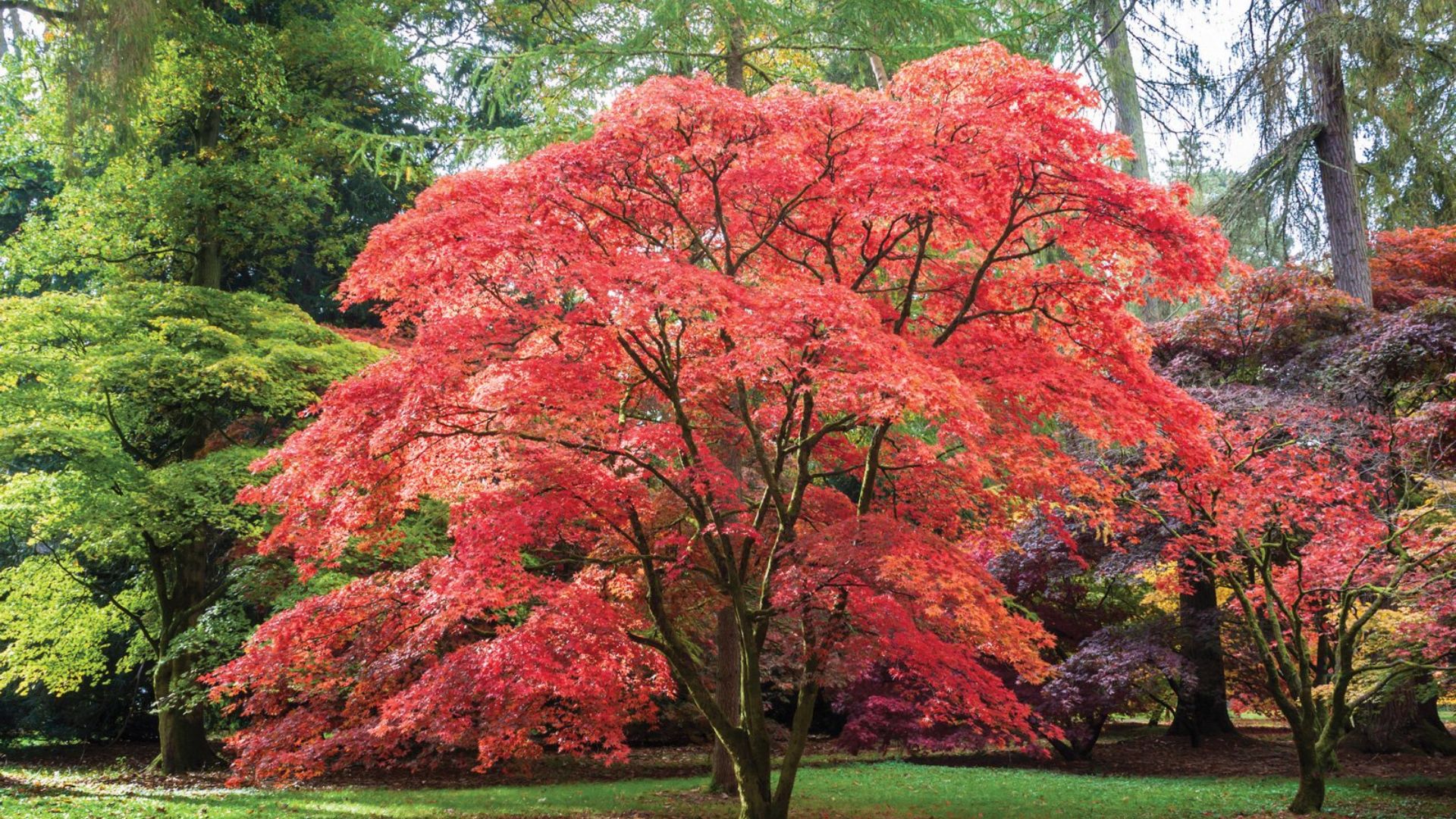
Japanese Maple is admired for its vibrant, colorful foliage and graceful branching. It grows upright with a spreading habit, making it ideal for smaller gardens. Preferring partial shade, this tree offers a pretty contrast in both spring and fall.
Known scientifically as Acer palmatum, it adds grace to landscapes and flourishes in cooler climates with minimal maintenance.
- Bloom Time: Spring
- Height: 10–15 feet
2. Vine Maple
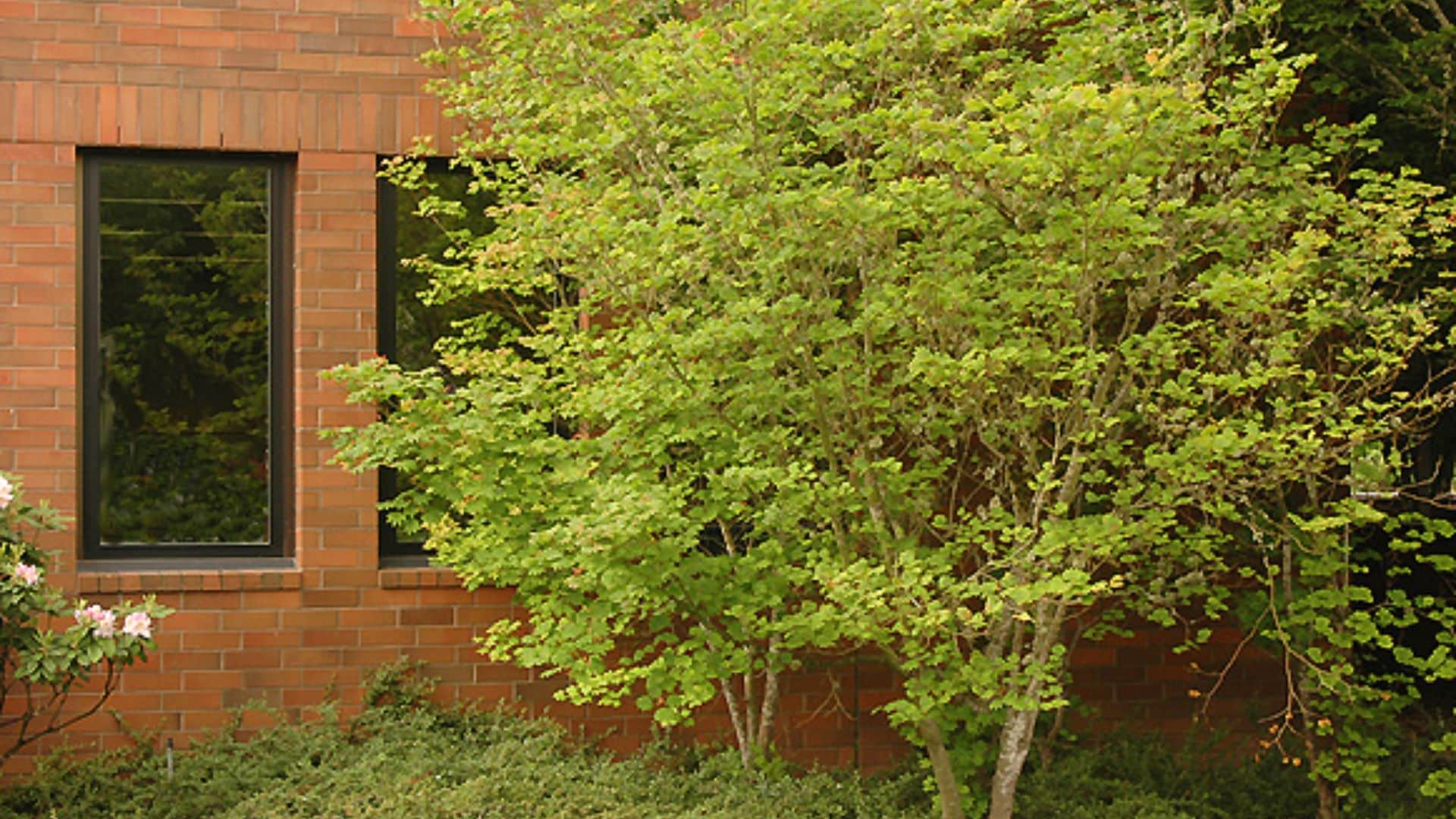
With its red stems and soft green leaves, Vine Maple provides a lovely touch of color throughout the year. It grows in a multi-stemmed, spreading form and adapts well to part shade or full sun.
Acer circinatum is the scientific name. This variety is particularly well-suited for shaded or woodland gardens, adding seasonal interest and texture.
- Bloom Time: Spring
- Height: 12–18 feet
3. Carolina Silverbell
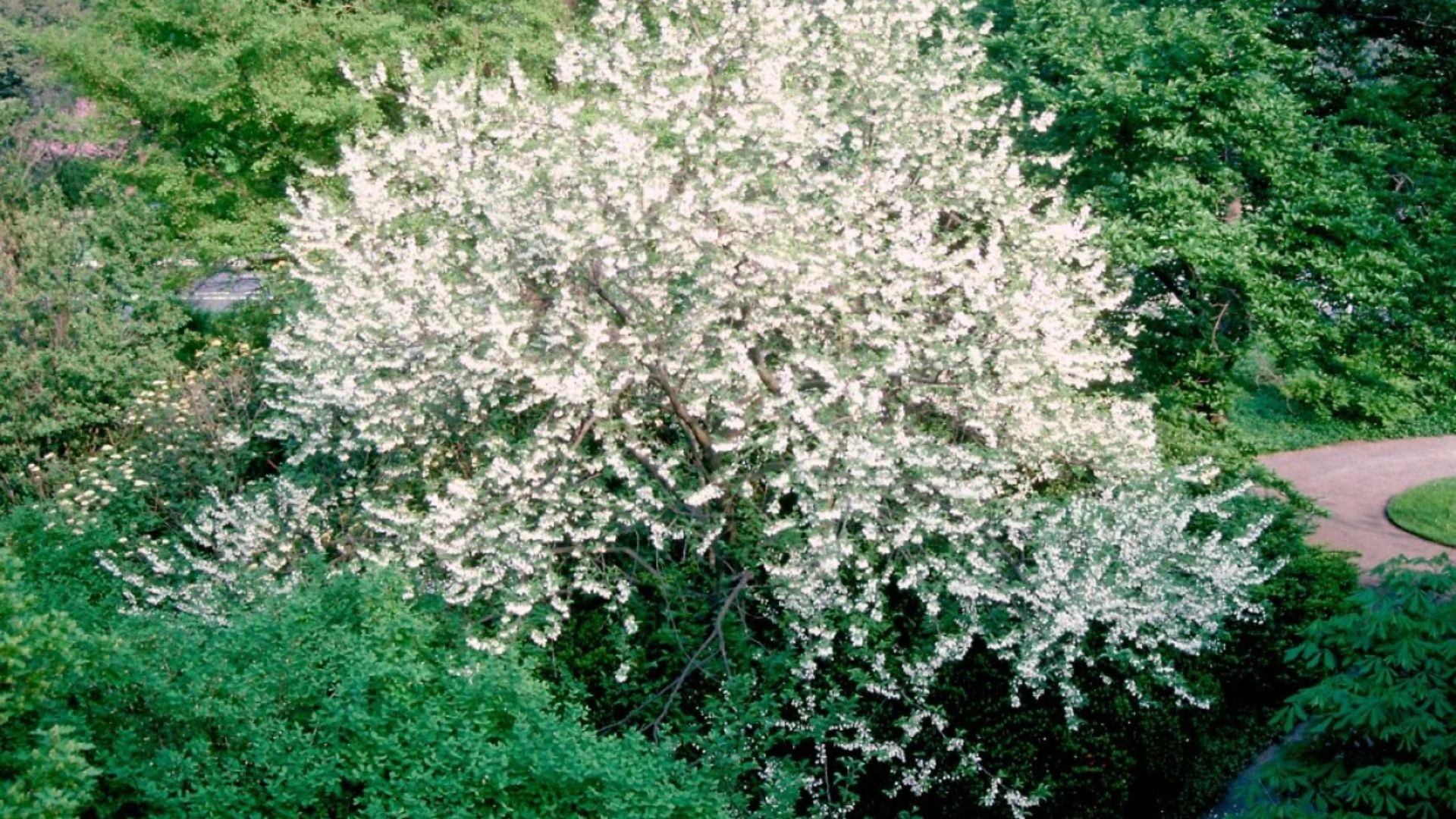
The Carolina Silverbell is distinguished by its white, bell-shaped flowers, which bloom in early spring. It features an upright, spreading form, making it an excellent choice for gardens of various sizes.
Preferring full sun or part shade, its scientific name is Halesia carolina. This native tree brings both beauty and ecological benefits with its soft blooms and attractive form.
- Bloom Time: Spring
- Height: 15–20 feet
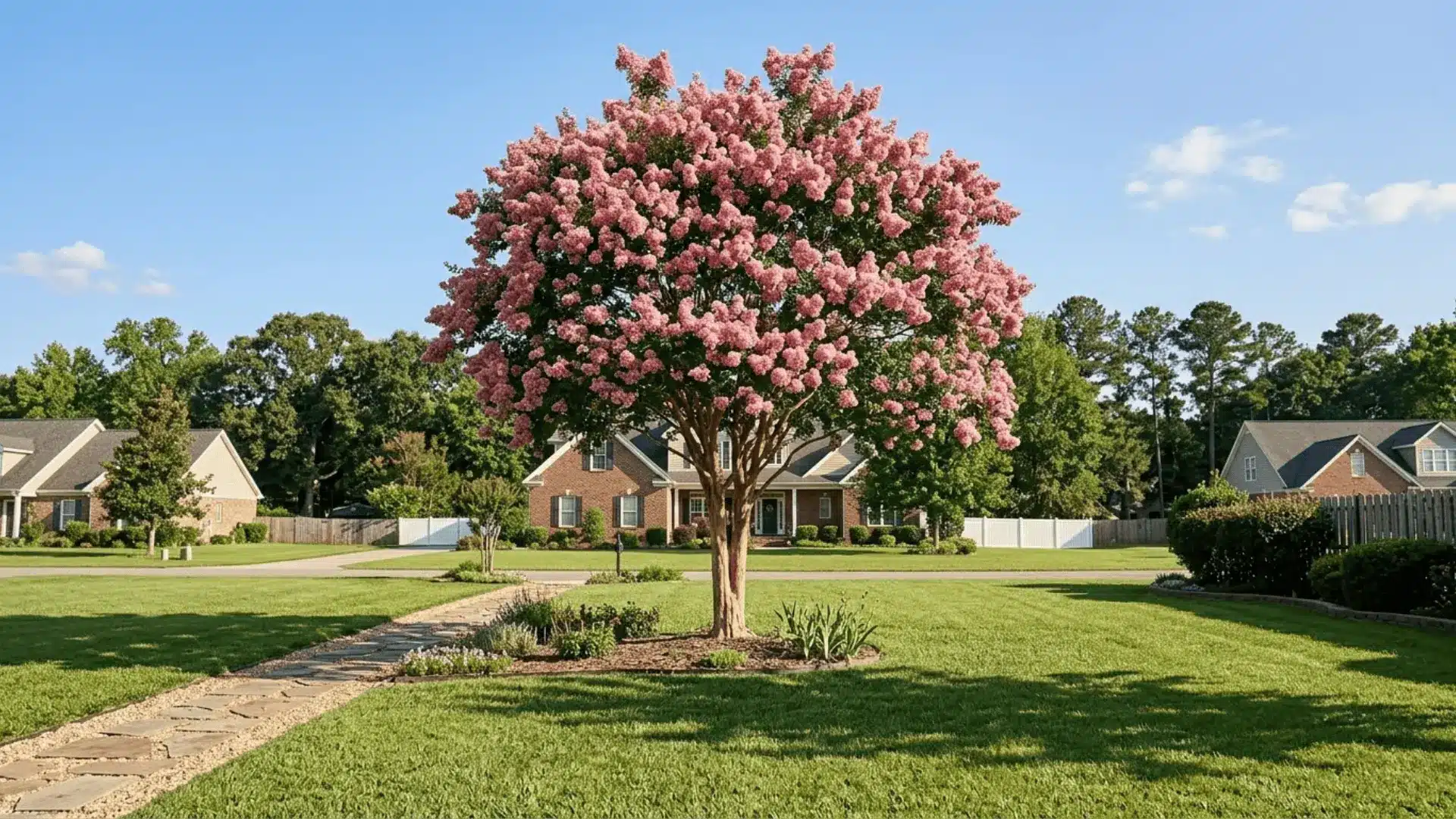
4. Crape Myrtle
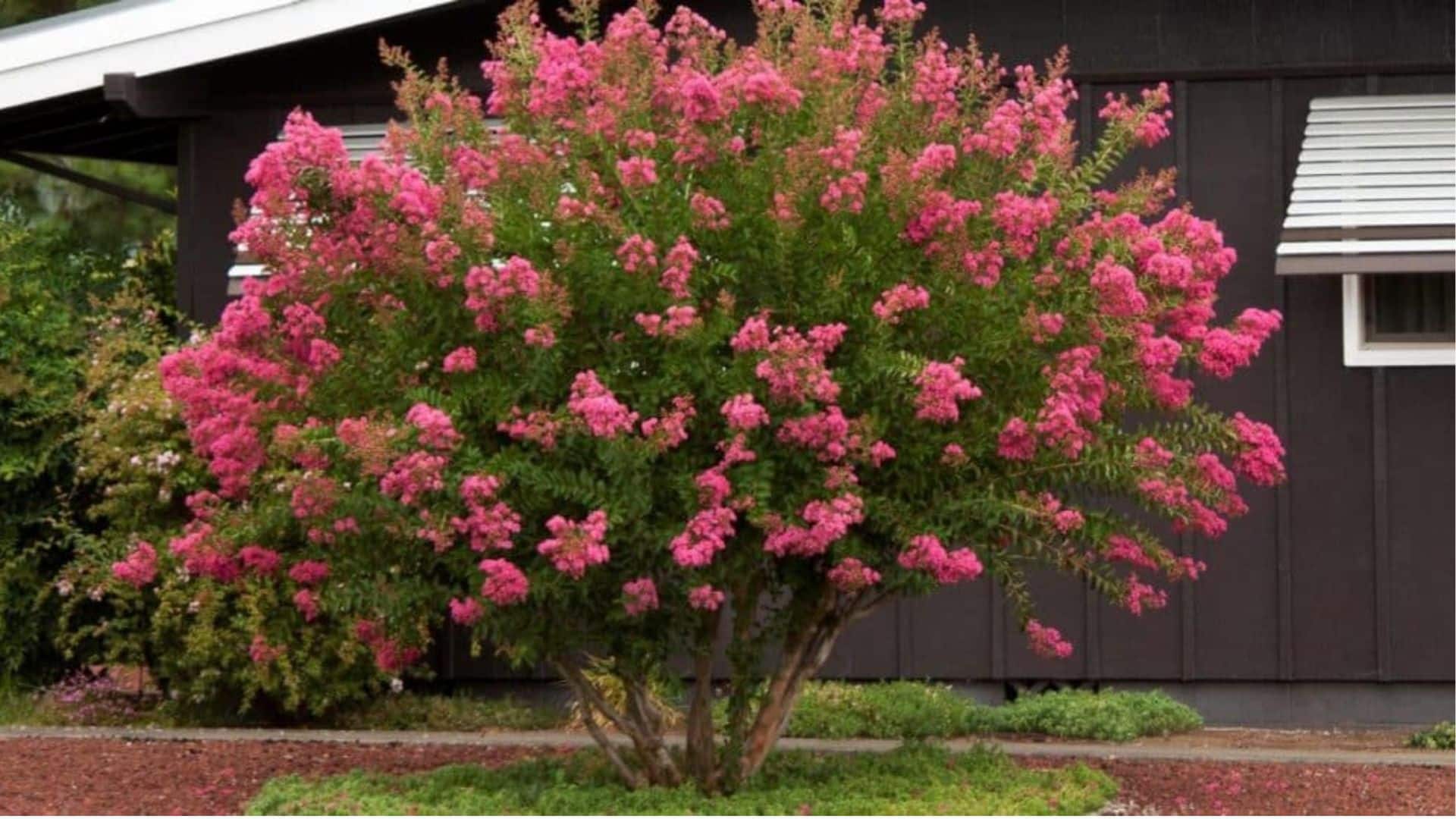
Crape Myrtle is known for its vibrant summer flowers and smooth, striking bark. It grows in a vase-shaped, multi-trunked form, making it perfect for creating vertical interest.
This tree needs full sun, and its scientific name is Lagerstroemia indica/x. Offering long-lasting blooms, it is an ideal choice for gardens that need a burst of color through summer and into fall.
- Bloom Time: Summer
- Height: 10–20 feet
5. Eastern Redbud
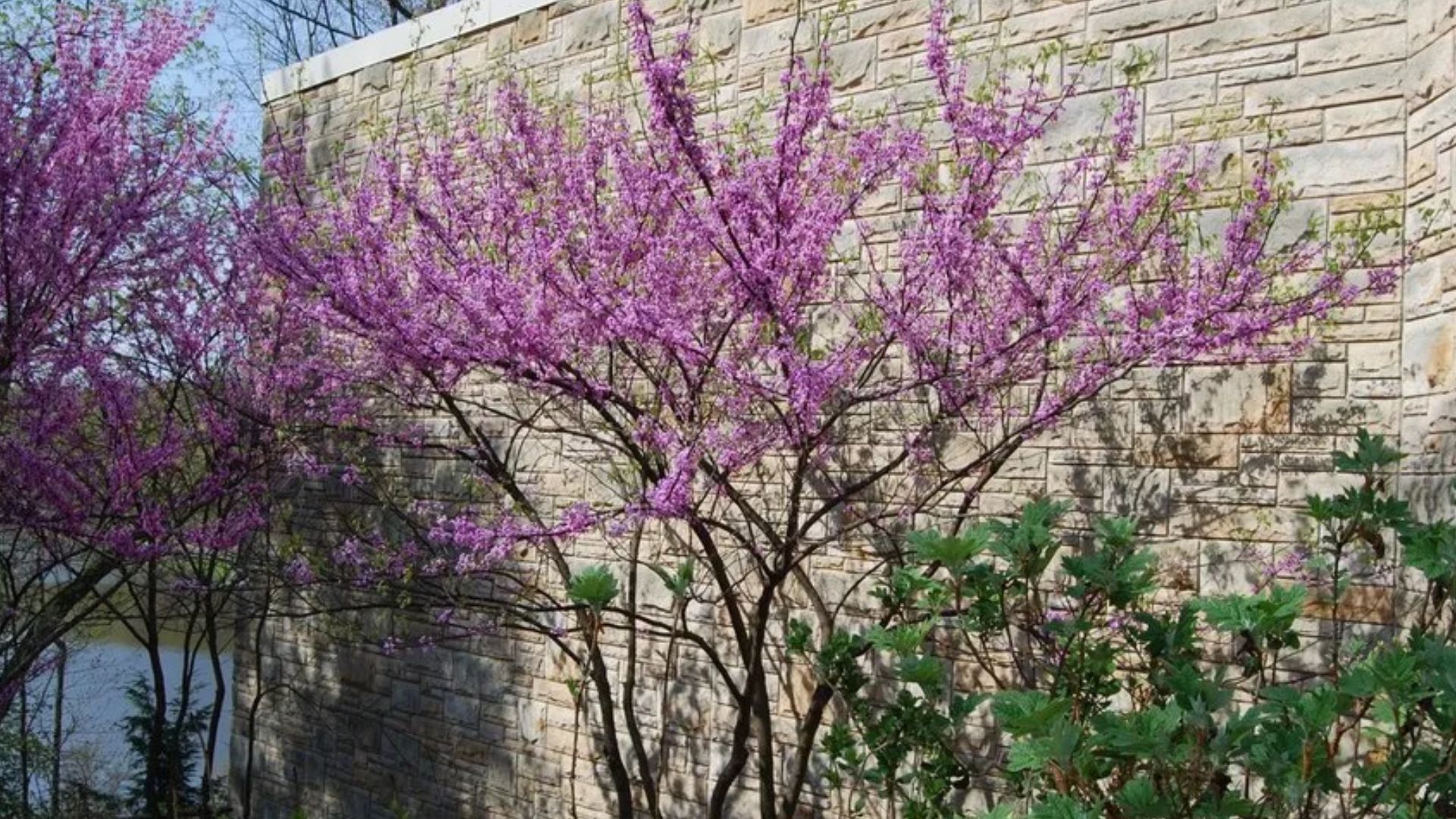
The Eastern Redbud stands out with its pink or lavender blooms that emerge in early spring. It has a vase-shaped, wide-spreading habit, making it a great fit for various garden settings.
Requiring both full and partial sun, Cercis canadensis is the scientific name. Its heart-shaped leaves turn yellow in the fall, offering year-round beauty and vibrant seasonal changes.
- Bloom Time: Spring
- Height: 15–25 feet
6. Star Magnolia
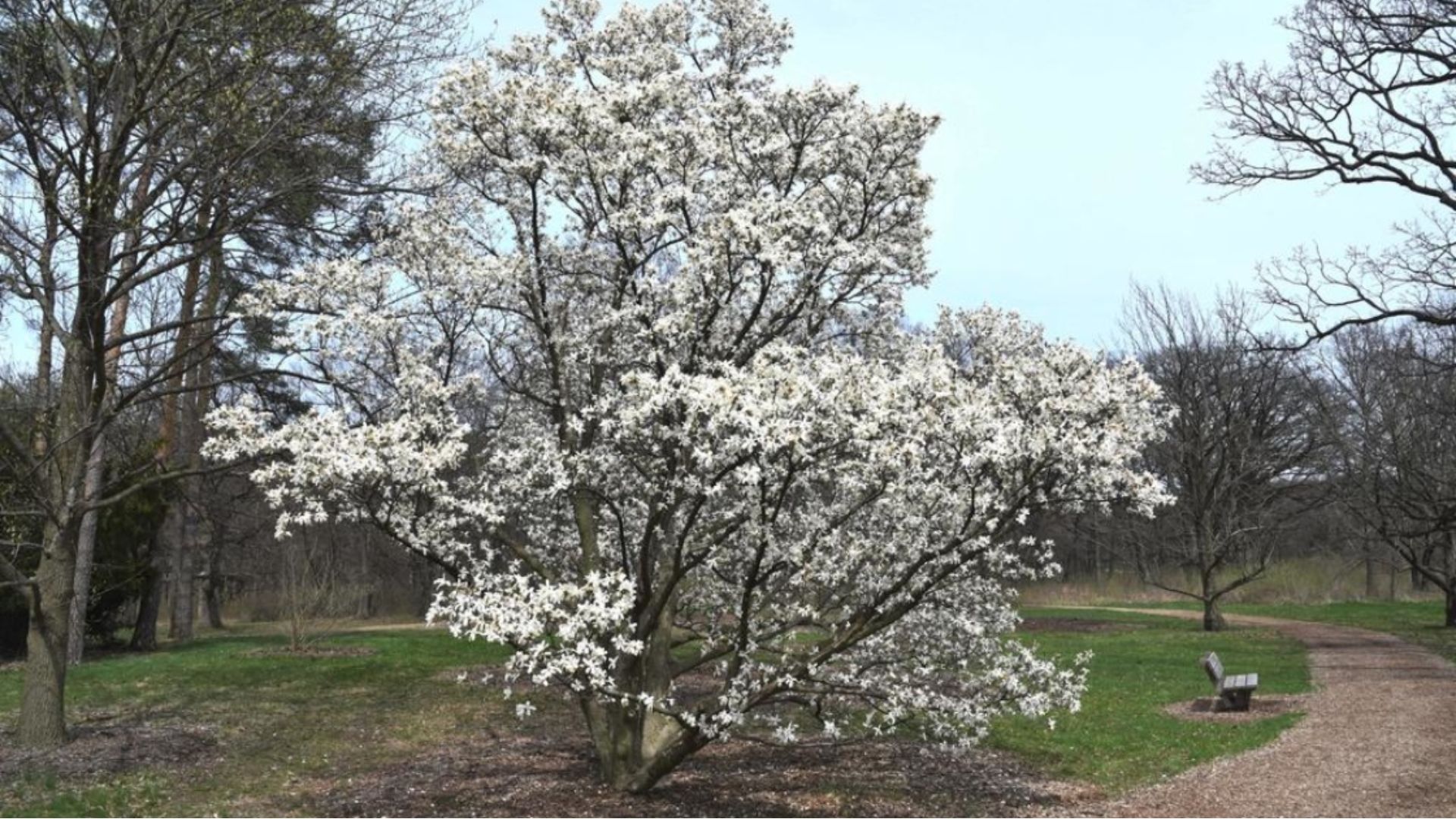
Star Magnolia boasts white or pale pink flowers that bloom early in the spring. Its upright, rounded growth makes it a great option for smaller gardens.
This tree does well in full sun or part shade, and its scientific name is Magnolia stellata. With its early blooms, it provides an eye-catching display, marking the arrival of spring with beauty and fragrance.
- Bloom Time: Early spring
- Height: 15–20 feet
7. Dogwood
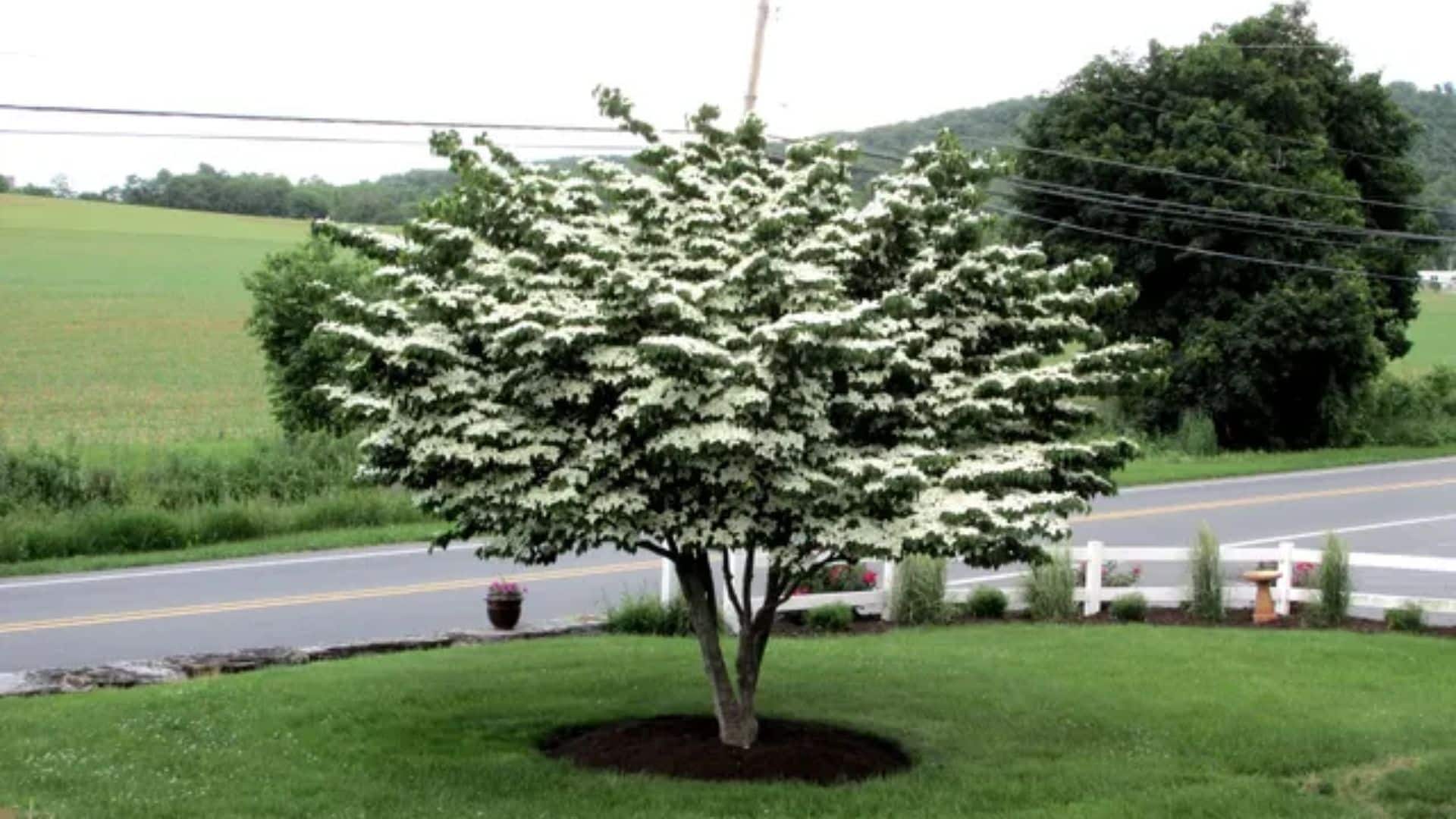
Dogwood (Kousa) is known for its star-shaped white or pink flowers and attractive red berries. It grows in a layered, spreading form, adding texture and visual interest.
Preferring full to part sun, Cornus kousa is its scientific name. Its late spring blooms and vibrant fruit make it a valuable addition to any garden, providing both beauty and wildlife benefits.
- Bloom Time: Late spring
- Height: 12–20 feet
8. Fringe Tree
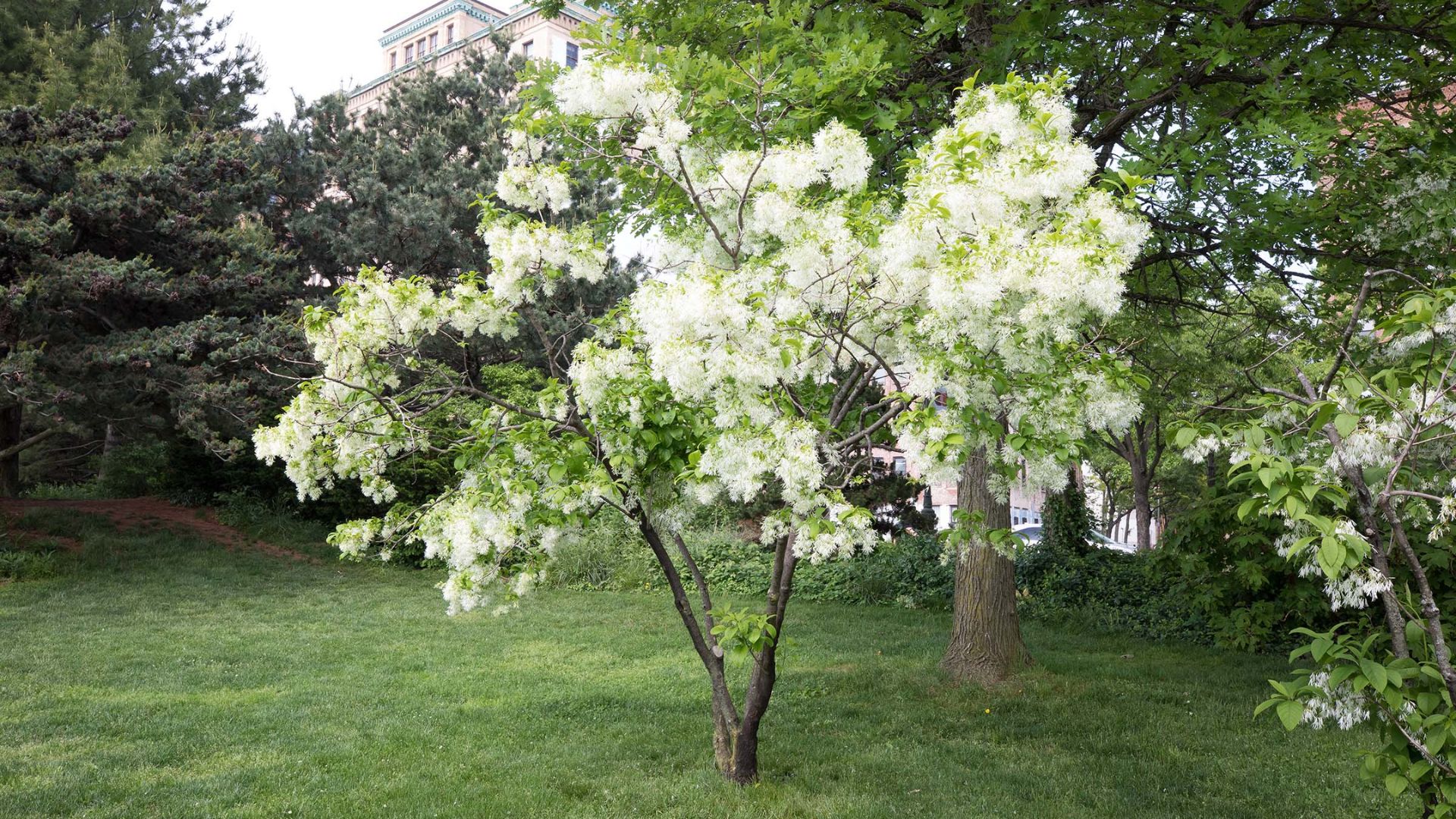
Fringe Tree features fragrant, white, fringe-like flowers that bloom in late spring. With an upright, spreading growth form, it brings grace to any landscape.
It flourishes in full to part sun and is scientifically named Chionanthus virginicus. Known for its unique appearance and pleasant scent, it adds a touch of grace while attracting pollinators to your garden.
- Bloom Time: Late spring
- Height: 12–20 feet
9. Serviceberry
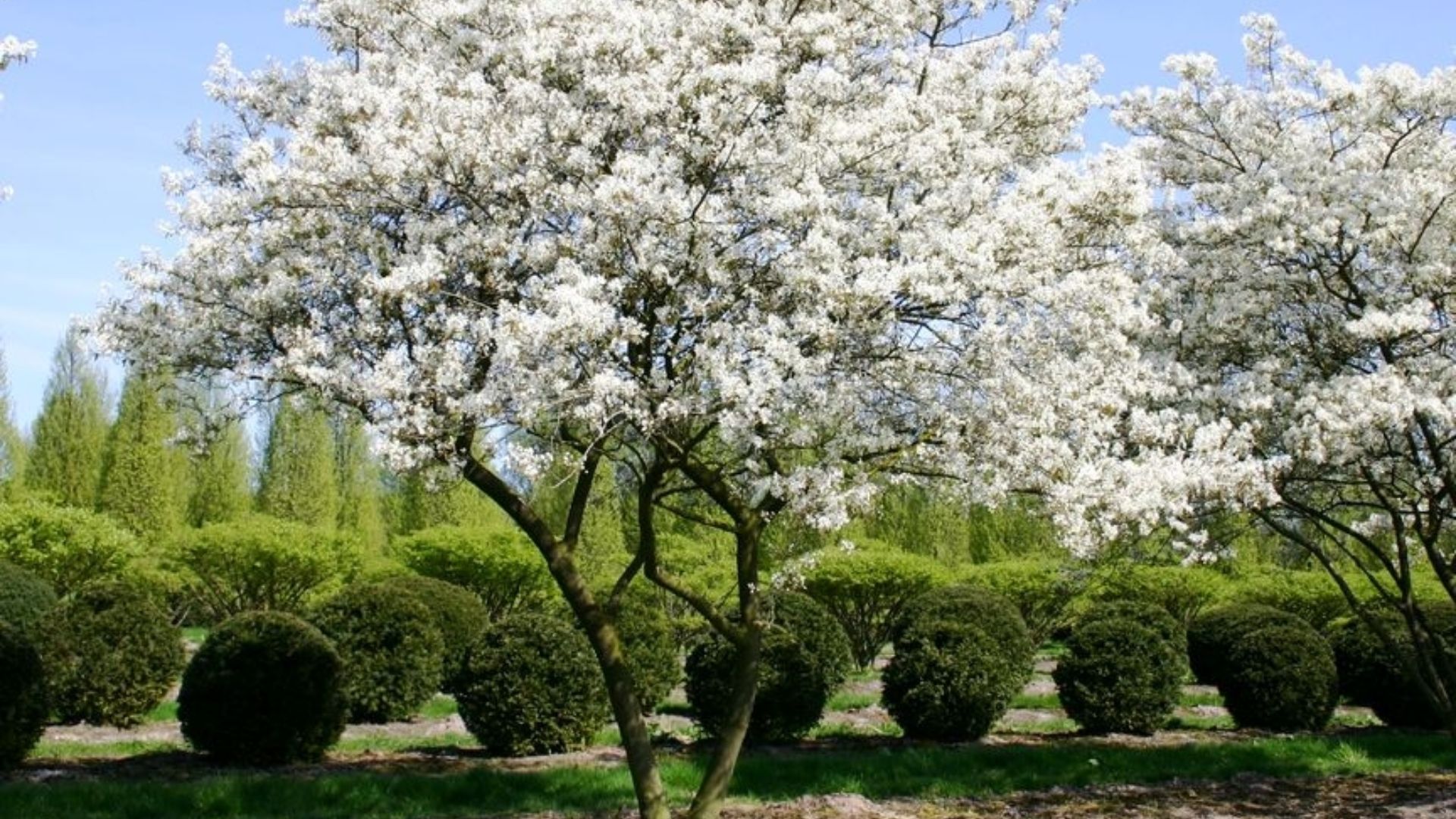
Serviceberry produces beautiful white flowers in early spring, followed by edible berries. Its upright oval shape makes it ideal for both ornamental and practical use.
It blossoms in whole or part sun, with its scientific name being Amelanchier spp. This tree offers seasonal interest, from spring blooms to summer fruit, and its fall foliage adds even more charm to your landscape.
- Bloom Time: Early spring
- Height: 15–25 feet
10. Pagoda Dogwood
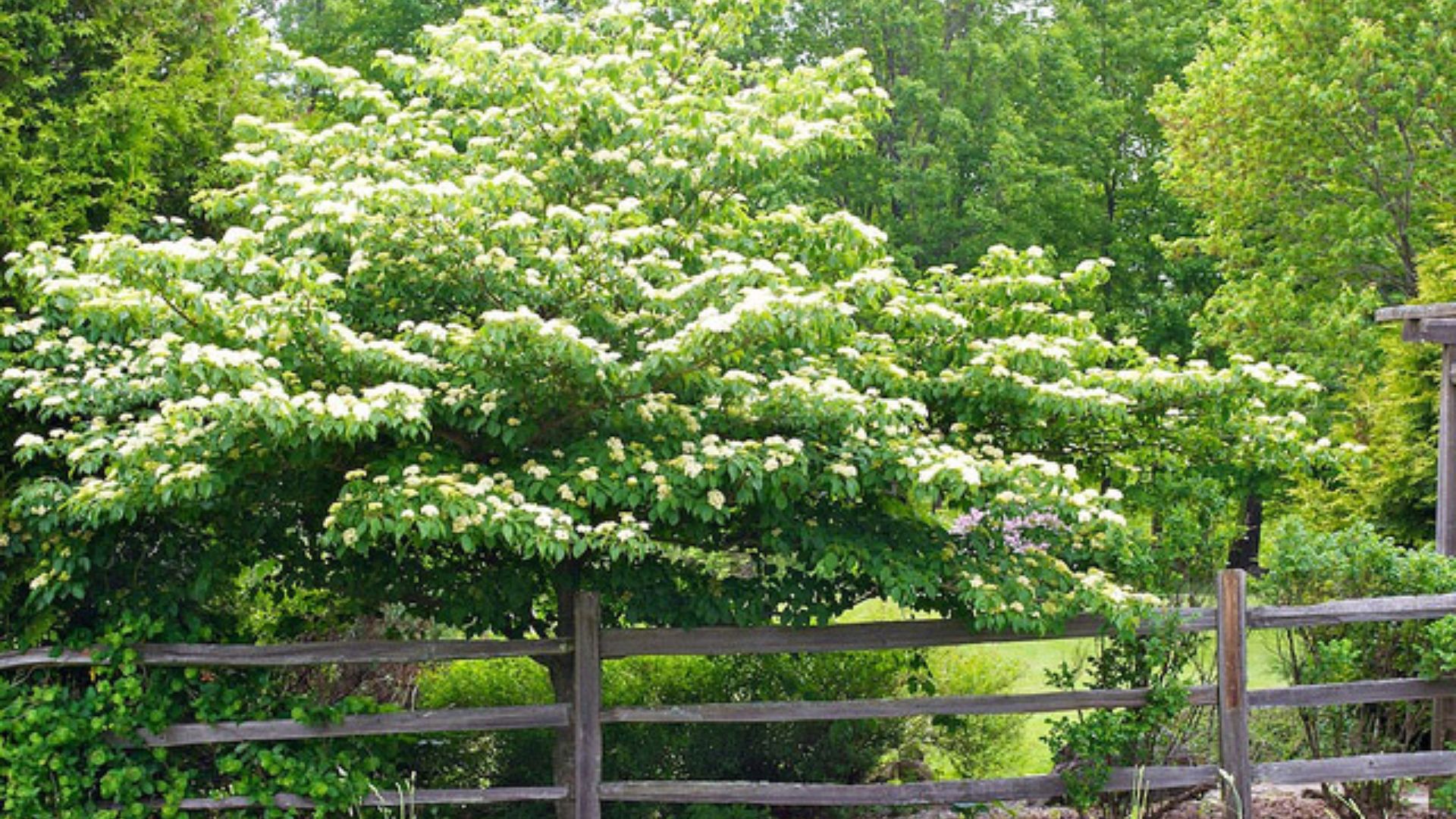
Pagoda Dogwood has layered branching and white blossoms that bloom in late spring. It grows in a horizontal, spreading form and prefers part shade. Cornus alternifolia is the scientific name.
Its unique branching structure adds visual interest year-round, and its early spring flowers bring a fresh touch to shaded gardens. This tree is perfect for adding grace to woodland landscapes.
- Bloom Time: Late spring
- Height: 10–15 feet
11. Japanese Tree Lilac
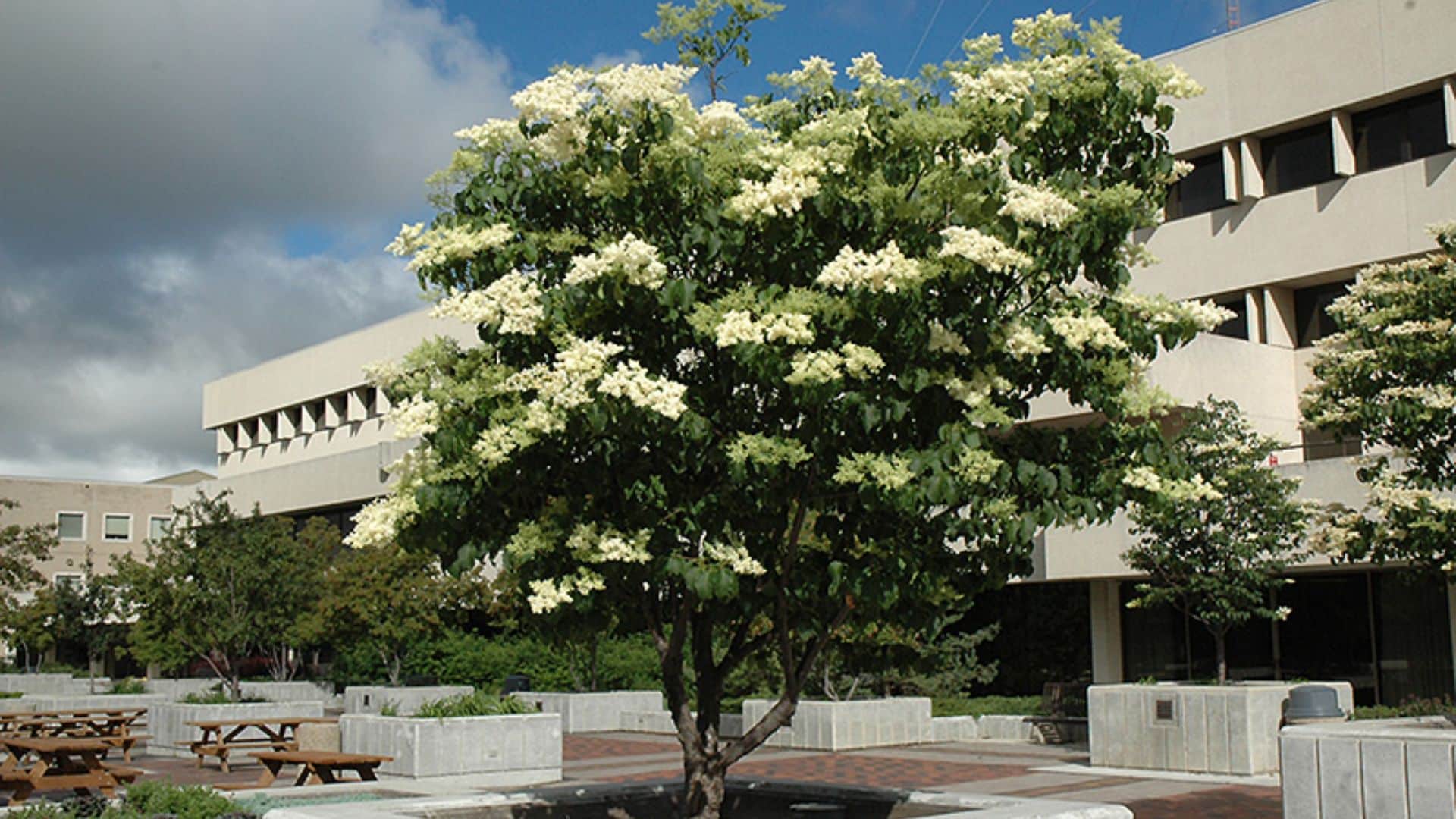
Japanese Tree Lilac features creamy white flowers that emit a pleasant fragrance in early summer. Its upright oval form is ideal for adding structure to landscapes. Preferring full sun, Syringa reticulata is the scientific name.
It offers both beauty and fragrance, making it a fantastic ornamental choice for gardens that need both scent and color throughout the summer.
- Bloom Time: Early summer
- Height: 15–20 feet
12. Weeping Higan Cherry
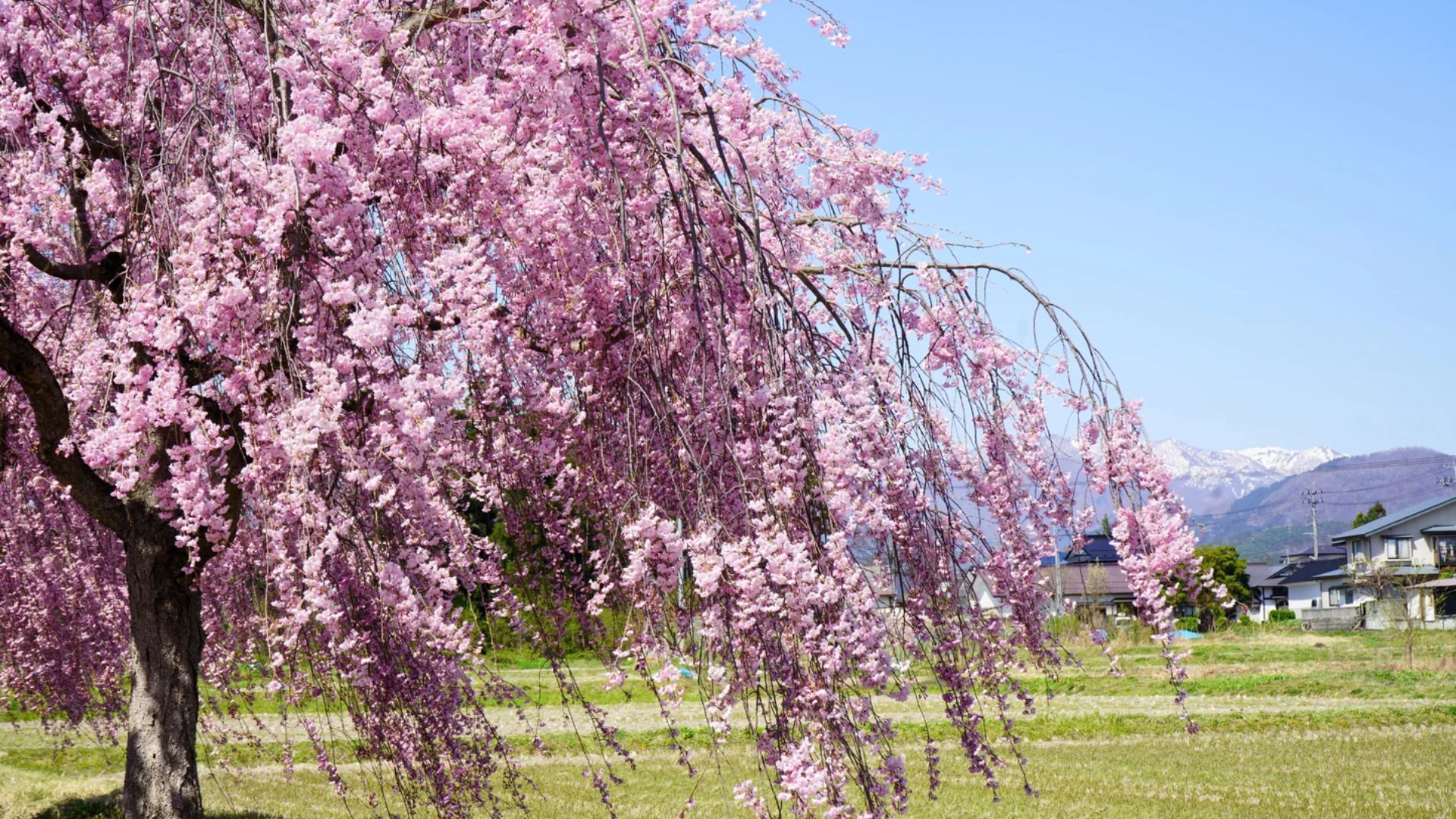
Weeping Higan Cherry is celebrated for its cascading pale pink flowers, which bloom in early spring. With a weeping growth form, it creates a graceful, flowing appearance in gardens.
It requires full sun and is scientifically known as Prunus × subhirtella. Its thin branches and striking flowers make it a perfect focal point in small spaces or as a unique landscape feature.
- Bloom Time: Early spring
- Height: 15–20 feet
13. Sweetbay Magnolia
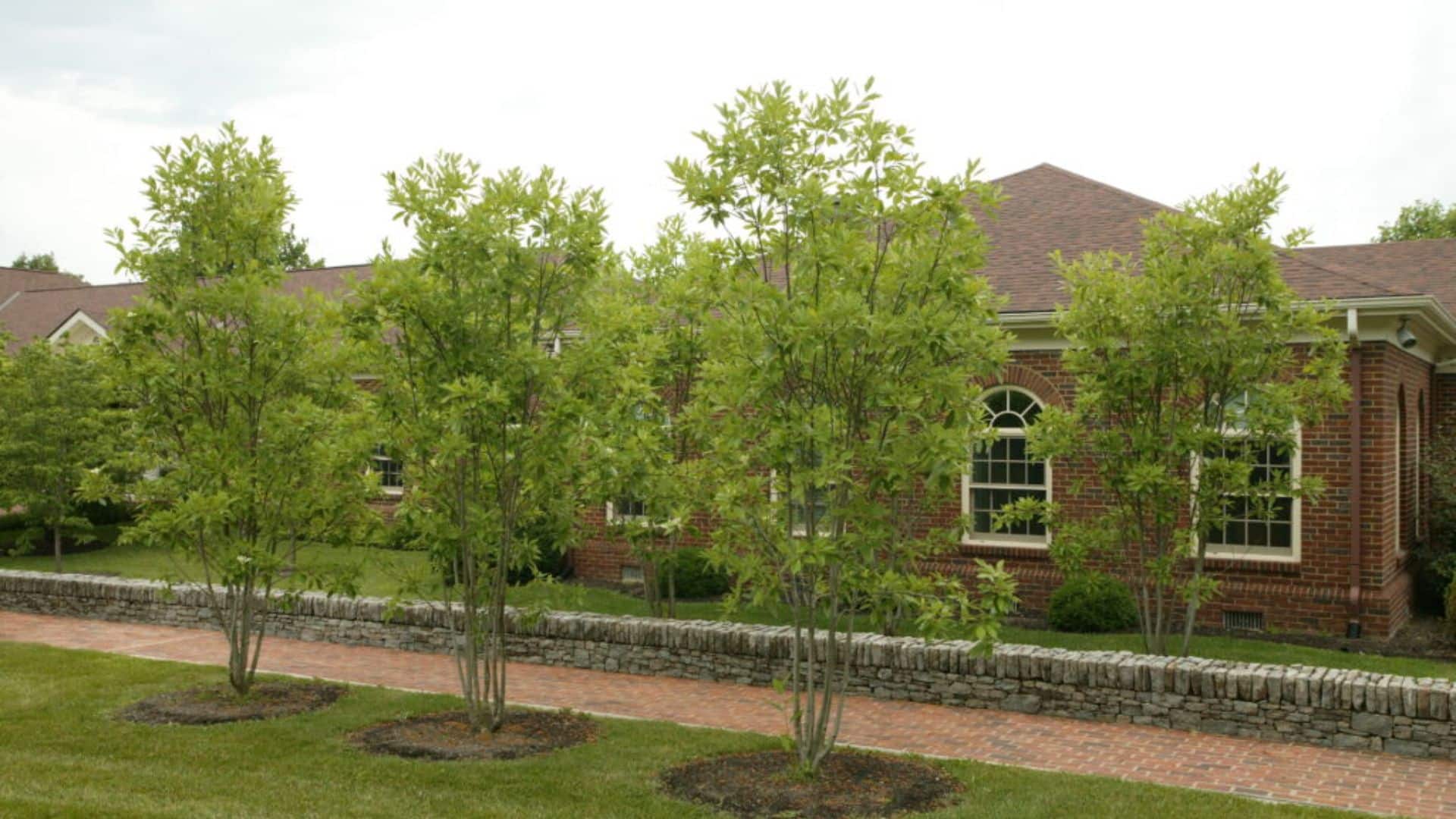
Sweetbay Magnolia has fragrant white flowers and semi-evergreen leaves, adding year-round interest. It grows upright in an oval shape, making it a versatile garden addition.
Preferring full to part sun, its scientific name is Magnolia virginiana. Known for its lovely blooms and pleasant scent, it also provides visual interest throughout the year, making it a great choice for low-maintenance gardens.
- Bloom Time: Late spring
- Height: 10–20 feet
14. ‘Winter King’ Green Hawthorn
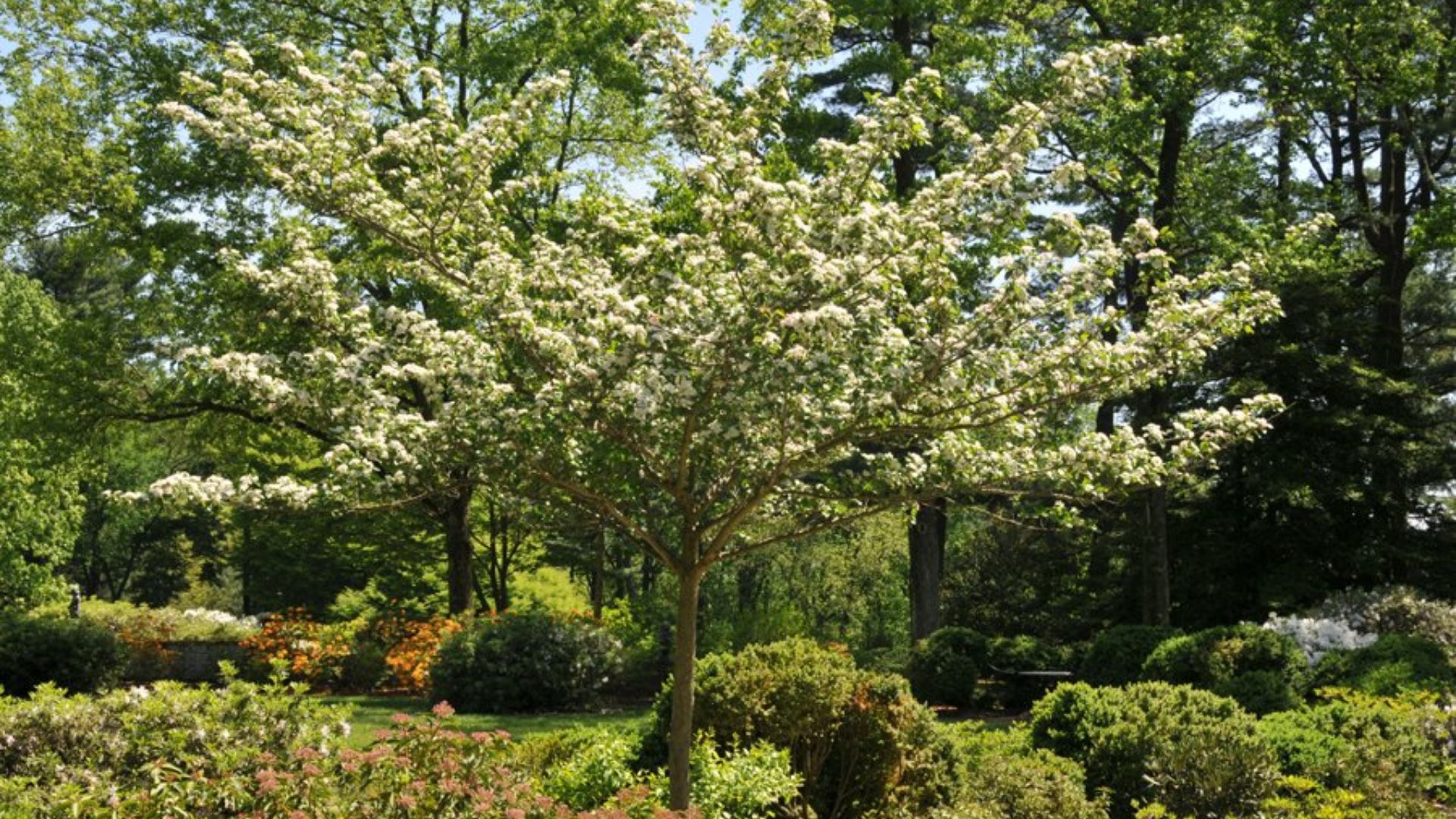
The ‘Winter King’ Green Hawthorn features glossy fruit and white flower clusters. It grows in a rounded form, perfect for small gardens or yards.
This needs full sun, and its scientific name is Crataegus viridis ‘Winter King’. It provides excellent seasonal interest, with spring blooms followed by vibrant fruit that lasts through the winter months.
- Bloom Time: Spring
- Height: 15–20 feet
15. Crabapple
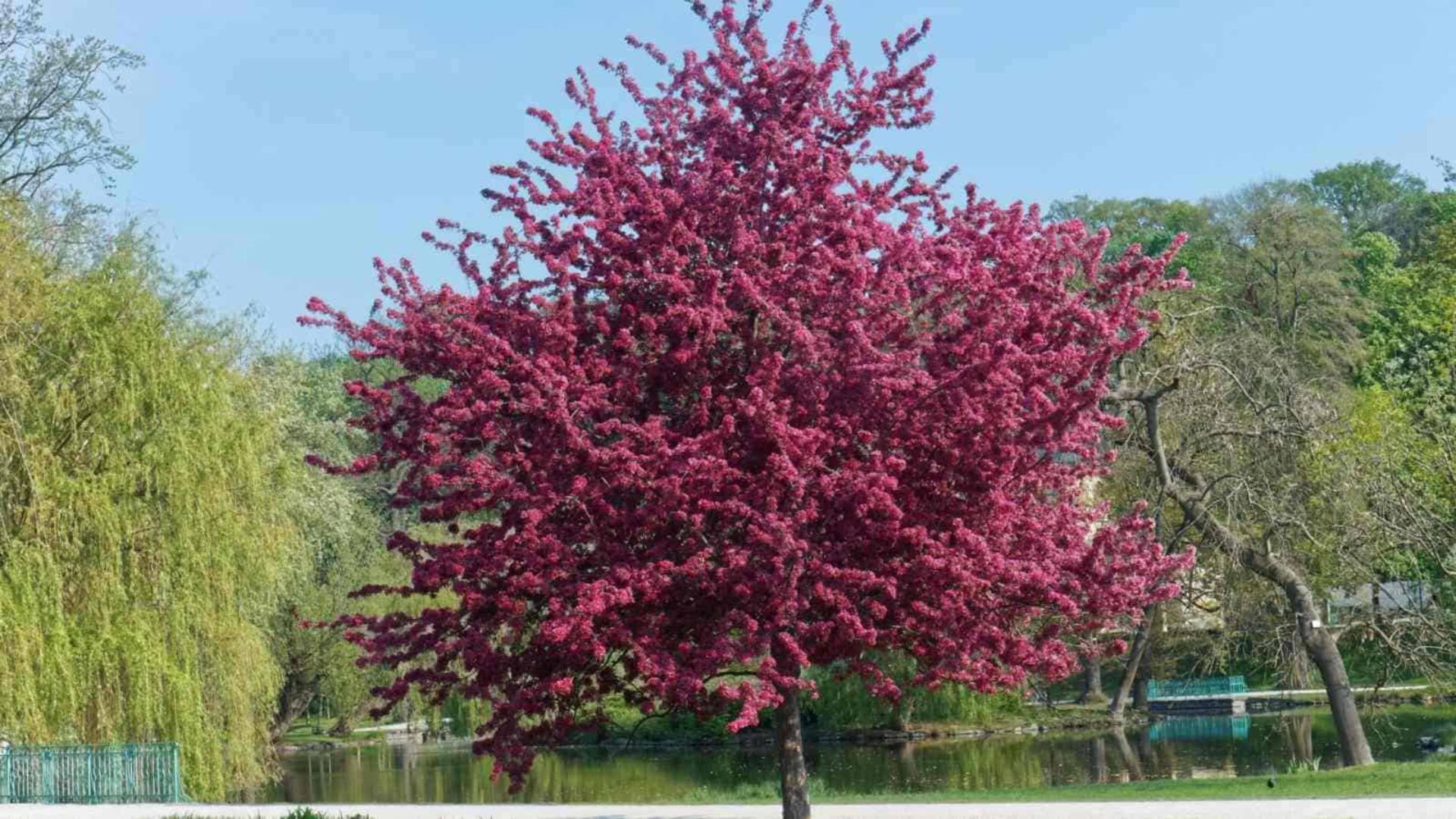
Crabapple is a popular tree with white or pink flowers and small edible fruit. It grows in a rounded, spreading form, making it ideal for adding interest to gardens.
Full sun is best for its growth, and its scientific name is Malus spp. With its colorful spring blooms and small, ornamental fruit, it’s a great choice for gardens that need both visual appeal and wildlife support.
- Bloom Time: Spring
- Height: 15–20 feet
16. Chaste Tree
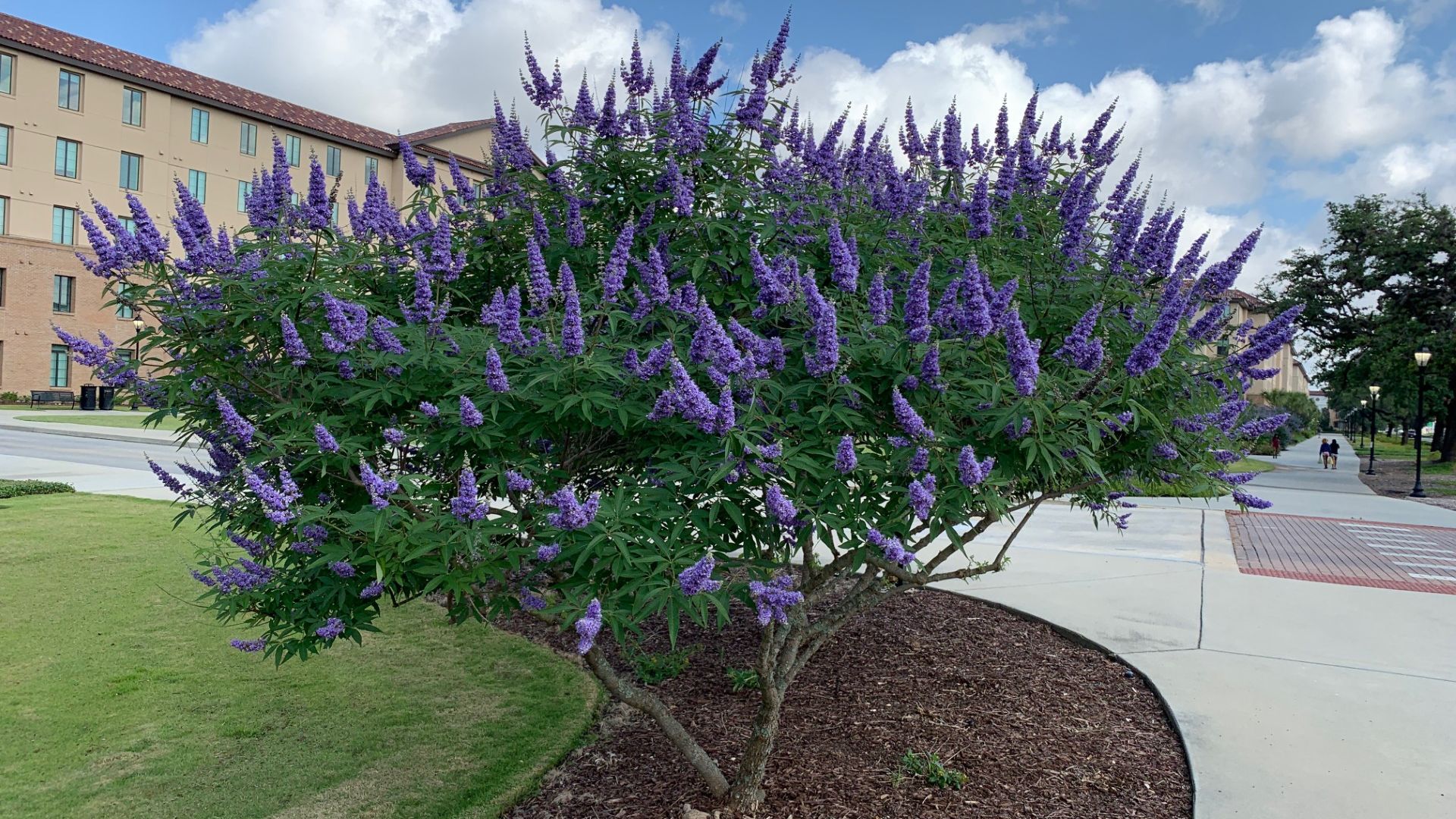
Chaste Tree features spikes of violet blooms and fragrant leaves, providing color and fragrance throughout the summer. It grows in a rounded, multi-trunked form and needs full sun.
Vitex agnus-castus is the scientific name. This tree not only offers beautiful flowers but also attracts bees and butterflies, making it perfect for gardeners who enjoy pollinator-friendly plants.
- Bloom Time: Summer
- Height: 10–20 feet
17. Panicle Hydrangea
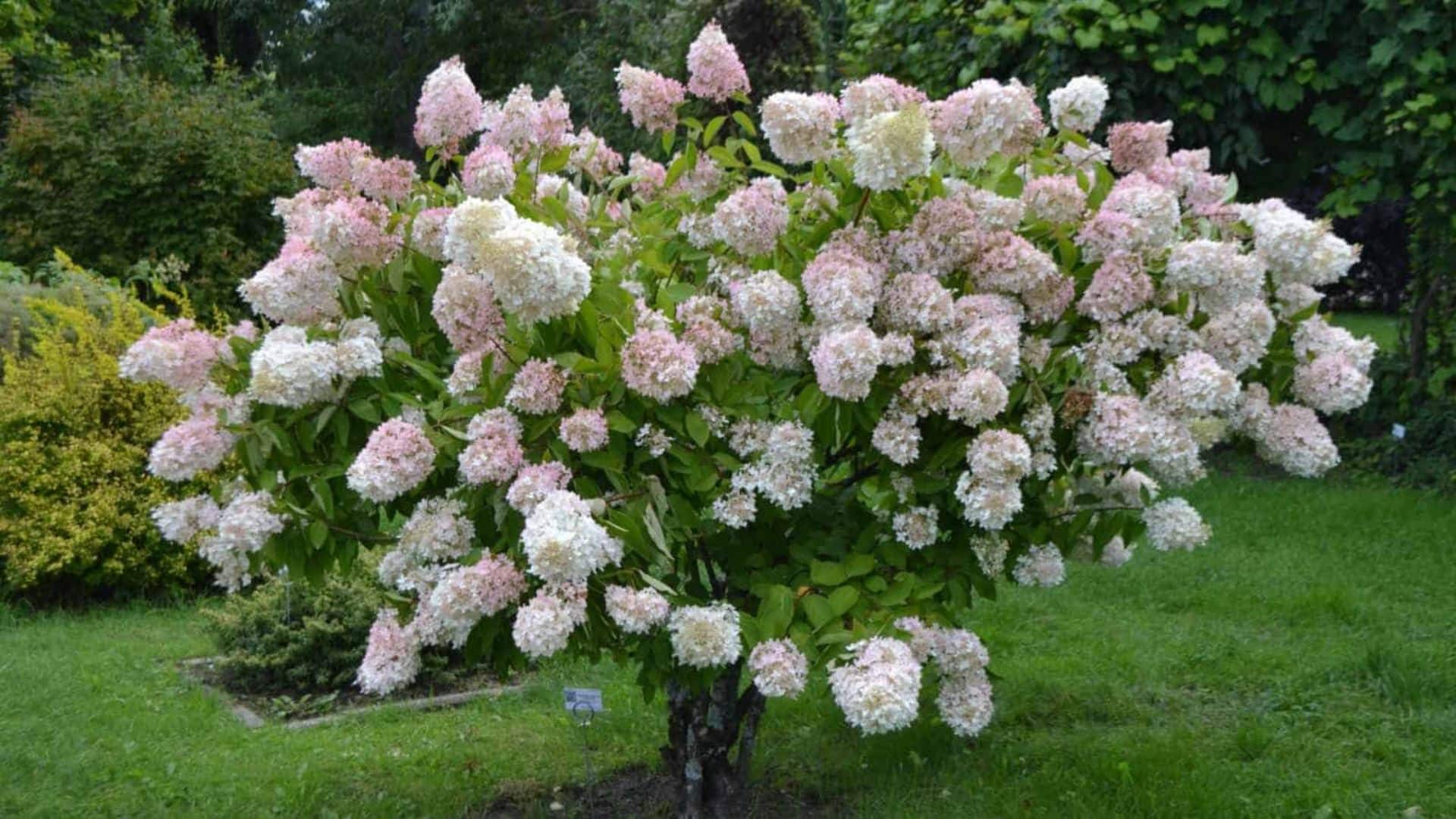
Panicle Hydrangea has pink to white conical blooms that stand out in any garden. It grows upright and spreads, making it perfect for borders or as a focal point.
Full to part sun suits it best, and Hydrangea paniculata is its scientific name. This tree adds a unique texture with its conical blooms, lasting well into late summer for prolonged color and interest.
- Bloom Time: Mid-late summer
- Height: 8–15 feet
18. Witch Hazel
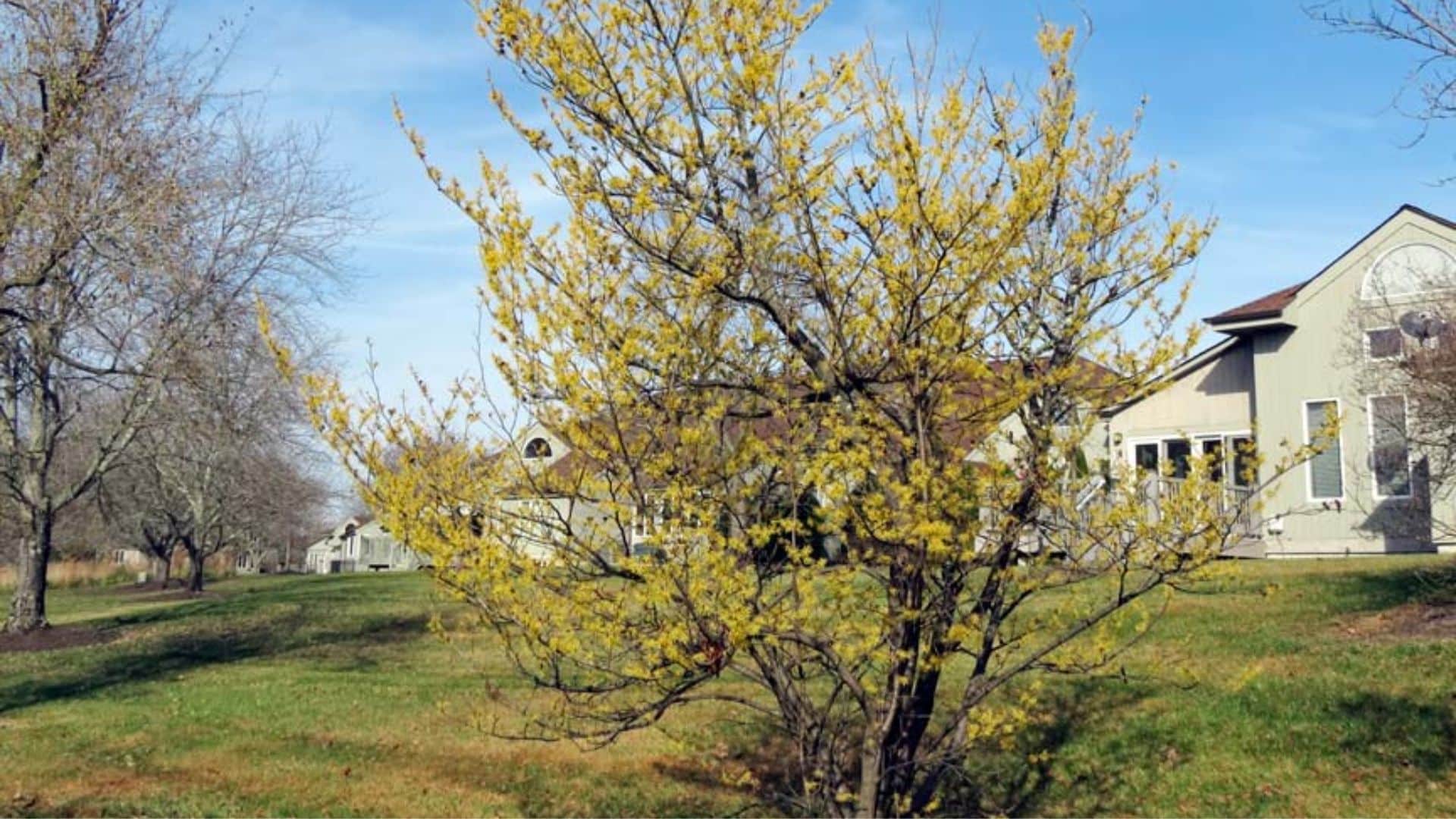
Witch Hazel is a winter-blooming tree known for its strap-like yellow or red flowers. It has a spreading, irregular form, flourishing in both full sun and part shade. Hamamelis virginiana is the scientific name.
It brightens up the winter months with its unique blooms, offering a splash of color and fragrance when most other trees are dormant.
- Bloom Time: Winter
- Height: 10–20 feet
19. Snowbird Hawthorn
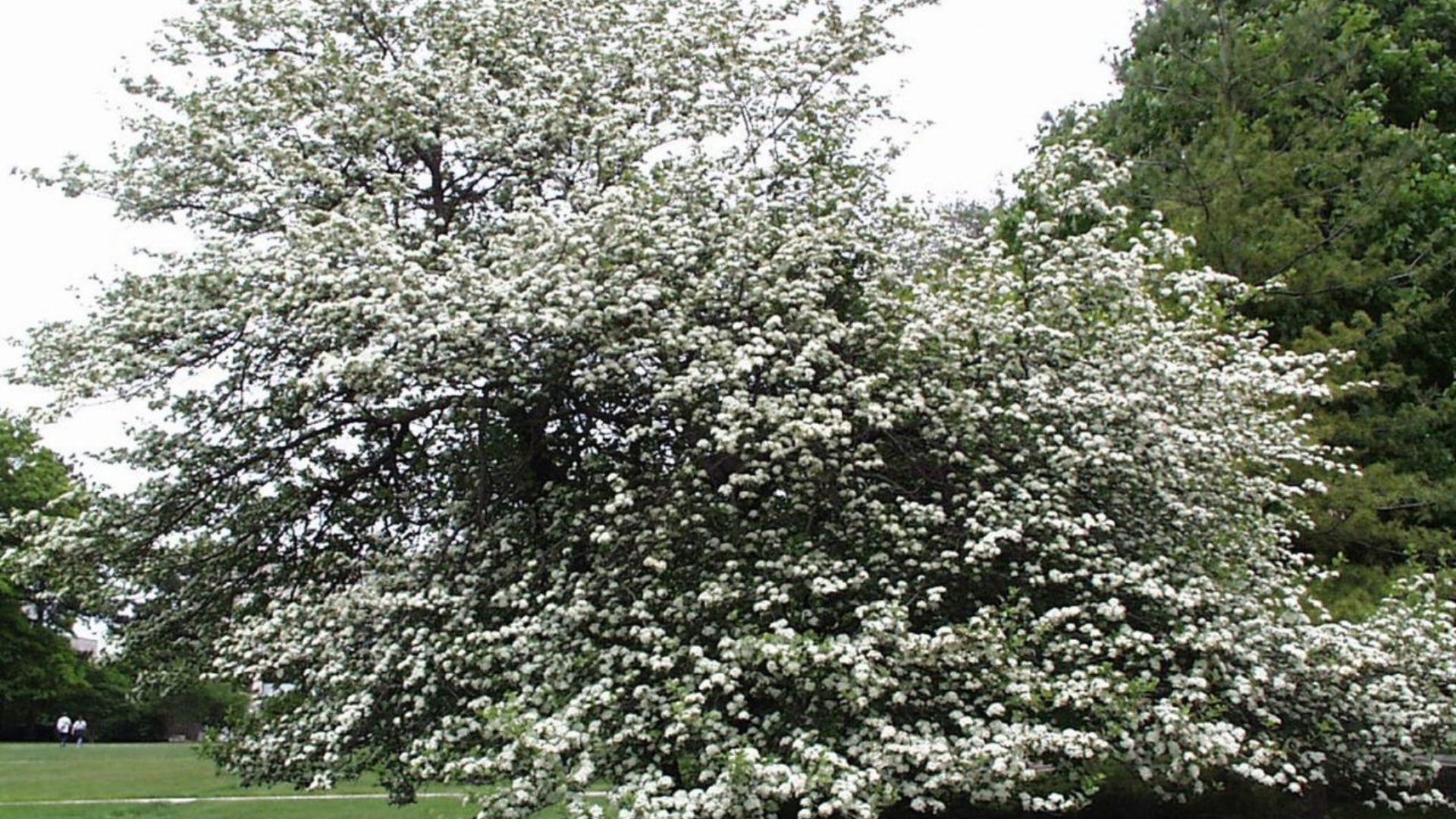
Snowbird Hawthorn has white flowers and small red fruit. Its upright, rounded growth form makes it ideal for gardens needing vertical interest. It grows best in full sun, with its scientific name being Crataegus x mordenensis.
This provides striking spring blooms and attractive fruit, with a thornless nature, making it a safe and visually pleasing choice for gardens with foot traffic.
- Bloom Time: Spring
- Height: 12–15 feet
20. Red Buckeye
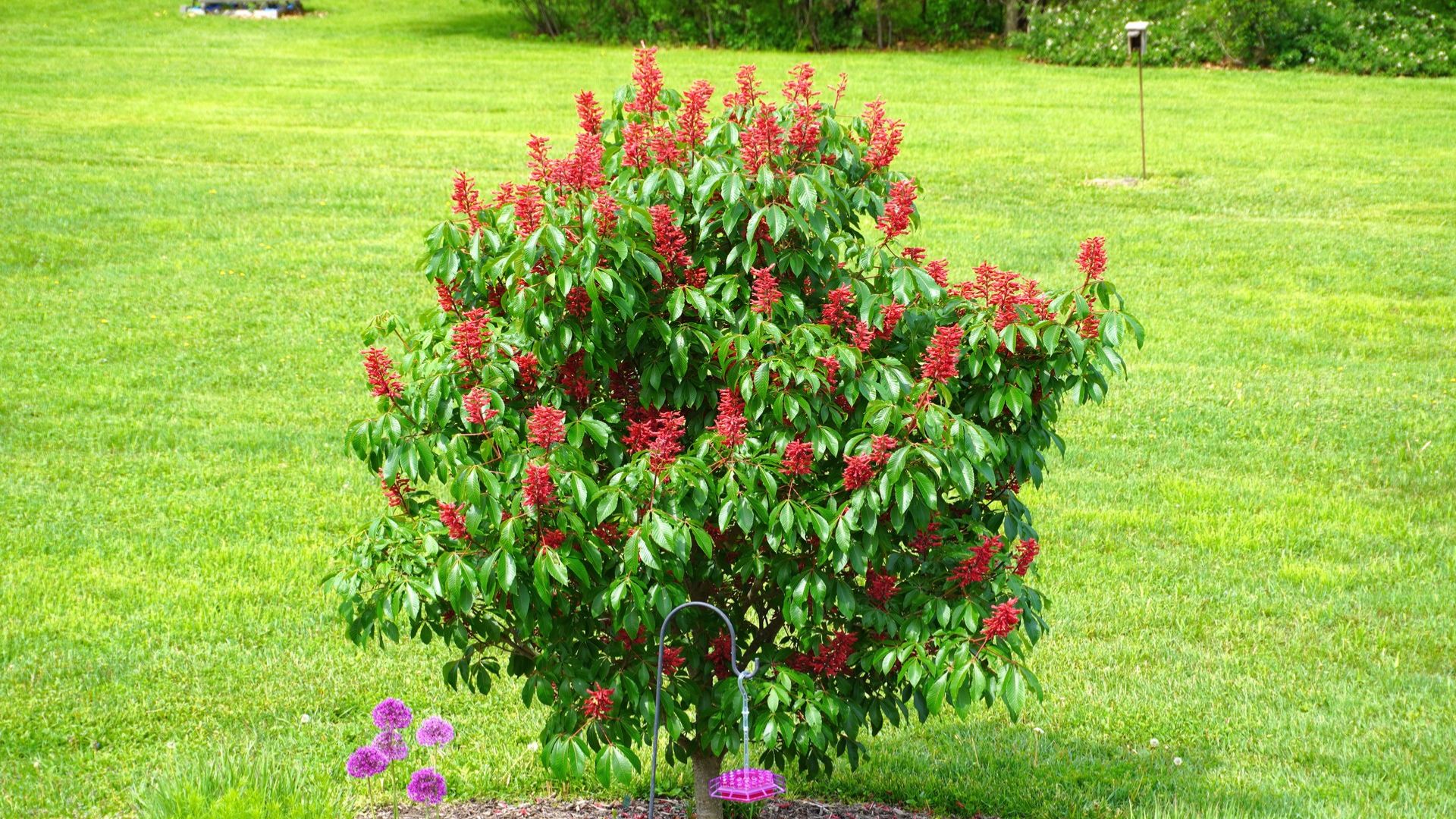
Red Buckeye has red trumpet flowers that attract hummingbirds. It grows in a compact, rounded form, perfect for smaller gardens or as an accent tree. It requires full or partial sun, and the scientific name is Aesculus pavia.
Its early spring blooms bring a burst of color and provide nectar for pollinators, making it a great choice for wildlife-friendly gardens.
- Bloom Time: Spring
- Height: 10–15 feet
21. Dwarf Korean Lilac
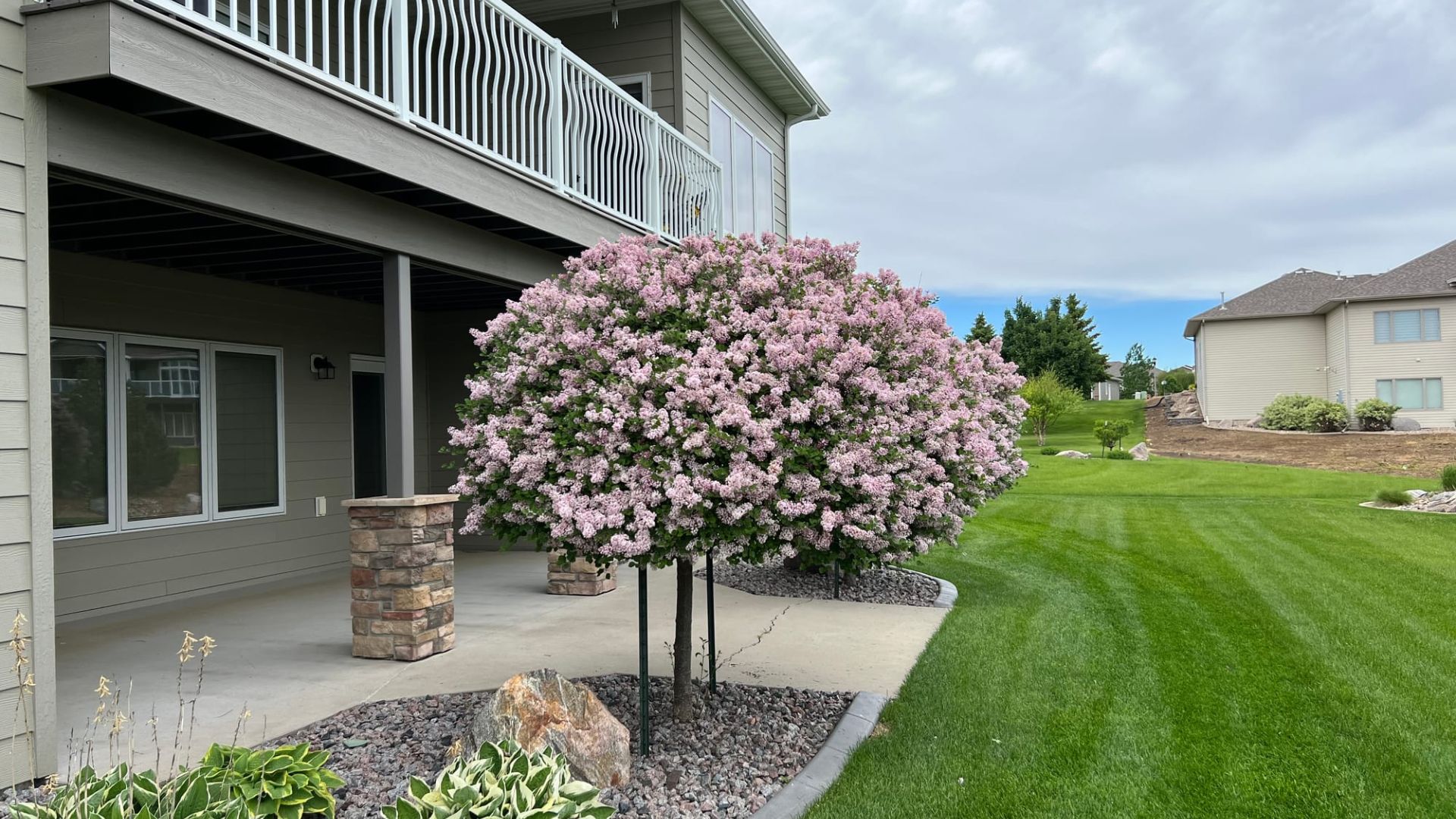
Dwarf Korean Lilac produces lavender-pink flowers in late spring, adding a burst of color to your garden. Its compact growth habit makes it perfect for small spaces. It flourishes in full or part sun, and Syringa meyeri ‘Palibin’ is its scientific name.
This lilac variety is a great option for gardeners who want a fragrant, low-maintenance tree that provides beautiful blooms in a small footprint.
- Bloom Time: Late spring
- Height: 6–8 feet
22. Lavender Twist Redbud
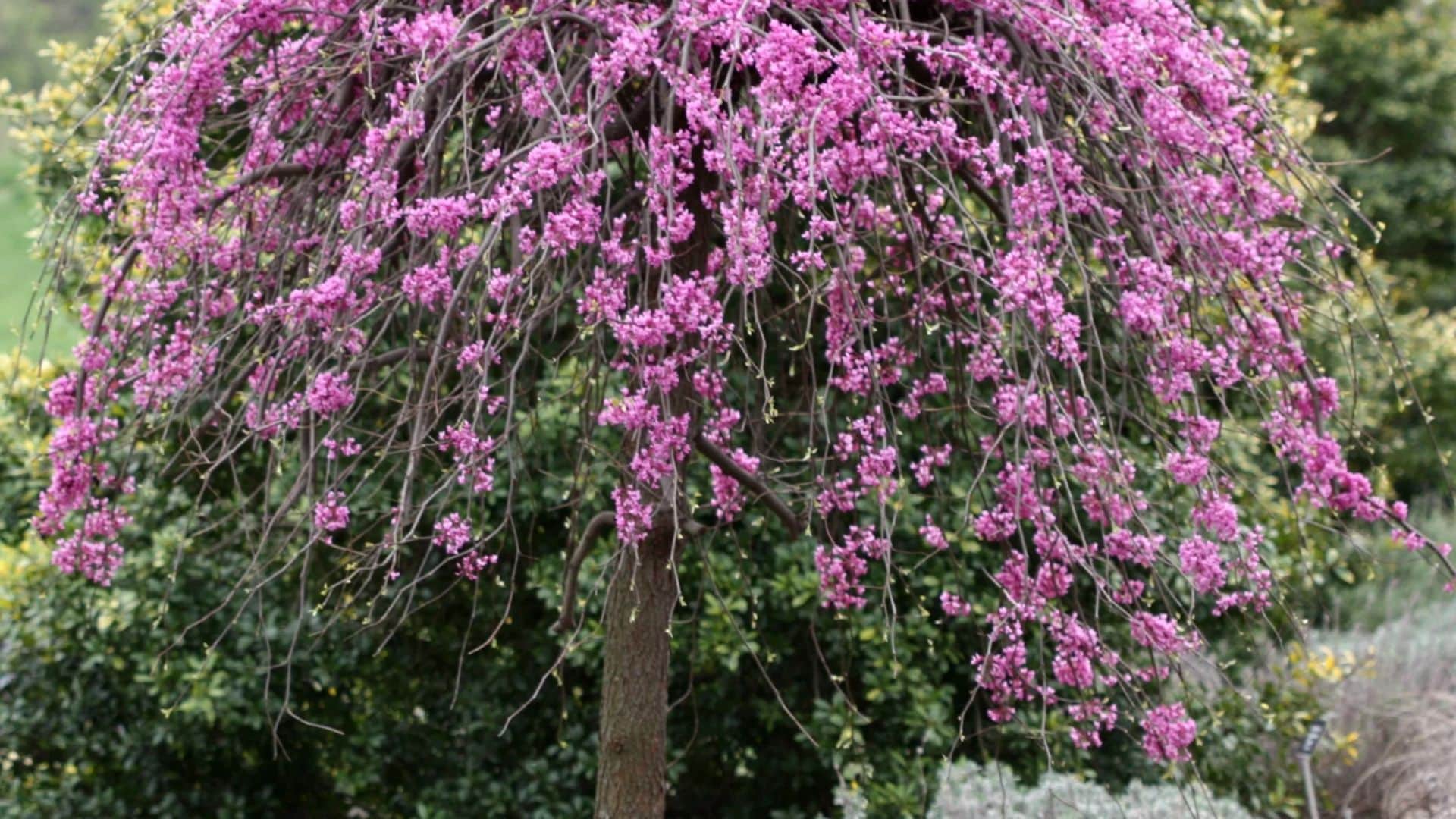
Lavender Twist Redbud features twisted branches and magenta flowers in early spring. Its weeping form makes it a unique garden feature. It prospers in full or part sun, and Cercis canadensis ‘Covey’ is the scientific name.
This is perfect for smaller gardens, providing a striking focal point with its unusual form and beautiful early blooms.
- Bloom Time: Early spring
- Height: 5–10 feet
23. Amur Maple
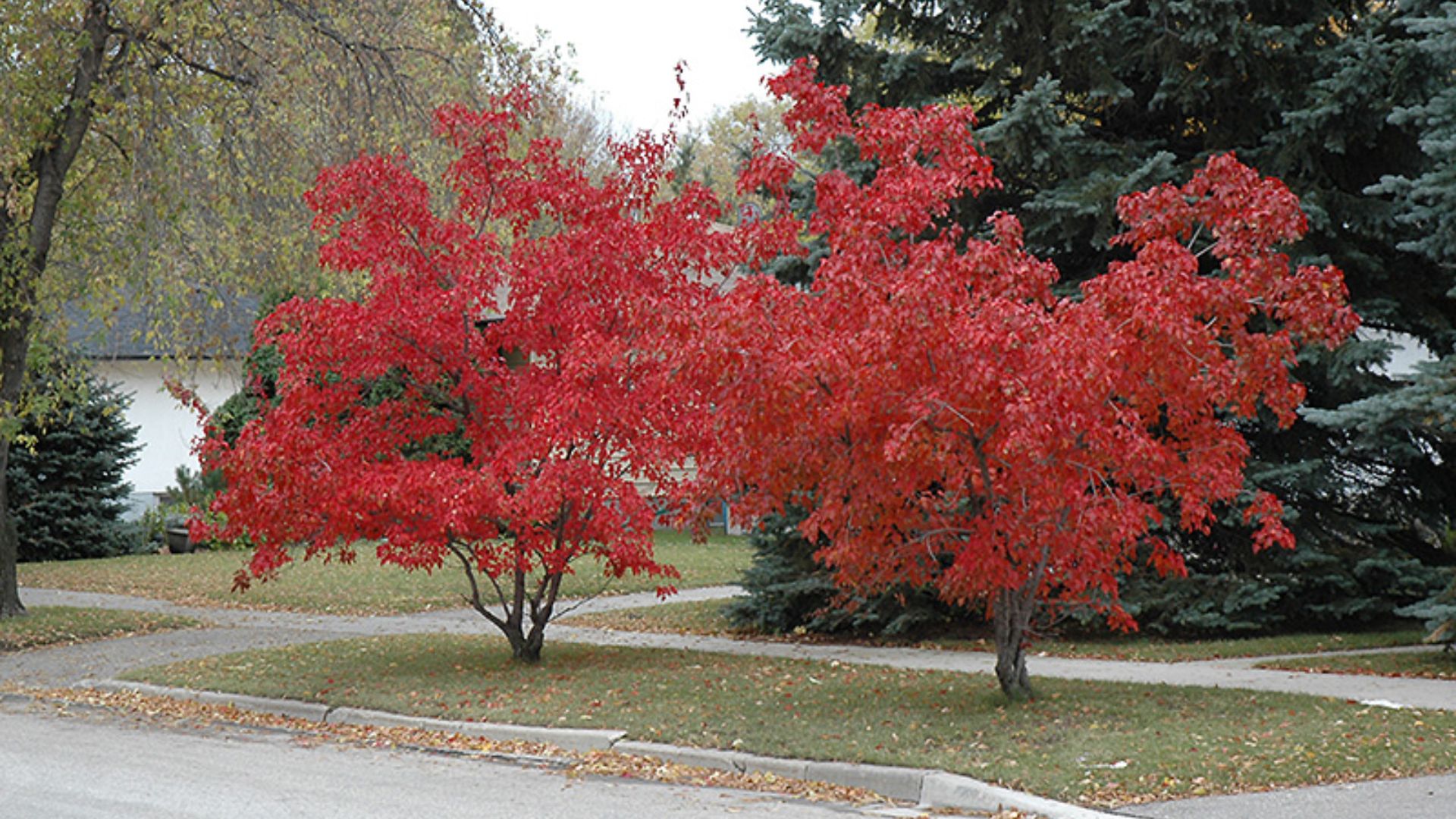
Amur Maple is known for its brilliant red fall color. It has an upright, rounded form, making it suitable for a variety of garden styles. It prefers full sun, and its scientific name is Acer ginnala.
Amur Maple offers vibrant autumn hues and is hardy enough to prosper in many climates, making it a versatile and low-maintenance addition to your landscape.
- Bloom Time: Spring
- Height: 15–20 feet
Key Considerations Before Planting Small Trees in Your Front Yard
Choosing the right small tree starts with understanding your yard’s unique characteristics. Planning ahead helps avoid mistakes and ensures your trees flourish in the long run.
First, assess how much sunlight your front yard receives throughout the year. Some trees need full sun, while others blossom in shaded areas, so matching the tree’s light requirements is key.
Consider your soil type too. Some trees prefer well-drained soil, while others can tolerate clay. Observe how water drains after a heavy rain or test your soil to gauge its drainage.
Finally, think about the mature size of the tree. Even small trees can outgrow tight spaces, so consider factors like power lines, sidewalks, and your home’s foundation when selecting the perfect planting spot.
Planting and Caring for Small Trees in Your Front Yard
Getting your small tree properly established is key to its long-term success. Follow these essential care steps to ensure your tree blossoms:
- Dig a hole: Make it twice as wide as the root ball, but only as deep as the height of the container.
- Water deeply: Water once or twice a week to encourage deep roots, avoiding shallow daily watering that can promote surface roots.
- Mulch around the base: Apply 2-3 inches of mulch, but keep it away from the trunk to prevent rot.
- Prune carefully: Remove dead, damaged, or crossing branches in late winter while the tree is dormant.
- Monitor for signs of trouble: Yellowing leaves, wilting, or unusual spots could indicate watering issues or diseases.
By following these steps, your tree will flourish, adding beauty and value to your front yard for years to come.
Final Thoughts
Now you know exactly which small trees are perfect for front yard landscaping, delivering maximum impact without taking over your space. These compact beauties not only enhance your curb appeal but also provide year-round beauty and seasonal interest, with low-maintenance care.
Small trees are the perfect solution for creating natural beauty without overwhelming your front yard. You’ll enjoy shade, flowers, vibrant fall colors, and wildlife benefits, all in a perfectly sized package.
Each tree I’ve shared has unique features suited to different growing conditions, making them ideal for front yards. Your neighbors will take notice of the instant upgrade these trees bring to your home’s appearance.
Ready to convert your front yard with one of these lovely trees? Share your favorite choice in the comments!