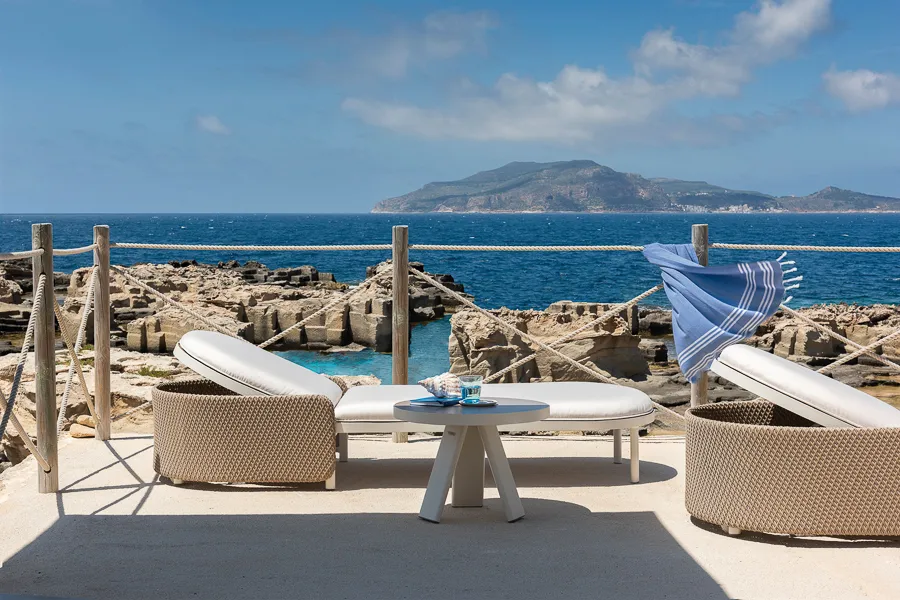
Coastal environments offer some of the most beautiful outdoor settings, from hotel terraces with ocean views to resort pool decks and restaurant patios overlooking the water. Yet these locations also present the toughest conditions for outdoor furniture. Salt air, humidity, intense sunlight and shifting temperatures can quickly break down materials not designed for this type of exposure.
This is why designers, architects and hospitality procurement teams rely heavily on contract-grade coastal materials engineered for strength and longevity. Many of the best-performing examples come from trade-only manufacturers that specialize in commercial outdoor seating, such as Walters Wicker and the company’s outdoor division,Walters Outdoor. Their collections demonstrate what it takes for furniture to thrive near coastlines and support the demands of modern hotels, resorts and large residential communities.
Here are the materials that consistently perform best in coastal hospitality environments and why they remain essential for designers planning long-lasting outdoor spaces.
1. Teak: The benchmark for natural wood performance
Teak has long been considered the industry standard for outdoor environments, especially in coastal regions. Its natural oils and dense grain help resist water absorption, making it one of the few woods that performs reliably under high humidity and salt exposure.
Teak supports:
- Hotel poolside seating
- Guestroom and suite balcony furniture for hotels
- Restaurant patios near the ocean
- Outdoor lounges in tropical climates
Because the wood ages into a soft silver patina, properties maintain a warm, natural look without intensive finishing requirements. Many hospitality-focused manufacturers, including Walters Outdoor, rely on teak as a primary material due to its long-term stability.
Why teak excels in coastal environments:
- Resistant to moisture and rot
- Withstands UV exposure
- Maintains structural integrity over years of use
- Offers natural aesthetic warmth
For commercial installations, teak combines luxury and longevity better than any other natural wood.
2. Powder-coated aluminum: Corrosion-resistant and lightweight
Salt air is one of the most corrosive environmental factors affecting outdoor furniture. Aluminum offers a reliable solution because it does not rust, making it ideal for oceanfront hotels, rooftop decks in humid regions and resort patios exposed to frequent spray or mist.
Powder-coated aluminum is widely used for:
- Commercial outdoor seating
- Hotel dining chairs and tables
- Poolside lounge frames
- Lightweight balcony furniture for hotels
The powder-coat finish adds a protective barrier, improves color retention and reduces surface wear. This combination of benefits makes aluminum a dependable option for areas where salt and humidity are unavoidable.
Key advantages:
- Corrosion resistance
- Easy to move and rearrange
- Works well with modern design aesthetics
- Performs well in high-humidity climates
Because it pairs beautifully with teak, rope and woven materials, aluminum often anchors mixed-material coastal collections.
3. High-performance rope: Soft texture with strong weather resistance
Modern rope used in commercial outdoor furniture is engineered to handle demanding conditions. Although soft in appearance, it performs exceptionally well in coastal settings due to its ability to dry quickly and resist fading.
Designers use rope for:
- Lounge seating backrests
- Arm detailing
- Barstools and dining chairs
- Modern silhouettes with softer edges
When used correctly, performance rope adds texture and warmth without absorbing water or losing tensile strength.
Why rope is effective near the coast:
- Fast drying and UV resistant
- Retains shape under heavy use
- Comfortable and visually inviting
- Works well in both casual and luxury environments
This material appears throughout collections from Walters Outdoor because it supports both aesthetic refinement and coastal performance.
4. All-weather woven materials: Natural look, engineered durability
Many designers love the look of natural wicker but need reliability that wicker cannot provide outdoors. All-weather woven fibers solve this problem by offering the visual warmth of wicker with the durability of synthetic materials engineered for environmental exposure.
All-weather woven materials thrive in:
- Resort lounge seating
- Coastal restaurant terraces
- Outdoor bar and café areas
- Poolside environments with direct sun
These woven fibers maintain their color, shape and structure even after long periods of use, which is essential for hospitality operators who depend on consistent guest experiences.
Benefits include:
- No cracking or fraying
- Handles humidity and moisture
- Easy to maintain
- Versatile for both modern and traditional settings
The woven craftsmanship seen in the work of Walters Wicker shows how advanced weaving techniques can elevate commercial outdoor furniture.
5. Performance fabrics and cushions designed for coastal use
In high-sun, high-humidity regions, the right fabric selection is just as important as the frame. Performance textiles used in commercial outdoor seating are engineered to resist fading, dry quickly and stay comfortable even after prolonged exposure.
Hospitality designers look for:
- UV-resistant fibers
- Quick-dry foam interiors
- Breathable weaves
- Mold-resistant constructions
Performance cushions help maintain comfort in hotel poolside seating and dining chairs while ensuring operational reliability for hotel and resort staff.
6. Stainless steel hardware and reinforcements
The materials visible on the surface matter, but hardware is just as important in determining long-term stability. Coastal environments quickly degrade untreated metal components. Commercial-grade furniture relies heavily on stainless steel hardware to prevent rust, staining or structural weakening.
Stainless steel supports:
- Reinforced joinery
- Long-term safety
- Smooth mechanical performance
- Structural reliability
This is especially important for resort properties where guest safety and stability are paramount.
Why commercial-grade materials matter most
Hospitality properties cannot depend on residential-grade furniture near coastlines. High guest traffic, constant exposure and operational demands make commercial materials essential for long-term performance.
Contract-grade coastal materials offer:
- Lower replacement frequency
- Reduced maintenance
- Consistent appearance across seasons
- Better alignment with brand standards
- Higher guest satisfaction
Manufacturers such as Walters Wicker provide valuable examples of how materials like teak, aluminum, rope and woven fibers can be engineered for the specific needs of coastal hospitality settings.
Designing for coastal environments with confidence
Coastal outdoor spaces are some of the most memorable areas on hotel and restaurant properties. When designers select the right materials—those proven to resist salt, sun, humidity and constant use—these spaces stay beautiful and functional for years.
By looking to high-performance collections such as those crafted by Walters Outdoor, hospitality teams can better understand how to build coastal environments that endure. Durability and design work together in these settings, and when they do, outdoor spaces become signature destinations that guests remember long after their stay.