Growing your own vegetables sounds great until you actually step into your backyard and think, where do I even start?
Most beginners spend weeks second-guessing their location, layout, and plant choices before ever putting a seed in the ground. But starting a vegetable garden does not have to feel complicated or overwhelming.
This blog walks you through everything from picking the right spot and preparing soil to choosing beginner-friendly vegetables and space-smart layouts.
You will learn practical steps that work for any backyard size, plus creative garden ideas that maximize space and boost your harvest without extra effort.
What Is a Backyard Vegetable Garden
A backyard vegetable garden is a growing space on your own property where you plant and harvest fresh vegetables.
Unlike container gardens that rely on pots or community gardens shared with neighbors, a backyard garden gives you full control over your plot.
You decide what to grow, when to plant, and how to care for your crops. The main benefits include fresh produce steps from your kitchen, lower grocery costs, and the satisfaction of eating food you grew yourself.
You also avoid pesticides and chemicals found in store-bought vegetables. Plus, you can garden at your own pace without sharing space or following someone else’s schedule.
Things to Consider Before Starting a Vegetable Garden
Before you buy seeds or dig your first bed, take time to evaluate your backyard conditions. These five factors determine whether your garden thrives or struggles from day one.
- Sun exposure and orientation: Most vegetables need at least 6 to 8 hours of direct sunlight daily, so pick a spot that gets full sun throughout the day.
- Soil condition and drainage: Test your soil to check if it drains well and holds nutrients, as soggy or compacted soil will kill your plants before they grow.
- Available backyard space: Start with a small area you can manage easily, then expand once you learn what works best for your routine and climate.
- Water access and irrigation needs: Choose a garden spot close to a water source or hose connection so you can water regularly without hassle.
- Time and maintenance expectations for beginners: Expect to spend 30 minutes to an hour a few times per week watering, weeding, and checking on your plants as they grow.
13 Backyard Vegetable Garden Ideas
The right garden design helps you grow more vegetables in less space while making maintenance easier. Here are practical ideas that work for backyards of all sizes, from tiny plots to large open yards.
1. Raised Bed Backyard Vegetable Garden
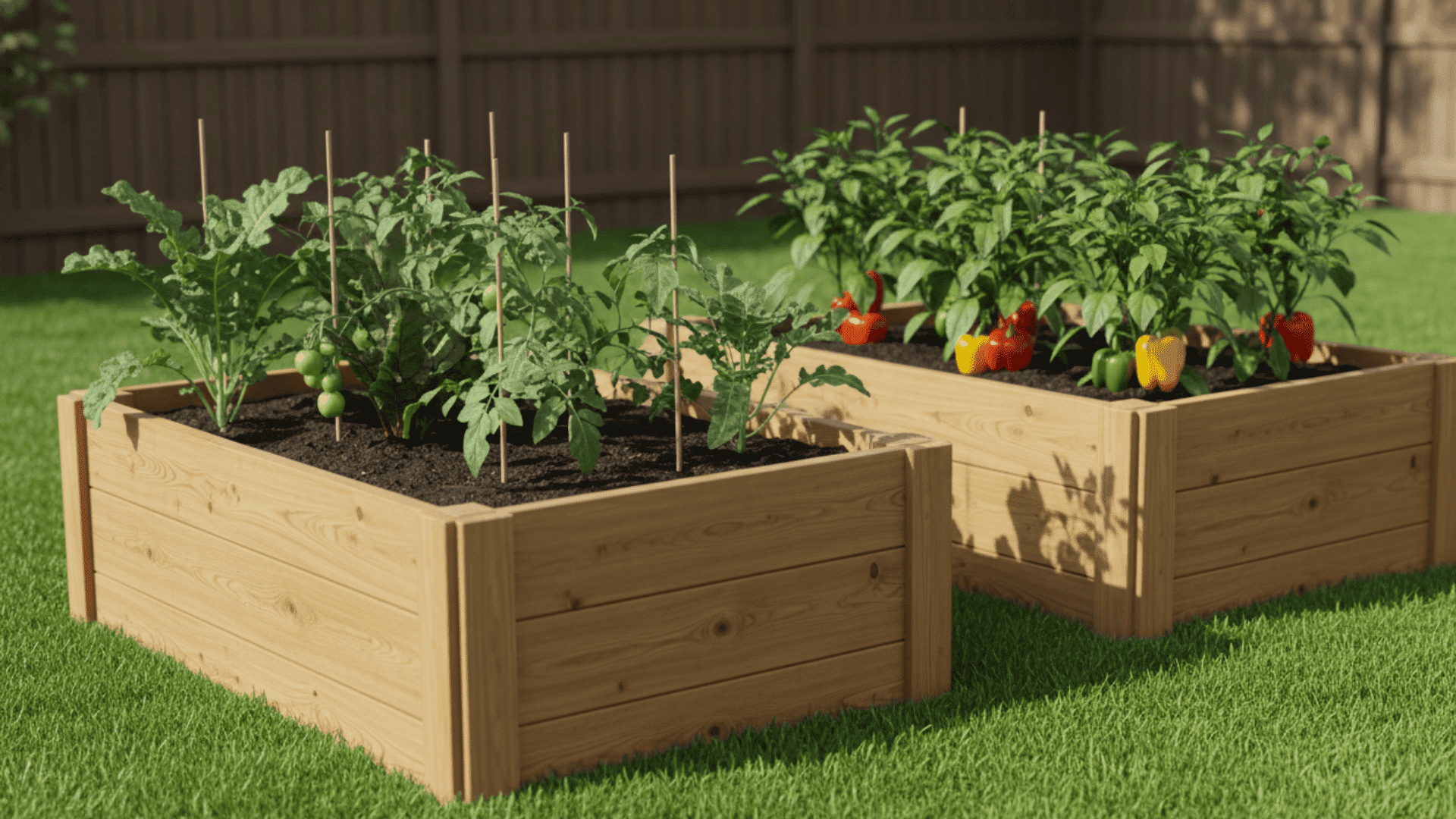
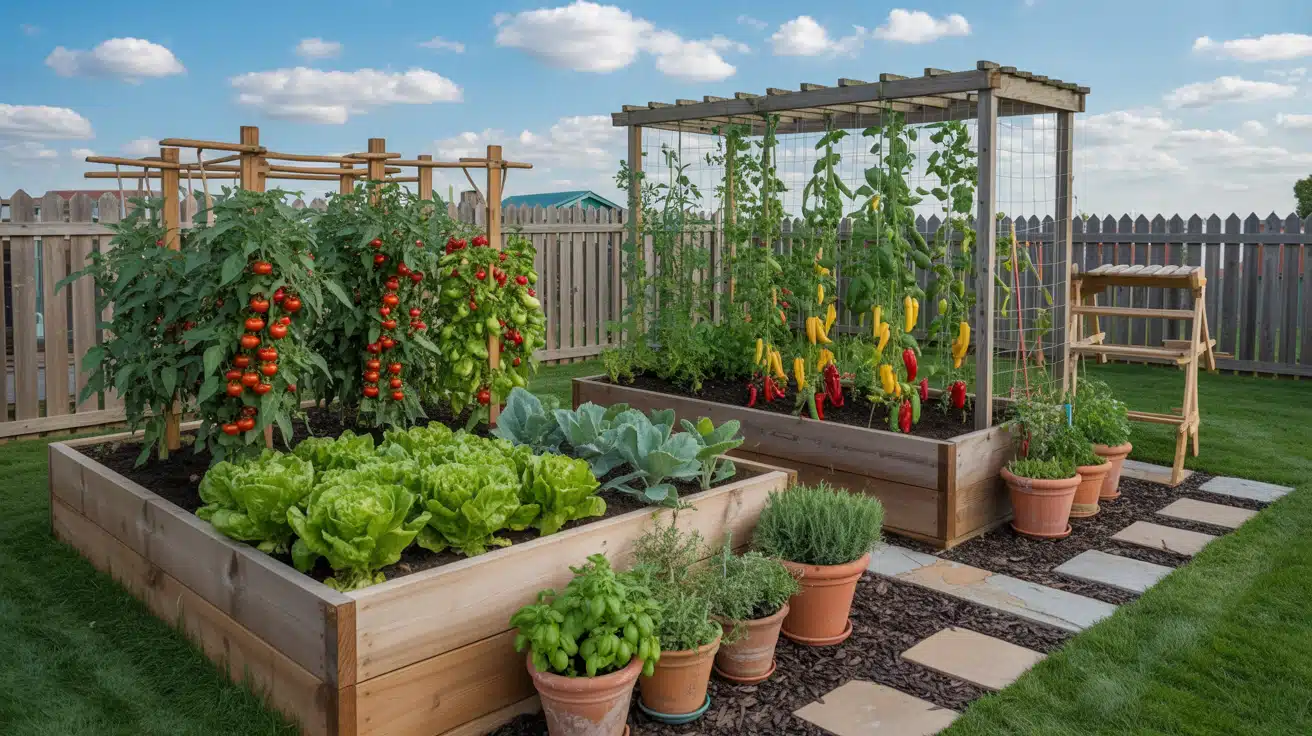
Raised beds sit above ground level and give you better control over soil quality and drainage. They warm up faster in spring and make planting and harvesting easier on your back. You can build them from wood, stone, or metal and fill them with fresh soil mix.
Best for: Beginners with poor native soil or drainage issues who want an easier setup and less bending.
2. Square-Foot Vegetable Garden Layout
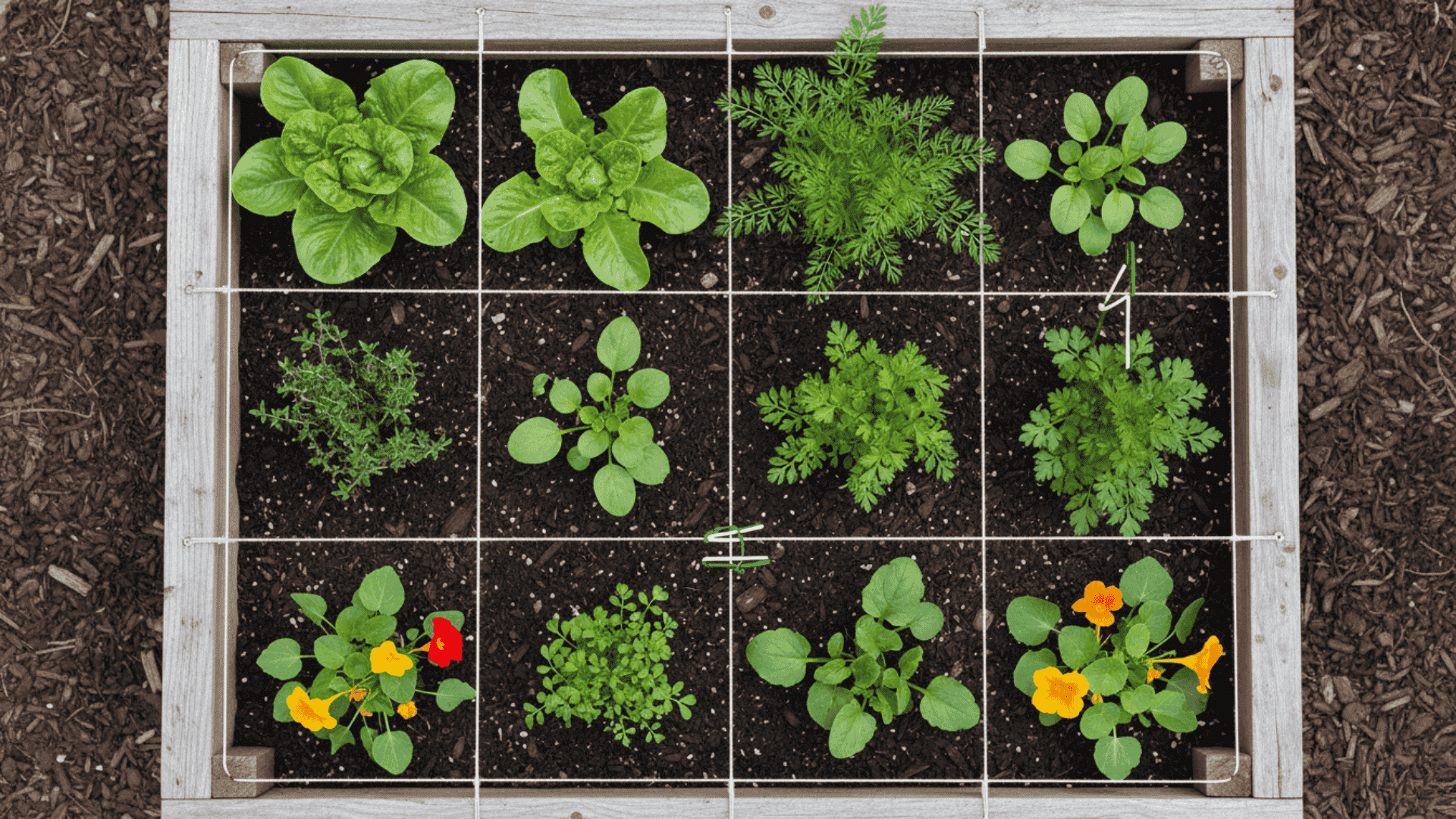
This method divides your garden bed into one-foot squares using a grid pattern. Each square holds a specific number of plants based on their size. It prevents overcrowding and makes planning simple for first-time gardeners.
Best for: Small spaces and beginners who want structure and clarity when deciding how many plants to grow.
3. Vertical Backyard Vegetable Garden
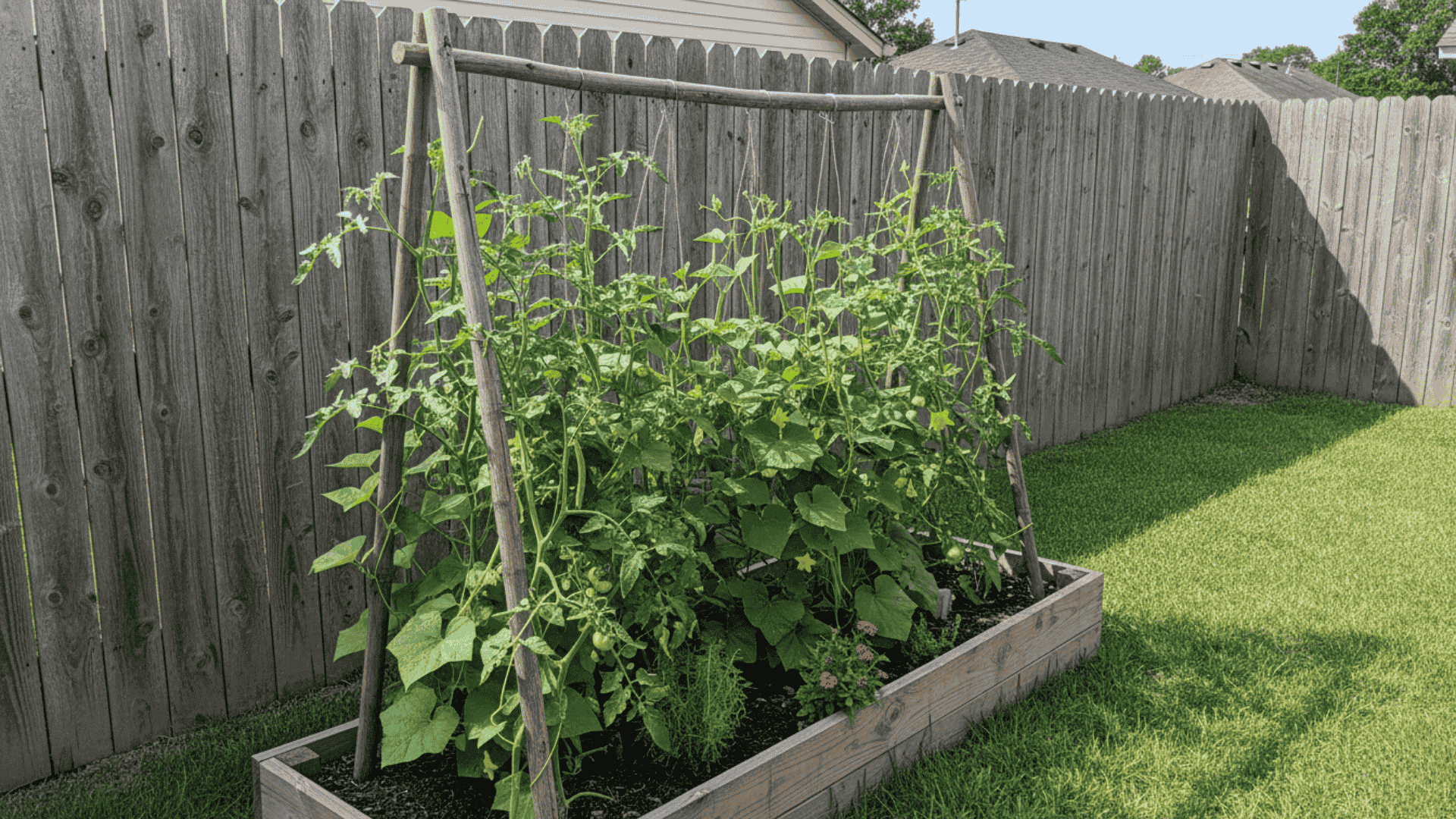
Vertical gardens use trellises, stakes, or wall-mounted planters to grow crops upward instead of outward. Climbing vegetables like beans, peas, cucumbers, and tomatoes thrive in this setup. You save ground space and make harvesting much easier.
Best for: Tiny backyards or anyone looking to double their growing area without taking up more ground.
4. L-Shaped Backyard Garden Design
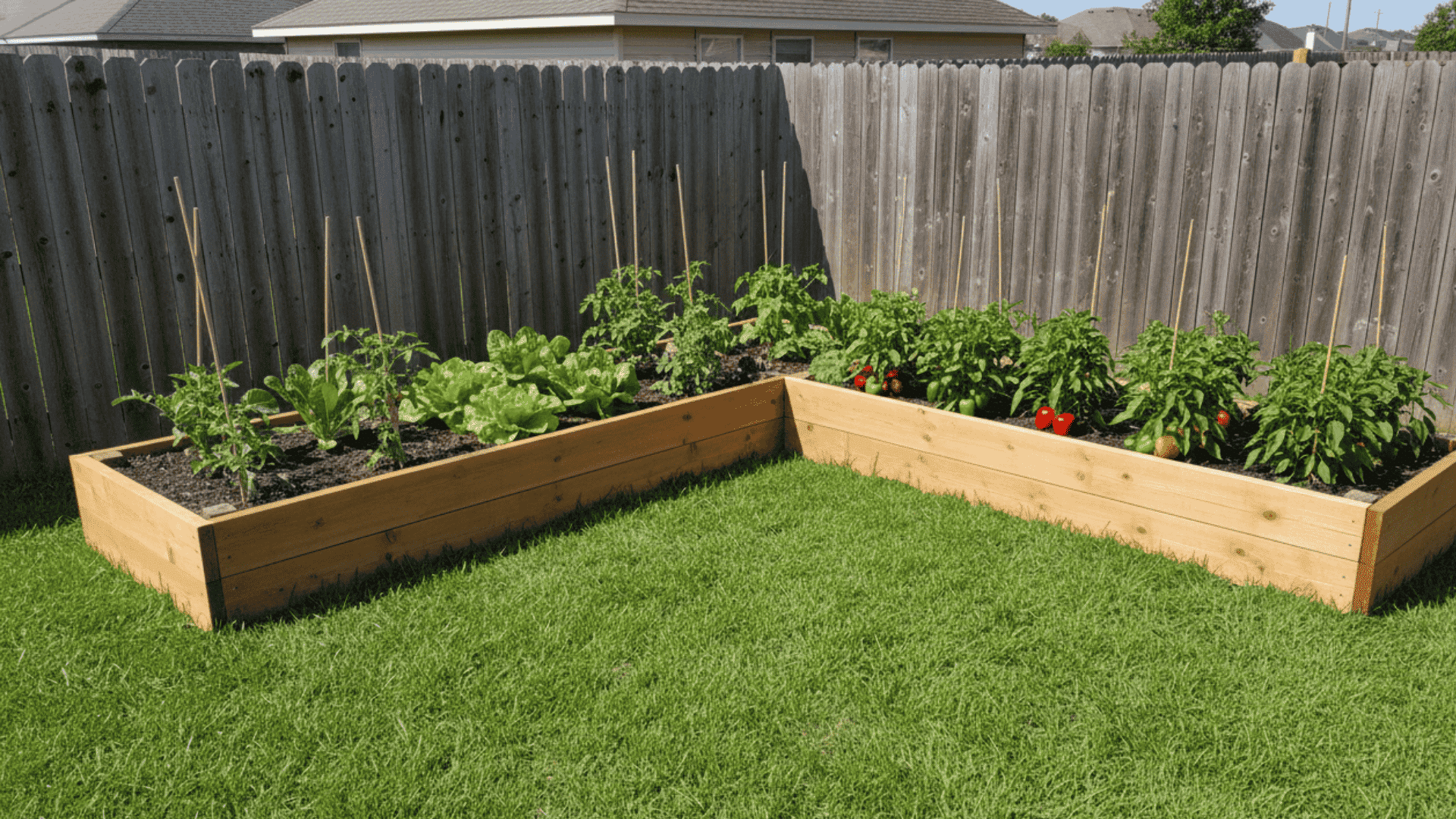
An L-shaped layout fits neatly into corners or along two sides of your yard. It creates a natural border and leaves the center open for lawn or play space. You can access plants from multiple angles without stepping on the soil.
Best for: Corner spaces or yards where you want to keep some open area for other activities.
5. U-Shaped Vegetable Garden Layout
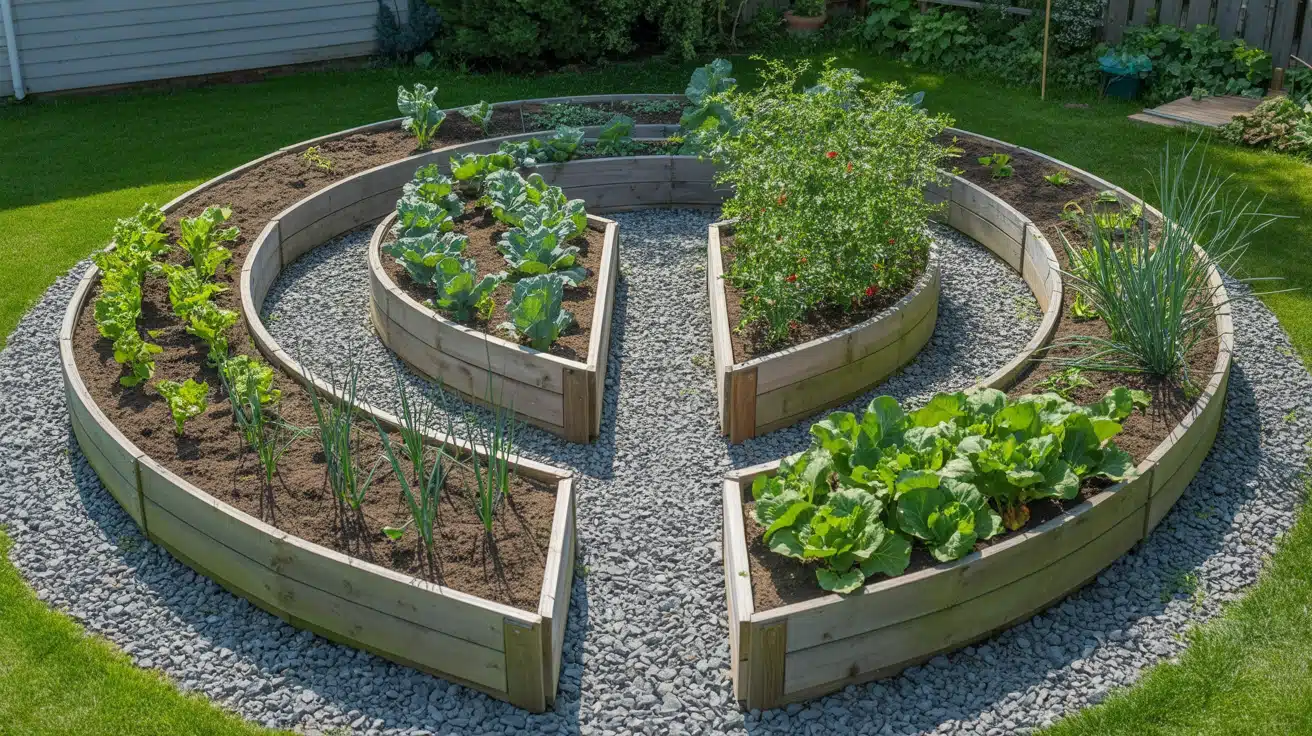
U-shaped gardens wrap around three sides with an open center path for easy access. This design works well for larger backyards and lets you group plants by watering needs or sun requirements. You can reach every plant without walking through the beds.
Best for: Medium to large backyards where you want organized zones and clear walking space between crops.
6. Backyard Vegetable Garden With Wide Walking Paths
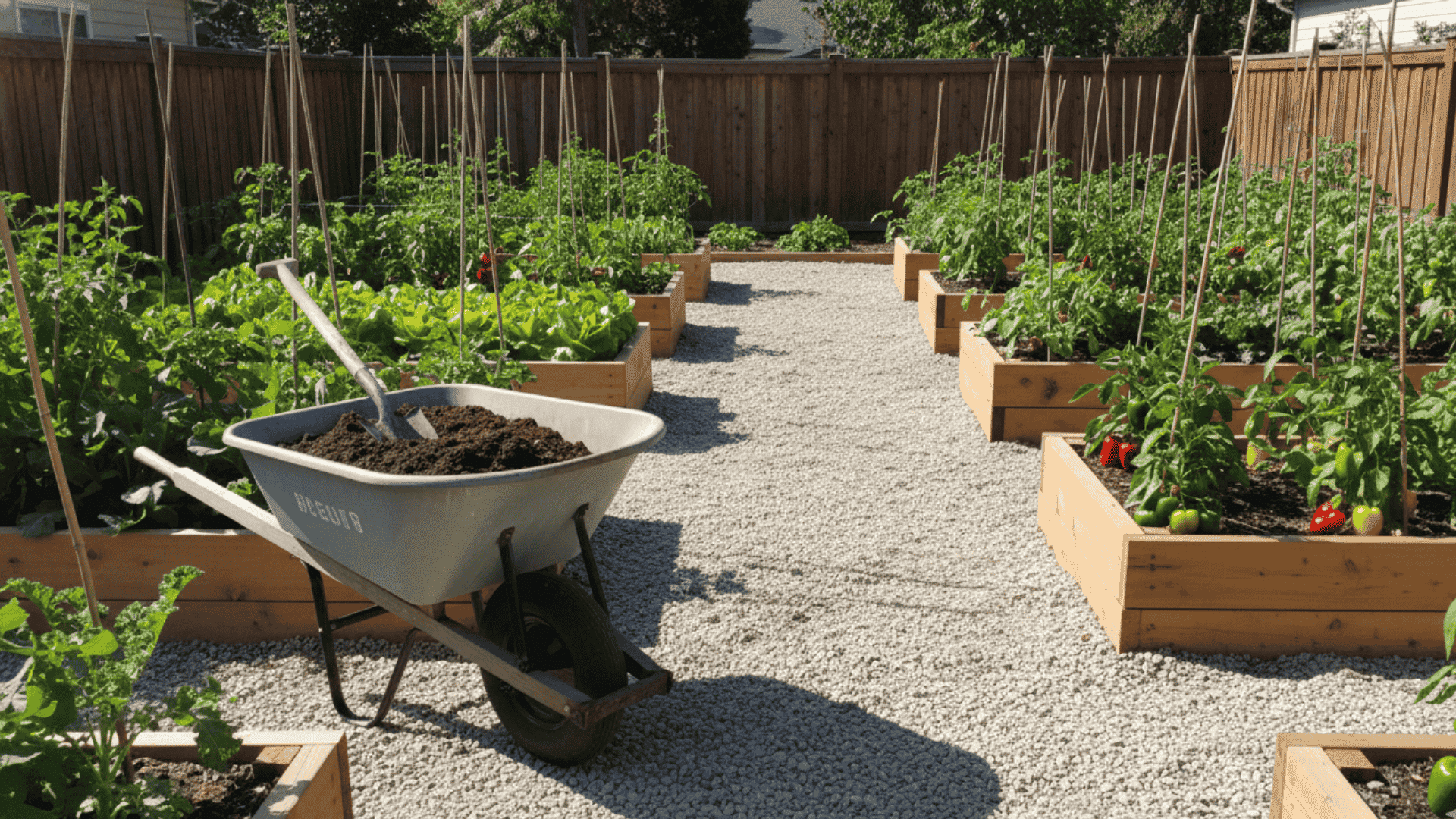
Wide paths between beds give you room to move a wheelbarrow, kneel comfortably, and avoid stepping on plants. Paths should be at least 2 to 3 feet wide and can be mulched, graveled, or paved. This setup reduces soil compaction and makes maintenance less stressful.
Best for: Gardeners who use tools and equipment regularly or anyone who wants comfortable access for harvesting and weeding.
7. Container-Based Backyard Vegetable Garden
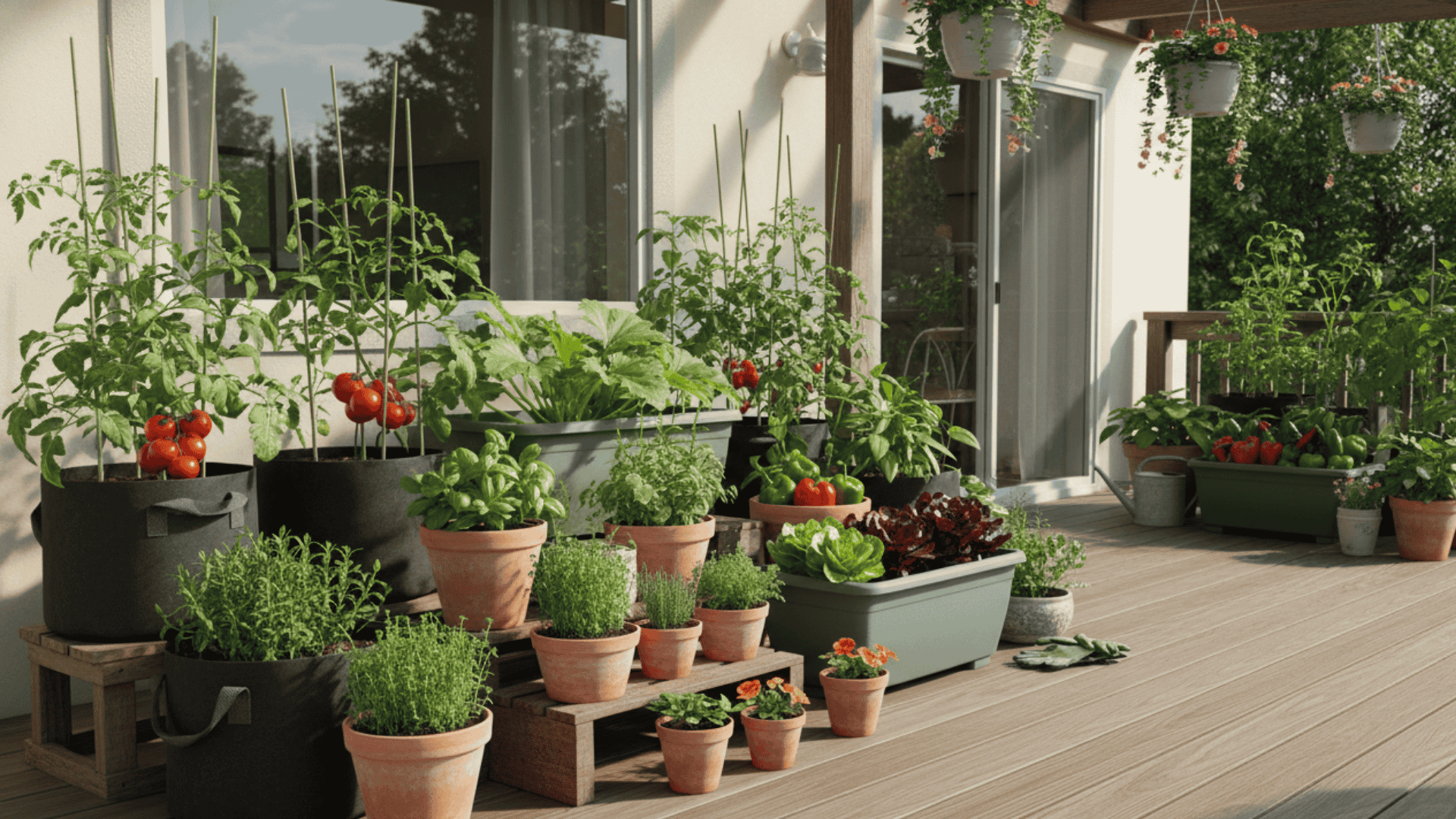
Containers let you grow vegetables in pots, buckets, or planters placed anywhere with good sunlight. You can move them around as seasons change or if you need to adjust for sun exposure. This method requires less soil prep and works on patios or decks.
Best for: Renters, small yards, or anyone who wants flexibility to rearrange their garden setup throughout the season.
8. Fence-Line Vegetable Garden
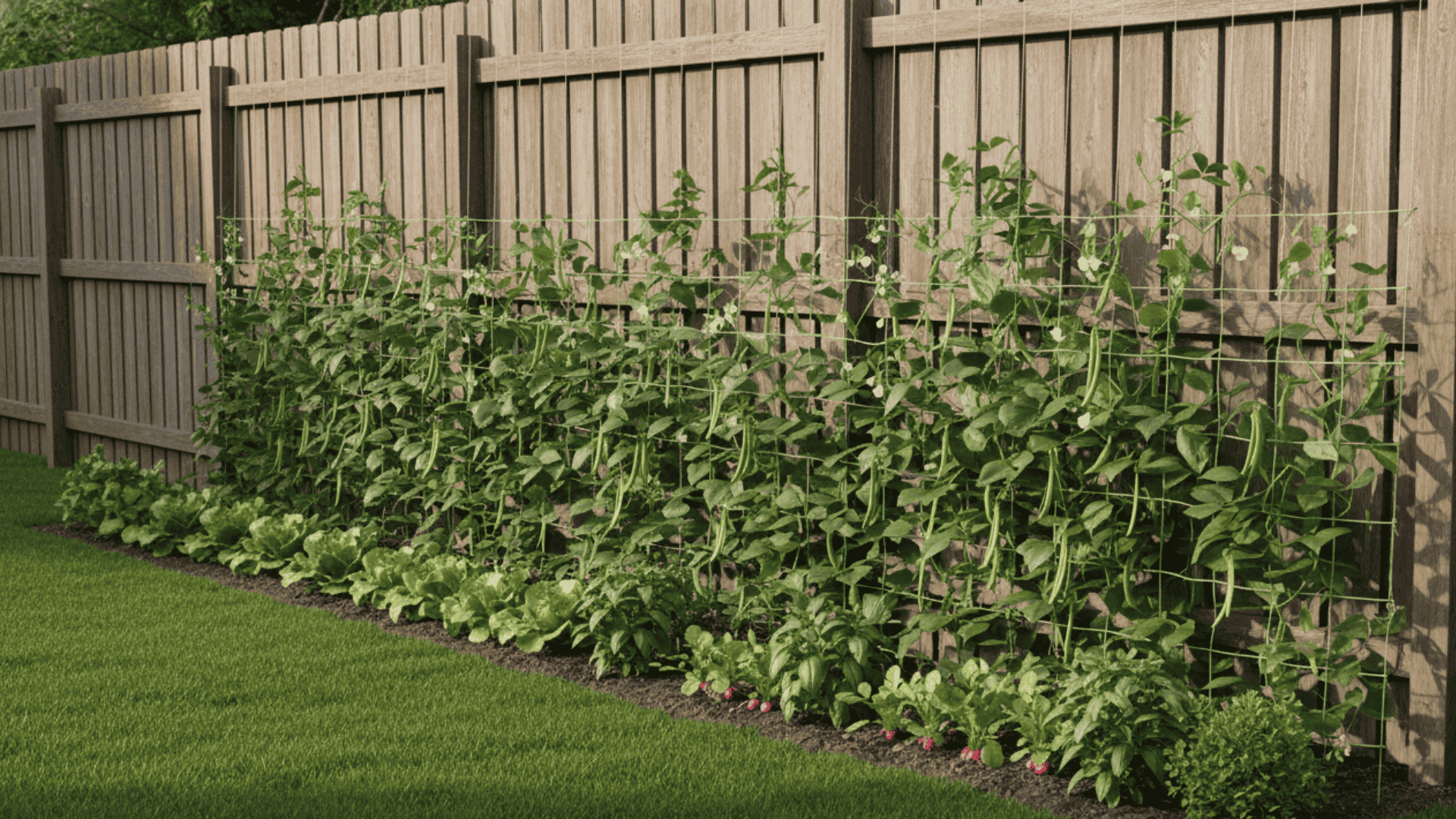
A fence-line garden runs along your property boundary and uses the fence as support for climbing plants. It keeps your garden out of the main yard and creates a green border. You can grow beans, peas, tomatoes, and cucumbers directly against the fence.
Best for: Yards with existing fencing and homeowners who want to use every inch of available space efficiently.
9. Companion Planting Backyard Vegetable Garden
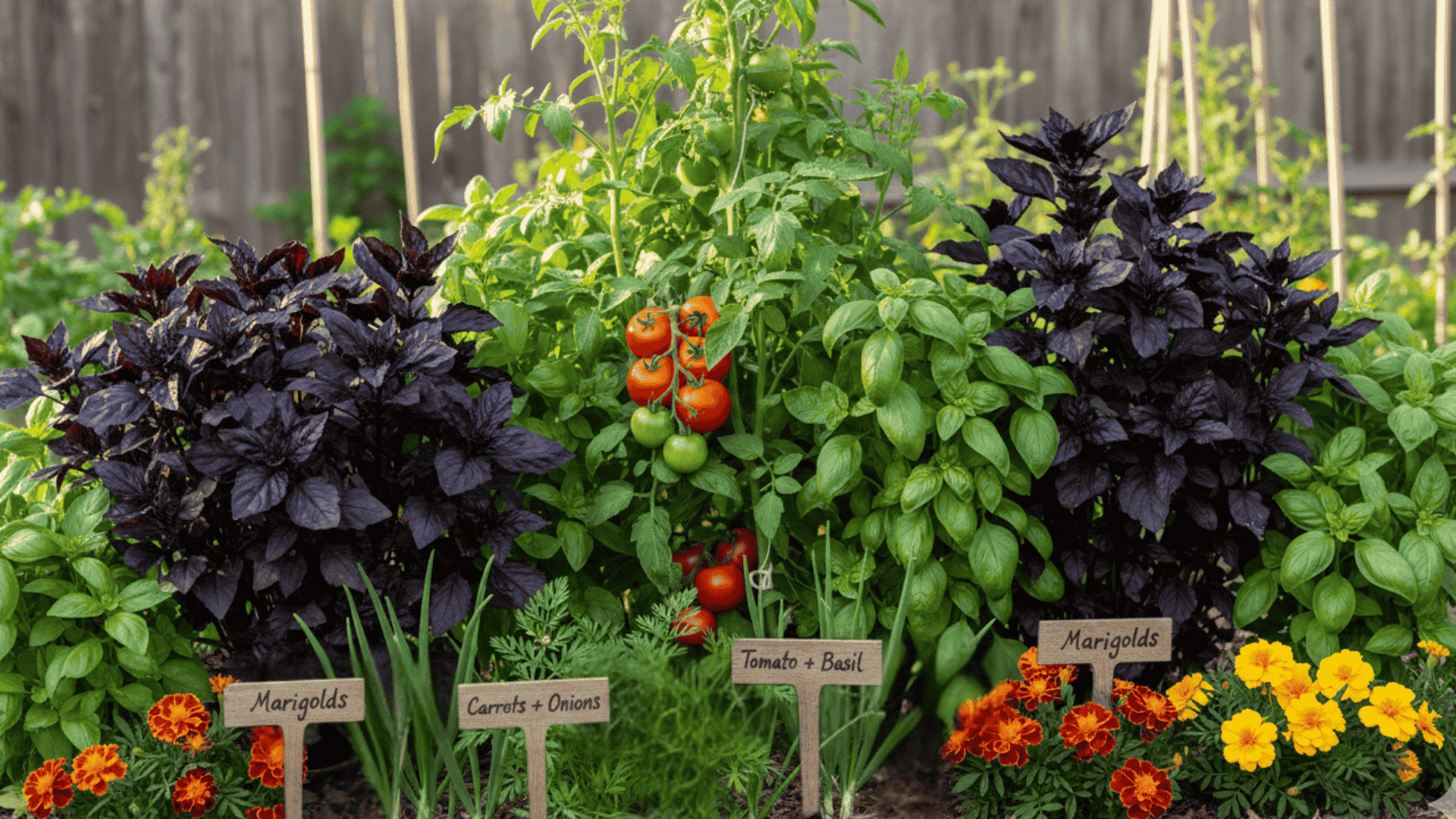
Companion planting pairs vegetables that benefit each other when grown side by side. For example, tomatoes grow well with basil, and carrots pair nicely with onions. This method can reduce pests naturally and improve crop health without extra chemicals.
Best for: Organic gardeners who want to reduce pests and boost yields using natural plant relationships.
10. Tiered Backyard Vegetable Garden Beds
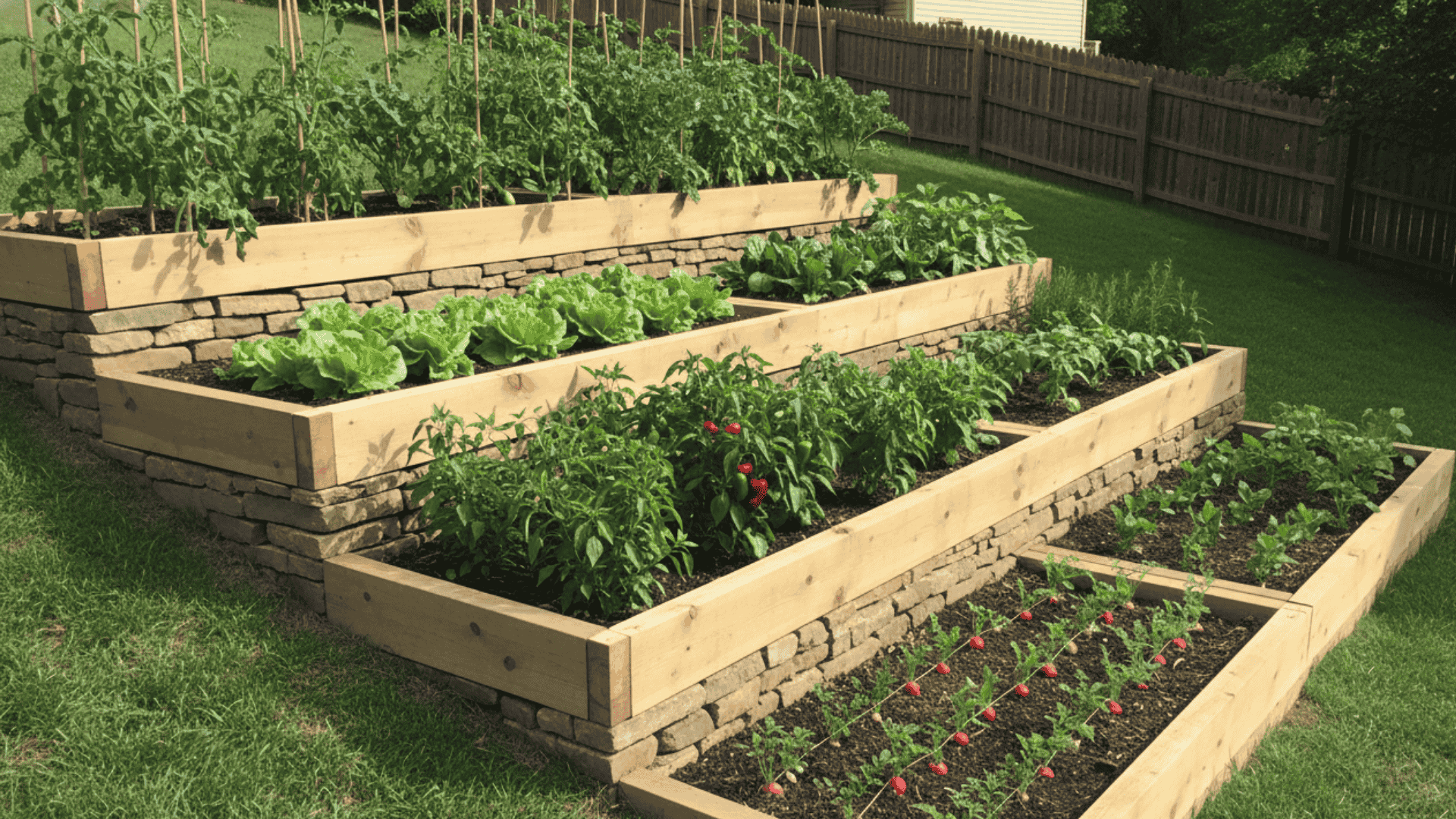
Tiered beds sit at different heights, creating a stepped or terraced effect. This design works well on slopes and improves drainage while adding visual interest to your yard. You can plant taller crops in back rows and shorter ones up front.
Best for: Sloped backyards or gardeners who want better drainage and easier viewing of all their plants at once.
11. Backyard Vegetable Garden With Drip Irrigation
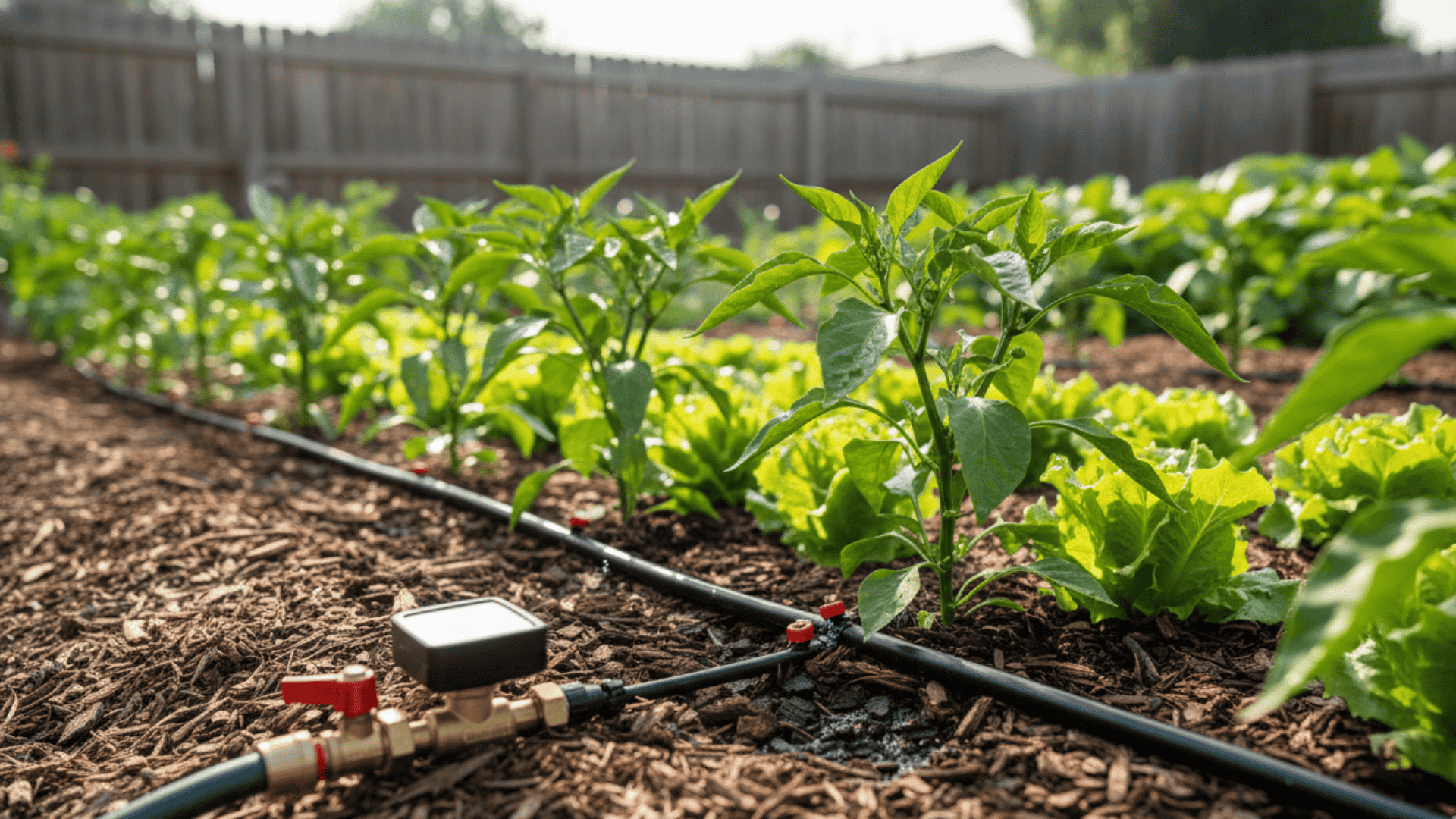
Drip irrigation delivers water directly to plant roots through tubes and emitters. It saves time, reduces water waste, and keeps leaves dry to prevent diseases. You can set it on a timer so your garden waters itself even when you are away.
Best for: Busy gardeners or anyone in dry climates who wants consistent watering without standing there with a hose.
12. Seasonal Rotation Vegetable Garden Layout
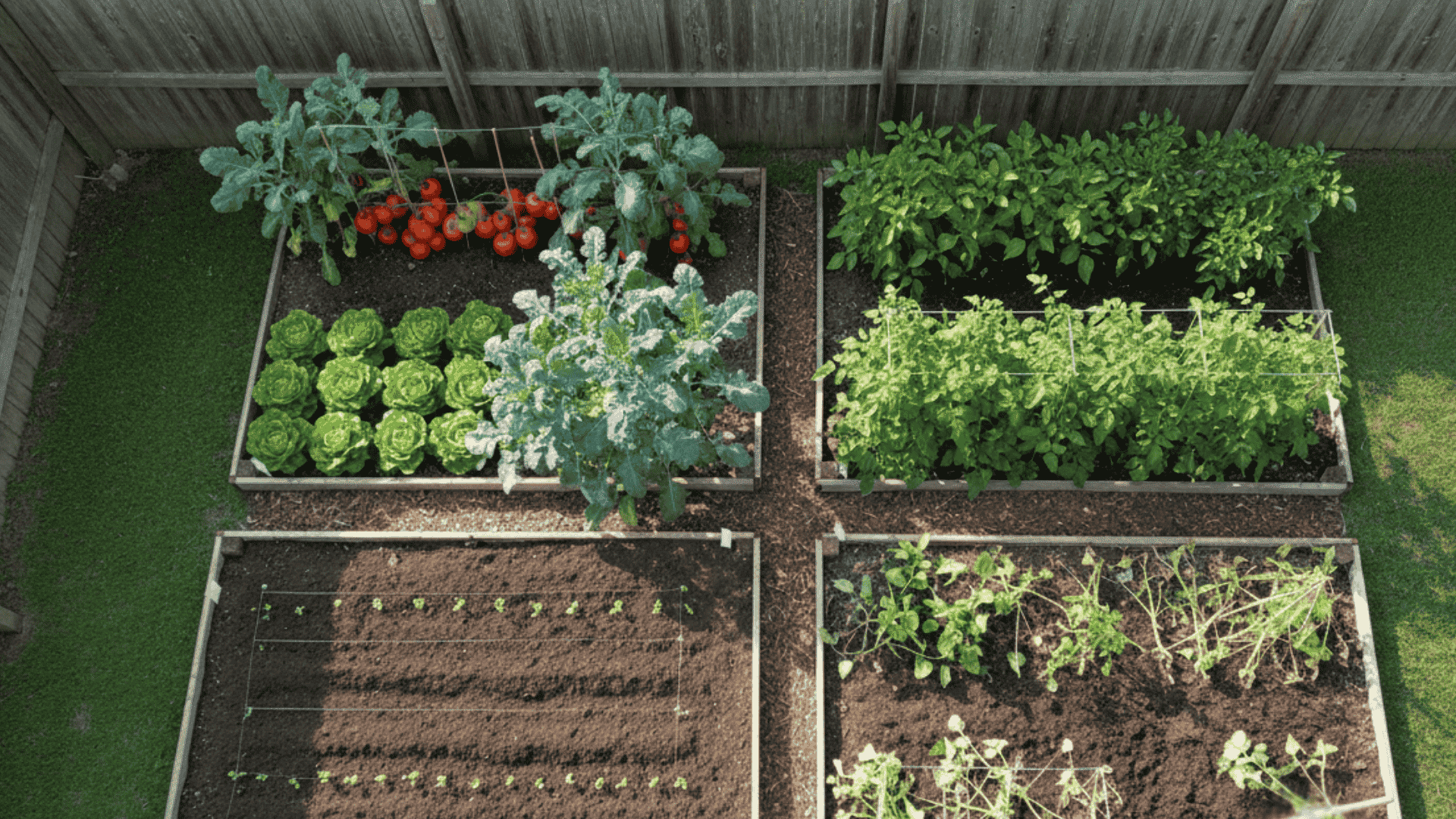
Seasonal rotation means planting different crops in the same bed each season to keep soil healthy. For example, grow tomatoes in summer, then switch to leafy greens in fall. This prevents nutrient depletion and reduces pest buildup over time.
Best for: Gardeners planning to grow year-round or anyone who wants to maintain soil health across multiple seasons.
13. Mixed Vegetable and Herb Backyard Garden
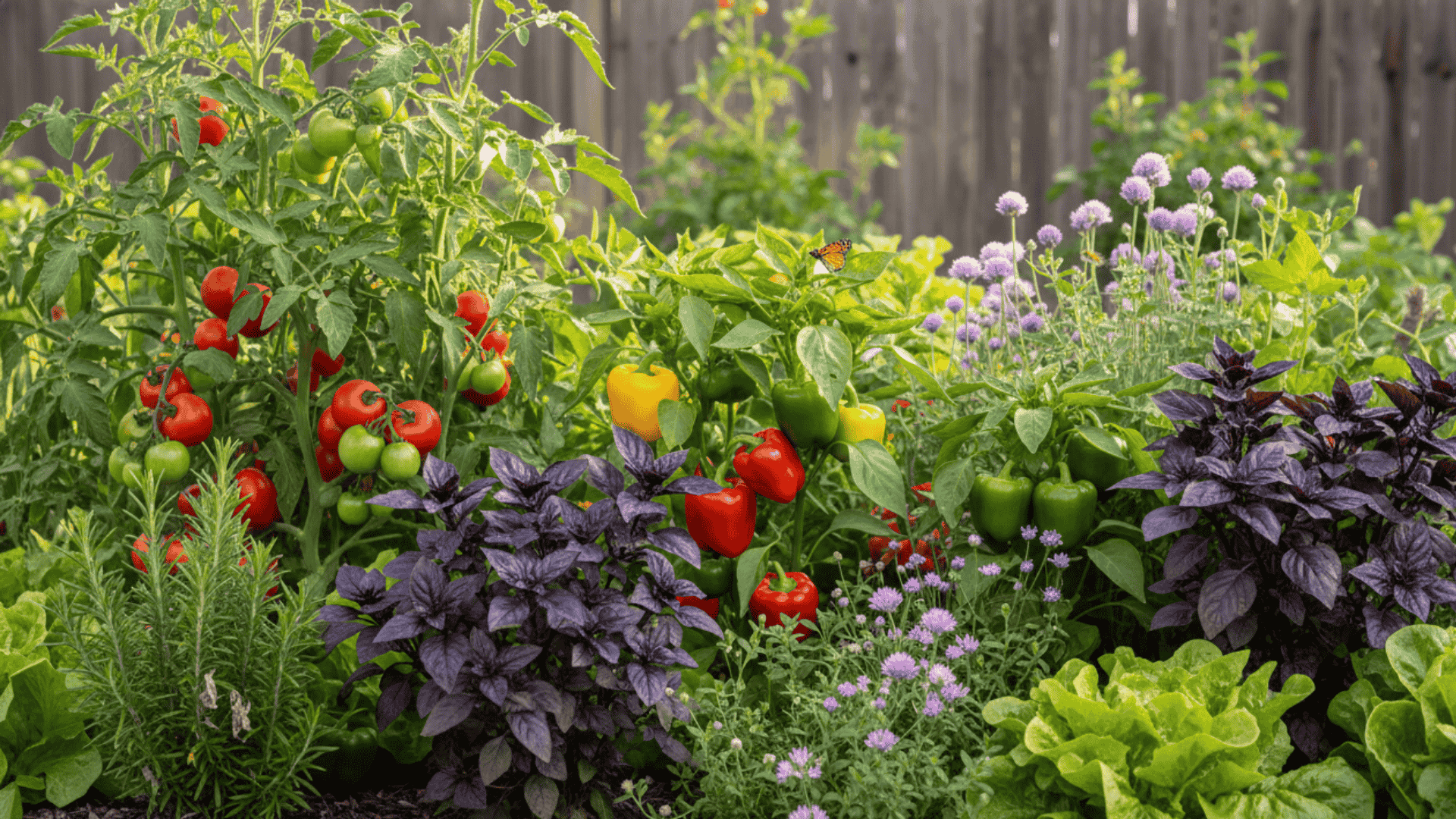
A mixed garden combines vegetables and herbs in the same space for variety and natural pest control. Herbs like basil, oregano, and thyme attract helpful insects and add flavor to your cooking. You can harvest both food and seasoning from one plot.
Best for: Home cooks who want fresh ingredients and natural pest protection all in one convenient garden space.
Best Layout Styles for Backyard Vegetable Gardens
Choosing the right layout makes planting, watering, and harvesting much easier throughout the season. Here are the most popular layout styles that work for different backyard sizes and gardening goals.
| Layout Style | Description | Best For |
|---|---|---|
| Traditional Row Layouts | Plants in long, straight rows with walking space between them. | Large backyards with plenty of space. |
| Square-Foot and Grid Gardening | Garden bed divided into 1-foot squares with set plants per square. | Small spaces and beginners wanting structure. |
| Zoned Layouts for Mixed Vegetables | The garden is divided by plant needs, like watering or sun exposure. | Gardeners growing multiple crop types efficiently. |
| Path Placement for Ease of Maintenance | Permanent paths between beds, 2 to 3 feet wide. | Anyone wanting easy access without stepping on soil. |
How to Start a Backyard Vegetable Garden From Scratch
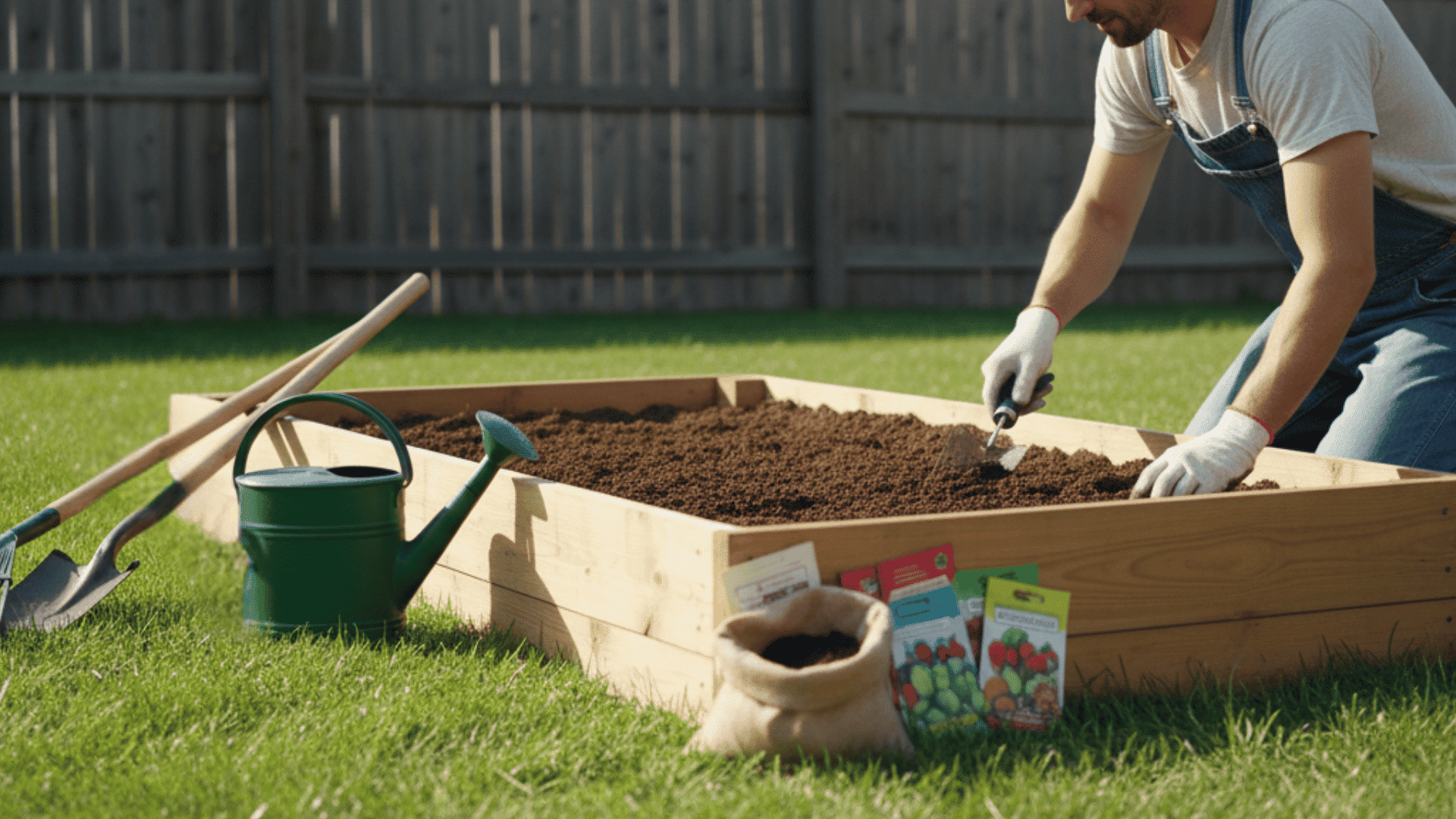
Starting your first vegetable garden feels overwhelming when you don’t know where to begin. Follow these simple step-by-step instructions to go from an empty backyard space to a productive garden that grows fresh food.
Step 1: Choose the Best Location in Your Backyard
Pick a spot that gets at least 6 to 8 hours of direct sunlight each day, since most vegetables need full sun to grow well.
Avoid areas where water pools after rain or where the ground stays wet too long, as this will rot plant roots.
Choose a location close to your house or water source so you can easily water, check on plants, and harvest vegetables without walking too far.
Step 2: Pick the Right Garden Type and Layout
Decide between in-ground beds, raised beds, or containers based on your soil quality and physical comfort.
In-ground gardens work well if your soil drains properly, while raised beds suit poor soil or bad backs. Containers offer flexibility for small spaces or renters.
Match your layout size to how much time you can spend maintaining it, and plan paths between beds before you plant anything so you can move around freely.
Step 3: Prepare and Improve the Soil
Test your soil by digging a small hole and checking if water drains within a few hours or if it stays muddy. Add compost or aged manure to improve soil structure, boost nutrients, and help with drainage.
Level the area and loosen the soil at least 8 to 12 inches deep so roots can spread easily and plants can access water and food.
Step 4: Select Beginner-Friendly Vegetables
Start with easy crops like tomatoes, lettuce, radishes, zucchini, and green beans that grow quickly and forgive mistakes.
Choose vegetables suited to your growing season and local climate, checking seed packets for planting dates, and space plants properly according to package instructions to prevent crowding, which leads to disease and poor growth.
Step 5: Plant, Water, and Maintain the Garden
Plant seeds or seedlings at the depth listed on the package, usually two to three times deeper than the seed size. Water deeply but less often to encourage strong root growth, aiming for about 1 to 2 inches per week.
Check plants daily for pests, wilting, or yellowing leaves, and pull weeds before they compete with your vegetables for nutrients and water.
Beginner Mistakes in Backyard Vegetable Gardens
Even with the best intentions, new gardeners often make simple mistakes that hurt their harvest. Knowing these common errors before you start saves time, money, and frustration throughout the growing season.
- Planting too many vegetables at once: Starting with too many crops leaves you overwhelmed with maintenance and often results in neglected plants that produce poorly or die.
- Ignoring sunlight and spacing needs: Placing shade-loving plants in full sun or crowding vegetables too close together leads to weak growth, disease, and disappointing harvests.
- Poor soil preparation: Skipping soil testing and amendments means your plants struggle to find nutrients and water, no matter how much you care for them.
- Skipping planning for access and maintenance: Failing to plan paths or planting beds too wide forces you to step on soil, which compacts roots and makes daily tasks frustrating.
How to Maintain a Backyard Vegetable Garden
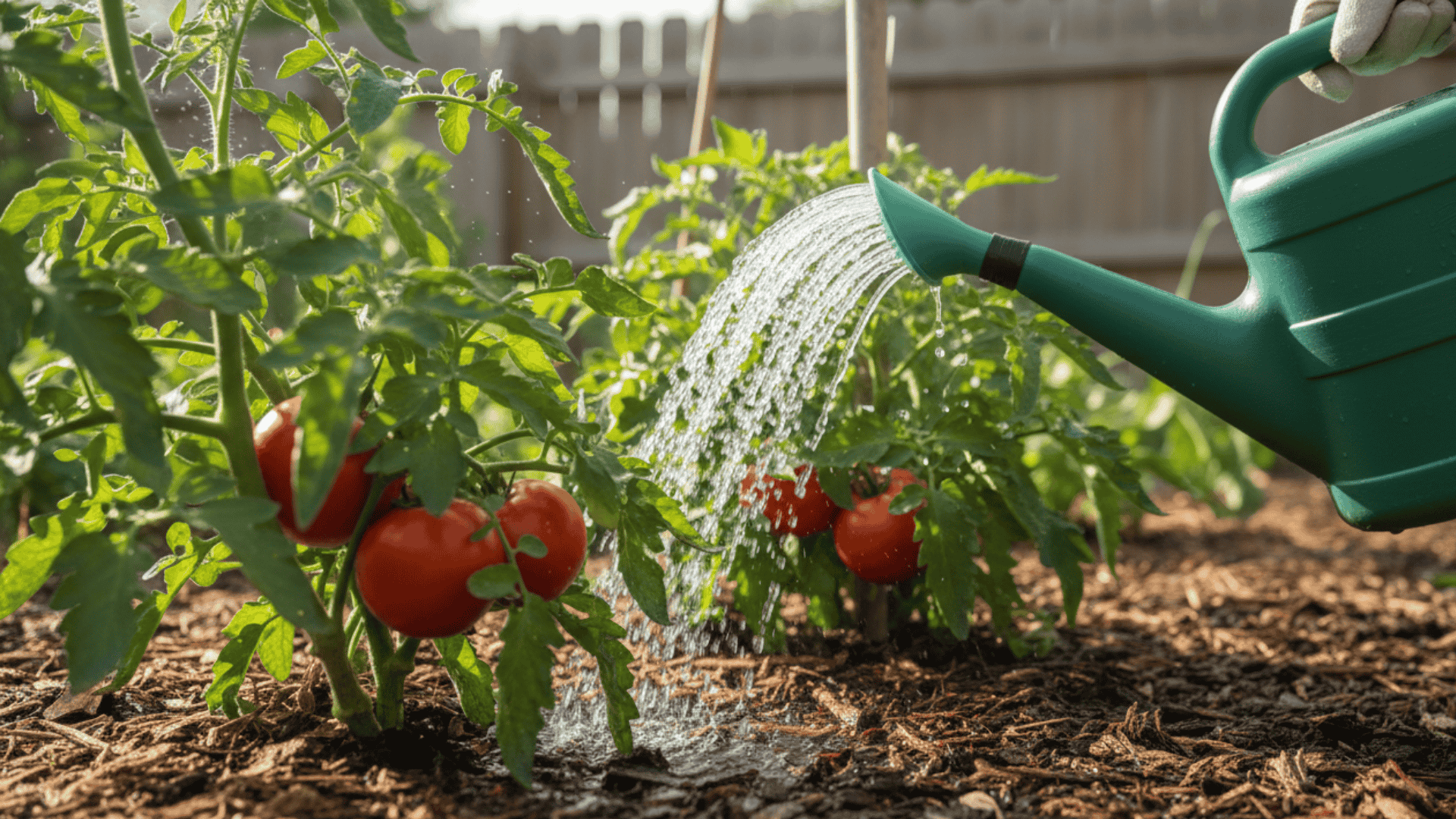
Water your garden deeply 2 to 3 times per week in the morning, aiming for 1 to 2 inches total depending on rainfall. Apply a balanced organic fertilizer every 3 to 4 weeks or use compost tea to feed plants as they grow.
Pull weeds by hand when they are small so they do not compete with your vegetables for nutrients and water. Check plants daily for pests like aphids or caterpillars and remove them by hand or spray with soapy water.
Harvest vegetables when they reach the size listed on seed packets, picking regularly to encourage more production and prevent overripe crops from going to waste.
Wrapping It Up
Starting a backyard vegetable garden does not require years of experience or a vast space.
Pick a sunny spot, prepare your soil properly, and start with easy crops that grow fast. Use one of the backyard vegetable garden ideas shared here to match your space and lifestyle.
Small beds, vertical setups, or simple rows all work when you follow the basics. The key is to start small and learn as you grow.
Your first harvest will taste better than anything from the store. So grab your gloves, pick your layout, and plant your first seeds this weekend. Your future self will thank you.
Ready to get started? Share your backyard size and which layout you plan to try in the comments below. We would love to hear about your garden plans.