
Azaleas look simple on the surface, but their leaf behavior confuses a lot of people. One season they look full and green. The next, they look thin, bronzed, or bare.
That’s usually when the question comes up: are azaleas evergreen, or is something wrong?
The answer is not a quick yes or no, and that’s where most advice falls short. Azaleas respond to climate, variety, and seasonal stress in ways that are easy to misread if you don’t know what to look for.
In this post, I’ll walk you through how azaleas actually behave over time, why leaf changes happen, and how to read the signs without guessing. Let’s start with the simplest explanation.
The Short Answer
Some azaleas are evergreen. Some are deciduous. And how they behave depends on both the variety and where you live.
Azaleas are part of the rhododendron family, which is where a lot of confusion starts. An azalea rhododendron can be bred to keep its leaves or to drop them, depending on its background. Climate then determines how strongly that trait shows up.
An azalea labeled “evergreen” may still lose some leaves in colder regions, while the same plant stays full in warmer areas. That’s normal. Evergreen describes a tendency, not a promise of year-round green.
Evergreen vs. Deciduous Azaleas
Azaleas belong to a large group with many different backgrounds. When people talk about evergreen and deciduous azaleas, they are talking about leaf behavior, not flower quality or care level.
Evergreen Azaleas
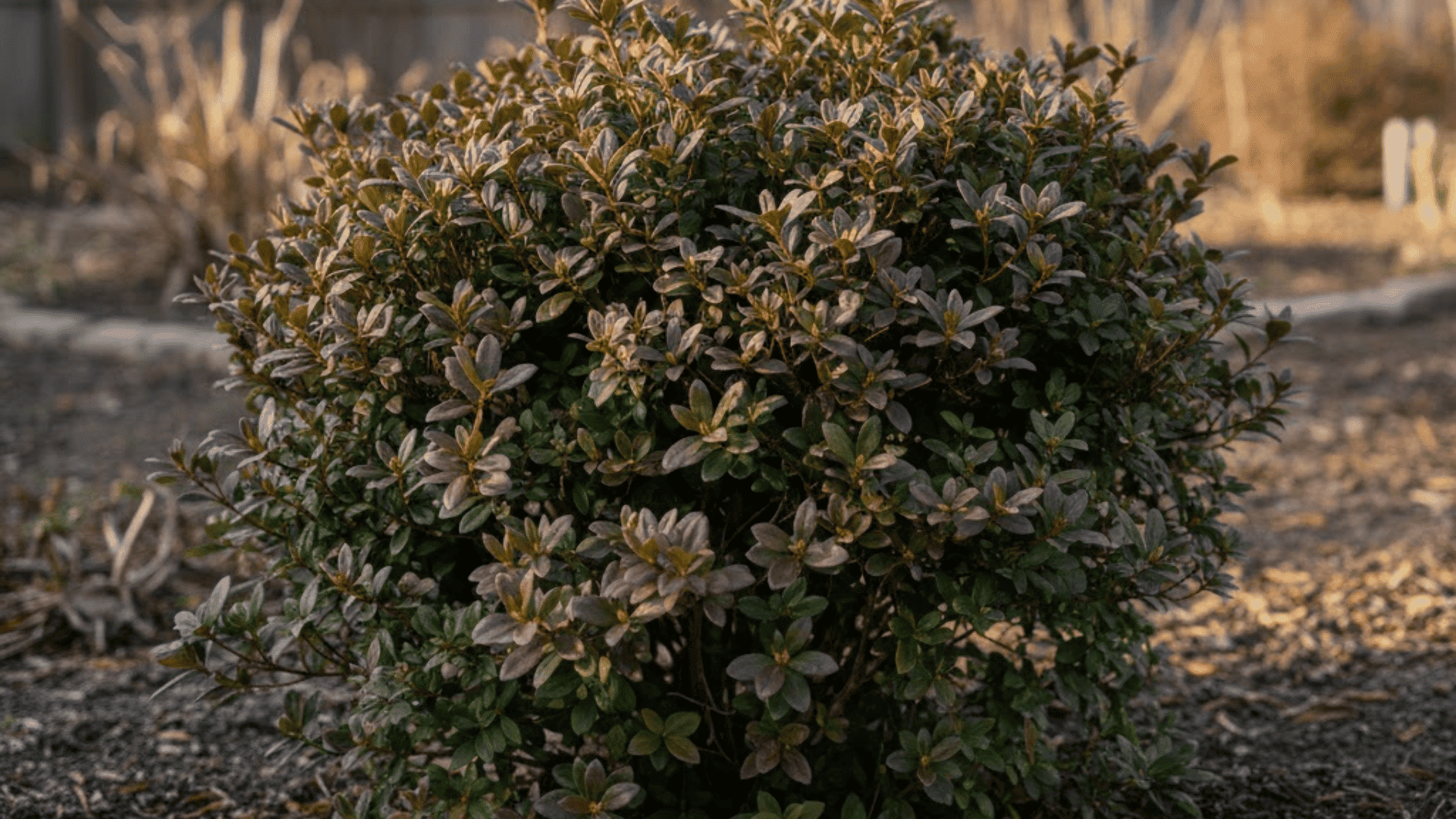
Evergreen does not mean the plant keeps every leaf forever. It means the plant keeps leaves through winter under normal conditions.
Evergreen azaleas hold onto most of their foliage year-round. In spring, they drop older leaves as new growth comes in. That leaf drop is normal and often mistaken for a problem.
Most evergreen azaleas come from Asian species and hybrids. Common groups include Southern Indian azaleas, Kurume azaleas, and modern reblooming types.
In winter, evergreen azalea leaves often change color. Green can shift to bronze, burgundy, or purplish tones. This is a response to cold and sun, not a sign of damage. When temperatures rise, the leaves usually return to green.
Deciduous Azaleas
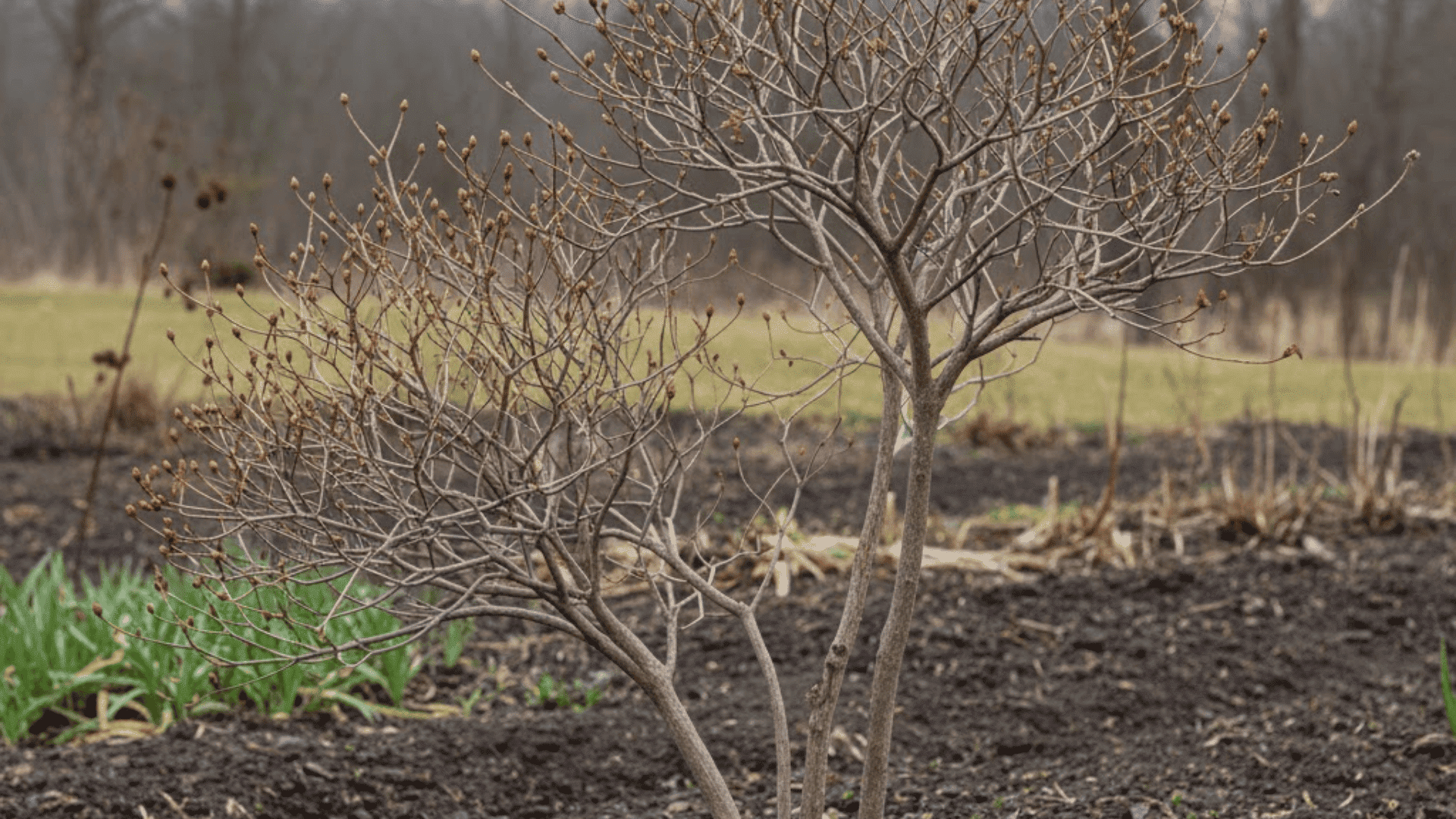
Deciduous azaleas drop all their leaves in fall. That is their normal cycle.
These types are often native to North America. They are known for larger, often fragrant blooms in spring. Many also show strong fall color before leaf drop.
Deciduous azaleas are generally more cold-hardy than evergreen ones. They survive winter by resting without leaves.
People confuse deciduous azaleas with evergreen ones because they look similar when in bloom. Once flowers fade, the difference becomes obvious later in the year.
Why Some “Evergreen” Azaleas Lose Leaves
Evergreen azaleas can lose leaves and still be healthy. What matters is why the leaves are dropping.
Common reasons evergreen azaleas lose leaves:
- Normal seasonal shedding: Older leaves drop as new growth takes over, usually in late winter or early spring.
- Cold weather response: In colder zones, evergreen azaleas may act semi-evergreen and shed part of their foliage.
- Wind exposure: Cold, drying winds pull moisture from leaves faster than roots can replace it.
- Water stress: Drought or poor drainage weakens the plant and triggers early leaf drop.
- Sudden temperature swings: Sharp cold snaps can cause leaves to drop earlier or more heavily than usual.
Semi-evergreen behavior is not a flaw. It’s a survival response. In spring, healthy azaleas replace lost leaves quickly, which is the clearest sign that winter leaf loss was normal.
Are Azaleas Evergreen in Winter?
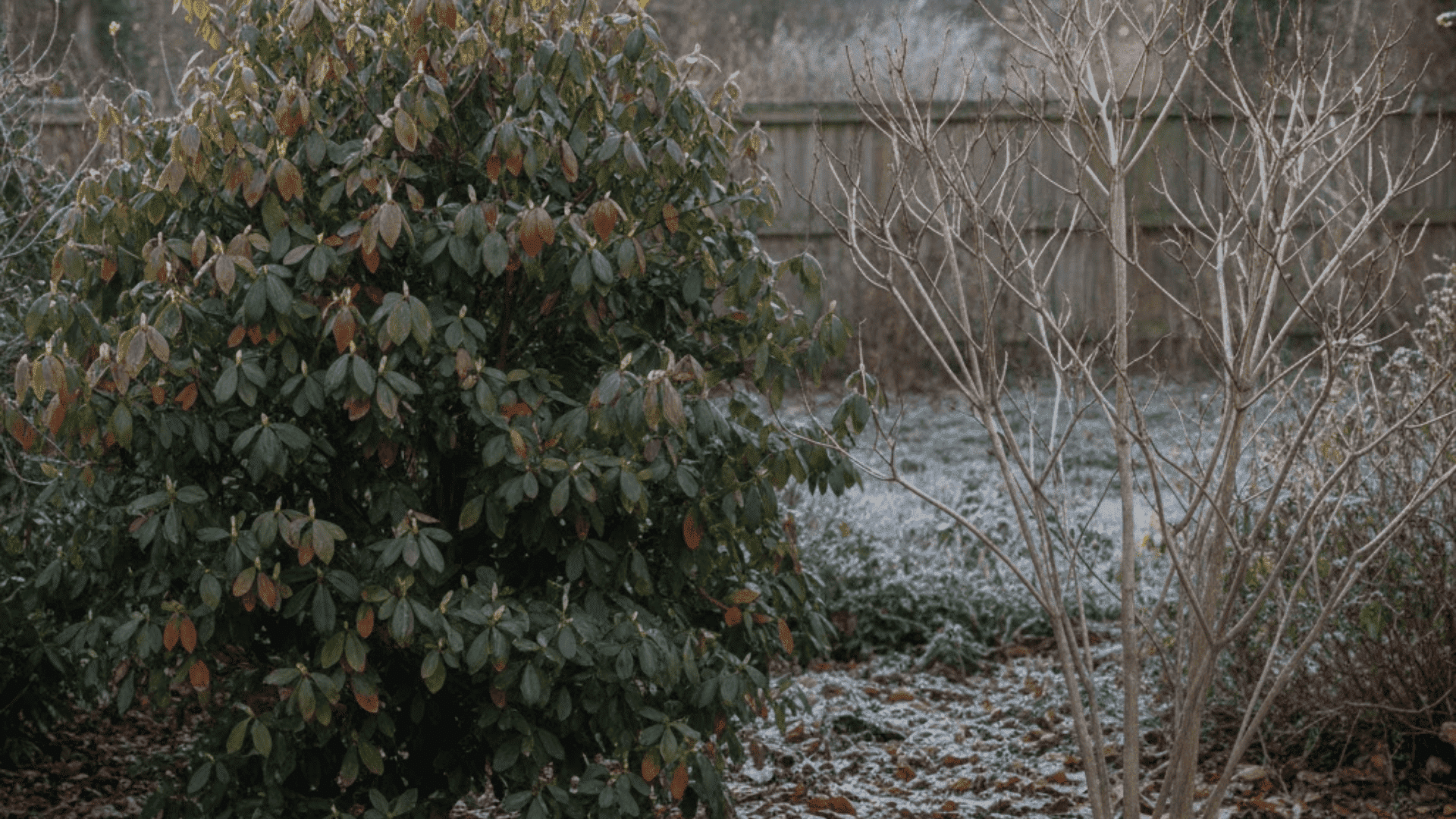
Winter changes everything, so it helps to break this down clearly.
- Some azaleas stay green all winter, especially in mild climates.
- Some keep leaves but change color. Bronze or purple foliage is common and temporary.
- Some drop part of their leaves and look thin until spring.
- Some drop all leaves because they are deciduous by nature.
What happens depends on the type of azalea and the winter conditions in your area. Cold intensity, duration, sun exposure, and wind all affect leaf behavior. Winter appearance alone does not tell you whether an azalea is healthy.
Evergreen Azaleas by Growing Zone
Climate plays a big role in how evergreen azaleas hold their leaves. The same variety can look thin in one zone and full in another, even with good care.
| Growing Zone | Winter Leaf Retention | Typical Winter Appearance | What to Expect in Spring |
|---|---|---|---|
| Zone 6 | Partial | Noticeable leaf drop, bronzed or darkened remaining leaves, thinner shape by late winter | Full leaf return once temperatures stabilize |
| Zone 7 | Mostly retained | Some leaf drop during cold spells, common color change, overall balanced look | Earlier and fuller leaf recovery |
| Zone 8+ | Fully retained | Dense foliage, mostly green leaves, minimal visible change | Little to no recovery period needed |
Understanding these zone-based differences helps set realistic expectations. Leaf loss in colder areas is often normal behavior, not a care mistake.
Are Encore Azaleas Evergreen?
Yes, Encore azaleas are evergreen. They were bred to keep foliage year-round and bloom more than once per season. Their leaf behavior follows the same rules as other evergreen azaleas.
- In warm climates, Encore azaleas stay full and green through winter.
- In cooler zones, they may lose some leaves or show winter color change.
A common misconception is that Encore azaleas never drop leaves. They do. They just replace them quickly when conditions improve.
Encore azaleas are not immune to climate. They respond to it like any other evergreen azalea.
How to Tell If Your Azalea is Evergreen
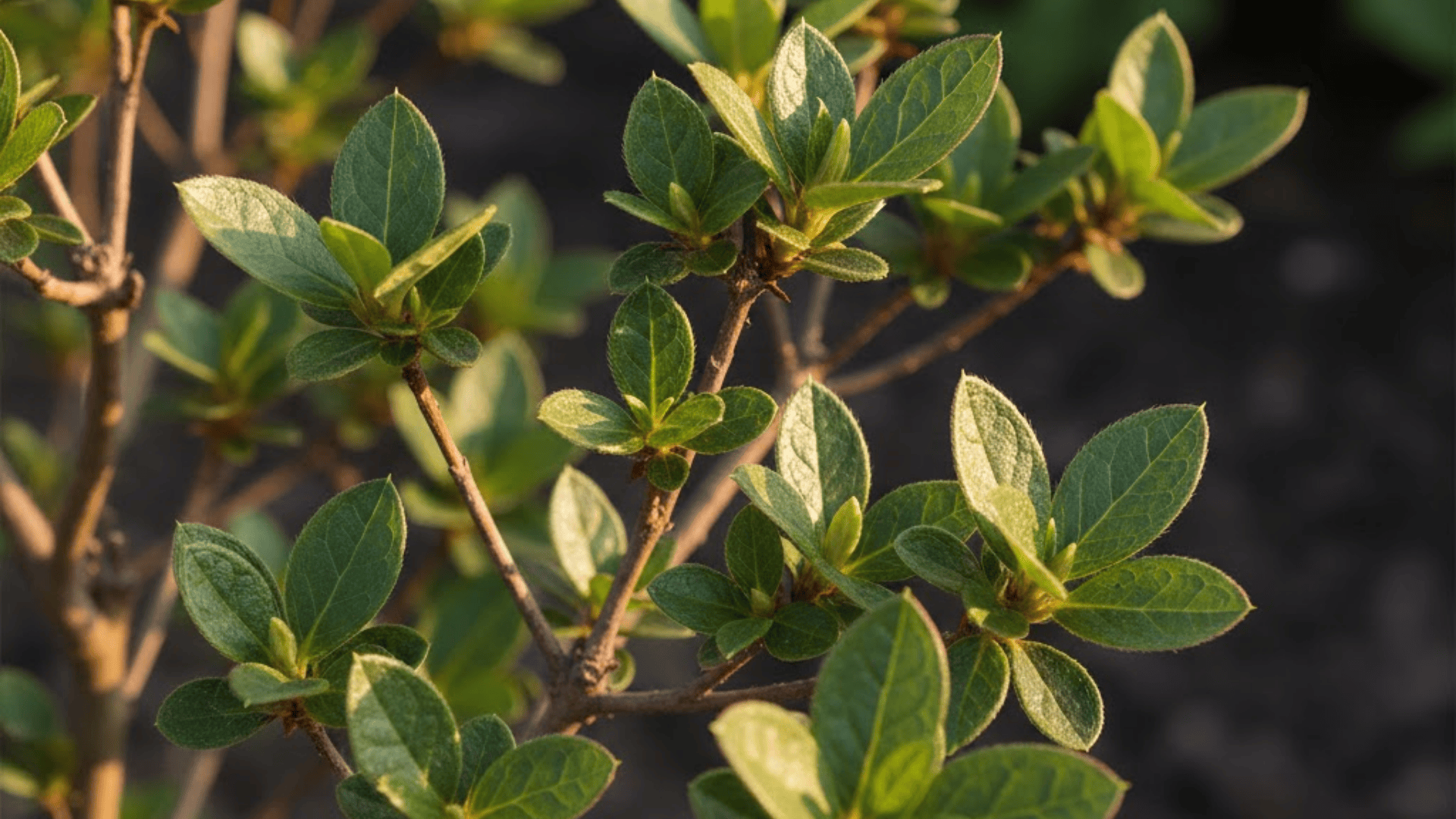
If you are unsure what type you have, observation works better than labels.
Look at these traits together, not just one.
- Leaf size: Evergreen azaleas usually have smaller leaves.
- Leaf texture: Evergreen leaves tend to be thicker and slightly glossy.
- Winter behavior: Keeping at least some leaves through winter points to evergreen.
- Growth habit: Evergreen azaleas often form dense, compact shrubs.
- If your azalea drops every leaf each fall without fail, it is deciduous.
What Azaleas Look Like in Winter
Winter azaleas almost never look their best, and that’s normal.
Leaves often darken, dull, or shift to bronze or purplish tones as temperatures drop. Some leaves curl or feel stiff as the plant limits moisture loss in cold air.
If a portion of the foliage drops, the shrub can look thin or uneven by late winter. These changes are protective, not harmful.
Healthy azaleas still show signs of life. Branches remain flexible, buds stay visible along the stems, and the overall structure looks intact.
Problem signs look different. Brittle branches, blackened or shriveled stems, and a failure to push new growth once spring arrives suggest real damage.
Most winter concern comes from comparing a resting plant to its summer form, which sets unrealistic expectations.
Choosing the Right Azalea for Year-Round Green
Choosing the right azalea depends on what you expect the plant to give you through the year.
Evergreen azaleas are a better fit if:
- You want foliage present year-round
- You garden in warmer or moderate climates
- You prefer a full, shrub-like look even outside bloom season
- You can protect plants from harsh winter wind and dry soil
Deciduous azaleas make more sense if:
- Spring flowers matter more than winter foliage
- You garden in colder regions
- You value cold hardiness and fragrance
- You are comfortable with bare branches in winter
Climate should guide the decision more than how the plant looks at the garden center. Neither option is better. They simply meet different expectations, and problems usually start when those expectations don’t match the plant’s natural behavior.
Wrapping Up
Azaleas make more sense once you stop expecting them to behave the same way in every yard and every season. Leaf drop, color changes, and winter thinning are often normal responses, not problems to fix.
When you understand how type and climate work together, you can judge plant health with a clearer eye and a lot less worry. The real value is knowing what to expect before something looks “off.” That’s how confidence replaces second-guessing.
If you came here asking are azaleas evergreen, the better takeaway is knowing which azalea fits your space and what it will look like through the year.
Take a moment to observe your plant closely, match it to your climate, and use that insight to guide your next planting or care decision.
Frequently Asked Questions
Do azaleas lose their leaves in the winter?
Some do, some do not. Evergreen azaleas may drop part of their leaves, while deciduous azaleas lose all foliage as a normal seasonal response.
Why are the leaves turning brown or bronze?
Cold temperatures and winter sun cause color changes in azalea leaves. This is usually temporary and fades as temperatures warm in spring.
Why are the leaves curling?
Cold, dry air makes azalea leaves curl to reduce moisture loss. This is a protective reaction, not a sign of damage.
Do leaves always come back in spring?
If branches stay flexible and buds swell, new leaves will return on schedule. Lack of spring growth may signal winter injury.