Water damage is one of the most troublesome and costly problems a homeowner can face. From warped flooring and stained ceilings to hidden mold growth behind walls, even a small leak can escalate quickly. The good news is that many cases of water damage are preventable with regular maintenance, early detection, and a clear plan of action. Here’s how to protect your home before minor issues turn into costly water damage.
Know the Common Sources of Water Damage
Most water damage doesn’t start with dramatic flooding. It often begins with subtle warning signs that are easy to overlook. Dripping faucets, slow drains, cracked supply lines, aging water heaters, and deteriorating pipe joints are among the most common culprits.
Appliances like dishwashers and washing machines can also cause problems when hoses weaken or connections loosen. In bathrooms and kitchens, deteriorated caulking and grout allow water to seep into subflooring and cabinetry over time. Outside the home, clogged gutters and poor drainage can direct water toward the foundation. Learning and understanding these common sources can help you focus your prevention efforts where they matter most.
Inspect and Maintain Plumbing Regularly
Routine inspections are your first line of defense. At least twice a year, make sure to check under sinks for moisture, corrosion, or puddling. Inspect visible pipes for discoloration or rust. Look for unexplained increases in your water bill, which may signal a hidden leak.
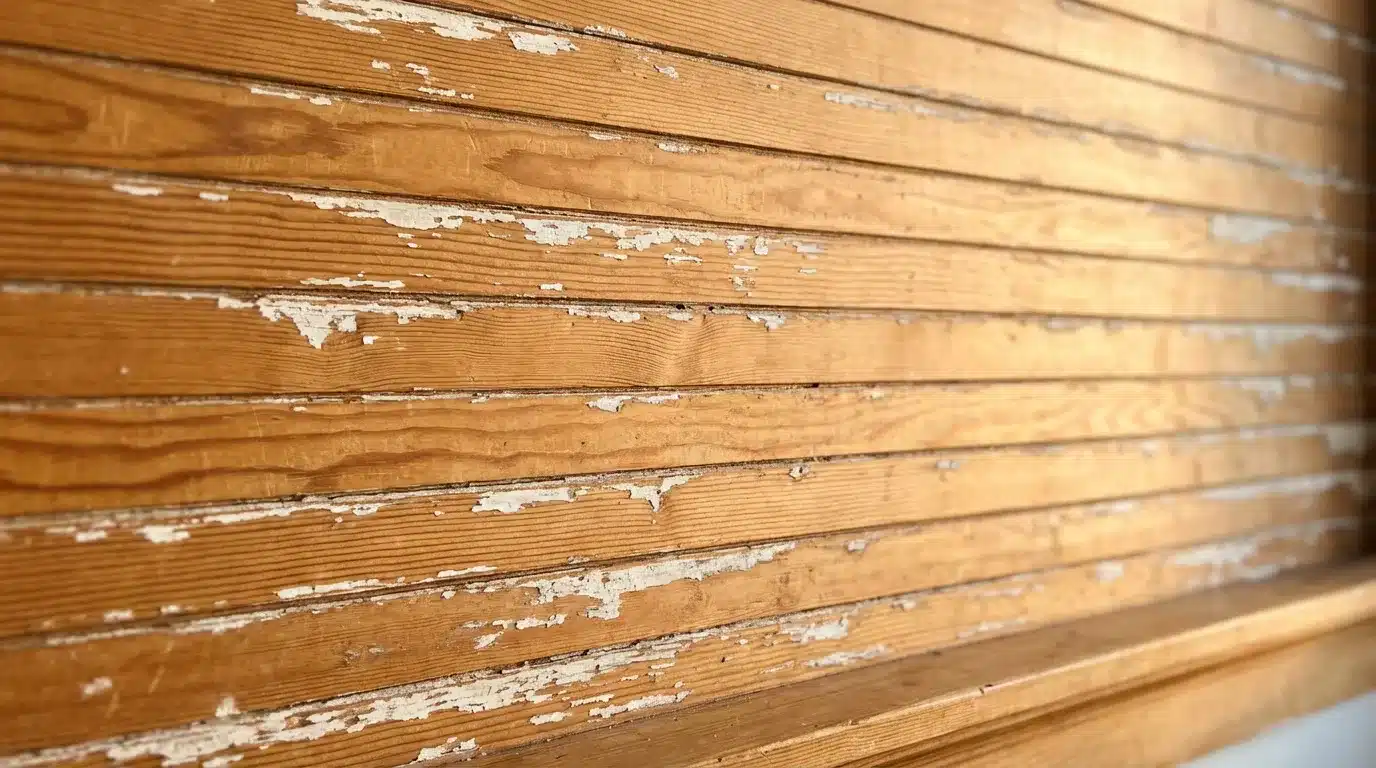
If you notice low water pressure, bubbling paint, or damp drywall, address them immediately. While preventive measures can help prevent various issues from escalating, certain situations require immediate attention. In cases like burst pipes, sewage backups, or sudden major leaks, contacting emergency plumbing services can help minimize structural damage and prevent mold growth.
Protect Your Home from Weather-Related Damage
Severe weather can put extra strain on your plumbing system. Heavy rain overwhelms drainage systems, while freezing temperatures may cause pipes to crack. Before the storm season, remember to clear gutters and downspouts to ensure proper water flow.
To prevent water from pooling, your yard should slope away at a safe distance from the foundation. During colder months, insulate exposed pipes and keep cabinet doors open to allow warm air circulation around plumbing in exterior walls.
Install Preventive Devices
Technology offers several tools to help homeowners prevent costly repairs. Water leak detection systems can monitor levels and automatically shut off your water supply when abnormal flow is detected. Pressure regulators help protect pipes from excessive strain, while sump pumps safeguard basements from groundwater intrusion.
Backflow prevention devices are another valuable safeguard, especially in areas prone to flooding. These systems prevent contaminated water from reversing into your home’s plumbing system. Investing in preventive devices often costs far less than repairing structural damage, replacing flooring, or managing mold.
Endnote
Preventing water damage isn’t about reacting to disasters; it’s about staying proactive. Regular inspections, seasonal preparation, and timely repairs can protect your home and your peace of mind. By paying attention to early warning signs and addressing small issues before they escalate, you can avoid costly surprises.