Most people think about home upgrades in terms of color, furniture or the latest smart gadget. Yet some of the most powerful changes come from surfaces: the walls that quietly define how a room sounds, feels and even how you use it from day to day. In recent years, one solution has moved from boutique hotels and design magazines into ordinary homes: the wooden slat wall.
At first glance, it looks simple – vertical or horizontal wooden strips mounted with a small gap between each slat. But behind that simplicity hides a mix of acoustic control, visual rhythm and surprisingly practical benefits that reach far beyond pure decoration.
In a time where more people work from home, record podcasts, host video calls or just crave calmer living spaces, the wooden slat wall has become a tool that does more than “look nice.” It shapes how you experience a room every single day.
From Flat Plaster to Living Texture
Traditional flat walls reflect sound and light in a harsh, uniform way. That is why a freshly renovated room with bare walls often feels echoey and uncomfortable, even if it looks stylish in photos. A wooden slat wall changes that dynamic by adding depth and texture.
The vertical lines draw the eye upward and make low ceilings feel taller. The shadows between the slats create a subtle play of light that shifts during the day, especially if natural light hits the surface. Instead of a blank, flat plane, you get a living backdrop that adds character without screaming for attention.
This is particularly effective in spaces that otherwise feel boxy or monotonous: long hallways, narrow living rooms or open-plan areas where the kitchen, dining and lounge all blend together. One well-placed feature wall behind a sofa, TV or dining table defines a zone without needing bulky room dividers or heavy furniture.
Acoustic Comfort in Real Homes
Designers often talk about acoustics in theaters and concert halls, but the same principles apply in a small apartment or a suburban house. Hard surfaces like glass, concrete and plaster bounce sound around, creating that “empty room” echo that makes conversations tiring and movie nights less enjoyable.
A wooden slat wall, especially when combined with an acoustic backing behind the slats, absorbs and diffuses sound. Instead of noise bouncing straight back at you, it breaks up and softens. The result is a room where voices sound warmer, music feels fuller, and background noise from kids, kitchens or nearby streets becomes less intrusive.
This matters in modern layouts where kitchens open into living spaces. Cooking, TV, conversations and clattering dishes easily blend into a constant hum. By placing a wooden slat wall behind the TV, along one side of the dining area or even in a hallway adjacent to the living room, you create pockets of calm without closing off the space.
For anyone recording audio at home – from remote workers on daily calls to hobby musicians – the difference is even more noticeable. Reduced echo makes speech clearer and less fatiguing, both for the person in the room and the one listening on the other end of a call.
Warmth, Nature and The Psychology of Wood
Beyond sound and style, there is a quieter effect at play. Natural materials influence how we feel in a room. Wood brings warmth and a subtle connection to nature that paint and plastic never quite match.
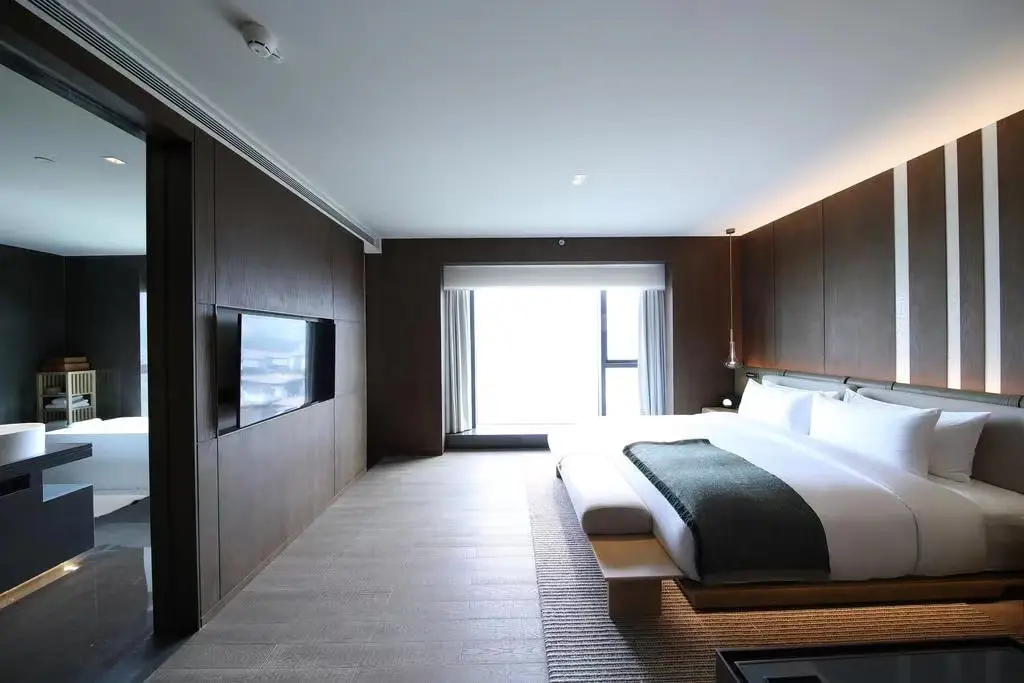
A wooden slat wall introduces that feeling without requiring an entire log cabin aesthetic. You can keep white ceilings, modern furniture and clean lines, yet still anchor the room with a natural focal point. In darker tones like walnut or smoked oak, the slats add a sense of depth and sophistication. In lighter woods like oak or ash, they brighten a space and pair well with Scandinavian-inspired interiors.
This matters in spaces where people spend hours every day: home offices, family rooms and bedrooms. A visually warm backdrop behind a desk or bed can make long days feel less sterile and more grounded. Combine it with plants, soft textiles and good lighting, and an ordinary room starts to feel like a retreat.
Zoning Open Spaces without Walls
Open-plan living has obvious advantages: more light, more flexibility, more room for family life to flow. But it also creates a challenge. Without clear boundaries, activities bleed into each other. Work creeps into the living area, the dining table becomes a permanent dumping ground, and the TV dominates everything.
A wooden slat wall offers a middle path between full-height walls and completely open space. For example:
- Use a freestanding slat partition between a desk area and the rest of the living room.
- Mark the transition from hallway to living room with a slatted section that visually “welcomes” you in.
- Frame a reading corner with a slat wall behind the chair and a floor lamp, turning a forgotten corner into a destination.
Because the slats allow light and air to flow around or through them (depending on the design), you maintain openness while giving each area a clearer identity. That subtle zoning helps routines stick: the work corner actually becomes for work, the reading nook invites quiet, and the dining area feels like a place to gather rather than a pass-through zone.
Practical Details: Maintenance, Installation and Flexibility
A wooden slat wall might look like a high-end bespoke solution, but it is more practical than many assume. Prefabricated panels speed up installation, and many systems are designed for straightforward mounting on existing walls with basic tools.
Maintenance is minimal. Dusting the slats with a soft cloth or vacuuming with a brush attachment keeps them clean. A matte finish hides fingerprints and small marks better than glossy painted walls. In high-traffic zones like entryways or behind sofas, that durability quickly proves its worth.
Flexibility is another strength. You do not need to clad an entire room. A single wall behind the TV, bed or dining table often delivers the biggest visual and acoustic impact. You can also mix slat walls with painted or wallpapered surfaces, using them as accents rather than a total overhaul.
A Subtle Upgrade with Daily Impact
The real power of a wooden slat wall lies in how quietly it improves daily life. It softens sound without bulky panels, adds visual warmth without clutter, and helps organize open spaces without building new walls. You notice the effect every time the room feels calmer during dinner, every time a video call sounds clearer, and every time you sit down in the evening and the space simply feels more welcoming.
For homeowners looking to make a meaningful change without a full renovation, it offers a rare combination: design statement, acoustic upgrade and functional zoning in one move. Whether you live in a compact apartment or a sprawling house, that blend of beauty and practicality turns a simple wall into one of the most hardworking surfaces in your home.