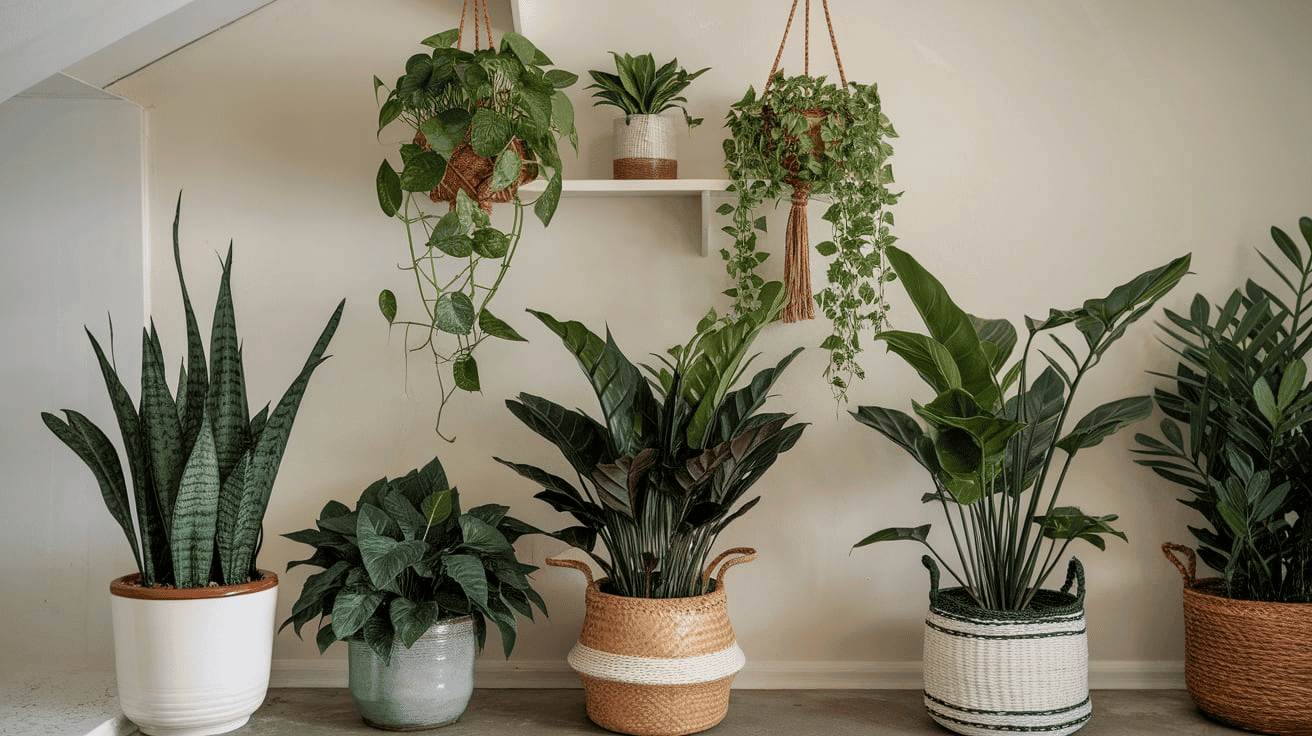
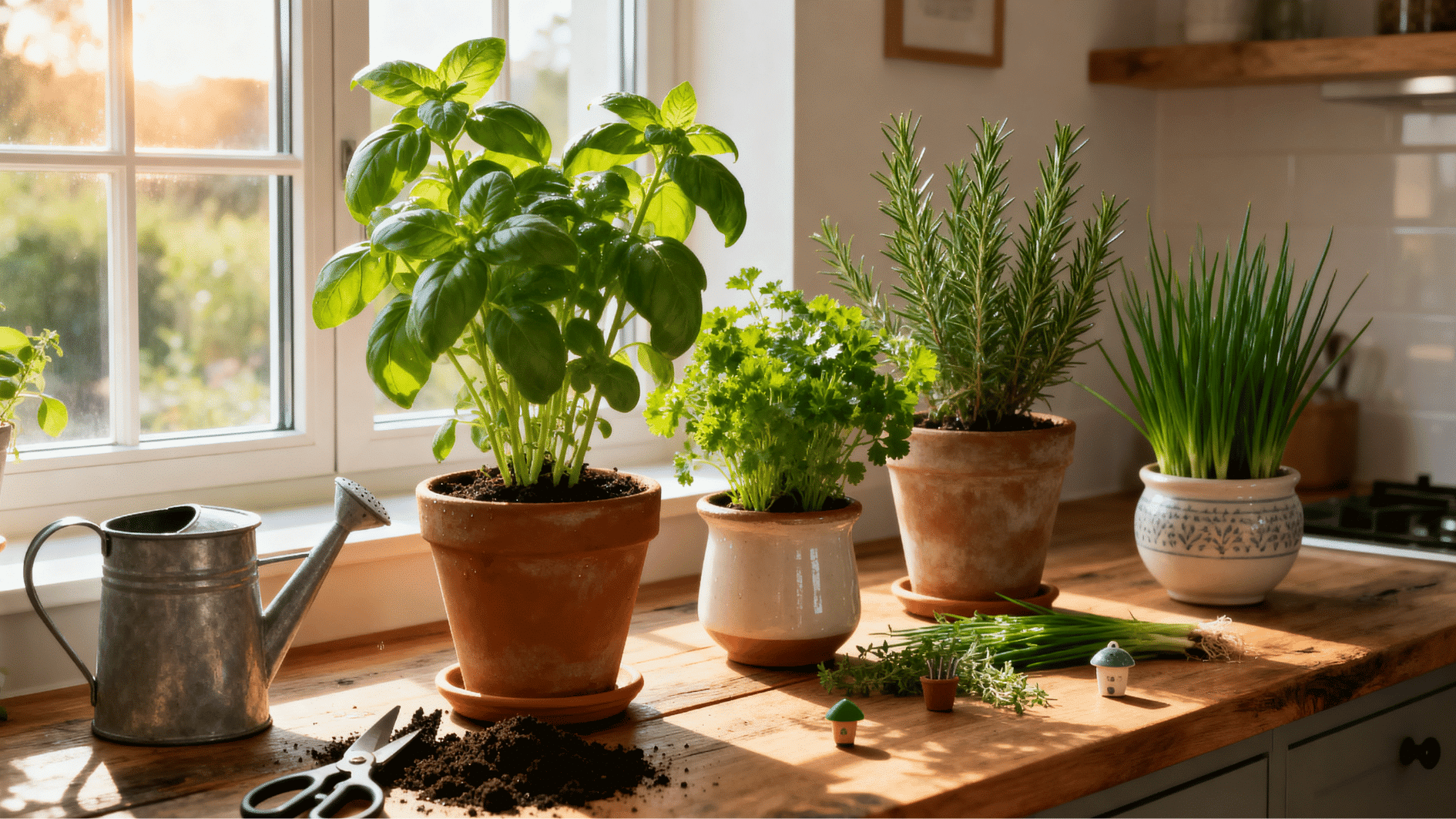
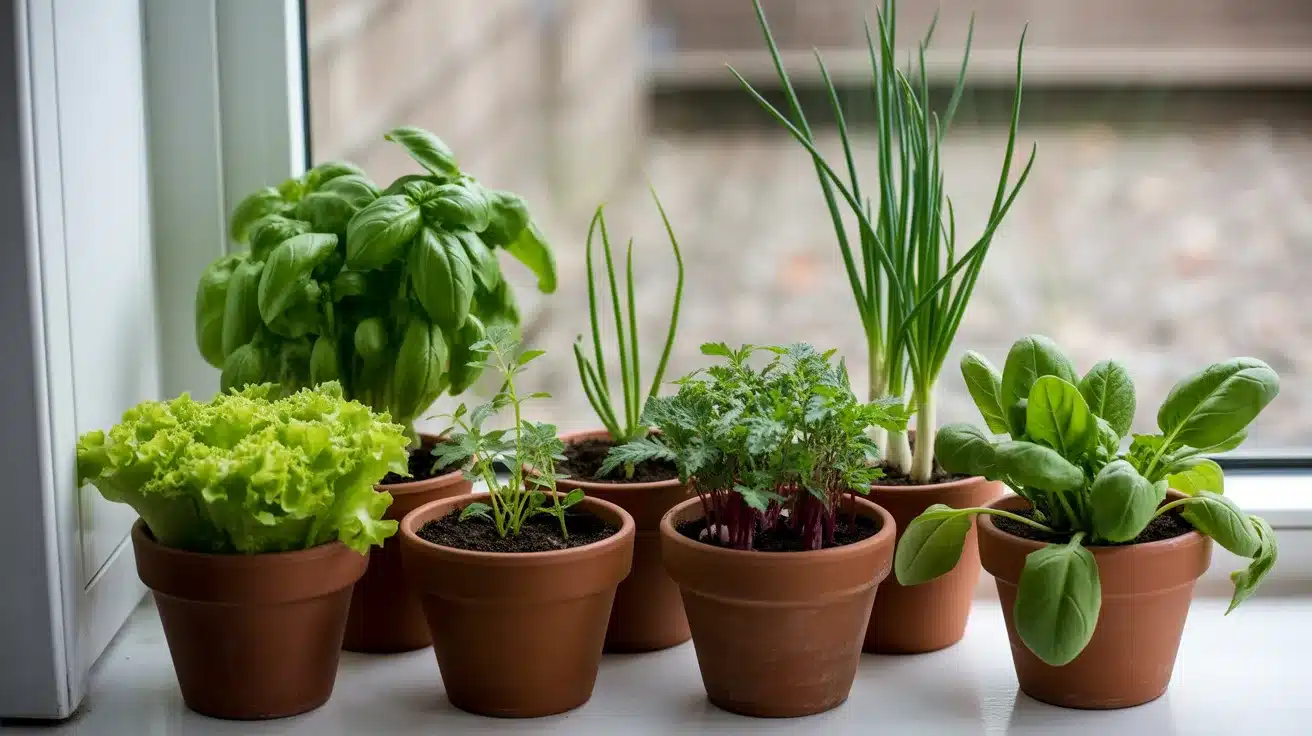
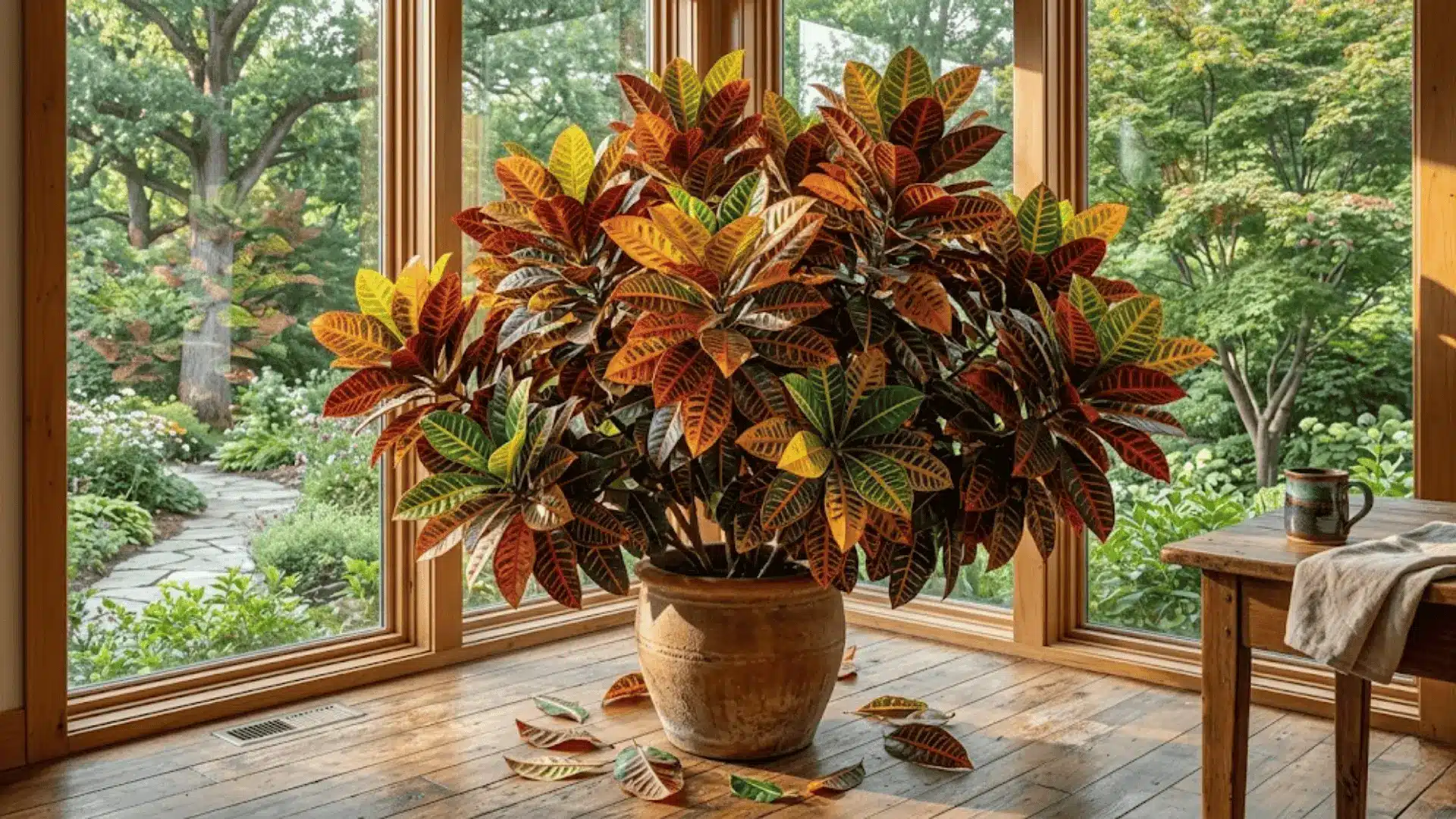
If your entryway feels a little empty, I love turning a simple cabinet into a mini indoor garden. You do not need a big sunny room to pull this off. A few tough plants, a little height, and the right pots can make that first impression feel warm and alive.
Quick setup: Pick a small mix of low-maintenance, low-light plants (think snake plant, ZZ plant, spider plant, and a couple of succulents). Add height with a small riser or tiered stand, tuck in one trailing plant, and use pots with drainage so watering stays simple.
Choosing the Right Plants for Entryways
Entryways can be tricky for plants. Light is usually indirect, and every door opening can bring in a quick blast of hot or cold air. That is why I start with plants that do not get fussy when conditions change.
Also think about pets and traffic. If dogs or cats can reach the cabinet, stick with pet-friendly choices, or place any questionable plants up high where curious mouths cannot get to them.
Next, match the plant shape to your space. In a tight hallway, tall upright plants give you height without eating up counter space. If the entry is wider, you can mix in a fuller plant for that instant ‘green welcome’ feel.
If you want the cabinet top to stay useful, go vertical. Hanging or trailing plants soften hard lines and make the whole area feel intentional without piling pots shoulder to shoulder.
Entryway Cabinets That Make Your Indoor Garden Look Intentional
After you pick the plants, the entryway cabinet is what makes the whole thing look put together. And since this is usually a hallway, you’ve got to keep it practical.
First thing I look at is size. If the space is tight, go slimmer so you’re not squeezing past it. If you’ve got room, a wider cabinet gives you more storage and a better “drop zone.”
Next, think about what actually lands here every day:
- keys
- wallet
- sunglasses
If you build that into the plan, the cabinet works like a table without looking messy. A simple tray for keys helps a lot.
Here’s a designer trick I like. AURA Modern Home founder and curator Todd Harmon says, “Choose the entryway cabinet first, then repeat one finish—your wood tone, a metal, or an accent color—two more times in the decor. That’s what makes the style feel intentional.”
Last thing: plants and water happen. Use a tray or mat on top so your furniture stays protected.
Air-Purifying Benefits
Plants are not just pretty. A little greenery near the front door can make the air feel fresher and the space feel calmer. Some common houseplants are often recommended because they can help reduce indoor odors and dust over time.
“Plants do a quiet job. They make your entry feel cleaner, softer, and more welcoming.”
When you pick plants that can handle low light, keep pets safe, and fit the size of your entry, your cabinet stops being a drop zone and starts feeling like a small, happy oasis.
Now let’s make it look great. Placement is where a ‘few pots’ turns into something that looks designed.
Arranging Your Plants Effectively
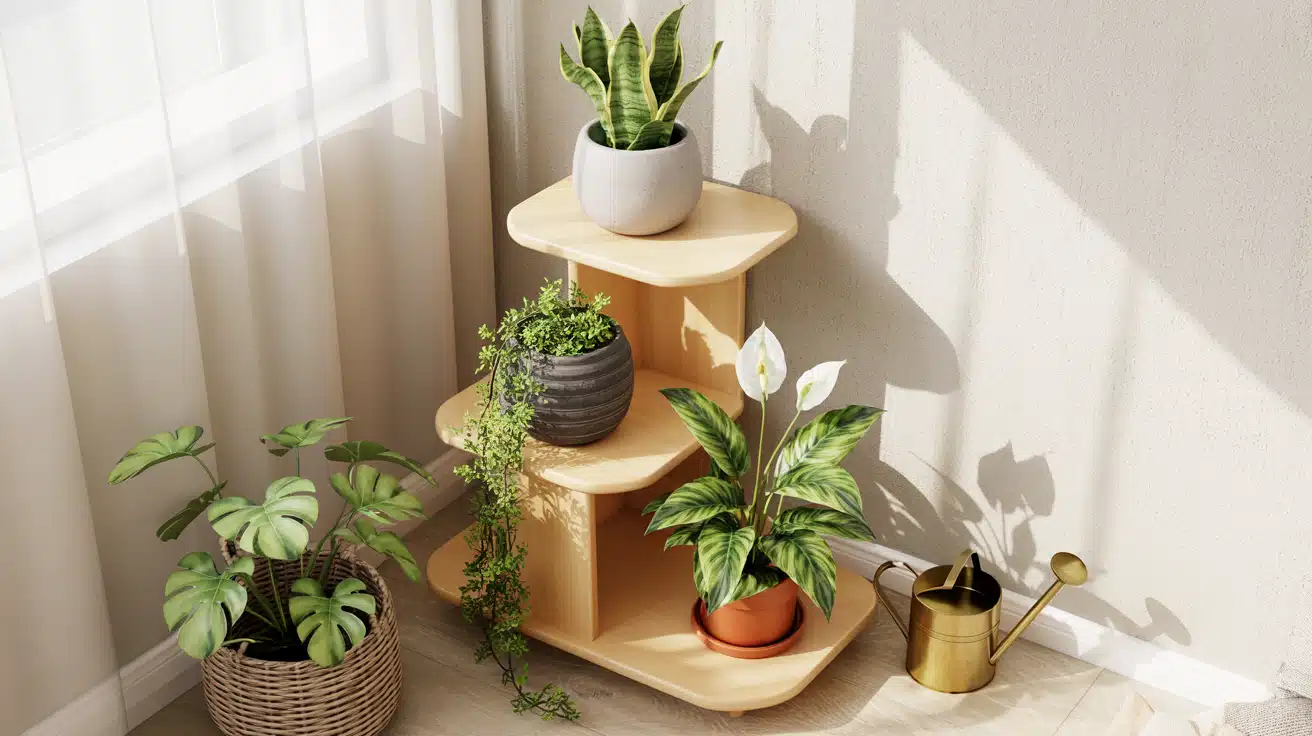
How you place the plants matters as much as which plants you buy. My favorite trick is layering. Think: tall in back, medium in the middle, and small up front.
That simple height change adds depth, and it keeps the cabinet from looking flat or crowded.
You do not need fancy stands. A couple of sturdy books, a small box, or an upside-down bowl can lift a pot and create instant variety.
Leave a little breathing room. I try for about 2 to 3 inches between pots so air can move and leaves are not rubbing each other all day.
If you like a clean, organized look, use a little symmetry. Matching plants or pots on each end of the cabinet reads calm and welcoming the moment you walk in.
Just do not make it too perfect. A small cluster in the middle keeps things from feeling stiff or staged.
Mix textures for interest. Pair glossy leaves with feathery ferns, or mix upright plants with something that trails.
Trailing plants are great near the cabinet edge. They add movement and soften the straight lines that can make a small entry feel narrow.
Here is the simple layout I use most often:
- Put your tallest plant in the back.
- Set medium plants in the center.
- Keep the smallest plants up front.
- Leave 2 to 3 inches between pots.
- Use books or a small riser to add height.
- Balance the ends with matching pots or plants.
- Group plants with similar light and water needs.
- Let one or two trailing plants spill over the edge.
A good rule of thumb: cover about two-thirds of the cabinet surface with plants and decor. That gives you plenty of green without losing space for keys, mail, or a small catch-all tray.
Once the layout feels right, the pots and containers pull everything together. The right containers also make care a whole lot easier.
Ideal Containers and Pots
Picking containers is not only about looks. The pot affects how fast soil dries, how heavy the setup feels, and how easy it is to water without making a mess in a high-traffic spot.
Ceramic looks clean and classic, but it can be heavy. Terracotta breathes well (great for people who tend to overwater), but it dries out faster and can chip if it gets bumped.
Plastic is light, affordable, and hard to break – which is nice near a doorway. Just watch watering, because plastic holds moisture longer.
No matter what you choose, drainage matters. If the pot does not have a hole, use a nursery pot inside a decorative cover pot, or add a saucer to catch extra water.
|
Material |
Pros |
Watch outs |
|
Ceramic |
Looks polished; holds up well |
Heavy; can crack if bumped |
|
Plastic |
Lightweight; budget-friendly |
Holds moisture; can look cheap |
|
Terracotta |
Breathable; classic, earthy look |
Dries faster; chips easily |
Style tip: Match the pot vibe to your entry. Sleek white or gray pots feel modern. Baskets and terracotta feel warm and relaxed.
Also think scale. Taller pots can add height on a narrow cabinet without using extra surface space, which is a big win in small entryways.
Do not forget the air above the cabinet. A simple hanging planter can add green at eye level and keep the cabinet top from feeling crowded.
Even one hanging plant can make the whole setup look more finished.
When your containers look good and drain well, your plants stay healthier and the entryway stays cleaner.
That is the sweet spot: easy care and a look you actually enjoy every time you walk in the door.
Next, add a few small details so the cabinet feels styled, not stuffed.
Adding Decorative Elements
Decor is what turns your plant cabinet into a welcome moment. I like a few small personal items mixed in – a little sculpture, a framed photo, or a favorite bowl for keys.
Keep it simple and spaced out. Leaving 2 to 4 inches between plants and objects helps everything feel intentional. A slim tray is perfect for grouping small stuff so it does not look messy.
Texture helps, too. Smooth pots next to a woven basket, a little moss on top of soil, or a few clean pebbles can make the whole display feel more natural.
Neutral decor lets the leaves be the star. If you want color, add just one accent – a warm terracotta pot, a brass candle, or a small piece of art.
You can also use the wall above the cabinet. A tiny shelf, a mirror, or a soft string of clip-on lights can add height and make the entry feel cozy at night.
Seasonal swaps keep it fun. A small pumpkin in fall, a little greenery in winter, or a simple vase in spring is plenty. Do not overthink it.
Once it is set up, it is all about easy care so it stays nice instead of becoming another chore.
Maintenance Tips for Indoor Plants
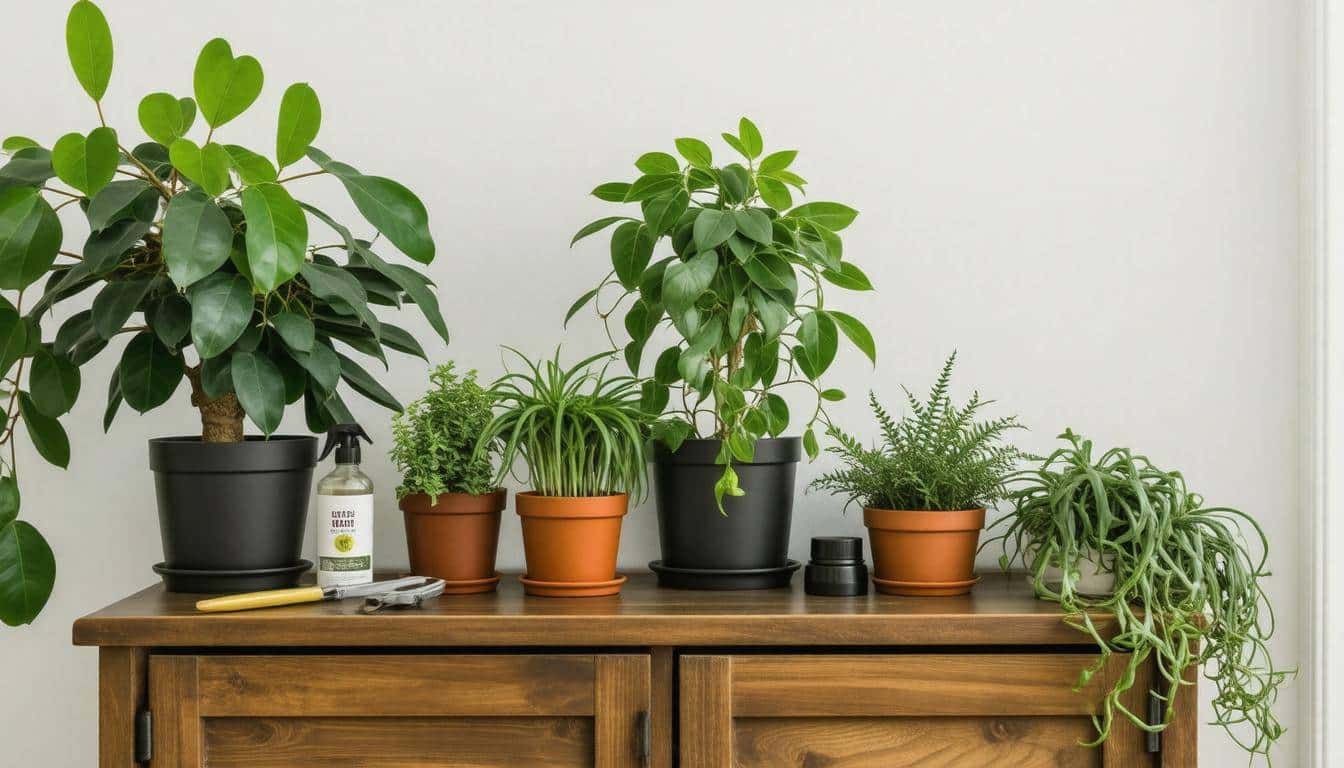
Consistent care is the difference between a cabinet that looks great for a week and one that stays healthy all year. For watering, I always check the soil first – about 1 to 2 inches down. If it is still damp, I wait.
Watch your plants, too. Droopy leaves can mean they are thirsty, but yellow leaves and soft stems usually mean too much water. When you do water, water deeply until a little drains out the bottom.
Prune as you go. Snip off yellow leaves and dead tips so the plant can focus on new growth and the display stays clean.
Wipe dusty leaves with a damp cloth every couple of weeks. Clean leaves take in more light, and pests are less likely to move in.
Feed lightly during the growing season. A balanced liquid fertilizer once a month in spring through fall is usually plenty for most houseplants.
|
Care task |
What to do |
How often |
|
Watering |
Check soil first; water until it drains |
Weekly to biweekly |
|
Pruning and cleaning |
Remove dead leaves; wipe dusty foliage |
Every 1-2 weeks |
|
Fertilizing |
Use a balanced liquid fertilizer |
Monthly (spring-fall) |
|
Quick check |
Look for yellowing, spots, or pests |
Any time you walk by |
Use the table above as a quick cheat sheet for entryway plants.
Once you have a routine, you can add more plants without adding more clutter. The easiest way is to go up, not out.
Maximizing Limited Space with Vertical Gardens
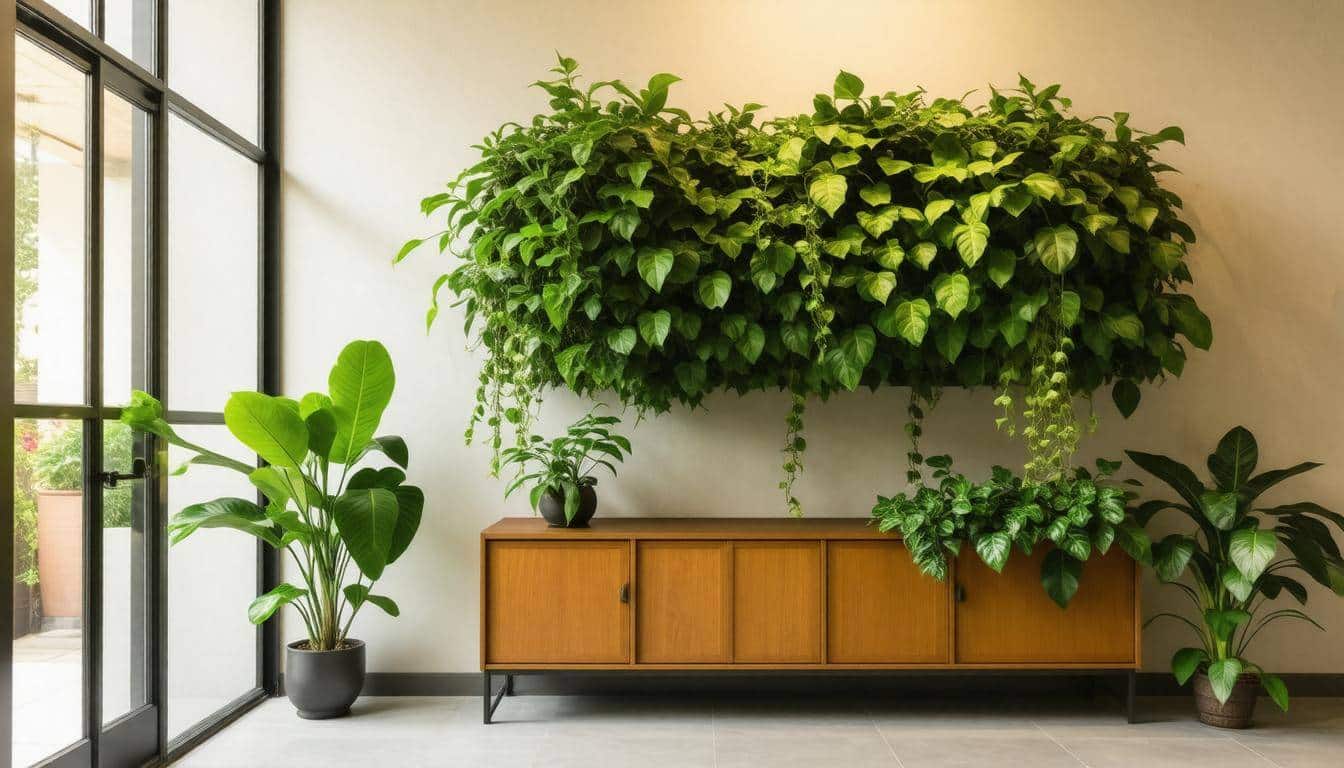
If the cabinet top is getting full, a vertical garden is a smart next step. Wall planters and small shelves let you add greenery without taking over your landing zone for keys and bags.
Use sturdy anchors and hardware, and keep everything at a height you can reach for watering. If you rent, look for lightweight systems that use fewer mount points, or try a leaning shelf instead of drilling a lot of holes.
Hanging plants work great here, too. Pothos, philodendron, and ferns add that soft, trailing look that makes a small space feel more relaxed.
Just make sure your hangers and pots can handle watering without dripping onto furniture or floors. A saucer insert or a removable liner helps.
A ladder shelf is another easy option. It gives you several levels for plants but only uses a small footprint on the floor.
Put lower-light plants on the lower shelves and plants that want brighter light closer to the top or nearest window. Rotating pots every so often helps growth stay even.
“Going vertical lets you add a lot more green without stealing precious counter space.”
It also just looks good – more layers of plants make the entry feel finished.
Start with easy plants for indirect light, keep watering simple, and add one plant at a time.
– Start with one wall planter or shelf so it stays manageable.
– Use secure hardware and protect surfaces below when you water.
– Rotate plants occasionally so they grow evenly.
When you combine a few tough plants, a layered layout, and one vertical element, a small entryway cabinet can look like a designed feature – not clutter.
Small space or not, you can have a welcoming green entry. Start simple, keep it easy to care for, and let it grow from there.