Change rarely succeeds on willpower alone.
Whether someone is trying to adopt healthier eating habits or move through alcohol detox and early recovery, one factor consistently shapes outcomes more than motivation: environment.
The spaces we live in silently influence what we reach for, how we cope, and which habits stick. Kitchen design and detox may seem unrelated at first, but both operate on the same foundational truth—when the environment supports health, healthier choices become easier and more sustainable.
Environment Shapes Behavior More Than Intention
People often blame themselves when habits fail to change. In reality, many habits are reinforced not by intention, but by surroundings.
A cluttered, inefficient kitchen encourages convenience eating.
A chaotic or triggering environment undermines recovery efforts.
In both cases, the environment creates friction for healthy behavior and ease for unhealthy patterns. Detox and remodeling both begin by recognizing this imbalance.
Detox Removes Substances—But Environment Removes Triggers
Detox focuses on clearing substances from the body, stabilizing physical systems, and restoring baseline functioning. But once detox ends, the person returns to an environment that may still encourage old behaviors.
Common environmental challenges after detox include:
- Lack of routine
- Unstructured time
- Emotional triggers tied to specific spaces
- Easy access to unhealthy coping mechanisms
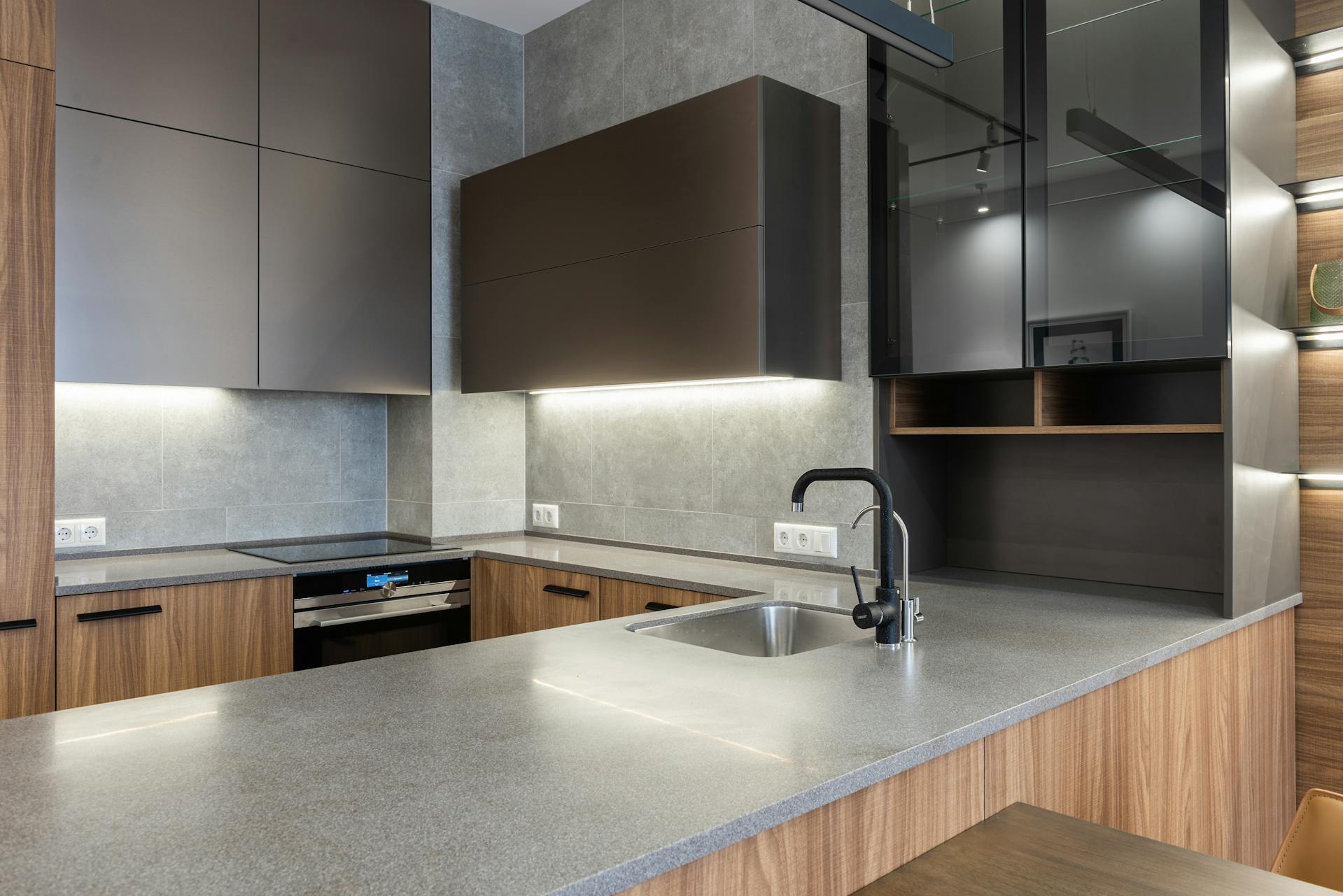
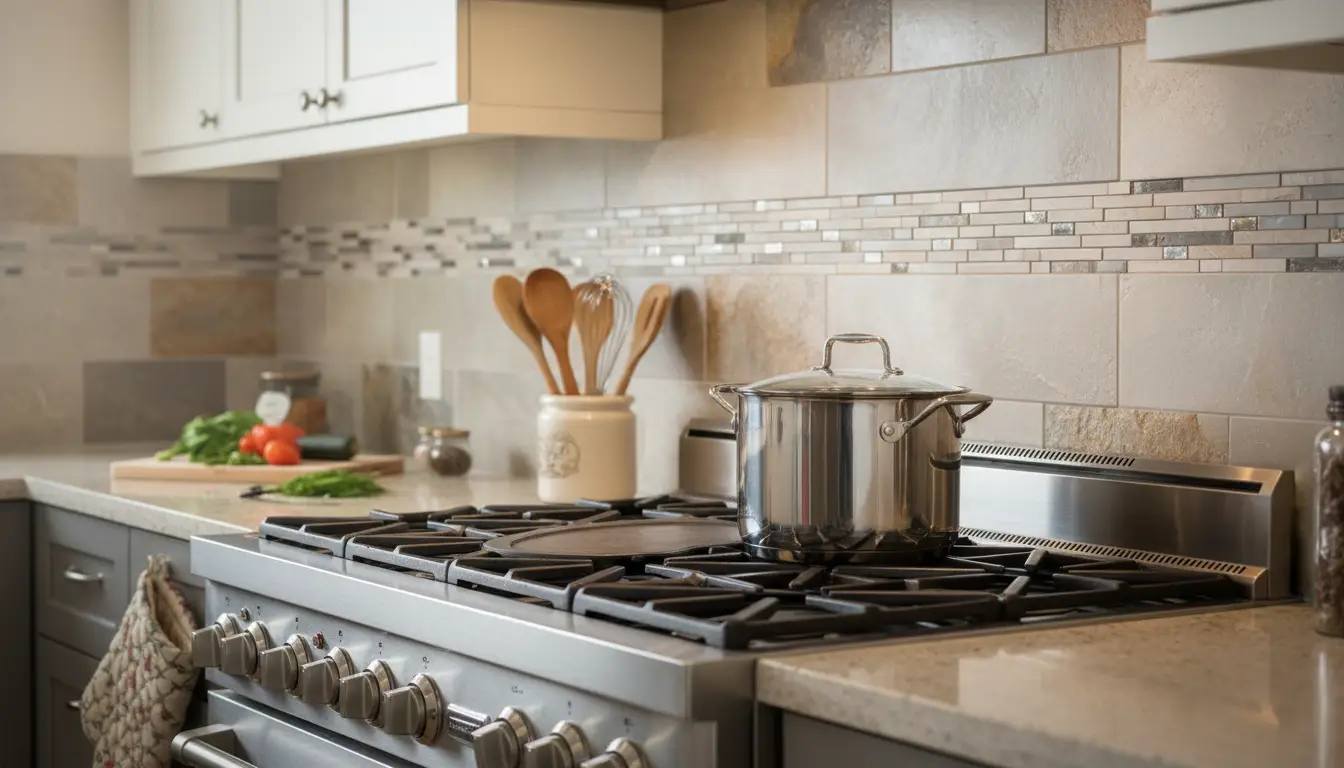
Similarly, a kitchen filled with poor lighting, limited storage, or inefficient layout discourages intentional food preparation—even when someone wants to eat better.
In both contexts, removal alone is not enough. The environment must be redesigned to support the new goal.
Kitchen Design Makes Healthy Choices Easier—or Harder
Well-designed kitchens are not about aesthetics alone. They are about behavior.
Thoughtful kitchen design supports healthier habits by:
- Making nutritious food more visible and accessible
- Reducing friction in meal preparation
- Encouraging regular cooking rather than impulse eating
- Supporting routine through layout and organization
When the kitchen supports intentional use, healthy behavior becomes the default—not the exception.
Recovery works the same way. When the environment supports regulation, routine, and safety, relapse becomes less likely—not because temptation disappears, but because healthier responses are easier to access.
Structure Is a Hidden Support System
Both detox recovery and kitchen design rely on structure to reduce stress and decision fatigue.
In recovery, structure might include:
- Consistent meal times
- Predictable daily routines
- Designated spaces for rest and reflection
- Clear boundaries around triggering environments
In kitchens, structure shows up as:
- Logical work zones
- Clear storage systems
- Adequate lighting and flow
- Reduced clutter
Structure lowers cognitive load. When fewer decisions are required to do the right thing, follow-through improves.
Environment Helps Replace Survival Habits With Sustainable Ones
Addiction often develops in environments where coping options are limited. Detox removes the substance, but recovery requires new systems for handling stress, nourishment, and emotion.
Similarly, many people rely on convenience food not because they prefer it, but because their kitchen does not support planning or preparation.
In both cases, changing the environment helps replace survival habits with intentional ones:
- Nourishment replaces neglect
- Routine replaces chaos
- Preparation replaces reaction
The goal is not perfection—it is consistency.
Safety and Accessibility Matter More Than Motivation
In early recovery, safety is essential. Exposure to triggers, isolation, or high-stress environments can overwhelm even the most motivated individuals.
In kitchen remodeling, safety and accessibility are equally critical:
- Proper lighting prevents accidents
- Functional layouts reduce strain
- Storage accessibility supports consistent use
Healthy habits are fragile when environments are hostile to them. Supportive environments protect progress during vulnerable phases.
Designing for the Life You Want to Maintain
Both detox recovery and kitchen remodeling fail when they are designed only for short-term outcomes.
A kitchen designed purely for appearance may look good but discourage daily use. A recovery plan that ignores environment may work briefly but collapse under real-life pressure.
Sustainable change asks a better question:
What kind of environment supports the life I want to live every day?
When kitchens are designed for real routines—and recovery environments are designed for real stress—health becomes easier to maintain.
Small Environmental Changes Create Compounding Benefits
Not every change needs to be dramatic.
In kitchens:
- Better lighting
- Improved storage
- Clear counters
- Functional flow
In recovery:
- Removing high-risk items
- Creating calm spaces
- Establishing routines
- Adjusting daily surroundings
These small shifts reduce friction. Over time, reduced friction compounds into stability.
Environment Is Not a Crutch—It Is a Strategy
Relying on environment is not weakness. It is strategy.
Both kitchen design and detox recovery acknowledge a simple reality: humans behave in response to their surroundings. Designing those surroundings intentionally is an act of responsibility, not avoidance.
When the environment supports health, discipline becomes less strained and progress becomes more sustainable.
Final Thoughts
Healthy habits do not exist in isolation. They live inside spaces.
Detox clears the body. Recovery reshapes life.
Kitchen remodeling removes obstacles. Design builds routine.
In both cases, environment is not secondary—it is foundational.
When spaces are aligned with health, people no longer have to fight their surroundings to move forward. They can focus on living—one supported choice at a time.