Concrete is built to last—but it is not indestructible.
Over time, weather exposure, ground movement, moisture, and wear take their toll.
Minor cracks and surface flaws can often be repaired, but there is a point where patching becomes a temporary fix rather than a real solution.
Knowing when concrete repair is no longer enough can save you money, prevent safety risks, and avoid repeated short-term fixes that never truly resolve the problem.
This guide explains the clear signs that concrete replacement—not repair—is the smarter long-term decision.
Concrete Repair vs. Concrete Replacement: The Key Difference
Before identifying warning signs, it’s important to understand the distinction.
Concrete repair is appropriate when:
- Damage is surface-level or isolated
- The slab is structurally sound
- Cracks are minor and stable
- Drainage and base conditions are intact
Concrete replacement becomes necessary when:
- Structural integrity is compromised
- Damage is widespread or recurring
- The underlying base has failed
- Safety or load-bearing capacity is reduced
The mistake many property owners make is treating structural failure as a cosmetic issue.
Sign 1: Large, Widening, or Spreading Cracks
Not all cracks are equal.
Hairline cracks caused by shrinkage are common and usually harmless. However, replacement should be considered when cracks are:
- Wider than ¼ inch
- Growing over time
- Branching into multiple directions
- Running through the full depth of the slab
These cracks often indicate underlying base movement or soil instability. Filling them may improve appearance temporarily, but the structural problem remains.
If cracks keep reappearing after repair, replacement is usually the only lasting solution.
Sign 2: Uneven, Sunken, or Heaving Slabs
Concrete that is no longer level is more than an eyesore—it is a safety hazard.
Common causes include:
- Soil erosion beneath the slab
- Poor compaction during installation
- Freeze-thaw cycles
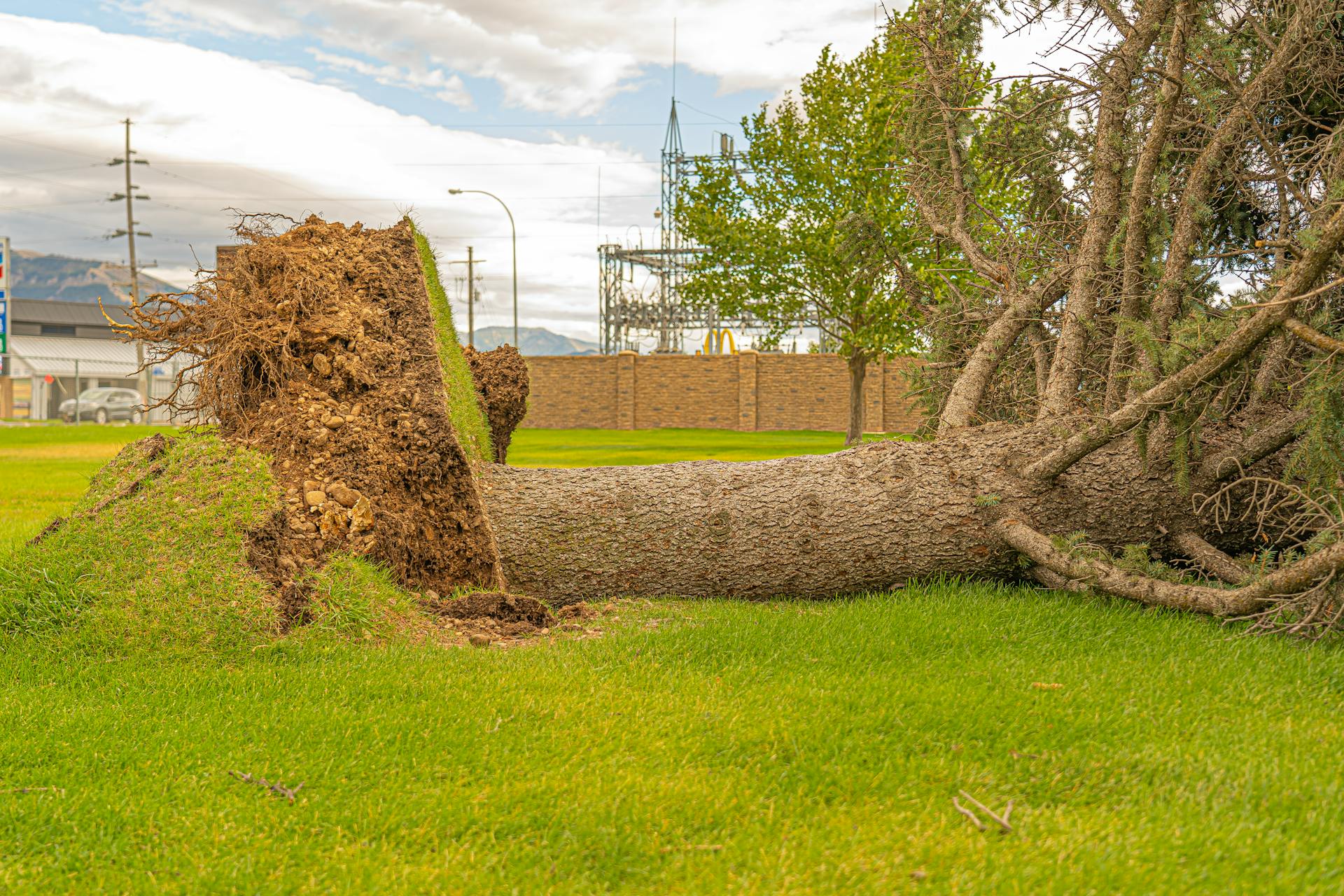
- Tree root interference
Signs include:
- Trip hazards
- Pooled water
- Visible height differences between sections
While leveling methods may work in limited cases, severe settling or heaving usually means the base has failed. In these situations, replacing the slab and correcting the underlying issue is the correct approach.
Sign 3: Repeated Repairs That Don’t Last
One of the clearest indicators that replacement is needed is repair fatigue.
If you have:
- Repaired the same area multiple times
- Patched cracks that keep returning
- Spent steadily increasing amounts on maintenance
…you are likely dealing with a systemic problem rather than isolated damage.
At a certain point, replacement becomes more cost-effective than ongoing repairs that only delay the inevitable.
Sign 4: Extensive Surface Deterioration (Spalling or Scaling)
Surface damage is common in older concrete, especially in regions with freeze-thaw cycles or de-icing salts.
Warning signs include:
- Flaking or peeling surfaces
- Exposed aggregate
- Pitted or rough textures
- Weak, crumbling edges
Minor surface wear can sometimes be resurfaced. However, when deterioration is widespread, it usually indicates that the concrete has lost its structural integrity near the surface.
In these cases, overlays may fail prematurely, making replacement the safer investment.
Sign 5: Drainage Problems and Standing Water
Concrete should shed water, not trap it.
If you notice:
- Standing water after rain
- Water pooling near foundations
- Slopes that direct water toward buildings
…your concrete may no longer be properly graded.
Poor drainage accelerates deterioration, increases slip risk, and can even cause foundation damage. Regrading is often not possible without removing and replacing the slab entirely.
Sign 6: Structural or Load-Bearing Concerns
For driveways, walkways, commercial pads, and patios that support weight, structural integrity matters.
Replacement is often necessary when:
- Concrete is cracking under normal loads
- Heavy vehicles cause flexing or damage
- Reinforcement is exposed or corroded
In load-bearing applications, repair can mask serious risks. Replacement ensures the slab meets current usage demands and safety standards.
Sign 7: The Concrete Is Near the End of Its Lifespan
Concrete does not fail overnight—it degrades gradually.
Most residential concrete lasts 25–40 years, depending on installation quality, climate, and maintenance. If your concrete is decades old and showing multiple signs of wear, replacement may be the most practical choice.
Trying to preserve concrete beyond its functional lifespan often leads to diminishing returns.
Why Replacement Is Sometimes the Smarter Investment?
While replacement has a higher upfront cost, it often delivers better long-term value by:
- Eliminating recurring repair expenses
- Improving safety and accessibility
- Enhancing curb appeal and property value
- Correcting base and drainage issues
- Providing a clean, uniform finish
Most importantly, replacement addresses the root cause, not just the visible damage.
Get a Professional Evaluation Before Deciding
Every situation is different. Some concrete can be repaired effectively, while other slabs are beyond practical repair.
A professional assessment looks at:
- Crack patterns and depth
- Base stability
- Drainage conditions
- Structural load requirements
- Overall slab condition
This evaluation ensures you invest in the right solution—repair when possible, replacement when necessary.
Final Thoughts
Concrete repair works—until it doesn’t.
When cracks spread, slabs shift, repairs fail, or safety becomes a concern, replacement is no longer an overreaction—it is responsible property maintenance.
Understanding these warning signs helps you make informed decisions, protect your investment, and avoid costly surprises down the road.
If your concrete is showing multiple signs discussed above, a professional inspection is the best next step to determine whether repair is still viable—or if replacement is the solution that will last.