Designing a home for a busy family means balancing style, comfort, and functionality—all without sacrificing personal touches. Every square metre must work hard, from how rooms are laid out to how storage is integrated. The goal isn’t perfection but practicality: a space that supports daily routines, adapts to changing needs, and still feels like home.
Flexible Shared Spaces for Busy Households
In homes where several people use the same areas at once, versatility is essential. Open-plan layouts are popular for good reason; they allow visibility and togetherness, but without smart planning, they can become overwhelming. Clear zoning helps maintain order, particularly in high-use areas like the kitchen-living-dining space.
Using furniture placement and rugs to define spaces is an effective way to organise without adding walls. A corner sofa can anchor the lounge, while a bench or shelf can separate dining from living areas. Modular furniture is also ideal, adapting easily for everyday life, from schoolwork to family movie nights.
Practical interiors thrive on adaptability. For tailored advice that aligns with both lifestyle and design, professionals such as those at novaricollective.com.au can help optimise flow and layout, ensuring your space supports how your family lives every day.
Prioritising Built-In and Hidden Storage
Storage is a persistent challenge in family homes. From toys and tech to sports gear and school essentials, clutter can quickly take over. The solution lies in incorporating built-in storage that blends seamlessly into your design.
Full-height cabinetry, under-stair drawers, and window bench seating with lift-up lids offer storage without adding bulk. Bedrooms benefit from under-bed storage and tall wardrobes, while hallways and entry points can be upgraded with drawers, hooks, and compartments for bags, shoes, and post.
Avoid relying heavily on open shelving, which can become a visual mess. Closed storage keeps surfaces tidy, helping the home feel calmer and more organised — a welcome contrast to the busyness of family life.
Choosing Durable, Family-Safe Materials
A family home needs to handle knocks, spills, and frequent cleaning. Fortunately, there are many durable materials available that also look great. The key is making practical choices that work long-term.
Sofas with removable, washable covers are a good investment, especially in homes with pets or young children. Stain-resistant fabrics like microfibre or treated cotton keep furniture looking newer for longer. For flooring, hybrid vinyl, engineered timber, or laminate provide resilience and easy maintenance.
Opt for rounded furniture where possible to reduce injury risks in active households. Paint finishes such as low-sheen or satin are ideal in hallways and kitchens, allowing walls to be wiped clean without damage.
Designing for Independence and Daily Flow
Good design supports every family member’s ability to contribute. Making spaces easy to navigate helps build independence and saves time during busy routines. In the kitchen, dedicate a lower drawer or shelf to child-friendly items, like snack containers or cups. In the bathroom, stools, low hooks, and baskets make daily tasks more accessible.
Hallways benefit from labelled compartments for each family member; baskets or wall hooks where essentials are stored for quick access. These thoughtful touches ease the morning rush and help children develop ownership over their routines.
Flow is another major factor. Residential architecture prioritises flow by ensuring logical sequences between zones, such as kitchen-to-dining transitions, to avoid congestion from oversized furniture or blocked walkways. A research paper on applied human factors in residential design emphasises optimising traffic patterns and circulation to prevent such conflicts, using process flow diagrams for intuitive movement. Experts highlight these patterns to make homes feel spacious and user-friendly.
Ensure that walkways aren’t blocked by oversized furniture and allow for easy movement between zones. Consider sliding doors or flexible partitions where you want to divide space without permanent walls.
Keeping the Aesthetic Calm and Adaptable
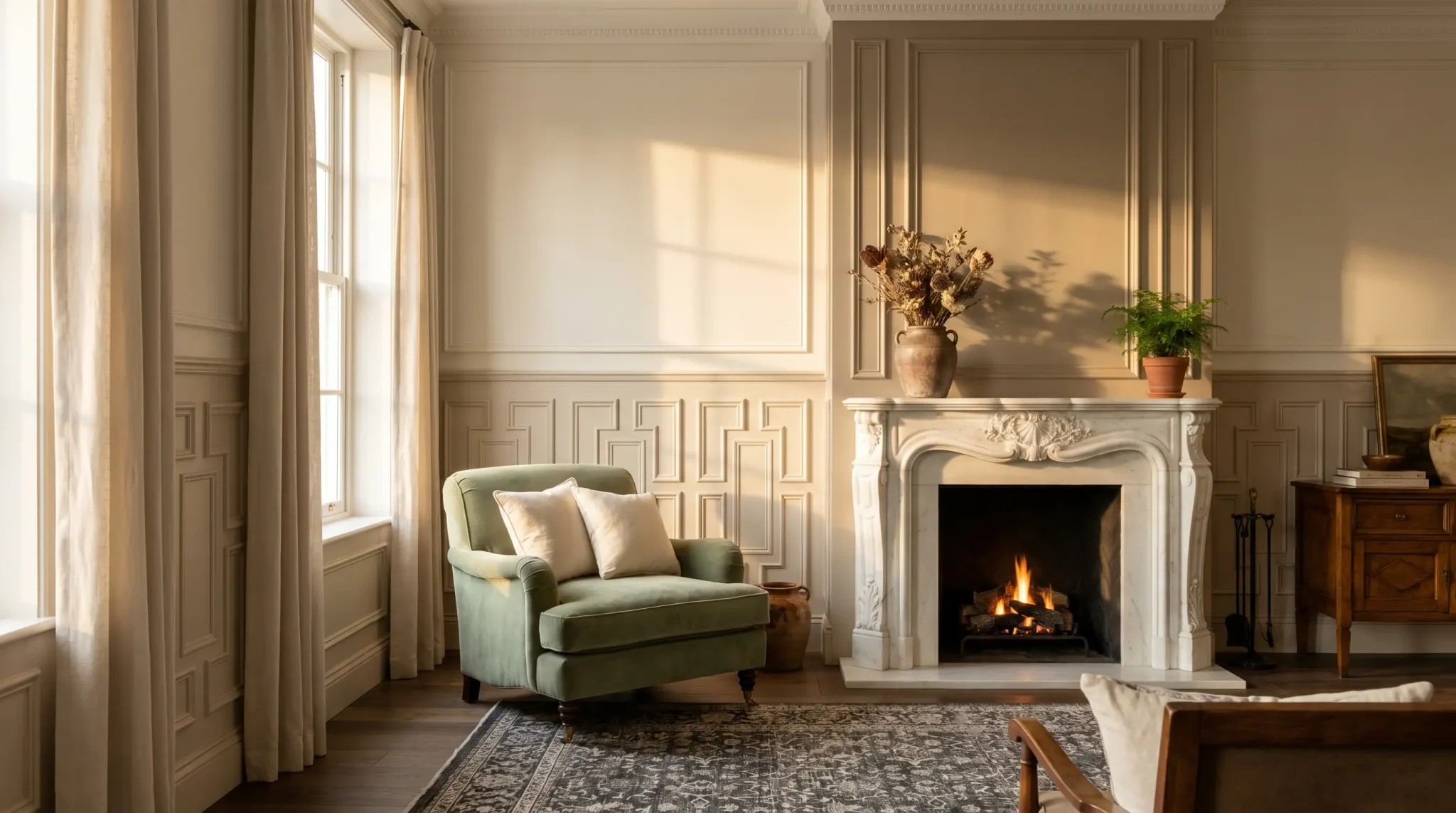
Amid the noise and energy of family life, creating a sense of calm through interior design makes a real difference. A restrained colour palette, layered textures, and warm lighting create a peaceful atmosphere without becoming boring.
Keep decoration minimal and meaningful. Focus on textures: linen curtains, woven rugs, and soft throws to add depth without clutter. Use cushions, artwork, or wall decals to reflect personality, which can be updated as children grow or styles change.
Dual-purpose furniture is especially valuable. Ottomans with hidden storage or coffee tables with drawers help maintain order while fitting in with the overall aesthetic. With the right pieces, family spaces can be both practical and elegant.
Designing a Home That Keeps Up With Family Life
A busy household doesn’t need to sacrifice comfort or style. Through flexible layouts, durable materials, integrated storage, and thoughtful details, it’s possible to design a home that supports your family at every stage. Practical design isn’t about perfection—it’s about creating a space that works hard and feels right, every single day.