As winter settles across Canada, homeowners in areas like Markham face unique plumbing demands from freezing temperatures and heavy snowfall. Cold snaps can turn everyday systems into potential hazards, with issues ranging from sluggish drains to complete pipe failures. Finding a reliable plumber Markham early helps address these seasonal strains before they escalate into costly repairs. Understanding common winter plumbing problems, especially in Ontario’s variable climate, equips residents to protect their homes effectively.
Markham’s mix of established neighborhoods and newer subdivisions means plumbing systems vary widely—older galvanized pipes in historic areas contrast with modern PEX lines in recent builds. Hard water from Lake Ontario sources adds another layer, contributing to mineral buildup that exacerbates cold-weather vulnerabilities.
Recognizing Early Signs of Winter Plumbing Issues
Frozen pipes top the list of concerns for many Canadian households. When temperatures drop below -10°C for extended periods, water inside exposed or poorly insulated lines expands, creating pressure that leads to cracks or bursts. In Markham and surrounding York Region, where wind chills intensify urban cold pockets, homeowners often notice reduced flow from faucets or strange banging noises indicating ice formation.
Clogged drains become more prevalent too, as holiday cooking increases grease and debris in kitchen sinks, combining with slower evaporation in cold weather. Low water pressure might signal partial freezing upstream, while dripping faucets waste heat and invite further icing. Across Ontario, these signs affect thousands annually, with regional data showing heightened service calls during January deep freezes.
The Impact of Frozen Pipes on Canadian Homes
Burst pipes from freezing rank among the leading causes of water damage claims nationwide. Industry reports indicate that water escape incidents, including those from frozen lines, account for nearly half of all home insurance payouts in some years, with average claims exceeding $20,000 when flooding occurs. In provinces like Ontario, where over 40% of homes feature basements prone to seepage, a single rupture can release hundreds of liters per hour.
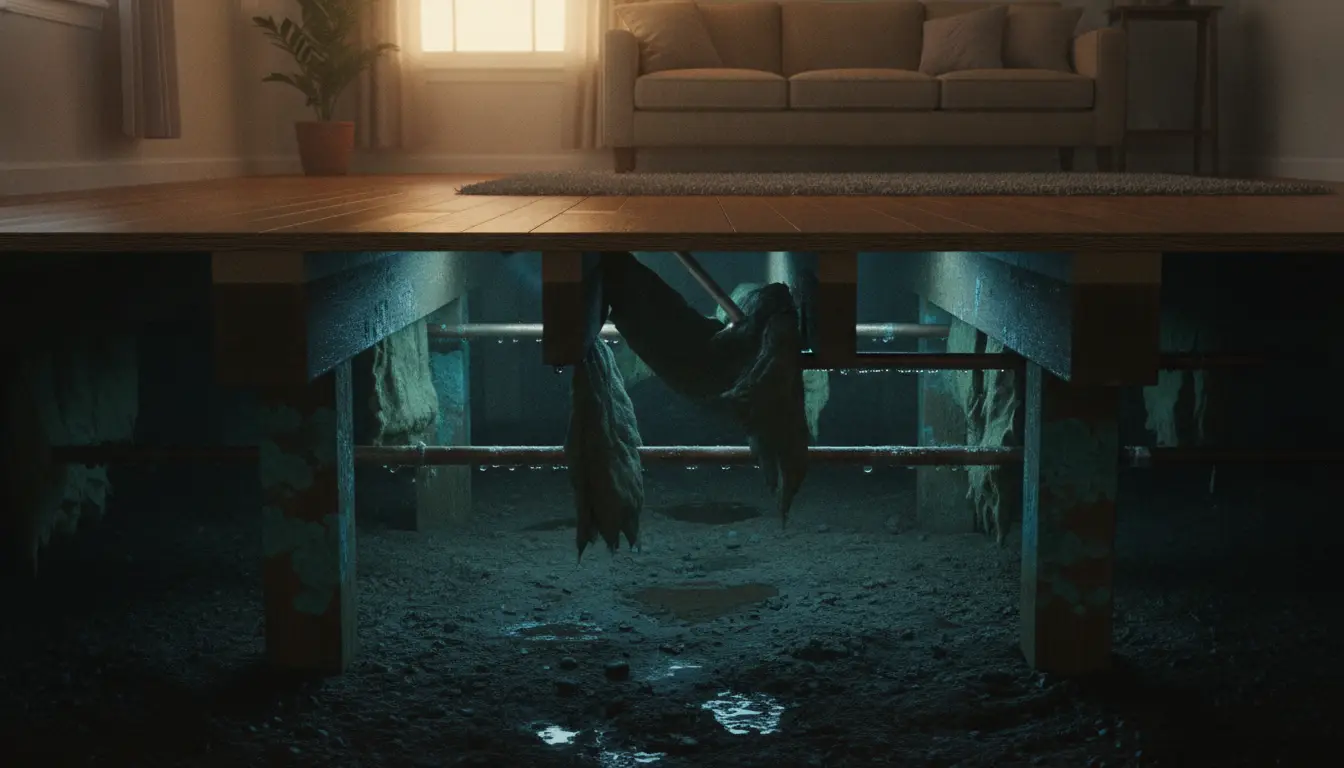
Markham residents in older properties face elevated risks due to uninsulated crawl spaces or exterior wall plumbing. Newer homes aren’t immune—rapid construction sometimes leaves gaps in vapor barriers, allowing cold air infiltration. Preventive insulation around vulnerable sections reduces these odds significantly.
Hard Water and Mineral Buildup in Ontario Systems
Lake Ontario-sourced supply delivers moderately hard water to Markham and the GTA, leading to scale accumulation in pipes and fixtures. Winter amplifies this: reduced household usage during cold months allows deposits to harden, restricting flow and stressing joints when temperatures fluctuate.
Low-flow fixtures, now standard in many homes, can exacerbate clogs from sediment. Homeowners report noticeable drops in pressure over time, with hot water tanks showing shortened lifespans—often failing 20-30% sooner in hard water areas. Regular flushing and softener considerations help mitigate these ongoing effects.
Drain Maintenance During Cold Seasons
Kitchen and bathroom drains bear extra burden in winter. Increased indoor activities mean more hair, soap scum, and food waste entering lines, where colder ground temperatures slow decomposition. Basement floor drains in Markham homes, common for managing spring melt, require clearing to handle potential backups.
Sump pumps, vital in flood-prone lower levels, need testing before heavy snows. Failure rates rise in sub-zero conditions if pits ice over or discharges freeze. Annual inspections ensure reliable operation when needed most.
Protecting Outdoor Plumbing and Fixtures
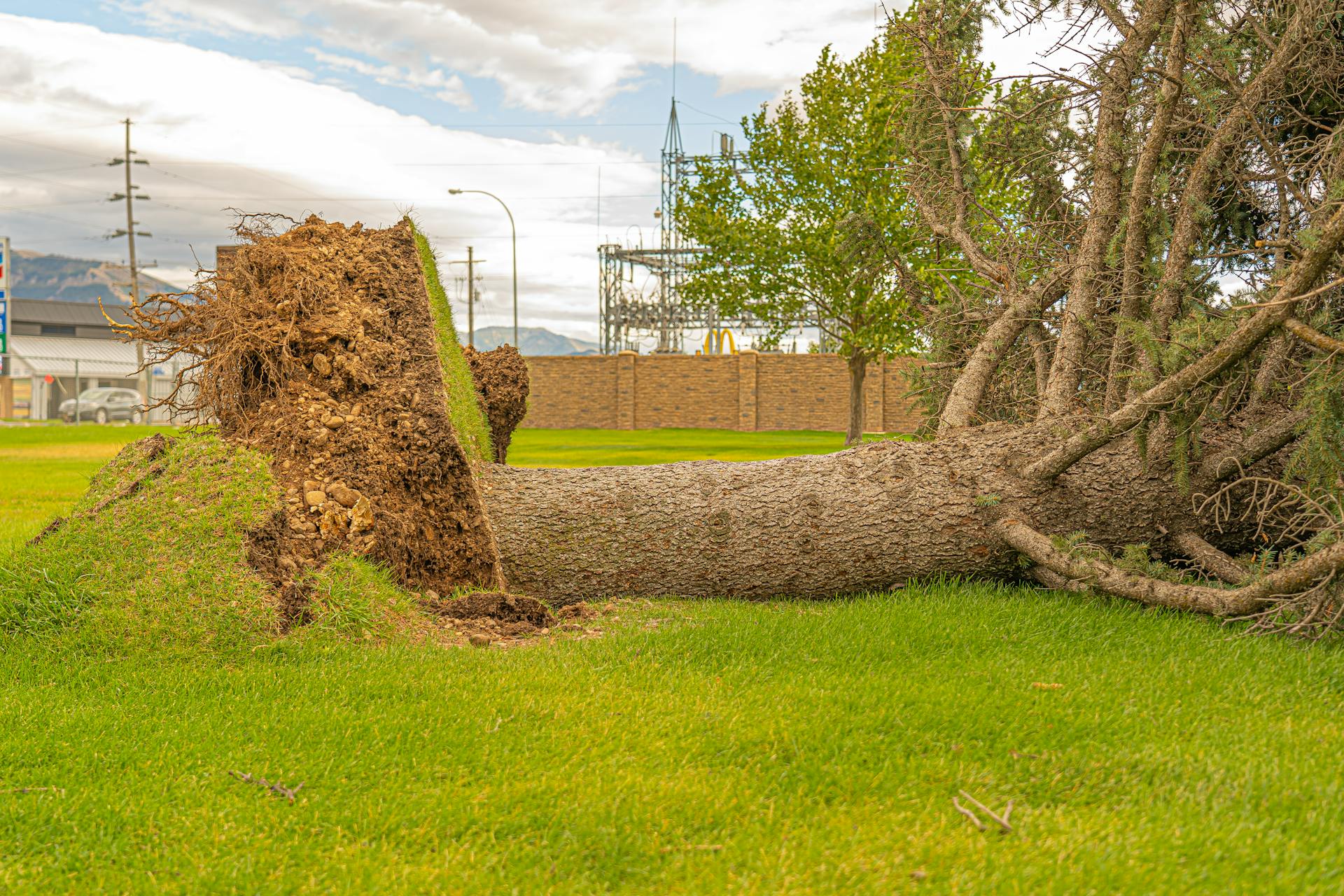
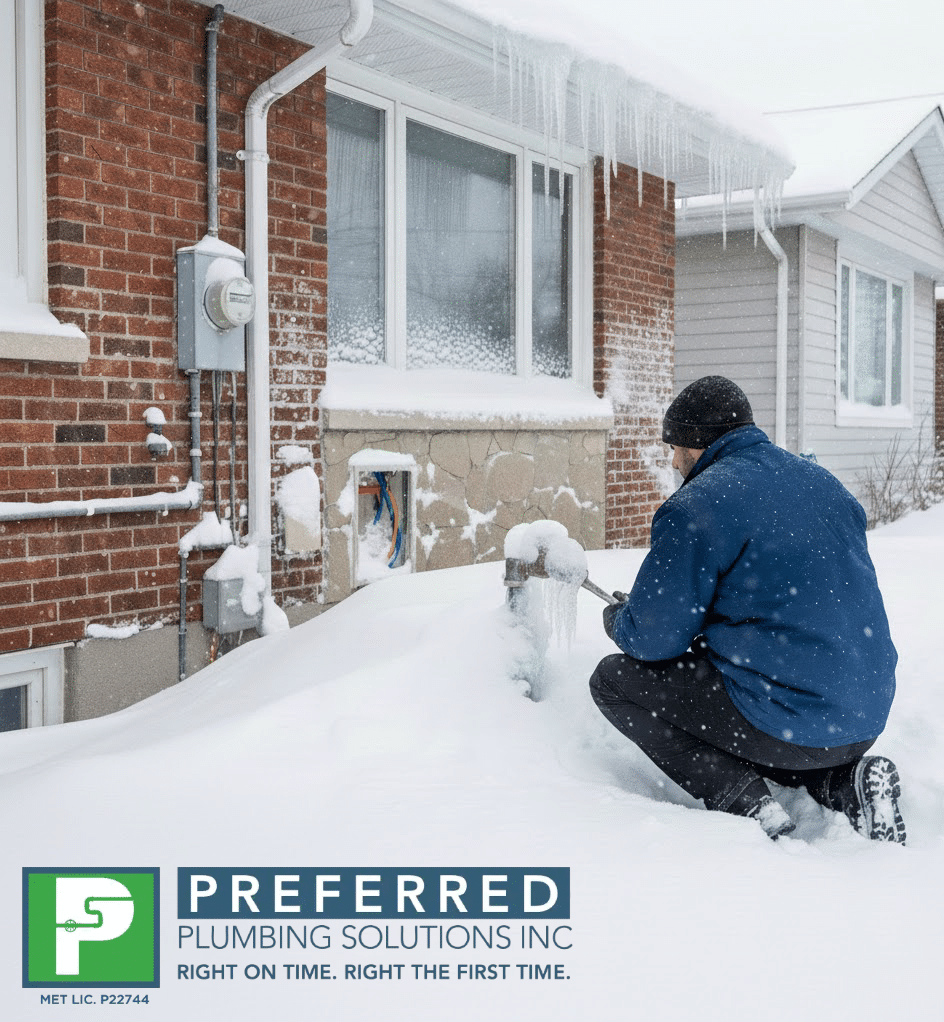
Exterior faucets and hose bibs pose immediate freezing risks if not winterized. Detaching hoses, draining lines, and installing frost-free sillcocks prevent splits that flood foundations upon thawing. In Markham’s residential zones, where garages and side yards expose plumbing, these steps avoid common spring surprises.
Backflow preventers on irrigation systems also demand attention—stagnant water invites damage. Covering exposed pipes with foam sleeves or heat tape provides affordable safeguards.
Basement and Foundation Considerations
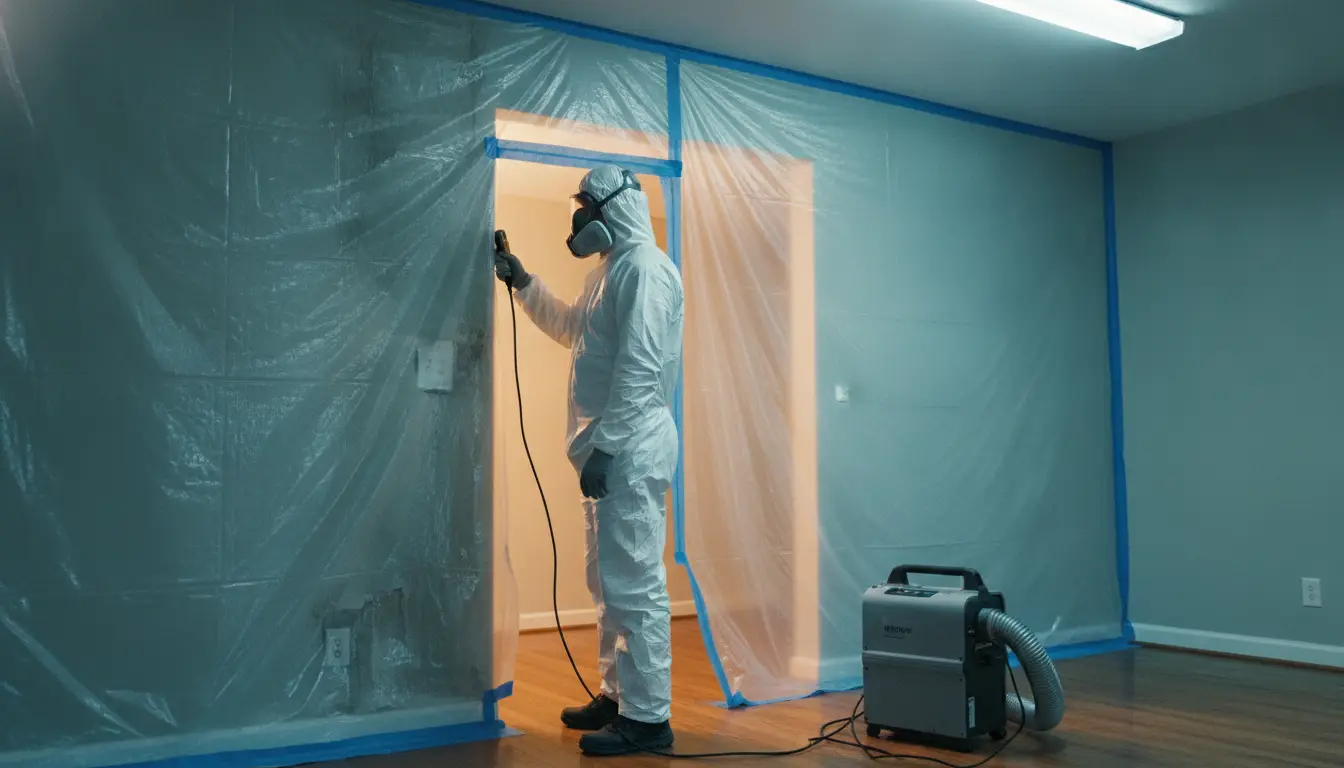
Many Markham homes feature finished basements, making them vulnerable to seepage from shifting frost lines. Ground heave pushes soil against foundations, stressing weeping tiles and sump systems. Humidity from snow melt adds mold risks if drainage lags.
Insulating rim joists and ensuring proper grading directs water away effectively. Dehumidifiers maintain balanced levels through damp periods.
Energy Efficiency and Hot Water Systems
Cold weather strains water heaters as incoming supply drops in temperature. Units work harder, raising energy use by up to 15-20% seasonally. Sediment buildup from hard water compounds inefficiency, with tanks in Ontario homes often needing more frequent maintenance.
Tankless alternatives gain popularity for on-demand heating, though initial costs deter some. Regardless of type, annual flushing extends lifespan and performance.
Emergency Response and Long-Term Prevention
When issues arise, quick action limits damage—shutting main valves and opening faucets relieves pressure in suspected freezes. Safe thawing with space heaters or warm towels avoids further harm, though complex cases benefit from professional tools.
Long-term strategies include upgrading insulation during renovations, installing leak detectors, and scheduling pre-winter checks. Smart monitors now alert via apps, catching drips early.
In summary, navigating winter plumbing in areas like Markham involves vigilance and preparation. Addressing frozen pipes, drains, and hard water effects proactively keeps systems reliable through Canada’s demanding seasons.
Frequently Asked Questions
What are the most common signs of frozen pipes in Canadian homes?
Reduced water flow, frost on exposed pipes, unusual noises, or no water from faucets often indicate freezing, especially in uninsulated areas during prolonged cold snaps.
How can homeowners prevent drain clogs during winter?
Avoid pouring grease down sinks, use strainers, and schedule periodic cleaning to handle increased indoor usage and slower cold-weather flow.
Does hard water affect plumbing efficiency in Ontario winters?
Yes, mineral buildup restricts flow and stresses systems more when cold incoming water demands extra heating effort.
When should sump pumps be inspected before winter?
Ideally in fall, to ensure reliable operation against potential basement seepage from snow melt or frost heave.