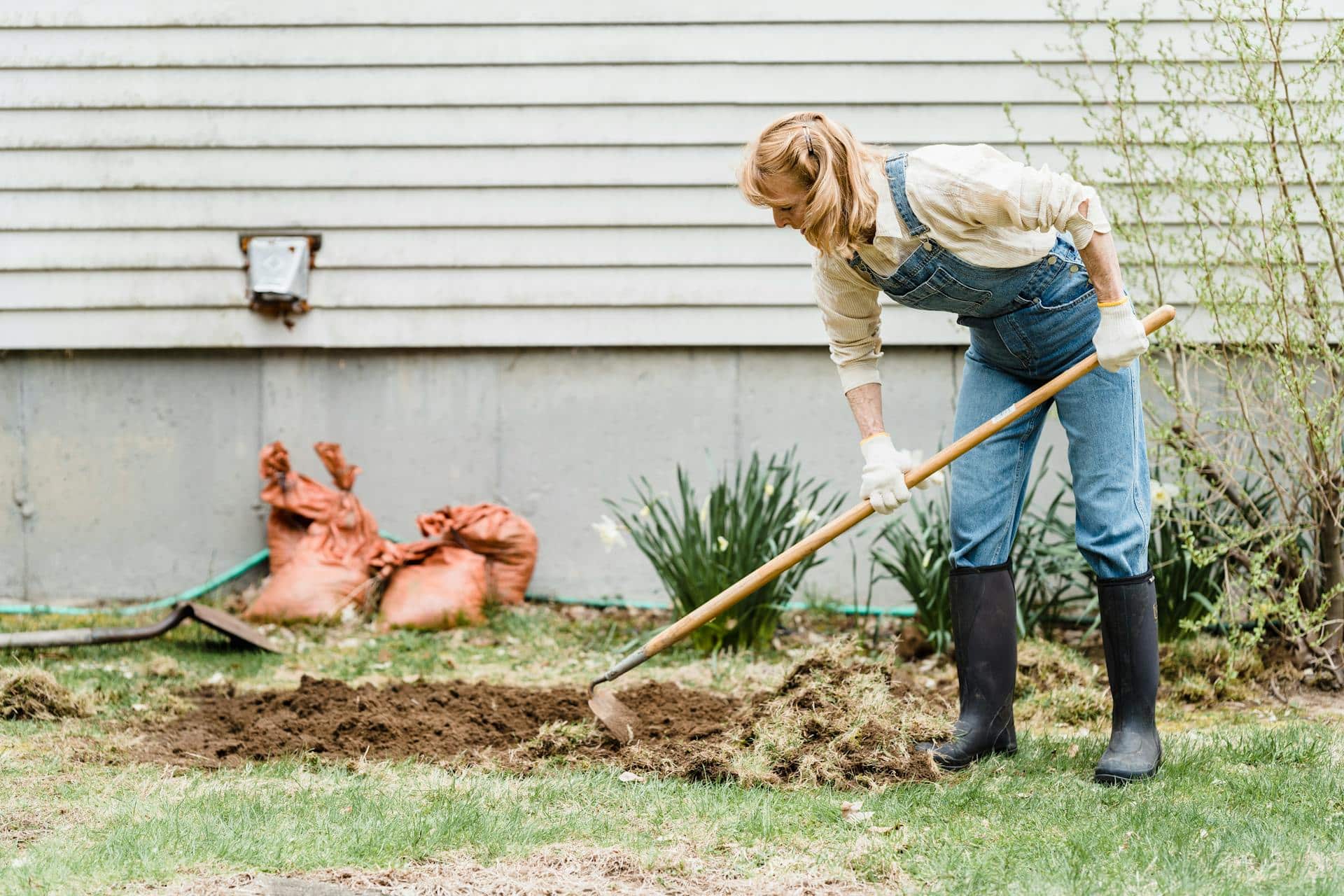
When homeowners think about improving their lawn, they usually focus on the obvious: mowing schedules, fertilizer programs, irrigation timing, and weed control. Mulch, on the other hand, is often treated as a purely cosmetic upgrade—something used to make landscape beds look neat rather than a tool that actively supports lawn health.
In reality, mulch plays a much bigger role than most people realize. When used correctly, it can improve soil conditions, protect turfgrass from stress, and make overall lawn maintenance easier throughout the year.
Mulch Isn’t Just for Looks
It’s easy to assume mulch is only meant to frame flower beds or trees, but its real value lies beneath the surface. Organic mulch—especially bark-based mulch—breaks down over time and feeds the soil with organic matter. This improves soil structure, increases microbial activity, and enhances moisture retention.
Healthy soil is the foundation of a healthy lawn. When the soil around turf and landscape beds stays cooler, more stable, and biologically active, grass roots can grow deeper and stronger. That translates to a lawn that handles heat, drought, and foot traffic more effectively.
Moisture Management Matters More Than You Think
One of mulch’s biggest benefits is moisture control. Bare soil around lawns dries out quickly, especially during hot and windy conditions. Mulch acts as a protective blanket, reducing evaporation and helping soil retain consistent moisture levels.
This has a direct impact on lawn health. When surrounding soil stays moist, grass along bed edges experiences less stress. That means fewer brown patches, better color, and less need for constant watering. Over time, this also reduces water waste and helps lawns remain resilient during dry spells.
Mulch Helps Regulate Soil Temperature
Extreme temperature swings are hard on turfgrass. In summer, exposed soil can heat up quickly, damaging shallow roots. In colder months, rapid temperature changes can cause soil expansion and contraction, stressing root systems.
Mulch moderates these extremes. By insulating the soil, it keeps roots cooler in summer and more protected during cooler seasons. While mulch shouldn’t be spread directly over turf, properly mulched beds adjacent to lawn areas create a more stable growing environment overall.
Weed Pressure Often Starts at the Edges
Weeds frequently enter lawns from the borders—especially from poorly maintained beds or exposed soil. A consistent layer of mulch helps block sunlight from reaching weed seeds, reducing germination before weeds become established.
This is particularly helpful for homeowners who want to limit herbicide use. Mulch acts as a natural weed suppressant, cutting down on the time and effort required to manage invasive growth around lawn edges.
Common Mulching Mistakes to Avoid
While mulch is beneficial, improper application can do more harm than good. Some of the most common mistakes include:
- Applying mulch too thick, which can trap excess moisture
- Creating “mulch volcanoes” around tree trunks
- Using low-quality mulch that may contain weed seeds
- Allowing mulch to spill directly onto turfgrass
Keeping mulch at the proper depth, using clean material, and maintaining clear bed edges ensures mulch supports lawn health rather than interfering with it.
Consistency Makes the Difference
Mulch isn’t a one-time task. Over time, organic mulch naturally decomposes and becomes part of the soil. While this improves soil quality, it also means mulch needs to be refreshed periodically to remain effective.
For homeowners with busy schedules, many choose professional mulch delivery so the material arrives clean, consistent, and ready for proper application without repeated trips or uneven coverage.
A Healthier Lawn Starts Below the Surface
The strongest lawns aren’t built solely through surface-level treatments. They’re supported by healthy soil, stable moisture levels, and thoughtful transitions between turf and landscape beds. Mulch quietly supports all of these factors.
When used intentionally, mulch becomes less about appearance and more about performance. It protects, feeds, and stabilizes the environment your lawn depends on—often with less effort than traditional lawn treatments.
If you’re working to improve lawn health long-term, don’t overlook mulch. It may not always get the spotlight, but it remains one of the most effective tools homeowners have.