Termite damage is one of the most expensive home problems a property owner can face, yet the inspections that help prevent it are surprisingly affordable. If you follow home and lawn care experts like those on RandyLemmon.com, you already know that keeping a home healthy requires staying ahead of issues before they turn costly. Termite inspections are a perfect example of small investments that deliver big protection.
Below is a comprehensive guide on how much a termite inspection costs, what affects the price, and how to choose a trustworthy professional.
Average Cost of a Termite Inspection
Across most of the U.S., a standard termite inspection typically costs:
- $75–$150 for a routine homeowner inspection
- $125–$200 for large or complex homes
- $150–$250 for real estate inspections (WDI/WDO reports)
These prices vary depending on the home’s size, structure, inspection type, and your local market. In termite-heavy regions like the Mid-Atlantic, it’s smart to schedule inspections every 1–2 years to catch issues early.
Some companies even offer free inspections when bundled with services, but paid inspections are usually more thorough, include documentation, and take more time.
Factors That Influence Termite Inspection Cost
1. Size and Layout of the Home
Large homes, multi-level structures, crawlspaces, and basements require more time to inspect. A 3,500-sq-ft home with multiple access points takes longer to evaluate than a simple ranch home.
2. Type of Inspection Needed
- Routine inspections are visual and straightforward.
- Real estate inspections require official reporting, photos, diagrams, and compliance with state lending requirements—this increases cost.
3. Local Termite Pressure
Homes in termite-prone regions generally require more detailed inspections. Moisture, soil type, and climate play major roles here.
If you’re in Pennsylvania or Maryland, local experts such as ATC Pest Control in Hanover PA can evaluate how regional conditions impact both risk levels and costs.
4. Level of Detail
Some homeowners request:
- Moisture testing
- Crawlspace evaluation
- Photographic evidence
- Written recommendations
These add value and additional time, which can raise the price slightly.
Why a Termite Inspection Is Worth the Cost
A typical termite colony can eat through a pound of wood per day, meaning structural damage happens faster than most people imagine. A simple $100 inspection can prevent thousands of dollars in repairs, making it one of the most cost-effective home protection steps you can take.
Termites thrive in areas with moisture, mulch contact, aging wood, or soil access — exactly the types of issues often discussed by homeowners who follow Randy Lemmon’s advice for landscaping and lawn care. When your yard, irrigation, and foundation conditions are maintained properly, you reduce risk substantially.
Termite Inspections for Buyers & Sellers
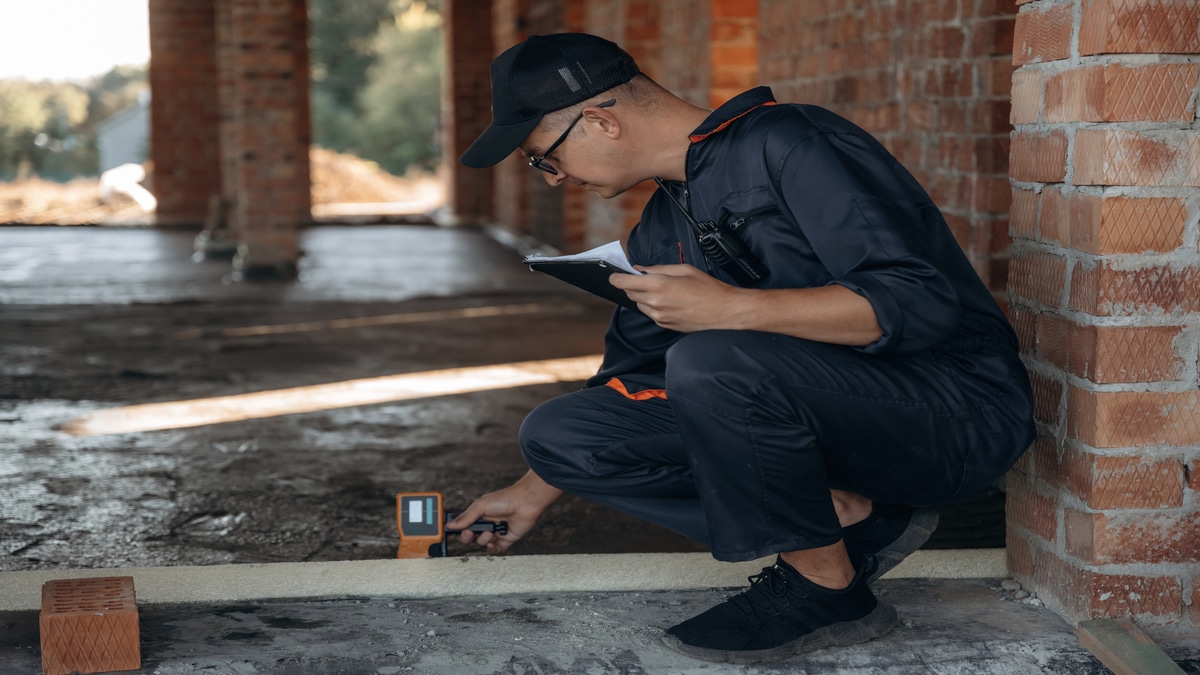
Real estate termite inspections (WDI/WDO reports) are more detailed and include official forms required by lenders, especially FHA/VA loans. These inspections cost more because the report must:
- Document findings formally
- Include diagrams
- Provide evidence photos
- Meet state standards
For home buyers, this documentation is invaluable—it protects against purchasing a property with hidden structural issues.
Local Pricing Example: Baltimore County & Surrounding Areas
Local rates depend on soil, construction style, and termite species. For instance, Exterminators near Baltimore County understand the region’s Eastern Subterranean termite activity and the unique challenges Maryland homeowners face. Local experts also know older homes, common foundation layouts, and moisture conditions that contribute to infestations.
This regional knowledge often leads to more accurate inspection results and better long-term treatment recommendations.
What Happens if Termites Are Found?
If your inspection uncovers activity, the next step is treatment. Treatment costs vary depending on:
- Colony size
- Infestation location
- Type of home
- Treatment method (spot treatment, baiting, liquid barrier)
Early detection keeps treatment affordable and reduces the chance of major structural repairs.
How to Choose the Right Termite Inspector
Here’s what to look for:
- Local experience with your home type
- Strong community reputation
- Clear, written inspection reports
- Use of modern tools (moisture meters, flashlights, probing tools)
- Ability to provide treatment if needed
Many homeowners are surprised by how much a professional can spot that the untrained eye cannot. Using reliable resources such as the EPA’s termite prevention guidelines can help you compare what a proper inspection should include.
Final Thoughts
A termite inspection typically costs between $75 and $150, while a real estate inspection may run $150–$250. Compared to the financial impact of termite damage, this is a small, smart investment.
Homeowners who appreciate the practical, prevention-focused advice know that staying proactive is the best approach. Scheduling regular termite inspections especially in areas with high activity can save your home and your budget from painful surprises.