
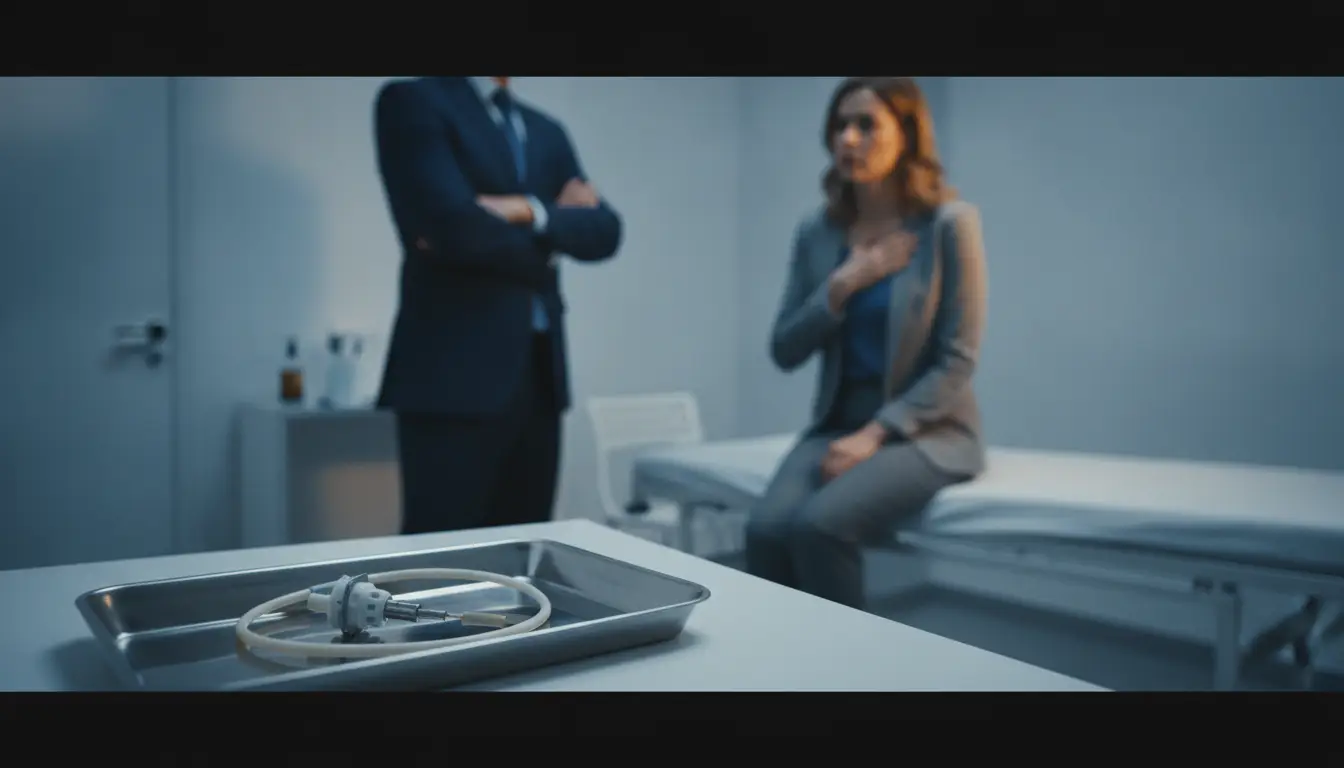
After a port injury, many people are unsure whether their situation is even something a lawyer should hear about. Involving an attorney can feel like a step reserved for clear-cut cases, or like getting ahead of themselves while treatment is still underway. Those hesitations are understandable, but they can also leave a person sitting with questions and no clear sense of who is supposed to answer them.
The reassuring part is that you do not need certainty to start a conversation. An attorney can listen to what happened and tell you whether your situation merits a closer look. Because these claims have been organized into a federal multidistrict litigation (MDL), a Bard Power Port lawyer can also explain how your experience compares with what other patients have reported and where your case might fit. Reaching out, even just to ask, can alleviate a lot of the uncertainty.
Urgent Symptoms
Chest pressure, shortness of breath, fever, chills, arm swelling, or new neck pain should prompt immediate medical attention. Redness, drainage, or warmth near the site should not be ignored. After doctors stabilize the issue, seek legal guidance if imaging reveals breakage, migration, occlusion, or a retained catheter fragment.
Device Fracture
A catheter fracture can leave material inside a vein, heart chamber, or pulmonary vessel. Some fragments require retrieval through interventional radiology or surgery. Once breakage is confirmed, patients should ask how the device was identified, where the fragment traveled, and whether the explanted parts were preserved.
Infection Concerns
Port infections may begin with tenderness or drainage, then progress to bloodstream infection or sepsis. Cultures, antibiotic orders, fever charts, and hospital notes are essential for determining the severity of the infection. A legal review may be appropriate if the infection followed repeated access problems, poor healing, or unexplained device malfunctions or if the removal of the device was linked to suspected failure.
Blood Clots
Thrombosis can interfere with blood return and may cause arm heaviness, swelling, discoloration, or chest symptoms. Treatment often includes anticoagulants and follow-up imaging. A legal professional can examine whether clot formation appears connected to the catheter’s position, material concerns, blockage, or documented problems with the implanted system.
Migration Issues
Migration refers to the movement of the catheter or reservoir from its original location. Patients may notice pain, swelling, poor medication flow, or difficulty drawing blood. If a doctor identifies any movement, it is important to retain discharge papers and imaging reports. These records help establish timing, anatomy, and medical consequences.
Removal Surgery
Injured tissue or retained material can make the removal procedure more complicated. Operative reports often describe scar tissue, fracture points, infection, or vessel injury. Those details may become important because they show what doctors observed.
Evidence to Save
Patients should keep implant cards, product stickers, discharge papers, imaging disks, laboratory results, and medication lists. Photos of swelling, bruising, drainage, or surgical sites can also be useful. A treatment timeline can be useful for tracking appointments, travel expenses, and recovery limitations related to the injury.
Timing Matters
Legal deadlines vary depending on state laws, the date of the injury and diagnosis, and the type of claim. Delays can limit your options even when harm is thoroughly documented. It is advisable to consult a lawyer after diagnosis, removal, confirmed fracture, migration, clotting, or serious infection.
Medical Care First
Infection, bleeding, clotting, and catheter movement can create immediate health risks. Once the patient is stable, they can request and organize records for a legal review. This sequence protects their health while keeping the injury timeline accurate.
The Role of Family Members
Family members often notice changes that patients may downplay during treatment. Fever patterns, fatigue, swelling, missed infusions, and shortness of breath are all symptoms that should be documented. Caregivers can also track hospital visits, prescription costs, transportation needs, and added home support required due to the port injury.
Claim Factors
A potential claim depends on device identity, medical findings, warnings, injury severity, and timing. A legal review can connect symptoms, diagnosis, imaging, procedure notes, and lasting harm. Extensive documentation provides attorneys with a clearer basis to evaluate whether further action is warranted.
Conclusion
A lawyer should be consulted after a confirmed port fracture, migration, clot, severe infection, retained fragment, or unexpected removal. Healthcare should remain the top priority, but legal deadlines can affect available choices. Patients and families do not need perfect records before asking questions. They need enough detail to show what happened, which device was used, and how the injury affected treatment, recovery, and daily life.
