Succulent propagation feels almost too good to be true: one healthy leaf or stem can turn into a brand-new plant with very little fuss. The trick is knowing which part to use and how long to leave it alone.
If you want to learn how to propagate succulents, start with three reliable choices: leaves, stem cuttings, and offsets. Each one works a little differently, and the best method depends on your plant, your patience, and how much new growth you want.
I like starting with leaves because it feels simple, but offsets are often the fastest win. Once you understand callousing, light, soil, and watering, the whole process becomes much easier to trust.
Start by Picking the Method for Your Plant
Succulents do not all grow the same way. Some make baby plants at the base. Some stretch tall and need a stem cutting. Others can grow from a single leaf if the base comes off cleanly.
Use this quick chart before you cut anything:
| Method | Best For | Best Reason to Use It |
|---|---|---|
| Leaf propagation | Echeveria, jade, sedum, graptopetalum | Good for growing several plants at once |
| Stem cuttings | Leggy succulents, jade, sedum, aeonium | Good for saving stretched plants |
| Offsets or pups | Aloe, agave, haworthia, sempervivum | The fastest way to get a fuller plant |
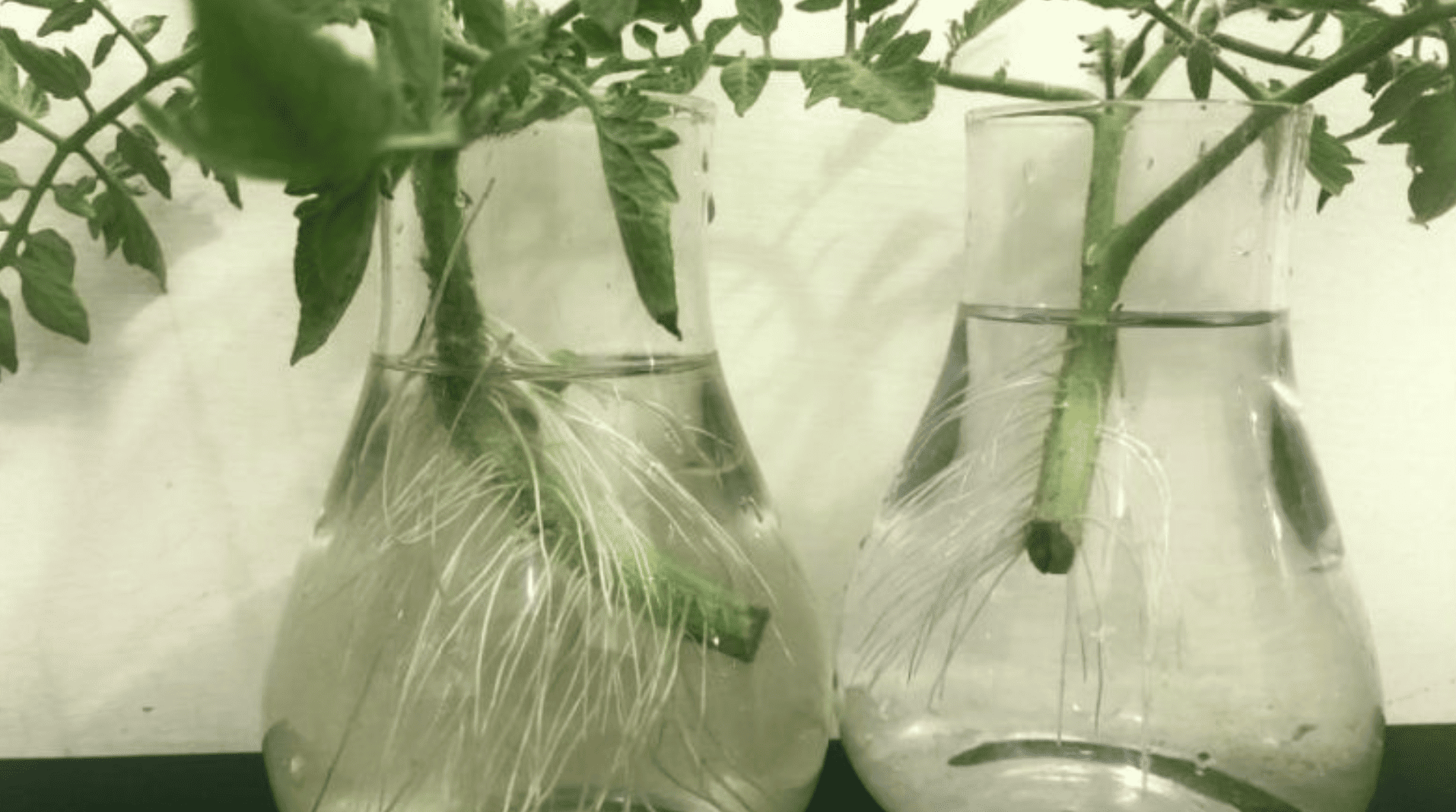
| Water propagation | Extra leaves or stem cuttings | Good if you want to watch roots form |
The safest choice for most beginners is soil propagation. Water propagation can work, but it needs more care when you move the rooted piece into soil.
Tools and Supplies You Need First
A clean setup makes a big difference. Succulent cuttings rot easily when tools are dirty or the soil holds too much water.
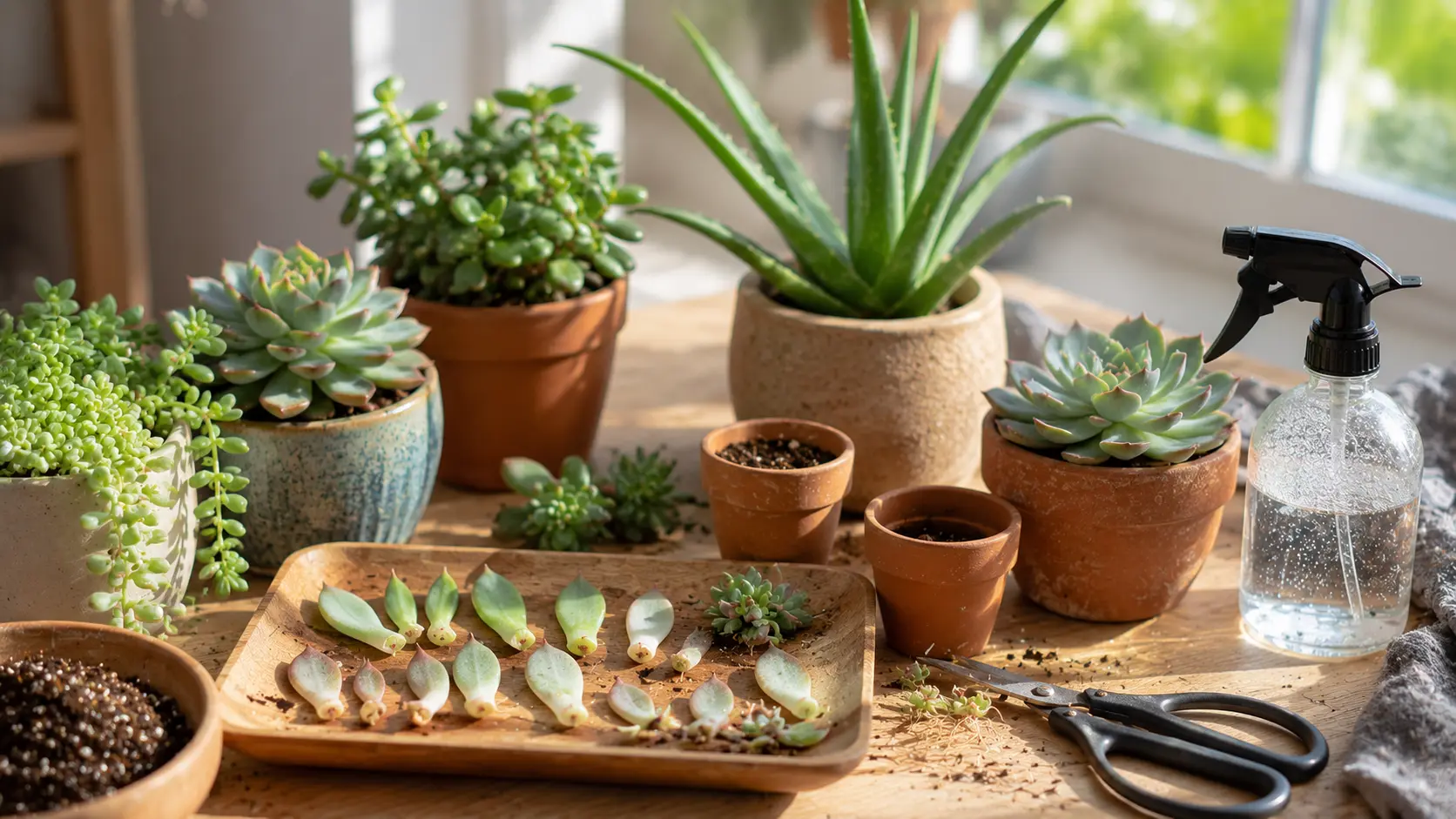
Gather these before you start:
- Healthy parent plant
- Clean scissors, pruning shears, or a sharp knife
- Rubbing alcohol for wiping tools
- Small pots or trays with drainage holes
- Cactus or succulent soil
- Perlite or pumice if your soil feels heavy
- Shallow dish or tray for leaves
- Clear the jar if you want to try water propagation
- Plant labels if you are starting several cuttings
I would skip oversized pots. They hold extra moisture, and that can lead to rot before roots have time to form.
Best Time to Start New Cuttings
Spring and early summer are the best times to start. Your plant is already in its growing season, so leaves and cuttings usually root faster.
| Factor | Best Choice | Why It Helps |
|---|---|---|
| Season | Spring to early summer | Plants are actively growing |
| Temperature | Warm room, ideally around 75°F to 80°F | Warmth helps roots form |
| Light | Bright indirect light | Enough light without leaf burn |
| Soil | Fast-draining mix | Less risk of rot |
| Pot | Small pot with drainage | Better moisture control |
You can start in the fall or winter, but expect slower results. If your home is cool, a warm windowsill or gentle grow light can help.
Succulent Propagation Methods
Succulents give you a few simple ways to grow new plants. The best method depends on what your plant gives you: healthy leaves, a long stem, baby offsets, or cuttings you want to root in water.
Method 1: Leaf Propagation
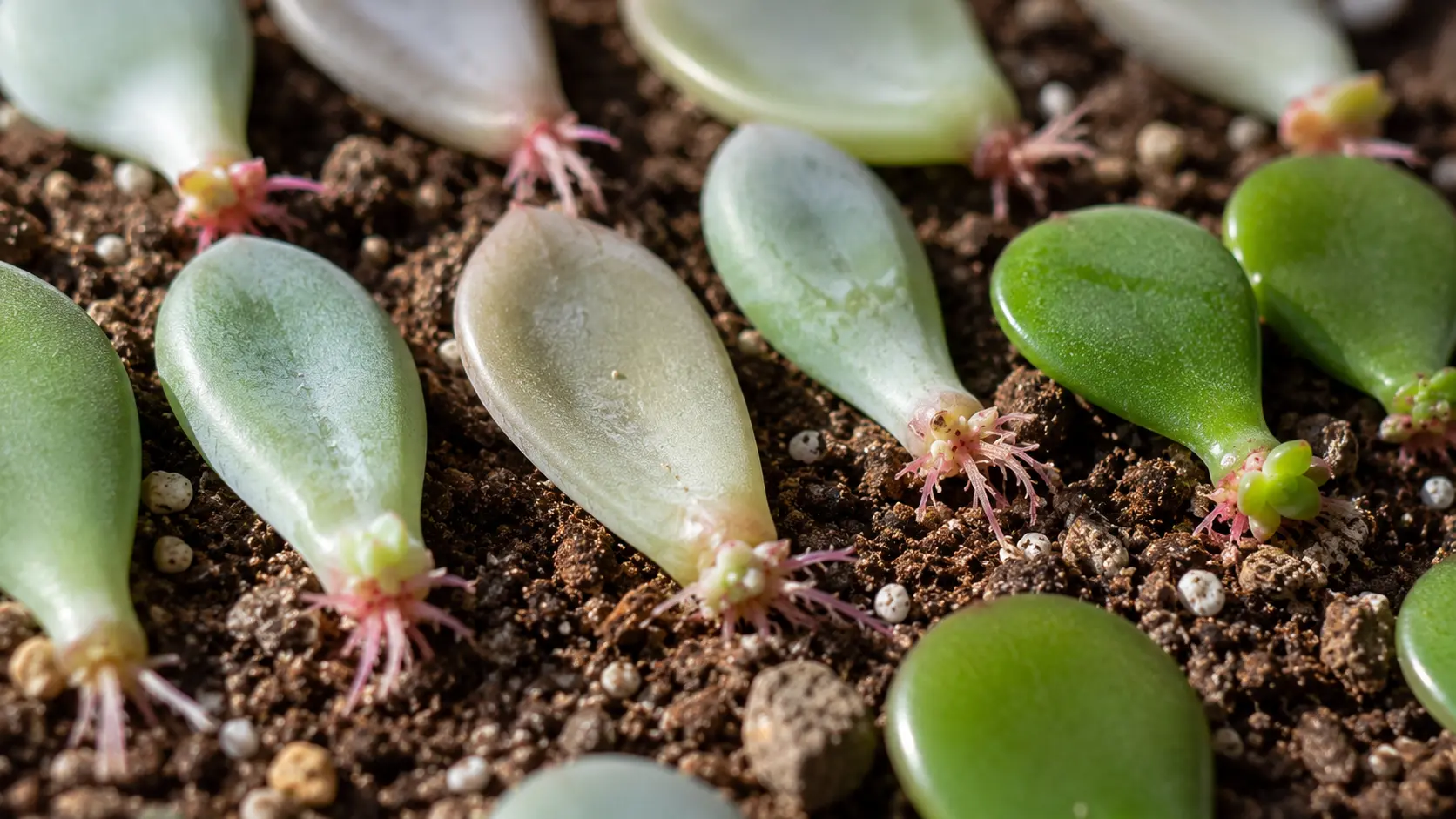
Timeline: 2 to 4 weeks for roots, 3 to 8 weeks for baby growth
Leaf propagation works best for succulents with healthy, plump leaves, such as echeveria, jade, sedum, and graptopetalum.
Propagation Step-by-Step:
- Choose a firm, healthy leaf and twist it gently from the stem. Make sure the full base comes off cleanly.
- Let the leaf sit in a dry, bright spot for 2 to 7 days, depending on its size, so the broken end can callous before it touches soil.
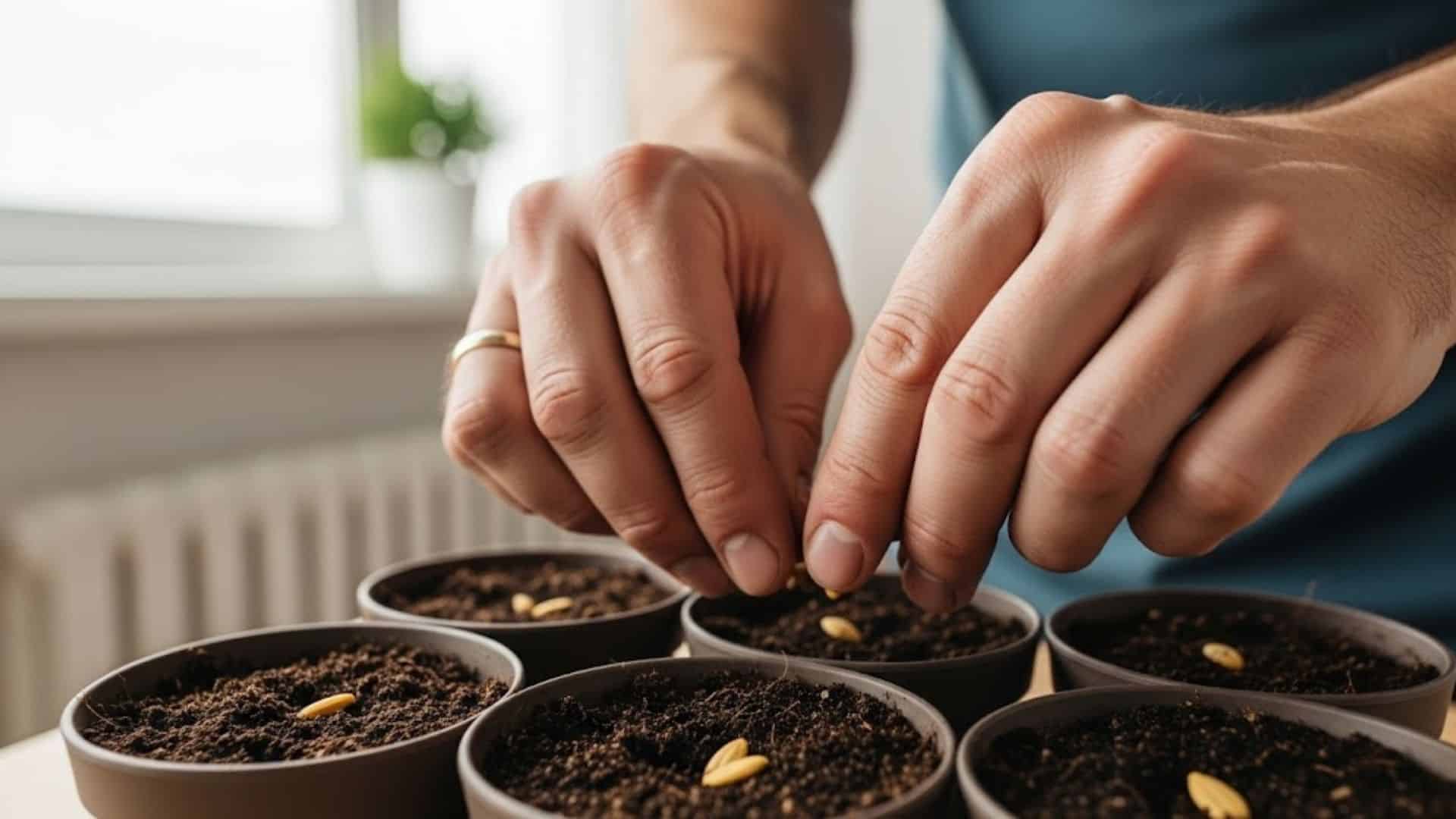
- Lay the calloused leaf on top of dry succulent soil and place it in bright indirect light.
- Mist lightly only when the soil is dry, then wait for roots and a baby plant to form.
Pros: Easy for beginners, low-cost, good for growing several plants at once
Cons: Slow results, not every leaf will grow, torn leaves usually fail
Method 2: Stem Cutting Propagation
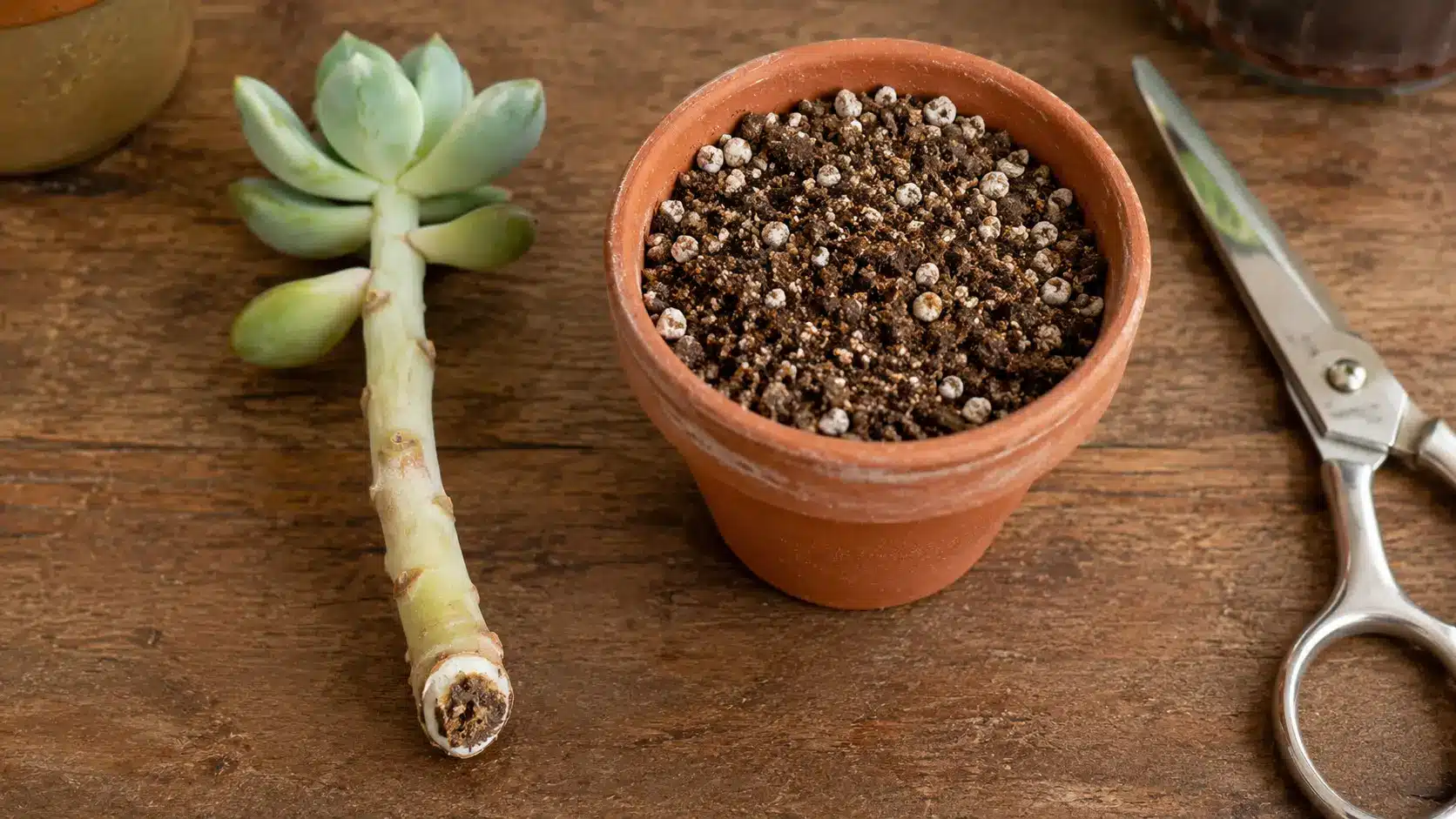
Timeline: 2 to 6 weeks for roots
Stem cuttings are best for succulents that have grown tall, bare, or stretched toward the light. This method helps refresh the plant and grow a fuller new one.
Propagation Step-by-Step:
- Cut a healthy stem with clean scissors or pruning shears.
- Remove the lower leaves so the bottom part of the stem is bare.
- Let the cut end dry for 3 to 7 days until it callouses. Thicker stems usually need more time.
- Plant the calloused stem in dry succulent soil, then wait 5 to 7 days before watering lightly.
Pros: Faster than leaf propagation, useful for leggy plants, creates a larger plant sooner
Cons: Can rot if planted too soon, needs a clean cut, may need support before roots form
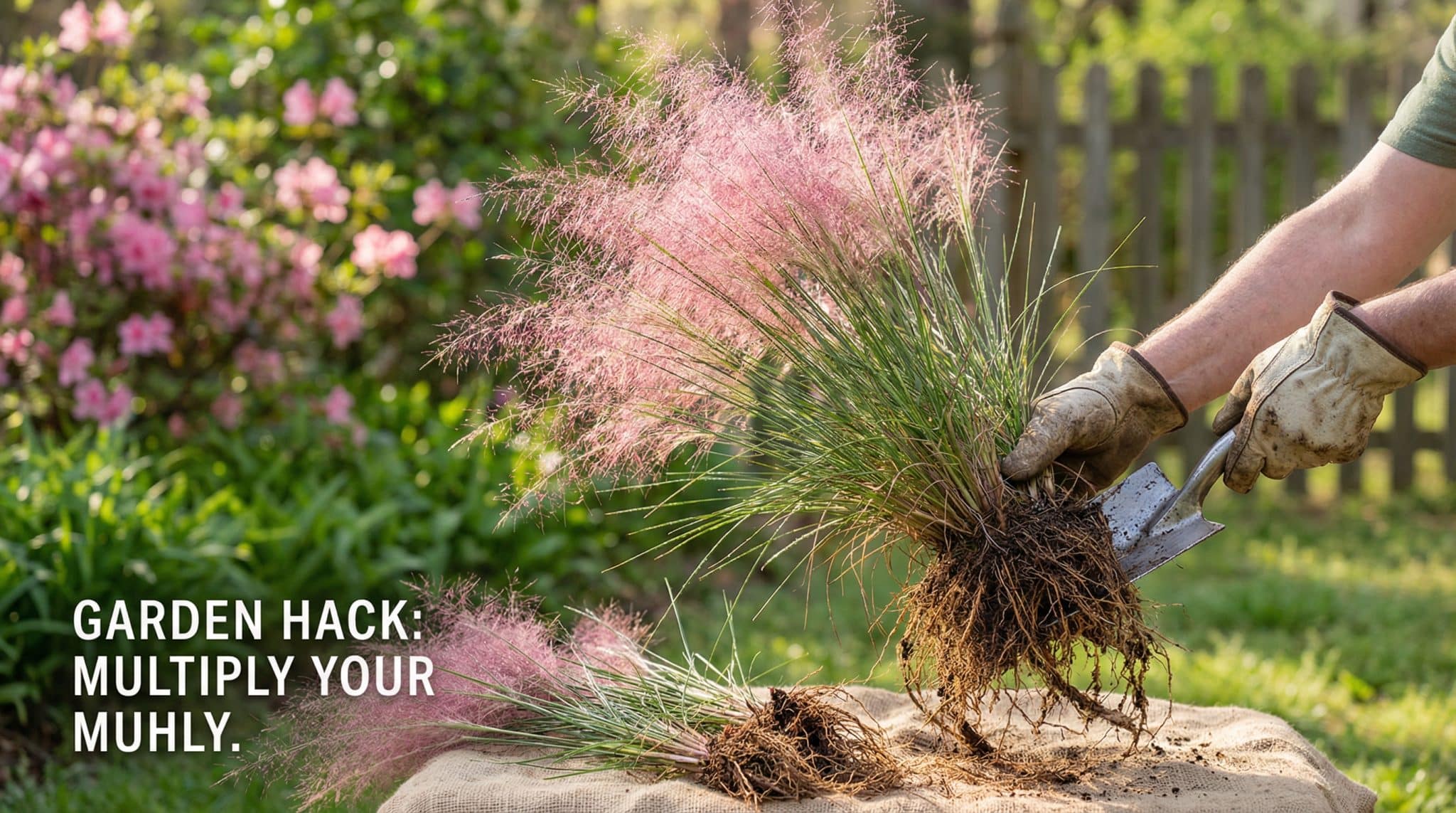
Method 3: Offset or Pup Propagation
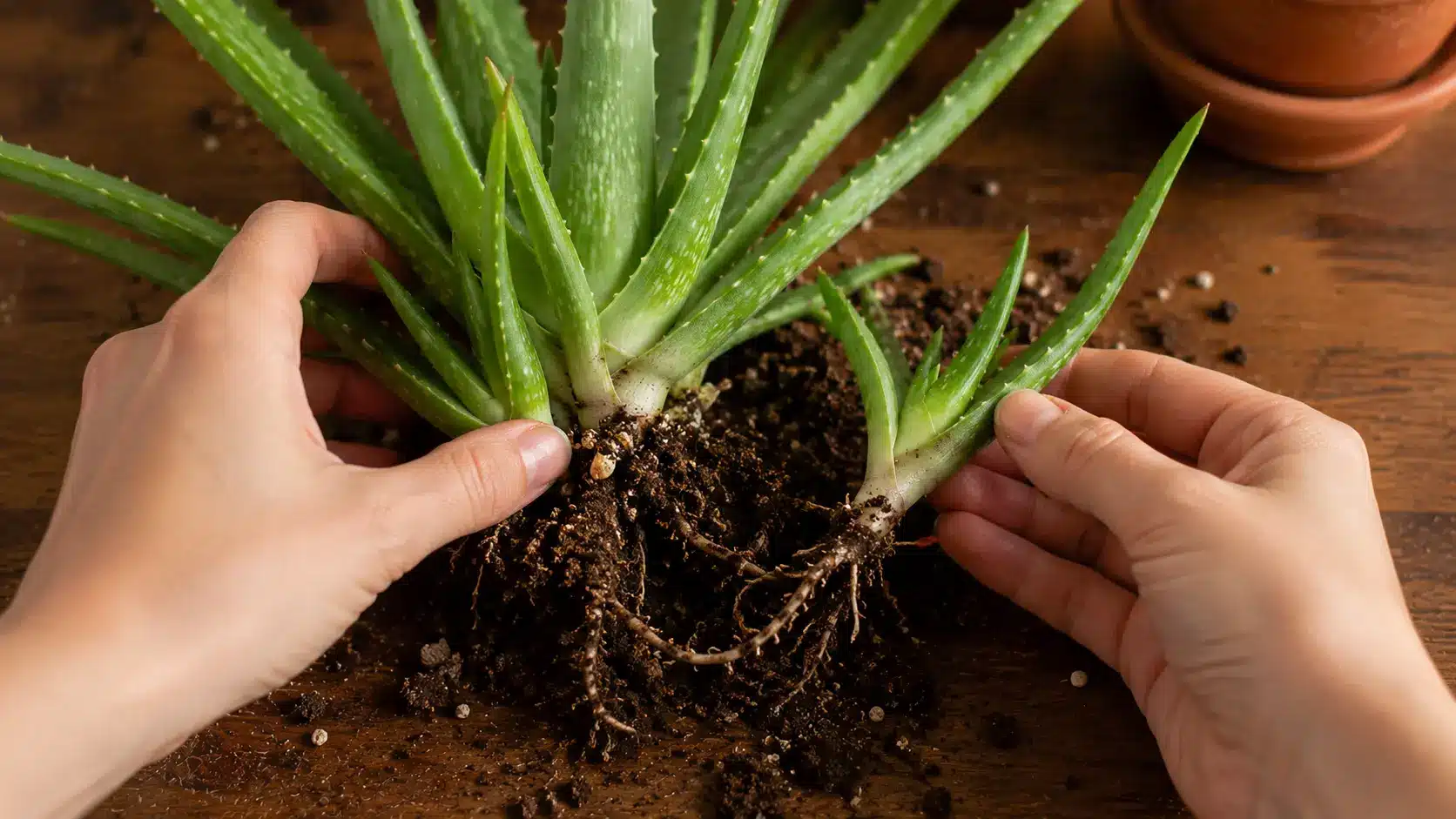
Timeline: Immediate planting, 1 to 4 weeks for recovery
Offsets, also called pups, are small baby plants that grow near the base of the parent plant. This is often the fastest and easiest method.
Propagation Step-by-Step:
- Look for a pup growing near the base of the mother plant.
- Remove the plant from the pot and gently brush soil away from the roots.
- Separate the pup by hand or cut it away with a clean knife, keeping roots attached if possible.
- Plant the pup in a small pot with succulent soil and water lightly after a few days.
Pros: Fastest method, high success rate, pups often already have roots
Cons: Only works when the plant has pups, can stress the parent plant, and roots may break during separation
Method 4: Water Propagation
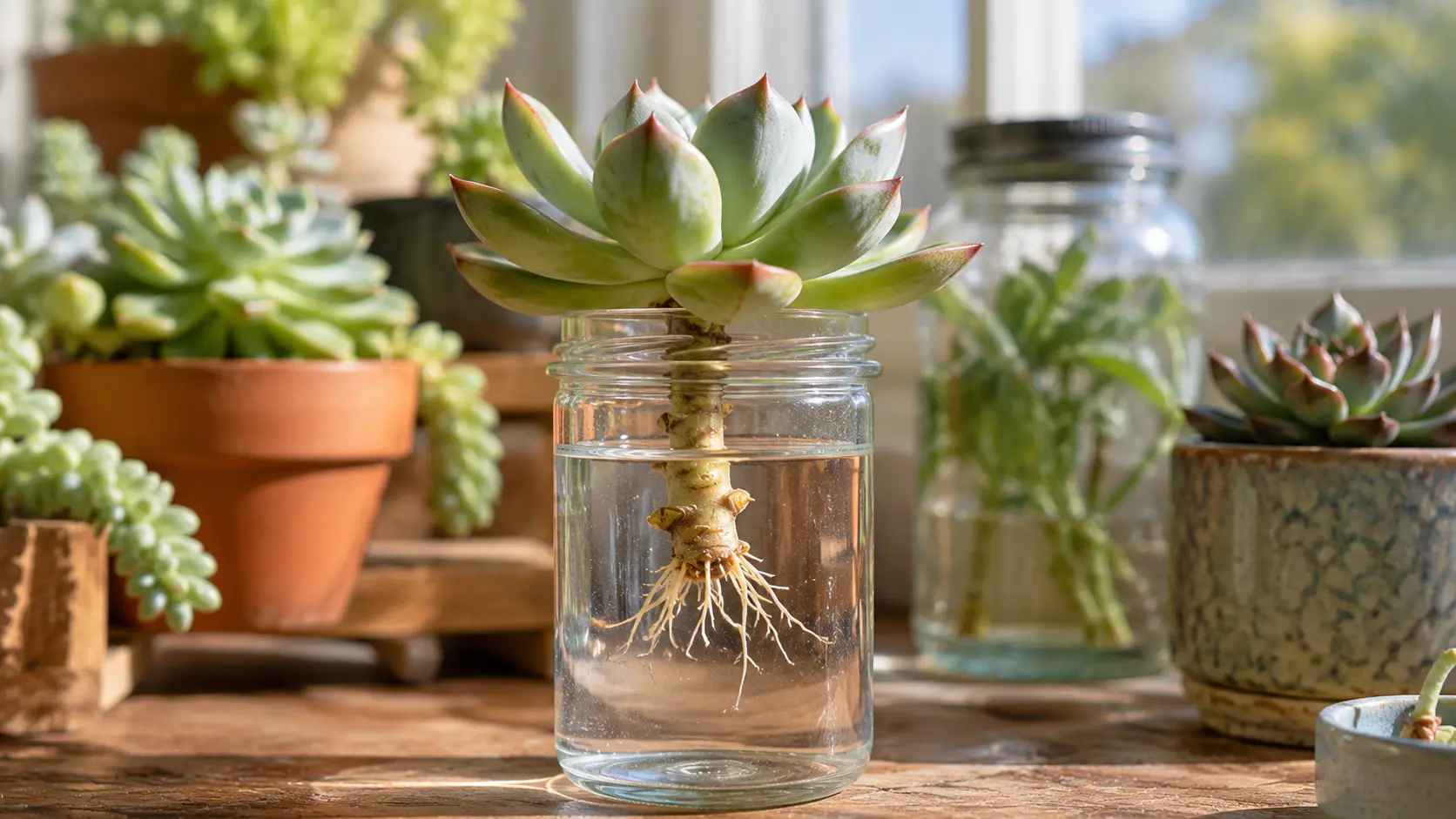
Timeline: 2 to 6 weeks for roots, longer for soil adjustment
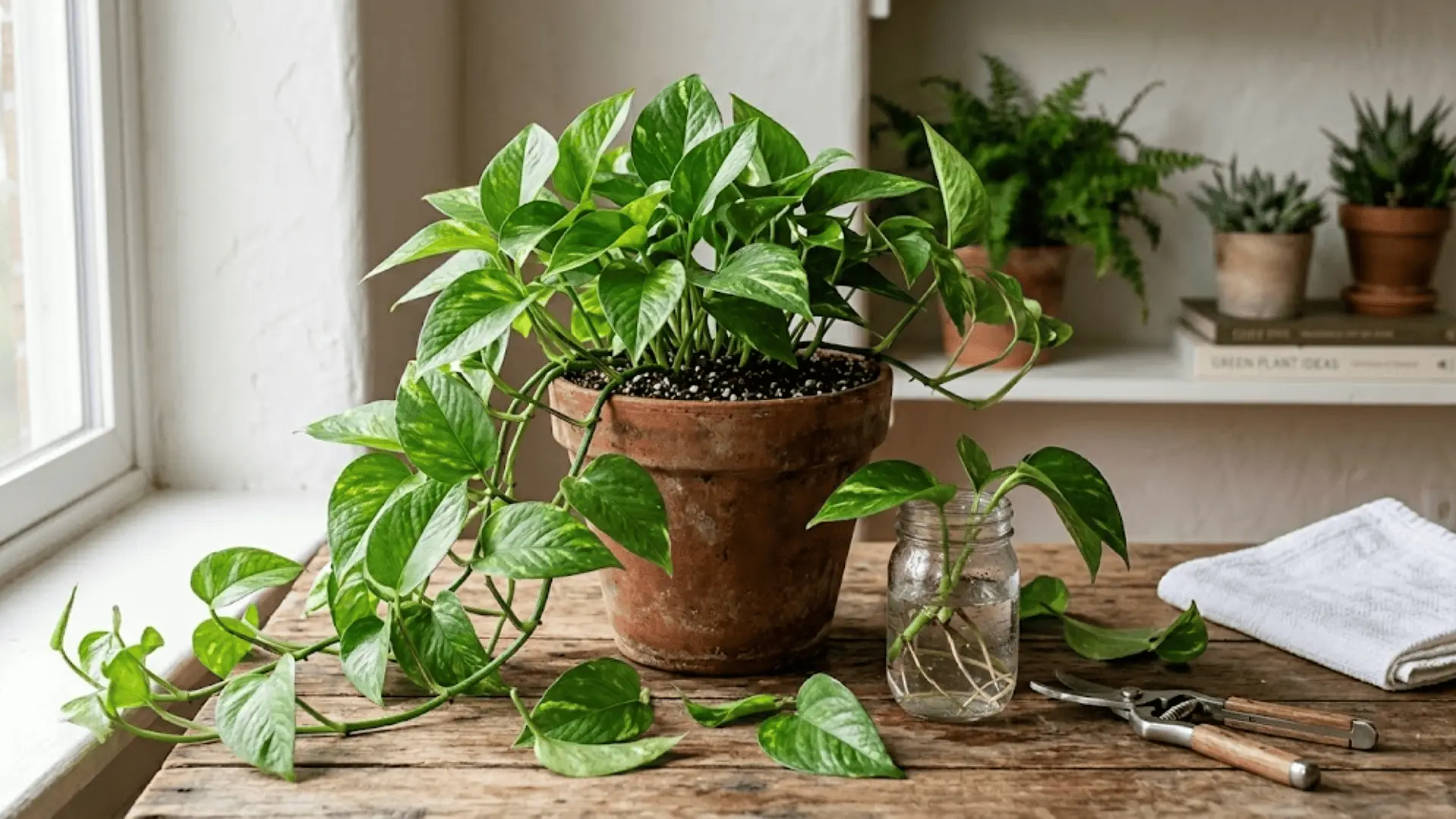
Water propagation lets you watch roots grow, which makes it helpful if you want to track progress closely. It works best as an optional method for extra cuttings, especially if you want to watch roots form before moving the cutting into soil.
Propagation Step-by-Step:
- Choose a healthy leaf or stem cutting and let the cut end callous for 2 to 5 days.
- Place the base of the leaf or stem in a clean jar near water, but avoid fully submerging it.
- Keep the jar in bright indirect light and change the water once a week.
- Move the cutting into succulent soil once roots are about 1 to 2 inches long.
Pros: Easy to monitor, no soil mess, great for troubleshooting
Cons: Transition to soil can shock plants, higher rot risk if water isn’t changed regularly
Soil vs. Water Propagation
Soil propagation is usually better for beginners because the cutting roots will keep growing where they are planted. Water propagation can still work, but it needs more care when you move the cutting into soil.
| Factor | Soil Propagation | Water Propagation |
|---|---|---|
| Best for | Most beginners, leaves, and stem cuttings | Extra cuttings or watching roots grow |
| Main benefit | Roots form directly in the growing medium | You can easily monitor root growth |
| Care level | Lower maintenance | Needs weekly water changes |
| Risk | Lower transfer shock | Higher rot risk if water gets dirty |
| After rooting | Keep growing in the same pot or tray | Move to soil once roots are 1 to 2 inches long |
| Best choice | Best first option for most succulents | Good as an optional experiment |
For most beginners, soil is the safer starting point, while water propagation is best saved for extra cuttings you can check often.
How Long Does It Take to Propagate?
Succulent propagation takes patience. Some leaves root in a few weeks, while others sit quietly before showing any growth. Timing depends on the plant type, season, warmth, light, and how healthy the cutting was when you started.
| Stage | Usual Timeline |
|---|---|
| Callous forms | 2 to 5 days |
| Roots appear from leaves | 2 to 4 weeks |
| Baby plant appears | 3 to 8 weeks |
| Stem cutting roots | 2 to 6 weeks |
| Offset recovery | 1 to 4 weeks |
| Ready for its own pot | 8 to 12 weeks or longer |
If nothing happens after two weeks, do not panic. A firm leaf or cutting still has a chance. Mushy, black, or foul-smelling pieces are the ones to remove.
Offsets are usually the fastest because they often already have roots. Stem cuttings are the next fastest choice, while leaf propagation takes longer but can give you more new plants from one parent plant.
Tips to Care for New Growth
New cuttings need simple care. The goal is to give them enough light and warmth without keeping them wet for too long.
- Light: Place leaves and cuttings in bright indirect light. Avoid harsh afternoon sun because it can dry or burn young growth.
- Water: Mist lightly only when the soil is dry. Stem cuttings can usually wait several days before their first watering.
- Soil: Use cactus or succulent soil that drains fast. Add perlite or pumice if the mix feels dense.
- Pot size: Use a small pot with drainage holes. Large pots hold too much moisture around tiny roots.
- Setup: Indoor propagation is easiest for beginners. Outdoor propagation can work in warm weather, but keep cuttings away from rain and strong sun.
Keep the setup simple and dry at first. Once you see steady roots or new growth, you can slowly treat the young succulent more like a mature plant.
Common Mistakes and Quick Fixes
Most succulent propagation problems come from too much water, damaged leaves, or poor light. Keep the setup dry, clean, and bright, but out of direct sun.
Common mistakes to avoid:
- Overwatering: Wet soil can rot cuttings before roots form.
- Skipping callousing: Fresh cuts need a few days to dry before planting.
- Using torn leaves: A leaf needs a clean, full base to grow.
- Using heavy soil: Dense soil holds water too long. Use cactus mix instead.
- Too much direct sun: Strong sun can dry or burn new cuttings.
| Problem | Quick Fix |
| The leaf turned mushy | Remove it and use less water next time. |
| Roots grew, but no baby plant | Wait longer if the leaf is still firm. |
| Cutting shriveled | Move it away from the strong sun and check the moisture. |
| The stem cutting fell over | Plant it slightly deeper or support it with small stones. |
| Nothing has happened | Move it to a warmer spot with bright indirect light. |
Healthy cuttings stay firm, form a dry calloused end, and slowly grow white or pink roots. Remove anything mushy, black, or foul-smelling.
Frequently Asked Questions
Do I need rooting hormone?
No. Rooting hormone can help stubborn cuttings, but most healthy succulents root without it. If you use it, dip only the dry calloused end, then place the cutting in fast-draining soil and avoid extra water.
Can fallen leaves be used?
Yes, as long as the leaf is firm, healthy, and has a clean base. Skip leaves that are torn, mushy, yellow, or dried out. Fallen leaves work best when they are dropped naturally and still look fresh.
Should the original leaf be removed?
Leave it attached until it dries and pulls away easily. The baby plant uses that leaf to store water and energy. Pulling it too early can damage tiny roots or slow new growth before it settles.
What size tray or pot is best?
Use a shallow tray for leaves and a small pot for stem cuttings or pups. Drainage holes matter more than size. Oversized containers hold extra moisture, which can rot new roots before they settle properly.
Can several leaves grow in one tray?
Yes, several leaves can sit in one tray if they have space and air flow. Keep them from touching wet spots or rotting pieces. Once babies form roots, they move stronger starts into their own small pots.
Final Thoughts
Propagation gets easier once you stop treating every piece like a full plant. I like thinking of each leaf, stem, or pup as a small test. Some will root quickly. Some will sit there for weeks. A few will fail, and that is part of it.
If you came here to learn how to propagate succulents, start with one healthy piece and keep the setup simple. Choose the method that fits your plant, give it time, and watch for small signs of progress.
Save this before your next pruning day, then share your first rooted cutting or question in the comments so other plant lovers can learn with you, too.