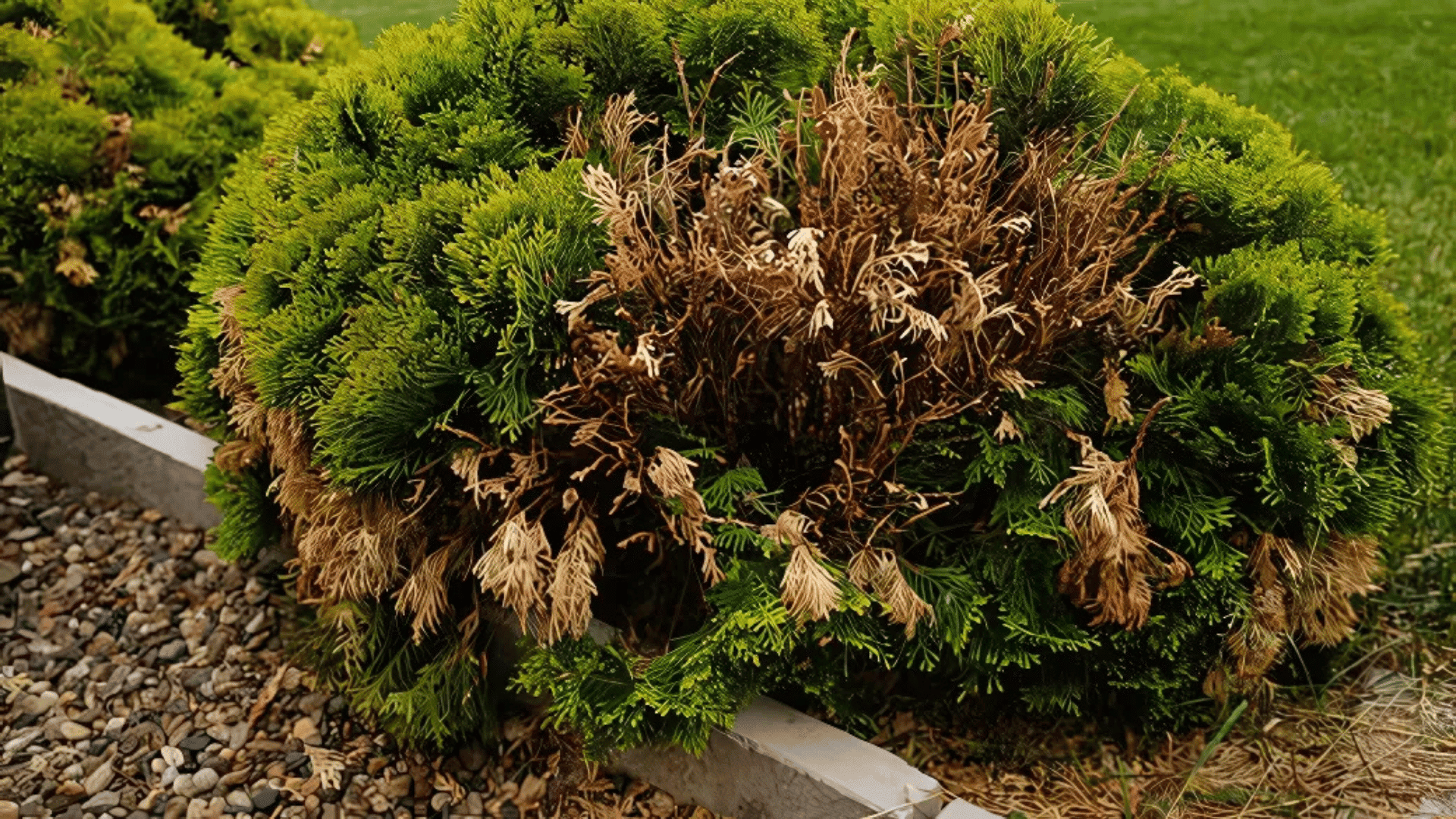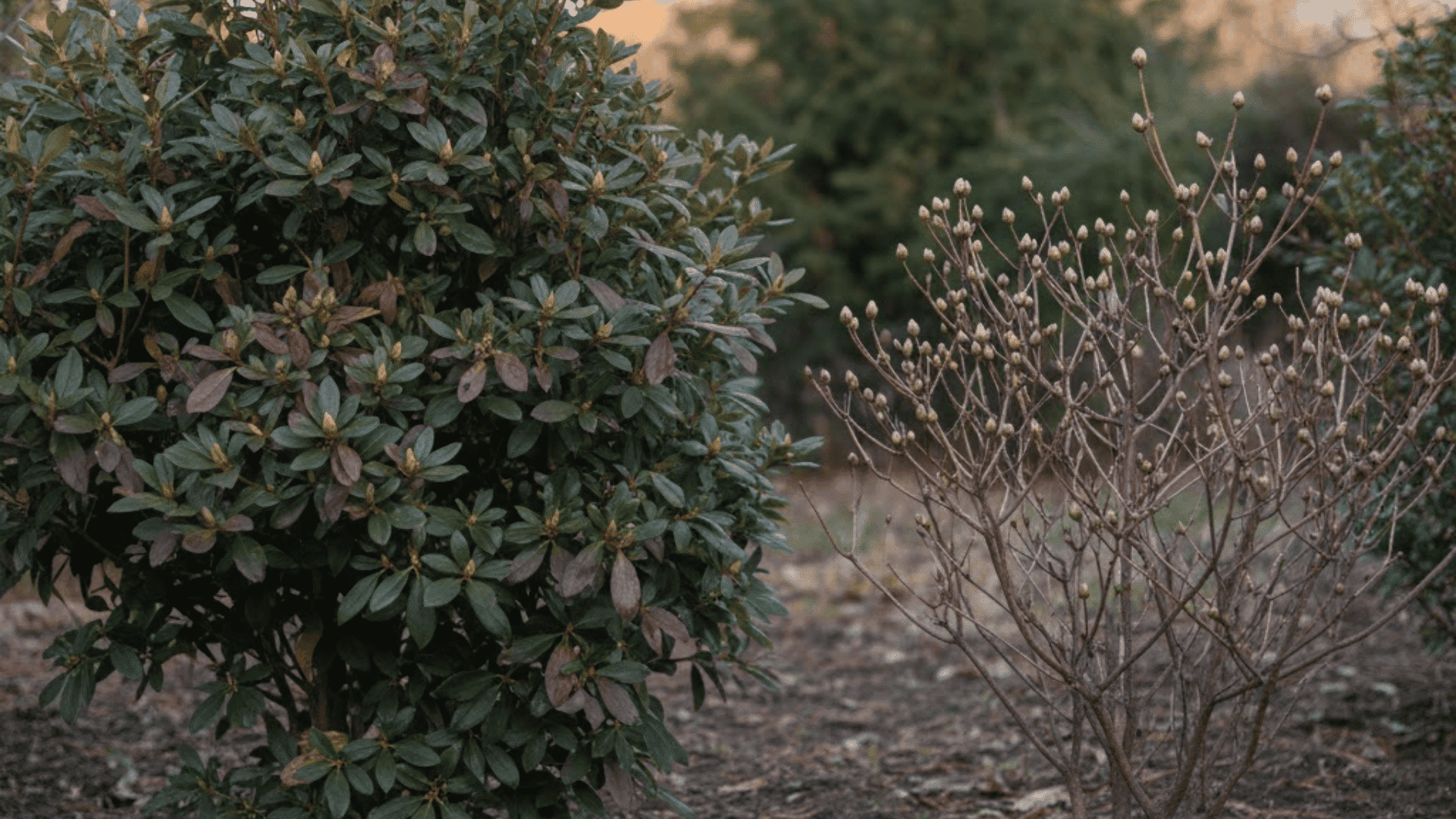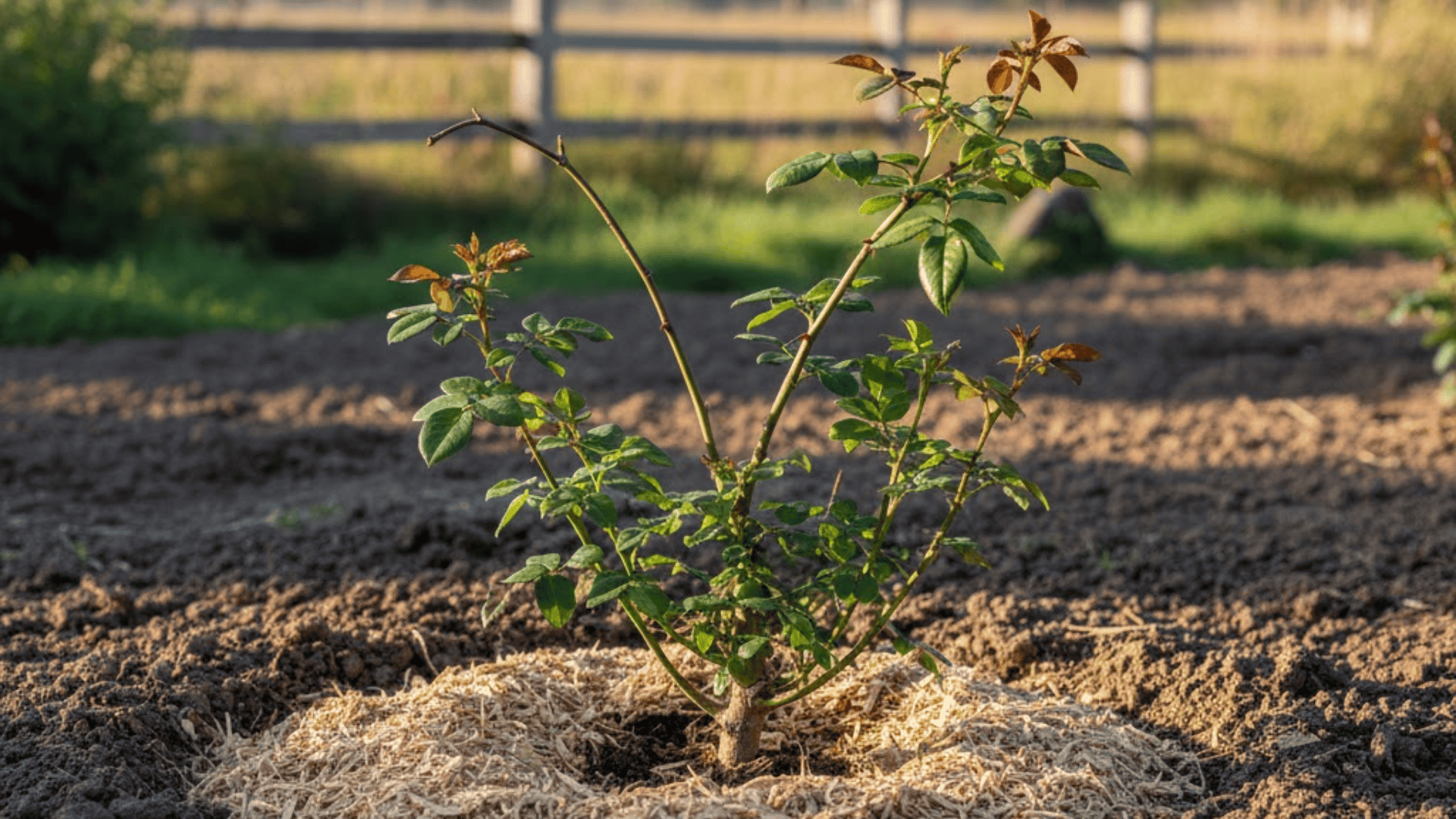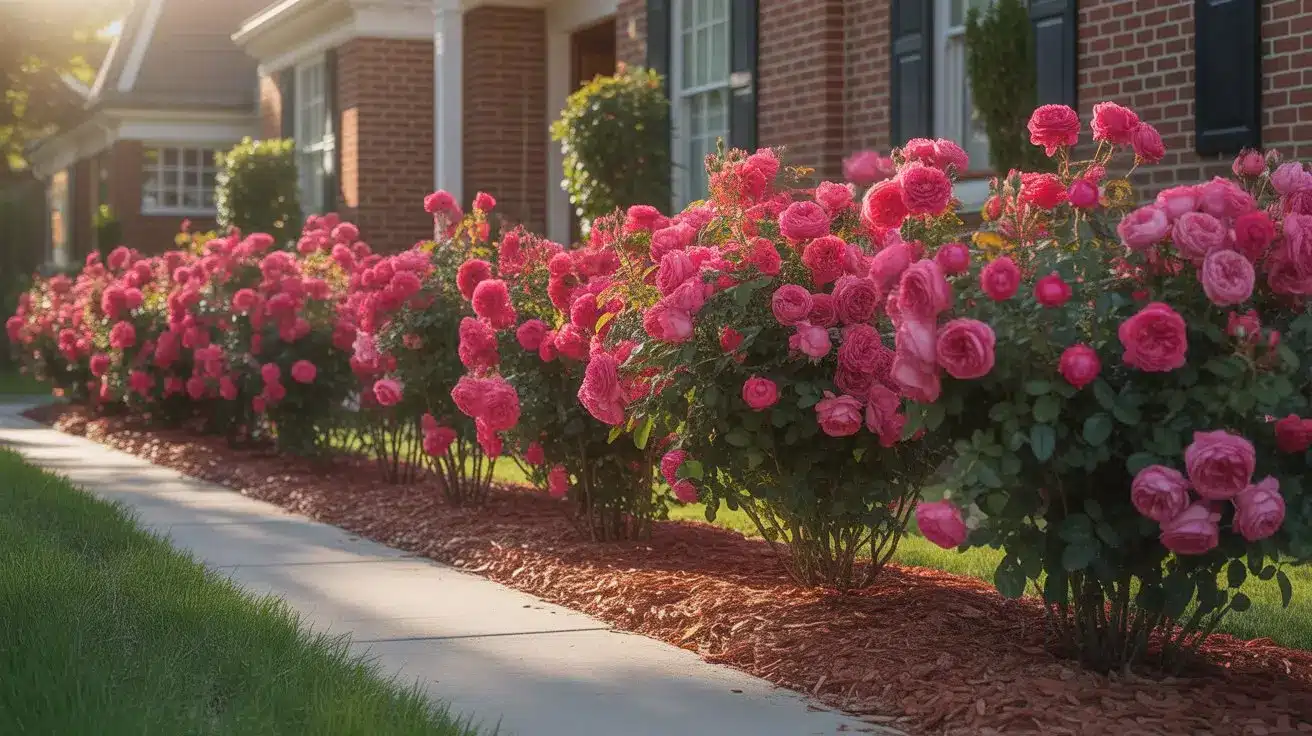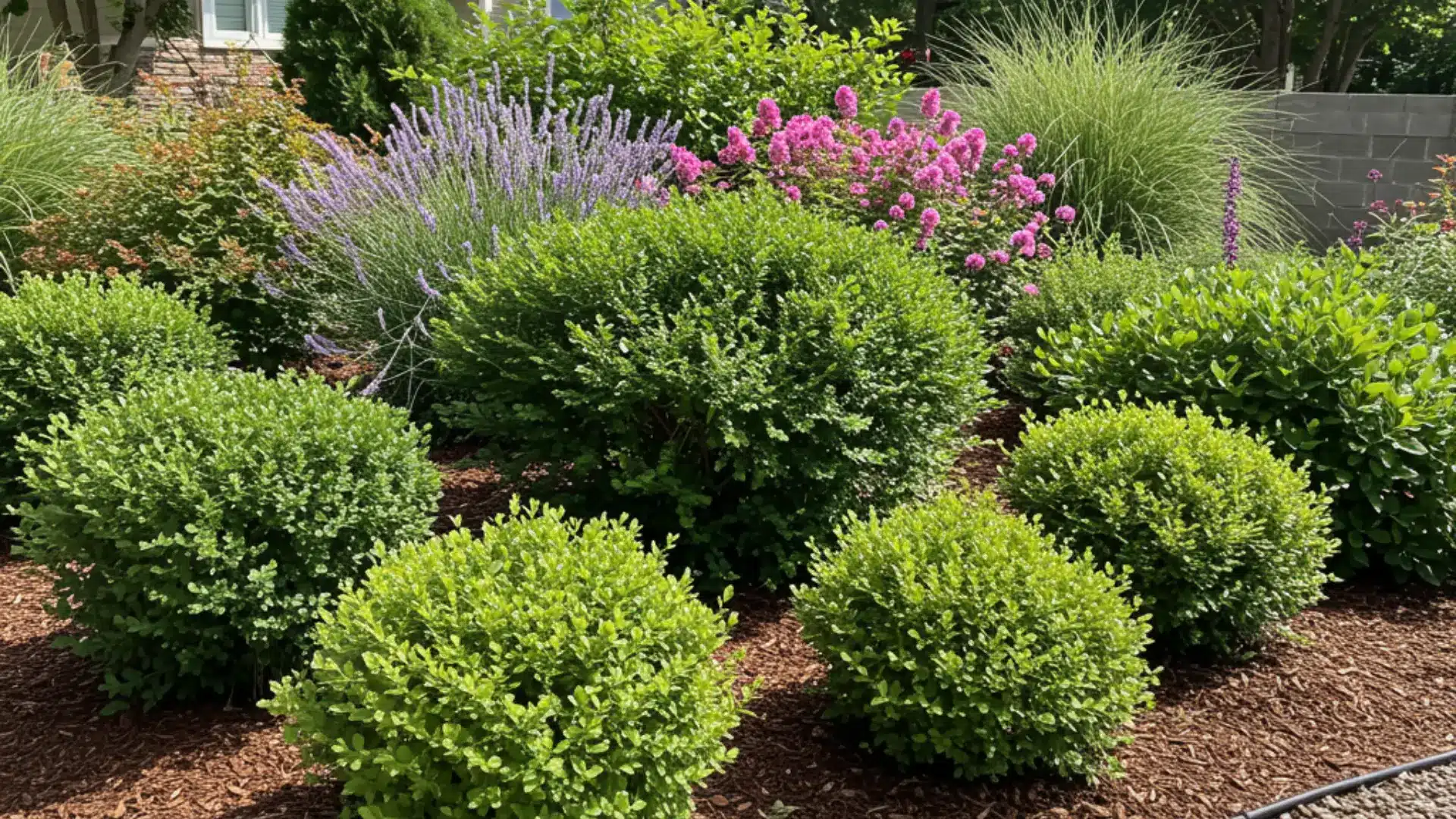
When people hear “drought tolerant shrubs,” they often think of dry, lifeless yards filled with gravel and cactus. But that’s not the full story.
Many landscapes deal with long dry spells, fast-draining soil, or watering limits, and the right shrubs can handle those conditions without constant care.
In this guide, you’ll learn what drought-tolerant really means, how to choose shrubs based on your goal, and how to plant them so they grow strong from the start.
You’ll also see simple ways to set your yard up for long-term success.
What Drought-Tolerant Shrubs Really Mean
Drought-tolerant shrubs can survive dry periods once their roots are well-established. They are designed to use water efficiently and stay stable in sunny, fast-draining, or low-rainfall areas.
They adapt by growing deeper roots and reducing moisture loss through their leaves.
Many people believe drought-tolerant means no watering at all. That idea leads to plant failure. Drought-tolerant shrubs still need care, especially in the first year. The key difference is how they perform after.
| Category | Drought-Tolerant Shrubs | “No-Water” Myth |
|---|---|---|
| First Year – Establishment | Need regular deep watering to build strong roots. | Assumed to survive without watering from day one. |
| Root System – Growth Pattern | Develop deep, wide roots for long-term stability. | Root development is ignored. |
| Long-Term Care – Ongoing Needs | Require less frequent watering once established. | Expected to need no maintenance at all. |
| Heat Response – Stress Handling | Handle dry spells once mature. | Often decline quickly in extreme heat. |
During the first growing season, steady watering helps roots grow downward instead of staying shallow. Once roots mature, watering becomes less frequent but more intentional.
Signs Your Yard Needs Drought-Tolerant Shrubs
Some landscapes dry out faster than others. In these conditions, traditional shrubs often struggle.
Common signs include:
- Soil dries within a day after rain
- Leaves wilt by mid-afternoon in summer
- Irrigation runs often just to keep plants alive
You may also notice water pooling in one season and dryness in another. If your yard depends on frequent irrigation to look healthy, drought-tolerant shrubs may be a better fit.
Types of Drought-Tolerant Shrubs by Purpose
Not all drought-tolerant shrubs serve the same role. Some provide privacy, some add color, and others offer long-term stability with less care.
Evergreen Shrubs for Privacy
These shrubs provide year-round coverage and structure. They are ideal for screens, borders, and wind control.
1. Texas Sage (Leucophyllum)
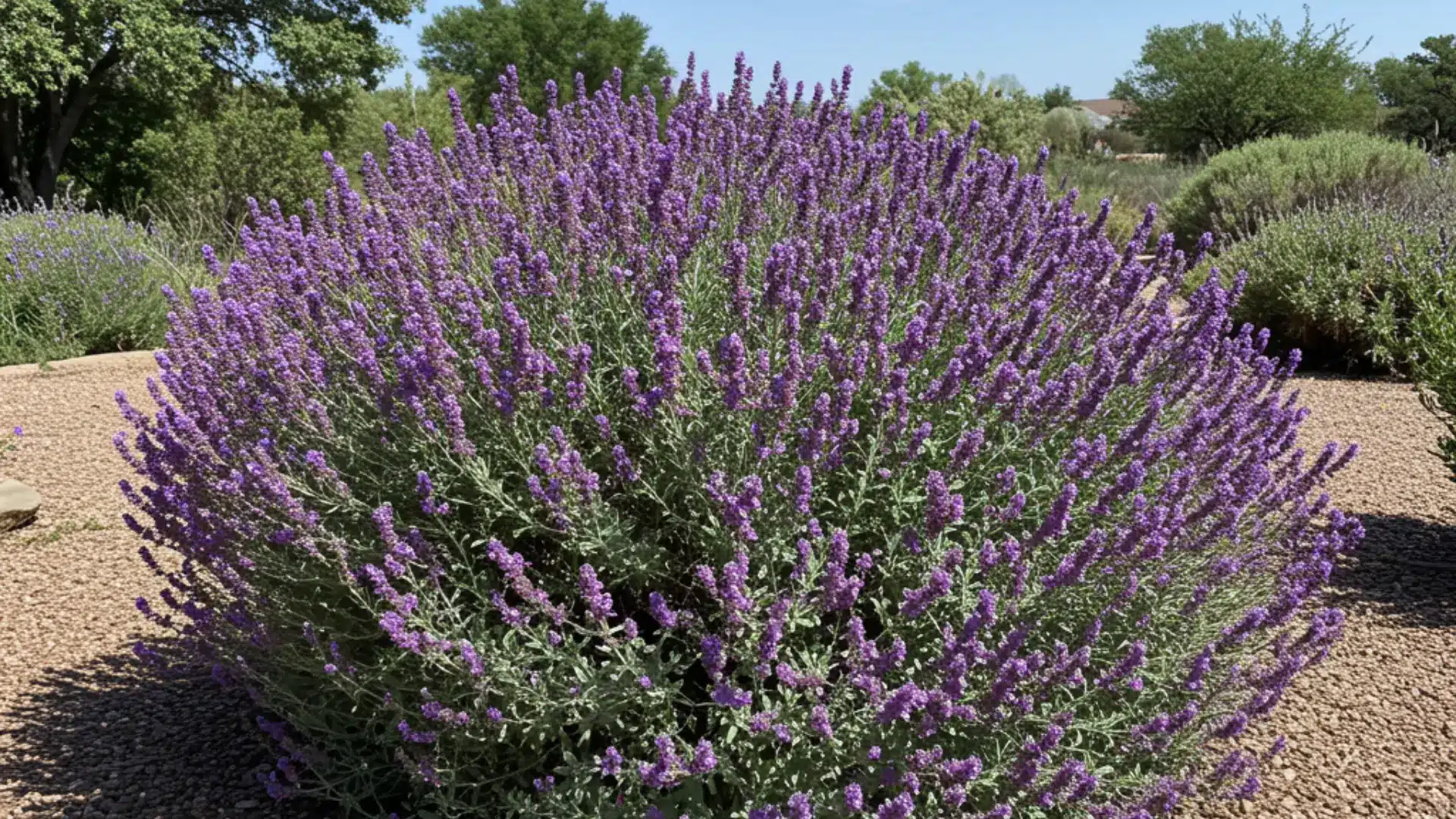
- Light Needs: Full sun
- Height & Spread: 5–8 ft tall, 5–6 ft wide
- Why It Works as Drought Tolerant: Silver foliage reflects heat and reduces moisture loss
- Best Uses: Privacy hedges, boundary planting, heat-exposed walls
- Soil & Water: Requires well-draining soil; low water once established
- Care Level: Low
- Zones: 8–11
- Companion Plants: Lavender, ornamental grasses.
2. Juniper (Juniperus varieties)
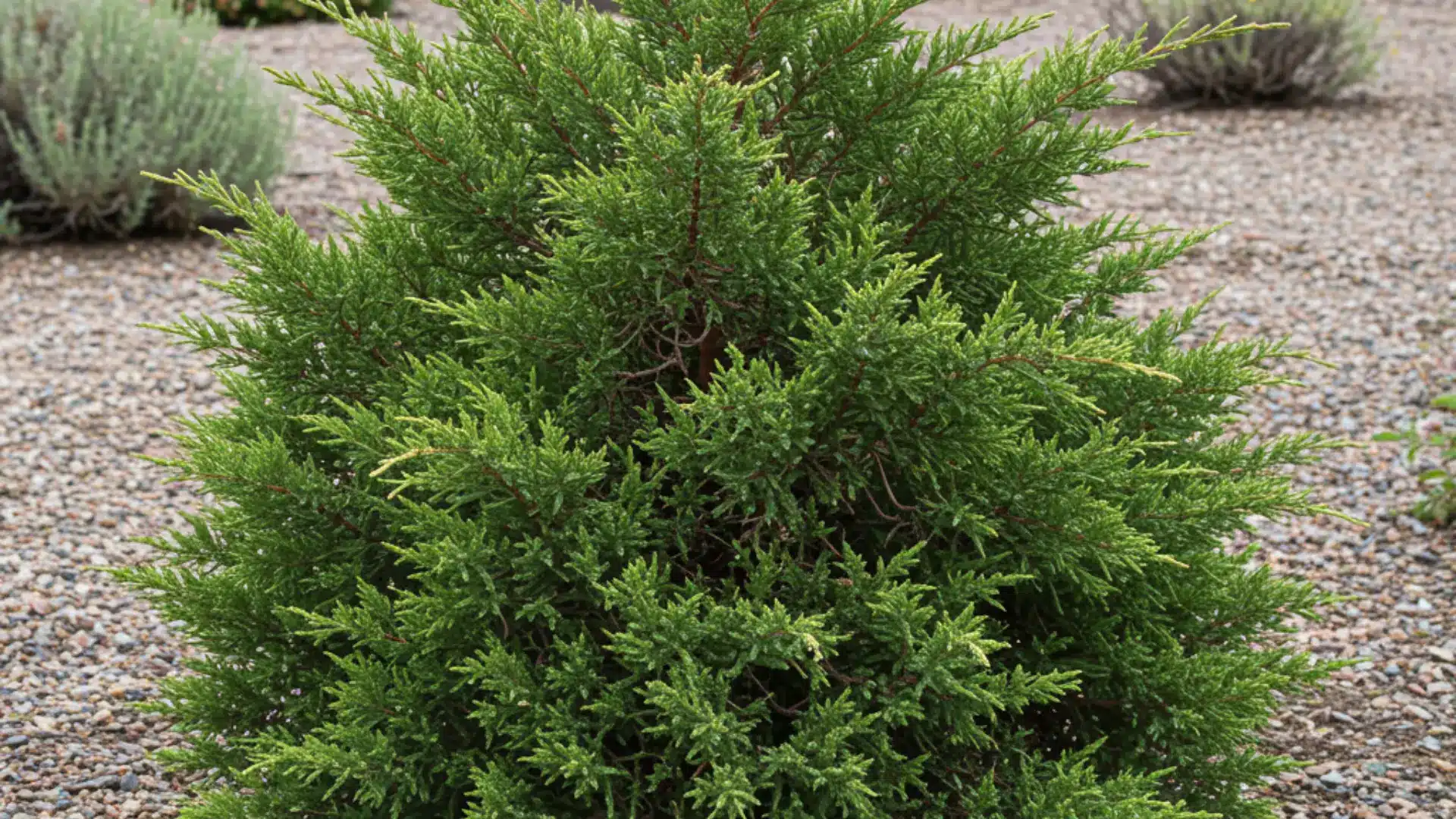
- Light Needs: Full sun
- Height & Spread: 2–15 ft tall, depending on variety
- Why It Works as Drought Tolerant: Adaptable roots and needle-like foliage limit water loss
- Best Uses: Privacy screens, slopes, windbreaks
- Soil & Water: Tolerates poor soil; very low water after establishment
- Care Level: Very low
- Zones: 3–9 (varies by type)
- Companion Plants: Russian sage, sedum, native grasses
3. Arborvitae
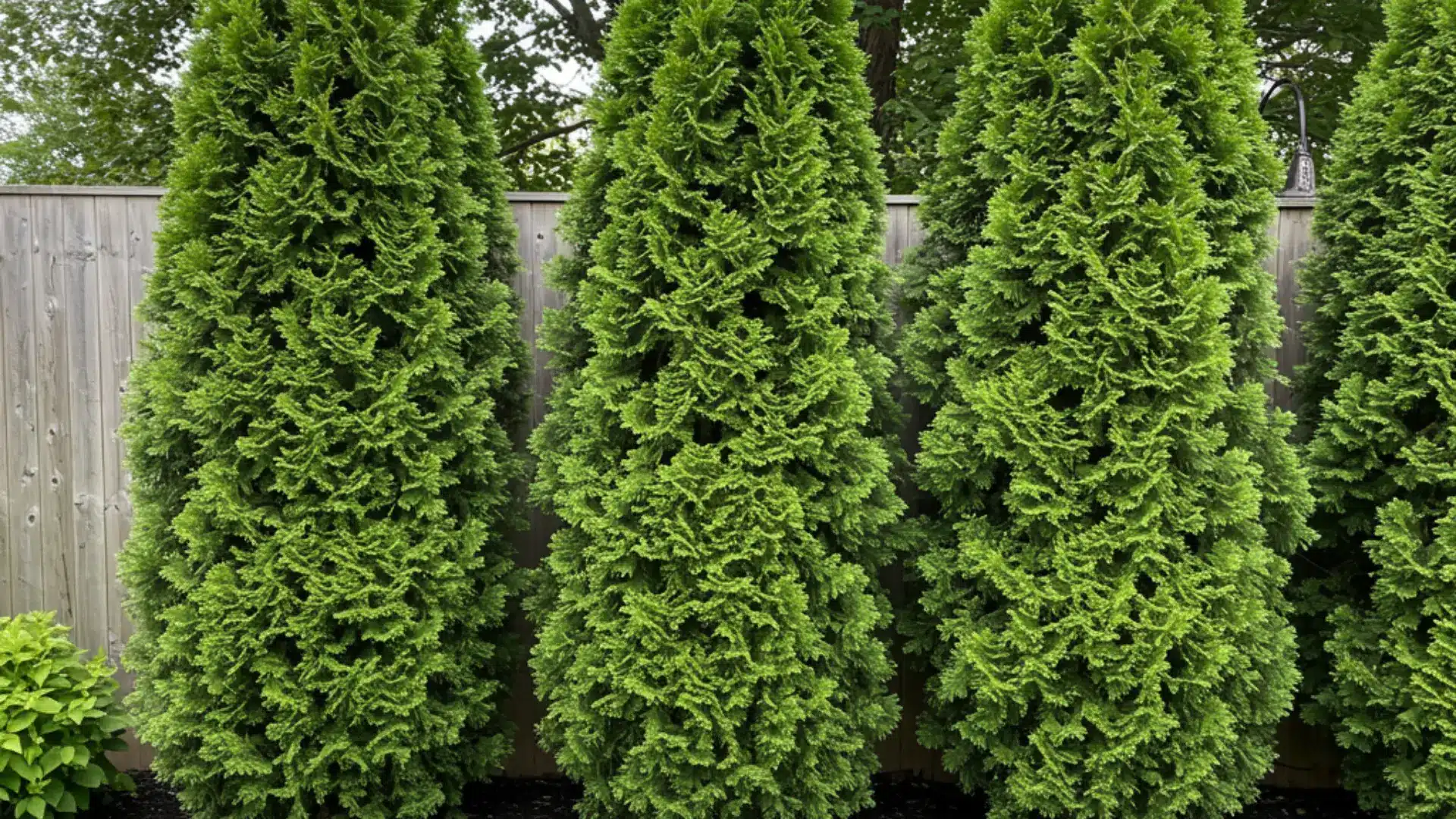
- Light Needs: Full sun to light shade
- Height & Spread: 8–20 ft tall, 3–6 ft wide
- Why It Works as Drought Tolerant: Dense foliage reduces soil evaporation once mature
- Best Uses: Formal privacy hedges, property lines
- Soil & Water: Needs well-drained soil; moderate water first year, lower later
- Care Level: Moderate
- Zones: 5–9
- Companion Plants: Boxwood, hydrangea (dry-tolerant types), spirea
4. Olive (Olea europaea)
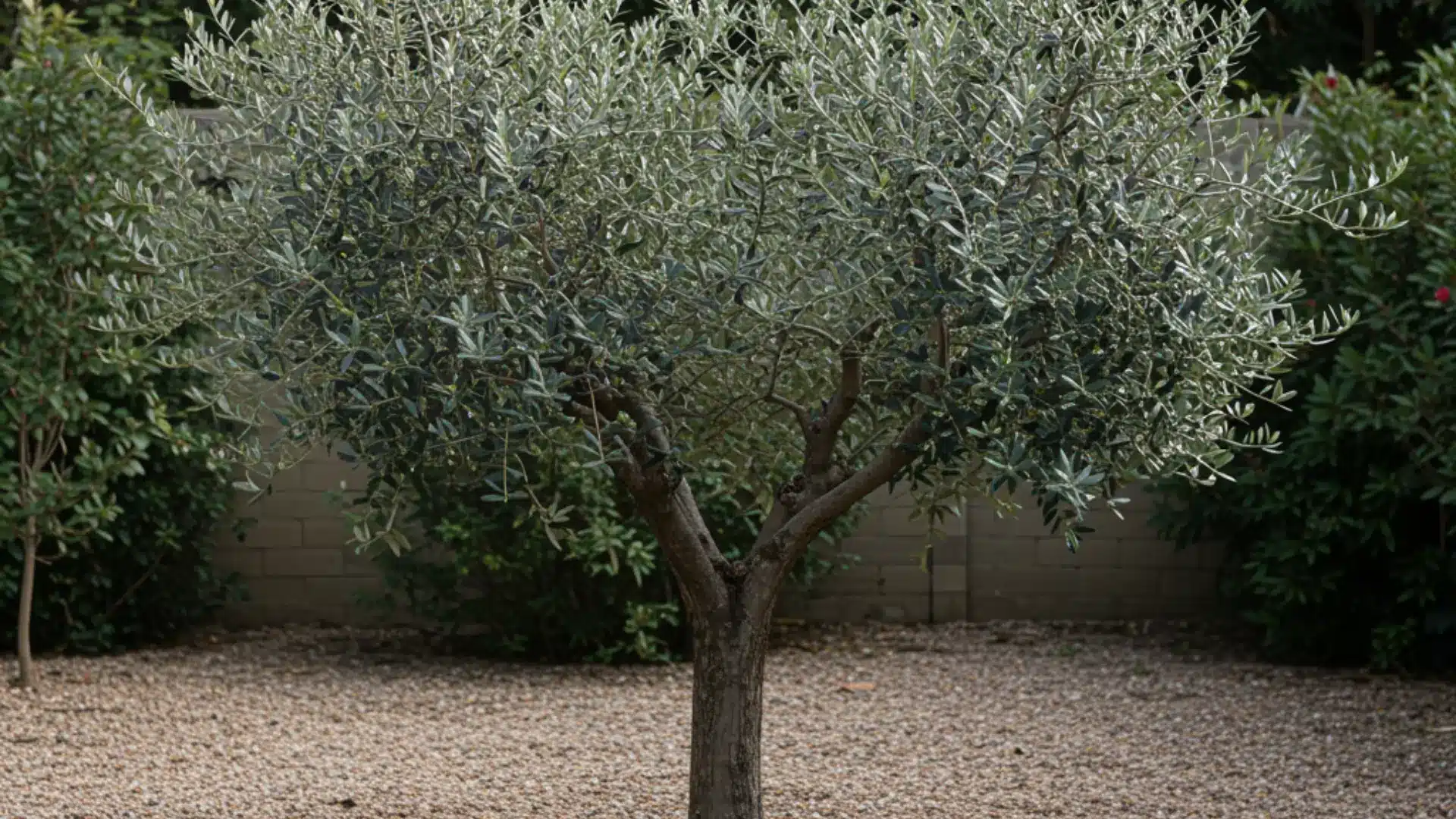
- Light Needs: Full sun
- Height & Spread: 15–25 ft tall, 10–15 ft wide
- Why It Works as Drought Tolerant: Adapted to dry climates; narrow leaves conserve moisture
- Best Uses: Tall screens, accent privacy trees
- Soil & Water: Prefers sandy or rocky soil; low water after establishment
- Care Level: Low
- Zones: 8–10
- Companion Plants: Rosemary, lavender, rockrose
5. Yaupon Holly (Ilex vomitoria)
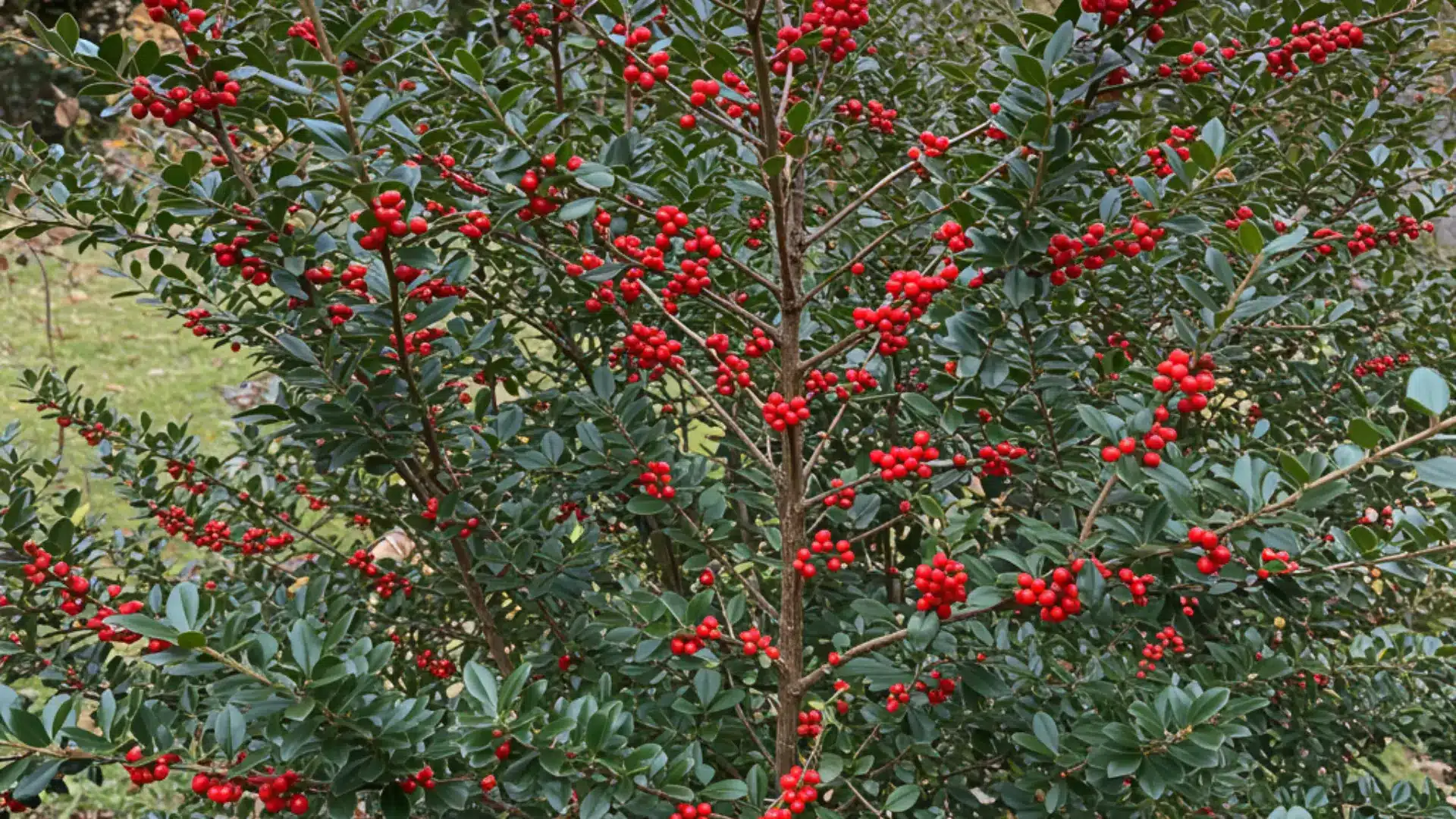
- Light Needs: Full sun to partial shade
- Height & Spread: 4–20 ft tall, 4–10 ft wide
- Why It Works as Drought Tolerant: Strong root system tolerates dry spells once mature
- Best Uses: Informal hedges, natural screens
- Soil & Water: Adaptable soil; moderate water in the first year, low after
- Care Level: Low
- Zones: 7–10
- Companion Plants: Muhly grass, salvia, dwarf palmetto
6. Wax Myrtle (Myrica cerifera)
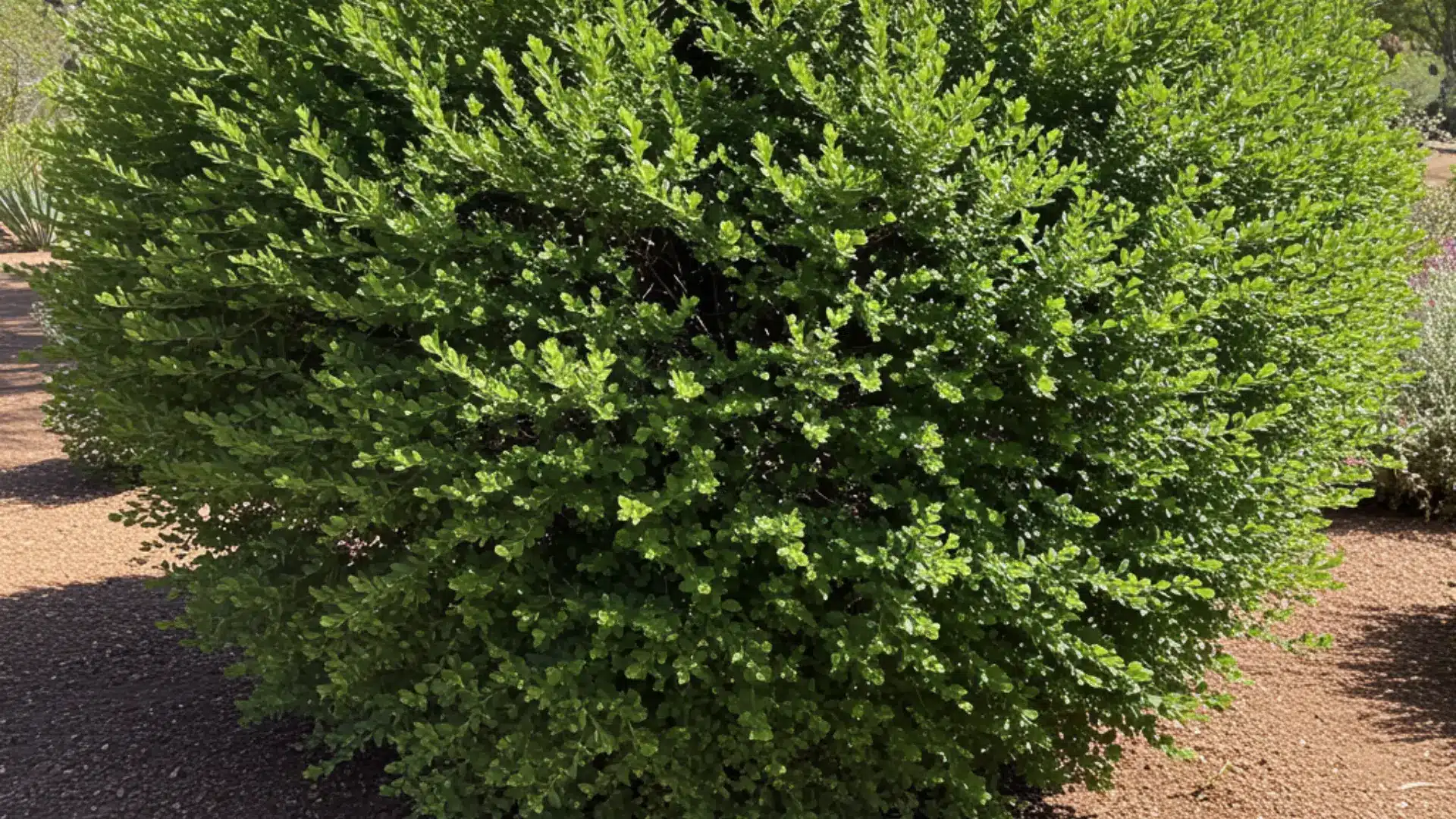
- Light Needs: Full sun to partial shade
- Height & Spread: 6–12 ft tall, 6–10 ft wide
- Why It Works as Drought Tolerant: Waxy leaves reduce moisture loss once established
- Best Uses: Informal hedges, natural screens, wind buffers
- Soil & Water: Adaptable to sandy or loamy soil; moderate water in the first year, low after
- Care Level: Low
- Zones: 7–10
- Companion Plants: Yaupon holly, muhly grass, native salvia
7. Podocarpus (Podocarpus macrophyllus)
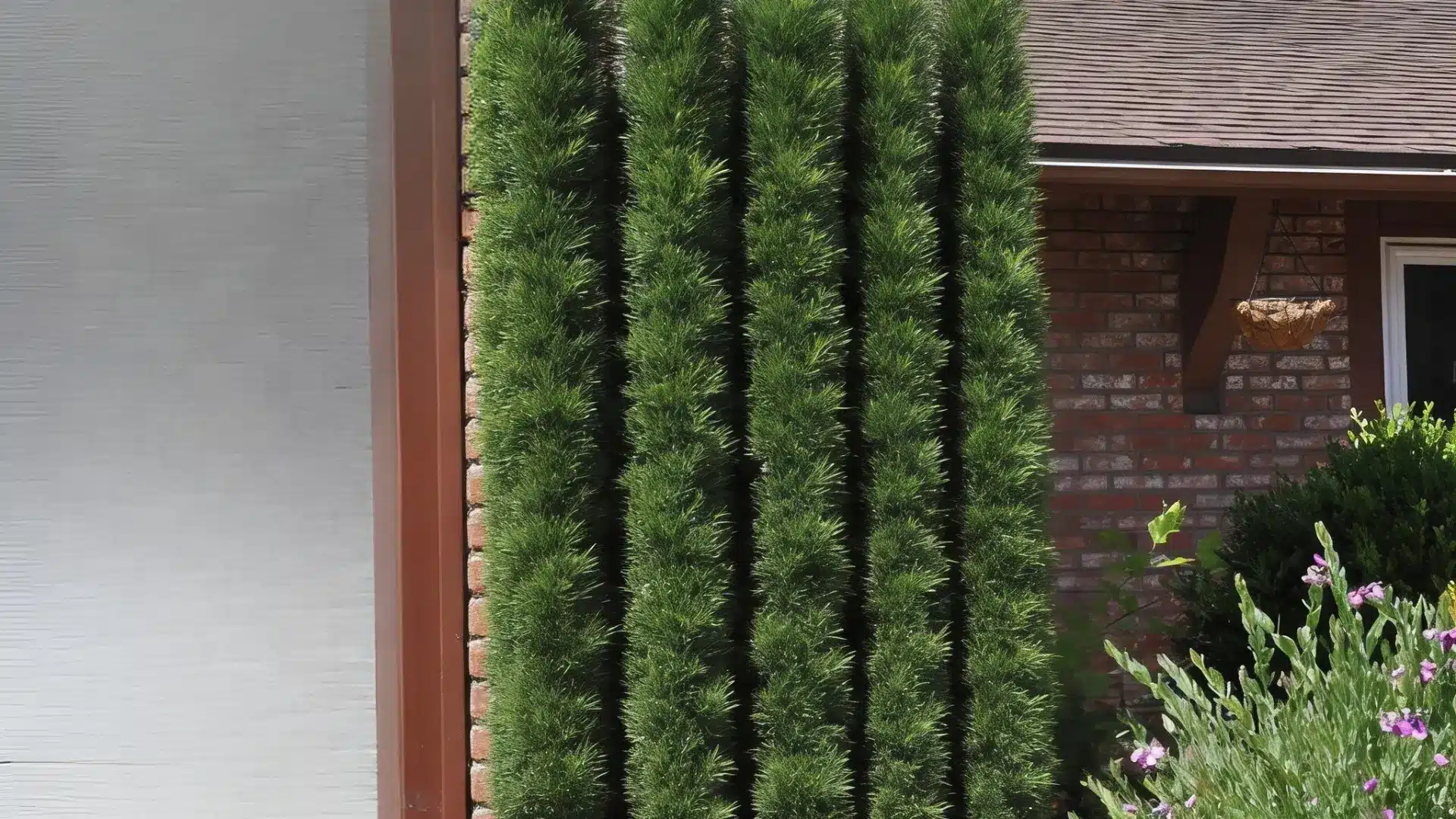
- Light Needs: Full sun to partial shade
- Height & Spread: 10–20 ft tall, 6–10 ft wide
- Why It Works as Drought Tolerant: Thick needle-like leaves help reduce water loss
- Best Uses: Tall hedges, structured privacy walls
- Soil & Water: Prefers well-drained soil; moderate water during establishment, low after
- Care Level: Low to moderate
- Zones: 8–11
- Companion Plants: Boxwood, loropetalum, dwarf grasses
8. Cherry Laurel (Prunus laurocerasus)
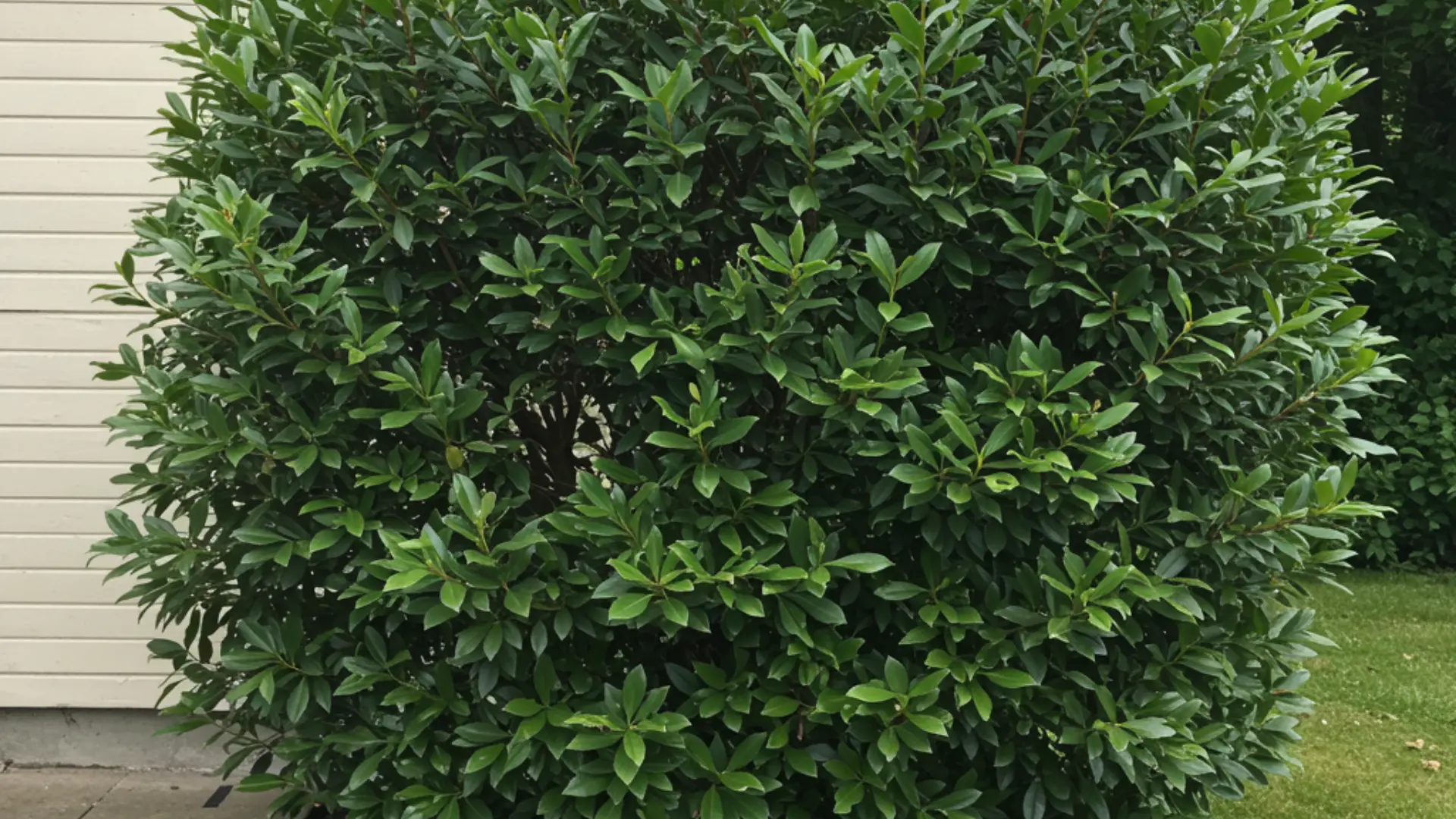
- Light Needs: Full sun to partial shade
- Height & Spread: 10–18 ft tall, 6–10 ft wide
- Why It Works as Drought Tolerant: Broad, thick leaves retain moisture once established
- Best Uses: Dense privacy screens, boundary hedges
- Soil & Water: Prefers well-drained soil; moderate water in the first season, less after
- Care Level: Moderate
- Zones: 6–9
- Companion Plants: Hydrangea (dry-tolerant types), boxwood, ornamental grasses
Flowering Shrubs for Color
These shrubs bring seasonal blooms without requiring heavy irrigation. They are often chosen for curb appeal and pollinator support.
9. Lavender (Lavandula)
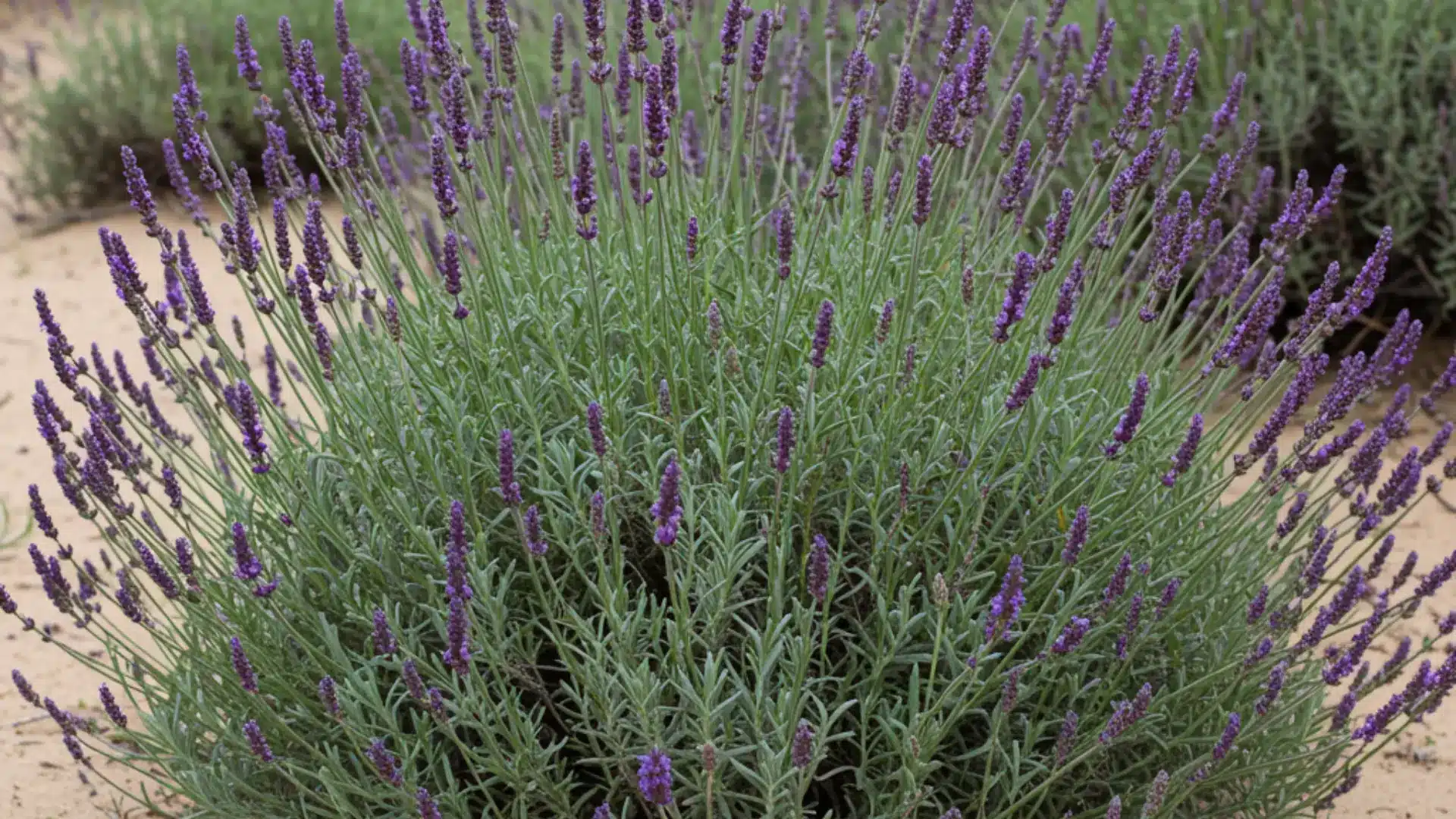
- Light Needs: Full sun
- Height & Spread: 1–3 ft tall, 2–4 ft wide
- Why It Works as Drought Tolerant: Narrow leaves reduce moisture loss and thrive in dry air
- Best Uses: Borders, pathways, low hedges
- Soil & Water: Requires fast-draining soil; low water after establishment
- Care Level: Low
- Zones: 5–9 (varies by type)
- Companion Plants: Rosemary, sage, ornamental grasses
10. Russian Sage (Salvia yangii)
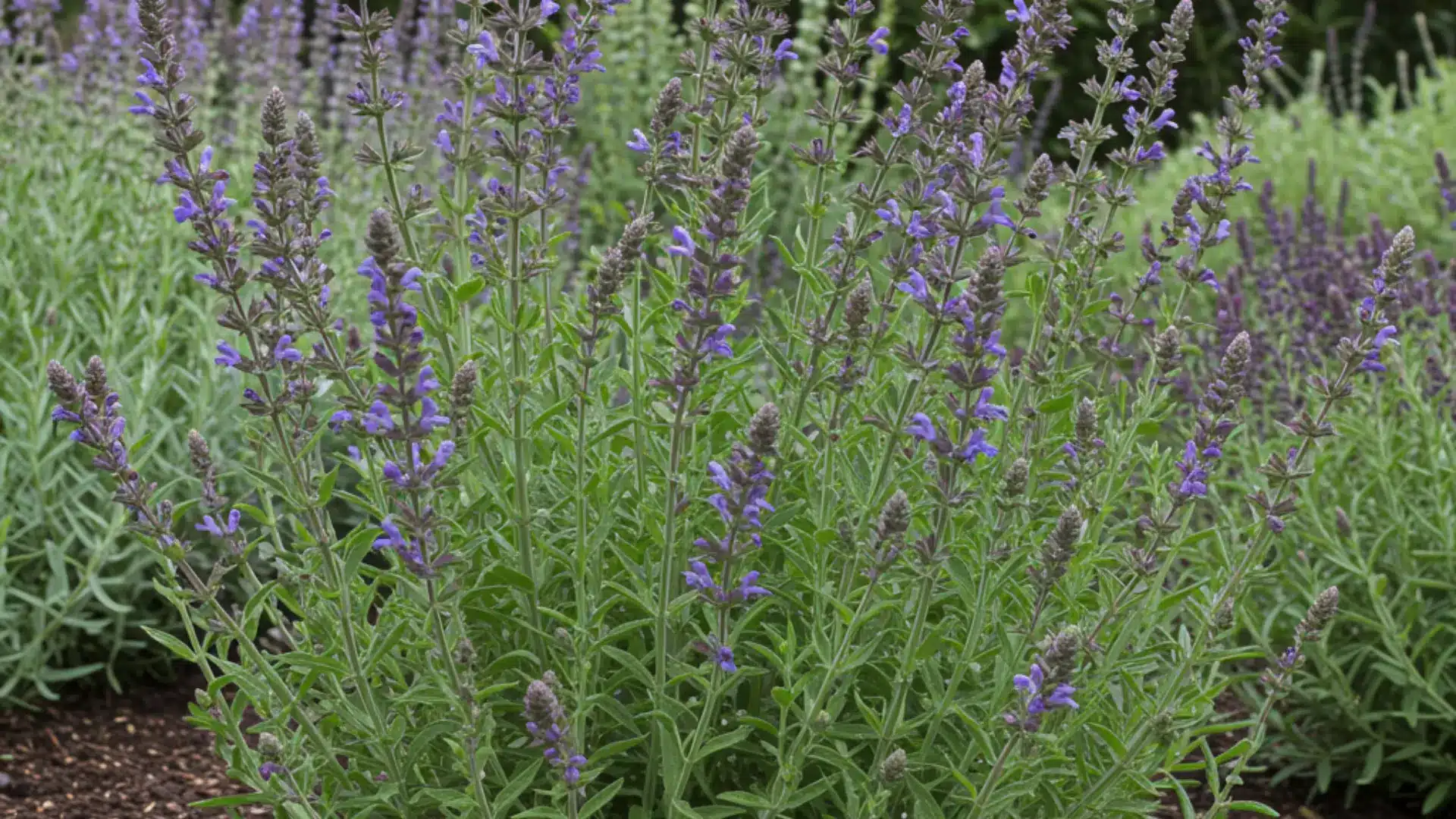
- Light Needs: Full sun
- Height & Spread: 3–5 ft tall, 2–4 ft wide
- Why It Works as Drought Tolerant: Deep roots and airy foliage tolerate heat and dry soil
- Best Uses: Back borders, mixed beds, mass planting
- Soil & Water: Prefers well-drained soil; low water once established
- Care Level: Low
- Zones: 4–9
- Companion Plants: Black-eyed Susan, yarrow, coneflower
11. Bluebeard (Caryopteris)
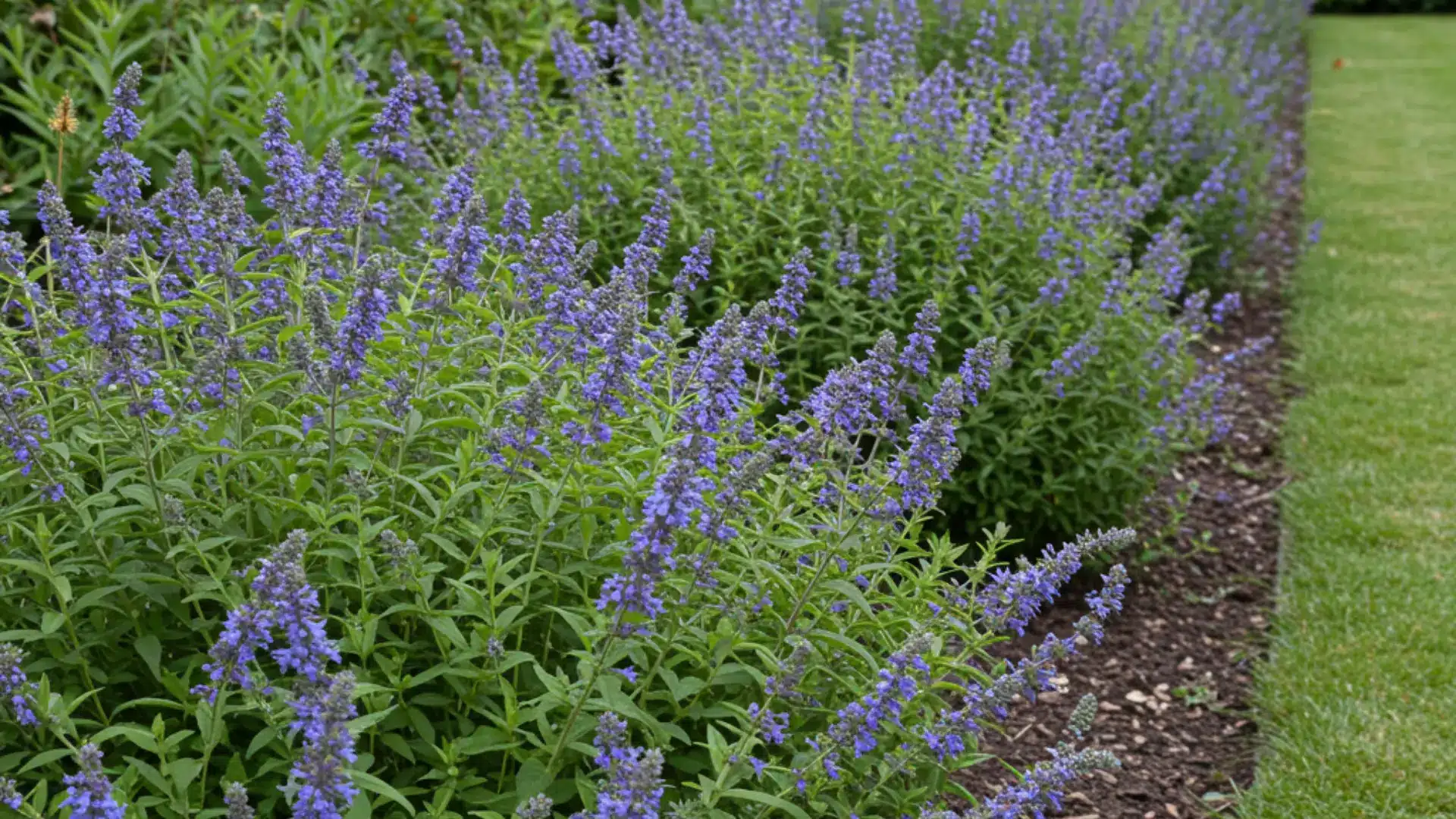
- Light Needs: Full sun
- Height & Spread: 2–4 ft tall, 2–4 ft wide
- Why It Works as Drought Tolerant: Handles dry summers and produces late-season blooms
- Best Uses: Small gardens, pollinator beds
- Soil & Water: Needs good drainage; moderate water in the first year, low after
- Care Level: Low
- Zones: 5–9
- Companion Plants: Sedum, lavender, coreopsis
12. Rockrose (Cistus)
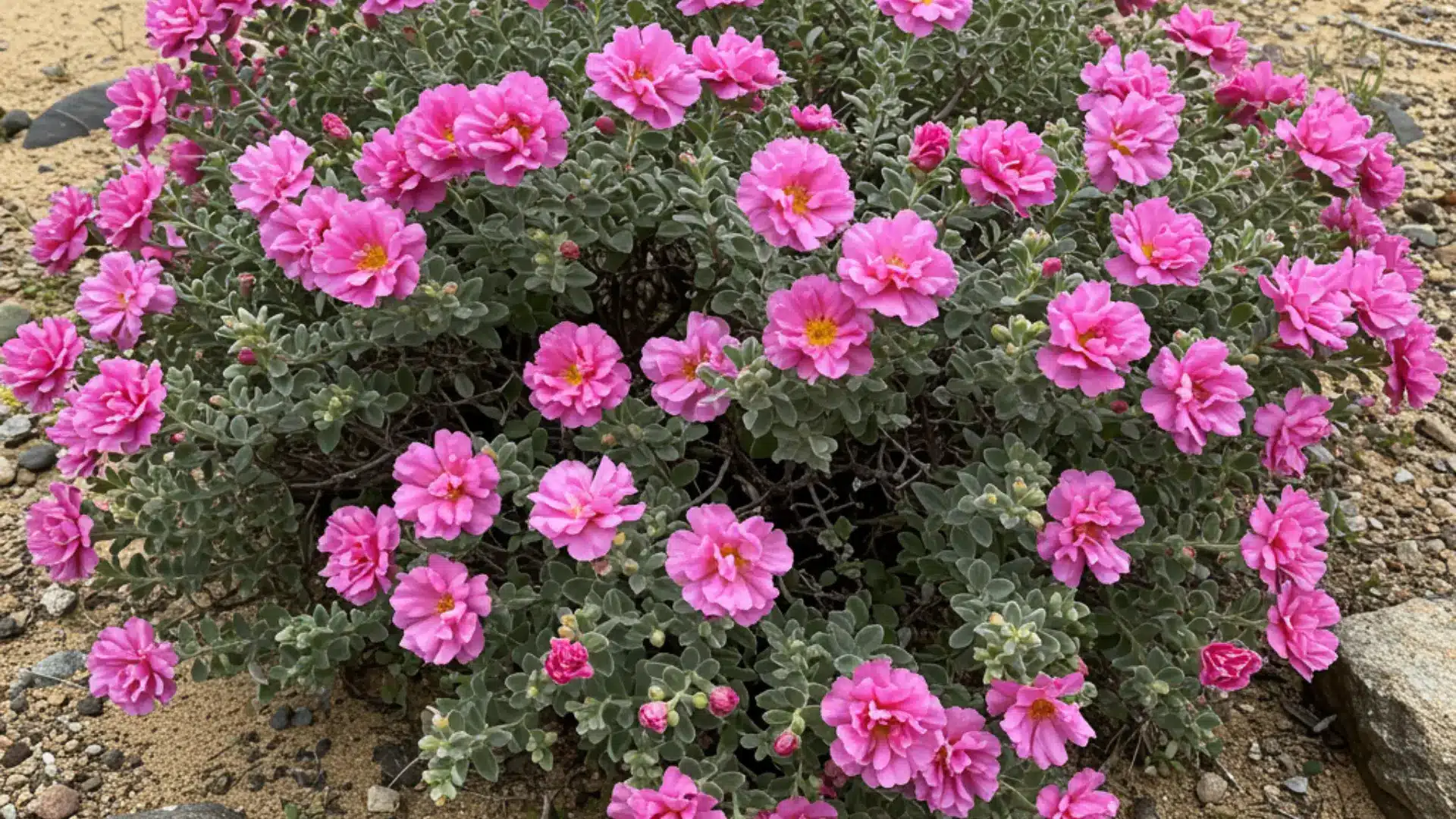
- Light Needs: Full sun
- Height & Spread: 3–6 ft tall, 4–8 ft wide
- Why It Works as Drought Tolerant: Thick leaves and Mediterranean origin support dry soil survival
- Best Uses: Slopes, foundation planting, dry borders
- Soil & Water: Prefers sandy or rocky soil; very low water once established
- Care Level: Low
- Zones: 8–11
- Companion Plants: Lavender, thyme, ornamental grasses
13. Potentilla (Shrubby cinquefoil)
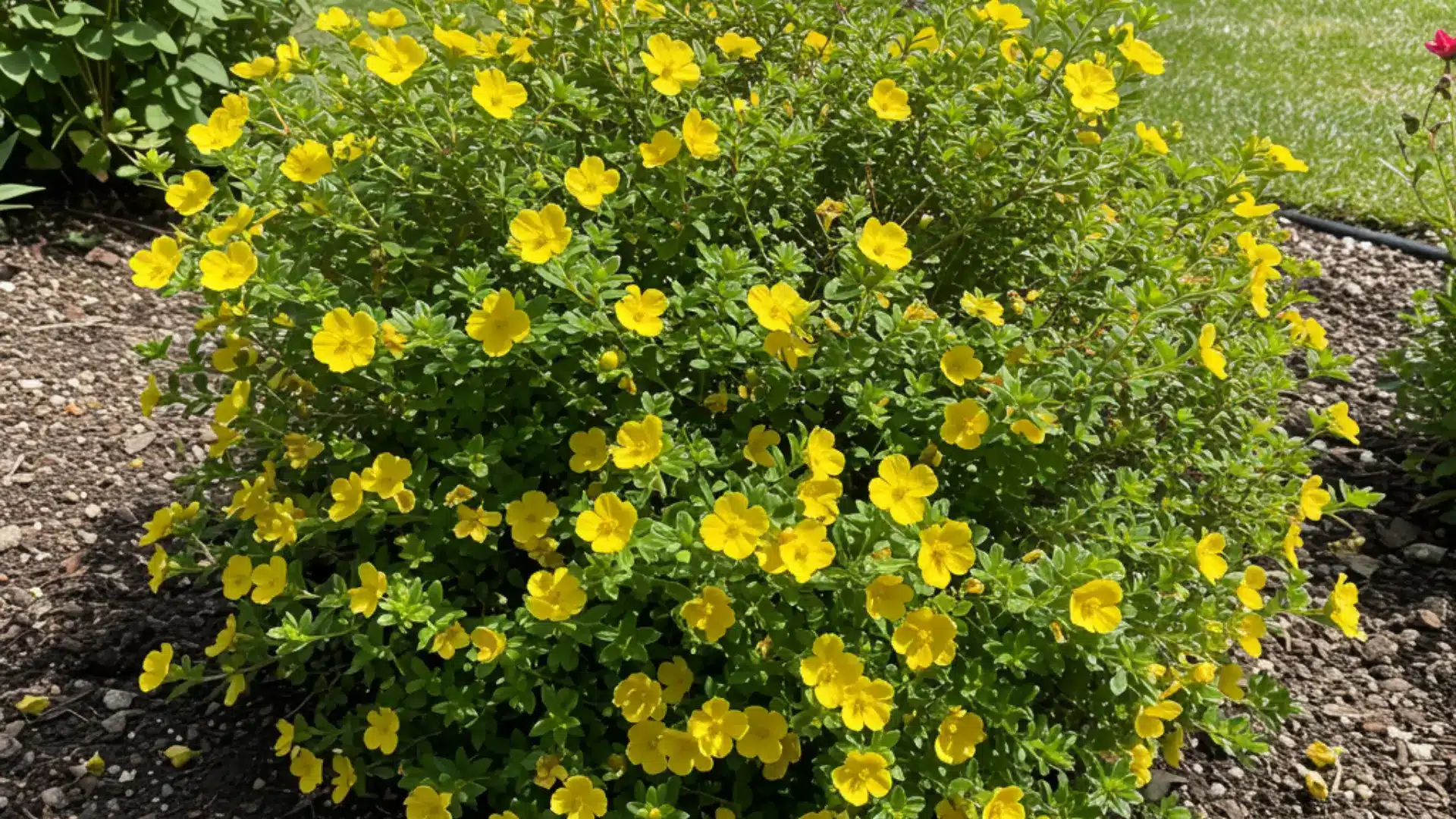
- Light Needs: Full sun to light shade
- Height & Spread: 2–4 ft tall, 2–4 ft wide
- Why It Works as Drought Tolerant: Small leaves reduce water loss and tolerate dry spells
- Best Uses: Front borders, mass planting
- Soil & Water: Adaptable soil; moderate water first year, lower after
- Care Level: Low
- Zones: 2–7
- Companion Plants: Spirea, salvia, dwarf juniper
14. Butterfly Bush (Buddleja davidii – Non-Invasive Varieties)
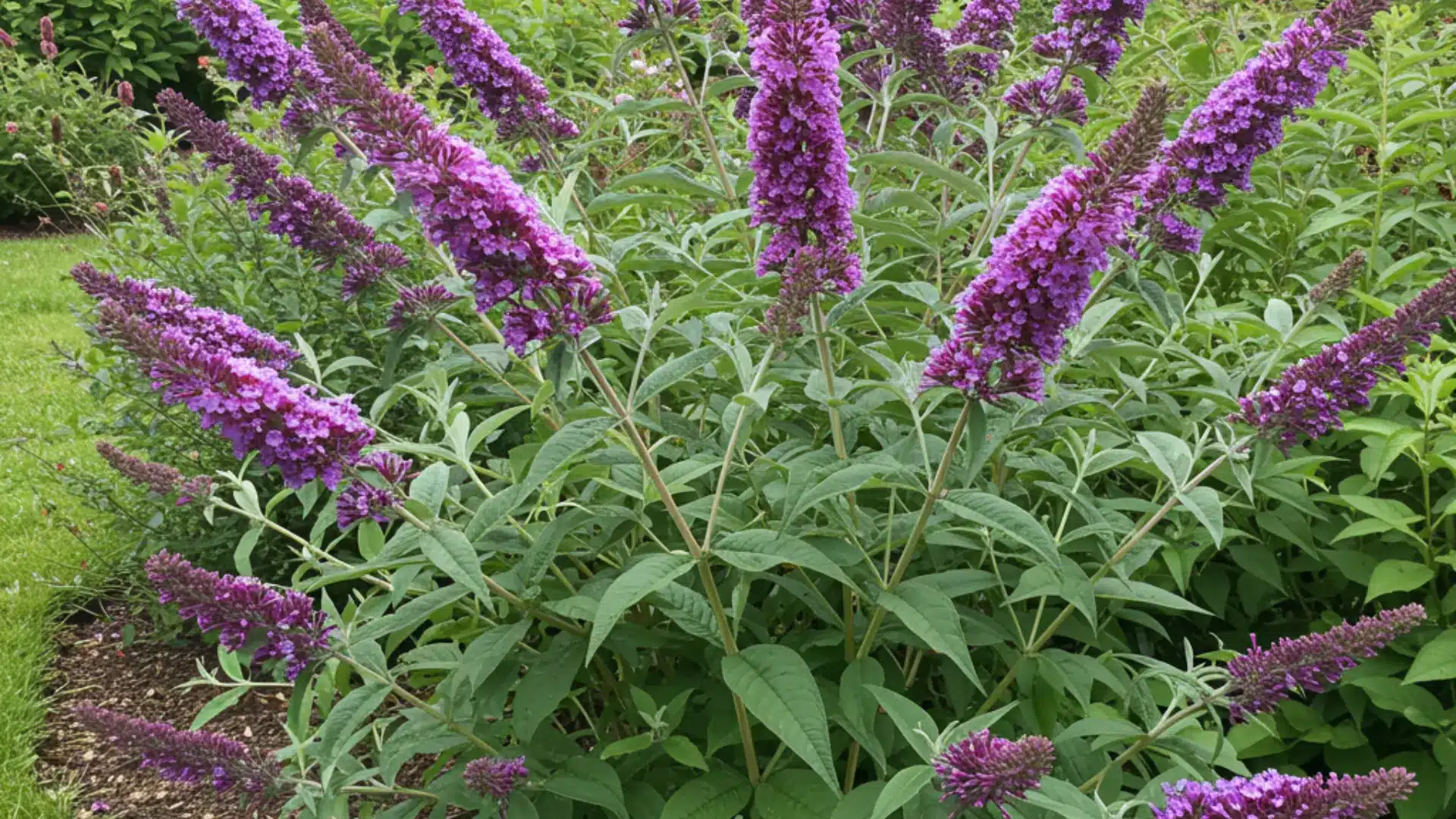
- Light Needs: Full sun
- Height & Spread: 4–8 ft tall, 3–6 ft wide
- Why It Works as Drought Tolerant: Deep root system and narrow leaves reduce water demand once established
- Best Uses: Pollinator gardens, back borders, mass planting
- Soil & Water: Prefers well-drained soil; moderate water in the first year, low after
- Care Level: Low
- Zones: 5–9
- Companion Plants: Coneflower, salvia, ornamental grasses
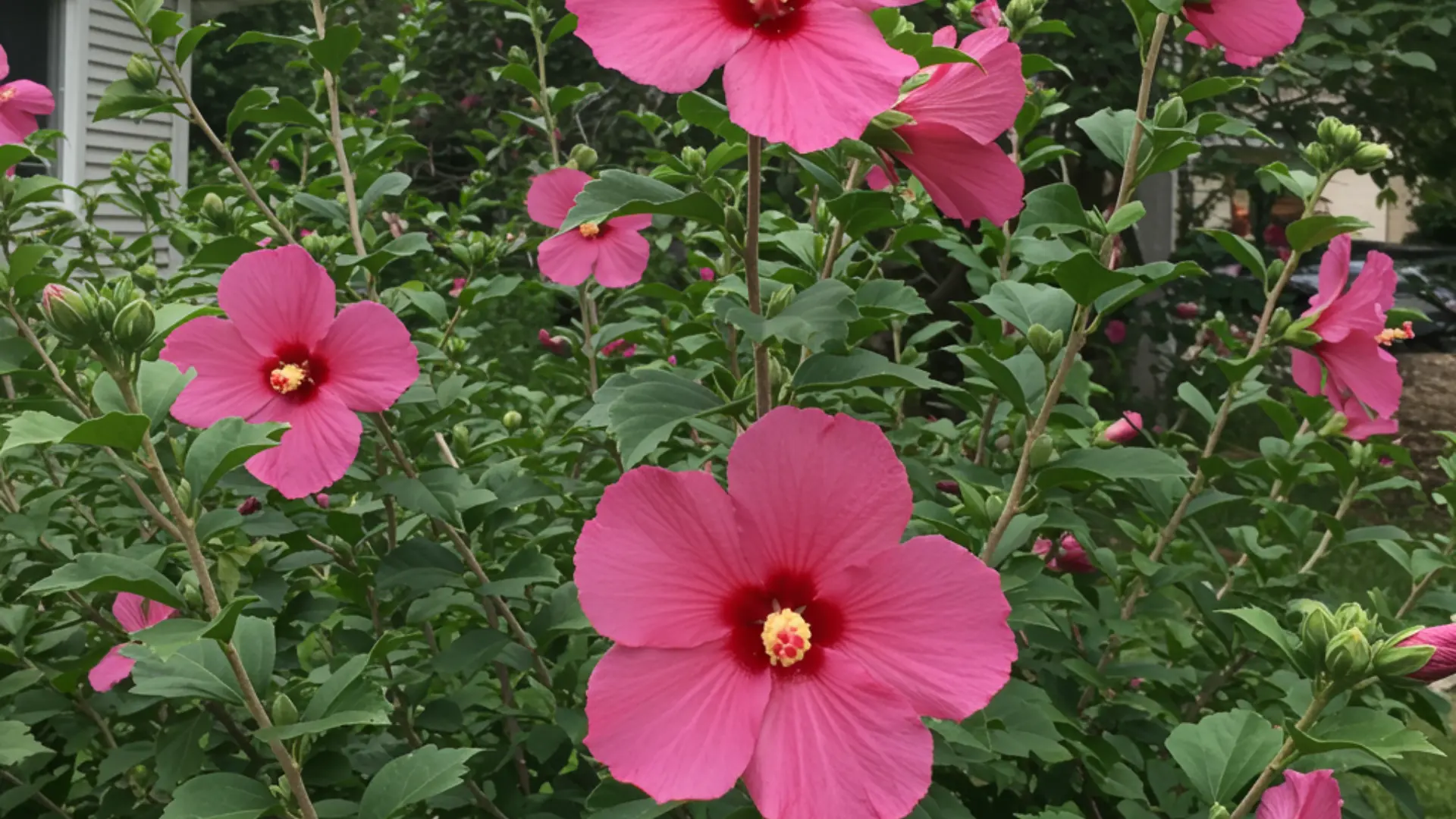
15. Hibiscus (Rose of Sharon – Hibiscus syriacus)
- Light Needs: Full sun
- Height & Spread: 8–12 ft tall, 6–10 ft wide
- Why It Works as Drought Tolerant: Woody stems and adaptable roots tolerate dry periods once mature
- Best Uses: Privacy screens, accent planting, summer color
- Soil & Water: Prefers well-drained soil; moderate watering during establishment
- Care Level: Low to moderate
- Zones: 5–9
- Companion Plants: Spirea, lavender, dwarf juniper
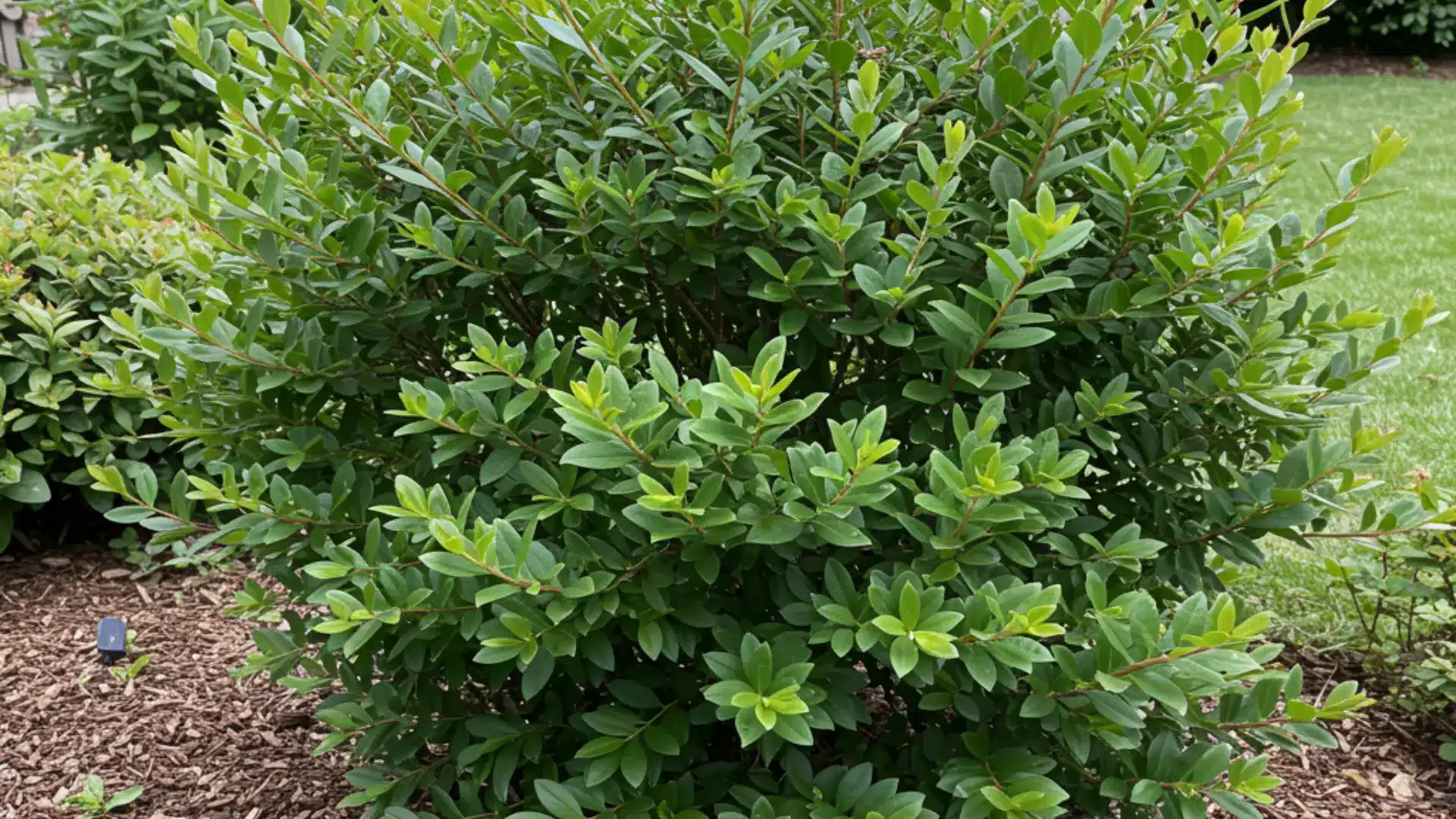
16. Inkberry (Ilex glabra)
- Light Needs: Full sun to partial shade
- Height & Spread: 4–8 ft tall, 4–8 ft wide
- Why It Works as Drought Tolerant: Dense root system supports steady growth in dry spells once mature
- Best Uses: Low hedges, foundation planting, natural screens
- Soil & Water: Prefers well-drained soil; moderate water first season, lower after
- Care Level: Low
- Zones: 4–9
- Companion Plants: Yaupon holly, ornamental grasses, spirea
Native Shrubs for Long-Term Success
Native drought-tolerant shrubs adapt naturally to local rainfall and soil conditions. They tend to establish faster and require less correction over time.
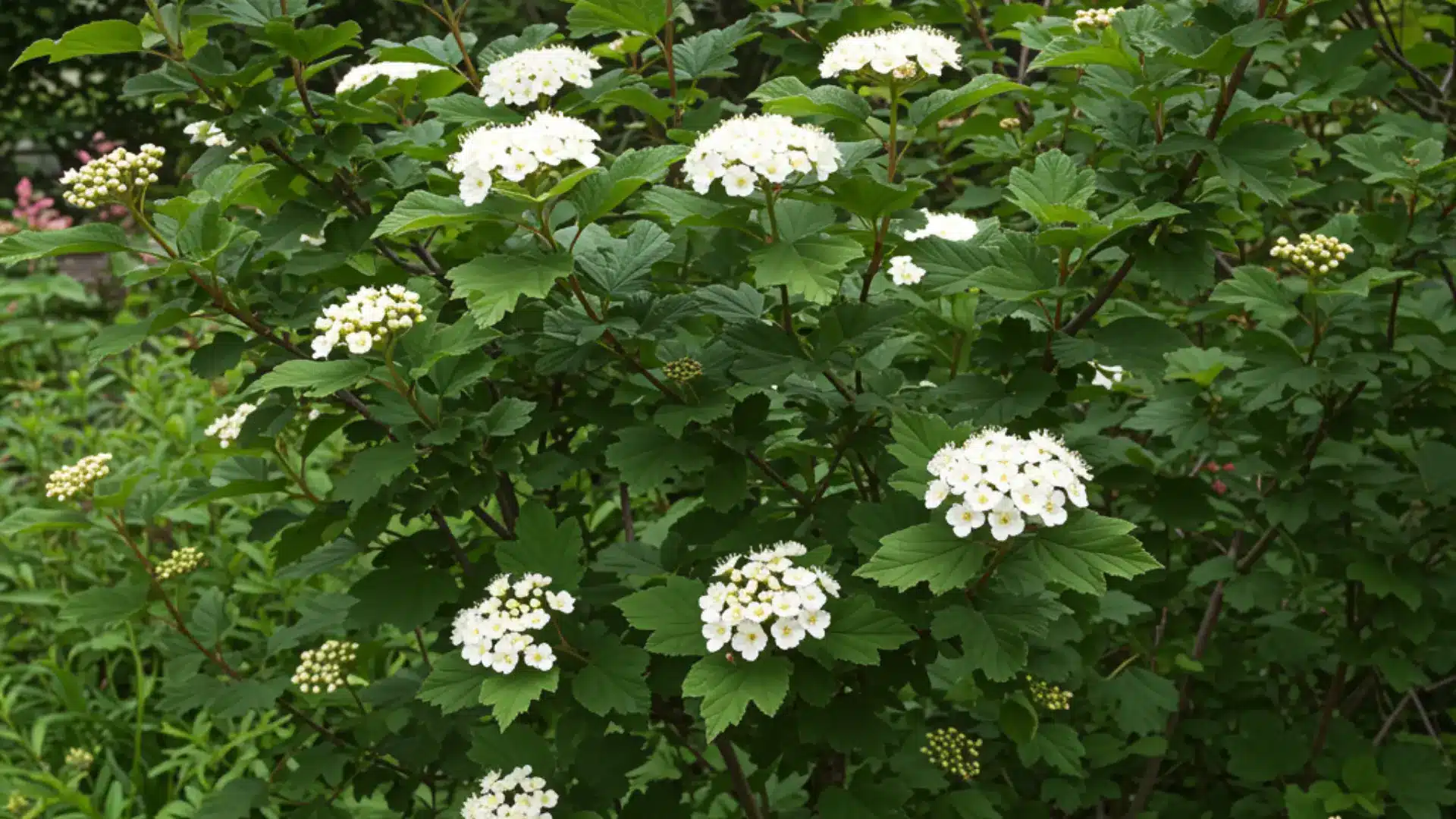
17. Ninebark (Physocarpus opulifolius)
- Light Needs: Full sun to partial shade
- Height & Spread: 5–8 ft tall, 4–6 ft wide
- Why It Works as Drought Tolerant: Strong root system adapts to dry spells once mature
- Best Uses: Privacy hedges, mixed shrub borders
- Soil & Water: Tolerates clay and loam; moderate water in the first year, lower after
- Care Level: Low
- Zones: 3–7
- Companion Plants: Spirea, ornamental grasses, coneflower
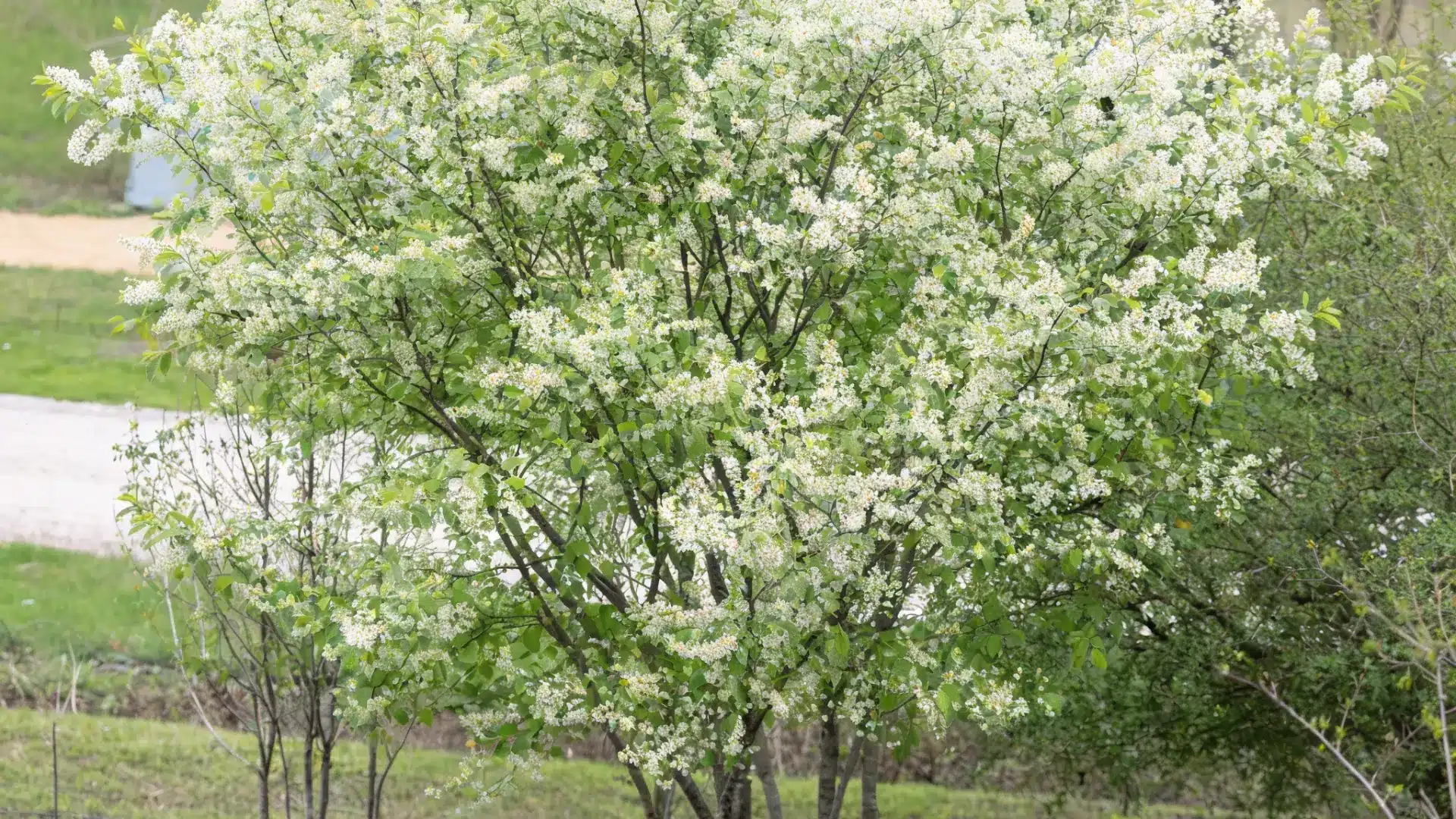
18. Serviceberry (Amelanchier)
- Light Needs: Full sun to light shade
- Height & Spread: 8–20 ft tall, 6–15 ft wide
- Why It Works as Drought Tolerant: Deep roots improve dry-season stability
- Best Uses: Informal screens, wildlife gardens
- Soil & Water: Prefers well-drained soil; moderate watering during establishment
- Care Level: Low to moderate
- Zones: 4–9
- Companion Plants: Redbud, aronia, native grasses
19. Aronia (Chokeberry)
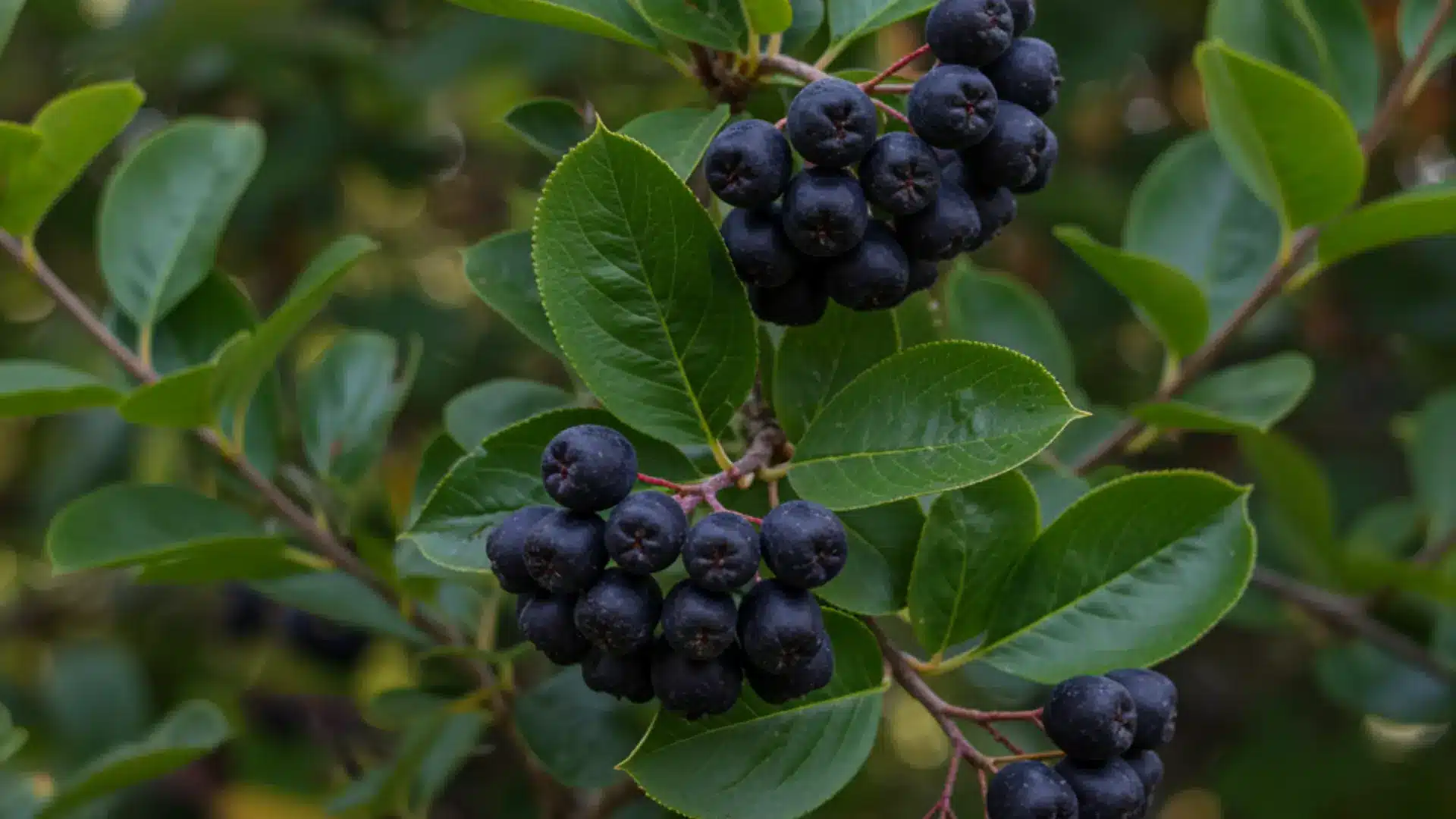
- Light Needs: Full sun to partial shade
- Height & Spread: 3–8 ft tall, 3–6 ft wide
- Why It Works as Drought Tolerant: Adapts to both dry and moist soil conditions
- Best Uses: Mass planting, erosion control, wildlife support
- Soil & Water: Adaptable soil; moderate watering first season, lower after
- Care Level: Low
- Zones: 3–8
- Companion Plants: Ninebark, winterberry, switchgrass
20. Sumac (Rhus species)
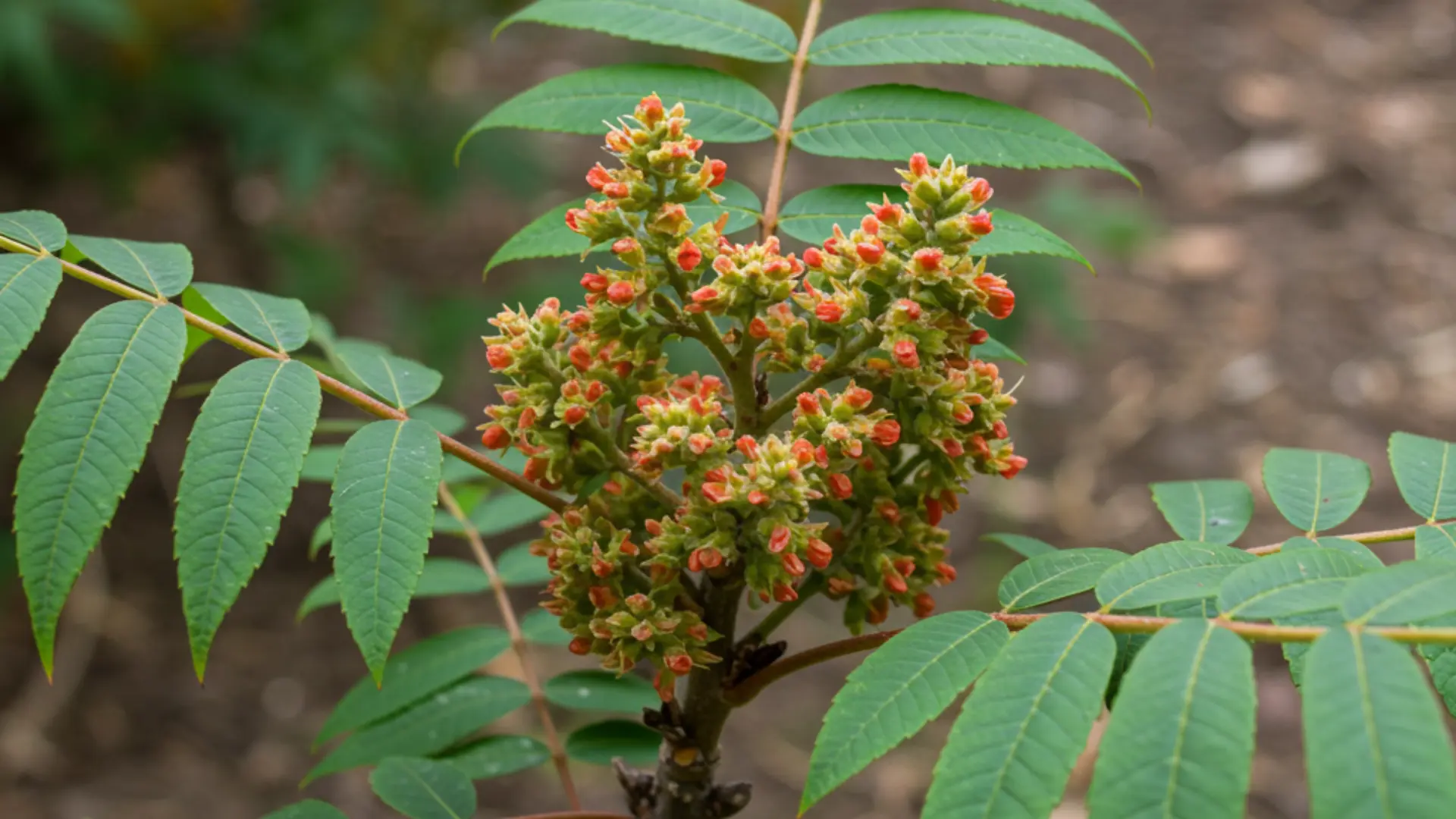
- Light Needs: Full sun
- Height & Spread: 6–15 ft tall, spreading habit
- Why It Works as Drought Tolerant: Extensive root system supports dry slope stabilization
- Best Uses: Erosion control, naturalized areas
- Soil & Water: Tolerates poor soil; low water once established
- Care Level: Low
- Zones: 3–9 (varies by species)
- Companion Plants: Little bluestem, goldenrod, native wildflowers
21. California Lilac (Ceanothus)
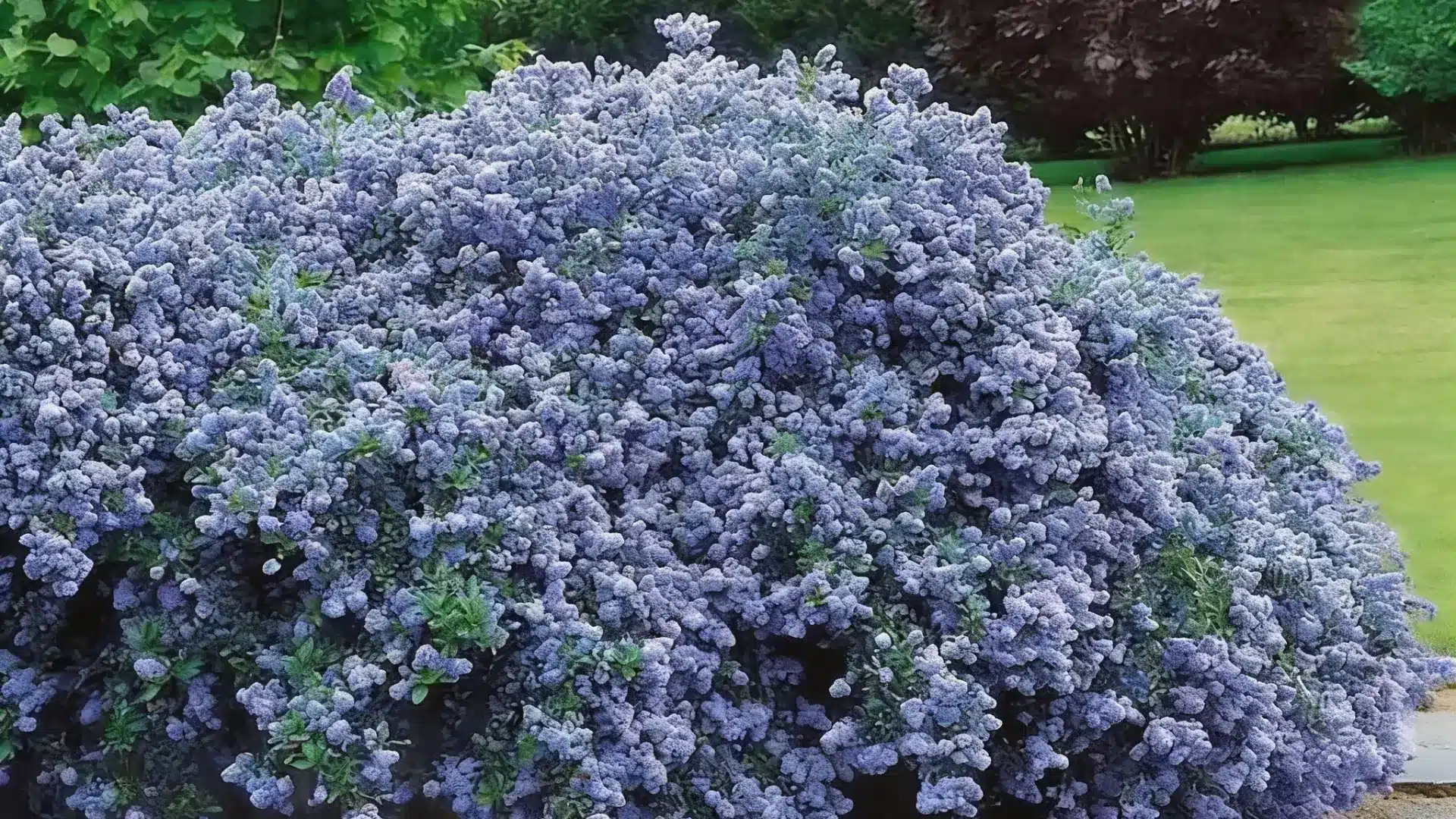
- Light Needs: Full sun
- Height & Spread: 3–10 ft tall, 4–8 ft wide
- Why It Works as Drought Tolerant: Adapted to dry coastal climates with low summer rainfall
- Best Uses: Informal hedges, pollinator gardens
- Soil & Water: Requires excellent drainage; minimal water once established
- Care Level: Low
- Zones: 7–10
22. Redbud (Cercis canadensis)
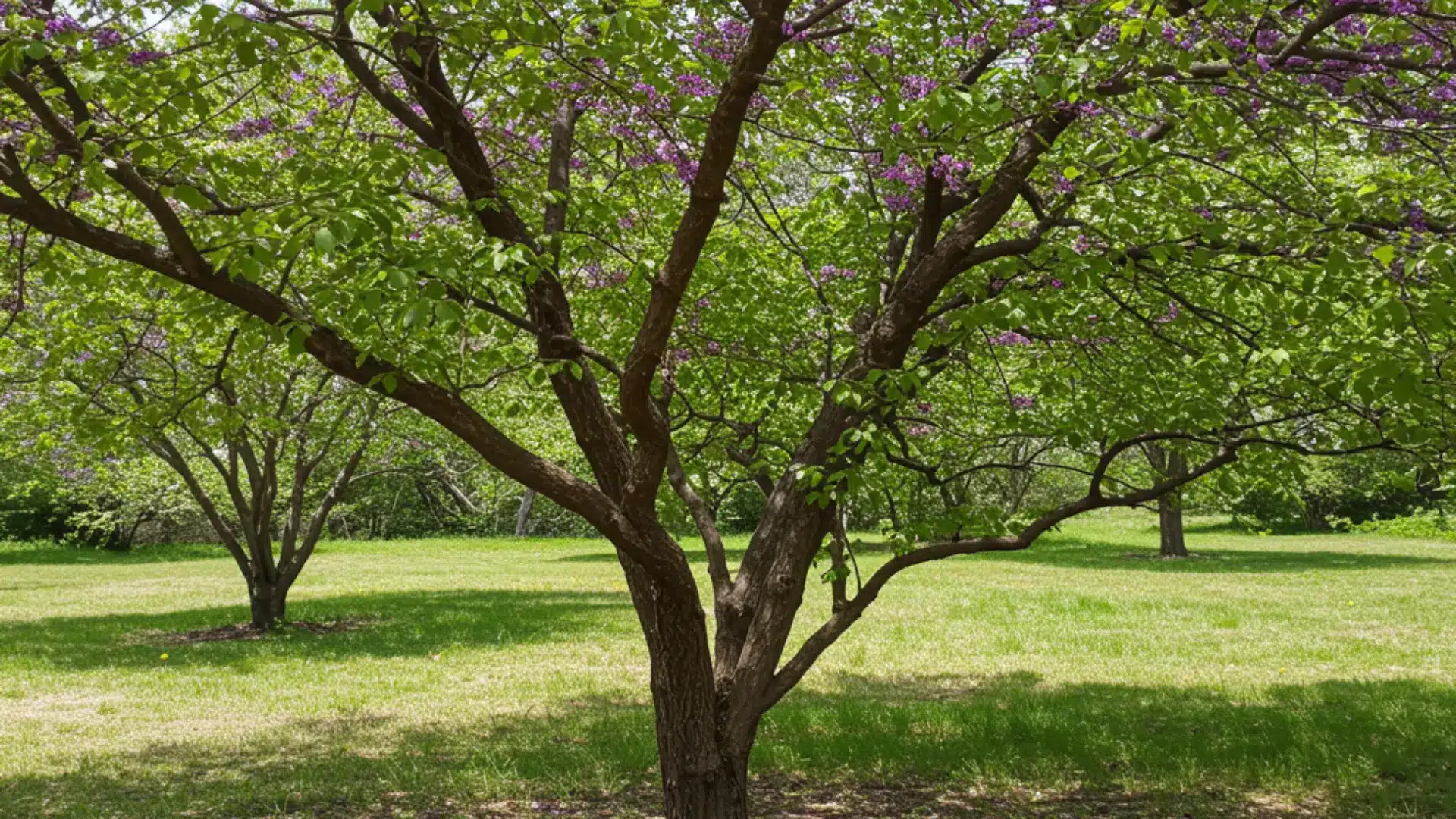
- Light Needs: Full sun to partial shade
- Height & Spread: 15–25 ft tall, 15–25 ft wide
- Why It Works as Drought Tolerant: Deep roots improve dry-season stability once established
- Best Uses: Accent planting, informal screens, wildlife gardens
- Soil & Water: Prefers well-drained soil; moderate water in the first year, less after
- Care Level: Low to moderate
- Zones: 4–9
- Companion Plants: Serviceberry, native grasses, coneflower
23. Winterberry (Ilex verticillata)
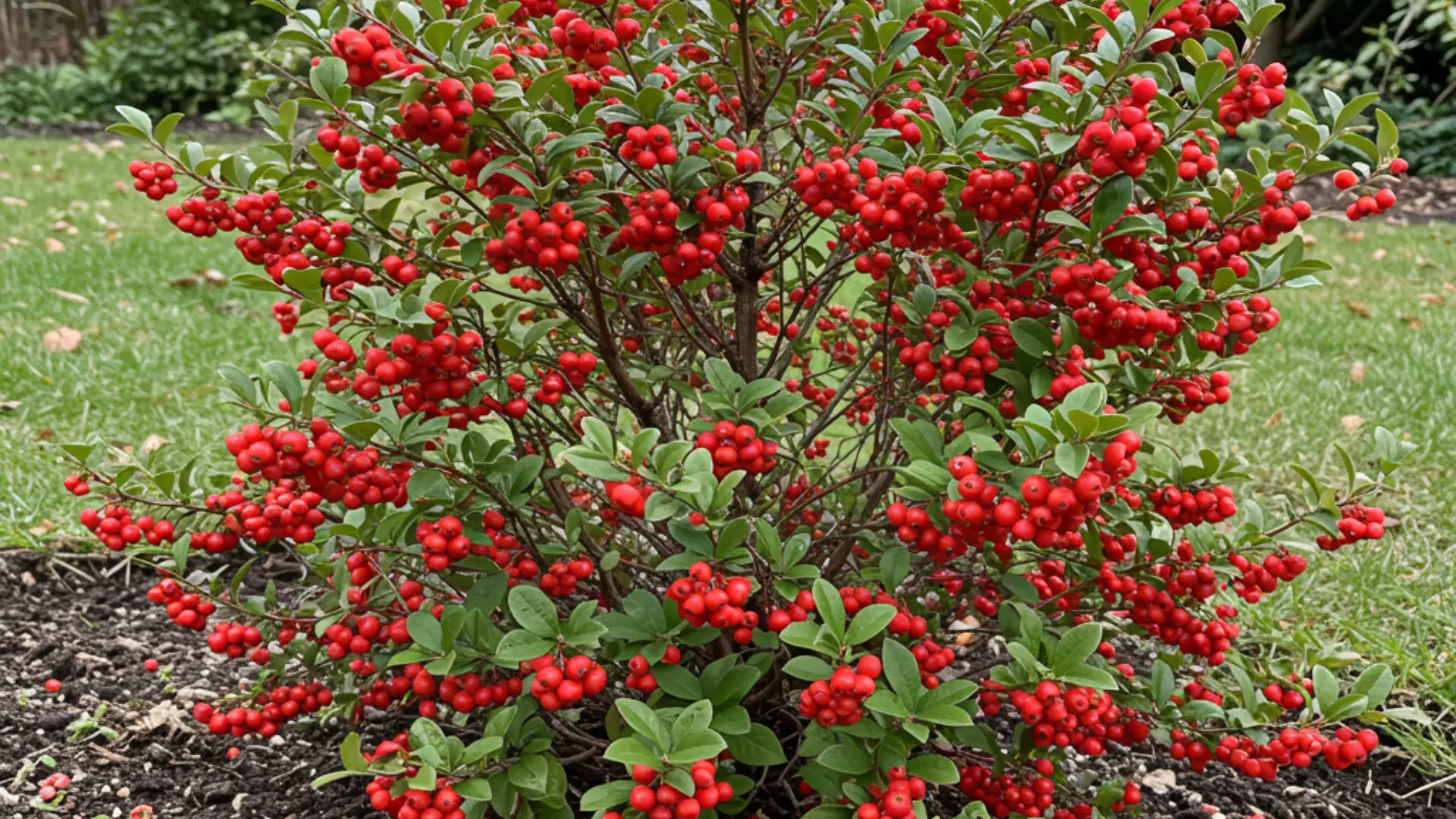
- Light Needs: Full sun to partial shade
- Height & Spread: 3–12 ft tall, 3–10 ft wide
- Why It Works as Drought Tolerant: Strong root system adapts to seasonal moisture shifts
- Best Uses: Wildlife gardens, natural borders, mixed shrub beds
- Soil & Water: Tolerates varied soil; moderate water during establishment
- Care Level: Low
- Zones: 3–9
- Companion Plants: Aronia, ninebark, switchgrass
Key Characteristics to Compare Before Buying
Before choosing drought-tolerant shrubs, compare the traits that affect long-term performance. Small differences in size, roots, and light needs can change how the plant behaves in your yard.
A quick review now prevents crowding, stress, and extra maintenance later.
Mature Size and Growth Habit
Always check the mature size, not the pot size. Many shrubs grow 50–100% larger than they appear at purchase.
Think in simple size groups:
- Small (under 3 ft) – Good for borders and tight spaces
- Medium (3–6 ft) – Balanced choice for most yards
- Large (6+ ft) – Best for privacy or screening
Growth shape also matters.
- Upright shrubs take up about 30% less horizontal space
- Spreading shrubs can grow 40–60% wider than their height
- Choosing the wrong size often leads to overcrowding within a few seasons. Proper spacing improves airflow and reduces the need for pruning.
Root Depth and Water Behavior
Root depth directly affects drought performance. Deeper roots mean stronger dry-season stability.
- Deep roots – Need up to 40% less frequent watering once established
- Moderate roots – Balanced watering needs
- Shallow roots – Dry out faster and need closer monitoring
During the first year, deep watering can improve root depth by about 25% compared to light surface watering.
Sun, Soil, and Drainage Needs
Most drought-tolerant shrubs perform best in full sun. Six or more hours of direct light supports steady growth and flowering.
In heavy shade, performance may drop by 20–40%, often resulting in fewer blooms and a thinner structure.
Soil drainage is just as important as sunlight.
- Sandy soil drains quickly and lowers rot risk
- Loam soil offers balanced moisture and stability
- Clay soil holds water longer and can raise root stress by 30–50% if poorly drained.
Many shrubs decline from excess moisture, not drought. Testing drainage before planting reduces early failure and improves survival rates.
How to Choose the Right Shrub for Your Goal: A Practical Guide
Picking a shrub isn’t just about what looks good at the garden center. It’s about what you need the plantactually to do in your yard.
If you decide the goal first, the choice gets easier. If you skip that step, you end up replacing plants later.
| Goal | What to Prioritize | Key Traits to Look For | Why It Matters |
|---|---|---|---|
| Privacy | Structure over flowers | Upright growth, dense branching from the base, foliage that lasts most of the year | Creates solid coverage and reduces visible gaps as shrubs mature |
| Color | Long-lasting visual interest | Long bloom cycles, heat-tolerant varieties, and attractive foliage, even when not flowering | Maintains seasonal impact without frequent replacement |
| Low Maintenance | Durability and adaptability | Fits hardiness zone, tolerates your soil type, minimal pruning needs | Reduces long-term care, watering, and correction |
Common Mistakes to Avoid While Planting
Planting drought-tolerant shrubs the right way makes a big difference in how they perform long term. Most problems show up in the first year, and they usually come from simple planting mistakes.
- Dig wide, not deep: Make the hole wider than the root ball to help roots spread outward. Avoid digging deeper than the root ball height to prevent settling and poor drainage.
- Keep the crown level: Set the top of the root ball even with the soil surface. Planting too deep can reduce airflow and cause root stress over time.
- Loosen compacted roots: Gently break up tightly packed or circling roots before placing the shrub in the hole so they grow into the surrounding soil.
- Backfill with native soil: Use the soil you removed instead of heavy amendments. This encourages roots to expand outward instead of staying in a rich pocket.
- Water deeply and adjust gradually: Water slowly and thoroughly during the first year so moisture reaches deep roots. Over time, increase the gap between watering sessions to promote drought resilience.
- Avoid early-stage mistakes: Prevent overwatering, poor drainage, overcrowding, and excessive fertilizer at planting time, as these can weaken root development.
When planting is done correctly from the start, shrubs establish faster and need less intervention later. Strong early root growth leads to healthier, more resilient plants for years to come.
Conclusion
Drought-tolerant shrubs are not about planting and walking away. They are about choosing plants that match your soil, light, and long-term goals.
When you understand size, root depth, and water behavior, decisions become simpler, and mistakes become fewer.
Start with a clear purpose, plant correctly the first time, and give the roots time to establish. With the right planning, your landscape can stay strong, structured, and manageable even during dry periods.
Take a few extra minutes to study your space before buying. Check sunlight, test drainage, and think about mature size. Small steps at the beginning make a lasting difference in how your shrubs grow and perform year after year.
Frequently Asked Questions
How long does it take for drought-tolerant shrubs to establish?
Most shrubs take one full growing season to establish. Stronger root systems usually develop within 8 to 12 months with proper watering.
Can drought-tolerant shrubs survive extreme heat waves?
Many can handle short heat waves once established. However, extended high temperatures may still require occasional deep watering.
Do drought-tolerant shrubs grow well in containers?
Yes, but containers dry out faster than soil in the ground. They need more frequent monitoring and proper drainage holes.