There are many perks to living by the coast, but they also impose some strain on the mechanical systems that keep your home comfortable. The ‘marine layer’ revolves around more than just the weather pattern. It also acts on your home’s exterior.
Coastal areas pose unique challenges for heating and cooling equipment. One of the most vulnerable is your HVAC system. High salinity, fluctuating humidity levels, and longer cooling seasons can shave years off the lifespan of a standard HVAC unit. Even ventilation patterns, influenced by ocean breezes, contribute to faster wear and tear. Over time, these factors reduce efficiency and increase maintenance needs.
However, you can protect your HVAC system with a little preventative care or maintenance routine. Here is how you can significantly slow down the effects of coastal corrosion and keep your HVAC systems running smoothly:
Understand How Salt Air Damages HVAC Systems
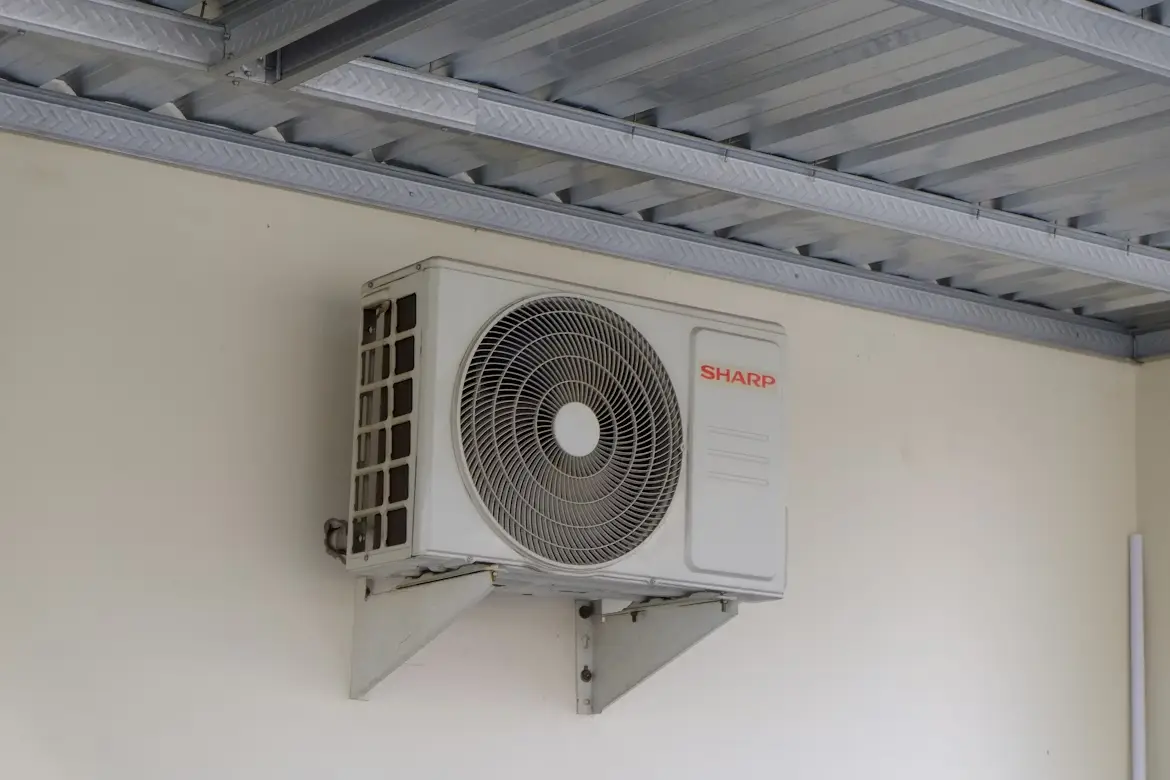
Tiny salt particles carried by ocean winds settle on outdoor condenser units. This salt placement on delicate metal components like aluminum fins and copper coils creates a bridge for electrical current. The accumulation of salt on these surfaces attracts moisture that then leads to ‘pitting’ and rapid deterioration in an electrochemical corrosion process.
To prevent this, you can either get anti-corrosion coatings or go the DIY route. For the former, there are modern epoxy or phenolic coatings that you can apply to the coils. This creates a barrier that salt cannot penetrate. The most practical DIY method is the freshwater rinse. You can use your garden hose, at low pressure, to gently wash away the salt buildup from the exterior coils once or twice a month.
Monitor Humidity Levels Inside Your Home
Coastal living often means dealing with damp heat. However, in many maritime climates, the humidity fluctuates between the morning fog and the afternoon sun. This puts an immense strain on your HVAC’s dehumidification capabilities. When moisture levels rise indoors, your cooling system has to remove more moisture from the air. Over time, the extra strain caused by high humidity levels can accelerate mechanical wear.
Technicians who specialize in HVAC repair in San Diego frequently see premature wear caused by heavy dehumidification demands. Long-term, the struggling system runs longer cycles that lead to higher energy bills and potential mold growth. In cases like this, it’s best to keep your drainage lines clear and ensure your evaporator coils are clean. You could run ceiling fans to improve circulation.
Improve Home Ventilation to Reduce System Strain
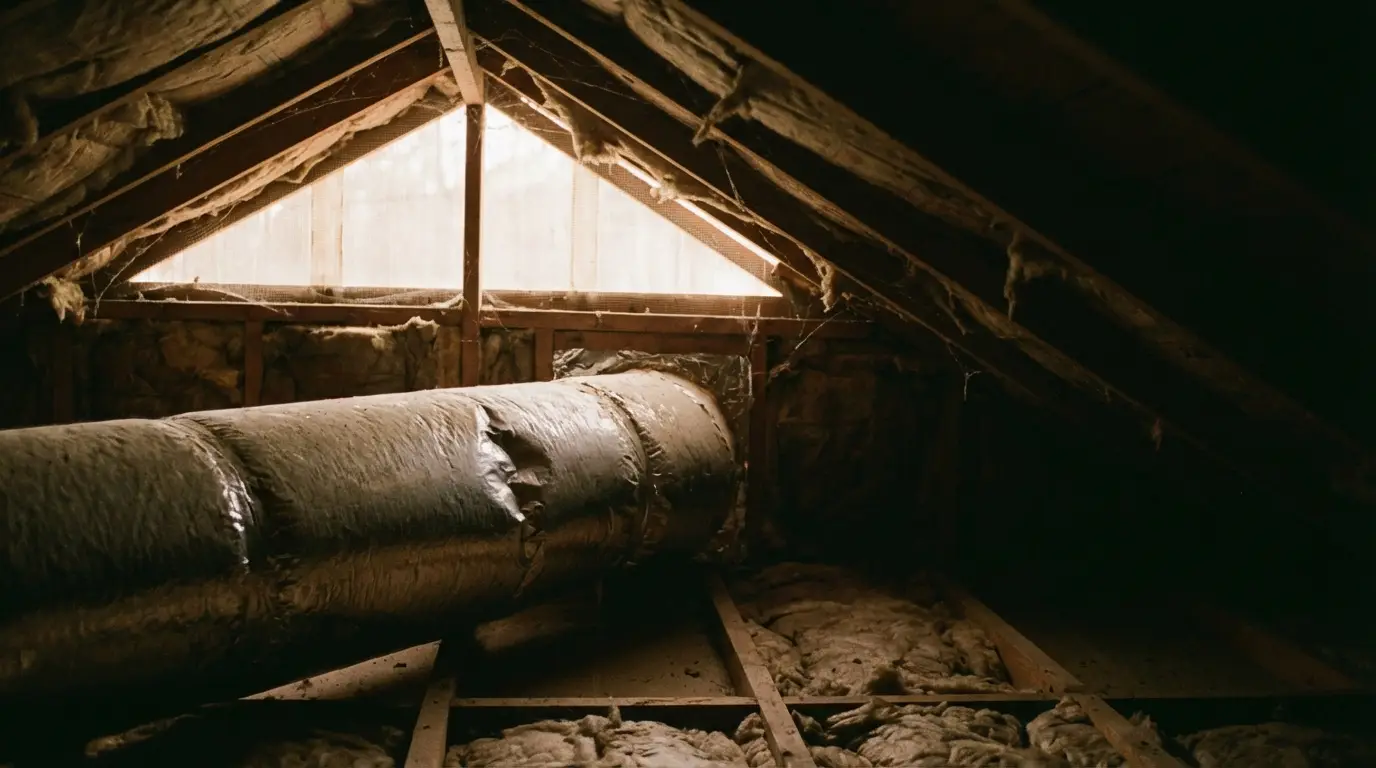
The air pressure and ventilation patterns of your home can be influenced by ocean breeze. Homes near the coast sometimes experience uneven airflow due to wind exposure or attic heat buildup. If ventilation is inadequate, HVAC systems may run longer cycles to maintain consistent temperatures. On the other hand, good ventilation reduces unnecessary strain on your HVAC system. To improve airflow, you can:
- Add attic vents or ridge vents
- Seal duct leaks
- Ensure return vents are unobstructed
A more modern solution is to use a balanced ventilation system. These systems allow fresh air in while filtering out pollutants. It preconditions the air to remove excess moisture before it enters your living space. This keeps indoor air quality high without creating unnecessary work for your HVAC system.
Schedule Seasonal HVAC Inspections
Environmental stressors act all year round in coastal climates. It is then essential to ensure your HVAC systems receive preventive maintenance. You can schedule professional inspections for these. Professional inspections allow technicians to check for:
- Early signs of corrosion
- Coil damage
- Refrigerant issues
- Airflow restrictions
When you catch these issues early, you can avoid costly repairs later. Also, your system stays efficient during long cooling seasons.
Prepare for Longer Cooling Seasons
Inland residents might turn their A/C off by October, but coastal homeowners often deal with microclimates that keep the air warm well into the fall. This means a longer runtime, as your system never gets a dormant period during the extended cooling seasons. The mechanical components are under constant thermal stress and may lead to more wear and tear on moving parts.
In addition to the routine maintenance, schedule bi-annual tune-ups rather than the standard annual check. One visit in early spring to prepare for the sun and one in late autumn to clear out the summer’s salt accumulation. All these ensure you are not caught off-guard by a mid-season breakdown.
Endnote
The environmental factors that place additional stress on your HVAC systems are things you shouldn’t ignore when living in a coastal area. Simple habits such as rinsing outdoor units, maintaining airflow clearance, monitoring humidity, and even regular inspections can go a long way to prevent corrosion. You don’t have to wait for a heatwave to check your system. By extension, you increase the lifespan of your HVAC system.