You buy one mint plant. You plant it. You forget about it for a season. Then it’s everywhere.
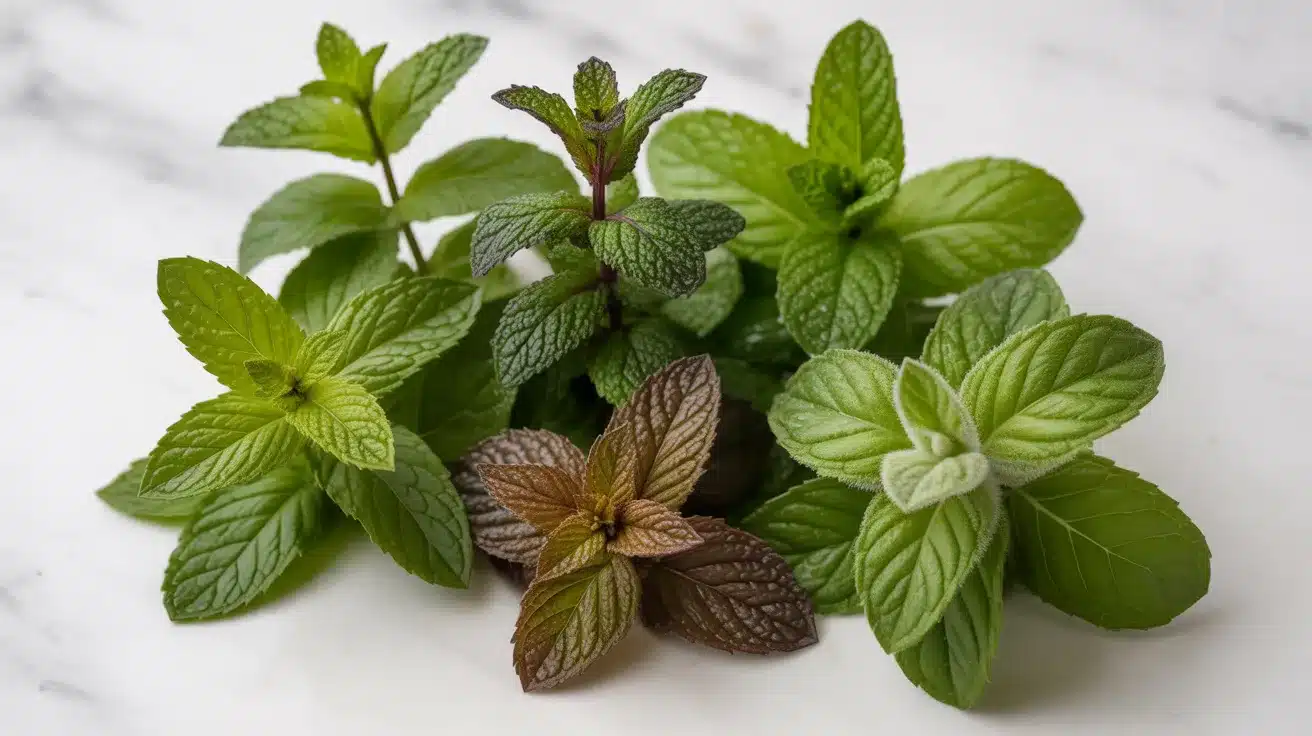
That’s the story most gardeners know. But here is what fewer people talk about: not all mint is the same.
Some types are sharp and strong. Some smell like fruit. One is actually toxic. And most people have no idea which variety is growing in their yard.
There are hundreds of types of mint, each with its own flavor, use, and growing habit. Getting to know them before you plant saves you a lot of guesswork later.
This guide covers the most popular mint varieties, how to grow each one, and how to actually use them.
What Is Mint?
Mint is a fast-growing perennial herb from the Lamiaceae family, which also includes basil, thyme, rosemary, and oregano.
All mint plants share a few key traits: square stems, opposite leaves, and a sharp scent that comes from natural oils in the leaves.
The name “Mentha” traces back to Greek mythology, where a nymph named Minthe was said to have been turned into the plant.
Mint dies back in winter and returns each spring, growing anywhere from 1 to 3 feet tall and spreading quickly through underground runners.
How Many Types of Mint Are There?
Most people think of mint as a single herb with a single flavor. The reality is that the Mentha family is far bigger and more varied than most people expect.
- There are around 30 distinct Mentha species recognized worldwide.
- Over 7,500 named varieties exist when hybrids and cultivars are included.
- Mint cross-pollinates naturally, which keeps creating new types over time.
- Not every plant called “mint” is a true Mentha. Catmint, for example, belongs to the genus Nepeta.
- Two types lead in home gardens by a wide margin: peppermint and spearmint.
Most Popular Types of Mint for Your Garden
The mint section at a garden nursery can feel overwhelming if you do not know what to look for. Here is a clear look at the most useful varieties, what each one offers, and what makes it worth growing.
1. Peppermint (Mentha x piperita)
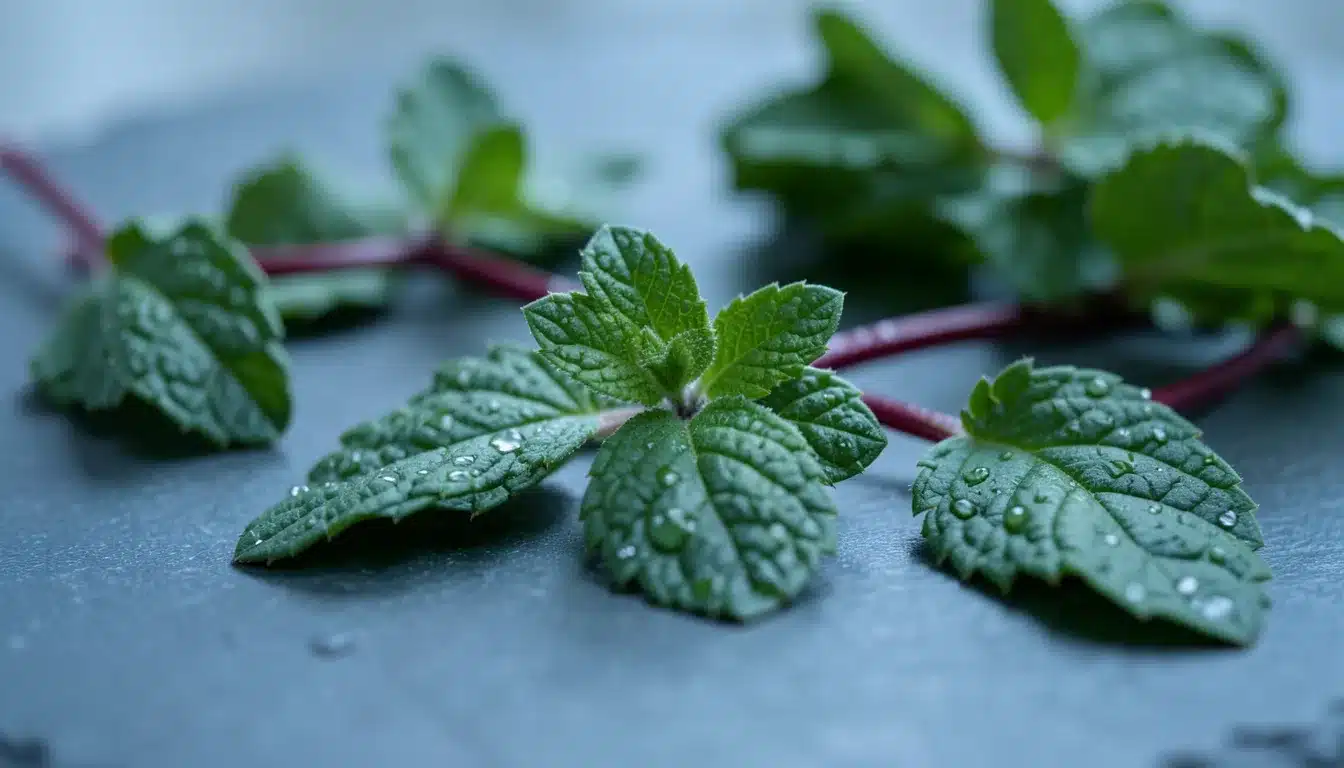
Peppermint is a natural hybrid of watermint and spearmint. It has dark green leaves, reddish stems, and the strongest menthol flavor of all commonly grown mint types. It can survive on as little as 3 hours of sunlight per day, making it one of the more low-maintenance options.
- Best For: Teas, candies, ice cream, toothpaste, and essential oils
- Growth Habit: Compact and low-growing. Pinch stems back to keep it full.
- USDA Zones: 5 to 9
2. Spearmint (Mentha spicata)
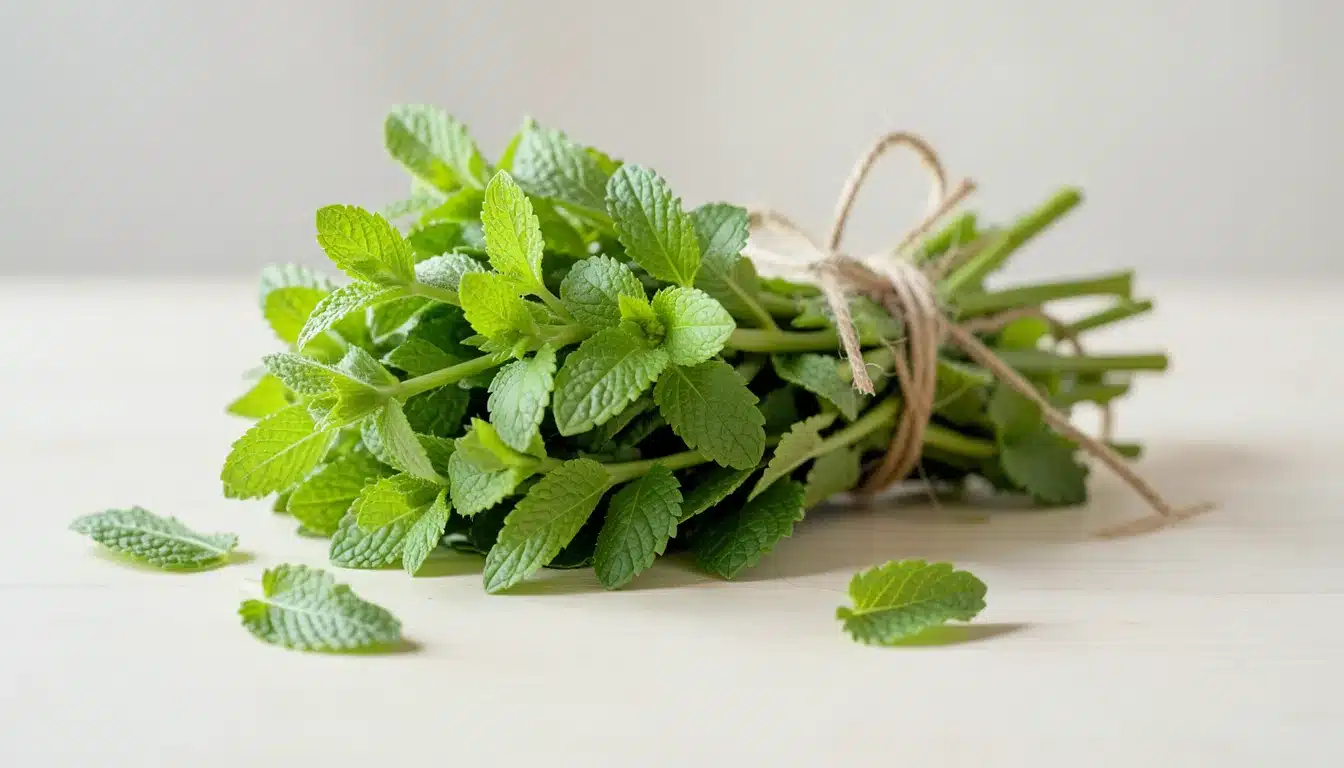
Spearmint is the mild, sweet alternative to peppermint. It has lighter green, pointed leaves and a clean flavor without the intensity of menthol. Native to Europe and found naturally near ponds and streams, it is the most widely used mint in the kitchen.
- Best For: Fresh teas, sauces, salads, and garnishes
- Growth Habit: Upright, grows up to 2 feet. Handles heat well.
- USDA Zones: 5 to 11
3. Apple Mint (Mentha suaveolens)
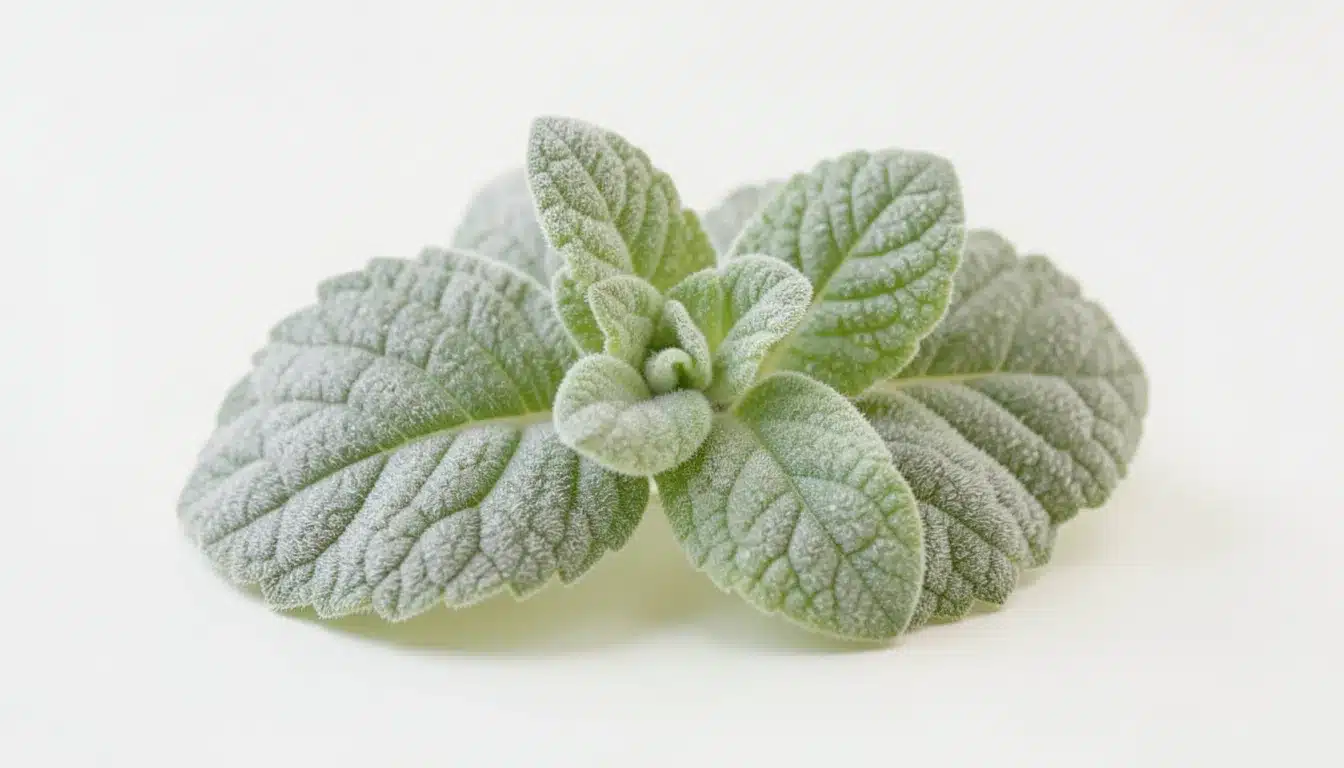
Apple mint has soft, oval, slightly fuzzy leaves that carry a mild, fruity scent. Also called woolly mint or round-leaved mint, it is one of the friendlier options for new growers. It tolerates dry spells better than most other mint varieties.
- Best For: Teas, mint jelly, and fruit-based drinks
- Growth Habit: Can grow up to 100 cm. A vigorous spreader.
- USDA Zones: 5 to 9
4. Chocolate Mint (Mentha x piperita f. citrata ‘Chocolate’)
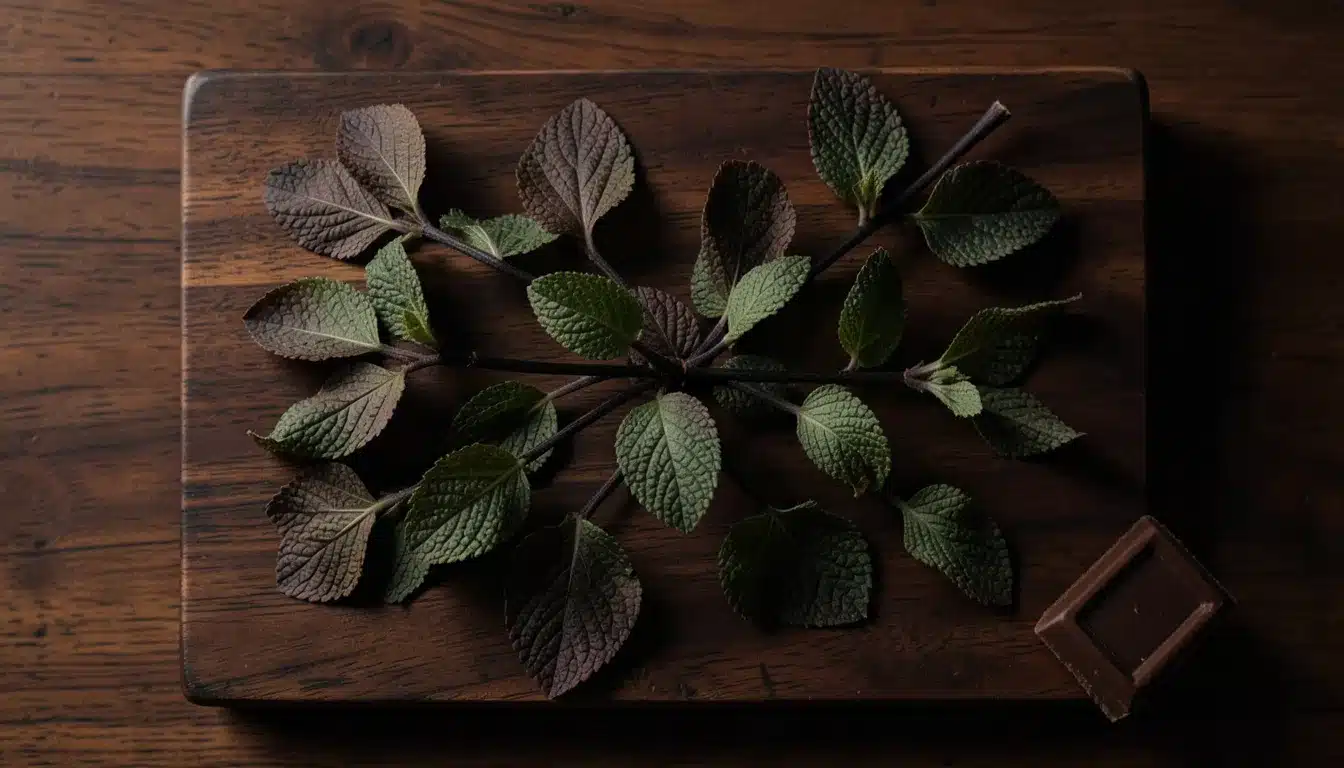
Despite the name, chocolate mint smells more like chocolate than it tastes. The flavor is actually closer to orange mint. The dark brown-green stems and deep-colored leaves make it a standout plant in any herb bed.
- Best For: Desserts, chocolate mousse, and flavored teas
- Growth Habit: Upright, grows to about 2 feet
- USDA Zones: 5 to 9
5. Pineapple Mint (Mentha suaveolens’ Variegata’)
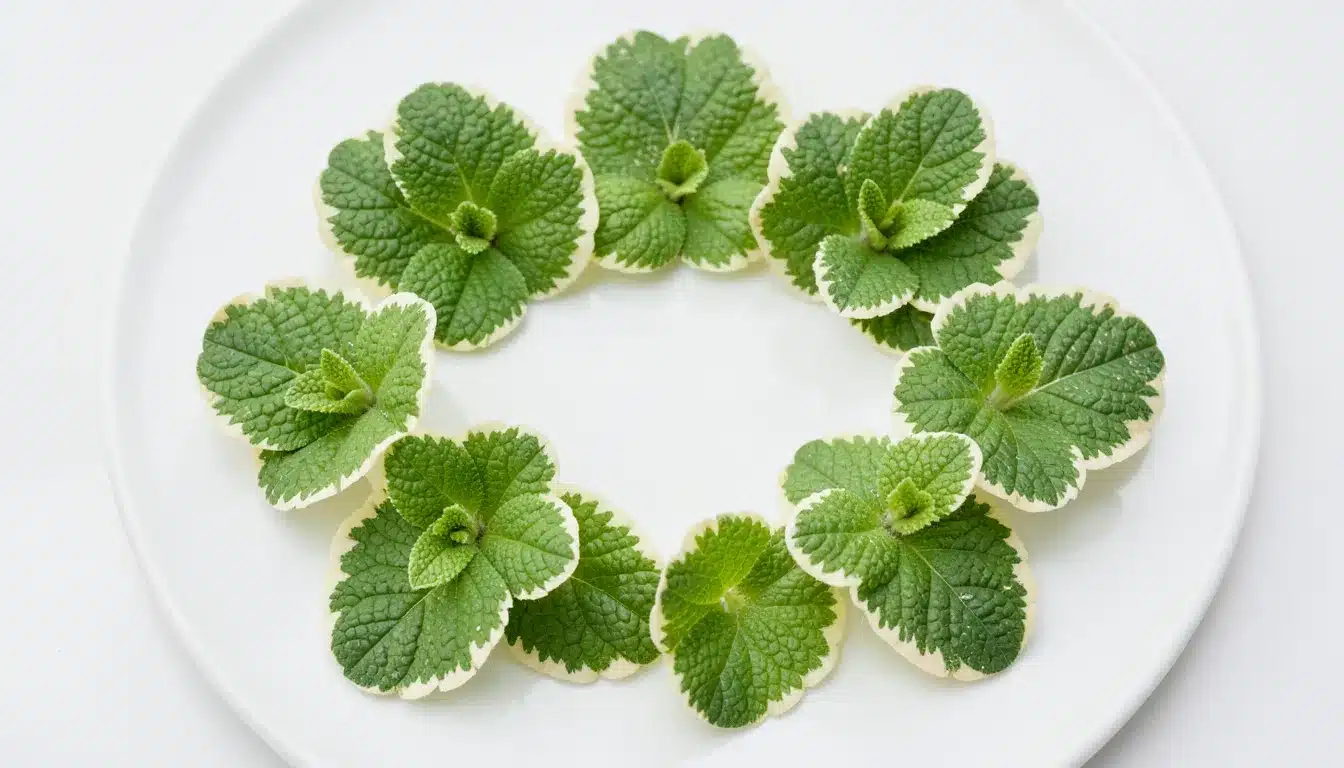
Pineapple mint is one of the most visually interesting mint varieties. The leaves are variegated with patches of white, green, and yellow. The scent is mild and tropical. It is less aggressive than other mint types, which makes it easier to manage in smaller spaces.
- Best For: Teas, fruit drinks, and garden borders
- Growth Habit: Less aggressive than most mint varieties
- USDA Zones: 5 to 9
6. Moroccan Mint (Mentha spicata var. crispa ‘Moroccan’)
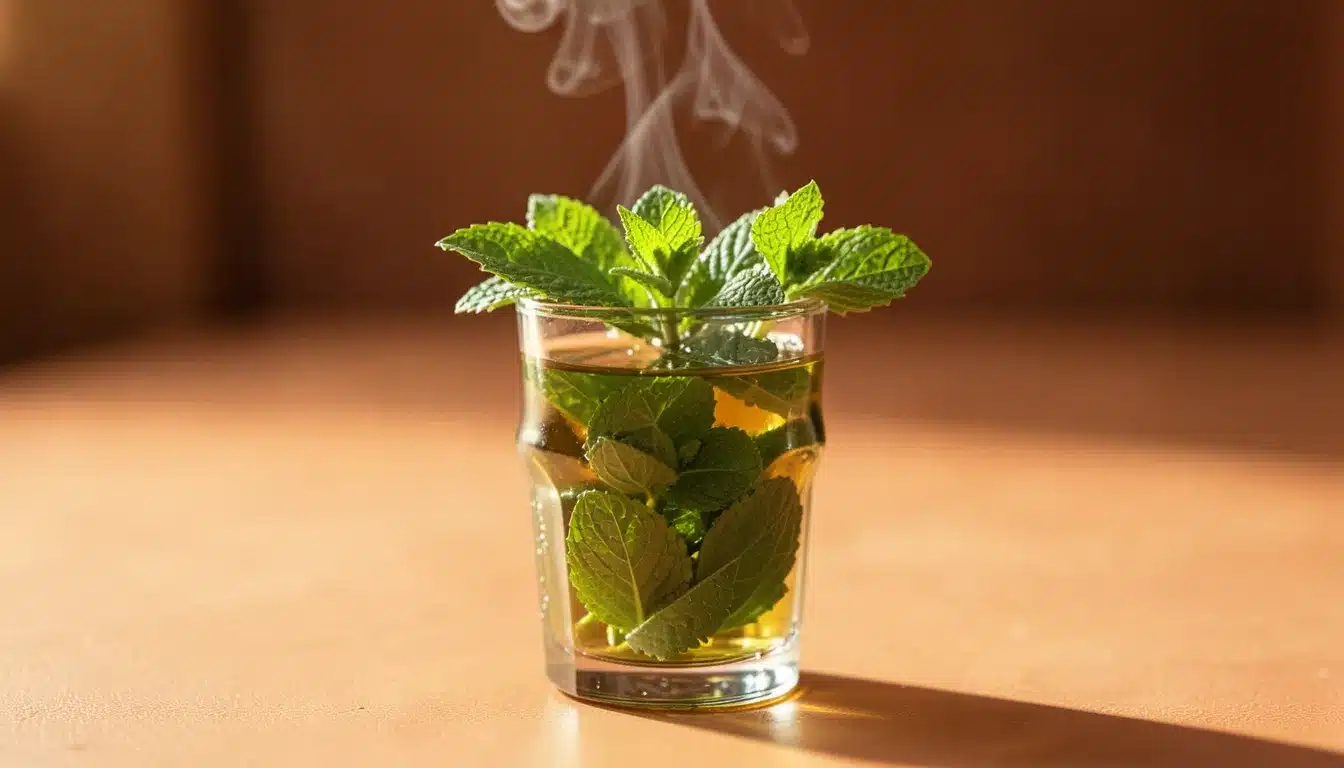
Moroccan mint is a spearmint variety with a clean, very sweet flavor. It is the traditional choice for North African mint tea and is widely regarded as one of the best mints for hot drinks. The flavor is smooth and never bitter.
- Best For: Hot mint tea and North African cooking
- Growth Habit: Upright, similar in size to spearmint
- USDA Zones: 5 to 9
7. Cuban (Mojito) Mint (Mentha x villosa)

This is the mint used in authentic mojito cocktails. It has large, bright green, textured leaves and a bold, sweet flavor. If you make cocktails at home, this is the variety to grow. It thrives in warmer climates and is not quite as cold-hardy as peppermint.
- Best For: Cocktails, particularly mojitos
- Growth Habit: Vigorous, spreading plant
- USDA Zones: 9 to 11
8. Water Mint (Mentha aquatica)
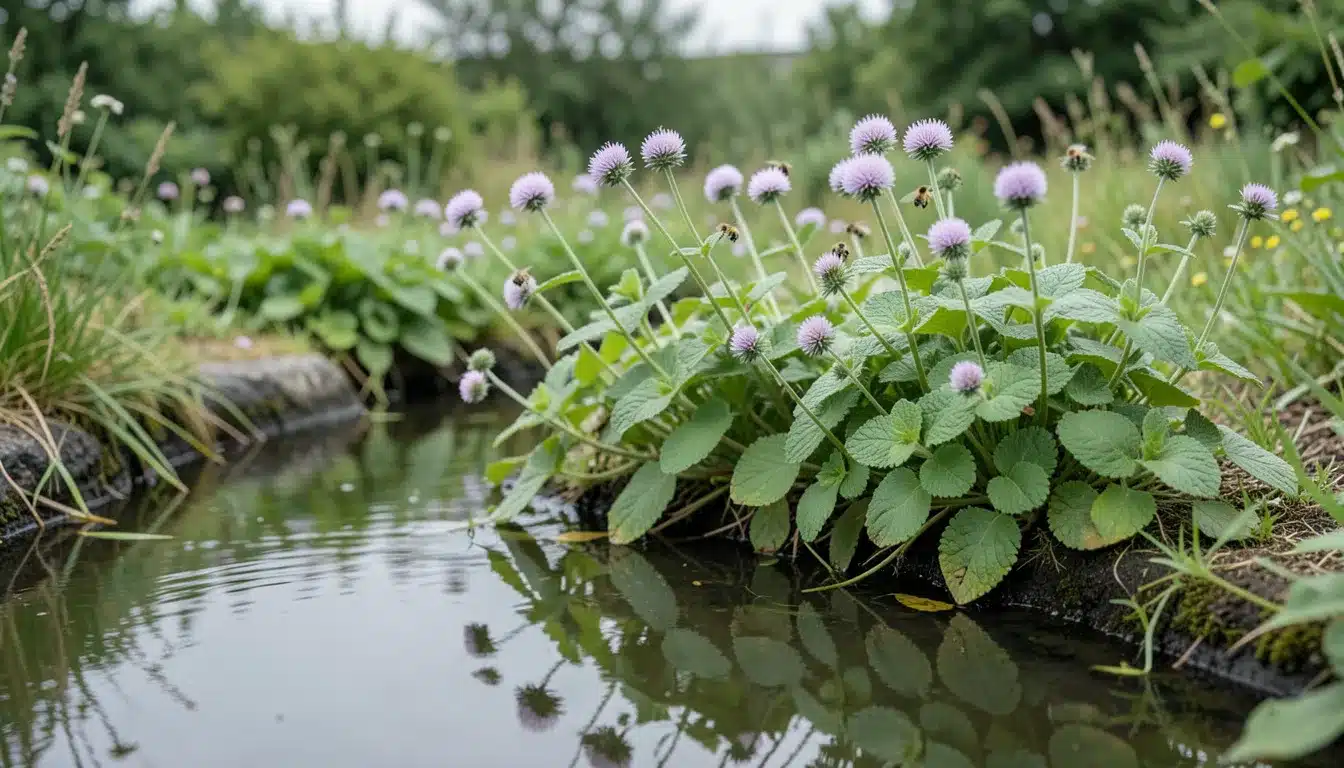
Water mint grows naturally near streams, ditches, and wet meadows. In summer, it produces round, light purple flowers that attract bees, butterflies, and other beneficial insects. It is grown more for its medicinal properties than as a kitchen herb.
- Best For: Pond edges, pollinator gardens, and herbal medicine
- Growth Habit: Moisture-loving. Grows 50 to 60 cm tall.
- USDA Zones: 3 to 10
9. Corsican Mint (Mentha requienii)
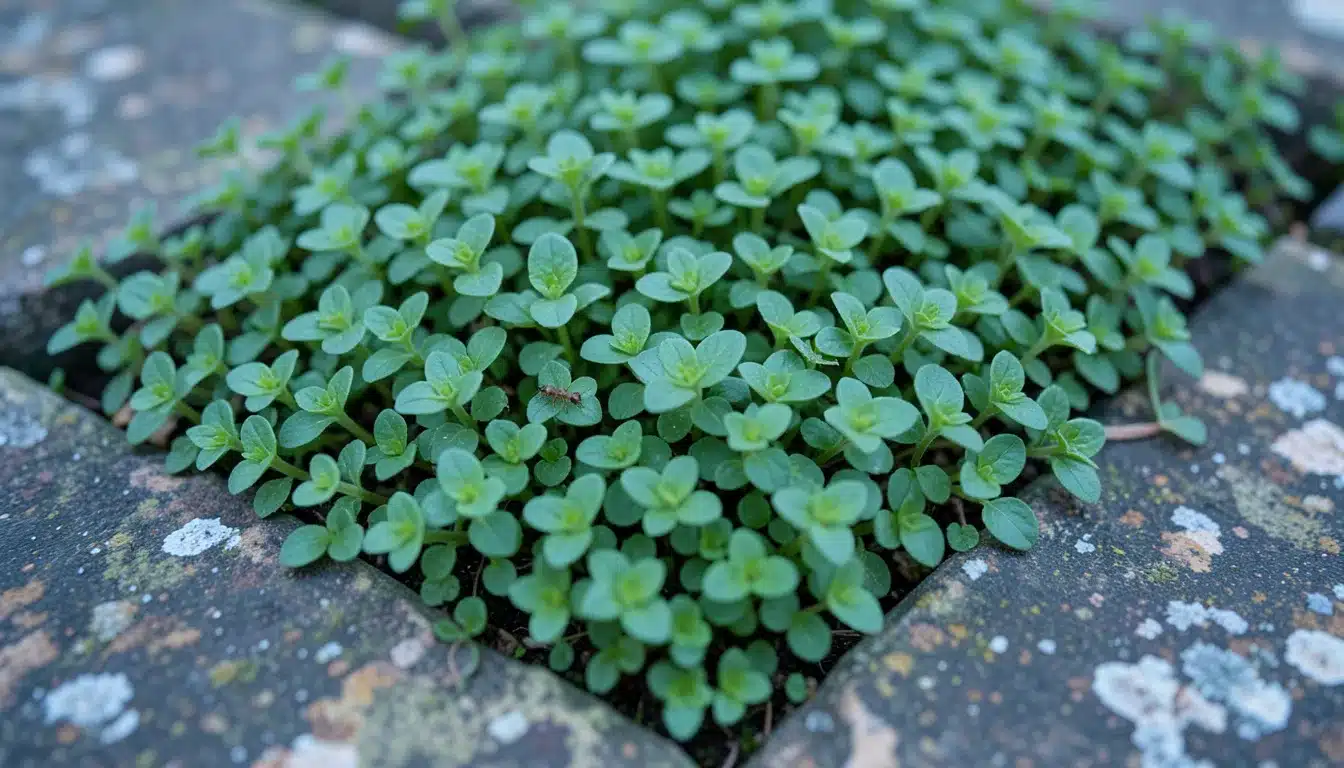
Corsican mint is the smallest member of the mint family. It grows close to the ground and works well between stepping stones or as a low border plant. The tiny oval leaves release a strong scent when stepped on, which is a nice bonus in a garden path.
- Best For: Ground cover, borders, and pest deterrence
- Growth Habit: Very low-growing
- USDA Zones: 6 to 9
10. Pennyroyal (Mentha pulegium)
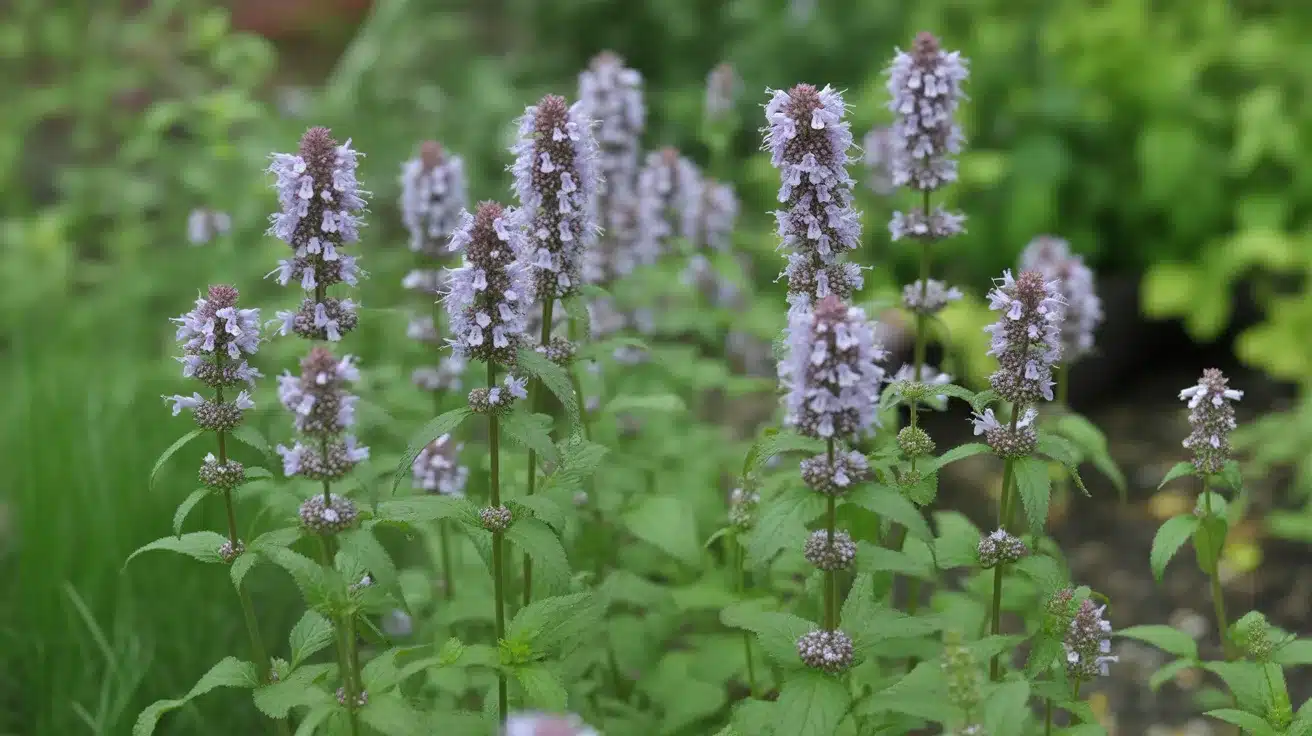
Safety note first: Pennyroyal is toxic to humans and pets in large amounts. It should never be used in food or tea. It resembles peppermint but grows much smaller, with purple flowers from May to September. Its main role in the garden is as a natural insect repellent.
- Best For: Natural pest control and ground cover only
- Growth Habit: Low-growing, slow spreader
- USDA Zones: 5 to 9
11. Ginger Mint (Mentha x gracilis)
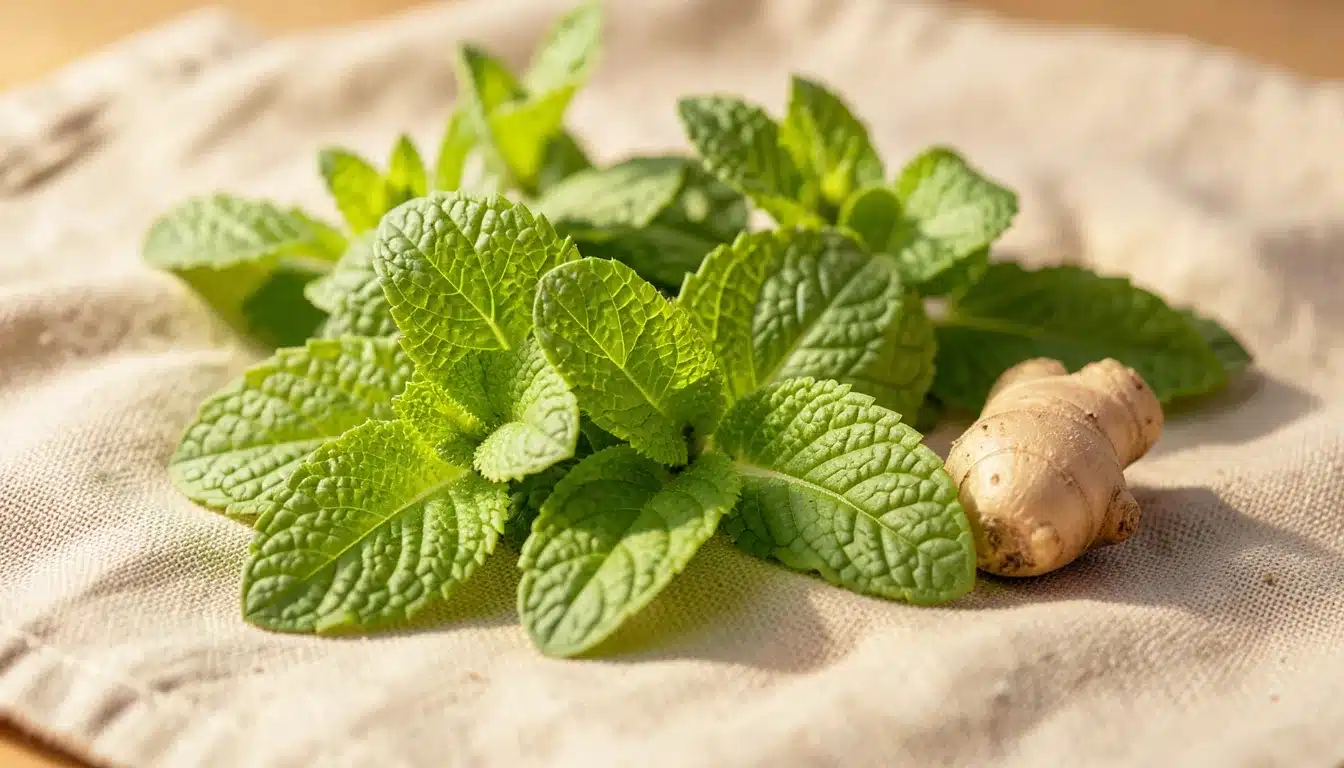
Ginger mint, also called Scotch mint or Vietnamese mint, has bright green leaves with a faint ginger note. It is an aggressive grower, so give it its own container or a spot where spreading will not cause problems. The flavor pairs particularly well with tomatoes and melons.
- Best For: Soups, meat dishes, and Vietnamese cooking
- Growth Habit: Aggressive spreader, up to 2 feet tall
- USDA Zones: 5 to 9
12. Orange Mint (Mentha x piperita f. citrata)
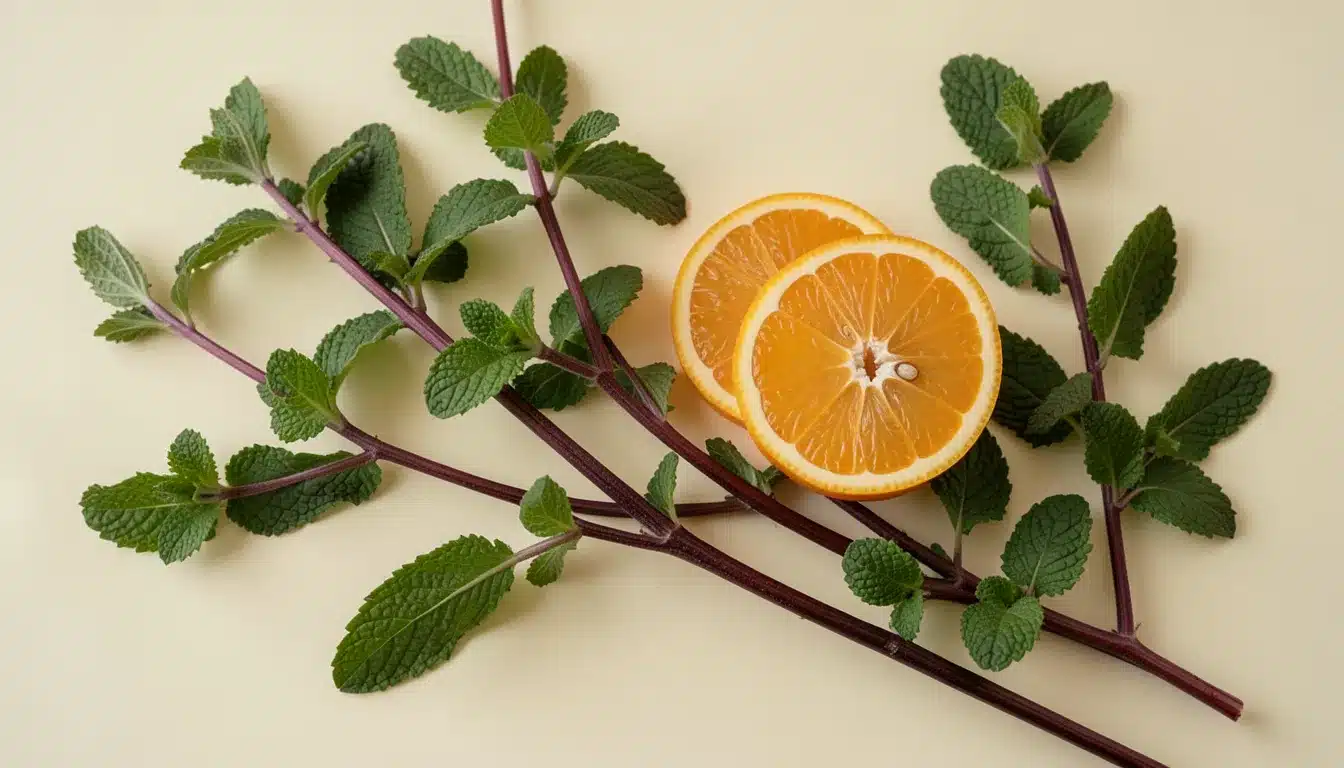
Orange mint is also known as bergamot mint or eau de cologne mint. It carries a fruity, floral scent that is often compared to Earl Grey tea. The aroma develops best in full sun, which makes it a good pick for a container on a sunny balcony or patio.
- Best For: Sauces, vegetables, and herbal baths
- Growth Habit: Fast-growing, 50 to 80 cm tall
- USDA Zones: 5 to 9
13. Corn Mint / American Wild Mint (Mentha canadensis)
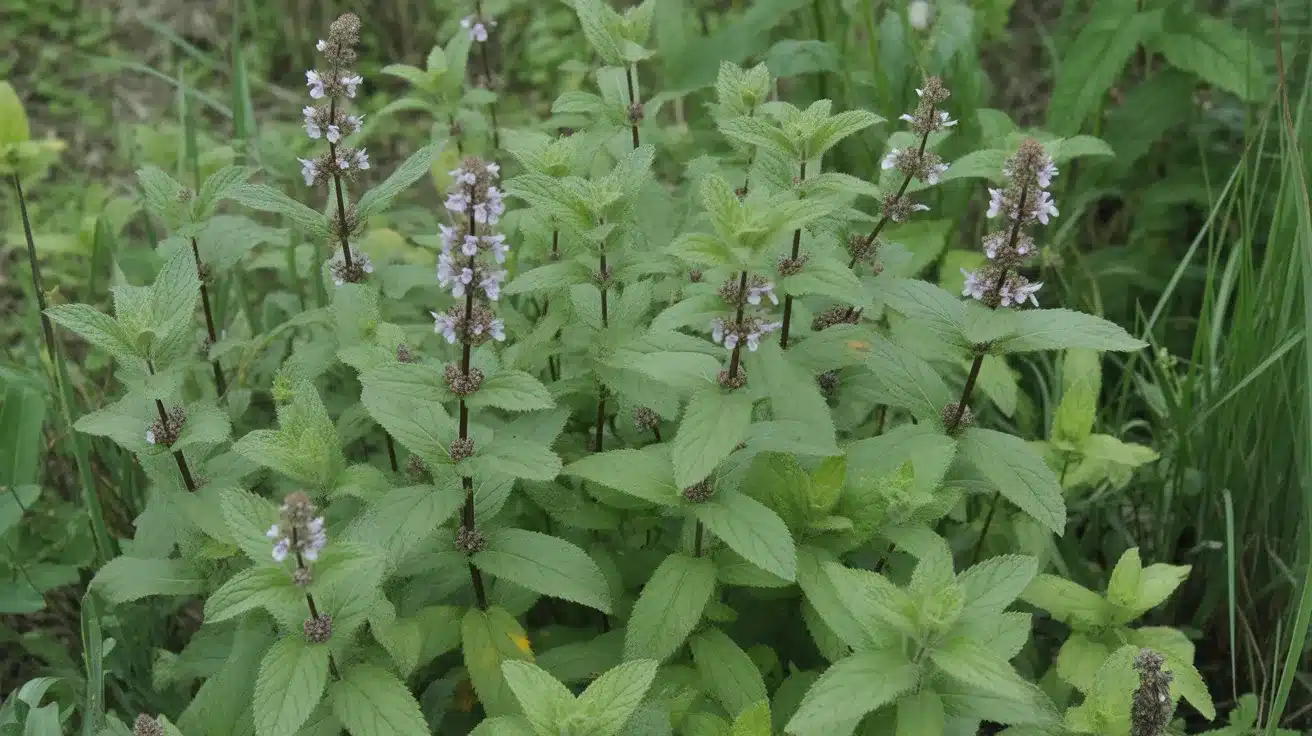
Corn mint, also called American wild mint, has hairy leaves and an unusual, slightly floral scent. It is native to parts of Europe and Asia. In traditional Japanese medicine, it is grown specifically for its essential oil, which is used to treat a range of ailments.
- Best For: Herbal teas, mint jelly, and medicinal use
- Growth Habit: Erect, hairy-leafed. Does best in sandy soil and direct sun.
- USDA Zones: 4 to 10
14. Catmint (Nepeta racemosa)
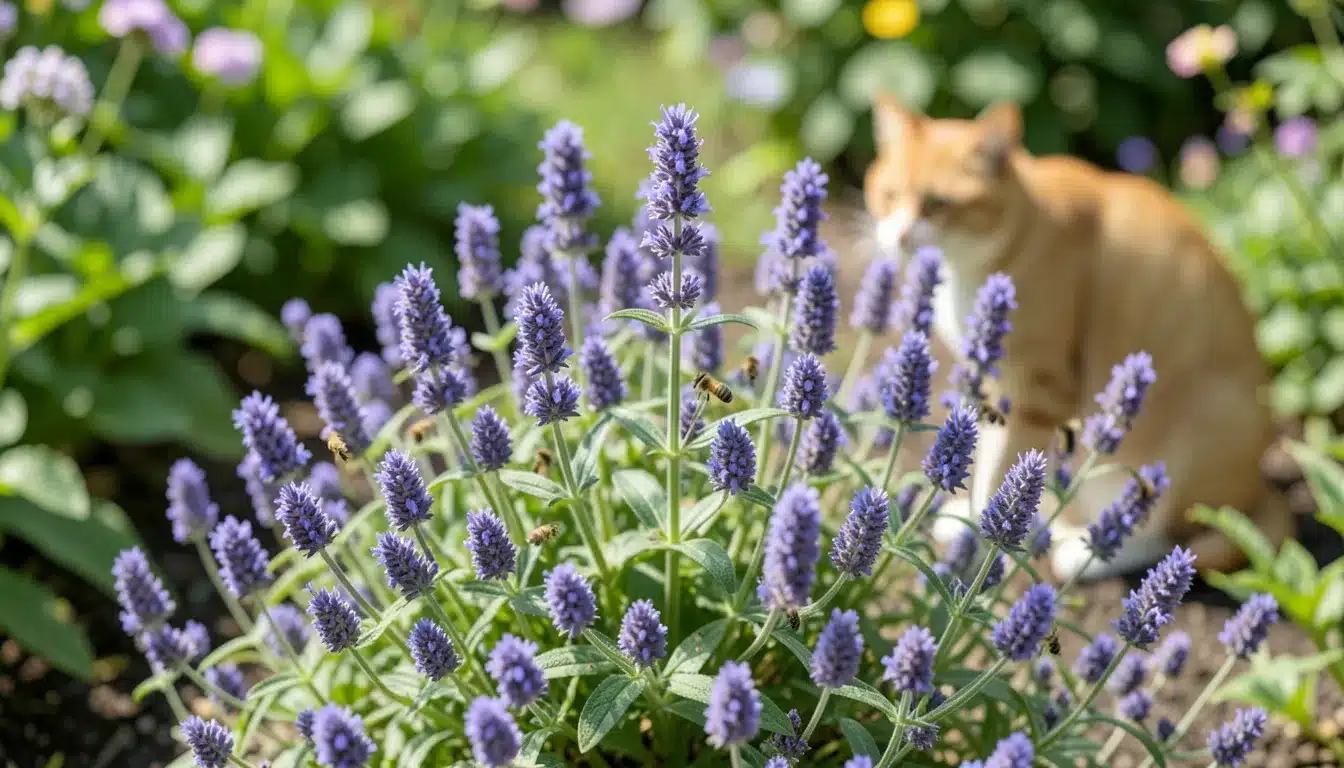
Catmint is not a true Mentha plant, but it belongs to the same broader family. Cats are strongly drawn to it. It produces blue-purple flowers in late spring and is a solid choice for attracting helpful insects while keeping common garden pests away.
- Best For: Ornamental gardens and pest deterrence
- Growth Habit: Spreading. Prefers full sun.
- USDA Zones: 4 to 8
15. Banana Mint (Mentha arvensis’ Banana’)
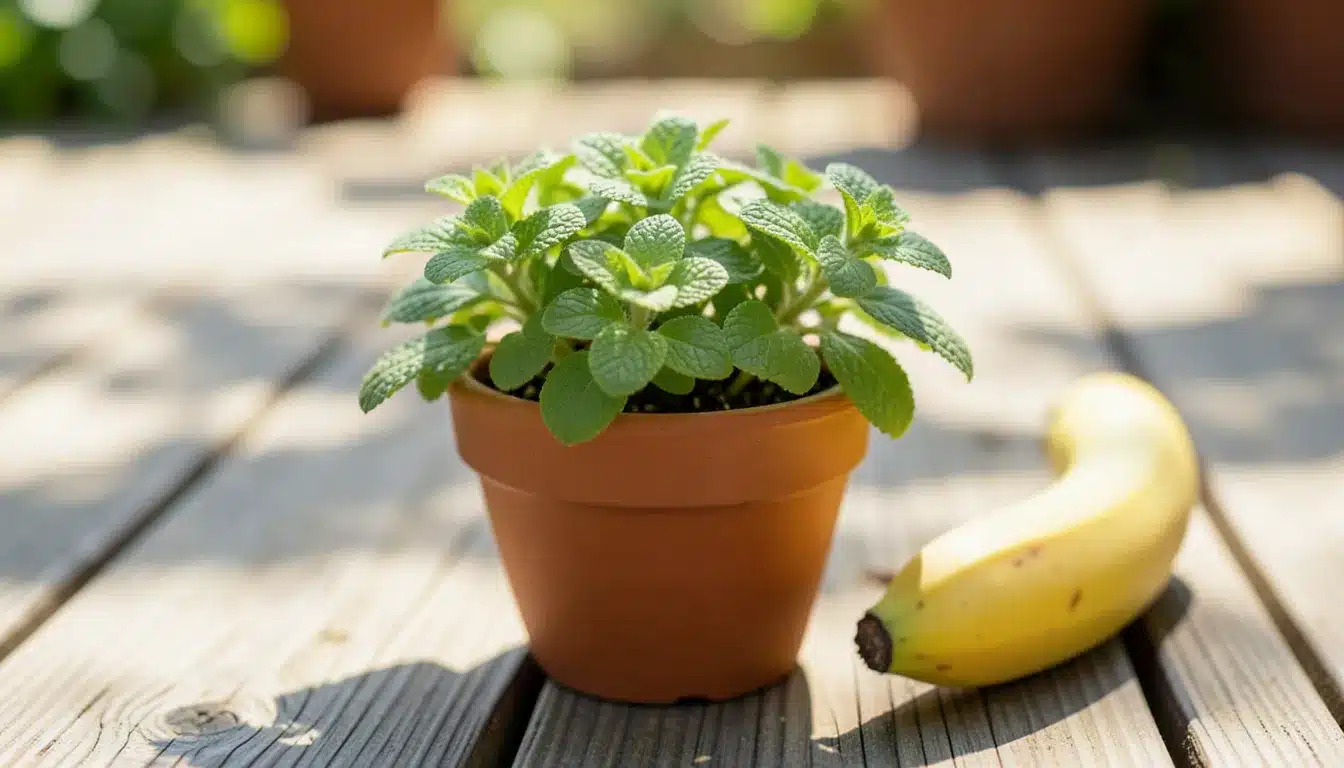
Banana mint is a low-growing variety with a scent and taste that genuinely resembles bananas. It is one of the more unusual types of mint to grow and a fun addition to any herb collection. Like most mints, it is a perennial and returns each year.
- Best For: Teas and novelty herb gardens
- Growth Habit: Low-growing, less aggressive than most
- USDA Zones: 5 to 9
Which Types of Mint Are Safe and Which Are Not?
Most types of mint are safe for adults when used in normal cooking or tea amounts. Spearmint, peppermint, apple mint, and Moroccan mint are all widely consumed without issue.
The one variety to handle with real care is pennyroyal. It is toxic to humans and pets, particularly in concentrated amounts, and must never be used in food or drinks.
Peppermint essential oil can also be harmful to cats and dogs when applied directly to their skin or fur. Always confirm which type of mint you have in your garden before using it in the kitchen.
How to Grow Different Types of Mint
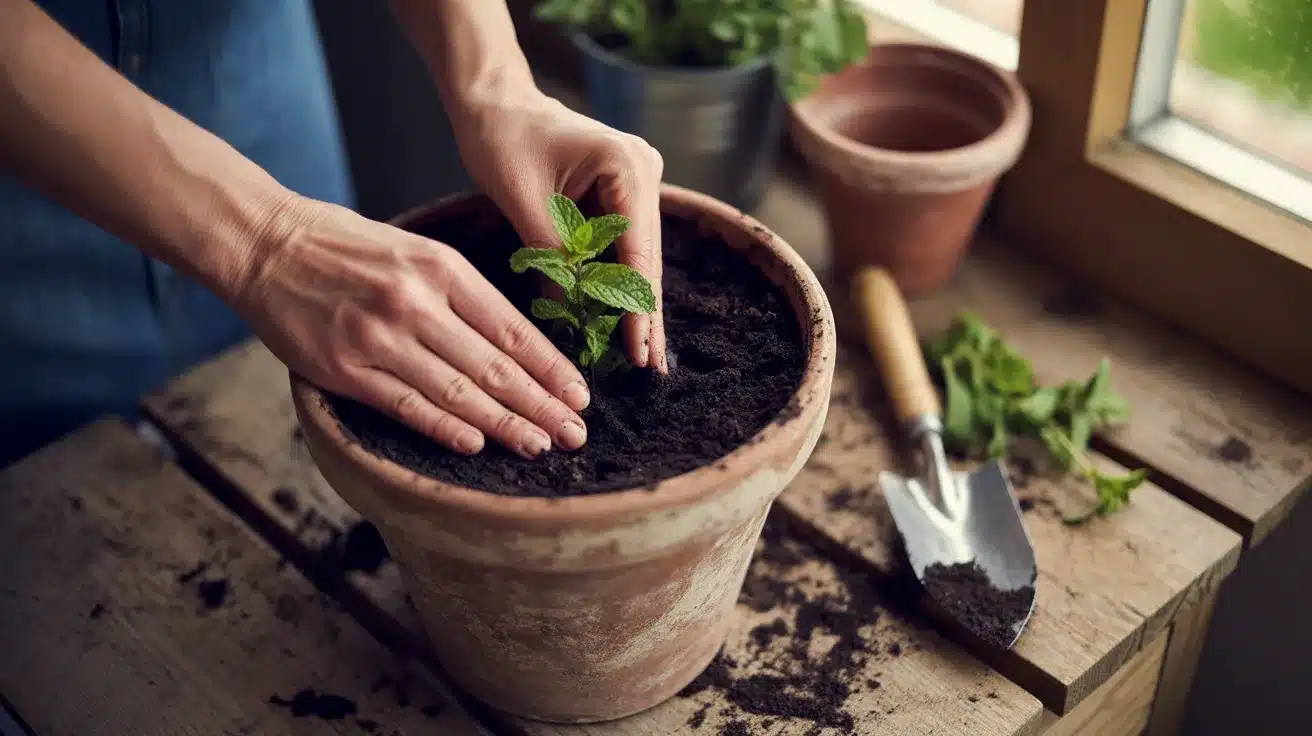
The good news is that most types of mint are not demanding plants. Once you get the basics right, growing almost any variety becomes a fairly simple task.
Soil
Mint does best in fertile, moist soil that drains well. It can grow in most soil types but struggles in heavy clay or very sandy ground. Working compost into the soil before planting gives it a strong start.
Sunlight
Most mint varieties grow well in full sun to partial shade. In hotter climates, partial shade actually helps. It slows the spreading and keeps the leaves from drying out or losing flavor too quickly.
Watering
Water mint when the top inch of soil feels dry. During hot, dry periods, it will need water more often. Avoid letting water pool at the base of the plant, as standing water can lead to root rot over time.
Planting Time
Plant mint after the last frost in spring when soil temperatures are between 55 and 70°F (12 to 21°C). In warmer climates like the southern United States, mint can also be planted in early fall for a second season.
Propagation
Always grow mint from transplants or stem cuttings rather than seeds. Seeds are not true to type, meaning the plant that grows may not match the parent. A mint stem placed in a glass of water will root within one to two weeks.
Best Mint Varieties for Specific Goals
Choosing the right mint variety makes a real difference in the results you get. If you already have a specific goal in mind, this table points you straight to the best option.
| Goal | Best Mint Variety |
|---|---|
| Everyday cooking | Spearmint |
| Hot tea | Moroccan Mint, Apple Mint, Spearmint |
| Cocktails | Cuban (Mojito) Mint |
| Desserts | Chocolate Mint, Peppermint |
| Medicinal use | Peppermint, Water Mint, Corn Mint |
| Ground cover | Corsican Mint |
| Pest deterrence | Catmint, Pennyroyal (with caution) |
| Pollinator gardens | Water Mint, Catmint |
| Containers and pots | Peppermint, Spearmint, Chocolate Mint |
| Novelty herb garden | Banana Mint, Pineapple Mint |
How to Stop Mint from Spreading
Mint is a wonderful plant right up until it takes over. Left without any barriers, it will spread through a garden bed faster than most people expect.
- Grow mint in a container or pot rather than planting it directly in open ground.
- Place a saucer beneath the pot to stop roots from escaping through drainage holes.
- Sink a pot into a garden bed so the rim sits just above the soil line.
- Use a physical root barrier around plants grown in raised or open beds.
- Check plants every few weeks and pull back any runners that have moved into neighboring areas.
- Give aggressive varieties like peppermint and ginger mint their own separate pots.
How to Store and Preserve Mint?
Fresh mint stays good in the fridge for up to a week if you wrap the stems loosely in a damp paper towel.
For longer storage, dry the leaves by hanging small bunches upside down in a dark, low-humidity spot. Avoid drying mint in direct light, as the leaves will turn dark and lose their flavor.
Once fully dry, store the leaves in an airtight jar away from heat. For a quick freezing method, place whole leaves in ice cube trays with water and use the cubes directly in drinks or hot dishes when needed.
Wrapping It Up
Growing mint is one of the most rewarding things you can do in an herb garden. But knowing the right types of mint before you plant makes the whole experience far more useful. Spearmint for your kitchen.
Moroccan mint for your evening tea. Cuban mint for cocktail nights. The options are real, and the differences are worth knowing.
Start with one variety, get comfortable with it, then add others as your confidence grows. Keep it in a container. Harvest it often. And keep an eye on those runners.
Which type of mint do you currently grow at home? Or are you planning to try a new variety this season? Drop your answer in the comments below. We would love to know what is growing in your garden.