You bought weed. You smoked it. Then something felt very wrong. That is the moment most people first ask what “sprayed weed” is. Not before. After.
Not every cannabis bud is what it looks like. Some have been coated with chemicals. Some carry glass particles. Some have been treated with synthetic compounds that can land you in an emergency room.
This is not just a black market problem anymore. It shows up where you least expect it.
This blog covers what sprayed weed is and what gets put on it. It walks you through the health risks and how to spot them before you use it. Read every section. It could matter more than you think.
What Is Sprayed Weed?
Sprayed weed is cannabis that has been coated with a foreign substance after it has been harvested. The substance can be a synthetic chemical, a coating agent, a pesticide, or even small particles like glass.
This is most often done to change how the product looks, how much it weighs, or how it smells. The goal is almost always profit.
The result is a product that looks like regular cannabis but carries hidden health risks the buyer never agreed to take.
Brief History of Sprayed Weed: How Did We Get Here?
Sprayed weed did not appear overnight. It grew quietly alongside the cannabis market itself, shaped by greed, weak oversight, and a demand that kept rising faster than quality controls could keep up with.
- Early 2000s: Synthetic cannabinoids were first developed in research labs for medical study, never meant for public use.
- Mid-2000s: Illegal dealers began coating dried plant material with these synthetic compounds and selling it as cannabis.
- 2008 onwards: Products sold as K2 and Spice spread rapidly across the U.S., Europe, and beyond.
- 2010s: Emergency room visits, seizures, and deaths tied to synthetic cannabinoid products began making national headlines.
- 2015 onwards: As legal cannabis markets opened across U.S. states, some producers began using post-harvest chemical sprays to enhance the appearance and weight of low-grade flower.
- 2023: California’s regulated market tested over 3,250 samples, and 13% failed due to pesticide levels above legal limits, proving the problem had crossed into legal sales.
What started as a street-level trick has now become a market-wide concern. The substances have changed, the settings have changed, but the motivation has always stayed the same.
Sprayed Weed vs. Laced Weed vs. Natural Cannabis
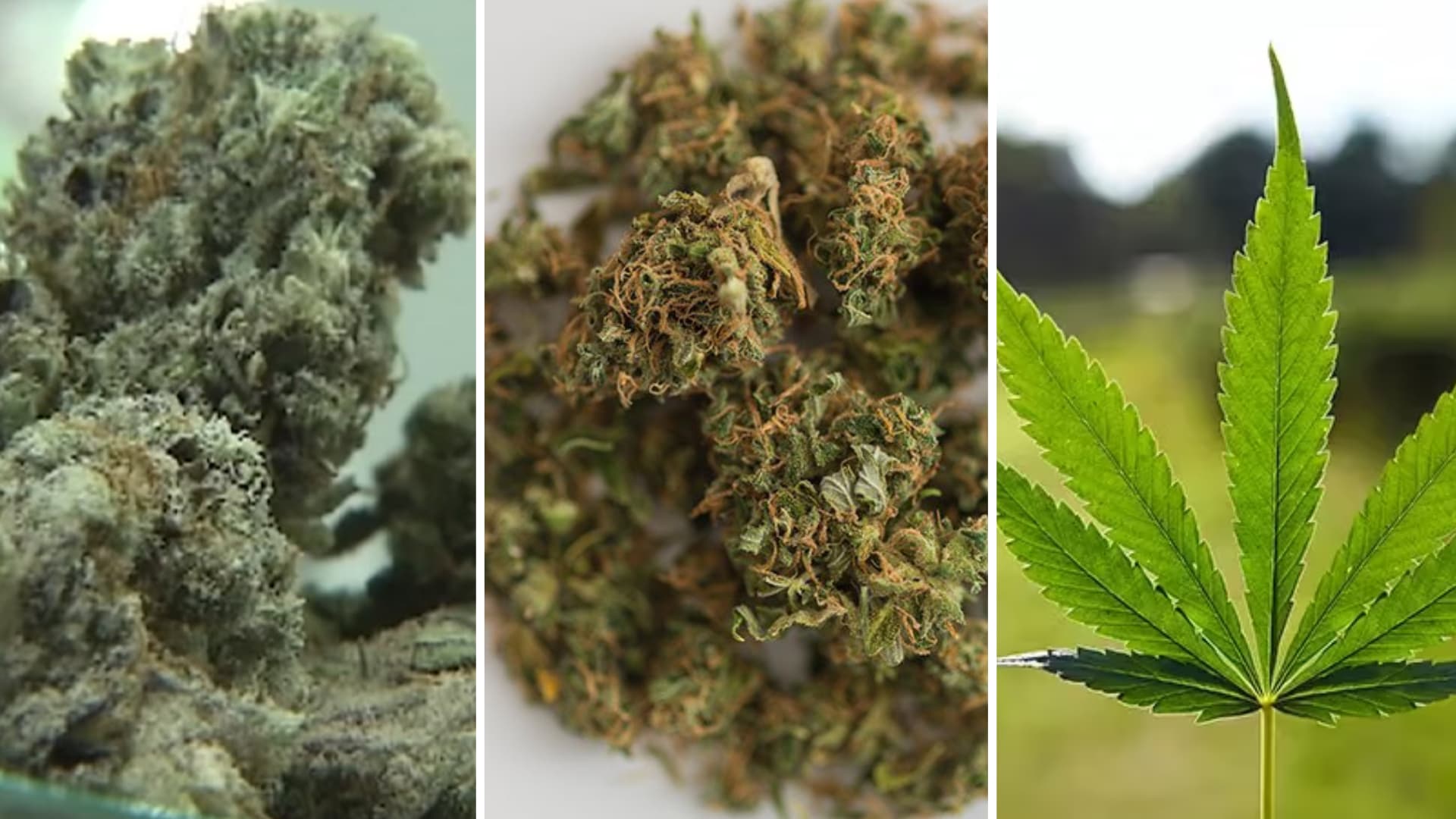
These three terms are often used as if they mean the same thing. They do not. Here is a clear look at how each one works and why the difference matters for your health.
| Feature | Sprayed Weed | Laced Weed | Natural Cannabis |
|---|---|---|---|
| What it means | Cannabis is coated with a substance after harvest | Cannabis mixed with another drug | Unaltered flower, grown and dried naturally |
| Main purpose | Boost appearance, weight, or smell | Increase or change the high | N/A |
| Common additions | Chemicals, glass, pesticides, and synthetic cannabinoids | Cocaine, fentanyl, meth, PCP, opioids | None |
| Effect on the high | Not always, but can be unpredictable | Yes, significantly | Standard THC effects |
| Primary health risk | Toxic inhalation, lung damage, allergic reactions | Overdose, severe addiction, death | Standard cannabis risks |
| Easy to detect | Sometimes, by sight, smell, or taste | Rarely | N/A |
Why Do Sellers Spray Weed?
It comes down to money. Cannabis is sold by weight, so adding even a small coating can increase profit per batch. Sellers also spray low-grade buds to make them look frosted and high-quality.
This lets them charge prices the product could never justify on its own. In some cases, synthetic compounds are sprayed to mimic a stronger high.
This makes weak or old products feel more potent to the buyer. The customer pays a premium price for something that was never worth it. In many cases, they also pay with their health.
What Substances Are Commonly Sprayed on Weed?
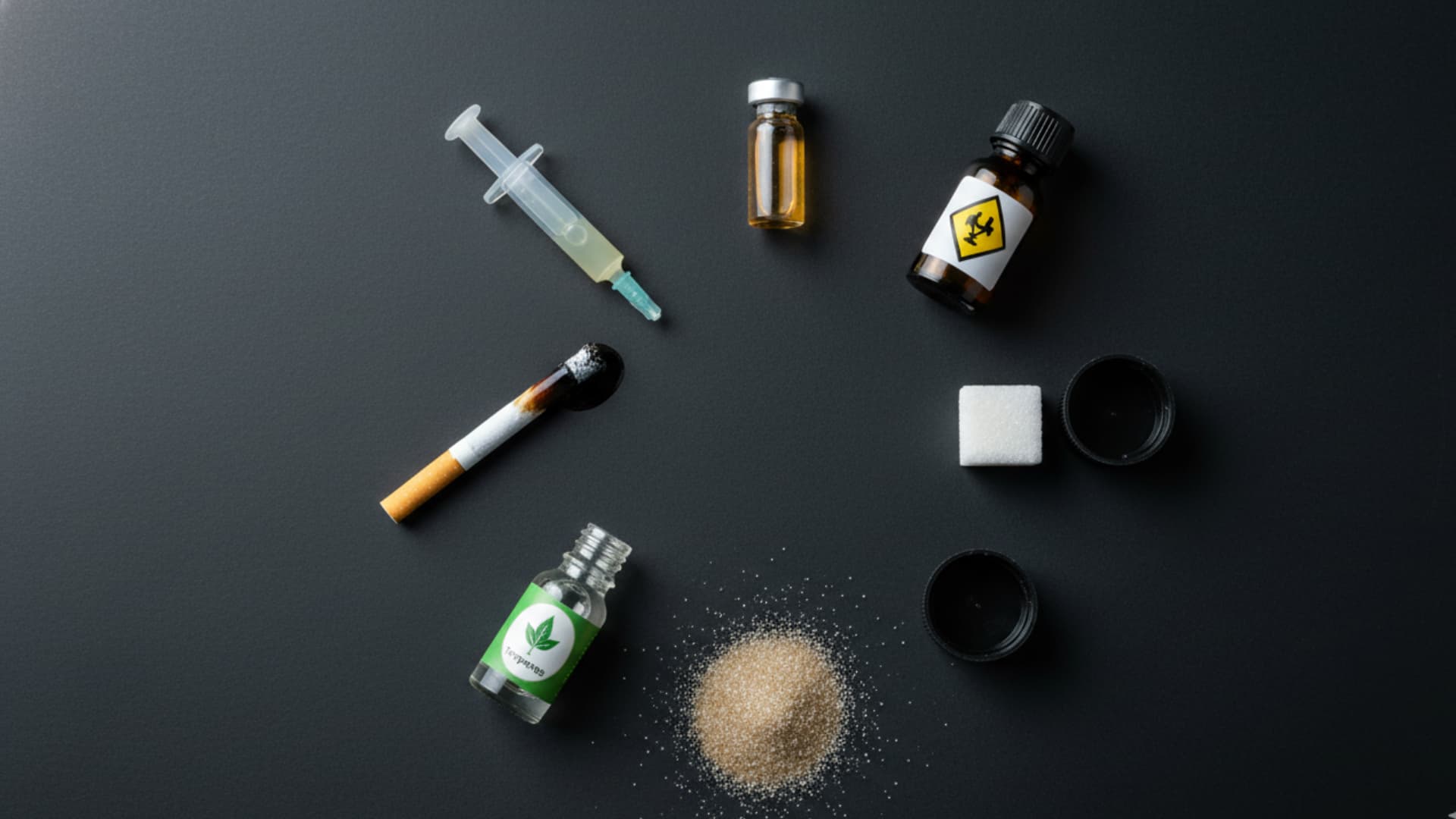
Not everything sprayed on cannabis carries the same level of danger. Some substances are used to add weight or change the look. Others can cause serious harm from a single use.
1. Synthetic Cannabinoids (K2 / Spice)
These are man-made chemicals designed to copy the effects of THC. They can be up to 100 times more potent than natural THC and bind far more aggressively to brain receptors.
The results are unpredictable and have been linked to seizures, psychosis, and death.
2. Pesticides and Chemical Residues
Some growers apply pesticides after harvest to preserve the product or improve its appearance. Chemicals like myclobutanil release toxic hydrogen cyanide when burned.
In 2023, California’s Department of Cannabis Control tested over 3,250 samples, and 13% failed due to pesticide levels above legal limits.
3. Sugar Water, Hairspray, and Adhesives
These are sprayed mainly to add weight to buds before they are sold. When burned, they produce harmful compounds, including formaldehyde and acetaldehyde. Both are damaging to lung tissue over time.
4. Glass Particles or Sand
Ground glass or fine sand is mixed in to increase the weight. When inhaled, these particles cut the inside of the lungs and throat. They cause micro-tears that increase the risk of infection and can lead to long-term respiratory damage.
5. Artificial Terpenes and Fragrance Sprays
These are applied to old or low-quality buds to make them smell like premium strains. They can cause allergic reactions and lung irritation, especially with repeated exposure.
6. PCP-Dipped or “Wet” Cannabis
Some joints or blunts are dipped in PCP (phencyclidine), a powerful dissociative drug. Effects include extreme agitation, psychosis, and dangerous, unpredictable behavior.
7. Delta-8 THC Distillate Coating
Hemp or low-THC cannabis is sometimes coated with delta-8 THC distillate to raise apparent potency.
The FDA has documented adverse events and poison control calls linked to delta-8 products due to impurities and incorrect labeling.
If a product label lists HHC, THC-P, or THC-H on “flower,” it is almost always sprayed hemp, not natural cannabis.
What Are the Effects and Health Risks of Sprayed Weed?
The effects of sprayed weed do not always show up the same way for everyone. Some appear fast, others build up over weeks and months of use. Here is what medical reports and research consistently show.
Short-Term Effects
- Coughing, wheezing, and chest tightness right after inhalation
- Nausea, dizziness, and headaches within minutes of use
- Eye and skin irritation from chemical exposure
- Allergic reactions to synthetic terpenes or pesticide residue
- Rapid or irregular heartbeat
- Extreme paranoia or hallucinations, particularly with synthetic cannabinoids
- Seizures in severe cases
- In 2020, the National Poison Data System recorded 3,663 calls related to synthetic cannabinoid poisoning in the U.S.
Long-Term Effects
- Lung diseases, including silicosis, are caused by inhaling glass or silica particles
- Chronic respiratory irritation and higher infection risk from repeated micro-tears in lung tissue
- Liver and kidney damage from ongoing chemical exposure
- Increased risk of certain cancers, including non-Hodgkin lymphoma, from toxic compounds
- Permanently reduced lung function with continued use
Mental Health and Addiction Risks
- Synthetic cannabinoids in sprayed weed alter brain chemistry much faster than natural THC
- Repeated exposure can create strong cravings and physical dependency
- Long-term users often experience anxiety, paranoia, and psychosis even between uses
- Withdrawal from synthetic cannabinoid dependency can include mood swings, sleep problems, and intense cravings
- People who unknowingly use sprayed weed over time face a higher addiction risk than those using natural cannabis
How to Identify Sprayed Weed: Signs to Watch For
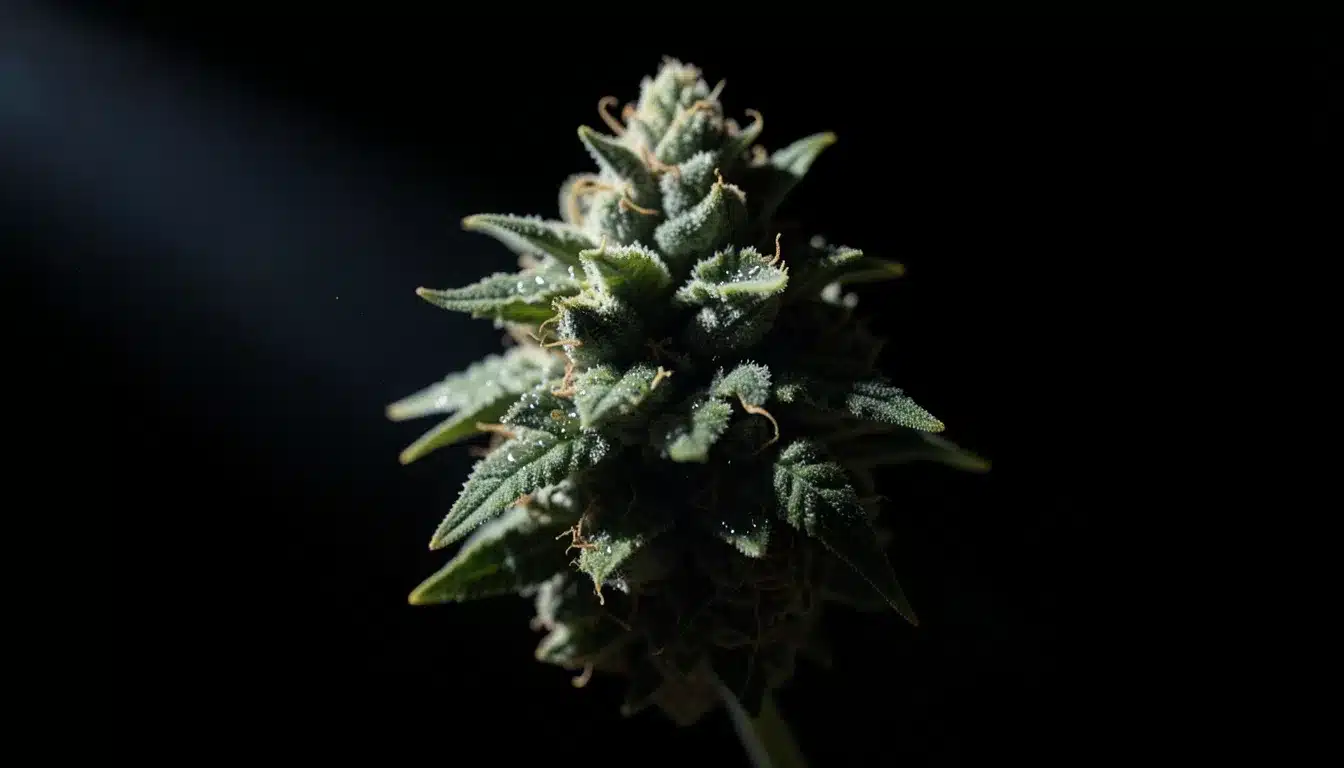
You do not need a lab to check your cannabis. Your eyes, your nose, and your hands can tell you a great deal before you ever use a product. Here is what to look for, step by step.
1. Visual Signs
Buds that look unusually shiny, glossy, or wet may have been coated with an additive. An unnatural sparkle on the surface can point to glass particles. A white or powdery residue that does not look like natural trichomes is also a clear warning sign.
2. Smell Test
Natural cannabis has an earthy, fruity, or skunky smell depending on the strain. If your weed smells like chemicals, artificial perfume, sugar, or plastic, something has been added. Very little smell at all, especially on a bud that looks good, is equally suspicious.
3. Texture and Touch Test
Rub a small piece between your fingers. Natural resin leaves a slight stickiness. A greasy, waxy, or thick film that goes beyond that is a red flag. An unusual grit or scratchy sensation can point to glass or sand mixed into the product.
4. How It Burns and Tastes
Sprayed cannabis often burns unevenly or goes out repeatedly. It may produce harsh, sharp smoke that causes immediate coughing. A bitter, metallic, or chemical-like flavor during the smoke means something unnatural is present. Stop immediately if you notice this.
5. How It Makes You Feel
If the effects are far more intense than expected from a small amount, something may be wrong. A rapid heartbeat, sudden confusion, extreme paranoia, or hallucinations after a single use are serious warning signs. Your body is telling you something. Listen to it.
Pro Tip: If a seller does not want you to inspect the product before buying, that alone is a warning sign worth paying attention to.
The Legal and Market Side of Sprayed Weed
Sprayed weed is not limited to street corners or black markets. As legal cannabis markets grew rapidly across the U.S., some producers began cutting corners.
They did this to keep up with demand and competition. Post-harvest spraying with flavor agents, distillate coatings, or other additives has been found in regulated markets.
Synthetic cannabinoids also continue to change their chemical structure to stay ahead of drug scheduling laws. This makes regulation very difficult.
Consumer awareness and buying from lab-verified sources remain the strongest tools available right now.
What To Do If You Think You Used Sprayed Weed
If something feels off after using cannabis, do not wait and see. Act quickly. Here is exactly what to do.
- Stop using the product right away, even if you feel okay at first.
- Drink water, rest, and keep a close watch on how you feel.
- Call 911 immediately if you experience seizures, chest pain, hallucinations, or extreme confusion.
- Use naloxone (Narcan) right away if an opioid overdose is suspected.
- Hold on to the product and its packaging so medical staff can identify what you were exposed to.
- Do not go back to the same batch, even if you feel fine the first time.
How to Protect Yourself: Safe Buying Tips
The single best thing you can do is buy from a licensed dispensary. Ask for a Certificate of Analysis (COA) from a third-party lab. This document confirms what is and is not in your cannabis.
Always ask for it. If a seller cannot provide one, that is a reason to walk away. Avoid deals that seem too cheap for the claimed quality. Never buy from someone who will not let you inspect the product first.
If you are in a state where cannabis is not yet regulated, exercise extra care at every step.
Final Verdict
Knowing what is sprayed weed is no longer optional. It is basic safety.
The cannabis market has grown fast. Testing standards have not always kept pace. Black markets still run with no rules at all. That puts the responsibility firmly on you.
Buy from licensed sources. Ask for lab test results. Trust your nose, your fingers, and your eyes. And if something ever feels off after you smoke, do not brush it off.
Your lungs do not get a second chance.
Have you ever come across weed that looked or smelled strange? Drop a comment below and share what you noticed. Your experience could help someone else make a safer choice.