Crepe myrtles have a way of making you stop and stare, dressing up a cottage garden path just as effortlessly as they anchor a sprawling backyard with that tall, romantic, larger-than-life presence.
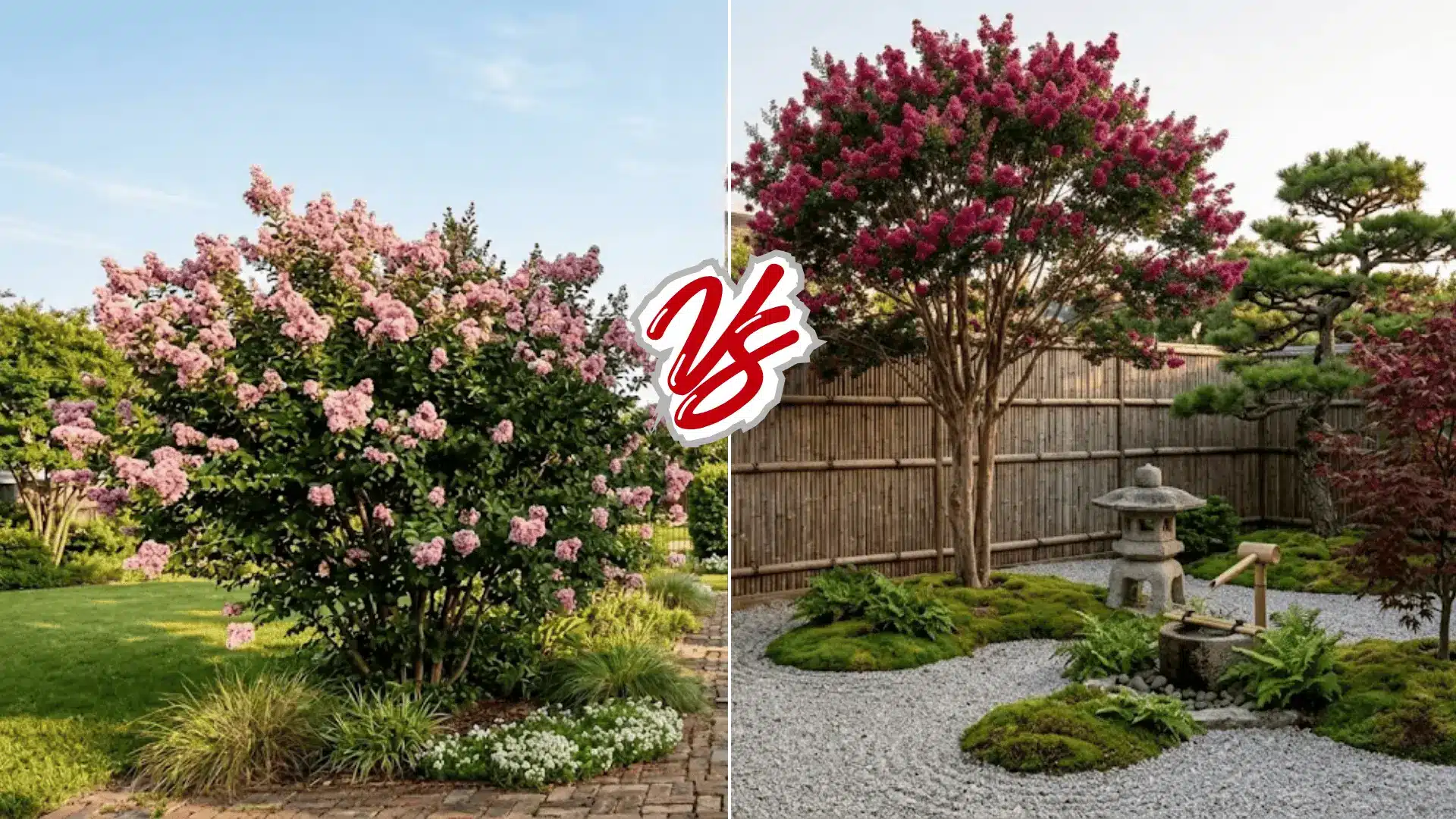
And honestly, picking between a crepe myrtle bush vs. a tree is one of those gardening decisions that quietly shapes your whole landscape story from the ground up.
Same dreamy summer blooms, same sun-soaked color, yet such a wildly different personality once they settle into your space.
Ahead, we’re laying out a full side-by-side so you can dig in, plan it out, and plant with complete confidence.
What is a Crepe Myrtle?
Crepe myrtle, botanically known as Lagerstroemia, is a flowering plant native to Southeast Asia, the Indian subcontinent, and northern Australia. It made its way into Western landscapes centuries ago and never really left.
The blooms arrive in summer, clustered in ruffled, crepe-paper-textured panicles that range from soft blush to deep crimson.
The bark peels in elegant layers, adding year-round visual interest beyond just the flowering season.
Thriving in USDA hardiness zones seven through nine, it has become a defining feature of Southern American gardens, warm Mediterranean climates, and sun-drenched landscapes across the globe.
What is a Crepe Myrtle Bush?
The crepe myrtle bush is the compact, ground-level version of this beloved plant, typically topping out at a modest, manageable height that keeps it well within the scale of smaller gardens.
It grows with a naturally multi-stemmed, dense structure, branching outward from the base rather than reaching skyward.
That rounded, shrubby habit makes it an effortless fit for foundation plantings, border edges, and layered garden beds where controlled volume matters.
Dwarf and semi-dwarf varieties have made it especially popular among gardeners working with tighter spaces, bringing the same signature blooms without overwhelming the landscape they are meant to accent.
What is a Crepe Myrtle Tree?
The crepe myrtle tree is where this plant truly steps into its most commanding, architectural form.
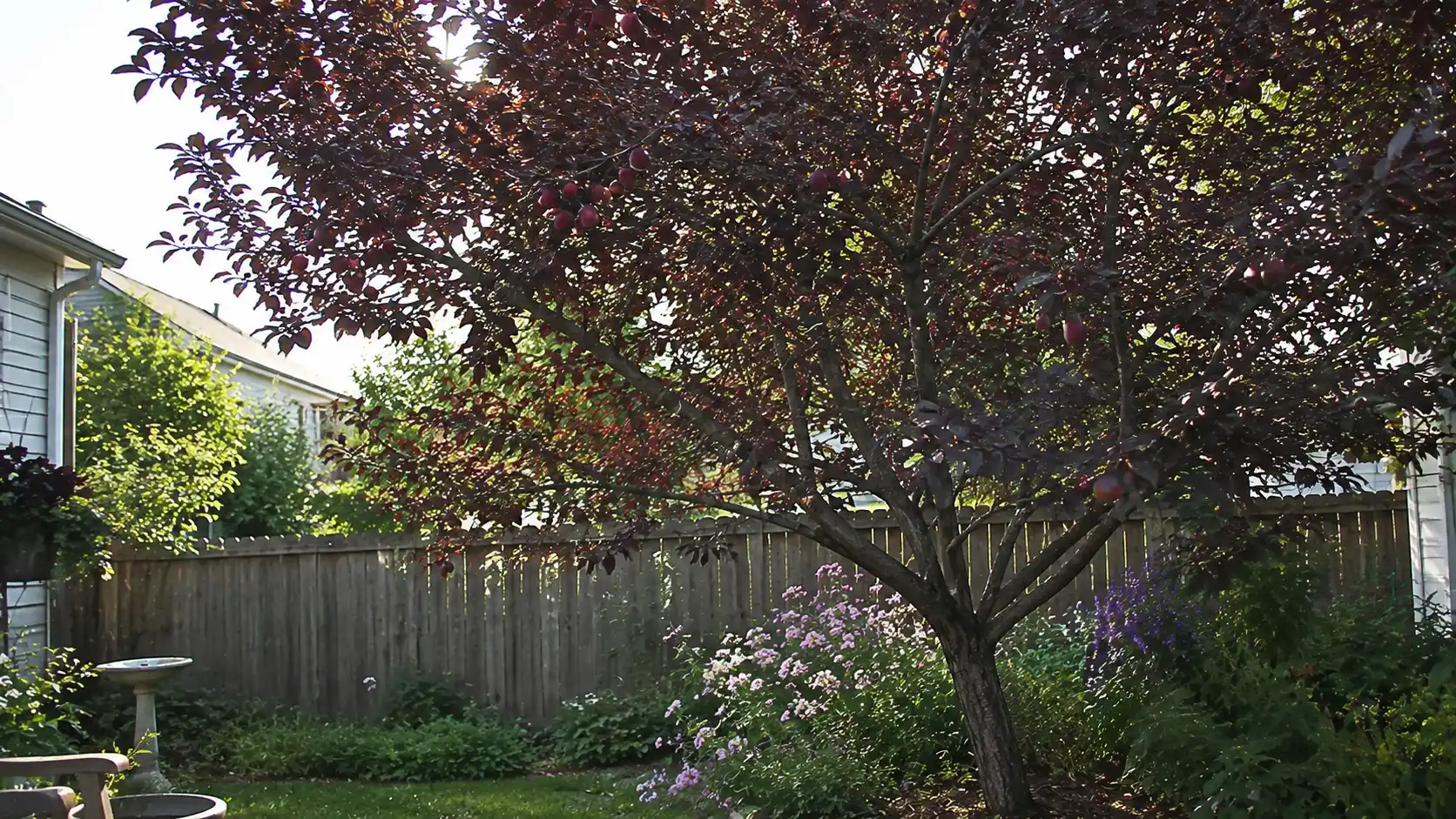
Trained with a clear, defined trunk and an open, spreading canopy above, it carries itself with the kind of quiet confidence that anchors an entire yard.
Certain varieties push well into towering, multi-story heights, making them a genuine source of dappled shade across patios, driveways, and open lawns.
The exposed trunk also becomes part of the appeal, revealing that signature peeling, cinnamon-toned bark that catches light beautifully through every season.
For larger landscapes craving a bold yet graceful focal point, the crepe myrtle tree delivers without question.
How Tall Do Crepe Myrtles Actually Get?
Size is honestly one of the biggest deciding factors when choosing your crepe myrtle, and the range across varieties is wider than most gardeners expect.
From knee-high dwarf selections to full-canopy trees that shade an entire driveway, here is how they stack up.
| Variety Type | Mature Height | Growth Habit | Best Use | Growth Rate |
|---|---|---|---|---|
| Dwarf | Under three feet | Mounding, compact | Container planting, low borders | Slow to moderate |
| Semi-Dwarf | Three to twelve feet | Multi-stemmed, bushy | Foundation planting, hedges | Moderate |
| Standard Bush | Eight to fifteen feet | Dense, rounded | Privacy screens, accent planting | Moderate to fast |
| Standard Tree | Fifteen to thirty feet | Single trunk, open canopy | Shade tree, focal point, lining driveways | Fast |
Pruning Differences (Avoiding “Crepe Murder”)
Pruning is arguably where the bush and tree forms diverge the most in their care routines.
For bushes, light shaping after bloom keeps that dense, rounded silhouette intact without stressing the plant. Trees, on the other hand, are trained early with selective cuts that establish a clean trunk and open canopy.
What you want to avoid entirely is topping, the aggressive practice of chopping main branches down to stubs, so notorious it earned its own term: crepe murder.
It disfigures the natural form, weakens the structure, and triggers unsightly regrowth. Prune with intention, always cutting just above a lateral branch or bud junction.
Landscaping Uses: Bush vs. Tree
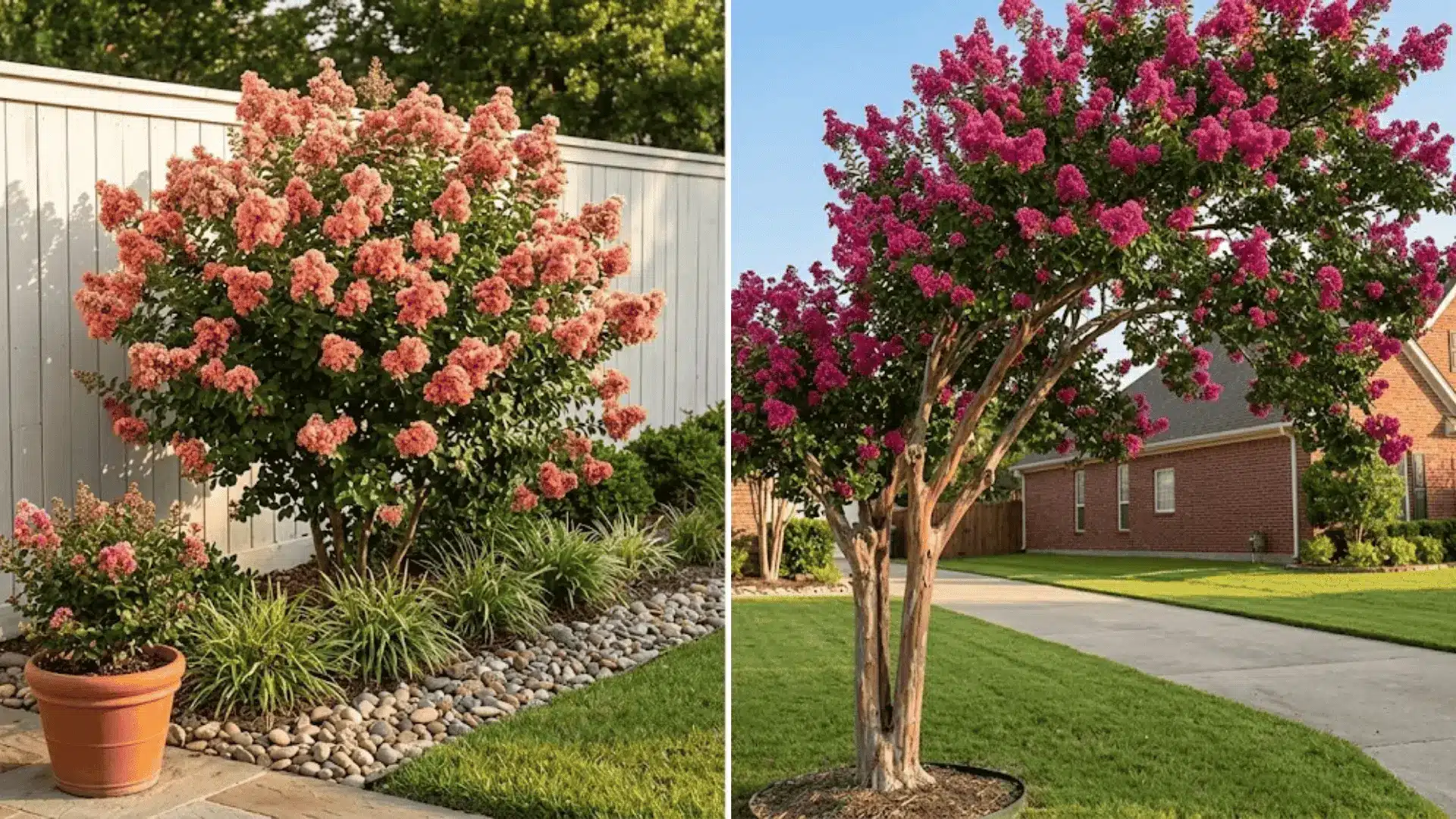
Knowing your space before you plant saves a lot of second-guessing later. Crepe myrtles are wonderfully versatile, but bush and tree forms each have their own sweet spot in the landscape.
Best Uses for Crepe Myrtle Bush
Compact and full-bodied, the bush form tucks beautifully into tighter spaces with very little coaxing.
- Planted in rows, it creates a lush, flowering hedge that blooms through the warmest months.
- Dense enough to function as a natural privacy screen along fences or property lines.
- Fits effortlessly into small garden beds without overpowering surrounding plantings.
- Dwarf varieties thrive in containers on patios, porches, and balconies.
Best Uses for Crepe Myrtle Tree
Tall, graceful, and structurally striking, the tree form was made for landscapes with room to breathe.
- Lines driveways and walkways with a canopy that arches beautifully overhead.
- Serves as a reliable street tree in warm climate neighborhoods and urban plantings.
- Commands attention as a standalone focal point against open sky or a plain wall.
- Planted centrally, it becomes a stunning lawn centerpiece with year-round visual presence.
Bush or Tree, Here is What the Care Routine Actually Looks Like
Across both forms, crepe myrtles are refreshingly low-maintenance once established. The care fundamentals stay largely consistent, but a few nuances are worth knowing before you plant.
- Sunlight: Both forms demand full sun, at least six hours daily, to bloom at their most vibrant and generous best.
- Soil: Well-draining soil with a slightly acidic pH is ideal; both tolerate poor soil better than they tolerate waterlogged roots.
- Watering: Deep, infrequent watering encourages stronger root development; established plants are impressively drought-tolerant across both forms.
- Fertilization: A balanced, slow-release fertilizer applied in early spring gives both forms the seasonal boost they need without forcing excessive leafy growth.
- Pest and Disease: Powdery mildew and aphids are the most common concerns; good air circulation and resistant varieties keep most issues comfortably at bay.
Growing a tidy garden shrub or a shade-giving tree, the care investment stays modest, and the reward stays consistently beautiful season after season.
Blooms, Color, and Duration: A Side-by-Side Breakdown
The blooms are ultimately what draw most gardeners to crepe myrtles in the first place, and while both forms share that signature summer color, there are a few notable differences worth laying out clearly.
| Bloom Factor | Crepe Myrtle Bush | Crepe Myrtle Tree |
|---|---|---|
| Flower Size | Slightly smaller clusters due to compact branching | Larger, more expansive panicles with greater visual spread |
| Color Range | Full spectrum available, dwarf varieties are especially rich in color | Full spectrum available, with bolder impact at height |
| Bloom Duration | Mid to late summer, slightly shorter on over-pruned plants | Mid to late summer, longer display on well-trained specimens |
| Pruning Impact | Light shaping encourages fresh blooms without sacrificing volume | Topping reduces bloom quality significantly and delays flowering |
Does Your Zone Make the Cut for Crepe Myrtles?
Crepe myrtles are warm-climate plants at heart, performing best across USDA hardiness zones six through nine where summers run long and winters stay mild.
Both bush and tree forms share the same general heat tolerance, thriving in humidity and full sun without much protest.
Cold is where things get interesting. Bush forms, sitting lower to the ground, face slightly higher frost exposure but tend to bounce back from root level even after a harsh winter.
Tree forms risk cold damage to their trained trunks in zone six and below. A thick layer of mulch around the base goes a long way in marginal climates.
Which One Should You Choose?
Choosing between the two really comes down to knowing your space, your lifestyle, and the kind of landscape story you want to tell.
- Yard Size: Compact yards and urban gardens lean naturally toward the bush form, while larger, open landscapes give the tree form the room it genuinely deserves.
- Desired Shade: For dappled shade over a patio or driveway, the tree form wins decisively; the bush form is purely ornamental in that regard.
- Maintenance Level: Bush forms need occasional shaping to stay tidy, while tree forms require early structural training but settle into a low-maintenance rhythm once established.
- Aesthetic Goals: Cottage, layered, and border-style gardens suit the bush beautifully, while the tree form leans into formal, architectural, and statement-driven landscapes.
Neither choice is wrong; it truly comes down to scale and intention. Pick the form that fits the landscape you are building, and crepe myrtle will deliver season after season.
Wrapping Up
At the end of the day, the crepe myrtle bush vs tree conversation is really just about finding the right fit for your space and vision.
Both forms bring that same irreplaceable summer magic, just expressed at different scales and in different corners of the garden. Once you know what your landscape is asking for, the choice becomes a lot more natural.
Tried one form over the other? Have a variety you absolutely swear by?
Drop it in the comments below, because this is exactly the kind of conversation the gardening community thrives on.