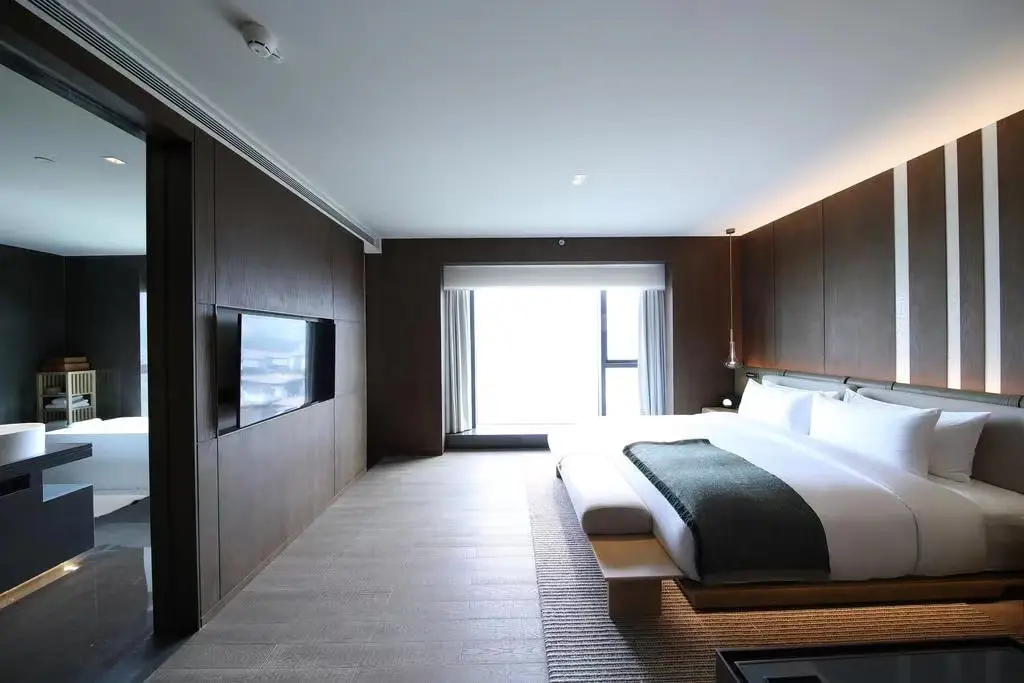
A bathroom that flows with the bedroom and closet should feel like one calm suite, not three separate rooms. The best results start with how you move through the spaces from waking up to getting dressed and winding down at night. When the layout supports those routines, the design choices become easier and more consistent.
Many homeowners lean on Traci Connell Interiors Services that serves the greater Dallas, TX area for a polished approach that still feels personal and livable. The goal is comfort first, with thoughtful details that make everyday steps feel simple. With a clear plan, even a small suite can feel more open and more refined.
Start by mapping your path from bed to bath to closet and notice where you pause or turn. This is where custom bathroom planning helps you decide what should be closest and what can be farther away. A short, direct route to the sink and shower keeps mornings smooth and reduces traffic near the closet.
If two people share the suite, plan for passing space and separate zones when possible. Think about sound and privacy too, since a bathroom door that opens toward the bed can feel disruptive. Once the path makes sense, you can build the look around it with confidence.
Begin With A Suite Level Layout
Treat the bedroom, bathroom, and closet as one connected footprint, even if they are divided by doors. Align the main openings so the suite feels balanced and not awkward as you move through it. If the closet is a walk through, keep the bathroom entry off to the side to protect privacy.
Place the vanity where it gets good light and where it does not block the most common walking line. Keep towel storage and daily items near the shower and vanity so you are not crossing the room wet. When the plan works, the spaces feel calmer and more natural to use.
Match Finishes Without Making Everything Identical
Flow comes from repetition, not from using the exact same finish in every room. Choose one or two core tones that appear in all three spaces, like warm white, soft gray, or a light wood shade. Repeat a metal finish for hardware and lighting so the suite feels tied together.
Use the same trim style and similar door details to avoid a jarring shift at each threshold. Add contrast with one feature, such as a stone vanity top or a textured tile wall that still fits the palette. This approach feels more elevated than random choices and it also looks more intentional.
Use Lighting to Keep The Mood Consistent
Lighting is one of the fastest ways to break the connection between rooms if it is not planned as a set. Keep color temperature consistent so the bedroom does not feel warm while the bathroom feels harsh and blue. Layer light in the bathroom with overhead lighting, vanity lighting, and a softer option for evenings.
In the closet, bright and even light helps with color accuracy and keeps shadows off hanging clothes. Add dimmers in each space so the whole suite can shift from morning energy to nighttime calm. When lighting works together, the suite feels designed as one complete environment.
Build Storage That Supports Real Routines
A suite flows best when surfaces stay clear and everything has a home. Plan vanity drawers for daily items, and include outlets inside drawers when possible to reduce cord clutter. Add a linen area near the shower so towels feel easy to grab and easy to put away.
In the closet, use zones for shoes, folded items, long hang, and accessories so you can get dressed without searching. Consider a small landing spot near the bathroom entry for a robe, slippers, or a laundry hamper. Good storage removes friction, and less friction is what makes the whole suite feel seamless.
Keep Transitions Quiet and Comfortable
Transitions matter because they are where your eye notices change first. Use similar flooring tones across the suite, and if materials must change, make the shift clean and minimal. Choose rugs and soft textiles that echo the palette so the bedroom and bathroom feel connected.
Pay attention to door swings and clearances so you are not dodging doors while carrying towels or getting ready. Add simple comfort upgrades like a heated floor area near the shower and a bench in the closet if space allows. When transitions are quiet, the suite feels like it was always meant to be one.
Designing a bathroom that flows with the bedroom and closet starts with your routines and how you move each day. A smart layout sets the foundation, and it reduces stress during the busiest times. Matching finishes in a controlled way creates harmony without making the rooms feel repetitive.
Consistent lighting keeps the mood steady from space to space and supports comfort at any hour. Storage that fits real habits protects the calm look you worked hard to create. When transitions are clean and comfortable, the entire suite feels cohesive, functional, and easy to live in.