There’s a reason your friend’s seedlings look like tiny forests while yours barely make it past day three.
The difference isn’t luck or a green thumb: it’s what you’re planting them in. Regular potting soil might work wonders for your houseplants, but those tiny seeds? They need something entirely different.
Most beginners grab whatever bag looks promising at the garden center, toss in their seeds, and wonder why nothing sprouts.
The truth is, seed starter soil creates the lightweight, moisture-balanced environment that baby plants desperately need to push through and thrive.
Organic mixes and store-bought blends each have their place, and understanding why this specialized soil matters will completely convert your seed-starting game.
What is Seed Starter Soil?
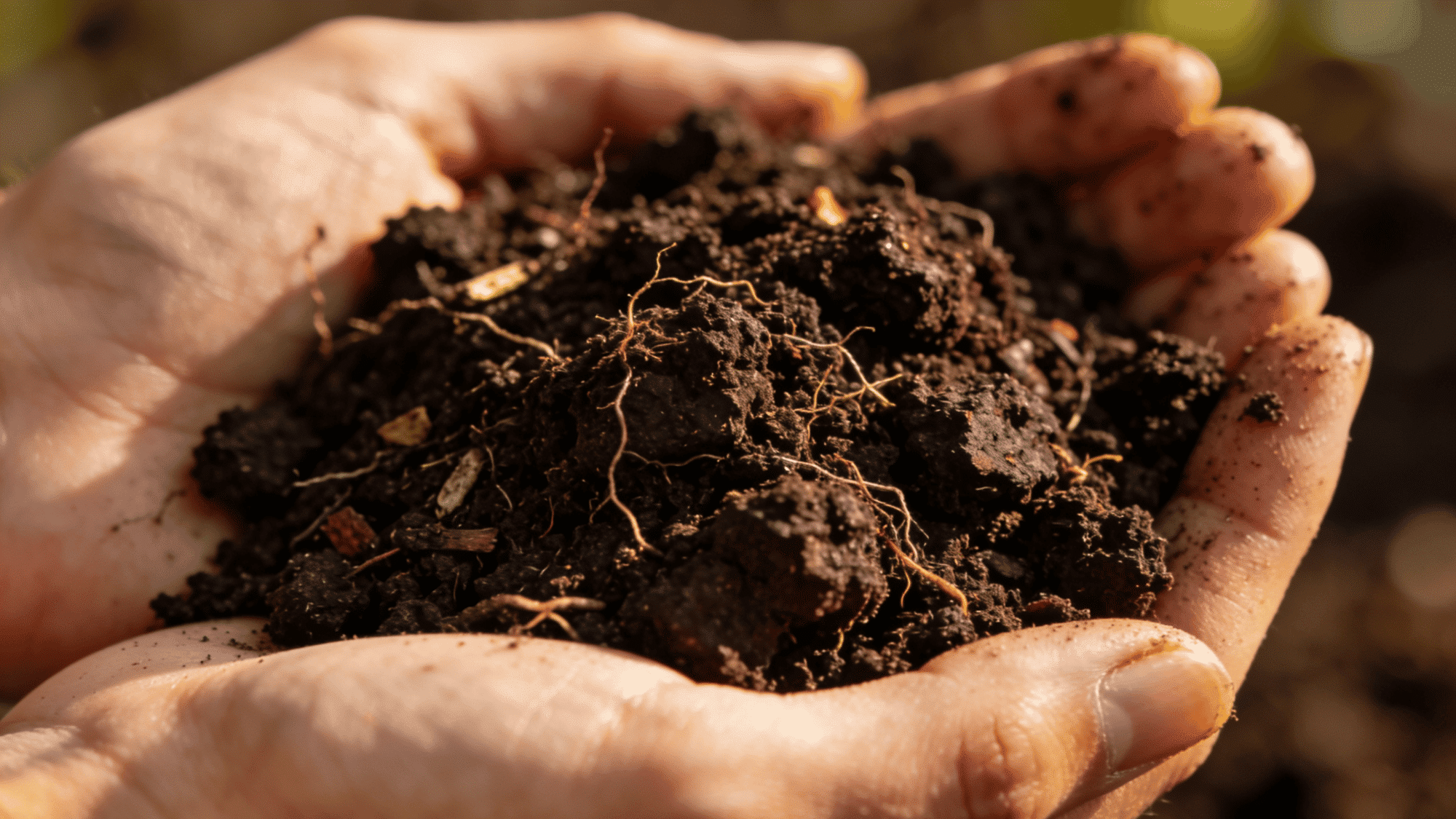
Seed starter soil is a specially formulated growing medium designed to give seeds the perfect environment for germination.
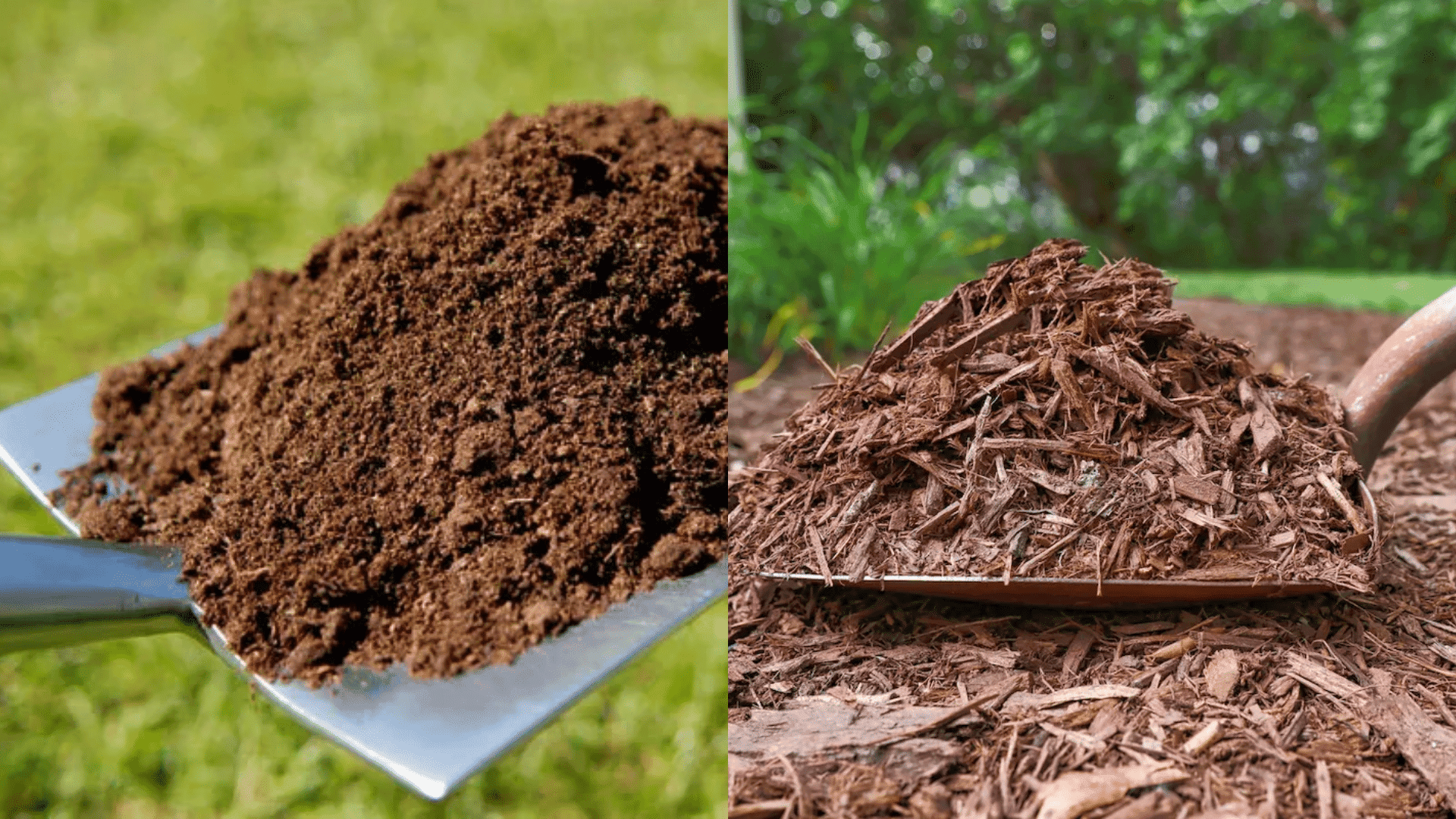
Unlike regular potting soil, which contains larger particles and heavier materials, seed starter soil has a finer, lighter texture that lets those first fragile roots push through easily.
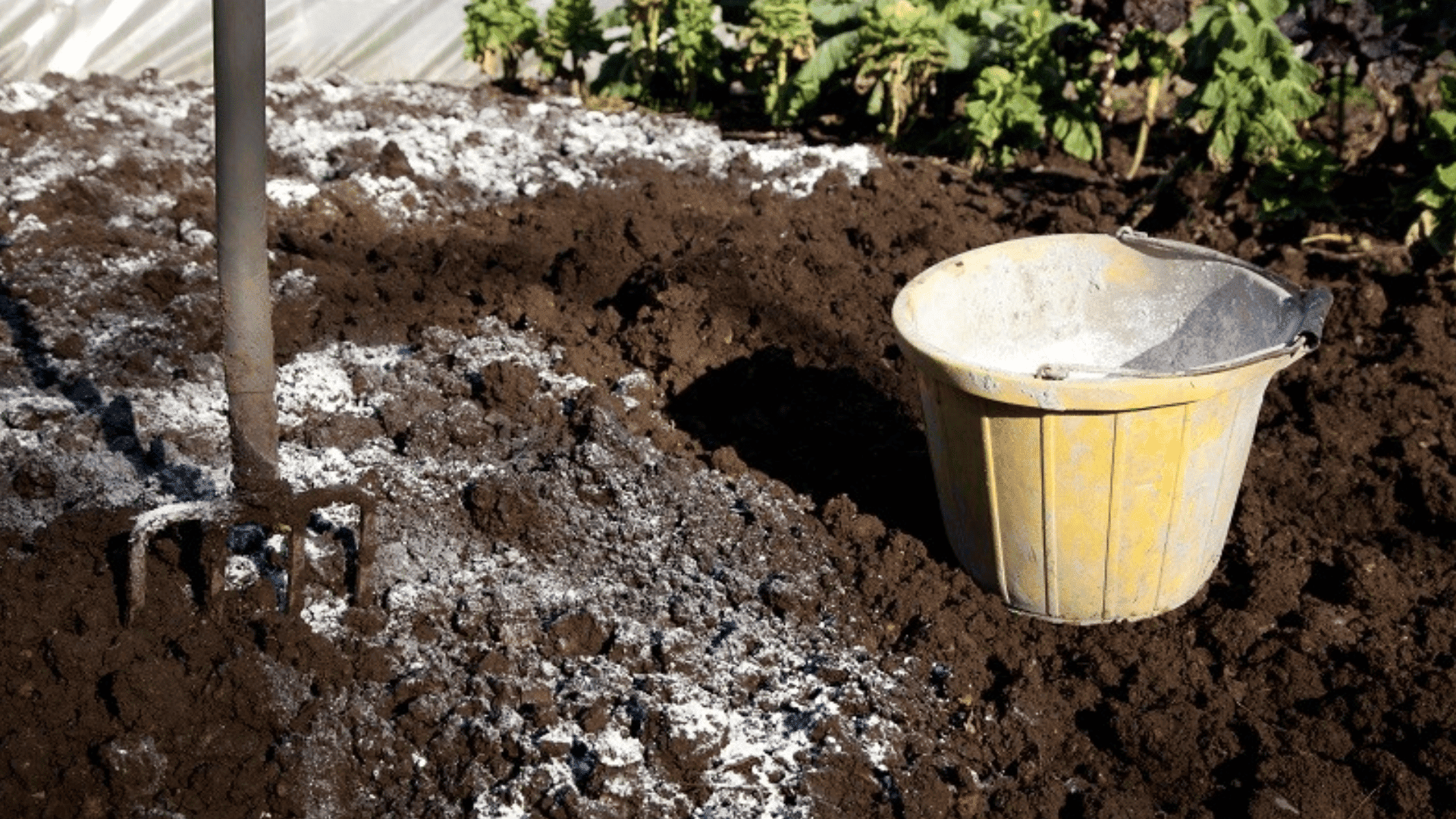
Garden soil is even worse for starting seeds since it’s dense and often contains pathogens that can kill sprouting plants.
Seedlings need excellent drainage and consistent moisture without being waterlogged, which is exactly what this specialized mix provides.
Think of it as a soft landing pad for your seeds’ first days of life.
Why Regular Potting Soil is Not Ideal for Starting Seeds?
Regular potting soil seems like it should work, but it’s actually working against your seeds from day one.
The texture is too chunky and dense, which means it compacts easily and suffocates emerging roots before they even have a chance.
Potting soil also holds moisture unevenly, creating pockets that are either bone dry or completely waterlogged. This inconsistency confuses seeds and often leads to rot instead of growth.
Plus, potting soil can harbor fungi and bacteria that attack vulnerable seedlings, causing damping-off disease that kills them overnight.
Your seeds need airflow, gentle moisture, and a sterile environment to germinate successfully, and regular potting soil just can’t deliver that trifecta.
Key Characteristics of the Best Seed Starter Soil
The best seed starter soil isn’t just lighter than regular soil: it’s engineered to solve the exact problems that keep seeds from sprouting.
Here’s what to look for:
- Fine, lightweight texture that lets tiny roots penetrate without resistance.
- Moisture retention without sogginess, keeping seeds hydrated but not drowned.
- Excellent drainage and airflow to prevent rot and deliver oxygen to emerging roots.
- Sterile or pathogen-free composition that protects vulnerable seedlings from disease.
- Balanced pH levels that support germination across most seed varieties.
Get these characteristics right, and you’re setting up every seed for success before it even breaks through the surface.
Common Ingredients in Seed Starter Soil
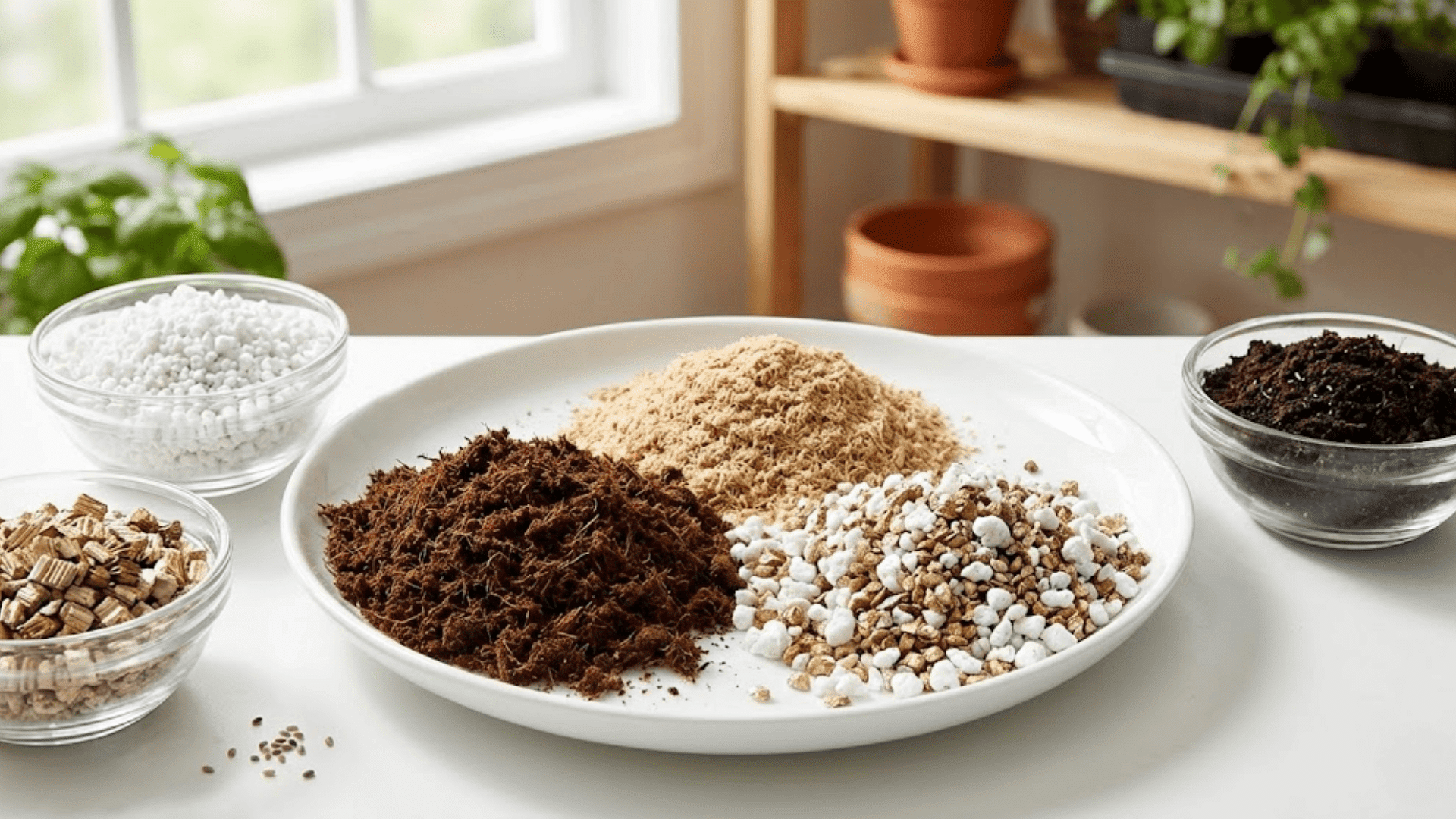
Seed starter soil isn’t a single ingredient: it’s a carefully balanced blend that gives seeds exactly what they need.
Understanding what goes into the mix helps you choose smarter or even create your own.
1. Peat Moss or Coconut Coir
Both excel at holding moisture while staying light and fluffy, which is crucial for germination.
Peat moss has been the traditional choice for decades, but coconut coir is gaining popularity as a renewable alternative since peat bogs take centuries to form.
Coir also has a neutral pH compared to peat’s acidity, and it resists compaction better over time. Performance-wise, they’re nearly identical for seed starting.
2. Perlite or Vermiculite
These two look similar but serve different purposes.
Perlite is the aeration champion, creating air pockets that prevent compaction and improve drainage. Vermiculite holds more moisture while still providing some airflow, making it better for seeds that need consistent hydration.
Many mixes use both to balance drainage with moisture retention, giving you the best of both worlds.
3. Compost
Compost adds nutrients, but seedlings don’t actually need much food in their first weeks.
Adding compost can introduce pathogens or fungi that harm vulnerable sprouts, which is why most commercial seed starter mixes skip it entirely.
Save the compost for when you transplant seedlings into larger pots, where the extra nutrition actually helps them grow stronger.
Best Seed Starter Soil Mixes
You don’t need to spend a fortune on fancy mixes when you can create your own for pennies, but store-bought options have their place, too.
Here’s how to decide what works for your situation.
Basic DIY Seed Starting Mix
The simplest homemade mix combines equal parts peat moss or coconut coir, perlite, and vermiculite.
This trio gives you moisture retention, drainage, and aeration without any complicated measuring. Mix thoroughly until everything is evenly distributed, then moisten it slightly before filling your seed trays.
This sterile, nutrient-free blend works beautifully for nearly every type of seed and costs a fraction of pre-made bags.
Organic DIY Mix
For an organic approach, swap peat moss for coconut coir and add finely screened compost at about ten percent of your total mix.
Use organic perlite if you can find it, though standard perlite is technically inert anyway.
Some growers add a handful of worm castings for gentle nutrition, but keep it minimal since too much can overwhelm seedlings and invite disease.
Note: DIY makes sense when you’re starting lots of seeds and want control over ingredients, but pre-made mixes save time and guarantee sterility if you’re only doing a few trays.
Best Store-Bought Seed Starter Soil
Shopping for seed starter soil gets easier when you know what actually matters on those labels.
What to Look for on Labels?
Smart label reading saves you from buying the wrong mix and wasting money on products that won’t help your seeds thrive:
- OMRI Listed certification verifies genuine organic products approved for organic growing.
- Base ingredients first, with peat moss or coconut coir listed before perlite or vermiculite.
- Specifically labeled “seed starting” rather than general potting mix, with sterile or pathogen-free claims.
- Minimal fertilizers or compost, since heavy additives can overwhelm delicate seedlings.
Top Organic Seed Starter Recommendations
These three products consistently deliver healthy germination and strong seedlings based on extensive user feedback and testing:
| Product | Key Features | Price Range |
|---|---|---|
| Espoma Organic Seed Starter | OMRI Listed, Myco-tone mycorrhizae, peat-based blend |
8qt: $12-15, |
| Burpee Coconut Coir Mix | Sustainable peat-free, compressed brick, disease-resistant | 16qt: $15-18 |
| Coast of Maine Sprout Island | Compost-based, worm castings, kelp meal, mycorrhizae | 8qt: $16-20 |
Note: Pre-made mixes save time and guarantee sterility for small batches. DIY becomes worthwhile when starting hundreds of seeds or wanting total ingredient control.
How to Use Seed Starter Soil for Best Results?
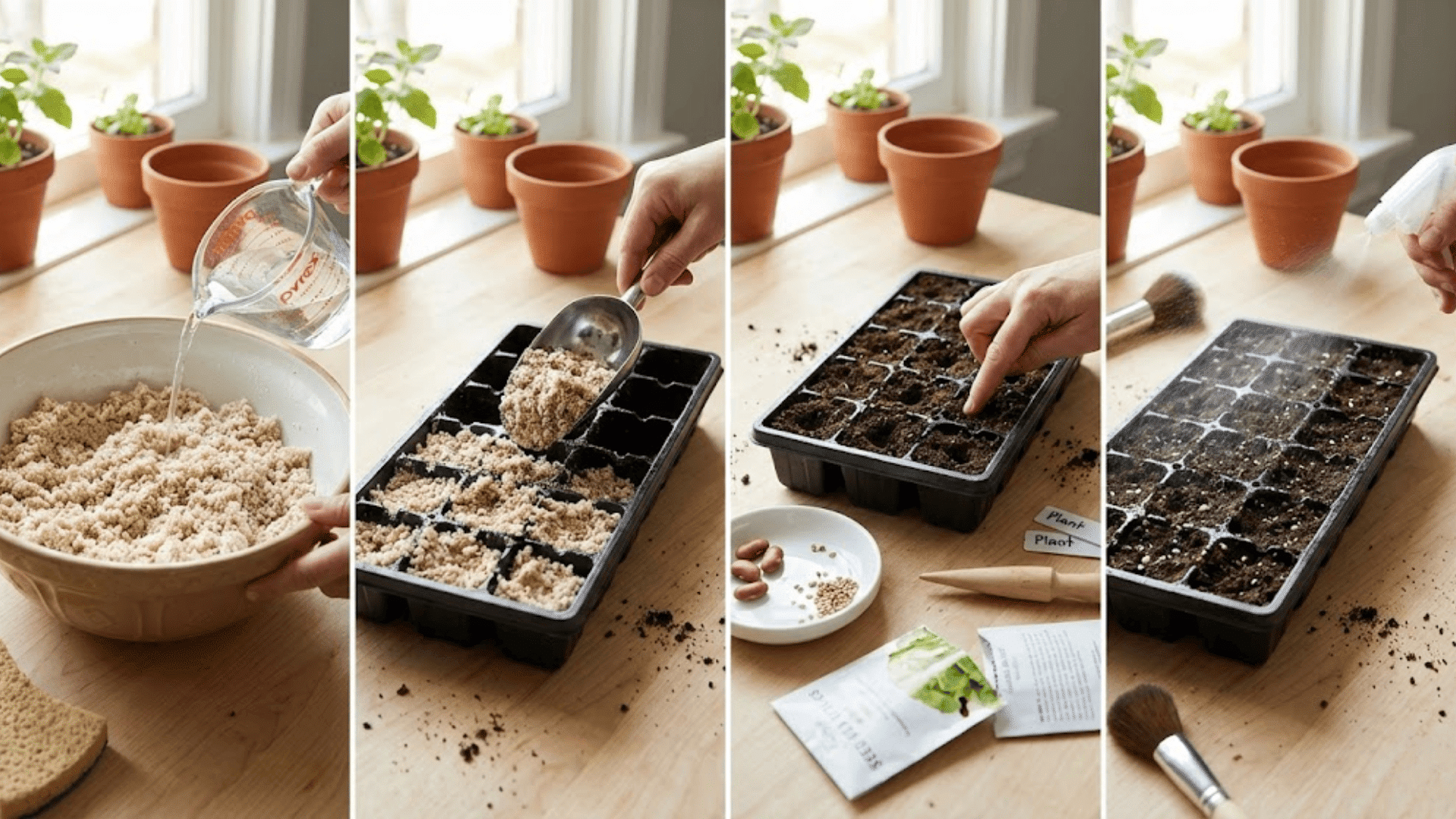
Even the best seed starter soil won’t work magic if you don’t use it correctly.
These simple steps set your seeds up for success from the moment they hit the soil:
- Step 1: Moisten the mix before filling trays by adding lukewarm water until it feels like a wrung-out sponge, never dripping wet.
- Step 2: Fill containers loosely to within 1/4 inch of the top and gently tap to settle without packing down the soil.
- Step 3: Plant seeds at the proper depth following the packet instructions, generally two to three times the seed’s width.
- Step 4: Lightly press soil over seeds and mist the surface to ensure good seed-to-soil contact without washing them away.
Get these basics right, and your seeds will reward you with faster germination and healthier seedlings ready to thrive in the garden.
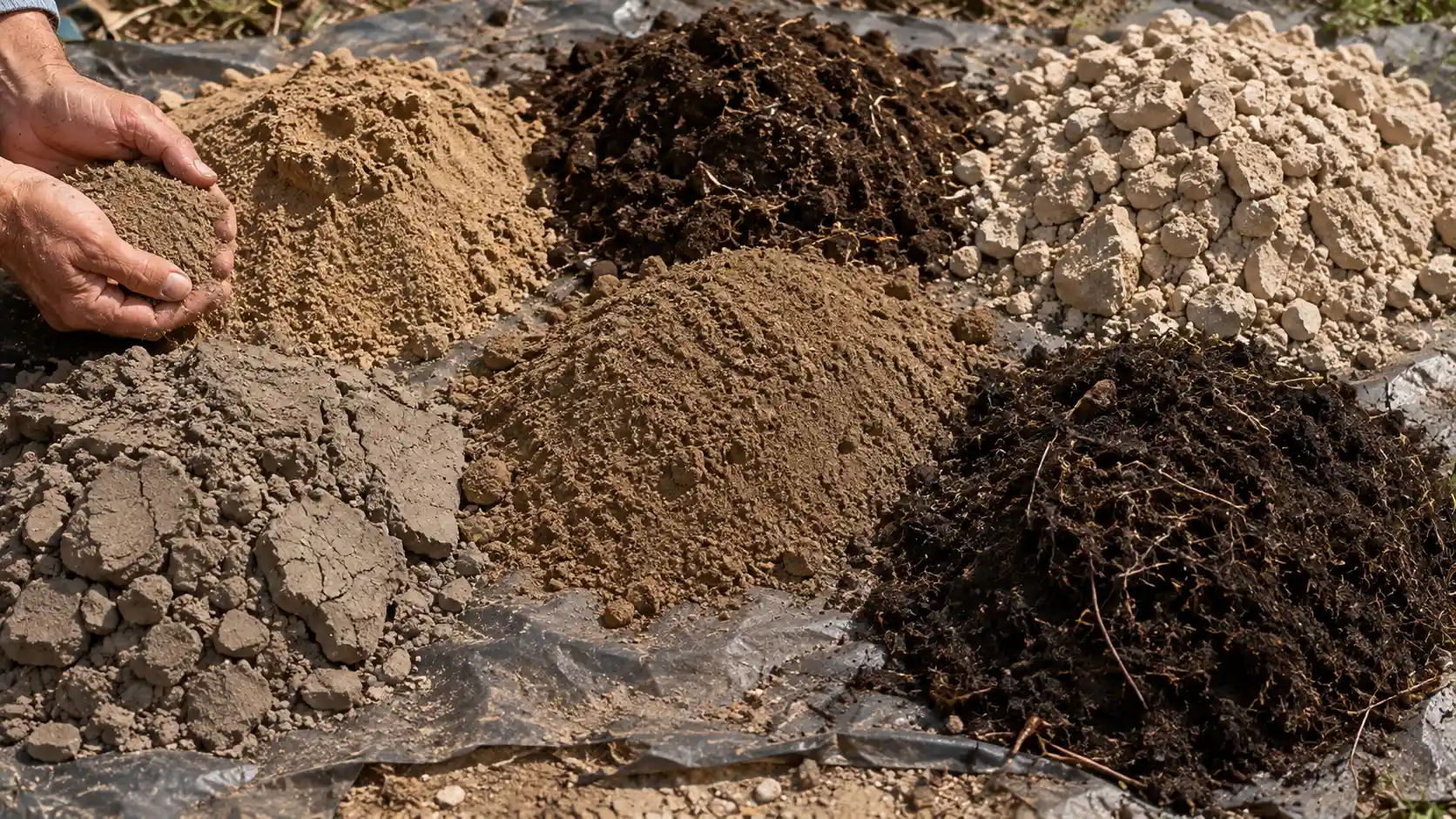
Seed Starter Soil vs. Potting Soil vs. Garden Soil
Understanding the differences between these three soil types helps you use the right one at the right time for healthier plants:
| Feature | Seed Starter Soil | Potting Soil | Garden Soil |
|---|---|---|---|
| Texture | Fine, lightweight, fluffy | Medium texture with larger particles | Dense, heavy, clay or loam-based |
| Drainage | Excellent with consistent moisture | Good drainage, holds water longer | Variable, often compacts easily |
| Nutrients | Minimal to none | Pre-fertilized for 2-3 months | Rich in organic matter and nutrients |
| Sterility | Sterile, pathogen-free | Generally clean, some organic matter | Contains microbes, potential pathogens |
| When to Use | Germination through the first true leaves | After seedlings outgrow starter trays | Final transplant location outdoors |
| Price Point | Moderate per volume | Moderate, widely available | Least expensive, bulk options |
The key is matching soil to plant stage: starter mix for germination, potting soil for young transplants, and garden soil for established outdoor plants.
Can You Reuse Seed Starter Soil?
Reusing seed starter soil is risky and generally not recommended.
If your seedlings stayed healthy with no signs of disease or damping-off, you can sterilize the mix by baking it at 180°F for 30 minutes in the oven, though this kills beneficial microbes, too.
The safer approach is mixing used starter soil into your garden beds or potting mix rather than reusing it for seeds.
Always discard soil if you had any seedling deaths, mold, or fungal issues, as pathogens will survive and infect your next batch.
Fresh mix costs little compared to losing an entire seed starting session.
Common Seed Starting Problems Related to Soil
Most seed starting failures trace back to soil issues that are completely preventable once you know what to watch for:
- Poor germination from compacted soil happens when the mix is too heavy or packed too tightly, preventing tiny roots from pushing through.
- Damping-off disease kills seedlings overnight when the soil stays too wet or contains pathogens, causing stems to collapse at the soil line.
- Crusty soil surface blocks emergence if the top layer dries and hardens before seeds can break through.
- Uneven moisture causes spotty germination when some areas stay soggy while others dry out completely.
- Contaminated soil introduces fungi and bacteria that attack vulnerable seedlings, especially in reused or non-sterile mixes.
Catching these problems early and adjusting your watering or switching to a fresh, sterile mix saves your entire seed starting batch.
Wrapping Up
The right seed starter soil makes all the difference between watching seeds struggle and celebrating a tray full of healthy seedlings.
You now know exactly what to look for in a mix, how to use it properly, and which mistakes to avoid.
Starting with quality seed starter soil isn’t just about better germination rates; it’s about setting up your entire garden for success from day one.
What’s your experience with different seed starting mixes? Drop a comment below and share which products or DIY recipes have worked best in your garden.
Happy planting!