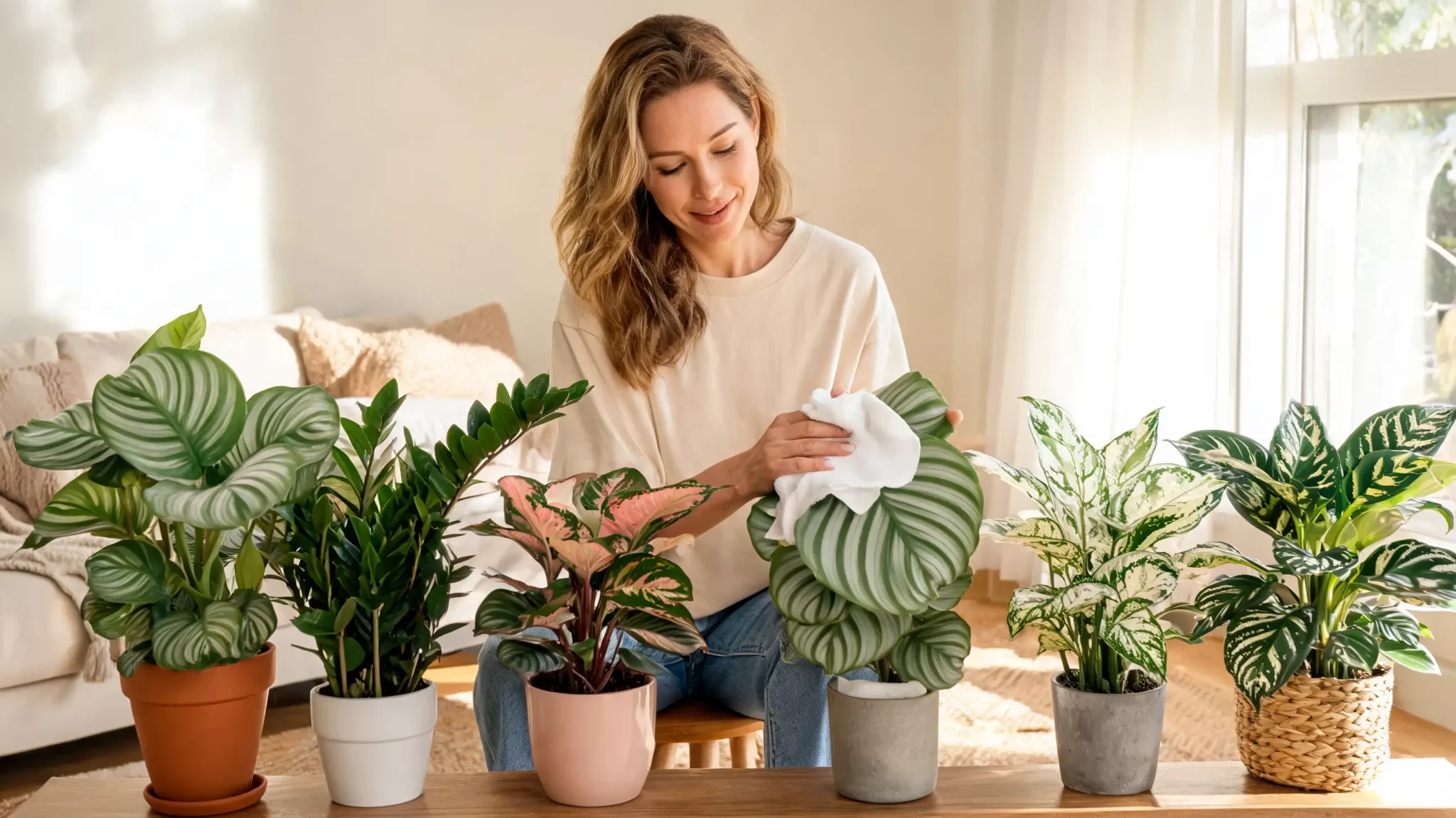
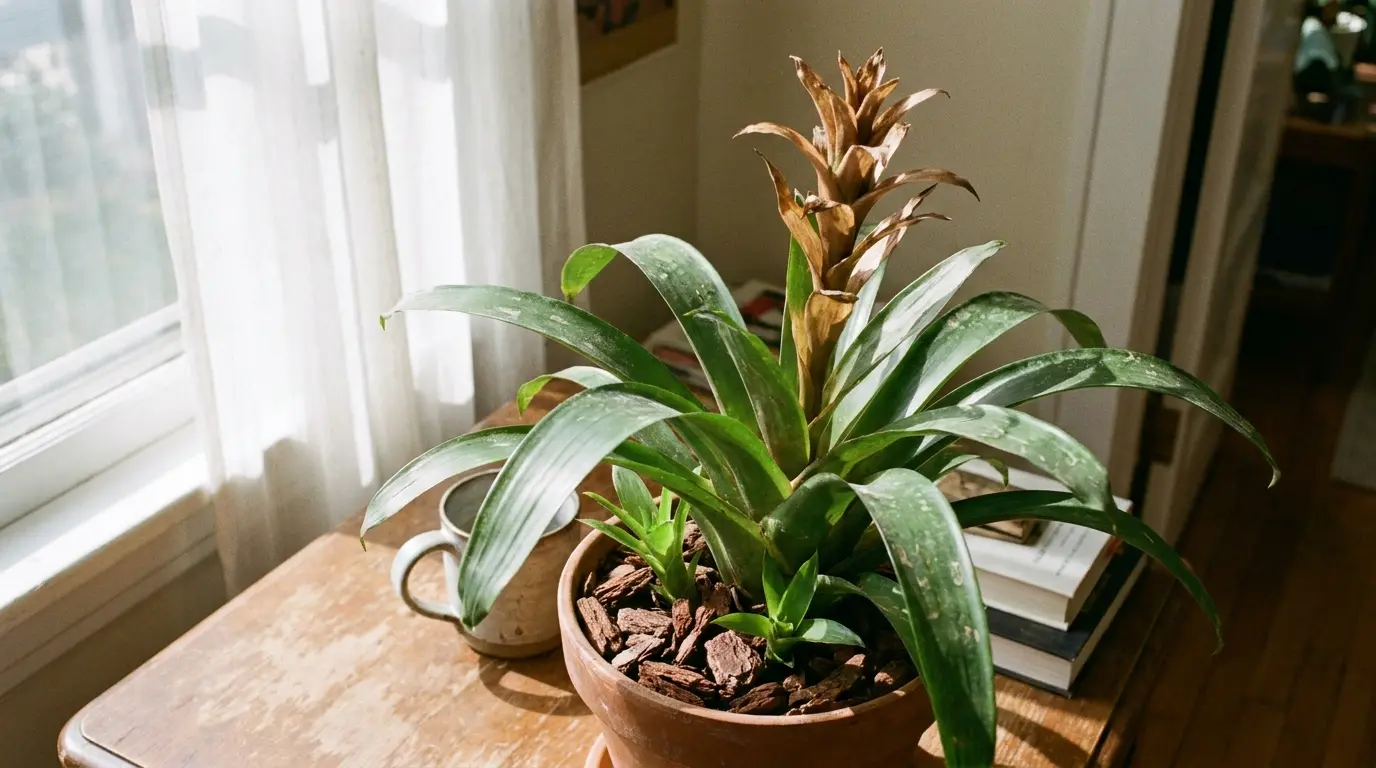
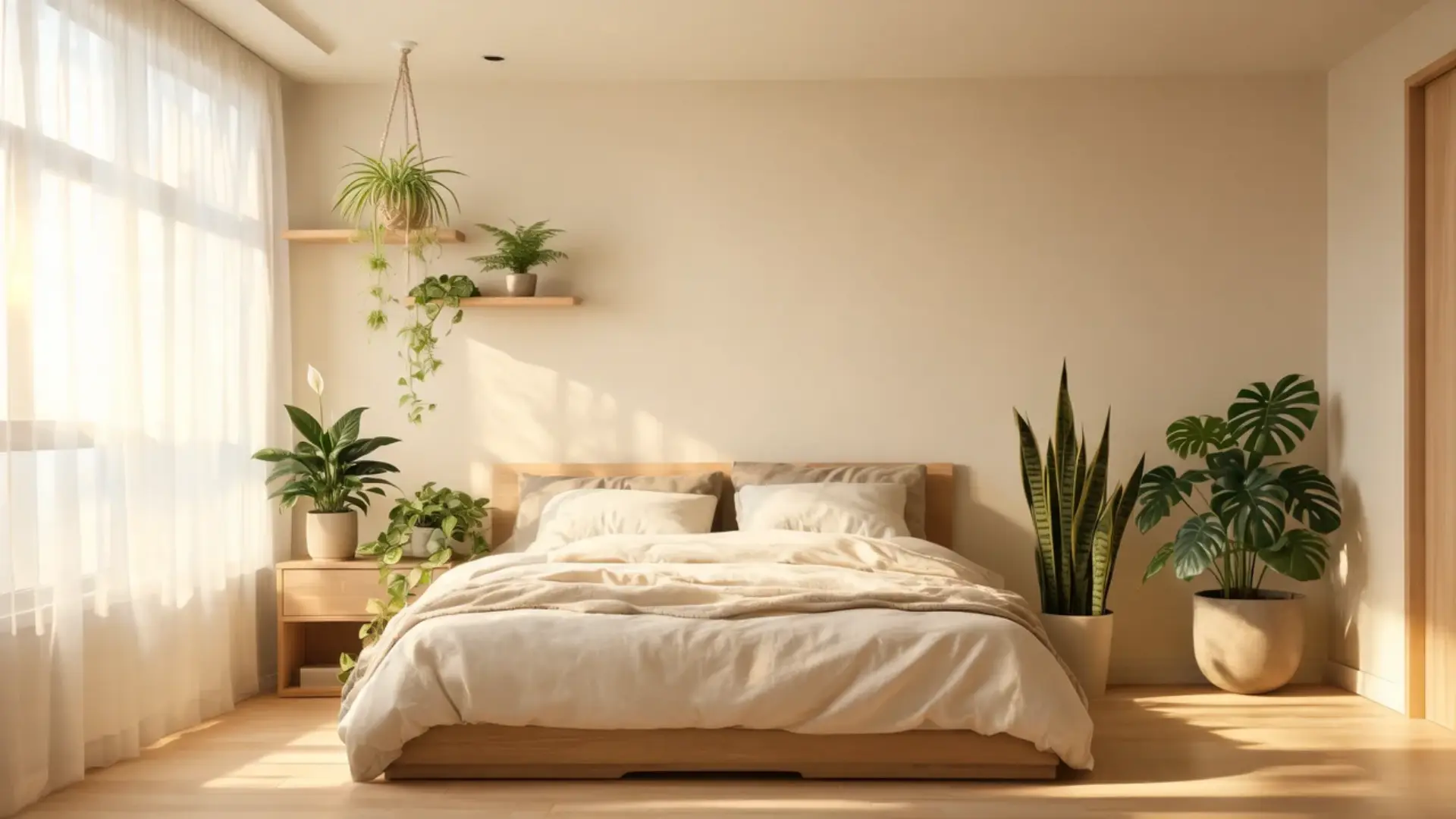
Low-light hanging plants have become the holy grail for anyone trying to bring life into those dim corners and shadowy spaces that seem impossible to decorate.
You know the ones: that hallway with zero natural light, the cozy reading nook that never sees direct sun, or the bathroom where you’ve watched one too many plants slowly fade away.
The promise of lush, trailing greenery in these spots sounds almost too good to be true, and honestly, it often is.
Most plants marketed as low-light tolerant still need more brightness than you’d think, leaving you wondering why your pothos looks sad, or your ivy keeps dropping leaves.
What follows introduces you to hanging plants that actually thrive in genuinely low light conditions, tested in real apartments, offices, and dorms just like yours.
What “Low-Light” Really Means Indoors?
Before you start shopping, let’s clear up what low light actually means. It’s not the same as no light at all. Plants still need some natural brightness to survive, even if it’s just ambient light from a nearby window.
A low-light space typically sits several feet away from a window, receives indirect or filtered sunlight, or faces north where the sun never directly shines.
If you’re reading comfortably without turning on a lamp during the day, your plant can probably manage too.
The biggest misconception? Those “low-light” labels at nurseries often mean medium light in reality.
True low-light-tolerant plants are rarer than you think, which makes finding the right ones even more important for your darker rooms.
How We Chose These 23 Low-Light Hanging Plants?
Not every plant that survives low light deserves a spot on this list. We looked at varieties that consistently perform well in real homes, not just controlled greenhouse conditions.
- Proven performers in apartments, offices, and windowless bathrooms with actual low light exposure.
- Forgiving nature for those who forget to water or check in as often as they should.
- Natural trailing growth that creates that cascading, Pinterest-worthy look without much effort.
- Community favorites, repeatedly recommended in plant forums and groups for genuinely dim spaces.
These plants earned their place through real-world testing and countless testimonials from people dealing with the same lighting challenges you face.
Quick Care Basics for Low-Light Indoor Hanging Plants
Low-light plants have different needs than their sun-loving counterparts, and understanding these basics will help you avoid the most common mistakes that lead to struggling plants.
| Care Aspect | Low Light Adjustment | Why It Matters |
|---|---|---|
| Watering | Reduce frequency by 30-50% compared to bright light | Lower photosynthesis rate means reduced transpiration and water uptake |
| Fertilizing | Quarter strength NPK every 6-8 weeks max | Excess nutrients build up in soil when metabolism slows, causing salt accumulation and root burn. |
| Growth Rate | Expect 60-70% slower internodal spacing | Etiolation (leggy growth) is actually the plant stretching toward light, not vigorous growth |
| Rotation & Pruning | Quarter turns biweekly to prevent phototropism | Uneven light exposure causes one-sided growth that becomes permanent in woody stems |
Classic & Beginner-Friendly Low-Light Indoor Plants
These are the reliable workhorses that practically every plant lover starts with, and for good reason. They tolerate neglect, adapt to almost any indoor condition, and grow fast enough to keep you motivated.
1. Pothos
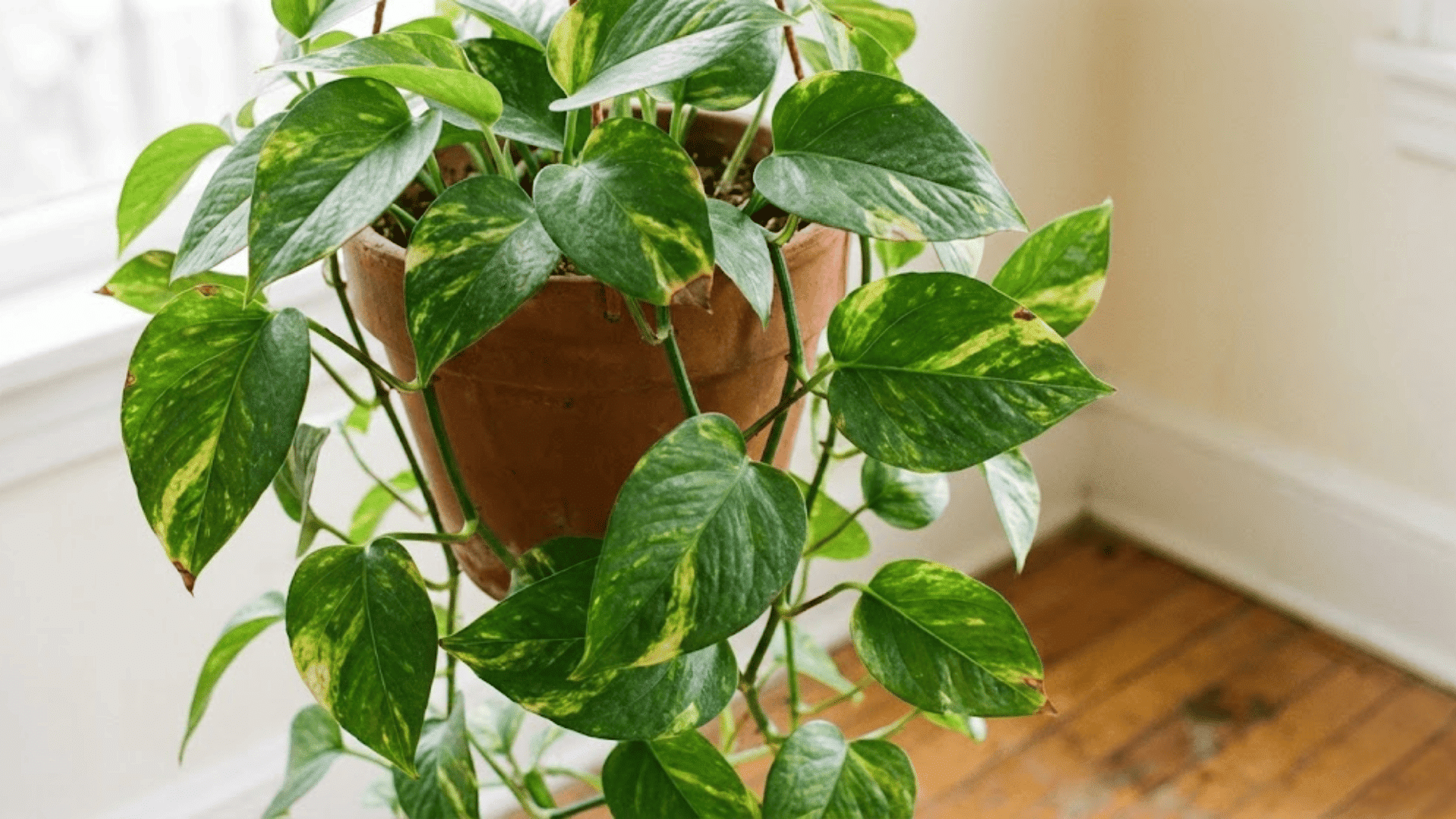
Light Tolerance: Bright indirect to dim corners
Growth Speed Expectations: Moderate to fast
The absolute champion of low-light hanging plants. Pothos handles everything you throw at it with trailing vines that can reach several feet long.
Golden pothos stays vibrant green in dim spaces, while Marble Queen and Jade varieties offer different aesthetics. The plant actually signals when it needs water by drooping slightly, making it nearly impossible to kill.
Perfect for beginners who want instant gratification without fussy requirements or complicated care schedules.
2. Heartleaf Philodendron
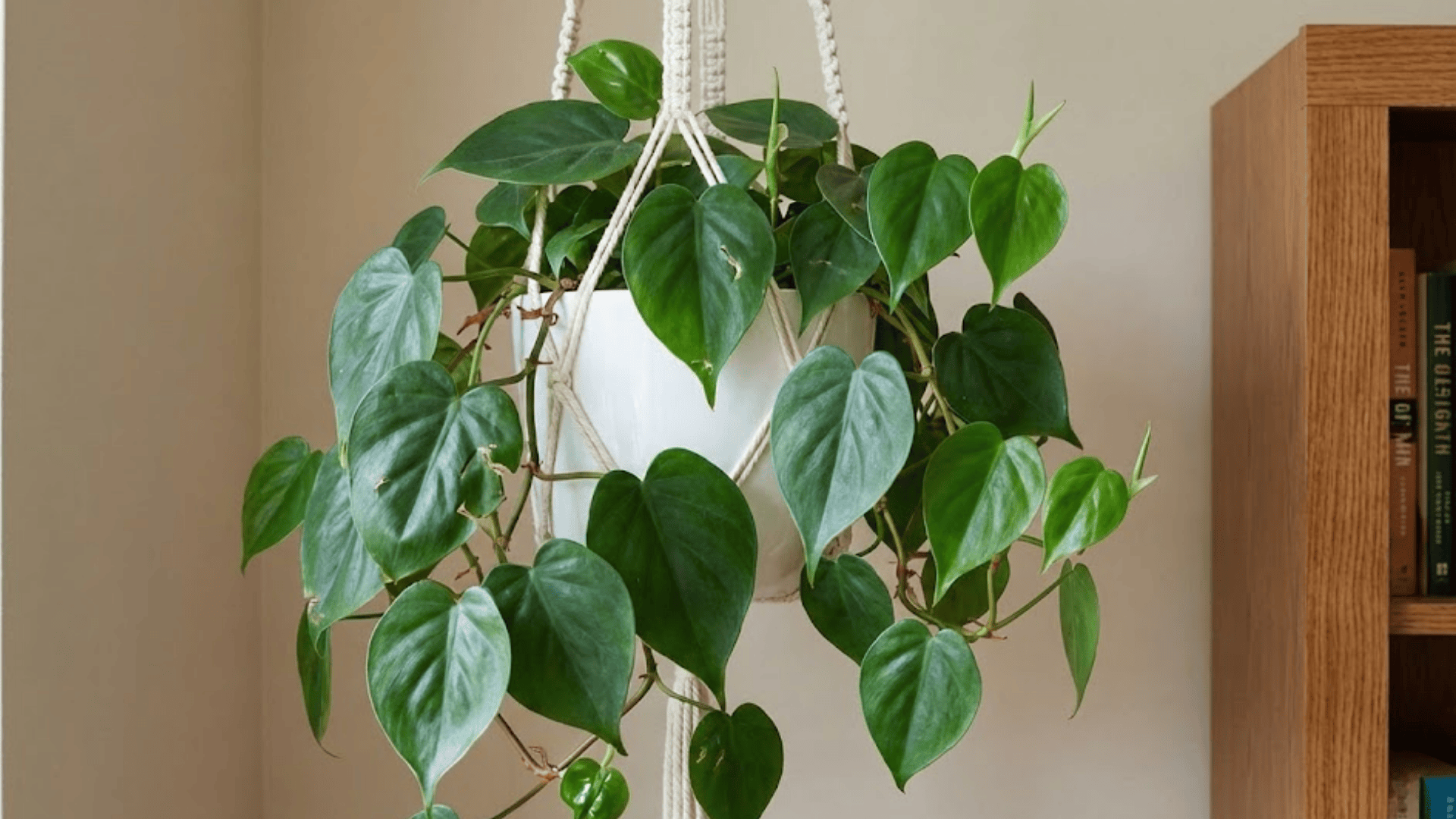
Light Tolerance: Low to medium light
Growth Speed Expectations: Steady, slower in shade
Often confused with pothos, heartleaf philodendron has glossier, more heart-shaped leaves and similarly easygoing care requirements.
The vines cascade beautifully from macrame hangers or high shelves, creating that jungle vibe everyone craves. It tolerates irregular watering better than most plants and actually prefers to dry out between drinks.
The main difference from pothos is the slightly more refined leaf shape and tendency toward woodier stems as it matures, giving it a more structured appearance over time.
3. Satin Pothos
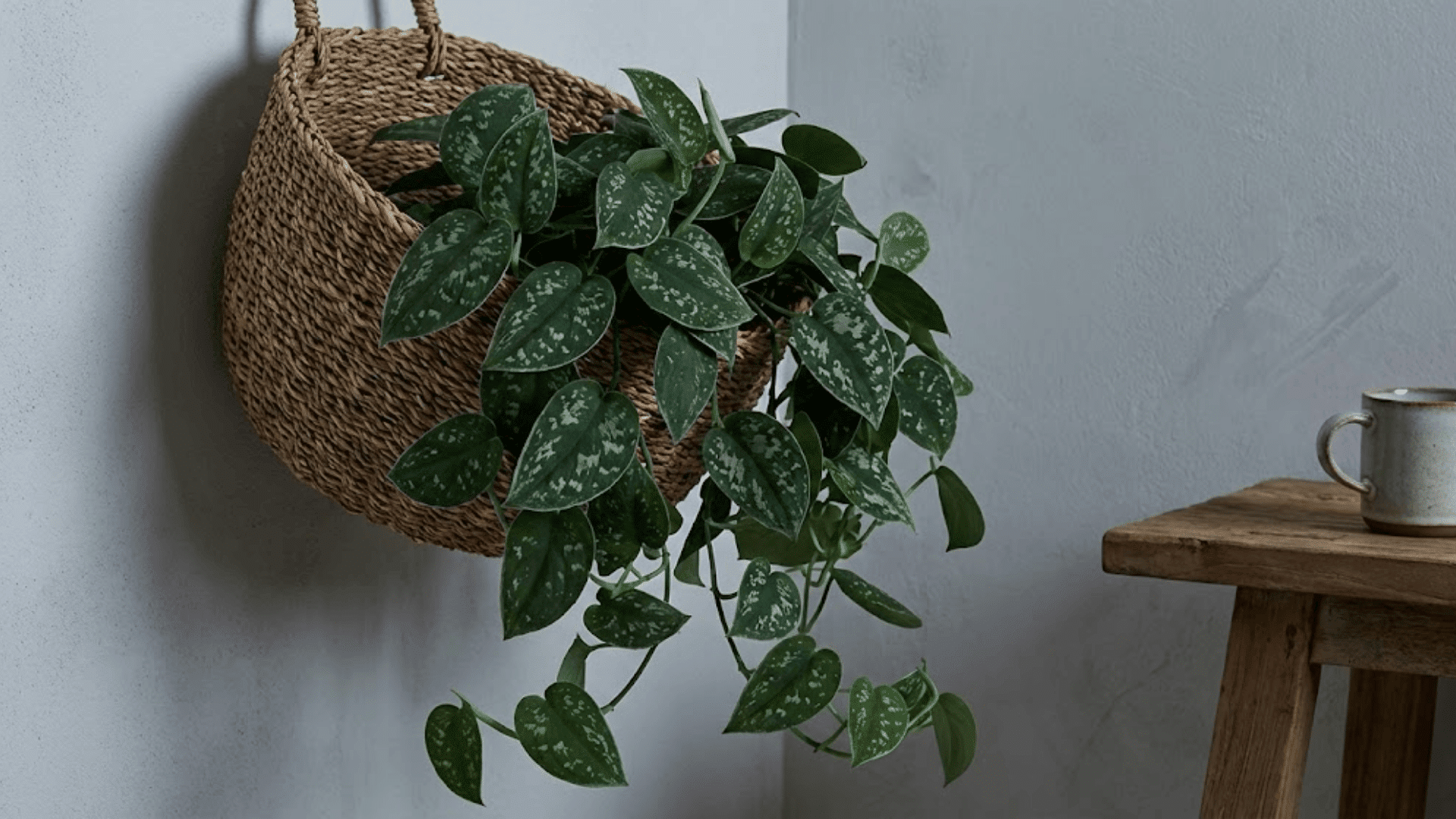
Light Tolerance: Low-light tolerance
Growth Speed Expectations: Slower than regular pothos
Not a true pothos despite the nickname, this stunning plant features velvety leaves with silver splashes that catch whatever light is available.
The growth habit is more compact and bushier than standard pothos, making it ideal for smaller hanging baskets. It’s pickier about overwatering than its cousins, so err on the dry side.
The silver markings won’t disappear completely in low light but may become less dramatic, though the plant remains healthy and attractive regardless of variegation intensity.
4. English Ivy
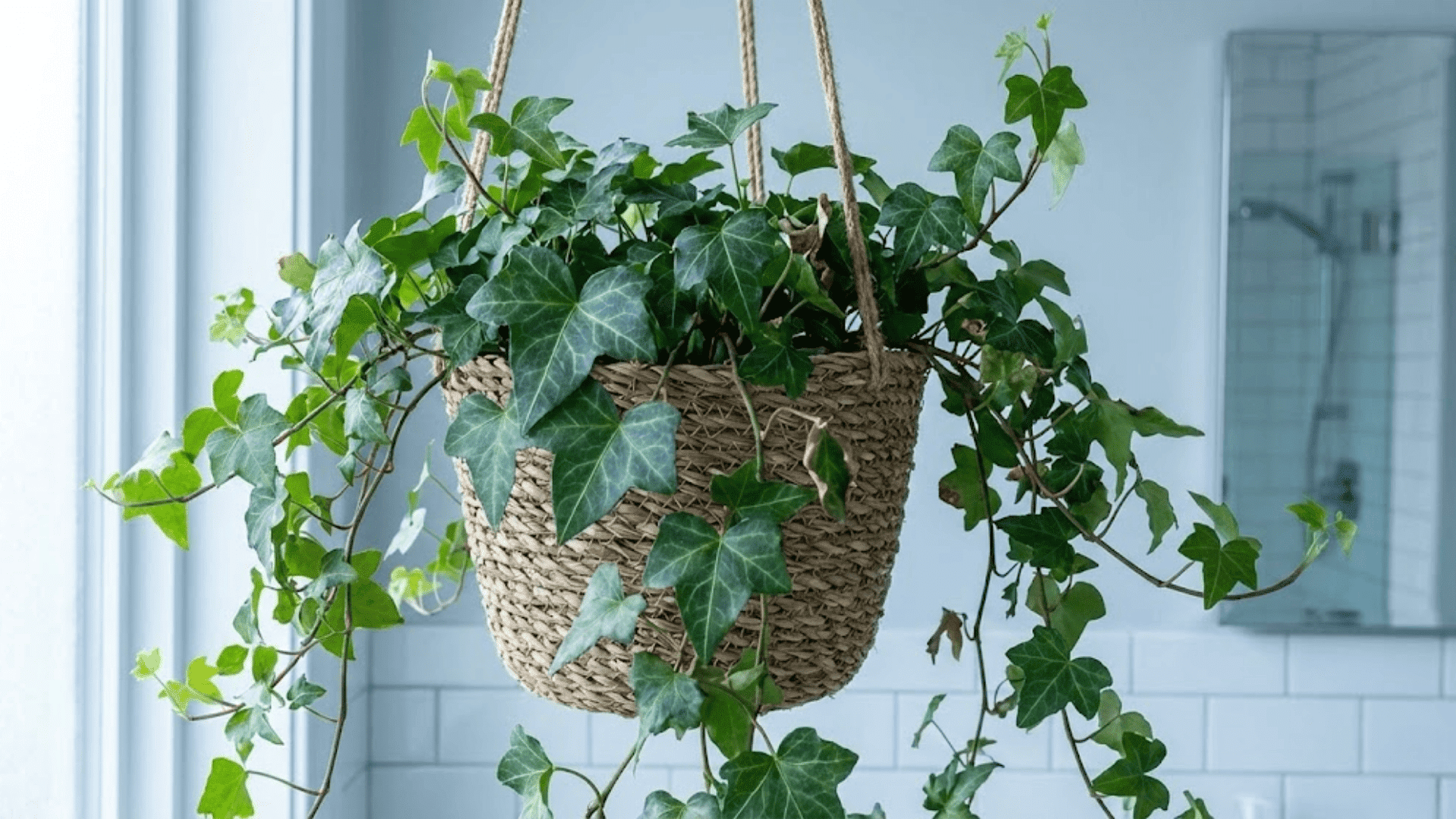
Light Tolerance: Shade-tolerant, prefers cool spots
Growth Speed Expectations: Moderate, faster when cool
This classic trailing plant brings cottage garden charm indoors with delicate, lobed leaves on cascading stems.
English ivy actually struggles in hot, dry conditions, making it perfect for cooler, low-light spaces like basements or north-facing bathrooms. It prefers higher humidity, thriving where many tropical plants would sulk.
Watch for spider mites in dry indoor air and rinse leaves occasionally. The many cultivars offer different leaf shapes and sizes, from tiny needlepoint varieties to larger Persian ivy.
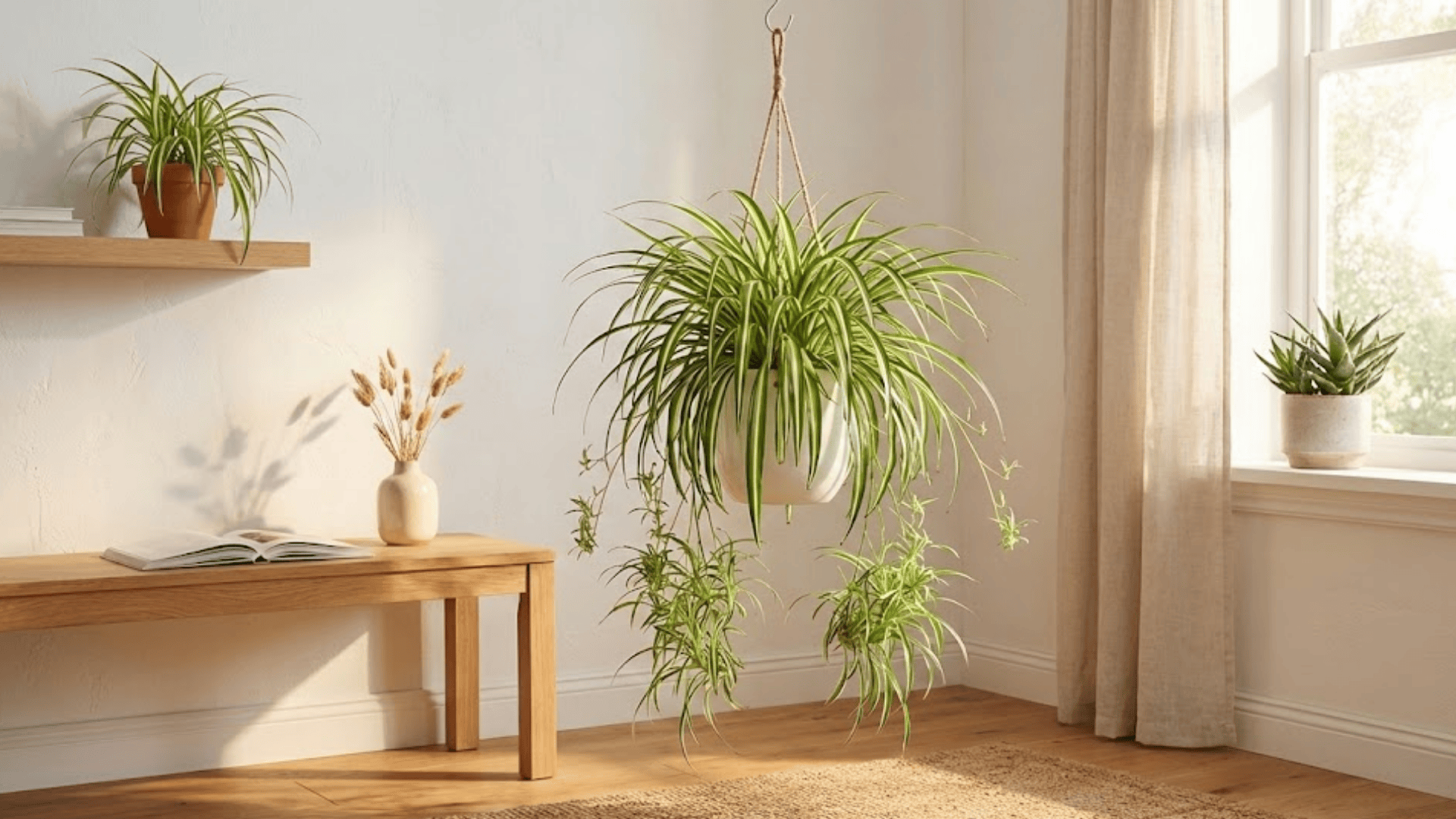
5. Spider Plant
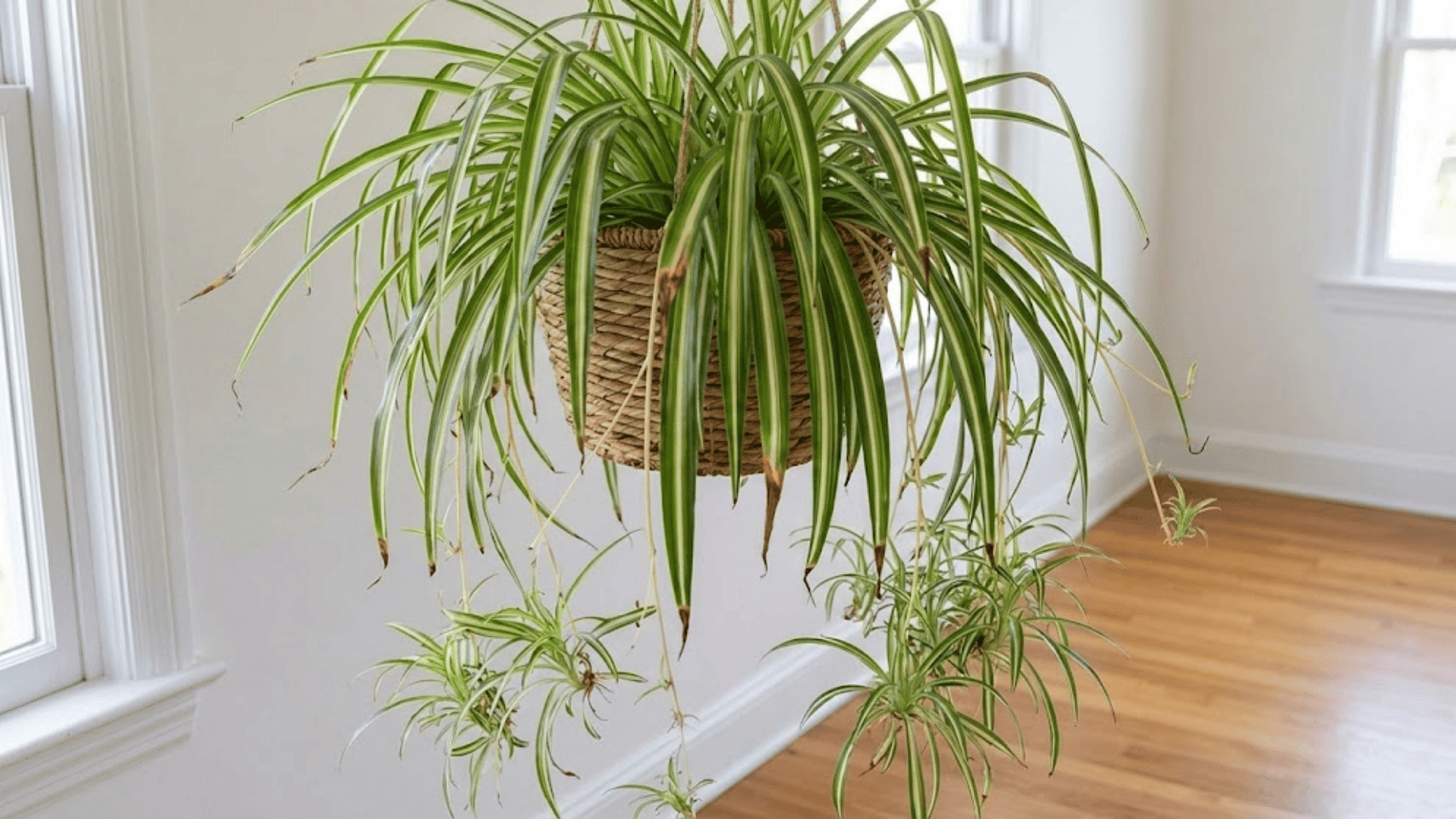
Light Tolerance: Bright to low light
Growth Speed Expectations: Fast, slower in shade
The quintessential hanging plant with arching leaves and dangling baby plantlets that root easily for propagation.
Spider plants are nearly indestructible, tolerating irregular watering, temperature fluctuations, and poor soil without complaint. The cascading babies create a living curtain effect that’s both quirky and charming.
They prefer to be slightly rootbound, so don’t rush to repot. Brown leaf tips usually indicate chlorine or fluoride in tap water rather than care mistakes, easily solved by using filtered or distilled water for sensitive varieties.
Hardy, Forget-Proof Low-Light Indoor Hanging Plant Options
For those who travel frequently, work long hours, or simply forget plants exist for weeks at a time, these varieties forgive almost anything.
6. ZZ Plant
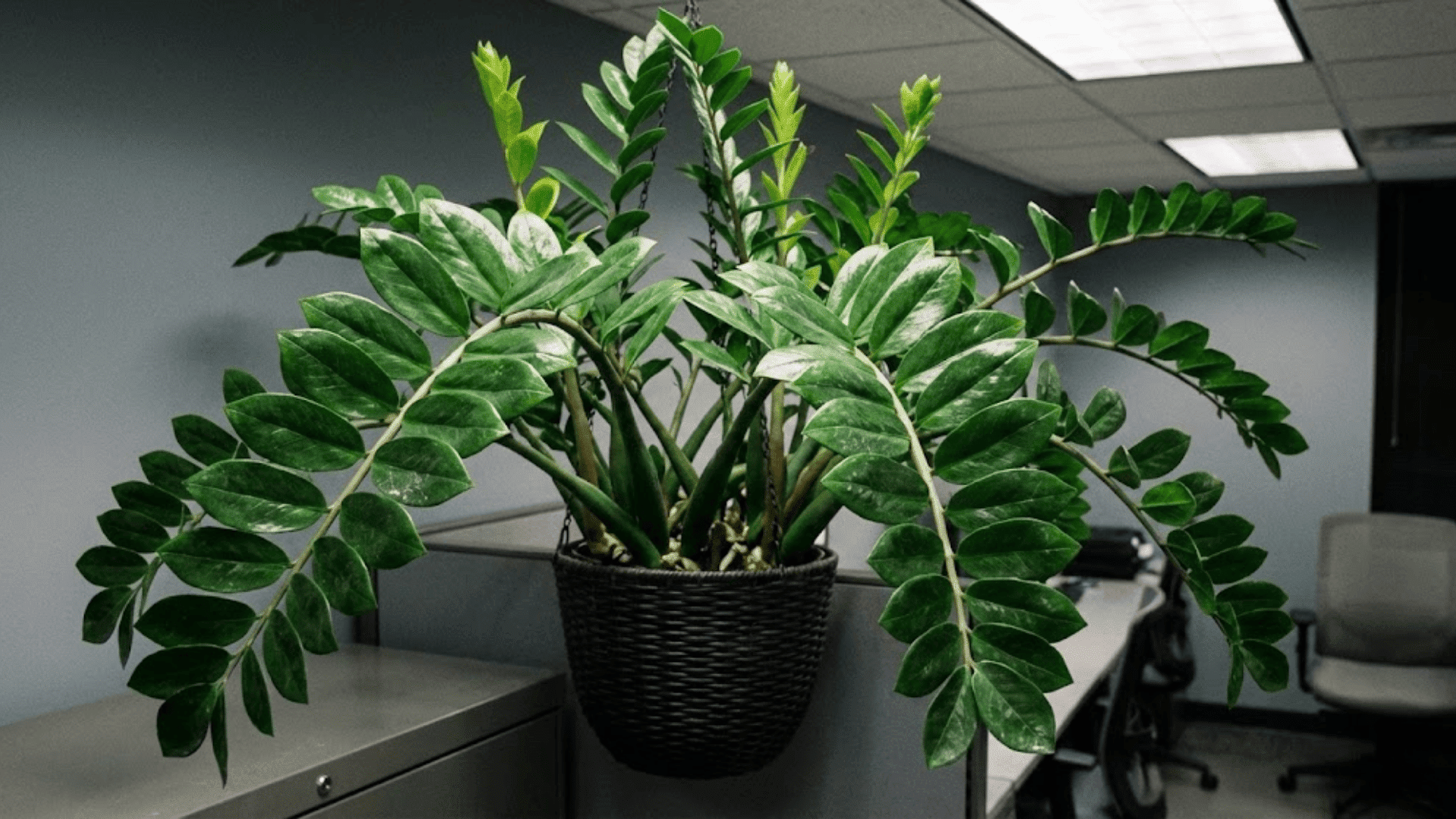
Light Tolerance: Fluorescent to dim corners
Growth Speed Expectations: Extremely slow
While typically grown upright, the ZZ plant works beautifully in hanging baskets where the arching fronds cascade naturally. The thick, waxy leaves store water like a succulent, making it drought-tolerant for weeks.
It grows from underground rhizomes that hold moisture reserves, explaining why overwatering kills it faster than neglect. The glossy foliage looks almost artificial in its perfection.
New growth emerges bright lime green before darkening, adding visual interest. Genuinely thrives on neglect and low light better than nearly any other houseplant.
7. Cast Iron Plant
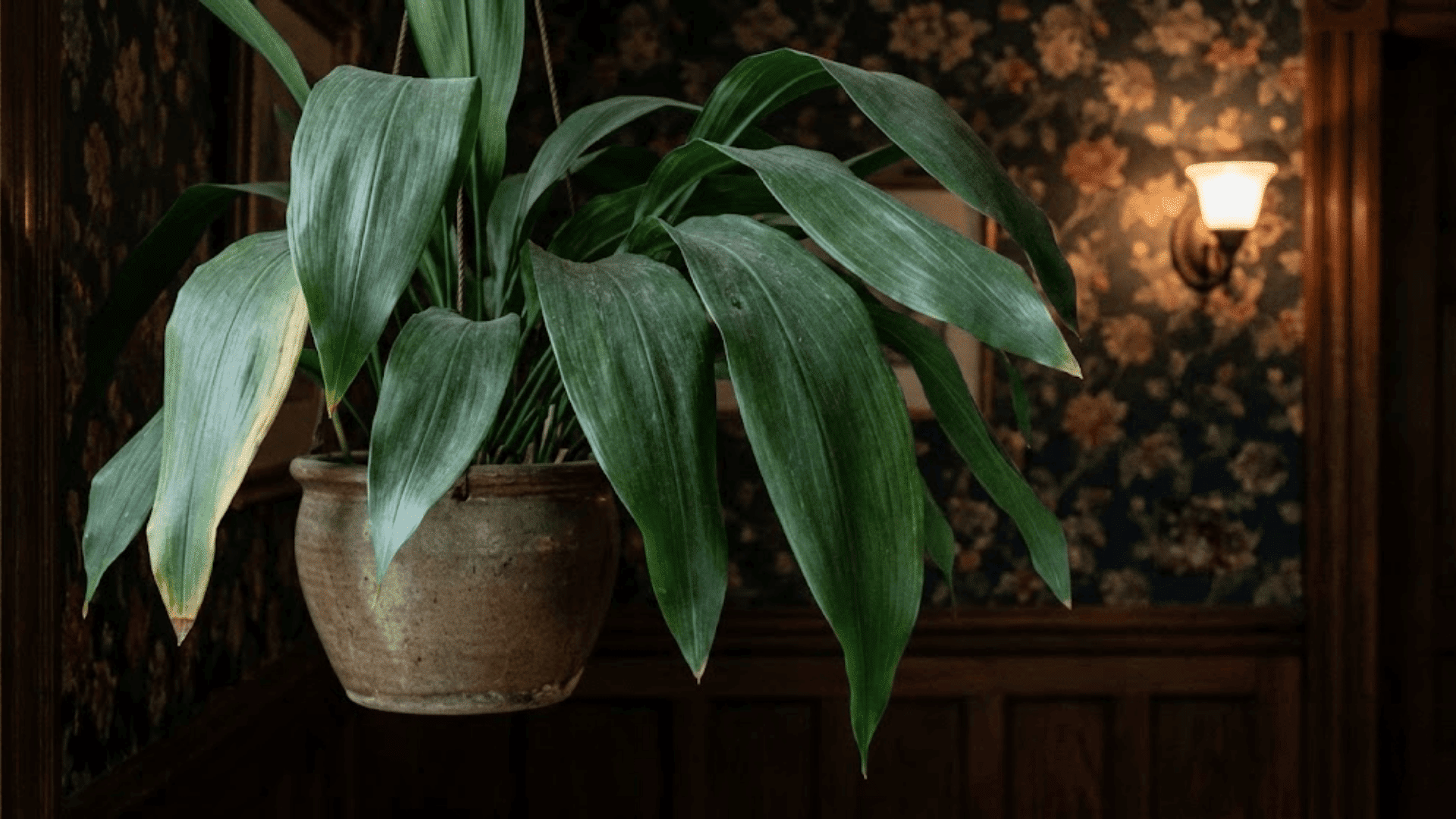
Light Tolerance: Near-total darkness tolerant
Growth Speed Expectations: Glacially slow
This Victorian-era favorite earned its name by surviving gas lamp fumes and neglect in dimly lit parlors. The broad, strappy leaves arch gracefully from the base, creating a fountain effect in hanging baskets.
It tolerates temperature extremes, irregular watering, and poor soil quality without visible stress. Variegated varieties exist but are harder to find and slightly less tolerant.
The main challenge is patience since growth happens so slowly, you’ll question whether it’s alive, but that same slow metabolism makes it incredibly forgiving of care mistakes.
8. Peperomia Hope
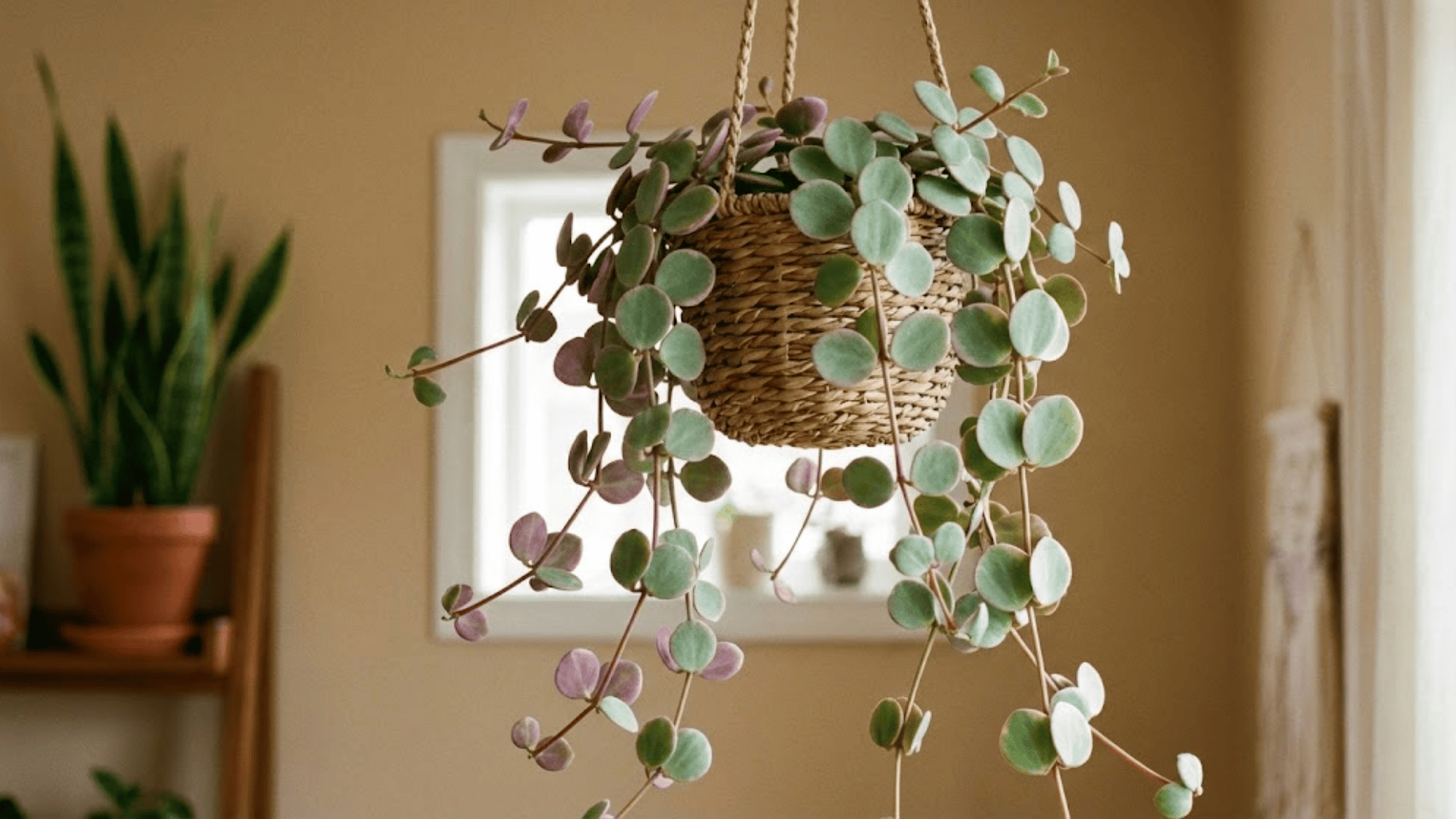
Light Tolerance: Medium to low light
Growth Speed Expectations: Moderate trailing growth
This compact trailing peperomia features round, succulent-like leaves on delicate reddish stems that trail beautifully without becoming unruly.
The semi-succulent leaves store water, making it more drought-tolerant than most peperomias. It stays relatively compact compared to pothos or philodendron, perfect for smaller spaces or closer hanging placements.
Overwatering causes more problems than underwatering, so let it dry out thoroughly between waterings. The plant occasionally produces thin flower spikes resembling tiny rat tails, adding quirky charm to an already charming plant.
9. Tradescantia Zebrina
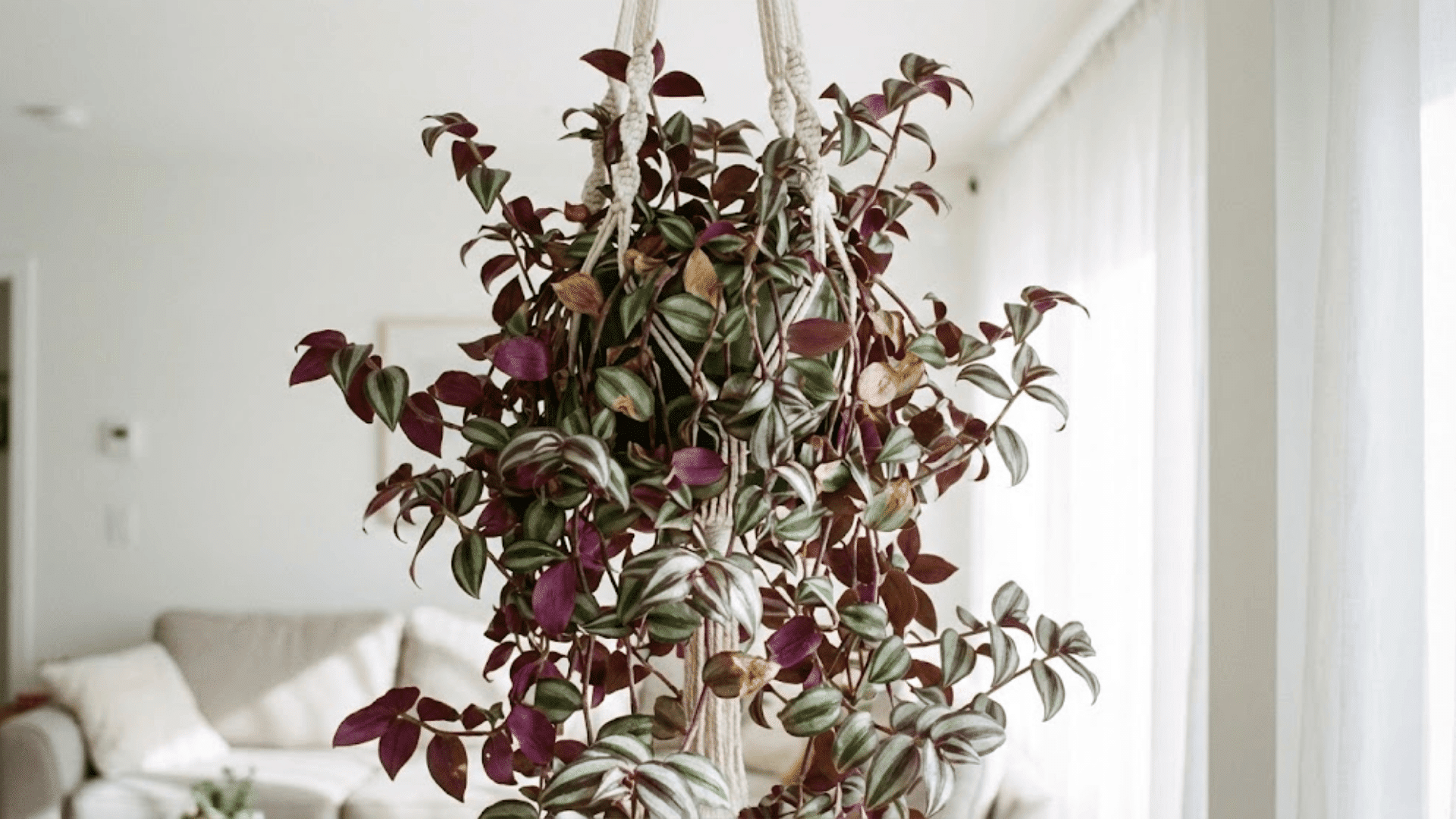
Light Tolerance: Low to medium light
Growth Speed Expectations: Fast, even in shade
Also called inch plant or wandering jew, this vigorous trailer features stunning purple undersides and silver-striped leaves that create a shimmering effect.
It grows almost aggressively, quickly filling out hanging baskets with cascading stems. Pinch back regularly to encourage bushiness and prevent legginess.
The plant roots easily from cuttings placed directly in water or soil, making propagation effortless. While colors fade slightly in low light, the plant remains healthy, and the purple tones persist enough to stay attractive and eye-catching.
10. Arrowhead Plant
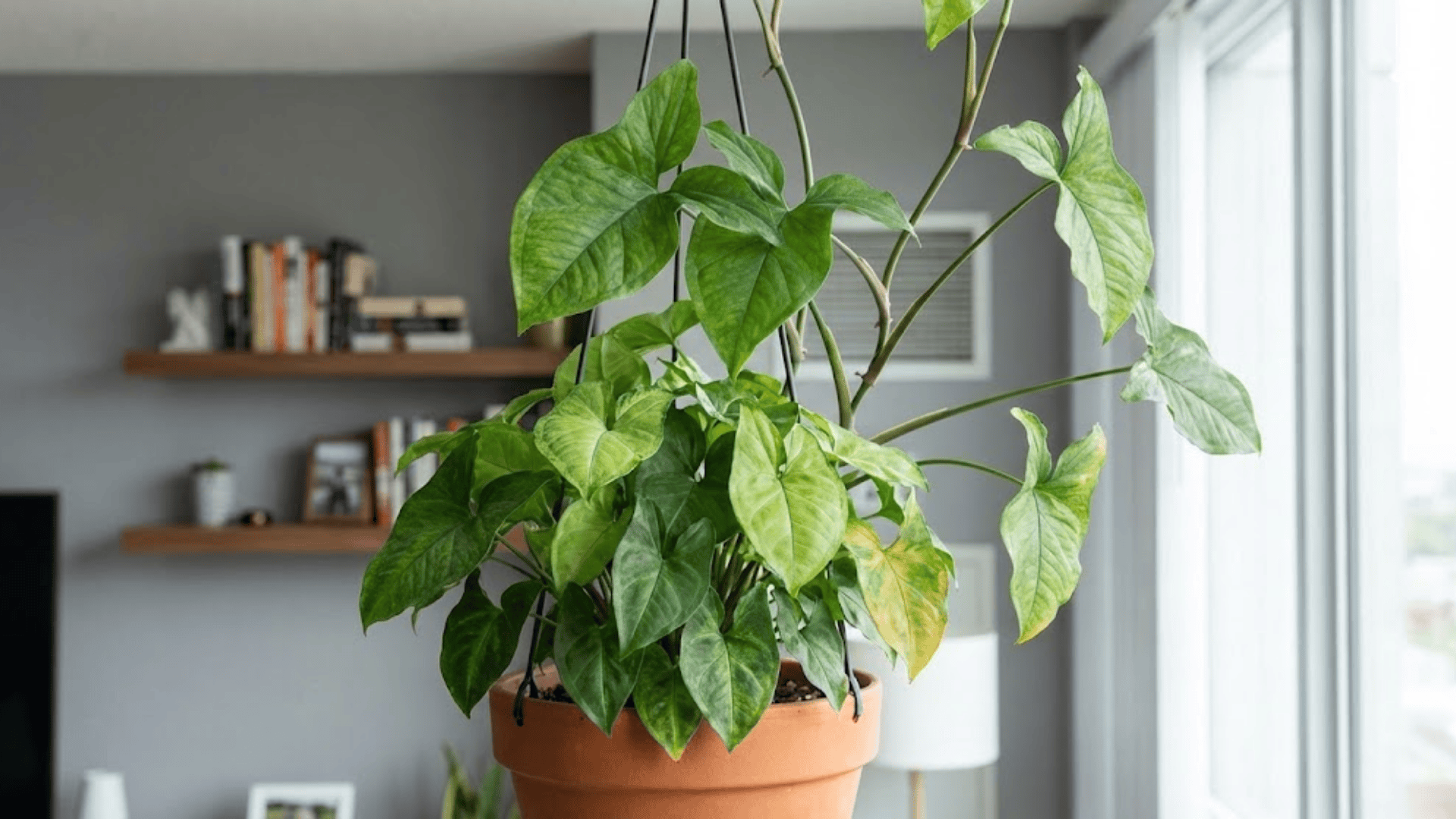
Light Tolerance: Low to medium light
Growth Speed Expectations: Moderate, transitions to vining
This shape-shifter starts as a compact mound of arrow-shaped leaves before developing climbing tendencies and longer vines.
In hanging baskets, it creates a graceful trailing effect with leaves that change from tight arrows to more lobed shapes as they mature.
Multiple varieties offer different colorations from pure white to pink to burgundy, though darker green types tolerate the lowest light best. Keep it bushy by trimming vining growth or let it cascade naturally for a wilder look.
Trailing Plants That Handle Shade
These plants bring more visual interest with unique leaf shapes and textures while still tolerating genuinely low light conditions.
11. Monstera Adansonii
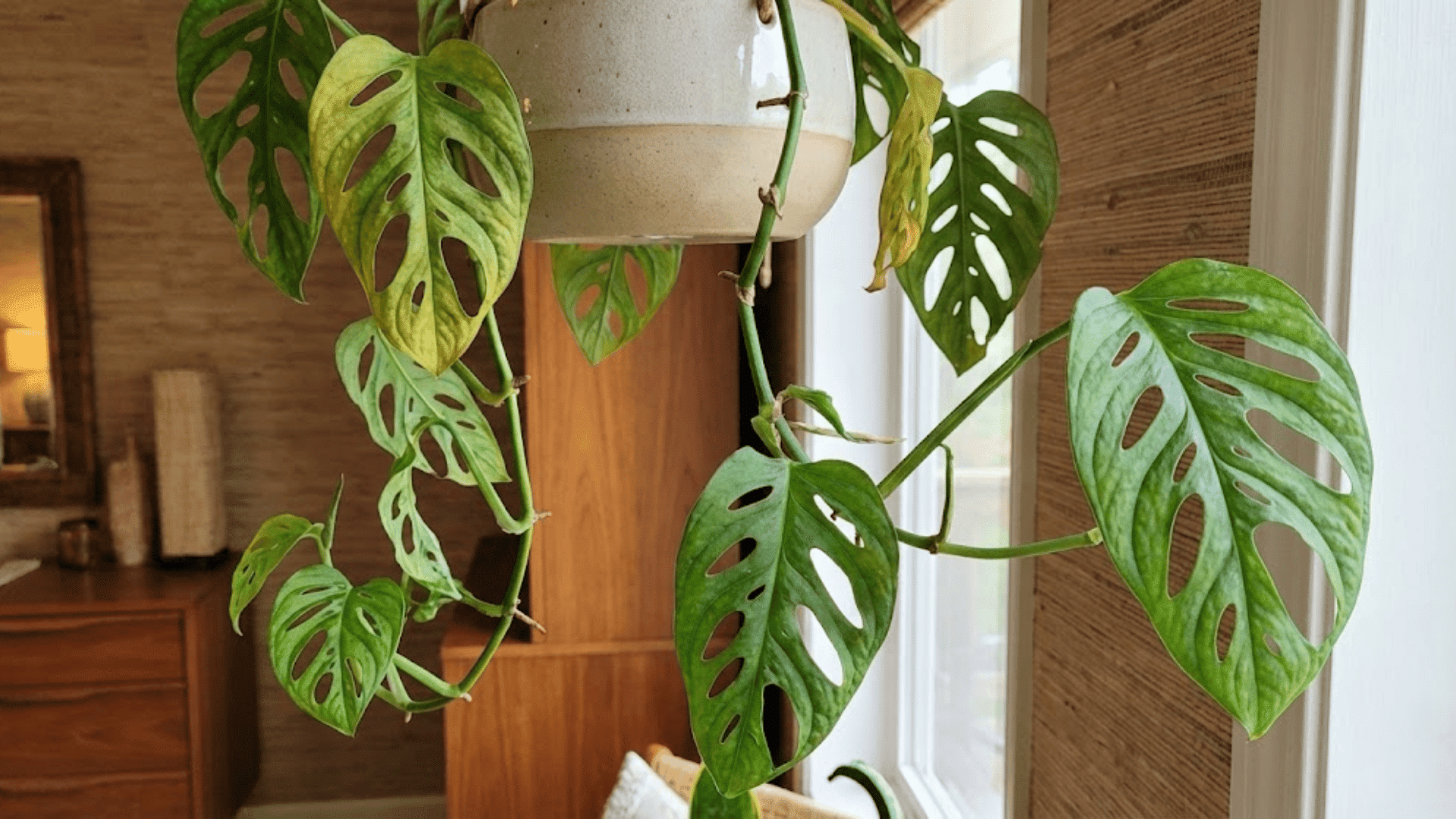
Light Tolerance: Medium-low adaptable
Growth Speed Expectations: Moderate to fast
The Swiss cheese vine brings instant tropical vibes with characteristic holes and splits in heart-shaped leaves.
While it prefers more light than true low-light plants, it adapts well to dimmer conditions with smaller leaves and fewer fenestrations. The vining growth can be trained up a moss pole or allowed to trail freely from hanging planters.
More drought-tolerant than its larger cousin, Monstera deliciosa. Watch for yellowing leaves, which usually indicate overwatering rather than light issues in low-light placements.
12. Philodendron Brasil
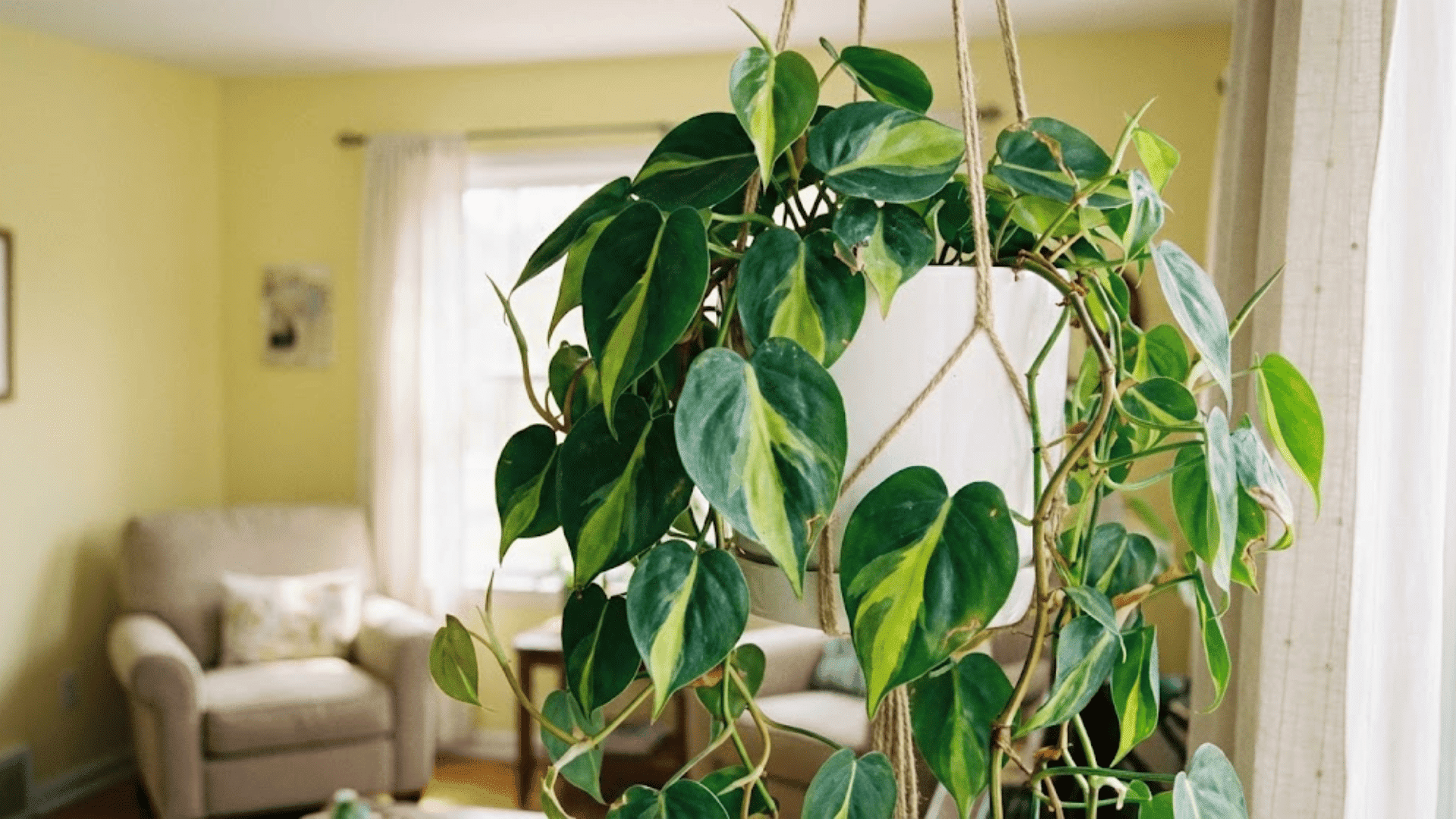
Light Tolerance: Low light tolerance
Growth Speed Expectations: Fast trailing growth
A sport of heartleaf philodendron with stunning yellow and lime green variegation splashed across dark green leaves.
Each leaf is unique, creating an ever-changing tapestry of color. It grows faster than many variegated plants and maintains decent coloring even in low light, though brighter conditions make the variegation pop more dramatically.
Extremely forgiving of irregular watering and adapts to various humidity levels without complaint. The cheerful coloring brightens dim corners better than solid green varieties while requiring identical easy care.
13. Philodendron Micans
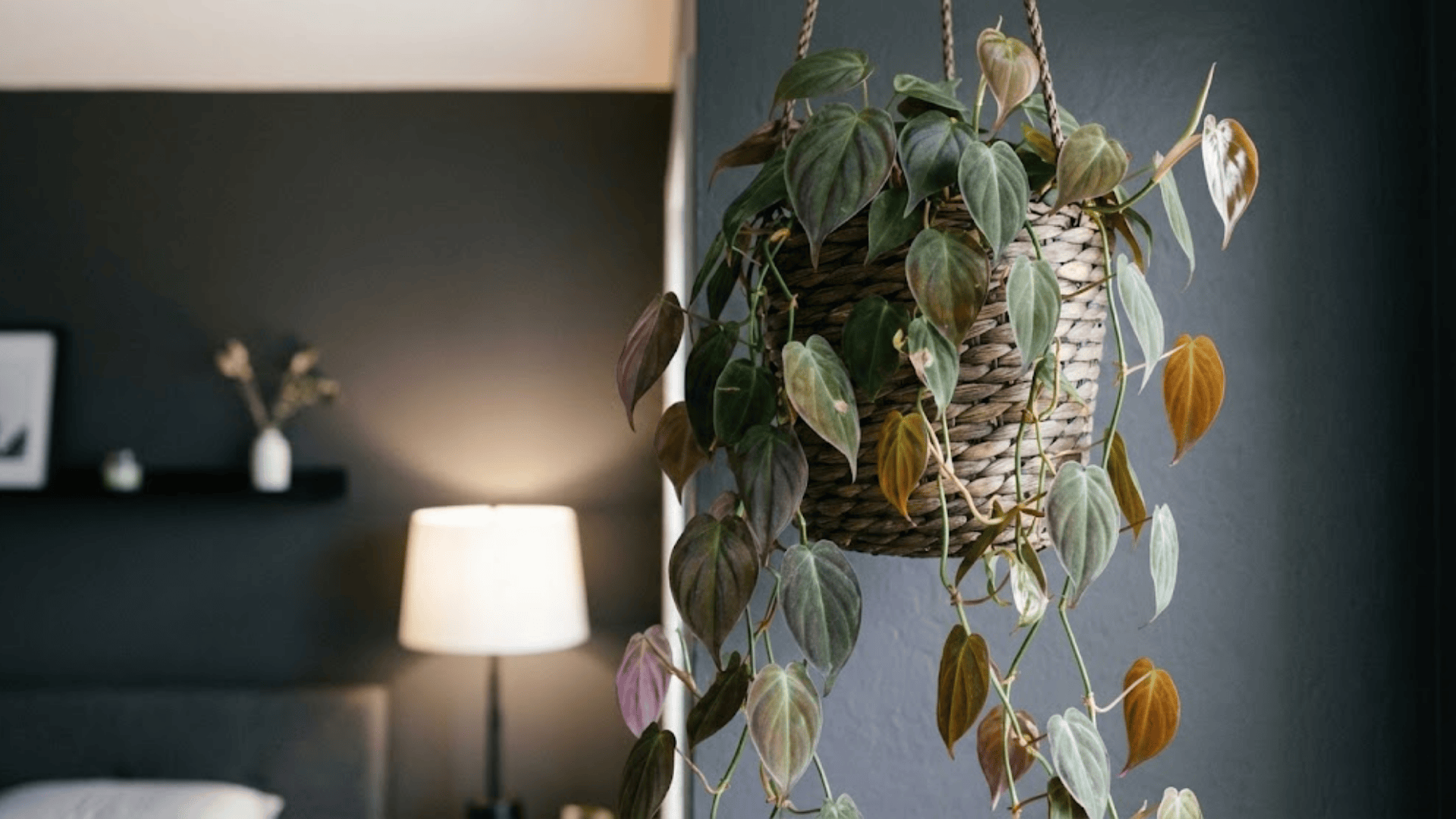
Light Tolerance: Low to medium light
Growth Speed Expectations: Moderate trailing
This underrated philodendron features small, heart-shaped leaves with velvety texture and an iridescent quality that shifts from bronze to deep green depending on the light angle.
New growth emerges in stunning coppery tones before darkening. The compact leaf size creates a delicate, refined appearance compared to bolder philodendrons.
The subtle color variations and soft texture make it feel more sophisticated than typical trailing plants while maintaining similar bulletproof care requirements.
14. Creeping Fig
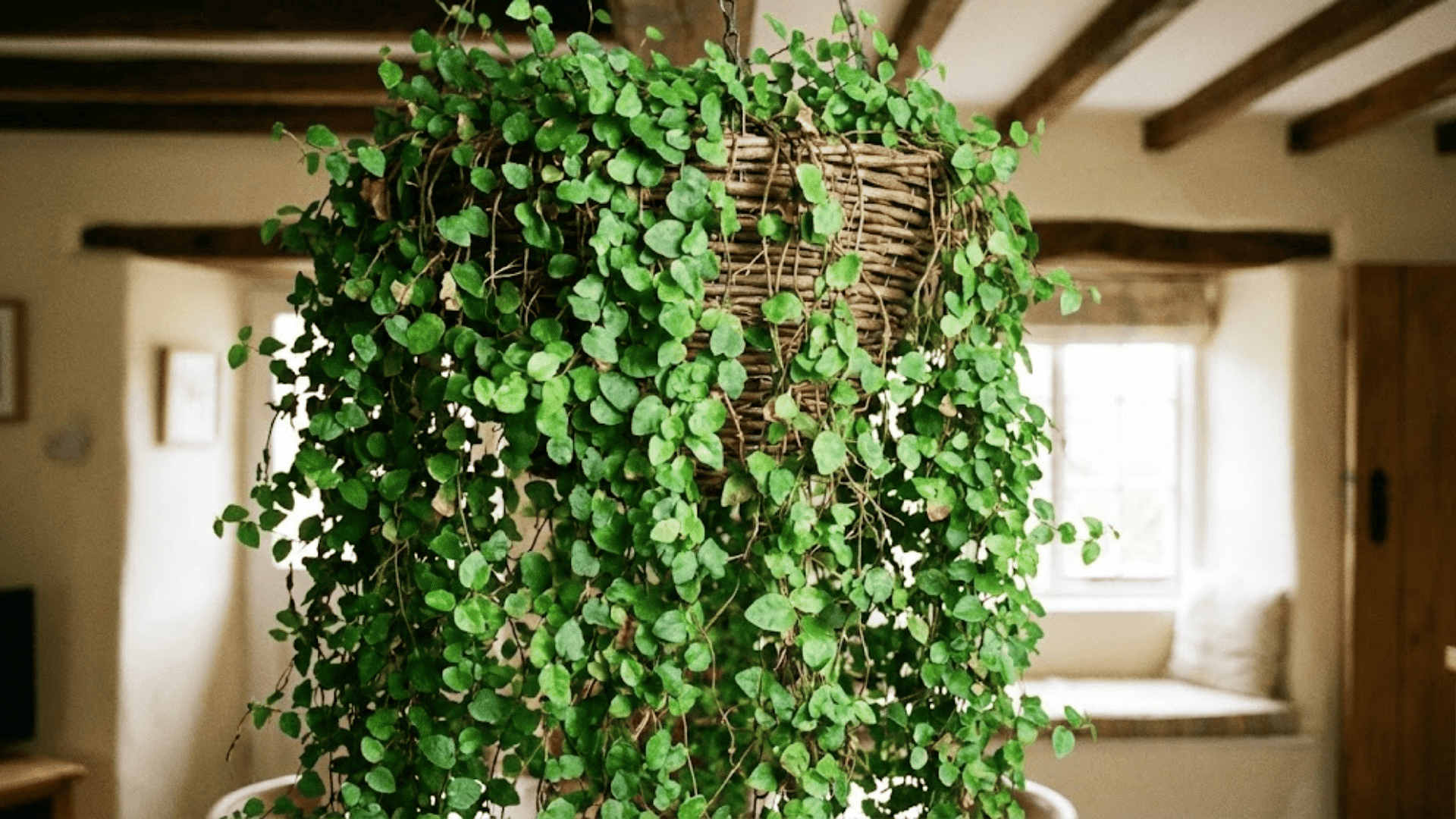
Light Tolerance: Shade-preferring
Growth Speed Expectations: Fast and vigorous
Tiny heart-shaped leaves on thin, wiry stems create a delicate cascading effect unlike any other trailing plant. Creeping fig grows quickly and densely, forming a living curtain of miniature foliage.
It climbs naturally using aerial roots, so it can attach to nearby surfaces if allowed. Appreciates consistent moisture and higher humidity but adapts to average conditions. The fine texture contrasts beautifully with larger-leaved plants.
Prune regularly to prevent it from taking over, as the vigorous growth can surprise unsuspecting plant parents with its enthusiasm.
15. Lipstick Plant
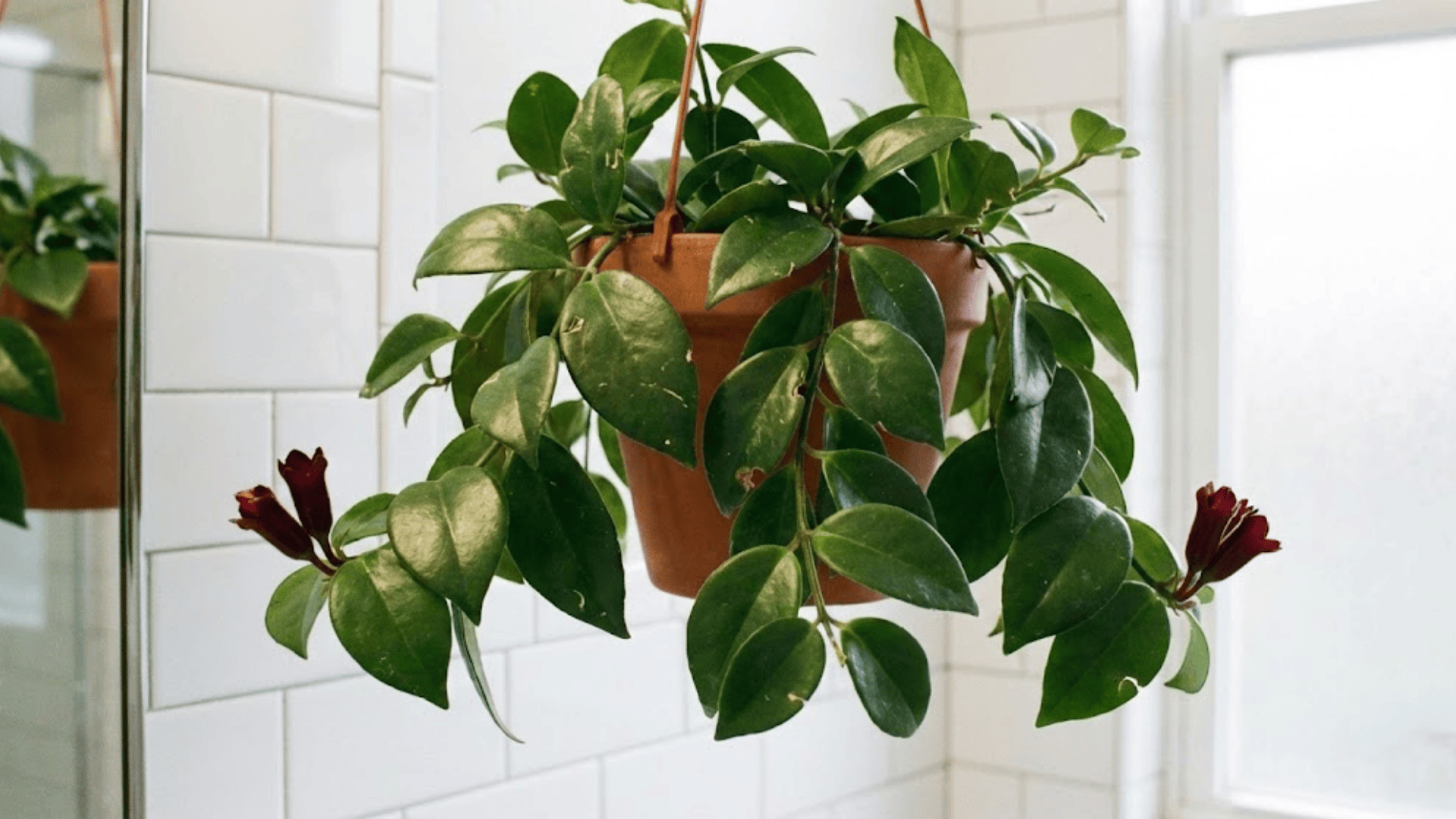
Light Tolerance: Low light tolerance
Growth Speed Expectations: Moderate growth
Waxy, succulent-like leaves on cascading stems give this plant ornamental value even when not blooming. The tubular red flowers that emerge from dark burgundy buds resembling lipstick tubes are a bonus in brighter conditions.
It tolerates lower light better than most flowering plants, though blooms become occasional rather than frequent. The thick leaves indicate some drought tolerance, making it forgiving of missed waterings.
A slightly quirky alternative to standard trailing plants that adds textural interest with the possibility of surprising flower displays.
Unique & Underrated Low Light Picks
These less common options bring something different to your plant collection while still tolerating the shade that stumps most houseplants.
16. Rhipsalis (Mistletoe Cactus)
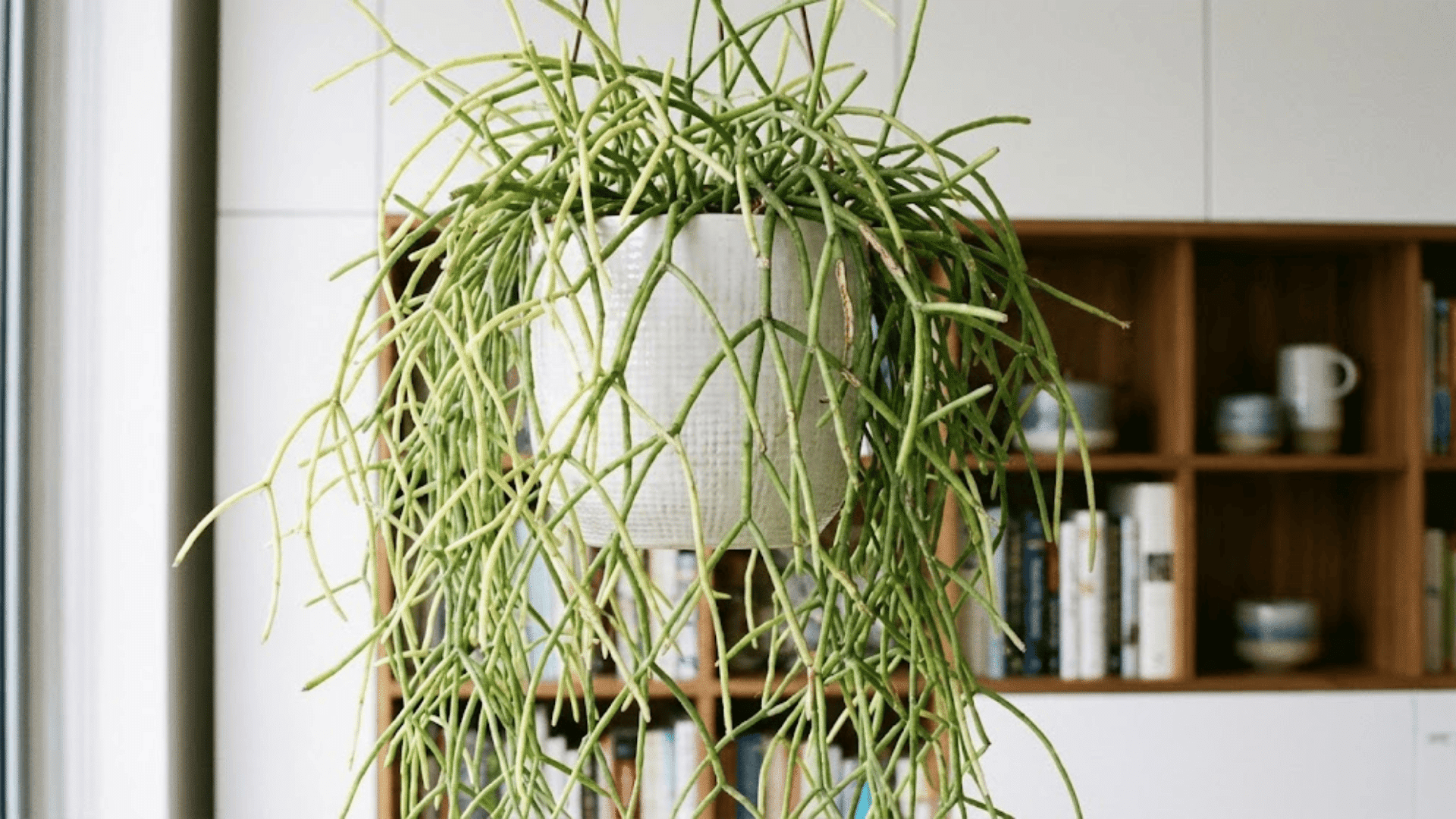
Light Tolerance: Shade-preferring cactus
Growth Speed Expectations: Slow to moderate
This epiphytic cactus breaks all the rules by thriving in shade and humidity rather than desert conditions. Thin, cylindrical stems cascade in tangled masses that look nothing like typical cacti.
It’s practically spineless and prefers consistent moisture, unlike its drought-loving relatives. The unusual texture adds architectural interest while staying manageable in size.
Occasionally produces tiny white flowers followed by mistletoe-like berries. Perfect for proving that not all cacti demand blazing sun, making it ideal for plant collectors wanting something genuinely different.
17. Fishbone Cactus
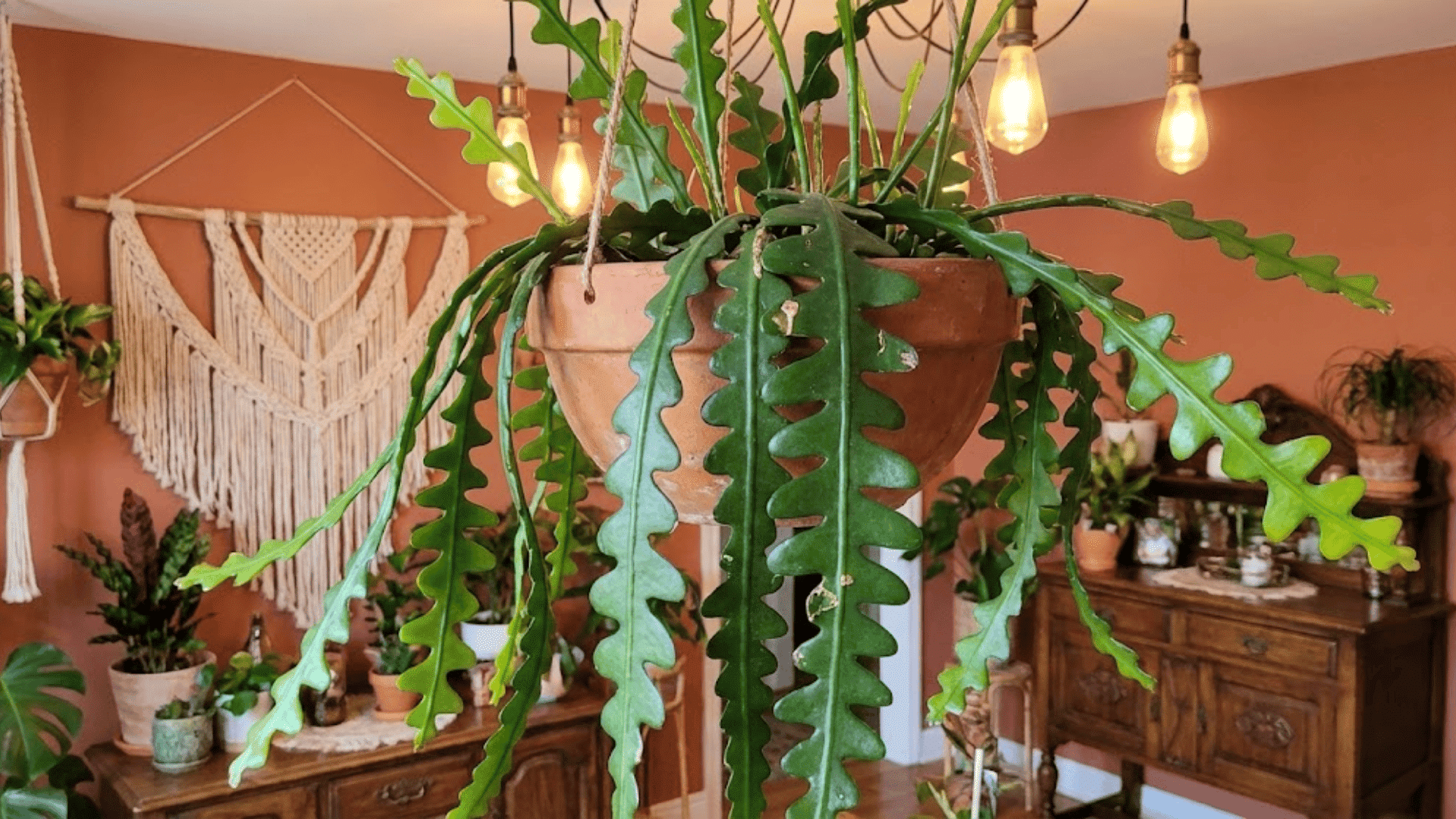
Light Tolerance: Filtered light, shade-tolerant
Growth Speed Expectations: Moderate zigzag growth
The flat, zigzagging stems create a bold architectural statement completely unlike standard trailing plants.
Also called ric rac cactus for the distinctive serrated edges that resemble rickrack trim. It blooms spectacularly at night with large, fragrant flowers in bright conditions, but remains attractive in low light based purely on foliage form.
Prefers to dry out between waterings despite being humidity-tolerant. The sculptural quality makes it a conversation starter that looks intentionally chosen rather than a generic greenery filler.
18. Hoya
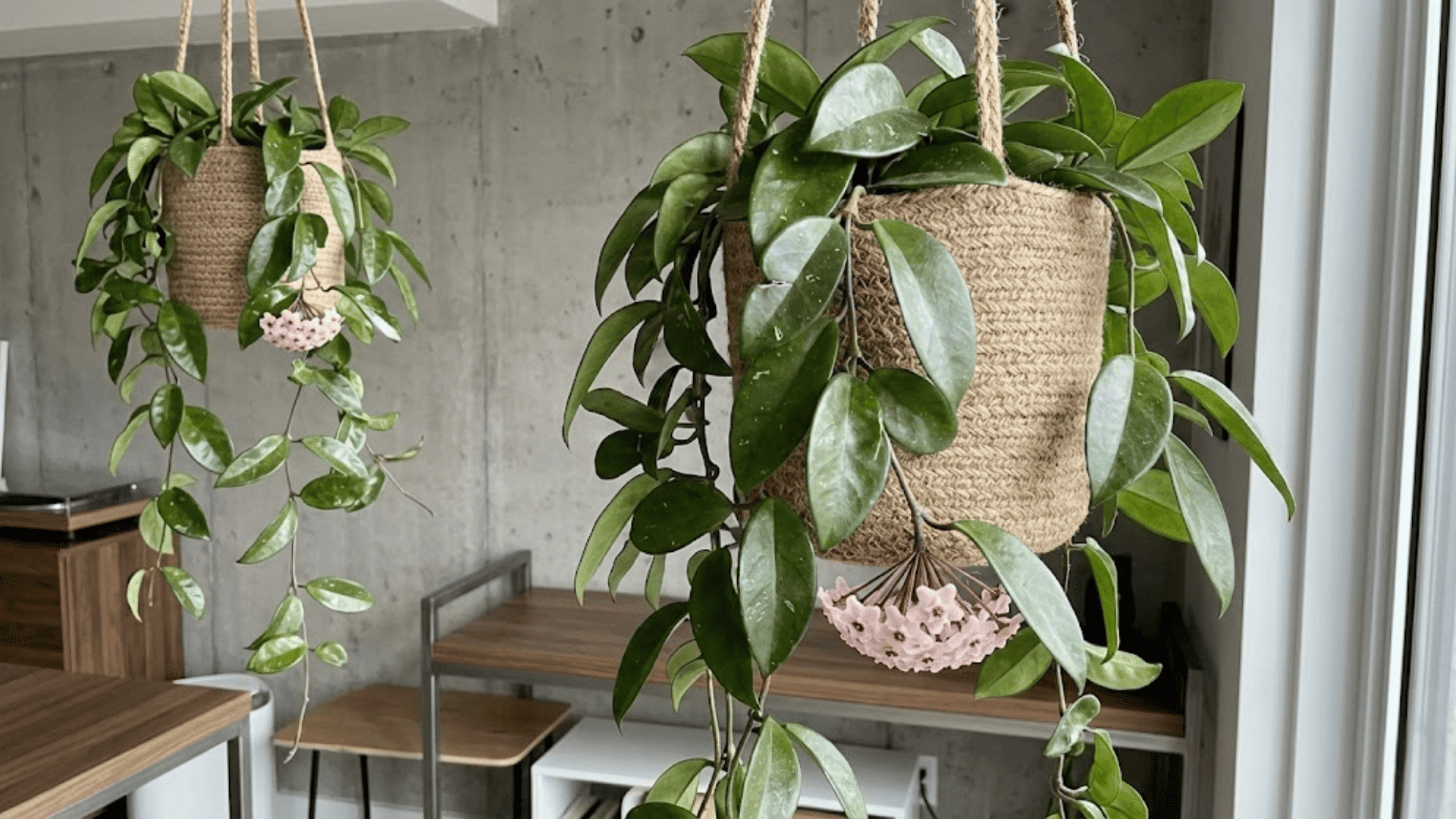
Light Tolerance: Certain species tolerate low
Growth Speed Expectations: Notoriously slow
These wax plants feature thick, succulent leaves on vining stems that grow frustratingly slowly but live practically forever. The waxy coating on leaves gives them a sculptural, almost artificial quality.
While most hoyas prefer brighter light for blooming, shade-tolerant varieties maintain attractive foliage in lower light and may surprise you with fragrant flower clusters. Extremely drought-tolerant and prefers to be rootbound.
The slow growth actually becomes an advantage since they require minimal maintenance and pruning while looking polished for years.
19. Fern-Leaf Philodendron
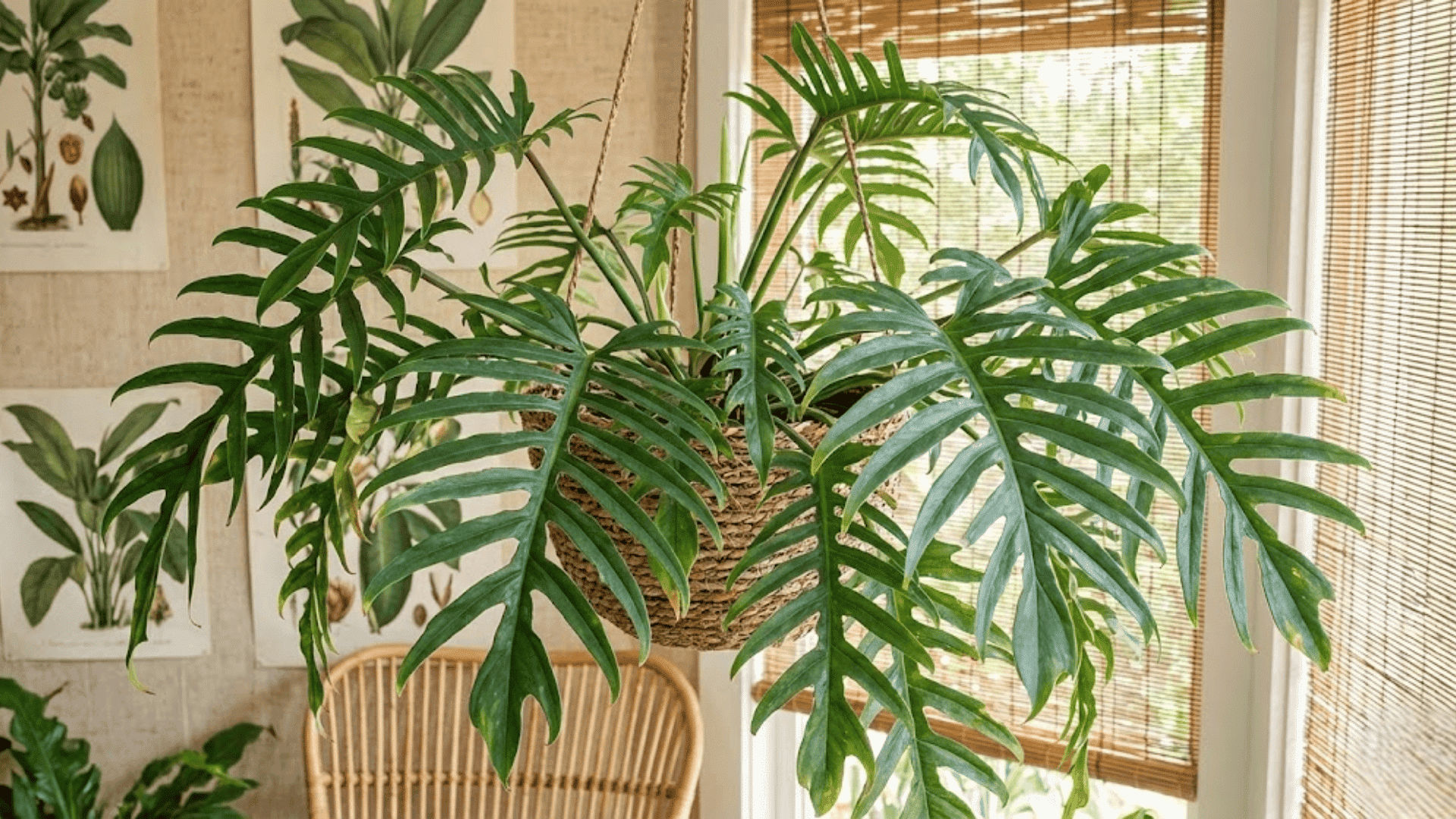
Light Tolerance: Low light adaptable
Growth Speed Expectations: Moderate growth
Also called tree philodendron or lacy tree philodendron, this variety features deeply cut, almost fern-like foliage that adds textural drama.
The lacy leaves create visual interest beyond typical heart-shaped philodendron varieties while maintaining the same easygoing care. It can be grown as a trailing plant or trained upward on a support.
Less common than standard philodendrons but equally tolerant of neglect and low light. The intricate leaf shape makes each plant feel more special without requiring any additional effort or expertise.
20. Wax Ivy
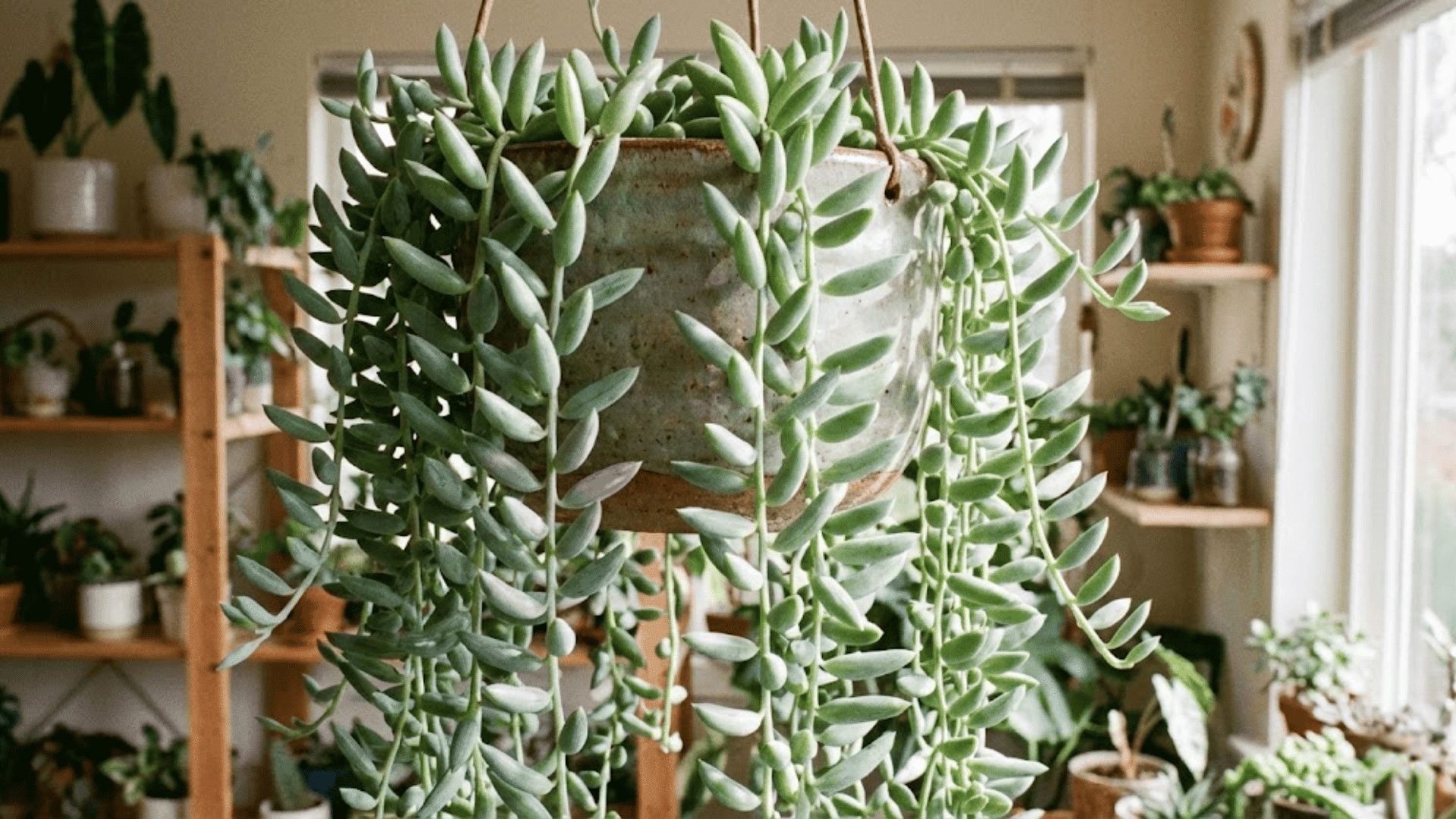
Light Tolerance: Genuinely low light
Growth Speed Expectations: Slow to moderate
Not a true ivy but a senecio with thick, waxy leaves shaped like tiny bananas strung along trailing stems. The unusual form and texture set it apart from typical trailing plants.
It’s more drought-tolerant than actual ivy thanks to succulent-like leaves that store moisture. The stems can grow several feet long, creating interesting textural contrast in mixed planters or solo hanging baskets.
Rarely available at big box stores, making it a prize for plant collectors seeking something genuinely unusual that still tolerates beginner mistakes.
Compact & Apartment-Friendly, Low-Light Indoor Plants
Smaller trailing plants that won’t overwhelm tight spaces or crowd already cluttered rooms while still delivering that cascading plant aesthetic.
21. Baby Rubber Plant
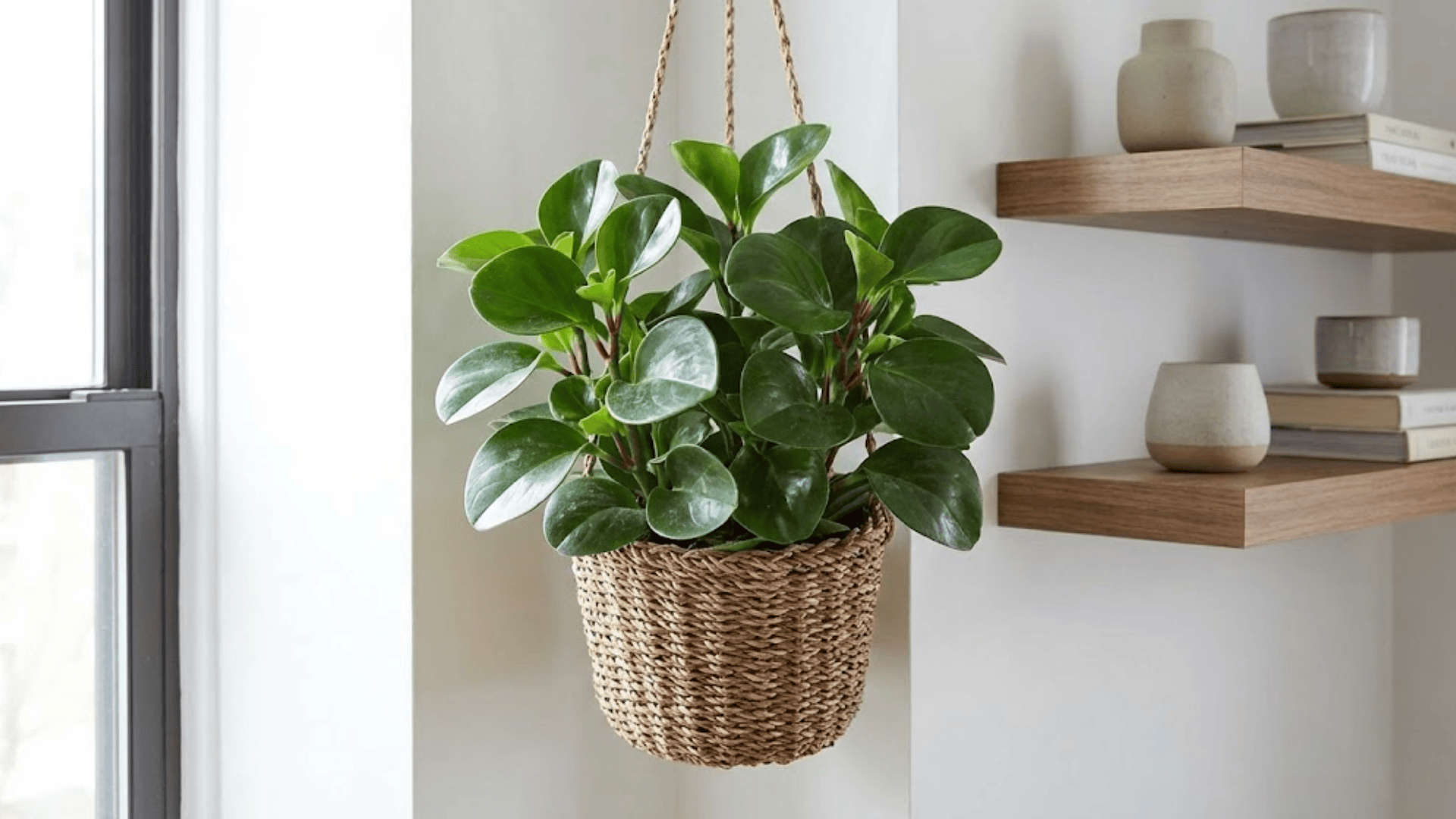
Light Tolerance: Highly adaptable to low light
Growth Speed Expectations: Slow, compact
Thick, glossy leaves make this compact plant look healthy even in tough conditions. It naturally stays small and bushy rather than developing long trailing stems, making it perfect for small hanging baskets in tight spaces.
The thick leaves store water, making it exceptionally drought-tolerant and forgiving of neglect. Variegated versions with cream edges exist, but solid green types tolerate the lowest light best.
Practically indestructible and requires minimal attention while consistently looking polished and intentional rather than struggling or sparse.
22. Trailing Jade
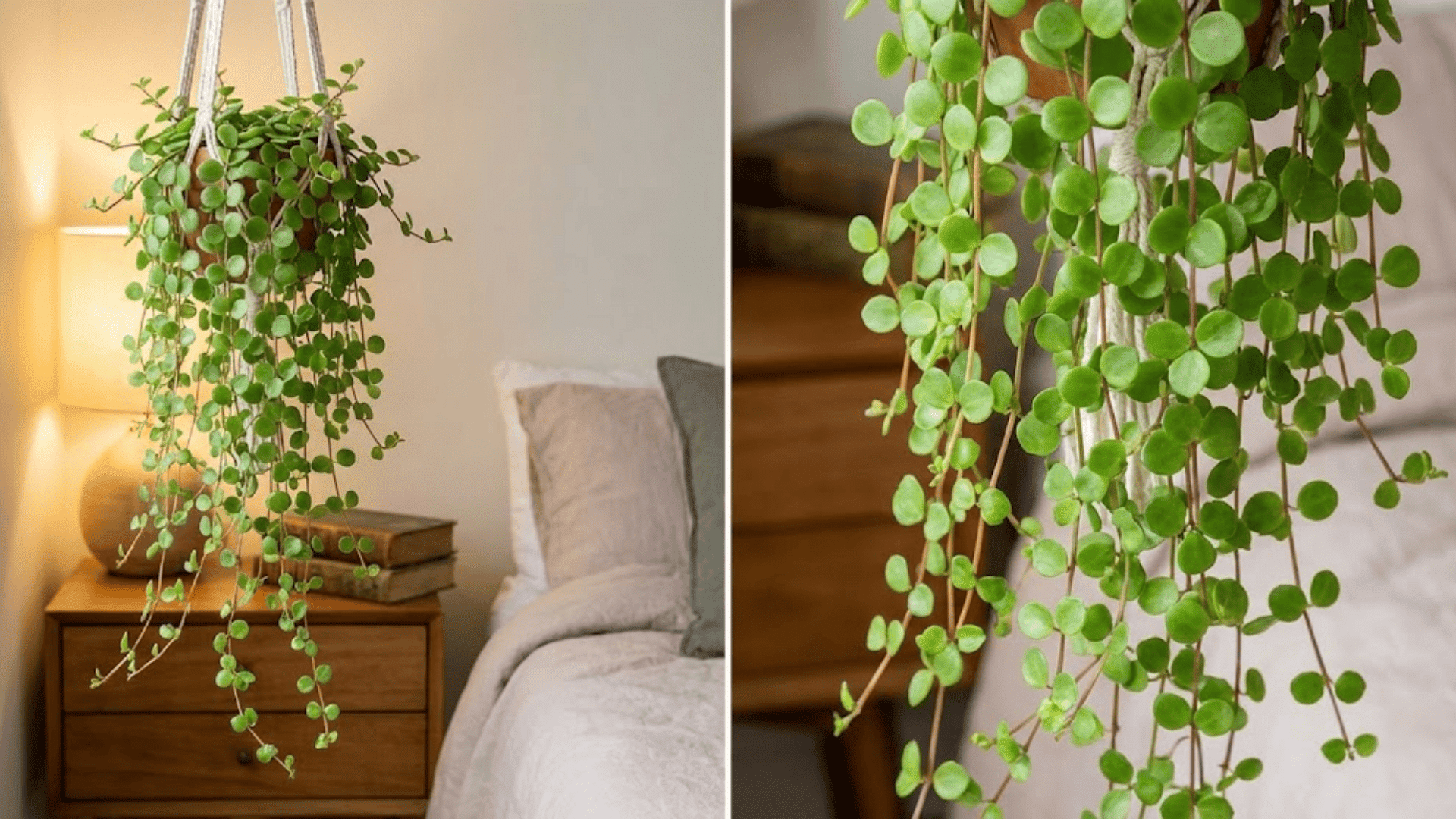
Light Tolerance: Low-light tolerance
Growth Speed Expectations: Moderate, stays compact
Tiny, round leaves resembling strings of buttons line thin, trailing stems that cascade gracefully without becoming overwhelming. The miniature scale makes it perfect for small spaces where larger trailing plants would dominate.
It’s more moisture-sensitive than other peperomias, preferring to dry out completely between waterings. The delicate appearance belies a surprisingly tough constitution.
Works beautifully in kokedama or small macrame hangers where dramatic long trails aren’t needed. The petite proportions feel curated and intentional rather than accidentally small or struggling.
23. Boston Fern
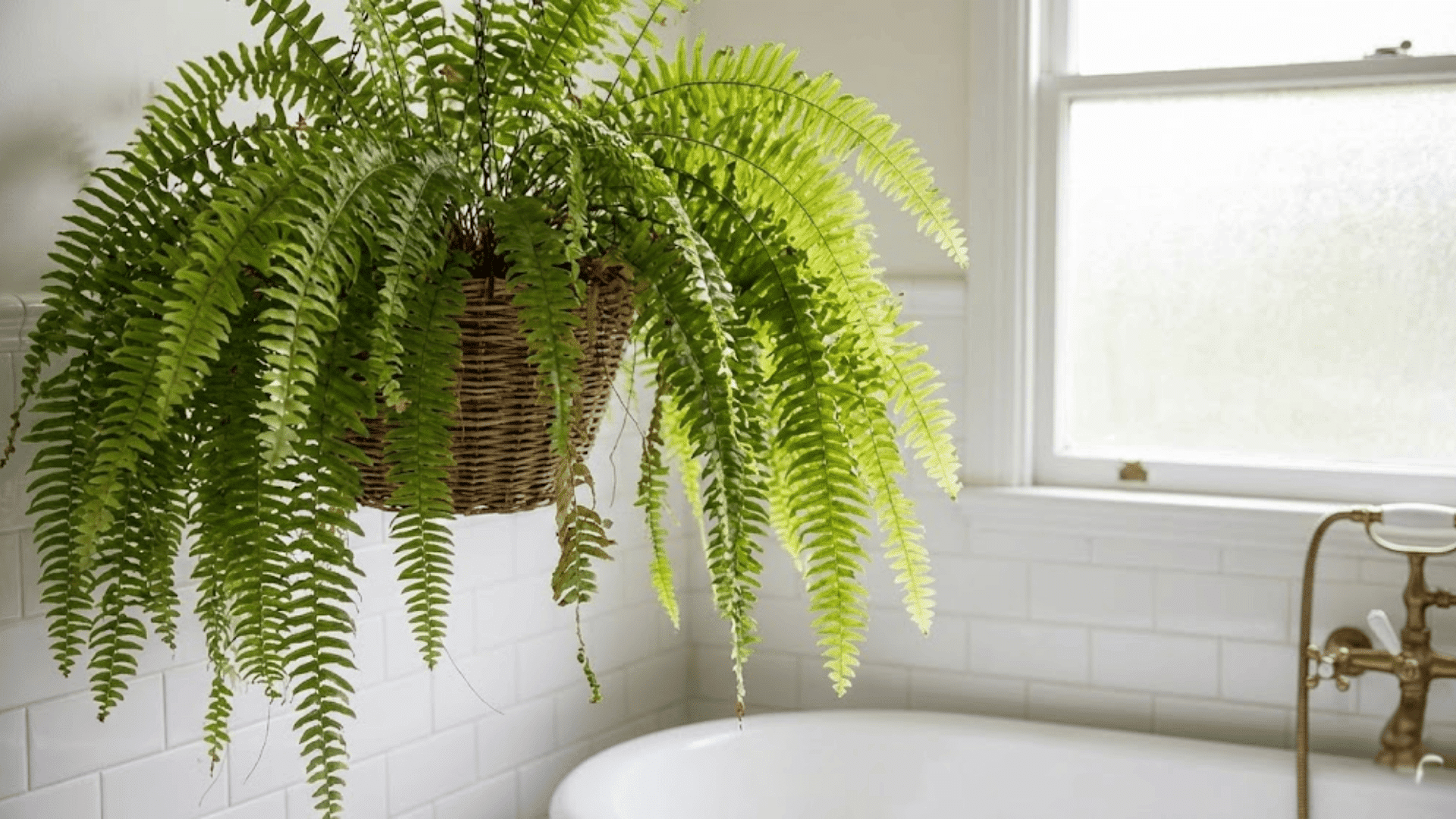
Light Tolerance: Low with humidity
Growth Speed Expectations: Moderate frond production
While traditionally considered medium-light plants, Boston ferns adapt surprisingly well to lower light when placed in bathrooms or other naturally humid locations.
The key is pairing low light with consistent moisture and humidity rather than expecting it to tolerate both shade and dry air. The lush, feathery fronds create a romantic, Victorian-era ambiance.
They’re fussier about watering than most, but reward attentive care with spectacular cascading fronds. Best for committed plant parents rather than forgetful ones, but worth the effort for classic beauty.
Best Hanging Locations for Low-Light Indoor Plants
Finding the right spot for your low-light hanging plants can make the difference between barely surviving and actually thriving.
These locations work because they provide just enough ambient light without the harshness of direct sun.
- North-facing windows offer consistent, gentle indirect light throughout the day without any direct sun exposure, making them ideal for shade-loving plants that need predictable conditions.
- Bathrooms with small windows combine natural humidity with softer lighting, creating a microclimate that many tropical trailing plants appreciate more than brighter, drier rooms.
- Hallways and stairwells typically receive ambient light from adjacent rooms or small windows, providing enough brightness for genuinely low-light-tolerant varieties while adding life to overlooked transitional spaces.
- Office corners away from windows with overhead fluorescent or LED lighting can sustain resilient plants like pothos and ZZ plants that adapt to artificial light sources surprisingly well.
- High shelves versus ceiling hooks both work, but shelves closer to eye level make watering and maintenance easier while ceiling placements maximize vertical space and create dramatic cascading effects in taller rooms.
The key is to observe how much natural light each space receives throughout the day and match your plant’s tolerance level accordingly.
Low-Light Hanging Plants That People Struggle With
Not every plant marketed as low light actually lives up to the label. Understanding which ones consistently disappoint helps you avoid wasting money and effort on plants destined to struggle in your space.
| Plant | Common Issue | Actual Light Need |
|---|---|---|
| String of Pearls | Rots easily, shrivels in shade | Bright indirect to direct light |
| String of Hearts | Becomes leggy, loses variegation | Medium to bright indirect |
| Burro’s Tail | Stretches and weakens | Bright with some direct sun |
| Trailing Jade | Drops leaves, grows spindly | Bright with morning/evening sun |
| Most Ferns | Browns despite moisture | Medium light plus high humidity |
Here’s a relevant discussion on r/houseplants where plant owners share their concerns about what actually survives in truly low-light conditions.
Styling Tips for Low-Light Indoor Hanging Plants
Once you’ve chosen your plants, the way you display them can transform a dim corner into a curated, intentional space that feels alive and welcoming.
- Ceiling hooks create dramatic cascades while wall-mounted planters keep trailing vines closer to eye level for easier maintenance and appreciation.
- Macramé hangers add texture and warmth while allowing you to adjust plant height easily and create visual interest beyond just the foliage.
- Mix trailing lengths and leaf textures by pairing delicate creeping fig with bold philodendron or fine spider plant babies with chunky peperomia leaves.
- Layer plants on floating shelves at varying heights to create depth and dimension while maximizing vertical space in low-light areas.
The goal is to make your low-light plants look purposefully styled rather than randomly scattered, turning a limitation into a design feature that feels cohesive and thoughtfully arranged.
Can Grow Lights Help Low-Light Hanging Plants?
Grow lights can absolutely help low-light hanging plants, especially in truly windowless spaces or during darker winter months. They make sense when aiming for faster growth or testing the limits of survivable light.
Look for low-profile LED clip-on lights or sleek bar lights that mount above hanging planters without looking too industrial.
Most low-light-tolerant plants thrive with around 100 to 200 foot-candles, which translates to about 6 to 8 hours of supplemental LED lighting daily.
Just remember that grow lights boost growth but aren’t necessary for survival if your space already has some ambient natural light.
That’s a Wrap
Living with low light doesn’t mean sacrificing the joy of trailing greenery cascading from your ceilings and walls.
The low-light hanging plants in this collection prove that even the dimmest corners can support lush, healthy growth when you choose varieties that genuinely tolerate shade.
Start with one or two bulletproof options like pothos or philodendron, observe how they respond in your specific space, then gradually expand your collection as your confidence grows.
Every home has those tricky spots that seem impossible to green up, but now you know exactly which plants can handle the challenge.
What’s your experience with low-light hanging plants? Drop a comment below sharing which ones have thrived or struggled in your space.