I used to grab any bag of potting soil from my garage without thinking twice. That changed when I planted tomatoes in a two-year-old mix and watched them struggle for weeks. Yes, potting soil does go bad, but not in the way you might think.
It doesn’t come with an expiration date stamped on the bag, and it won’t suddenly turn toxic overnight. What happens is more subtle. The nutrients break down, beneficial microbes die off, and the texture starts to compact.
You’ll notice your plants just don’t thrive as they should.
I’ll walk you through the signs of degraded soil, how long each type actually lasts, and simple ways to revive old bags so you’re not wasting money or sabotaging your plants.
Does Potting Soil Go Bad: Is Yours Still Safe to Use?
I’ve seen gardeners toss perfectly good soil because they weren’t sure if it was still okay. That’s money down the drain. Understanding how long potting soil lasts helps you make smart decisions instead of guessing every spring.
Here’s what matters most: whether your bag is unopened or already opened. Unopened bags keep soil fresher longer because they’re sealed from moisture, pests, and air. Once you break that seal, everything changes.
The soil gets exposed to elements that speed up breakdown.
You’re probably wondering about the nasty stuff. Mold, bugs, and that weird smell are real concerns. I get it. Nobody wants to plant their prized tomatoes in contaminated mix.
The good news? Most issues are fixable, and some are actually harmless.
The difference comes down to storage.
An unopened bag sitting in your dry garage? That’s going to outlast an opened bag left outside through winter. Moisture is your enemy here. It invites mold growth and attracts pests looking for a cozy home.
In my experience, degradation happens gradually. You won’t see dramatic changes overnight. The nutrients slowly disappear, organic matter breaks down, and texture shifts. Your plants feel these changes before you see them in the bag itself.
Understanding Potting Soil Composition and Expiration
Potting soil isn’t just dirt in a bag. It’s a carefully mixed blend designed to give container plants what they need. Knowing what’s inside helps you understand why it breaks down.
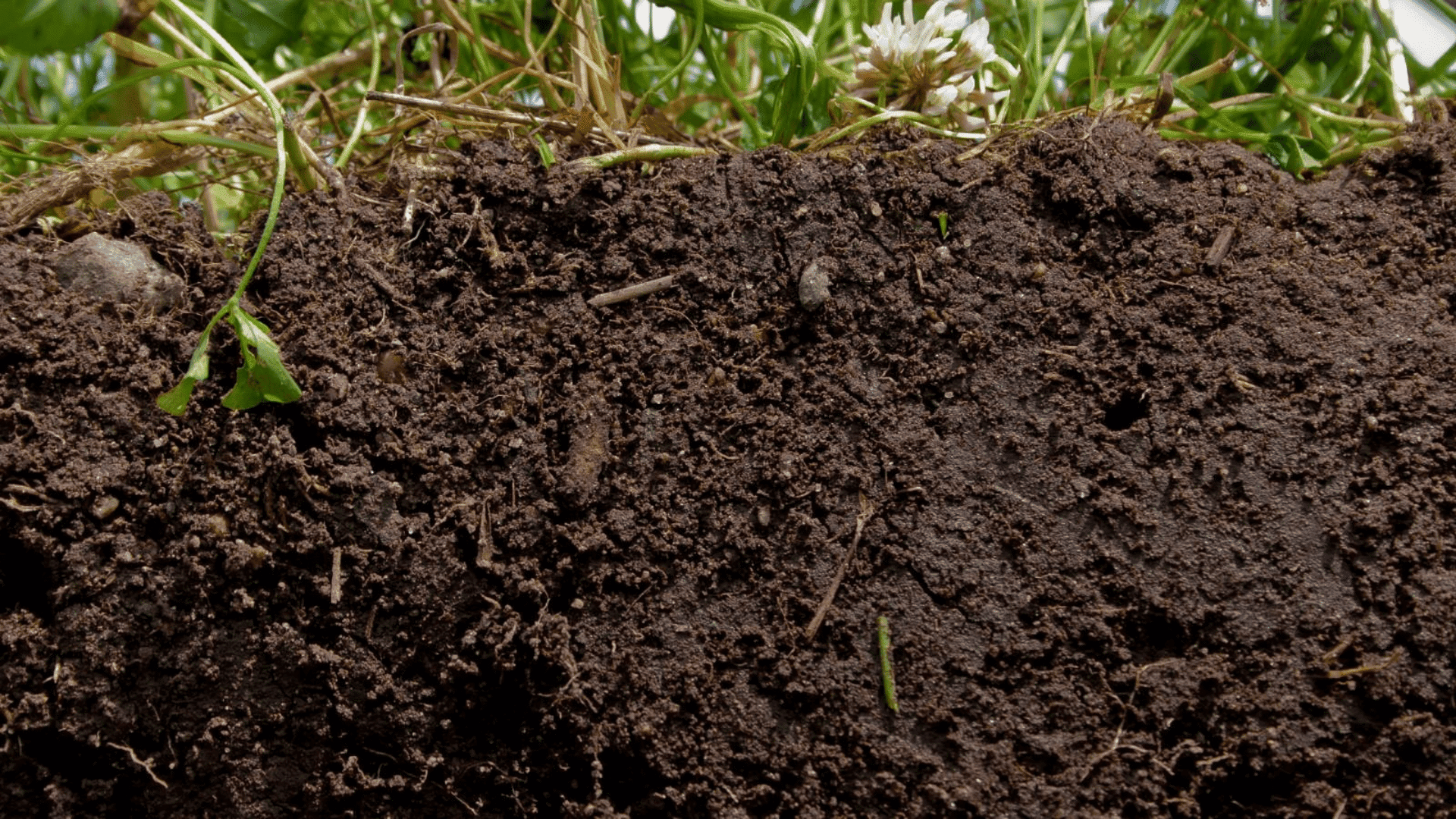
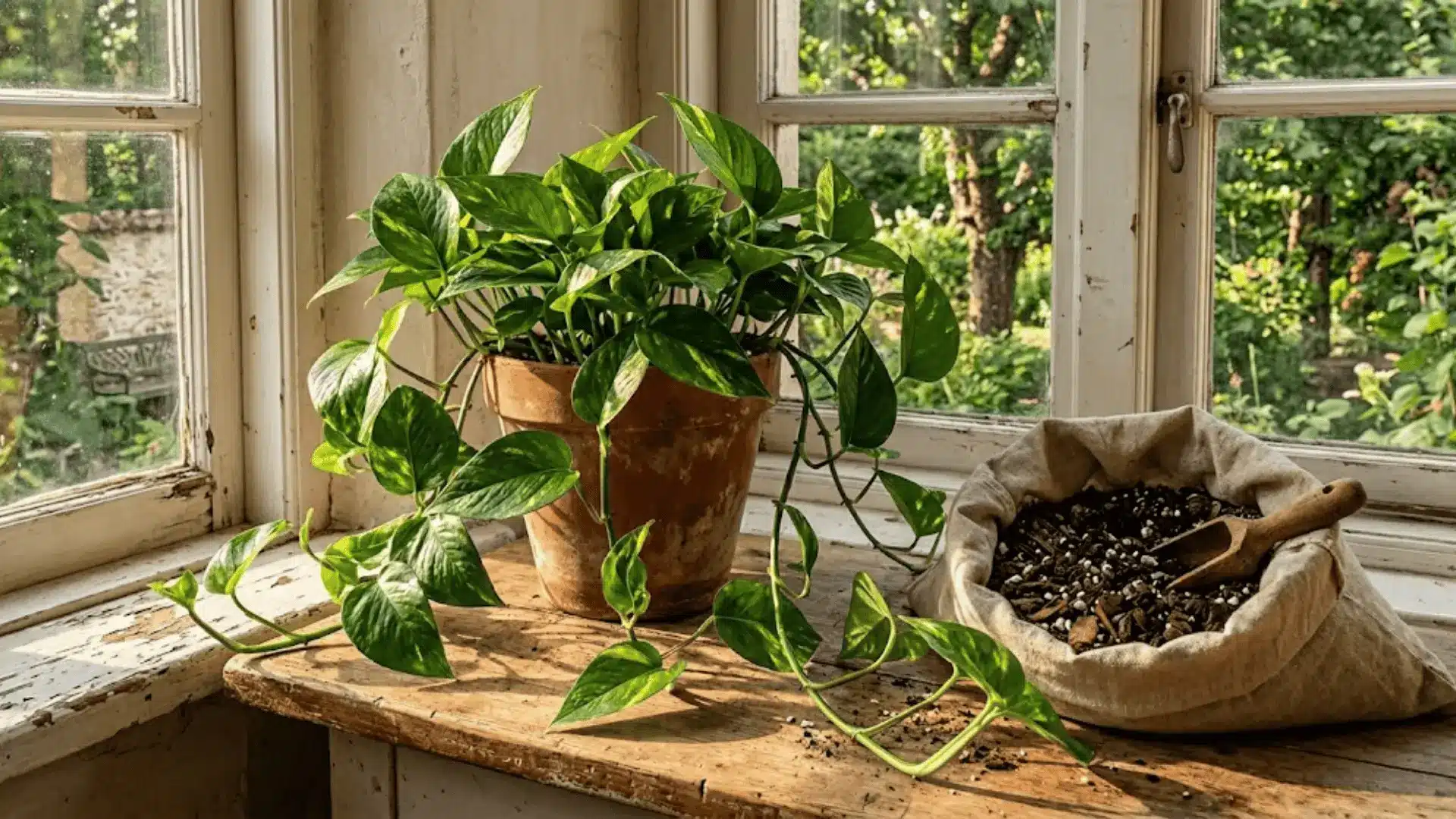
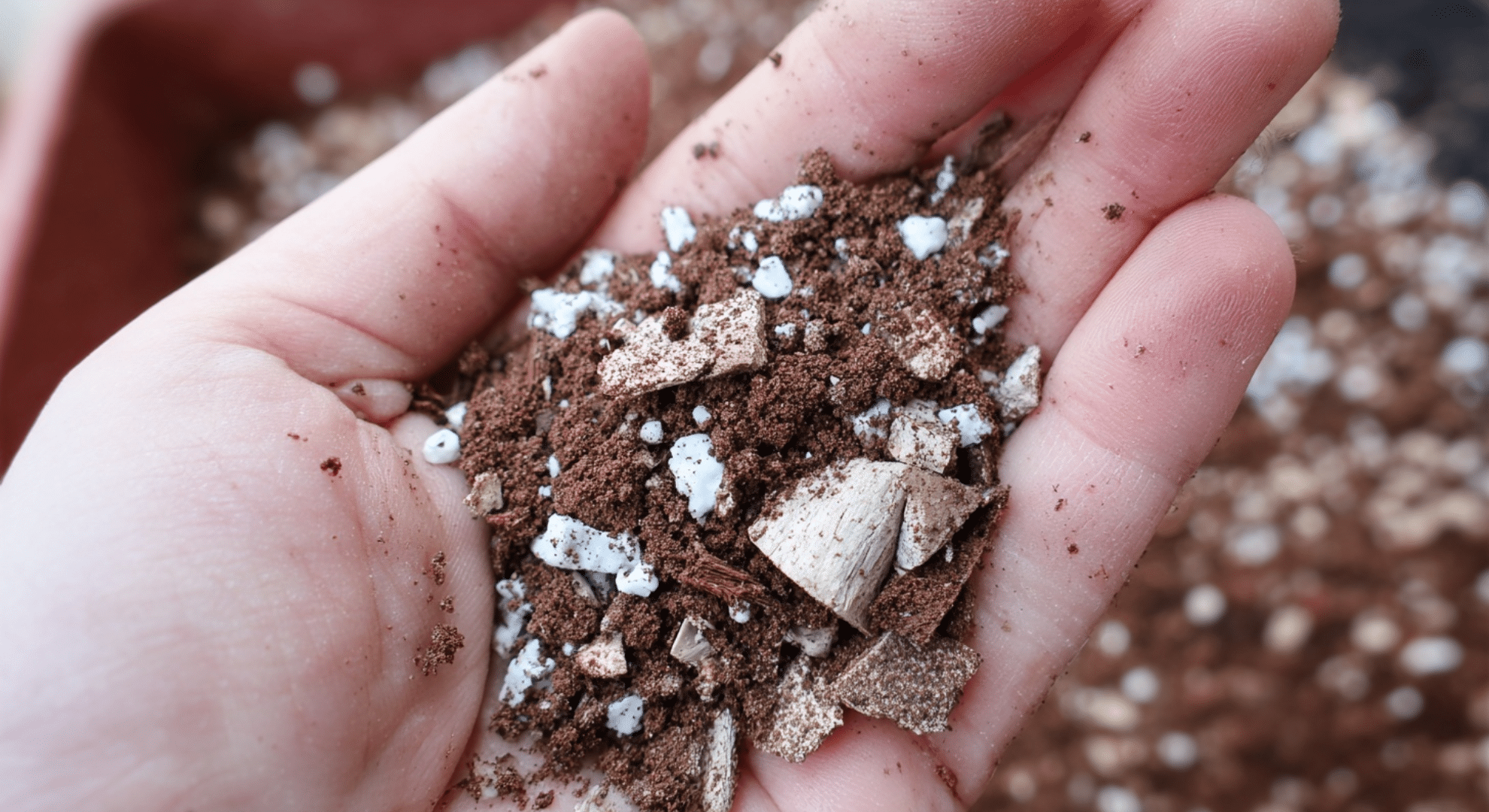
Most potting mixes contain peat moss or coco coir as the base. These hold moisture and create air pockets for roots. You’ll also find perlite, those white chunky bits that improve drainage.
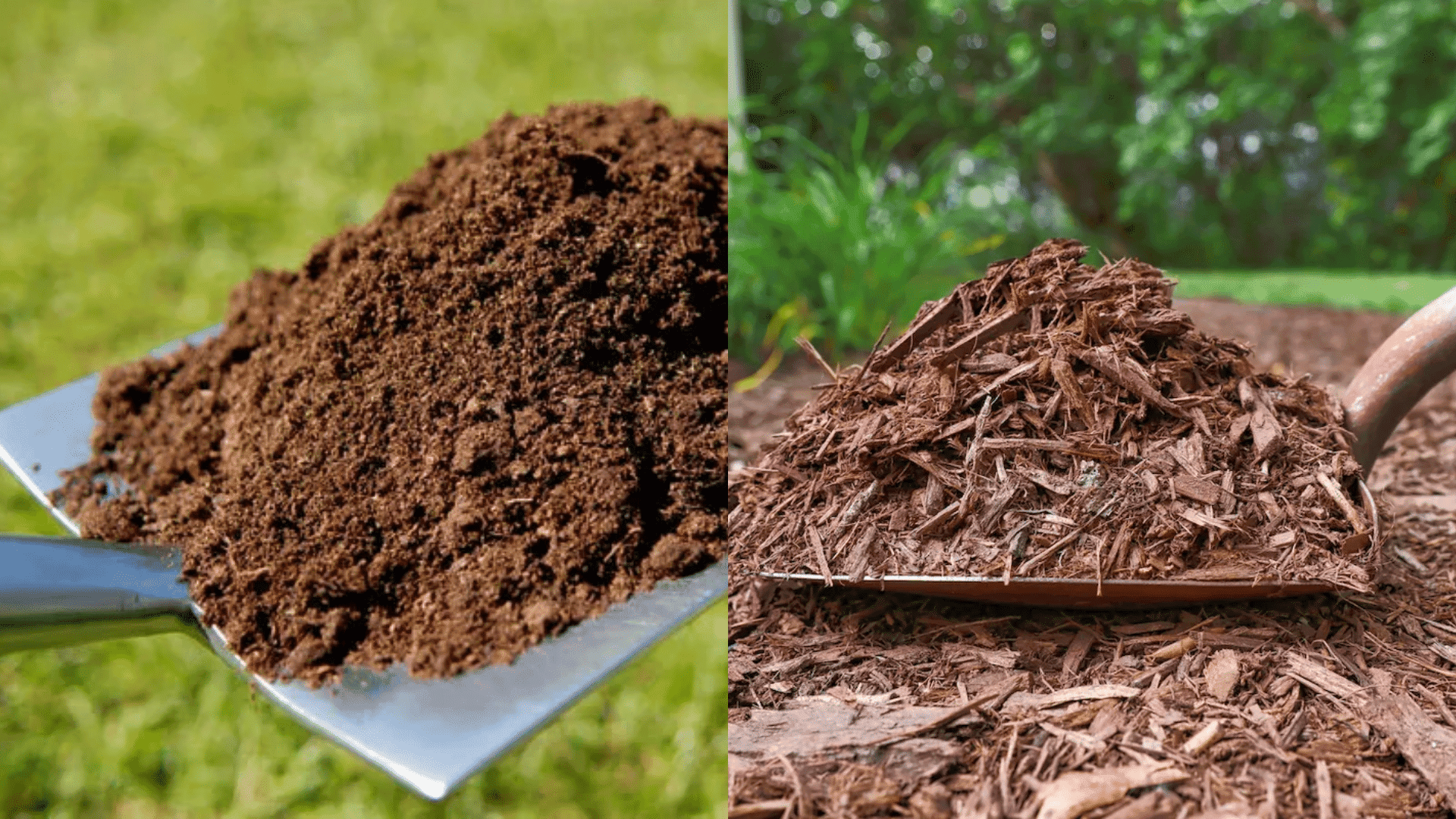
Vermiculite is another common ingredient that retains water and nutrients. Many brands add compost, bark, or wood chips for organic matter. Some throw in fertilizers or wetting agents too.
Each ingredient ages differently, and that’s where things get interesting. Peat moss and coco coir are pretty stable. They can sit for years without major issues.
Perlite and vermiculite? They’re minerals, so they basically last forever. The problem ingredients are the organic ones. Compost breaks down over time. Fertilizers lose potency. Wetting agents degrade and stop working.
In my experience, unopened potting soil stays good for one to two years when stored properly. After that, you’re rolling the dice. Opened bags? I give them six months to a year max before quality drops noticeably.
What Speeds Up Deterioration?
Moisture is the biggest culprit. It triggers decomposition and microbial activity that eats through organic matter.
Heat accelerates chemical breakdown of fertilizers. Sunlight degrades some ingredients too.
A bag left outside through summer and winter will age faster than one sitting in a climate-controlled garage.
The nutrients are usually the first to go. Slow-release fertilizers lose effectiveness after six to twelve months.
Beneficial microbes die off without moisture or food sources. The texture changes as organic matter compresses and air pockets collapse.
Signs That Old Potting Soil is No Longer Usable
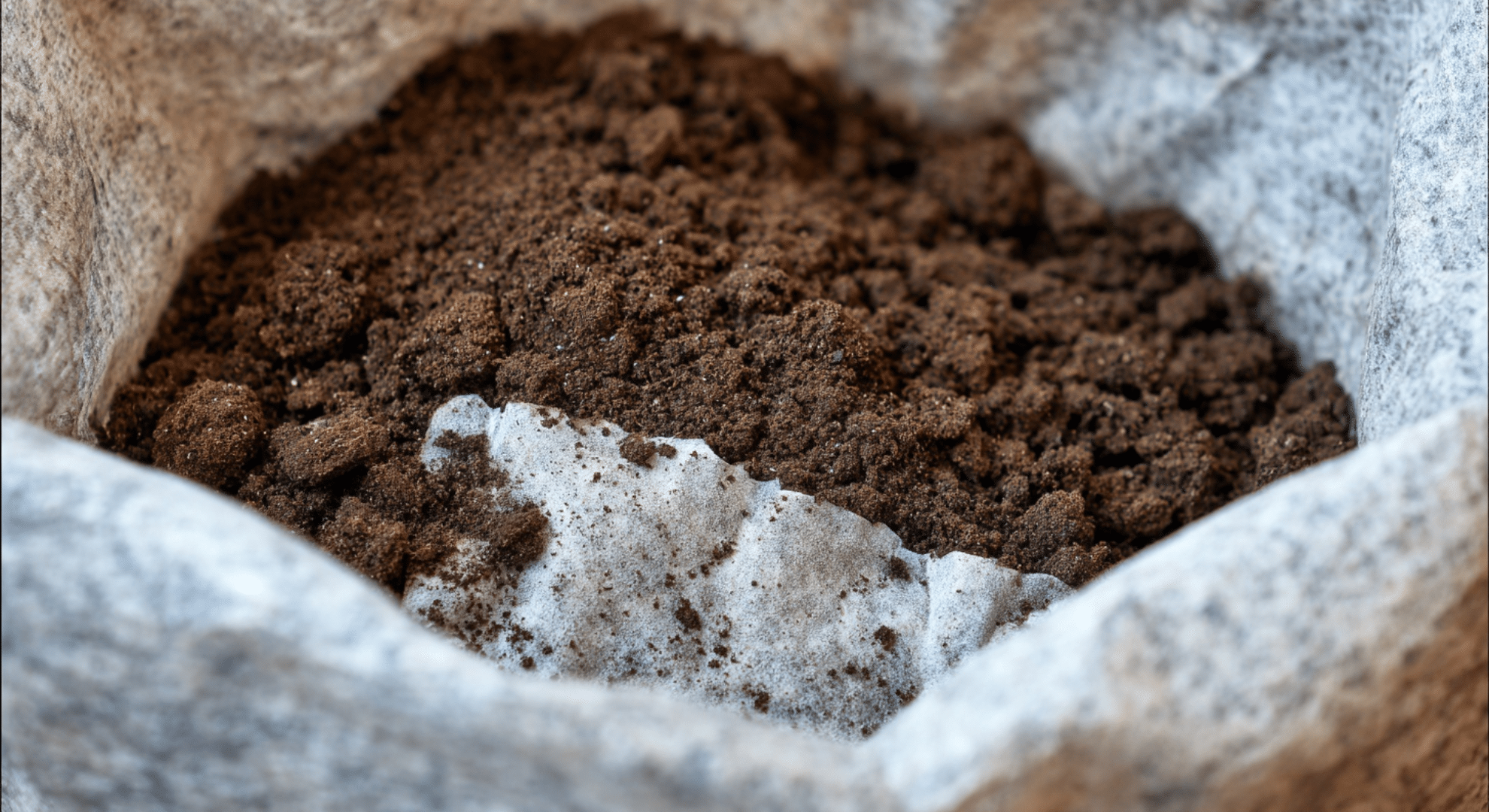
I always do a quick inspection before using stored soil. It takes two minutes and saves me from planting headaches later. Your senses tell you everything you need to know.
Physical warning signs to watch for:
- Compacted texture: Soil that’s rock hard or formed into a solid brick has lost its structure. The air pockets collapsed, and even breaking it apart won’t restore the original fluffiness.
- Severe clumping: Large chunks that won’t separate mean the soil got wet and dried repeatedly. The ingredients bonded together in ways they shouldn’t have.
- Bone dry and dusty: Soil that’s completely dried out lost its moisture-holding ability. Water runs straight through instead of being absorbed properly.
- Heavy and dense feel: Good potting soil should feel fluffy and spring back when you squeeze it. If it stays compressed or feels weighty, the composition broke down.
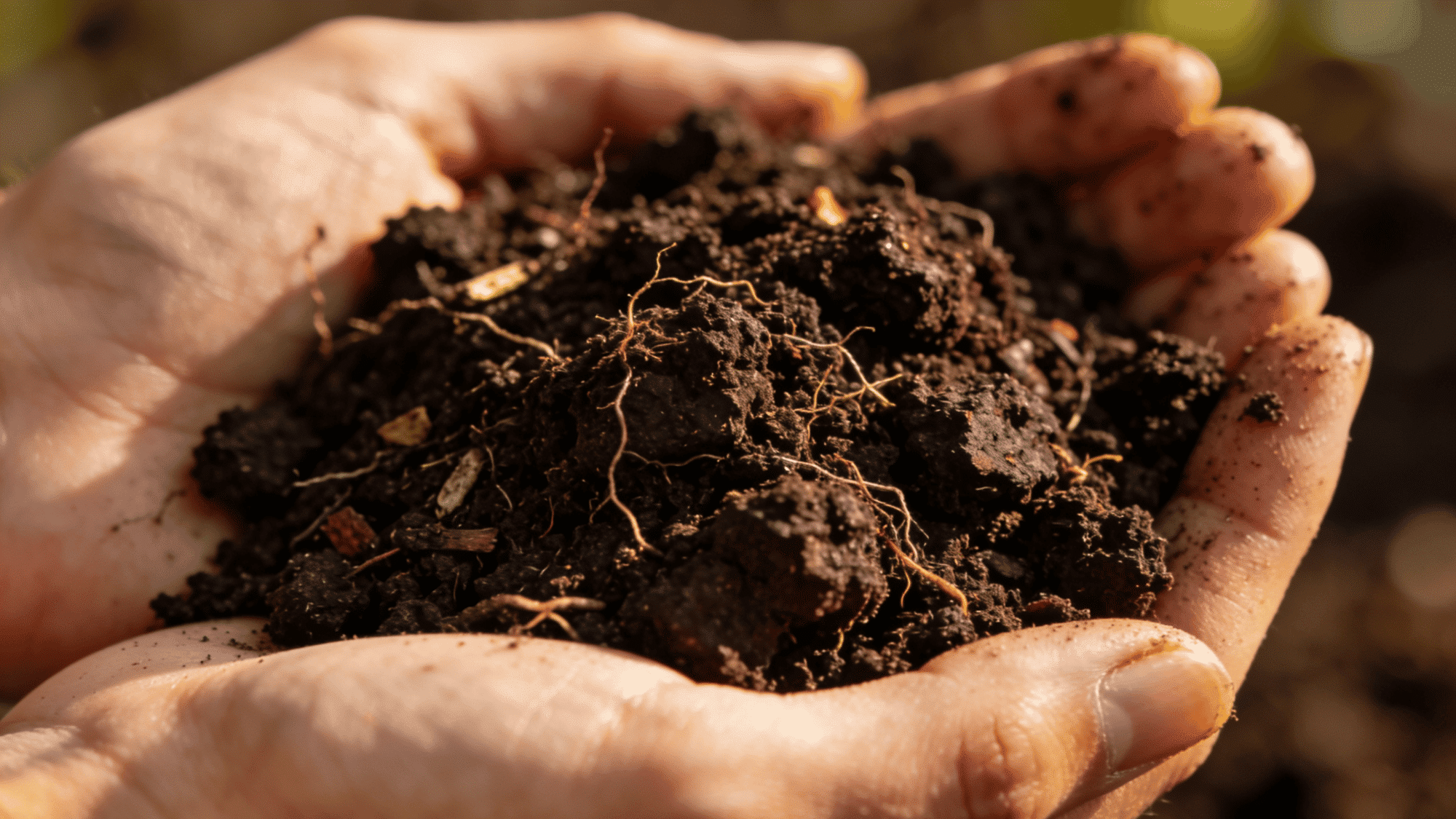
The smell test never lies. Fresh potting soil has an earthy, slightly sweet aroma.
What you don’t want is a musty, sour, or rotten odor. I’ve opened bags that smelled like a swamp, and that’s mold telling you the soil stayed too wet for too long.
Visual red flags that mean trouble:
- Mold growth: White, green, or black fuzzy patches indicate fungal contamination. Some surface mold is manageable, but heavy growth throughout the bag means you should toss it.
- Color changes: Fresh soil has a rich brown tone. Grayish, greenish, or weird orange spots signal chemical breakdown from prolonged moisture exposure.
- Visible pests: Fungus gnats, tiny white bugs, or webbing are deal breakers. You’re bringing an infestation straight to your plants if you use contaminated soil.
- Slimy coating: Any slick or slimy texture means bacterial overgrowth happened. That soil won’t support healthy plant roots.
In my experience, you can sometimes revive slightly degraded soil, but these severe signs mean it’s past saving.
Trust your instincts. If something seems off, it probably is.
Precautions to Take When Using Old Potting Soil
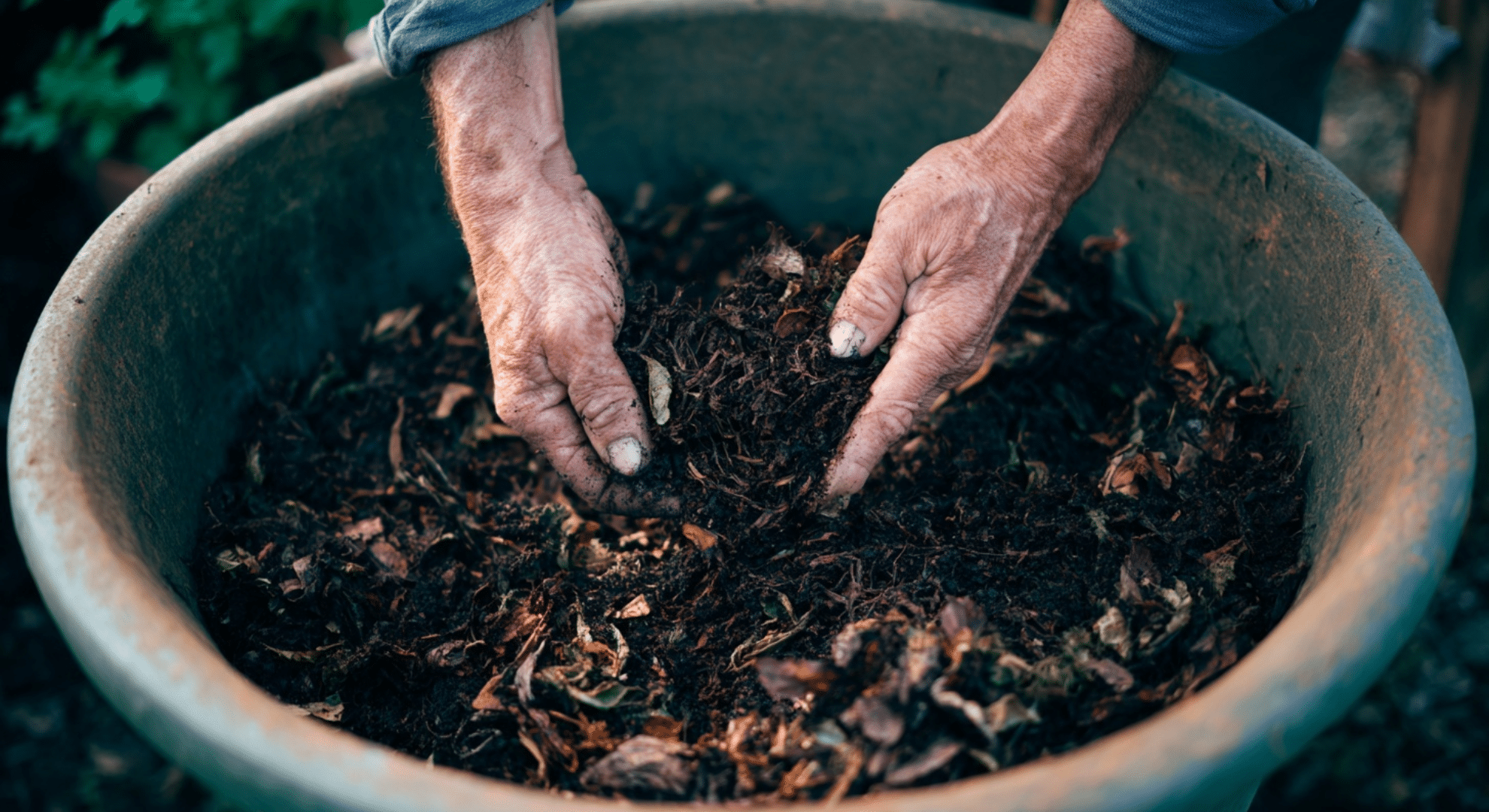
You don’t always need to throw out old potting soil. I’ve refreshed countless bags that were still salvageable. The key is knowing what precautions to take before putting plants in it.
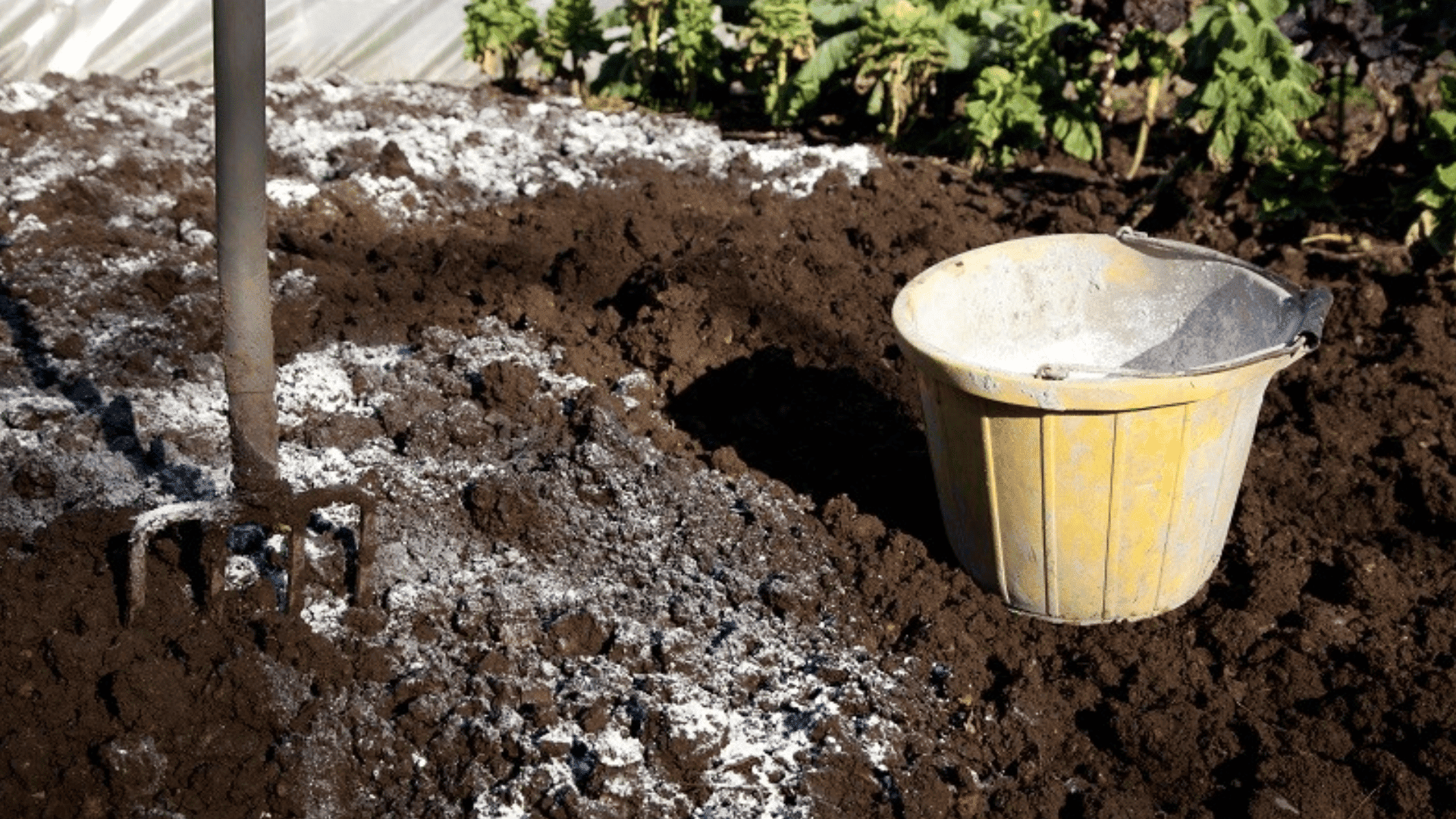
Start by dumping the soil out and inspecting it thoroughly. Look for pests, mold, or anything suspicious that might harm your plants. If you spot minor issues, spread the soil on a tarp in direct sunlight for a few days.
The heat kills off harmful bacteria, fungi, and pest eggs hiding in the mix.
Break up any clumps with your hands or a small rake to restore air pockets that roots need.
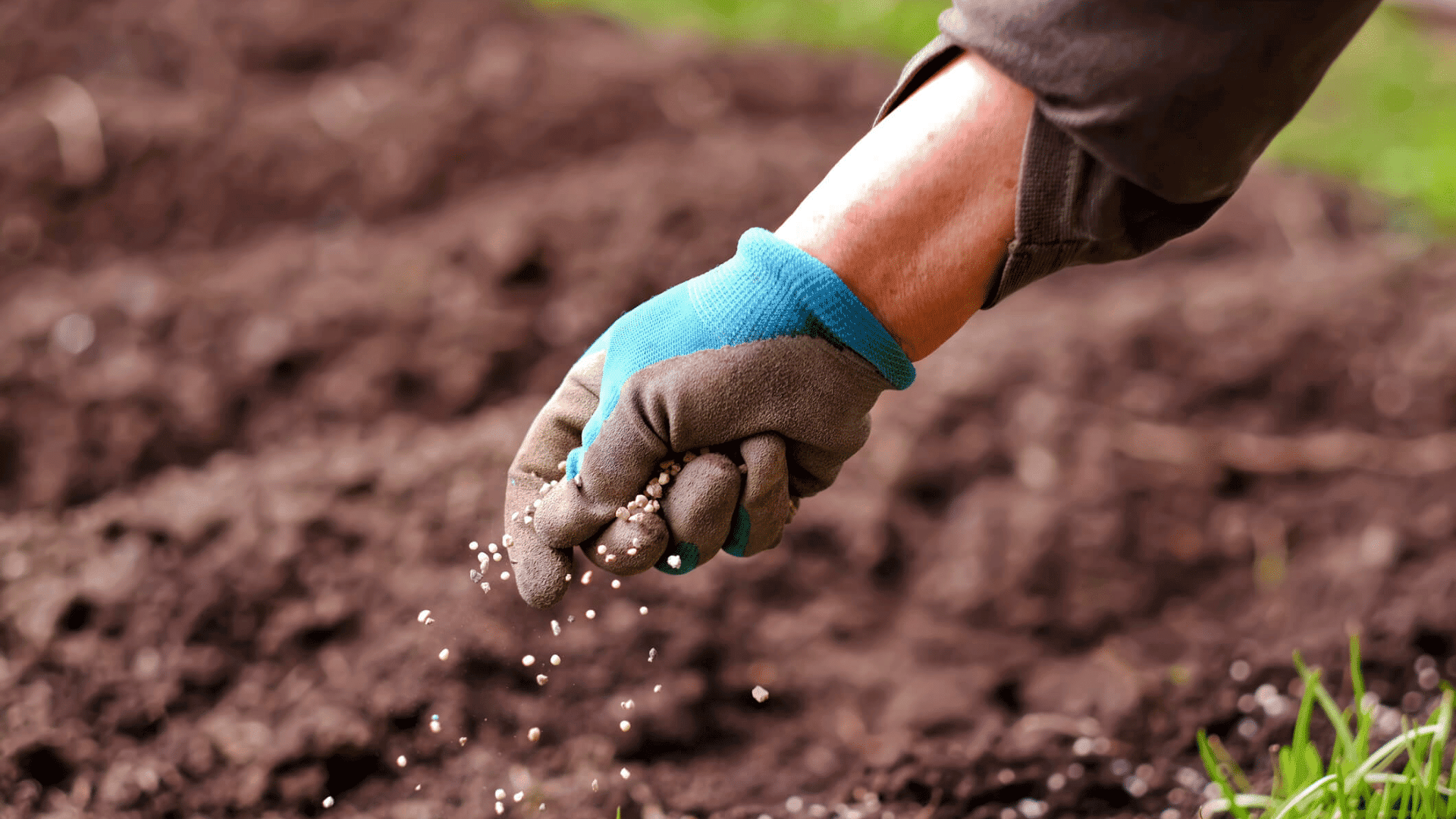
The soil won’t have the same nutrient levels it started with, so I always add fresh amendments to bring it back to life.
Mix in compost at about a 1:3 ratio to replenish organic matter. Add perlite if the texture got too dense, or blend it 50/50 with new potting mix. Throw in slow-release fertilizer since old soil is nutrient-depleted. In my experience, refreshed soil works great for decorative containers and non-edible plants.
However, if you see heavy mold contamination, pest infestations, or smell something foul, just toss it.
I never use old soil for vegetables, herbs, or starting seeds. These plants need pristine conditions, and fresh soil is non-negotiable here.
How to Store Potting Soil for Long-Term Use
Storage makes all the difference between soil that lasts years and soil that degrades in months. I’ve learned this the hard way after losing entire bags to poor conditions.
- Keep it in a cool, dry location: Heat and humidity speed up decomposition of organic matter. A temperature-controlled garage or shed works perfectly for extending shelf life.
- Seal opened bags tightly: Once you break the seal, roll the top down and clamp it shut or transfer soil to an airtight container. This keeps moisture and pests out.
- Elevate bags off the ground: Concrete floors transfer moisture into bags through contact. Use pallets or shelving to create a barrier between soil and damp surfaces.
- Avoid direct sunlight: UV rays break down certain ingredients and degrade the bag material itself. Store in a dark area or covered space.
- Use airtight bins for long-term storage: Transfer opened soil into plastic containers with tight lids. This creates the best protection against contamination and moisture.
- Label with purchase dates: I mark every bag so I know what’s oldest. This helps me rotate stock and use aging soil before it goes bad.
Even unopened bags suffer in bad conditions. Moisture seeps through packaging over time, and temperature swings cause condensation inside sealed bags.
Proper storage isn’t optional if you want your investment to last.
Conclusion
I’ve stored potting soil for years without issues once I learned what actually makes it go bad. It’s not about expiration dates or throwing everything out after a season. You now know how to inspect your soil, spot the warning signs, and decide if it’s worth refreshing or replacing.
The storage tips alone will save you money and prevent those frustrating plant failures from degraded mix. Does potting soil go bad? Yes, but you control how fast that happens. Keep your bags sealed tight, store them properly, and check before each use.
For vegetables and seedlings, always start fresh. For everything else, refreshed soil works beautifully. The difference between wasted money and thriving plants often comes down to these simple choices.
Check out other gardening blogs on the website for more practical tips on keeping your plants healthy all season long!